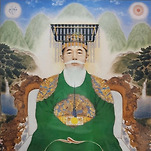
<div class="figure-img" data-ke-type="image" data-ke-style="alignLeft" data-ke-mobilestyle="widthOrigin"><img src="https://t1.daumcdn.net/cafeattach/1ABdi/080cf8af6473bc78facc9e9a57cc11bf6dd83cab" class="txc-image" width="589" height="786" data-img-src="https://t1.daumcdn.net/cafeattach/1ABdi/080cf8af6473bc78facc9e9a57cc11bf6dd83cab" data-origin-width="773" data-origin-height="1031"><div class="figcaption">望月壇(망월단)의 巖峰祭壇(암봉제단)神位(신위)</div></div><p style="text-align: justify;"><span style="color: #000000;" data-ke-size="size16">地球村(지구촌:곤륜산에서 수도한 도인 )이 내게 묻는다. </span></p><p style="text-align: justify;"><span style="color: #000000;" data-ke-size="size16">圓光先生(원광선생)과 다툰 일이 있느냐는 것이다. </span></p><p style="text-align: justify;"><span style="color: #000000;" data-ke-size="size16">하여 대답하기를 甑山上帝(증산상제)께서는 未來世上(미래세상)을 后天(후천)이라 하였고 </span></p><p style="text-align: justify;"><span style="color: #000000;" data-ke-size="size16">迎新堂主 天地父母(영신당주 천지부모)께서는 도로 봄 世上(세상)으로 돌아옴에 先天(선천)이 된다 하였는데 </span></p><p style="text-align: justify;"><span style="color: #000000;" data-ke-size="size16">어찌 영신당주님을 믿고 따르면서 '후천'이라고 말하느냐 따지는 원광선생에게 어린아이 같다고 </span></p><p style="text-align: justify;"><span style="color: #000000;" data-ke-size="size16">당일 아침 周易卦象(주역괘상)으로 一喝(일갈)한 사실을 言及(언급)한 것이다.</span></p><p style="text-align: justify;"> </p><p style="text-align: justify;"><span style="color: #000000;" data-ke-size="size16">先天(선천)이다, 後天(후천)이다 라는 理致(이치)를 따져보면 알 수 있다. </span></p><p style="text-align: justify;"><span style="color: #000000;" data-ke-size="size16">여러번 說明(설명)한 바 있다. </span></p><p style="text-align: justify;"><span style="color: #000000;" data-ke-size="size16">지구촌과 旌善 修道(정선 수도)터에 가는 길의 승용차 안에서 나눈 道談(도담)이다.</span></p><p style="text-align: justify;"><span style="color: #000000;" data-ke-size="size16">비가 전국적으로 많이 내린다는 日氣豫報(일기예보)가 있었으니 </span></p><p style="text-align: justify;"><span style="color: #000000;" data-ke-size="size16">전날 지구촌이 비가 온다는데도 가느냐 물었고 妻(처)가 간다고 하였더니 함께 出行(출행)하게 된 것이다.</span></p><p style="text-align: justify;"> </p><p style="text-align: justify;"><span style="color: #000000;" data-ke-size="size16">正易(정역)의 이치로 未來世界(미래세계)는 陰陽(음양)이 合(합)이 되어 </span></p><p style="text-align: justify;"><span style="color: #000000;" data-ke-size="size16">春秋時代(춘추시대)가 되어 靜(정)의 時間代(시간대)라 덧붙여 說明(설명)하다. </span></p><p style="text-align: justify;"><span style="color: #000000;" data-ke-size="size16">하여 과학적으로 地軸(지축)이 定立(정립)된 미래세계를</span></p><p style="text-align: justify;"><span style="color: #000000;" data-ke-size="size16"> 金 一夫先生(김 일부선생)의 正易(정역)인 後天 易(후천 역)임을 깨달아 세상에 알게 한 哲學(철학)이니</span></p><p style="text-align: justify;"><span style="color: #000000;" data-ke-size="size16"> 따라서 未來(미래)는 后天世界(후천세계)이면서 春秋(춘추)가 하나되어 봄 세상이 되어 오는데 </span></p><p style="text-align: justify;"><span style="color: #000000;" data-ke-size="size16">봄 가운데에 가을이 함께하여 겉으로는 봄으로써 가을이 없는듯 하지만 </span></p><p style="text-align: justify;"><span style="color: #000000;" data-ke-size="size16">실제로는 가을로 꽃 피우면서 함께 秋收(추수)를 한다는 이치이다.</span></p><p style="text-align: justify;"> </p><p style="text-align: justify;"><span style="color: #000000;" data-ke-size="size16">이러한 까닭에 가을을 말씀한 증산상제님과 영신당주님 말씀이 다르다고 주장한 원광선생의 주장은 </span></p><p style="text-align: justify;"><span style="color: #000000;" data-ke-size="size16">깨닫지 못한 未熟(미숙)한 學者(학자)의 설익은 知識(지식)이기에 一喝(일갈)하여 그의 指摘(지적)을 물리친 것이다.</span></p><p style="text-align: justify;"><span style="color: #000000;" data-ke-size="size16">道談(도담)나누다 보니 3시간여의 거리를 시간가는 줄 모르게 보내며 目的地(목적지)에 다다르다.</span></p><p style="text-align: justify;"> </p><p style="text-align: justify;"><span style="color: #000000;" data-ke-size="size16">牧牛堂(목우당)에서 아침 8시에 出發(출발)하여</span><span style="color: #000000;">旌善郡 南面(정선군 남면)에는 午前(오전) 11시에 到着(도착)하다.</span></p><p style="text-align: justify;"><span style="color: #000000;" data-ke-size="size16">南面(남면)에서 부터는 산길이 꼬불 꼬불하고 오르막 길이 </span></p><p style="text-align: justify;"><span style="color: #000000;" data-ke-size="size16">다시 내리막 非包裝 山(비포장 산)길이 되어 多少 危險(다소 위험)스러운 旅程(여정)이기도 하다.</span></p><p style="text-align: justify;"><span style="color: #000000;" data-ke-size="size16">수도터에 이르니 앞은 絶壁(절벽)이고 奇妙(기묘)한 두 곳 바위에 山精氣(산정기)가 應氣(응기)해 있다. </span></p><p style="text-align: justify;"><span style="color: #000000;" data-ke-size="size16">3채의 집이 있는데 陽宅(양택)으로써는 吉地(길지)가 못된다. 虛宮(허궁)이다.</span></p><p style="text-align: justify;"> </p><p style="text-align: justify;"><span style="color: #000000;" data-ke-size="size16">望月壇(망월단)의 巖峰祭壇(암봉제단)이 氣(기)가 가장 强(강)하다. </span></p><p style="text-align: justify;"><span style="color: #000000;" data-ke-size="size16">하여 準備(준비)해 간 祭需(제수)를 차리고 修行(수행)케 하다. </span></p><p style="text-align: justify;"><span style="color: #000000;" data-ke-size="size16">제단 위에는 많은 글자로 刻字(각자)된 神位(신위)가 亂雜(난잡)하게 보인다. </span></p><p style="text-align: justify;"><span style="color: #000000;" data-ke-size="size16">刻字(각자)된 神位(신위)를 설명하면 上端(상단)에 符(부)가 橫(횡)으로 그려져 있고 </span></p><p style="text-align: justify;"><span style="color: #000000;" data-ke-size="size16">碑石(비석)의 縱(종)으로 같은 모양의 두 符(부)가 새겨져 있는데 </span></p><p style="text-align: justify;"><span style="color: #000000;" data-ke-size="size16">符上端(부상단)에 右(우)에서 부터 方丈山(방장산), 五坮山(오대산), 鷄龍山(계룡산), </span></p><p style="text-align: justify;"><span style="color: #000000;" data-ke-size="size16">大小 兩桂芳山(대소 양계방산), 太白 兩名山(태백 양명산), 蓬來仙寺(봉래선사)라 刻字(각자)되어 있고 </span></p><p style="text-align: justify;"><span style="color: #000000;" data-ke-size="size16">右側 縱(우측 종)으로 天令下(천령하), 左側 縱(좌측 종)으로 天命下(천명하)라 刻字(각자) 되어 있다.</span></p><p style="text-align: justify;"> </p><p style="text-align: justify;"><span style="color: #000000;" data-ke-size="size16">符(부) 그림의 中心(중심)에는 山 貌樣(산 모양)이고 그 산 아래에는 주인 主(주) 자가 새겨져 있다.</span></p><p style="text-align: justify;"><span style="color: #000000;" data-ke-size="size16">그리고 그 안쪽으로 兩便 符內(양편 부내)에 呼令峯(호령봉)이라 새겨 넣었다. </span></p><p style="text-align: justify;"><span style="color: #000000;" data-ke-size="size16">또 左側 呼令峰(좌측호령봉) 글자 안에는 東山高岩(동산고암), 우편에는 望月壇(망월단)이라 새겼다.</span></p><p style="text-align: justify;"><span style="color: #000000;" data-ke-size="size16">그 아래에 중앙에 우측에서 부터 縱(종)으로 大聖天主天皇氏 之位(대성천주천황씨 지위) </span></p><p style="text-align: justify;"><span style="color: #000000;" data-ke-size="size16">大慈天父上帝人皇氏 之位(대자천부상제인황씨 지위) </span></p><p style="text-align: justify;"><span style="color: #000000;" data-ke-size="size16">廣大廣濟萬聖天主地皇氏 之位(광대광제만성천주지황씨 지위)라 人皇之位(인황지위)가 중심에 각자되어 있다.</span></p><p style="text-align: justify;"><span style="color: #000000;" data-ke-size="size16">그 右邊(우변)의 縱(종)으로는 天皇尊位聖神前 觀世菴大保士乙(천황존위성신전 관세암대보사을)</span></p><p style="text-align: justify;"><span style="color: #000000;" data-ke-size="size16">그 下邊(하변)의 縱(종)에는 다시 送令之神軍法軍令乙五 大施行業(송령지신군법군령을오 대시행업) </span></p><p style="text-align: justify;"> </p><p style="text-align: justify;"><span style="color: #000000;" data-ke-size="size16">위글 對句(대귀)로 다시 億萬諸神刀如律令 終(억만제신도여율령 종)이라 쓰였으며</span></p><p style="text-align: justify;"><span style="color: #000000;" data-ke-size="size16"> 天地人 三皇神位(천지인 삼황신위)의 左側 縱(좌측 종)으로 四海大狂鄭江東(사해대광정강동) </span></p><p style="text-align: justify;"><span style="color: #000000;" data-ke-size="size16">惡鬼大沒廣濟客(악귀대몰광제객) 其下 縱(기하 종)으로 </span></p><p style="text-align: justify;"><span style="color: #000000;" data-ke-size="size16">다시 天下萬國萬發故(천하만국만발고) 天心大安三弓乙(천심대안삼궁을)이라고 각자 되어 있다.</span></p><p style="text-align: justify;"> </p><p style="text-align: justify;"><span style="color: #000000;" data-ke-size="size16">그 의미는 첫째 三天四地(삼천사지)의 符(부)로 </span></p><p style="text-align: justify;"><span style="color: #000000;" data-ke-size="size16">縱三 橫四(종삼 횡사)뜻에 天運(천운)의 陰陽(음양)이 地上(지상)으로 내린다는 뜻이라 하겠구나.</span></p><p style="text-align: justify;"> </p><p style="text-align: justify;"><span style="color: #000000;" data-ke-size="size16">둘째 지상세계는 山神(산신)이 主管(주관)하므로 한울을 상징하는 白雲山(백운산)을 필두로 </span></p><p style="text-align: justify;"><span style="color: #000000;" data-ke-size="size16">方丈山(방장산)을 머리 삼아 五臺山(오대산)이라 五行(오행)이 (작용)하도록</span></p><p style="text-align: justify;"><span style="color: #000000;" data-ke-size="size16"> 鷄龍山(계룡산)이 中心(중심)이 되어져 符(부)의 中心上(중심상)에 該當(해당)되니 </span></p><p style="text-align: justify;"><span style="color: #000000;" data-ke-size="size16">그 다음으로 南韓 內陸(남한 내륙)의 主山(주산)이 되는</span></p><p style="text-align: justify;"><span style="color: #000000;" data-ke-size="size16"> 大小 兩 桂芳山(대소 양 계방산)을 다음 순서로 삼아 刻字(각자)했다.</span></p><p style="text-align: justify;"><span style="color: #000000;" data-ke-size="size16">五臺山(오대산)의 아래 中祖山(중조산)이 계방산인데 소계방산이 있기에 대소 양계방산이라 일렀다.</span></p><p style="text-align: justify;"> </p><p style="text-align: justify;"><span style="color: #000000;" data-ke-size="size16">계수나무 桂(계), 꽃다울 芳(방) 자의 桂芳(계방)의 뜻은 </span></p><p style="text-align: justify;"><span style="color: #000000;" data-ke-size="size16">이미 설명을 했었는데 後天陰道(후천음도)의 머리산이 된다는 뜻이다.</span></p><p style="text-align: justify;"><span style="color: #000000;" data-ke-size="size16"> 南京八百年 都邑之地(남경팔백년 도읍지지)의 帝王之地明堂(제왕지지 명당)으로 연맥되는 중요한 산이다.</span></p><p style="text-align: justify;"><span style="color: #000000;" data-ke-size="size16">계방산 다음에 남한땅의 太祖山(태조산)이 되는 대소양 태백산으로</span></p><p style="text-align: justify;"><span style="color: #000000;" data-ke-size="size16"> 태백시의 태백산과 榮州(영주)의 鎭山(진산)인 소백산을 이른다. </span></p><p style="text-align: justify;"><span style="color: #000000;" data-ke-size="size16">太白山(태백산)이 곧 南漢江 以南(남한강 이남)의 모든 山(산)의 太祖山(태조산)인 것이다.</span></p><p style="text-align: justify;"> </p><p style="text-align: justify;"><span style="color: #000000;" data-ke-size="size16">方丈山(방장산)은 天地人 三神山中(천지인 삼신산중)에 地(지)의 神山(신산)이니 </span></p><p style="text-align: justify;"><span style="color: #000000;" data-ke-size="size16">嶺湖南道(영호남도)에 鎭山(진산)으로써는 智異山(지리산)이다. </span></p><p style="text-align: justify;"><span style="color: #000000;" data-ke-size="size16">全羅道 彌勒佛 出世地域(전라도 미륵불 출세지역)의 方丈山(방장산)은 </span></p><p style="text-align: justify;"><span style="color: #000000;" data-ke-size="size16">高敞(고창), 井邑(정읍), 長城(장성), 扶安(부안), 金堤(김제) 등의 鎭山(진산)이며 祖山(조산)이다.</span></p><p style="text-align: justify;"> </p><p style="text-align: justify;"><span style="color: #000000;" data-ke-size="size16">셋째는 蓬萊仙寺(봉래선사)인데 蓬(봉) 글자가 誤字(오자) 된듯 보인다. </span></p><p style="text-align: justify;"><span style="color: #000000;" data-ke-size="size16">神仙世界(신선세계)의 절이라는 뜻으로 풀이된다. 奄寺里(엄사리)의 땅에 해당된다.</span></p><p style="text-align: justify;"> </p><p style="text-align: justify;"><span style="color: #000000;" data-ke-size="size16">넷째는 天令(천령)과 天命(천명)이다. </span></p><p style="text-align: justify;"><span style="color: #000000;" data-ke-size="size16">한울님의 명령을 따르는 天命子(천명자)라는 뜻으로 풀면 틀림없을 것이다. </span></p><p style="text-align: justify;"><span style="color: #000000;" data-ke-size="size16">그 인물을 찾는 일이 急先務(급선무)이다. 이 修道(수도)터는 비어 있다.</span></p><p style="text-align: justify;"><span style="color: #000000;" data-ke-size="size16">이 碑石(비석)을 세운 敎主(교주)는 運命(운명)을 달리하였고 그 弟子(제자)들은 往來(왕래)가 끊겼다. </span></p><p style="text-align: justify;"><span style="color: #000000;" data-ke-size="size16">그 弟子(제자) 한 사람이 계룡시에 들어와 있다는 消息(소식)이고 보면 </span></p><p style="text-align: justify;"><span style="color: #000000;" data-ke-size="size16">近郊(근교)에 이르러 있기는 한데 아직 彷徨中(방황중)이다.</span></p><p style="text-align: justify;"> </p><p style="text-align: justify;"><span style="color: #000000;" data-ke-size="size16">다섯째 呼令峰(호령봉)의 의미이다. 命令(명령)을 부른다는 뜻이라, </span></p><p style="text-align: justify;"><span style="color: #000000;" data-ke-size="size16">開闢 神戰(개벽 신전)에 軍令(군령)을 부르는 上峰(산봉)이라는 뜻이다. </span></p><p style="text-align: justify;"><span style="color: #000000;" data-ke-size="size16">軍令(군령)은 天命(천명)의 事役子(사역자)가 天人合一(천인합일)하여 軍權(군권)을 引繼(인계) 받아 쓰게 되는 것이다.</span></p><p style="text-align: justify;"> </p><p style="text-align: justify;"><span style="color: #000000;" data-ke-size="size16">여섯째 東山高岩(동산고암)이다. </span></p><p style="text-align: justify;"><span style="color: #000000;" data-ke-size="size16">東山(동산)이란 東方(동방)의 산으로 帝出震(제출진)의 주인이 되는 山(산)을 이름이고</span></p><p style="text-align: justify;"><span style="color: #000000;" data-ke-size="size16"> 道脈(도맥)을 이은 事實(사실)을 表現(표현)한 것이다. </span></p><p style="text-align: justify;"><span style="color: #000000;" data-ke-size="size16">또 高岩(고암)이란 높은 바위이니 수도터의 상징으로 本處(본처)이면서 활인봉 활인샘 고산지의 바위이기도 하다.</span></p><p style="text-align: justify;"> </p><p style="text-align: justify;"><span style="color: #000000;" data-ke-size="size16">일곱째 望月壇(망월단)이다. 달을 바라보는 제단이라, </span></p><p style="text-align: justify;"><span style="color: #000000;" data-ke-size="size16">달은 后天 春光世界(후천 춘광세계)를 상징하고 有常(유상)의 靜(정)인 陰道世上(음도세상)이라 하였다. </span></p><p style="text-align: justify;"><span style="color: #000000;" data-ke-size="size16">허니 후천세계를 指向(지향)한다는 뜻이다. </span></p><p style="text-align: justify;"><span style="color: #000000;" data-ke-size="size16">壇(단)의 뒷 山脈(산맥)이 둥그스룸 하여 日月山 形局(일월산 형국)으로 가까이에 있으므로 달 山(산)이다.</span></p><p style="text-align: justify;"> </p><p style="text-align: justify;"><span style="color: #000000;" data-ke-size="size16">여덟째는 天地人 三皇神(천지인 삼황신)이다. </span></p><p style="text-align: justify;"><span style="color: #000000;" data-ke-size="size16">천지인 三才(삼재)의 神位(신위)이니 덧붙여 說明(설명) 할 필요가 없을 것이나 </span></p><p style="text-align: justify;"><span style="color: #000000;" data-ke-size="size16">指稱(지칭)한 내용이 一般的(일반적)이지 아니하고 다르니 천황을 大聖天主(대성천주)라 하였다. </span></p><p style="text-align: justify;"><span style="color: #000000;" data-ke-size="size16">인간으로 강림한 큰 聖人(성인)의 主人(주인)이라는 것은 맞는 말이다.</span></p><p style="text-align: justify;"><span style="color: #000000;" data-ke-size="size16">中央位(중앙위)의 人皇(인황)은 大慈天父上帝(대자천부상제)라 하였다. </span></p><p style="text-align: justify;"><span style="color: #000000;" data-ke-size="size16">한울님으로써 크게 자비로운 하나님 아버지로서 상제라 하였음이다.</span></p><p style="text-align: justify;"><span style="color: #000000;" data-ke-size="size16">또 地皇(지황)은 廣大廣濟萬聖天主(광대광제만성천주)라 하였다. </span></p><p style="text-align: justify;"><span style="color: #000000;" data-ke-size="size16">크게 넓고 크게 제도하는 모든 聖人中(성인중)의 天主(천주)라는 뜻이다.</span></p><p style="text-align: justify;"><span style="color: #000000;" data-ke-size="size16"> 天地人 三皇(천지인 삼황) 모두 人格神(인격신)이다. </span></p><p style="text-align: justify;"><span style="color: #000000;" data-ke-size="size16">다만 之位(지위)라는 號稱(호칭)은 크게 잘못 되었다. 尊位(존위)라 써야 옳다.</span></p><p style="text-align: justify;"> </p><p style="text-align: justify;"><span style="color: #000000;" data-ke-size="size16">아홉째 天皇尊神 聖神前 觀世菴 大保士乙(천황존신 성신전 관세암 태보사을)이다. </span></p><p style="text-align: justify;"><span style="color: #000000;" data-ke-size="size16">굳이 또 다른 존칭신을 찾을 필요성이 없을텐데 욕심이 과하다는 것이다. </span></p><p style="text-align: justify;"><span style="color: #000000;" data-ke-size="size16">관세암이란 말이 현실에서는 없는 말이니 지어낸 단어로써 잘못이다.</span></p><p style="text-align: justify;"><span style="color: #000000;" data-ke-size="size16">觀世音(관세음)의 庵子(암자)라 理解(이해) 되나 없는 단어이니 信道(신도)에서는 缺禮(결례)이다.</span></p><p style="text-align: justify;"> </p><p style="text-align: justify;"><span style="color: #000000;" data-ke-size="size16">열째 送令之神 軍法 軍令 乙五 大施行業(송령지신 군법 군령 을오 대시행업)이다. </span></p><p style="text-align: justify;"><span style="color: #000000;" data-ke-size="size16">送令之神(송령지신)이란 神(신)에게 令(령)을 보낸다?</span></p><p style="text-align: justify;"><span style="color: #000000;" data-ke-size="size16">軍法 軍令 乙五(군법 군령 을오)란 </span></p><p style="text-align: justify;"><span style="color: #000000;" data-ke-size="size16">將次 開闢 神戰(장차 개벽 신전)에서 軍權(군권)을 神戰(신전)의 주인으로 보내어 </span></p><p style="text-align: justify;"><span style="color: #000000;" data-ke-size="size16">군법으로써 군령을 내리어 천하사를 시행하는 乙五(을오)라 乙五(을오)가 무슨 뜻이겠는가? </span></p><p style="text-align: justify;"><span style="color: #000000;" data-ke-size="size16">乙(을)은 鳳凰(봉황)으로 天子(천자)요, 五(오)는 五黃極帝(오황극제)로 풀면 맞는다. </span></p><p style="text-align: justify;"><span style="color: #000000;" data-ke-size="size16">그 業(업)을 크게 施行(시행)한다는 말은 爲天下事(위천하사)의 大業(대업)이다.</span></p><p style="text-align: justify;"> </p><p style="text-align: justify;"><span style="color: #000000;" data-ke-size="size16">열한째로 億萬諸神刀如律令終(억만제신도여율령종)이라. </span></p><p style="text-align: justify;"><span style="color: #000000;" data-ke-size="size16">억만의 모든 신은 칼날 같은 법도의 천명이니 어기지 말라는 뜻이다. </span></p><p style="text-align: justify;"><span style="color: #000000;" data-ke-size="size16">神道(신도)로 令(령)이 내려진 心判天地(심판천지)를 통하여 천하가 極樂 瑠璃世界(극락 유리세계)가 되는 것이다.</span></p><p style="text-align: justify;"> </p><p style="text-align: justify;"><span style="color: #000000;" data-ke-size="size16">열두째 天下萬國萬發故(천하만국만발고) 天心大安三弓乙(천심대안삼궁을)이다. </span></p><p style="text-align: justify;"><span style="color: #000000;" data-ke-size="size16">천하의 모든 나라가 모두 발동하는 고로 천심으로 크게 평안한 것은 삼궁을이라는 뜻이렷다.</span></p><p style="text-align: justify;"><span style="color: #000000;" data-ke-size="size16">三弓乙(삼궁을)은 삼변성도로 세번째의 인물이 龍鳳(용봉)의 깃발을 든다는 </span></p><p style="text-align: justify;"><span style="color: #000000;" data-ke-size="size16">풀이하면 이 碑石 內容(비석 내용)에 結論(결론)이라 하겠다.</span></p><p style="text-align: justify;"> </p><p style="text-align: justify;"><span style="color: #000000;" data-ke-size="size16">마지막으로 </span></p><p style="text-align: justify;"><span style="color: #000000;" data-ke-size="size16">碑石 下端(비석 하단)에 右側(우측)에서 左(좌)로 삐친 一劃(일획)에 三支(삼지)가 上天(상천)으로 삐친 그림이다. </span></p><p style="text-align: justify;"><span style="color: #000000;" data-ke-size="size16">天運(천운)은 東(동)에서 到來(도래)하는 것이고 </span></p><p style="text-align: justify;"><span style="color: #000000;" data-ke-size="size16">三木(삼목)의 東道(동도)가 西方淨土 世界(서방정토 세계)를 指向(지향)함이다.</span></p><p style="text-align: justify;"> </p><p style="text-align: justify;"><span style="color: #000000;" data-ke-size="size16">牧牛堂 信仰(목우당 신앙) 막내격인 </span></p><p style="text-align: justify;"><span style="color: #000000;" data-ke-size="size16">甫明(보명)이 이곳 망월단에서의 수행간 靈驗(영험)한 내용이 이 비석의 각자 뜻에 符合(부합)된다.</span></p><p style="text-align: justify;"><span style="color: #000000;" data-ke-size="size16"> 附錄(부록)으로 덧붙인다.</span></p><p style="text-align: justify;"><span style="color: #000000;" data-ke-size="size16">"오늘 산천제 지내면서 수행 할 때 체험한 내용입니다. </span></p><p style="text-align: justify;"><span style="color: #000000;" data-ke-size="size16">처음에 수행을 시작하자마자 엄청난 강한 기운이 사방에서 느껴졌습니다. </span></p><p style="text-align: justify;"><span style="color: #000000;" data-ke-size="size16">이 기운에 눌리지 말아야겠다 하며 수행에 집중하자 </span></p><p style="text-align: justify;"><span style="color: #000000;" data-ke-size="size16">사방에 마치 온몸이 돌같아 보이는 엄청 큰 장군들이 둥그렇게 둘러싸고 우리를 지켜보고 있었습니다. </span></p><p style="text-align: justify;"><span style="color: #000000;" data-ke-size="size16">잠시후 옆으로 물러나자 왼쪽 아래에서 시커먼 이무기가 올라왔습니다. </span></p><p style="text-align: justify;"><span style="color: #000000;" data-ke-size="size16">당주님께서 제게 칼을 쥐어주시고 같이 이무기를 찌르셨습니다. 그러자 이무기는 죽으면서 떨어졌습니다. </span></p><p style="text-align: justify;"><span style="color: #000000;" data-ke-size="size16">저 아래에는 수천명의 사람들이 살려달라는 울부짖음이 들렸고 장군들에게 밟혀 죽어갔습니다.</span></p><p style="text-align: justify;"><span style="color: #000000;" data-ke-size="size16">그 이후 아래에서 청룡이 올라오고 당주님과 당모님께서 청룡을 타고 둥둥 떠 계셨습니다."</span></p><p style="text-align: justify;"><span style="color: #000000;" data-ke-size="size18">​</span></p><p style="text-align: justify;"><span style="color: #000000;" data-ke-size="size18"><b>영어(English)</b></span></p><p style="text-align: justify;"><span style="color: #3c4043;" data-ke-size="size18">Earth Village (a Taoist who practiced asceticism in Kunlun Mountain) asked me if I had ever argued with Master Won Gwang. I answered that Emperor Jeungsan called the future world the Later Heaven, and the Heavenly Parents of Yeongsindangju said that when we return to the spring world, we become the Pre-Heaven. How can I believe in and follow the Lord of Yeongsindang and still say 'Later Heaven'? Master Won Gwang was like a child when he questioned me. He mentioned that he had scolded me that morning with the Zhouyi hexagram. If you look at the principle that it comes from the beginning and it comes from the future, you can understand. I have explained this many times. This is a conversation about the Way that took place in a car on the way to Jigucheon and the Jeongseon training center. The weather forecast said that it would rain heavily across the country, so I asked if I was going even though Jigucheon said it would rain the day before. My wife said she was going, so we ended up going together. According to the principles of the Book of Changes, the future world will be a time period of stillness, with yin and yang united to form the Spring and Autumn Period. This is the philosophy that scientifically established the future world of the Earth's axis, which is the Post-Heavenly Book of Changes by Mr. Kim Il-bu, and made it known to the world. Therefore, the future is the Post-Heavenly World, and the Spring and Autumn are united to become the Spring World. Autumn is present in the middle of spring, so on the surface it seems that autumn is absent because of spring, but in reality, autumn blooms and harvests together. For this reason, the claim by Won Gwang, who claimed that the words of Sangje Jeungsan and the Lord Yeongshin about autumn were different, was the immature knowledge of an ignorant scholar, so I rebuked him and dismissed his criticism. As we talked about the Way, we lost track of time for about three hours and arrived at our destination. We left Mokwoo-dang at 8:00 a.m. and arrived in Nammyeon, Jeongseon-gun at 11:00 a.m. From Nammyeon, the mountain path winds and turns into an unpaved path that goes uphill and then downhill, making it a somewhat dangerous journey. Upon reaching the site of the water temple, a sheer cliff faces ahead, and two strangely shaped rocks radiate the mountain's energy. There are three houses, but they are not auspicious as yangtaek (a type of house facing the sun). They are empty palaces. The rock-top altar at Mangwoldan (a type of altar facing the moon) has the strongest energy. So, they prepared the sacrificial rites and performed the ritual. On the altar, there were many jinwi (spiritual tablets) engraved with many letters, looking messy. If we explain the engraved god's tablet, there is a talisman drawn horizontally at the top, and two talismans of the same shape are engraved on the vertical side of the stele. On the top of the talisman, from the right, Bangjangsan, Odaesan, Gyeryongsan, Daeso Yanggyebangsan, Taebaek Yangmyeongsan, and Bongraeseonsa are engraved, and on the right side vertically. The characters "Heaven's Command" and "Heaven's Command" are engraved on the left vertical side. At the center of the talisman is a mountain shape, and beneath that mountain is the character. And inside that, on both sides of the talisman, "Horyeongbong is engraved. Also, inside the characters "Horyeongbong" on the left, "Dongsan Goam" is engraved, and on the right, "Mangwoldan" is engraved. Below that, starting from the right in the center, the positions of the Great Holy Heavenly Emperor, the Great Benevolent Heavenly Father, and the Great Great Gwangje Manseong Heavenly Emperor are engraved in the center. On the right side, the vertical line reads, “In front of the Heavenly Emperor’s Respected God, Gwanseam Daebosa Temple.” On the lower side, the vertical line reads, “Songryeongjisingunbeopgunryeoul-o Daesihaeng-eop.” In the opposite sentence, “The swords of all gods are like the laws of the end.” On the left side of the vertical line of the Three Emperors of Heaven, Earth, and Man, it reads, “The swords of all gods are like the laws of the end.” The four seas are in great frenzy, and evil spirits are driven out to the east. Below them, in the vertical direction, it is written as Gihajong, and again in the ten thousand countries of the world, and Cheonsimdaeansamgungeul. The meaning is that first of all, it is the talisman of the three heavens and four earths, and in the vertical direction, it is three horizontal directions, and the yin and yang of the heavenly fortune descends to the earth. Second, since the terrestrial world is governed by the mountain god, Baekunsan Mountain, which symbolizes Hanul, is the first, followed by Bangjangsan Mountain, and the Odaesan Mountains. Gyeryongsan Mountain is the center for the operation of the five elements, and corresponds to the center of the talisman. Next, the two main mountains of the inland of South Korea, Daeso Yang Gyebangsan Mountain, were chosen in the following order and each was engraved. Below Odaesan Mountain is Jungjosan Mountain, also known as Gyebangsan Mountain. Because of the presence of Sogyebangsan Mountain, it is also called Daeso Yanggyebangsan Mountain. The meaning of Gyebang, composed of the characters for cinnamon and flower, has already been explained, is that it is the head mountain of the Later Heavenly Yin Way. It is an important mountain in the lineage of auspicious sites for the imperial land of Nanjing, the capital city for 800 years. After Gyebangsan Mountain, it is the Taejosan Mountain of South Korea, along with Taebaeksan Mountain in Taebaek City and Sobaeksan Mountain, the guardian mountain of Yeongju. Taebaeksan Mountain is the ancestor of all mountains south of the Namhan River. Bangjangsan Mountain is the sacred mountain of the Earth among the three sacred mountains of Heaven, Earth, and Man, and is the guardian mountain of Yeongnam-do Province, along with Jirisan Mountain. Bangjangsan Mountain in the Jeolla-do Maitreya Buddha's birthplace is the guardian mountain and ancestral mountain of Gochang, Jeongeup, Jangseong, Buan, and Gimje. The third is Bongrae Seonsa Temple, but the character(bong) seems to be a typo. It is interpreted as meaning a temple in the world of immortals. It corresponds to the land of Eomsa-ri. The fourth is Cheonryeong (heavenly mandate) and Cheonmyeong (heavenly mandate). If we interpret it as meaning a heavenly son who follows Hanulnim's orders, it would be correct. Finding that person is an urgent task. This training ground is empty. The religious leader who erected this monument passed away, and his disciples have lost contact. There is news that one of his disciples has entered Gyeryong City, so he has reached the suburbs, but he is still wandering. The fifth meaning is Horyeongbong Peak. It means calling out a command, and it means a peak that calls out military orders to the opening of the new world. Military orders are the military powers that the servants of the heavenly mandate receive and use through the unification of heaven and man. The sixth is Dongsan Goam. Dongsan is a mountain in the east and is the name of the mountain that is the master of Jechuljin, and it expresses the fact that the Tao vein is connected. Also, Goam is a tall rock, a symbol of a water temple site, and it is also the main location and a rock in the high mountains of Hwalinbong and Hwalin Spring. The seventh is Mangwoldan. It is an altar to look at the moon, and the moon symbolizes the post-heavenly spring world and the eternal stillness of the Yin path world. It means that it points toward the post-heavenly world. The mountain range behind the altar is round and has the shape of Ilwonsan, so it is close by, and is called the moon mountain. The eighth is the Three Emperors of Heaven, Earth, and Man. There is no need to further explain the divine positions of the three powers of heaven, earth, and man, but the content referred to is not general but different. The emperor is called the Great Holy Lord of Heaven. It is correct that he is the master of the great saints who descended as humans. The human emperor in the central position is called the Great Benevolent Heavenly Father. As Hanulnim, he is called the Great Merciful Heavenly Father, Sangje. Furthermore, the Earthly Emperor is called the Great Great Blessing and Eternal Lord of Heaven. It means the Lord of all saints who govern greatly, broadly, and greatly. The Three Emperors of Heaven, Earth, and Man are all personal gods. However, the title “position” is greatly wrong. It should be written as “respect”. The ninth is the Lord of Heaven, Seongsinjeon, Gwanseam, Taebosa-eul. There is no need to find another god with a respectful title, but it is excessive greed. The word “Gwanseam” does not exist in reality, so it is a made-up word and is wrong. It is understood as the hermitage of Avalokitesvara, but it is a word that does not exist, so it is considered disrespectful in Shintoism. The tenth is the God of Sending Commands, Military Law, Military Order, Eul-o, Daesihaeng-eop (Songnyeongjisin Military Law, Military Order, Eul-o, Daesihaeng-eop). Does the God of Sending Commands mean sending commands to God? Military law, military command, Eul-o (Gunbeop-gunryeong-eul-o) means that in the future opening of the new world, the military authority is sent as the master of the new world, and military orders are issued through military law to carry out the affairs of the world. What does Eul-o mean? Eul is the phoenix, the emperor, and five is the five emperors of the Yellow Extremes. The phrase “carrying out that karma on a large scale” means the great undertaking of “Wei Cheon Ha Sa” (Wei Cheon Ha Sa). The eleventh is, “All the gods are like swords of heaven.” This means that all the gods are like blades of heaven’s laws, so do not disobey them. Through the judgment of heaven and earth, where the divine law is given down through the divine way, the world becomes a paradise of crystal glass. The twelfth is, “All the nations of the world are all in motion, and the heavenly heart is in great peace, which is called Samgung-eul.” This means that all the nations of the world are in motion, and therefore the heavenly heart is in great peace, which is called Samgung-eul. If we interpret Samgung-eul as the third person in the Sambyeonseongdo holding the flag of Yongbong, then this can be said to be the conclusion of the contents of the stele. Finally, at the bottom of the stele, there is a picture of the three branches extending from the right to the left in a single stroke. The fortune of heaven arrives from the east, and the eastern path of the three trees is the Western Pure Land World.</span></p><p style="text-align: justify;"><span style="color: #3c4043;" data-ke-size="size18">It points towards the earthly world. The contents of the spiritual experiences of Bo-myeong, the youngest of the Mokwoo-dang believers, during his training at Mangwol-dan are in line with the meaning of each stone monument. It is added as an appendix. "This is what I experienced while practicing today during the Sancheonje ritual. As soon as I began my practice, I felt an incredibly strong energy all around me. I told myself not to be overwhelmed by this energy and concentrated on my practice. Then, I saw a circle of enormous generals, their bodies as solid as stone, surrounding us and watching us. After a while, I stepped aside and a black snake rose from below on my left. The lord gave me a sword and we both stabbed the snake. Then, it fell dead. Below, I heard thousands of people crying for help, trampled to death by the generals. Following this, a blue dragon rose from below, and the lord and his wife rode it, floating in the air."</span></p><p style="text-align: justify;"><span style="color: #3c4043;" data-ke-size="size18">​</span></p><p style="text-align: justify;"><span style="color: #3c4043;" data-ke-size="size18"><b>일본어</b></span></p><p style="text-align: justify;"><span style="color: #3c4043;" data-ke-size="size18">地球村(地球村:昆輪山から首都の都人)が私に尋ねる。 圓光先生(原光先生)と争うことがあるのかということだ。と答えるために、甑山上帝は未来世を未天と後天と呼び、迎新堂主天地父母は道路春世上に戻ったことに先天『後天』と言うかという原光先生に幼児のようだ。 先天(先天)である、後天(後天)であるという理致(イチ)を見てみると分かる。何度も說明(説明)したことがある。地球村と旌善修道(チョンソン首都)から行く道の乗用車の中で分けた道談(道談)だ。 雨が全国的に多く降るという日气豫報(天気予報)だったので、前日の地球村が雨が降っているのに行くか尋ね、妻が行くと言ったら一緒に出行(出行)することになったのである。 正易のイチロー未来世界(未来世界)は、陰陽(陰陽)が合(合)になって春秋時代(春秋時代)となり、靜(情)の時間帯(時間帯)と付け加えて說明(説明)する。科学的に地軸が定立した未来世界を金一夫先生の正易である後天易であることを悟り、世界に知らせた哲學(哲学)なので、未来(秋)一つになって春の世界になってくるのに、春の真ん中に秋が一緒に見え、表には春として秋がないようだが、実際には秋に花を咲かせながら一緒に秋收(収穫)をするというイチだ。 このような理由で秋を語った増産上司様と永信当主様の御言葉が違うと主張したウォン・グァン先生の主張は気付かなかった未熟な未熟な學者(学者)の説得は知(知識)だから一喝(一喝)して彼の指摘を指摘する。 道談(分担)を分けてみると、3時間余りの距離を時間行くことを知らずに送り、目的地(目的地)に至る。 牧牛堂(牧牛堂)で朝8時に出發(出発)し、旌善郡南面(鄭善郡南面)には午前(午前)11時に到着(到着)する。 南面(南面)からは山道がねじれ、上り坂の再び下り坂非包裝山(非舗装山)道となり、多少危険な旅程(旅程)でもある。 首都に至ると、前は絶壁(崖)で奇妙(奇妙)な二ヶ所の岩に山精气(山頂期)が應气(応気)している。 3軒の家があるが、洋宅としては吉地ができない。 虛宮(虚宮)だ。 望月壇(網月団)の巖峰祭壇(岩峰祭壇)が气が最も强(強)だ。して準備(準備)して行った祭水(除数)をして修行(遂行)させる。祭壇の上には多くの文字で刻字(自己)された神位(神位)が亂雜(乱雑)に見える。 刻字された神位(神位)を説明すると、上端(上端)に符号(部)が橫(横)で描かれており、碑石(碑石)の縱(鐘)で同じ模様の二符(部)が刻まれているのです。鷄龍山(桂龍山)、大小兩桂芳山(大小楊渓防山)、太白兩名山(太白楊明山)、蓬來仙寺(蓬辰先史)と刻字(それぞれ)されており、右側縱(右側種)で天令下(天領下)天命下(天命下)と刻字(それぞれ)になっている。 印の中心(中心)には山貌樣(山の形)で、その山の下には主の主(主)が刻まれている。 そしてその奥に兩便符內(両編部内)に呼令峯(号令峯)と刻まれた。また、左側呼令峰(左側号令峰)文字の中には東山高岩(東山高岩)、郵便には望月壇(網月団)と刻んだ。 その下に中央から右から縱(鐘)で大聖天主天皇氏之位(大城天州天皇氏地位) 大慈天父上帝人皇氏之位人皇之位(仁皇地位)が中心にそれぞれなっている。 その右邊(右辺)の縱(鐘)には天皇尊位聖神前 觀世菴大保士乙(天皇尊衛星神殿関税がん大報士)その下邊(下辺)の縱(鐘)には再び送令之神軍法軍令乙五大施行対句として再び億萬諸神刀如律令終(億万制信徒与律令鐘)と呼ばれ、天地人三皇神神位(天地人三皇神威)の左側縱(左片鐘)で四海大狂鄭江東(死海大光正江洞)惡鬼大沒廣濟客(悪鬼大没光済客)其下縱(幾何種)で再び天下萬國萬發故(天下万国湾発告)天心大安三弓乙(天心大安三宮)とそれぞれになっている。 その意味は、最初の三天四地(三千四肢)の符(部)で、縱三橫四(鐘三横砂)の意味に天運(天雲)の陰陽(陰陽)が地上(地上)に降りるという意味だと思います。 二つ目は地上世界は山神が主管(主管)なので、韓鬱を象徴する白雲山(白雲山)を筆頭に方丈山(方長山)を頭にして五臺山(五台山)と五行(五行)の(作用)するように鷄龍山(慶龍山)が中心上(中心上)に当該當(該当)されるので、その後、南韓內陸(南韓内陸)の主山(主山)となる大小兩桂芳山(大小両堤防山)を次の順序で刻字(それぞれ)した。 五臺山(五台山)の下、中祖山(中祖山)が堤防山なのに小計防山があるため、大小量計防山と呼ばれた。 カシの木桂(系)、花らしい芳(部屋) 子の桂芳(系房)の意味はすでに説明をしていたが、後天陰道(後天音度)の頭山になるという意味だ。 南京八百年都邑之地(南京八百年都邑支)の帝王之地明堂(帝王支店名堂)に連脈される重要な山である。 桂房山の次に南朝鮮の太祖山となる大小陽太白山で、太白市の太白山と榮州の鎭山である小白山をいう。 太白山(太白山)がすぐに南漢江以南(南漢江以南)のすべての山(山)の太祖山(太祖山)である。 方長山は天地人三神山中に地の神山で、嶺湖南道には鎭山としては智異山である。 全羅道彌勒佛出世地域(全羅道弥勒火出世地域)の方長山(防長山)は、高敞(高昞)、井邑(鄭邑)、長城(長城)、扶安(府安)、金堤(金山)などの鎭です。 三つ目は蓬萊仙寺(奉来先史)なのに蓬(ボン)の文字が誤字になったように見える。 神仙世界(新鮮世界)の寺という意味で草になる。 奄寺里の地に該当する。 第四は天令(天霊)と天命(千名)である。ハンウル様の命令に従う天命子という意味で解決すれば間違いないだろう。その人物を探すことが急先務だ。この修道(水道)跡は空である。 この碑石(碑石)を建てた敎主(教主)は、運命(運命)を異にし、その弟子(弟子)たちは王來(往来)が絶えた。その弟子(弟子)一人が桂竜市に入っているという消息(ニュース)で、見れば近郊(近郊)に至っているのに、まだ彷徨中(放浪中)だ。 五番目の呼令峰(ホリョンボン)の意味だ。 命令(命令)を呼ぶという意味で、開闢神戰(開壁神殿)に軍令(軍令)を呼ぶ上峰(山峰)という意味だ。 軍令(軍令)は、天命(千人)の事役子(使役者)が天人合一(天人合一)して軍權(軍権)を引繼(引継)受け取るようになるのだ。 第六の東山高岩(東山高岩)だ。 東山(東山)とは東方(東方)の山で、帝出震(提出陣)の主人となる山(山)を名称し、道脈(道脈)に続く事實(事実)を表現(表現)したものである。また、高岩(高岩)とは高い岩だから、水道の象徴で、本處(本処)であり、活仁峰活仁泉高山地の岩でもある。 七番目の望月壇(望月団)だ。月を眺める祭壇であり、月は后天春光世界(後天春光世界)を象徴し、有常の靜(正)である陰道世上(陰島世界)とした。ハニー後天世界を指向)志向)するという意味だ。 壇(段)の裏山脈(山脈)が丸い部屋で、日月山形局(一元山形国)に近いので、月山(山)だ。 8番目は天地人三皇神(天地人三皇神)だ。天地である三才の神位であるため、加えて說明(説明)する必要はないだろうが、指稱(指名)した内容が一般的ではなく、違うので天皇を大聖天主(大聖天主)とした。人間に降臨した大きな聖人(大人)の主人(主人)というのは正しい言葉だ。 中央位の人皇は、大慈天父上帝と呼ばれた。ハンウル様として大きく慈悲深い神様の父として、上帝とされた。 また、地皇(地皇)は、廣大廣濟萬聖天主(広大光帝慢性天主)とした。大きく広く大きく制度するすべての聖人中(大人中)の天主(天主)という意味だ。 天地人三皇(天地人三皇)ともに人格神(人格神)だ。ただし、之位(地位)という號稱(呼称)は大きく間違っていた。 尊位(尊威)と書かなければ正しい。 9番目の天皇尊神 聖神前 觀世菴 大保士乙(天皇尊神聖神殿関税がん太報使)だ。あえてもう一つの尊敬神を見つける必要性がないだろうが欲が過度だということだ。関税がんという言葉が現実ではない言葉だから造った言葉として間違っている。 觀世音(関税音)の庵子(暗字)と理解(理解)されていない言葉であるため、信道では信禮(結礼)である。 十番目 送令之神 軍法 軍令 乙五 大施行業(送令地神軍法軍令を五大試行業)だ。 送令之神とは、神に神を送る? 軍法 軍令乙五(軍法軍令をオ)とは將次開闢 神戰(長次開壁神殿)から軍權(軍権)を神戰(神殿)の主人に送り、軍法として軍令を下して天下寺を施行する乙五乙 乙は鳳凰(鳳凰(鳳凰))で天子(天子)、五(あ)は五黄極帝(五黄極祭)で解けば合う。その業を大きく施行するという言葉は爲天下事の大業だ。 11番目に億萬諸神刀如律令ㅇ(億万制信徒与律令ㅇ)だ。億万のすべての神は刃のような法道の千人だから壊さないでください。 神道(神道)で令(霊)が下された心判天地(審判天地)を通して天下が極樂瑠璃世界(極楽ガラス世界)になるのだ。 十二番目天下萬國萬發故(天下万国湾発告) 天心大安三弓乙(天心大安三宮を)だ。天下のすべての国がすべて発動する故で天心で大きく平安なのは三宮をという意味だった。 三弓乙(三宮乙)は三辺城道で三番目の人物が龍鳳(龍峳)の旗を持っていると解釈すれば、この碑石內容(碑石の内容)に結論(結論)という。 最後に、碑石下端(碑石下端)に右側(右側)から左(左)にピチン一劃(一画)に三支(サムジ)が上天(サンチョン)でピチン絵だ。 天運(天雲)は東(東)から到來(到来)するもので、三木(サムモク)の東道(東道)が西方淨土世界(西方晶)土世界を指向(志向)する。 牧牛堂信仰(牧牛堂信仰)末っ子格である甫明(保命)がここのマンウォルダンでの遂行間に靈驗(イニシアチブ)した内容が、この碑のそれぞれの意味に符合(一致)される。 附錄(付録)で付け加える。 「今日は山天帝を過ごしながら行った時に体験した内容です。最初に修行を始めたやいなや、途方もない強いオーラがどこでも感じられました。 このオーラに押さえてはいけないと言って修行に集中すると、四方にまるで全身が石のように見える巨大な将軍たちが丸く囲まれて私たちを見守っていました。 しばらくして横に戻り、左下からシーカーマンの武器が上がりました。当主が私にナイフを握ってくれ、一緒にイムギを刺されました。すると、武器は死んで落ちた。 私の下には、何千人もの人々が生きてほしいという泣き声が聞こえ、将軍たちに踏んで死んでいきました。 それ以来、下から青龍が上がり、唐主と党母が青竜に乗って丸く浮かんでいました。」</span></p><p><b>[출처]</b> <a style="color: #000000;" href="https://blog.naver.com/nerumi79/223963773887" target="_blank" class="ke-link"># 牧牛堂主 一代記(목우당주 일대기)(107) The biography of Mokwoodangju</a>|<b>작성자</b> <a style="color: #000000;" href="https://blog.naver.com/nerumi79" target="_blank" class="ke-link">해인1691 HAE IN 1691</a></p>
<!-- -->