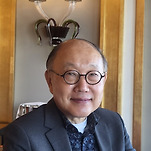
<p style="text-align: justify;"> <br><b><span style="color: #000000;">전직 CIA 애널리스트이자 리스크 컨설턴트인 수킴의 한국차기차기대통령의 과제에 대한 칼럼입니다.</span></b><br><b><span style="color: #000000;">새 대통령은 기형적인 정치체제를 물려받을 것이고 글로벌 불확실성속에서 미국과 관세문제를 해결해야합니다.</span></b><br><b><span style="color: #000000;">북한의 실존적 위협, 중국의 역내 패권, 미국의 동맹 관계에서 국내정치 회복과 지속적인 국가전략을 요구합니다.</span></b><br><b><span style="color: #000000;">실용주의와 원칙에 기반한 판단, 산만함 속의 명확성, 장기적인 민주적 보존을 향한 시각이 필요하다고 주장합니다.</span></b><br><b><span style="color: #000000;">과연 이러한 조건에 맞는 대선 후보가 있을까요?</span></b><br> <br><b><span style="color: #000000;">Korea’s next president faces daunting tasks</span></b><br><b><span style="color: #000000;">한국의 차기 대통령이 직면한 어려운 과제들</span></b><br> <br><span style="color: #000000;">By Soo Kim 수킴</span><br><span style="color: #000000;">Soo Kim is a former CIA analyst and strategic risk consultant.</span><br><span style="color: #000000;">수김은 전직 CIA 분석가이자 전략적 리스크 컨설턴트이다.</span><br><span style="color: #000000;">Published Apr 18, 2025 4:28 pm KST Updated Apr 18, 2025 4:28 pm KST</span><br><span style="color: #000000;">Korea Times</span><br> </p><div class="figure-img" data-ke-type="image" data-ke-style="alignCenter" data-ke-mobilestyle="widthOrigin"><img src="https://t1.daumcdn.net/cafeattach/1YhkZ/216eadfdc99e53d9cbbca9f9d8eaf133b006b492" class="txc-image" width="265" height="331" data-img-src="https://t1.daumcdn.net/cafeattach/1YhkZ/216eadfdc99e53d9cbbca9f9d8eaf133b006b492" data-origin-width="1280" data-origin-height="1600"><div class="figcaption">Soo Kim 수김</div></div><p style="text-align: justify;"><span style="color: #000000;">South Korea stands at a political crossroads. Four months after President Yoon’s declaration of martial law — an unprecedented, ill-fated and short-lived move — the Constitutional Court ruled unanimously to remove him from office. Now, the country hurtles toward a snap presidential election on June 3.</span><br><span style="color: #000000;">한국은 정치적 기로에 서 있다. 윤 대통령이 계엄령을 선포한 지 4개월 만에 헌법재판소는 만장일치로 윤 대통령을 해임하라고 판결했다. 이제 한국은 6월 3일 갑작스러운 대통령 선거를 앞두고 있다.</span><br> <br><span style="color: #000000;">This 60-day sprint, a condensed scuttle to appeal to the rationale and emotions of an embattled, fatigued electorate, is less a procedural fix for a power vacuum than a referendum on the leadership South Koreans want — and need — in an increasingly volatile world. The election will be an iron-grade test of strategic vision and aplomb and moral and indefatigable steadiness to chart a viable path forward for the country amid corroded faith and fatigue with the current system.</span><br><span style="color: #000000;">60일간의 대장정은 전투에 지친 유권자의 이성과 감정에 호소하기 위한 압축된 절차적 해결책으로, 점점 더 불안정해지는 세상에서 한국인이 원하고 필요로 하는 리더십에 대한 국민투표보다 권력 공백을 위한 절차적 해결책이 아니다. 이번 선거는 현재 체제에 대한 신뢰와 피로가 무너진 가운데 국가가 나아갈 수 있는 길을 모색하기 위한 전략적 비전과 평온하고 도덕적, 불굴의 안정성을 시험하는 철의 시험대가 될 것이다.</span><br> <br><span style="color: #000000;">The country’s domestic fractures run deep. Successive scandals, entrenched ideological divides, a decade bookended by two presidential impeachments and growing generational and regional disillusionment have left many Koreans cynical about politics as a vehicle for real change. Vivid as the pro- and anti-impeachment protests have been, they reveal a democracy under duress, and a nation in search of a stabilizing center. Behind the fatigue lies a pressing question: Can anyone govern with a vision that extends beyond partisan scorekeeping?</span><br><span style="color: #000000;">국내 경제의 파탄은 깊다. 연이은 스캔들, 고착화된 이념적 분열, 두 차례의 대통령 탄핵으로 끝난 10년간의 세대와 지역적 환멸은 많은 한국인들을 진정한 변화를 위한 수단으로서의 정치에 대해 냉소적으로 만들었다. 탄핵 찬반 시위는 생생하지만, 탄핵 찬반시위는 억압받는 민주주의와 안정적인 중심을 찾는 국가를 드러낸다. 피로감의 이면에는 절박한 질문이 있다: 당파적 점수 매기기를 넘어서는 비전을 가진 사람이라면 누구나 통치할 수 있을까?</span><br> <br><span style="color: #000000;">South Korea’s new president will inherit more than a disfigured political system. The economy is struggling to regain momentum amid global uncertainty. On top of this, Korea’s seven-decade alliance with the United States — long a foundational pillar of Seoul’s national security — is now fraught with another layer of complexity: tariffs. In April, Washington imposed sweeping tariffs, including 25 percent duties on key South Korean exports, including automobiles and steel. The economic impact is immediate for trade-dependent countries like Seoul. And while Seoul’s most recent engagement with its trade negotiation counterpart in Washington showed glints of optimism, the brewing tension over tariffs and economic leverage remains largely in a haze, casting a long shadow over the alliance.</span><br><span style="color: #000000;">한국의 새 대통령은 기형적인 정치 체제 이상을 물려받게 될 것이다. 글로벌 불확실성 속에서 경제는 모멘텀을 되찾기 위해 고군분투하고 있다. 여기에 오랫동안 한국 국가안보의 근간을 지켜온 미국과의 7년 동맹은 이제 관세라는 또 다른 복잡성의 층으로 가득 차 있다. 지난 4월 미국은 자동차, 철강 등 한국의 주요 수출품에 25%의 관세를 부과하는 등 전면 관세를 부과했다. 경제적 영향은 서울과 같이 무역 의존도가 높은 국가에 즉각적인 영향을 미친다. 그리고 한국이 최근 워싱턴에서 무역 협상 상대국과 맺은 관계는 낙관적인 전망을 보였지만, 관세와 경제적 영향력에 대한 긴장감은 여전히 안개 속에 남아 있어 동맹에 긴 그림자를 드리우고 있다.</span><br> <br><span style="color: #000000;">At the same time, the traditional security threats remain largely permanent fixtures to Seoul’s strategic concerns. North Korea’s continued weapons development and testing, its deepening footprint and involvement in Russia’s invasion of Ukraine — not to mention the battlefield lessons learned in helping Russia fight Ukraine, China’s hardening tactics in regional geopolitics and anxiety over the prospect of changing dimensions in the U.S. troop deployments on the peninsula all require clear-headed navigators to steer South Korea towards less turbulent waters. Now, the strength of the U.S.-ROK alliance will hinge not only on joint military drills and security in lockstep, but on political maturity and the strategic foresight to adapt the alliance to an era of realigning power dynamics and internal volatility.</span><br><span style="color: #000000;">동시에 전통적인 안보 위협은 한국의 전략적 우려에 대한 영구적인 고정관념으로 남아 있다. 북한의 지속적인 무기 개발과 시험, 러시아의 우크라이나 침공에 대한 자국의 심화와 개입, 러시아가 우크라이나와 싸우는 데 도움을 준 전장 교훈은 말할 것도 없고, 지역 지정학에서 중국의 전술이 강화되고 있으며, 한반도에 미군을 배치할 때 규모가 변할 것이라는 전망에 대한 불안감도 있다. 이제 한미 동맹의 힘은 연합 군사 훈련과 안보뿐만 아니라 정치적 성숙도와 전략적 선견지명에 달려 있어 동맹을 진정한 권력 역학과 내부 변동성이 존재하는 시대로 적응시킬 수 있다.</span><br> <br><span style="color: #000000;">The June election is a primordial demand for a leader who won’t dull the ache of erosion and deepening rupture with a temporary balm. It requires judgment grounded in pragmatism and principle, clarity amid distractions and a view towards Seoul’s longer-term democratic preservation.</span><br><span style="color: #000000;">6월 선거는 일시적인 휴식으로 침식과 파열의 고통을 완화하지 않을 지도자의 원초적인 요구이다. 실용주의와 원칙에 기반한 판단, 산만함 속의 명확성, 서울의 장기적인 민주적 보존을 향한 시각이 필요하다.</span><br> <br><span style="color: #000000;">Amid the national crisis, South Korea cannot afford a leader who merely provides a transient cure. Seoul’s current situation requires a leader who can heal political wounds and resuscitate a sense of unity without giving in to the temptation of populism and divisive rhetoric. Existential threats from North Korea, China’s heft in the region and the evolving calculus in Seoul’s alliance with Washington call for political recovery at home as well as an enduring national strategy.</span><br><span style="color: #000000;">국가적 위기 속에서 한국은 일시적인 치유책만 제시하는 지도자를 감당할 수 없다. 포퓰리즘과 분열적 수사의 유혹에 굴복하지 않고 정치적 상처를 치유하고 일체감을 되살릴 수 있는 지도자가 필요한 현 상황이다. 북한의 실존적 위협, 중국의 역내 패권, 한국과 미국의 동맹 관계에서 진화하는 미적분은 국내정치 회복과 지속적인 국가전략을 요구한다.</span><br> <br><span style="color: #000000;">The new president will need the dexterity to answer to urgent demands at home and abroad, and the wisdom and strategic finesse to view domestic and foreign policy priorities not in a competing, mutually exclusive light, but as interlocking imperatives. This means restoring the public’s faith at home while calibrating the shifting tectonics of global affairs. A leader rooted in principle, immune to the seductions of populist nationalism or political revenge. South Korea’s presidency in June 2025 demands more than charisma, but a steady, calibrating mind capable of commanding credibility and cooperation on the world stage, forging domestic coalitions and shrewd diplomacy.</span><br><span style="color: #000000;">새 대통령은 국내외의 긴급한 요구에 대응할 수 있는 손재주와 국내외 정책 우선순위를 경쟁적이고 상호 배타적인 시각이 아닌 서로 맞물리는 필수 요건으로 보는 지혜와 전략적 기교가 필요할 것이다. 이는 글로벌 이슈의 변화하는 구조를 조정하면서 국내에서 국민의 신뢰를 회복하는 것을 의미한다. 포퓰리즘적 민족주의나 정치적 복수의 유혹에서 자유로운 원칙에 뿌리를 둔 지도자. 2025년 6월 대한민국 대통령직은 카리스마 이상의 것을 요구하지만, 세계 무대에서 신뢰와 협력을 이끌어내고 국내 연합을 구축하며 현명한 외교를 펼칠 수 있는 안정적이고 균형 잡힌 사고를 요구한다.</span><br> <br><span style="color: #000000;">At a time when Beijing continues to assert its regional dominance, Pyongyang is forging partnerships to strengthen its foothold, and Seoul’s alliance with Washington involves dimensions beyond conventional security concerns, the demands of South Korea’s new president will likely grow heavier and more acute. Beyond charisma and conviction, the leadership calls for strategic sobriety. The next president must be able to speak across a fractured nation and negotiate from strength, adaptability and pragmatism in a region — and era — where alignment, leverage and timing have never mattered more.</span><br><span style="color: #000000;">중국이 지역 지배력을 계속 주장하고 있고, 한국과 미국의 동맹이 전통적인 안보 문제를 넘어서는 차원을 수반하는 상황에서 한국의 새 대통령에 대한 요구는 점점 더 무거워지고 더욱 날카로워질 것이다. 카리스마와 신념을 넘어 전략적 금주를 요구하는 것이 바로 이 지도부이다. 차기 대통령은 분열된 국가를 가로질러 연설하고 동맹, 레버리지, 타이밍이 그 어느 때보다 중요한 지역과 시대에 힘, 적응력, 실용주의를 바탕으로 협상할 수 있어야 한다.</span><br> <br><span style="color: #000000;">Failure to meet these challenges could not only exacerbate South Korea’s current political strife; it could also weaken its ability to influence global affairs. While resilience and adaptability are key, the vision and integrity to navigate the complex factors in both domestic and international waters would also be critical as Seoul continues to chart its course following the martial law and impeachment crisis. Formidable challenges await Seoul. The road ahead may not be easy, but the right leadership could help shift perspectives and reframe Seoul’s current situation as an opportunity for the nation to emerge stronger and better equipped to face the uncertainties awaiting.</span><br><span style="color: #000000;">이러한 도전에 부응하지 못하면 한국의 현재 정치적 갈등이 악화될 뿐만 아니라 글로벌 정세에 영향을 미칠 수 있는 능력도 약화될 수 있다. 회복력과 적응력도 중요하지만 계엄령과 탄핵 위기 이후 한국이</span><span style="color: #000000;"> </span><span style="color: #000000;">계속해서 진로를 설정하고 있는 상황에서 국내외 해역의 복잡한 요인을 헤쳐나가는 비전과 청렴성도 중요할 것입니다. 서울에는 엄청난 도전이 기다리고 있다. 앞으로의 길은 쉽지 않겠지만 올바른 리더십은 관점을 전환하고 한국이 기다리고 있는 불확실성에 맞서 더 강하고 잘 대처할 수 있는 기회로 서울의 현 상황을 재구성하는 데 도움이 될 수 있다.</span><br> <br><span style="color: #000000;">The June snap election is a moment of critical evolution for South Korea, as it seeks to surmount its recent political upheaval and reposition itself towards a reality that reconciles deep domestic fractures with the evolving, unpredictable geopolitical landscape.</span><br><span style="color: #000000;">6월 임시선거는 최근의 정치적 격변을 극복하고 국내의 깊은 균열과 진화하는 예측할 수 없는 지정학적 지형을 조화시키는 현실로 자리잡기 위한 한국에게 중요한 진화의 순간이다.</span><br> <br><span style="color: #000000;">#Politicalcrossroads정치적기로 #Impeachment탄핵 #Alliance(U.S.-ROKalliance)—동맹(한미동맹) #Tariffs관세 #Leadership리더십</span><br> </p>
<!-- -->