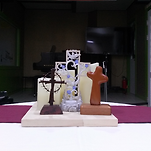
<p><span style="color: #36373c; background-color: #ffffff;" data-ke-size="size18">'주 야훼가 말한다. 내가 예루살렘을 뭇 나라에 둘러싸여 뭇 민족들 한가운데 자리잡게 했건만, 예루살렘은 뭇 민족들보다 더 악하게 나의 법을 거스르고, 주위에 있는 뭇 나라보다 나의 규정을 더 거슬렀다. 내 법을 어기고 내 규정을 따르지 않았다.'</span><br><span style="color: #36373c; background-color: #ffffff;" data-ke-size="size18">[겔(에스겔/에제키엘) 5:5-6, 공동번역]</span><br><span style="color: #36373c; background-color: #ffffff;" data-ke-size="size18">-------------------</span><br><span style="color: #36373c; background-color: #ffffff;" data-ke-size="size18">유다와 예루살렘은 하느님의 선택된 백성들만을 위하여 마련한 공동체와 도시가 아니다! 하느님 나라를 미리 보여주는 공동체와 도시로서 존재 의의가 있다. 하느님의 생명을 잉태하고 양육하며 온전하게 보호하는  공동체와 도시로서, 하느님의 정의와 사랑과 평화를 실천하는 사람들이 모여 사는 공동체와 도시로서 온전히 설 때에만 지속가능하다. </span></p><p> </p><p><span style="color: #36373c; background-color: #ffffff;" data-ke-size="size18">그런데 유다와 예루살렘의 정신을 살아내야 할 사람들은 뭇 나라 뭇 민족들보다도 형편없이 살아가버렸다. 주변 나라 주변 민족들보다 더 악하게 변해 가버렸다. 야훼(여호와) 신앙의 신조와 정신을 버린 채 하느님의 선민이라고 주장하며 특권의식에만 사로잡힌 모습은 딱할 뿐이었다. 바벨론의 침략과 유다의 멸망, 예루살렘 사람들의 포로 생활과 떠돌이 생활은 그렇게 해서 오게 되었다. </span></p><p> </p><p><span style="color: #36373c; background-color: #ffffff;" data-ke-size="size18"><b>비움과 내어줌, 타자를 위한 전적 헌신을 보여주는 십자가</b>와 </span></p><p><span style="color: #36373c; background-color: #ffffff;" data-ke-size="size18">그 정신을 쏙 빼버리고 '부활과 승리' 십자가를 내세우는 우리 시대 교회 공동체와 그리스도인들의 모습이 </span></p><p><span style="color: #36373c; background-color: #ffffff;" data-ke-size="size18">에스겔(에제키엘)이 그려내고 있는 유다와 예루살렘 사람들의 모습과 묘하게도 겹쳐진다.  </span><br><span style="color: #36373c; background-color: #ffffff;" data-ke-size="size18"> </span><br><span style="color: #36373c; background-color: #ffffff;" data-ke-size="size18">'Thus says the Lord GOD: This is Jerusalem! I placed it in the midst of the nations, surrounded by foreign lands. But it rebelled against my ordinances more wickedly than the nations, and against my statutes more than the foreign lands around it; they rejected my ordinances and did not walk in my statutes.'</span><br><span style="color: #36373c; background-color: #ffffff;" data-ke-size="size18">[Ezekiel 5:5-6, NAB]</span><br><span style="color: #36373c; background-color: #ffffff;" data-ke-size="size18">-----------------</span><br><span style="color: #36373c; background-color: #ffffff;" data-ke-size="size18">Judah and Jerusalem are not communities and cities prepared solely for God's chosen people! Their significance lies in their existence as communities and cities that foreshadow the kingdom of God. They can only be sustained when they stand firm as communities and cities that conceive, nurture, and fully protect God's life, as communities and cities where people who practice God's justice, love, and peace gather together. However, the people who should have lived the spirit of Judah and Jerusalem have lived worse than the nations and peoples around them. They have become worse than the surrounding nations and peoples. It was pitiful to see them abandon the creed and spirit of Yahweh (Jehovah) faith, claiming to be God's chosen people, and obsessed with a sense of privilege. This is how the Babylonian invasion, the fall of Judah, and the exile and wandering of the people of Jerusalem came about. The cross, which symbolizes emptiness, giving, and total devotion to others, is stripped of its spirit, and the image of the cross as "resurrection and victory" is strikingly similar to the image of the people of Judah and Jerusalem portrayed by Ezekiel.</span></p>
<!-- -->