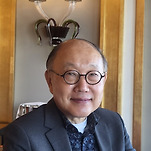
<p> </p><p><span style="color: #000000; background-color: #ffffff;" data-ke-size="size18"><b>5,000을 달성한 코스피처럼 코스닥도 3,000을 달성할 수 있을까요?</b></span></p><p><span style="color: #000000; background-color: #ffffff;" data-ke-size="size18"><b>준석 모건스탠리 이코노미스트는 코스닥의 구조와 역동성은 코스피와는 상당히 달라서 어려운 목표로 분석합니다.</b></span></p><p><span style="color: #000000; background-color: #ffffff;" data-ke-size="size18"><b>금융위원회는 7월부터 코스닥 상장폐지 시가총액기준을 200억원으로 상향한다고 발표했습니다.</b></span></p><p><span style="color: #000000; background-color: #ffffff;" data-ke-size="size18"><b>언제쯤 1,000선을 맴돌고있는 코스닥이 2,000을 돌파할까요?</b></span></p><p> </p><p><span style="color: #000000; background-color: #ffffff;" data-ke-size="size20"><b>Kosdaq 3,000 harder than KOSPI 5,000: Morgan Stanley</b></span></p><p><span style="color: #000000; background-color: #ffffff;" data-ke-size="size20"><b>모건 스탠리: 코스닥 3,000, 코스피 5,000보다 어려워 </b></span></p><p> </p><p><span style="color: #000000; background-color: #ffffff;">By Lee Yeon-woo 이연우 기자</span></p><p><span style="color: #000000; background-color: #ffffff;">Published Feb 14, 2026 12:00 pm KST</span></p><p><span style="color: #000000; background-color: #ffffff;">Korea Times</span></p><p> </p><div class="figure-img" data-ke-type="image" data-ke-style="alignCenter" data-ke-mobilestyle="widthOrigin"><img src="https://t1.daumcdn.net/cafeattach/1YhkZ/bd6a4c575cc94c7c3a3bcd27362b52846ff542c4" class="txc-image" width="728" data-img-src="https://t1.daumcdn.net/cafeattach/1YhkZ/bd6a4c575cc94c7c3a3bcd27362b52846ff542c4" data-origin-width="728" data-origin-height="485"><div class="figcaption">Morgan Stanley logo appears in this illustration taken December 2025. Reuters-Yonhap 본 일러스트는 2025년 12월 촬영된 것으로, 모건 스탠리 로고가 사용되었다. (로이터-연합뉴스)</div></div><p> </p><div class="figure-img" data-ke-type="image" data-ke-style="alignCenter" data-ke-mobilestyle="widthOrigin"><img src="https://t1.daumcdn.net/cafeattach/1YhkZ/4979d35804ea449ef32d07972a23a9504e0bbfdb" class="txc-image" width="349" data-img-src="https://t1.daumcdn.net/cafeattach/1YhkZ/4979d35804ea449ef32d07972a23a9504e0bbfdb" data-origin-width="987" data-origin-height="1335"><div class="figcaption">Joon Seok, Morgan Stanley's Korea equity strategist and head of financials research / Courtesy of Morgan Stanley 준석, 모건 스탠리 한국 주식 전략가 겸 금융 리서치 총괄 / 모건 스탠리 제공</div></div><p><span style="color: #000000; background-color: #ffffff;">HONG KONG — With the Korean government reaching its ambitious KOSPI 5,000 goal faster than expected, attention is shifting to the secondary Kosdaq market — a bourse aimed at nurturing innovative, tech-heavy companies, similar to the Nasdaq.</span></p><p><span style="color: #000000; background-color: #ffffff;">홍콩 — 한국 정부가 야심찬 코스피 5,000 목표를 예상보다 빠르게 달성함에 따라, 나스닥과 유사하게 혁신적이고 기술 중심적인 기업 육성을 목표로 하는 코스닥 시장에 관심이 쏠리고 있다.</span></p><p> </p><p><span style="color: #000000; background-color: #ffffff;">Since the announcement of the Kosdaq 3,000 initiative on Jan. 22, the index has continued to climb, reflecting strong investor enthusiasm. However, Morgan Stanley’s Korea equity strategist and head of financials research, Joon Seok, warned the target may be more difficult to achieve.</span></p><p><span style="color: #000000; background-color: #ffffff;">1월 22일 코스닥 3,000 계획 발표 이후 지수는 투자자들의 뜨거운 관심을 반영하며 지속적으로 상승하고 있다. 하지만 모건 스탠리의 한국 주식 전략가이자 금융 리서치 책임자인 준석은 목표 달성이 더 어려울 수 있다고 경고했다.</span></p><p> </p><p><span style="color: #000000; background-color: #ffffff;">"The structure and dynamics of the Kosdaq market are quite different from those of the KOSPI," Seok said. "This is a more challenging target (than KOSPI) but taking the first step is key."</span></p><p><span style="color: #000000; background-color: #ffffff;">"코스닥 시장의 구조와 역동성은 코스피와는 상당히 다르다."라고 준석은 말했다. "코스피보다 더 어려운 목표이지만, 첫걸음을 내딛는 것이 중요하다."</span></p><p> </p><p><span style="color: #000000; background-color: #ffffff;">Seok noted that the Kosdaq’s growth-oriented nature leads to greater volatility, driven largely by the short-term trading behavior of retail investors, who account for 80 percent to 90 percent of total trading volume.</span></p><p><span style="color: #000000; background-color: #ffffff;">준석은 코스닥의 성장 지향적인 특성으로 인해 변동성이 크며, 이는 전체 거래량의 80~90%를 차지하는 개인 투자자들의 단기 거래 행태에 의해 크게 좌우된다고 지적했다.</span></p><p> </p><p><span style="color: #000000; background-color: #ffffff;">In addition, Kosdaq-listed firms tend to have weaker fundamentals and lower transparency than their KOSPI counterparts. The return on equity (ROE) — a key measure of profitability — remains a stark contrast. The KOSPI is projected to post a 17 percent ROE in 2026, versus just 12 percent for the Kosdaq.</span></p><p><span style="color: #000000; background-color: #ffffff;">또한 코스닥 상장 기업들은 코스피 상장 기업들에 비해 재무 건전성이 약하고 투명성이 낮은 경향이 있다. 수익성의 핵심 지표인 자기자본이익률(ROE)은 극명한 차이를 보인다. 코스피는 2026년 ROE가 17%로 예상되는 반면, 코스닥은 12%에 그칠 것으로 전망된다.</span></p><p> </p><p><span style="color: #000000; background-color: #ffffff;">Despite this, the Kosdaq trades at a valuation comparable to the Nasdaq, where companies have consistently delivered strong profitability, with ROEs around 20 percent in recent years.</span></p><p><span style="color: #000000; background-color: #ffffff;">그럼에도 불구하고 코스닥은 최근 몇 년간 자기자본이익률(ROE)이 약 20%에 달하는 높은 수익성을 꾸준히 보여온 나스닥과 비슷한 수준의 밸류에이션으로 거래되고 있다.</span></p><p> </p><p><span style="color: #000000; background-color: #ffffff;">"The key here is to have a lot more quality companies in Kosdaq, and fewer companies that dilute the overall quality of Kosdaq, as discussed on the policy side," Seok said. "There is also a need to improve transparency and access for foreign investors."</span></p><p><span style="color: #000000; background-color: #ffffff;">석씨는 "핵심은 정책적으로 논의된 바와 같이 코스닥에 우량 기업들이 더 많이 상장되고, 코스닥 전체의 질을 떨어뜨리는 기업들은 줄어드는 것"이라며 "외국인 투자자들을 위한 투명성과 접근성 개선도 필요하다"고 말했다.</span></p><p> </p><p><span style="color: #000000; background-color: #ffffff;">The Kosdaq rebounded strongly in 2025, gaining 36.5 percent. Still, that gain lagged the KOSPI’s 75.6 percent surge, according to the Korea Exchange.</span></p><p><span style="color: #000000; background-color: #ffffff;">코스닥은 2025년에 36.5% 상승하며 강한 반등을 보였지만, 한국거래소에 따르면 코스피의 75.6% 상승률에는 미치지 못했다.</span></p><p> </p><p><span style="color: #000000; background-color: #ffffff;">The Kosdaq has long faced criticism for drifting from its original mission. Recurring controversies — including prolonged listings of financially distressed firms and allegations of price manipulation — have undermined its credibility. More recently, investor frustration has grown as several companies expanded on the Kosdaq only to seek transfers to the KOSPI.</span></p><p><span style="color: #000000; background-color: #ffffff;">코스닥은 오랫동안 본래의 목적에서 벗어났다는 비판에 직면해 왔다. 재정난에 시달리는 기업의 장기 상장과 가격 조작 의혹 등 반복되는 논란은 코스닥의 신뢰도를 떨어뜨렸다. 최근에는 코스닥 상장 후 코스피로 이전하려는 기업들이 늘어나면서 투자자들의 불만이 더욱 커지고 있다.</span></p><p> </p><p><span style="color: #000000; background-color: #ffffff;">To address these issues, the government is preparing a reform package to strengthen the secondary market. Measures include speeding up the delisting of troubled firms, promoting initial public offerings of core tech players and improving market transparency for minority shareholders.</span></p><p><span style="color: #000000; background-color: #ffffff;">이러한 문제들을 해결하기 위해 정부는 2차 시장을 강화하는 개혁 패키지를 준비하고 있다. 여기에는 부실 기업의 상장 폐지 신속 처리, 핵심 기술 기업의 기업공개(IPO) 촉진, 소액 주주를 위한 시장 투명성 개선 등이 포함된다.</span></p><p> </p><p><span style="color: #000000; background-color: #ffffff;">The Financial Services Commission said Thursday that it will also tighten Kosdaq delisting criteria by raising the market cap threshold to 20 billion won ($13.85 million) this July and introducing a new rule for stocks priced below 1,000 won. Up to about 220 firms could be delisted this year, it said.</span></p><p><span style="color: #000000; background-color: #ffffff;">금융위원회는 목요일 코스닥 상장 폐지 기준을 강화하기 위해 시가총액 기준을 7월부터 200억 원(1,385만 달러)으로 상향 조정하고, 주가가 1,000원 미만인 기업에 대한 새로운 규정을 도입할 것이라고 밝혔다. 올해 최대 220개 기업이 상장 폐지될 수 있다고 금융위원회는 덧붙였다.</span></p><p> </p><p><span style="color: #000000; background-color: #ffffff;"><b>More room to grow?</b></span></p><p><span style="color: #000000; background-color: #ffffff;"><b>추가 상승 여력?</b></span></p><p> </p><p><span style="color: #000000; background-color: #ffffff;">Looking ahead, Seok said the KOSPI may still have further upside. He noted that Asia’s top-performing index is supported by significant ROE expansion — rising from around 8-9 percent over the past decade to 17 percent today.</span></p><p><span style="color: #000000; background-color: #ffffff;">석 씨는 향후 코스피 지수가 더 상승할 가능성이 있다고 전망했다. 그는 아시아 최고 실적을 기록하고 있는 코스피 지수가 지난 10년간 8~9%에서 현재 17%로 크게 상승한 자기자본이익률(ROE)에 힘입어 성장하고 있다고 지적했다.</span></p><p> </p><p><span style="color: #000000; background-color: #ffffff;">On Jan. 25, Morgan Stanley raised its end-2026 KOSPI target from 4,500 to 5,200, leaning toward its bull case of 6,000, with a bear case at 4,200. Seok said Korea checks all the boxes for Morgan Stanley’s four key investment themes in 2026: artificial intelligence (AI) and tech diffusion, the future of energy, a multipolar world and societal shifts.</span></p><p><span style="color: #000000; background-color: #ffffff;">1월 25일, 모건 스탠리는 코스피 지수의 2026년 말 목표치를 4,500에서 5,200으로 상향 조정하며, 6,000을 낙관 시나리오로, 4,200을 비관 시나리오로 제시했다. 석 애널리스트는 한국이 모건 스탠리가 2026년에 중점적으로 고려하는 4대 투자 테마, 즉 인공지능(AI) 및 기술 확산, 미래 에너지, 다극화, 그리고 사회 변화에 모두 부합한다고 분석했다.</span></p><p> </p><p><span style="color: #000000; background-color: #ffffff;">"There are only a few alternative markets where you can find quality companies that are well-positioned under those themes," Seok said. "There's a lot of momentum."</span></p><p><span style="color: #000000; background-color: #ffffff;">석 애널리스트는 "이러한 테마에 부합하는 우량 기업들을 찾을 수 있는 시장은 한국 외에는 거의 없다"며 "현재 상승세가 매우 강하다"고 강조했다.</span></p><p> </p><p><span style="color: #000000; background-color: #ffffff;">He added that investor confidence in chipmakers — which make up roughly 40 percent of the KOSPI market cap — remains strong. The capital-efficient nature of these firms, coupled with rising demand, is driving margins and boosting profitability.</span></p><p><span style="color: #000000; background-color: #ffffff;">그는 또한 코스피 시가총액의 약 40%를 차지하는 반도체 기업들에 대한 투자자들의 신뢰가 여전히 높다고 덧붙였다. 반도체 기업들의 높은 자본 효율성과 수요 증가가 맞물려 마진을 높이고 수익성을 개선하고 있다는 것이다.</span></p><p> </p><p><span style="color: #000000; background-color: #ffffff;">The focus in the first half of 2026 is again expected to be on the technology sector, particularly chipmakers and industrials. Seok also expressed optimism about AI-adjacent sectors, such as energy and infrastructure equipment. He was similarly bullish on defense, financials and department store stocks.</span></p><p><span style="color: #000000; background-color: #ffffff;">2026년 상반기에도 기술 부문, 특히 반도체 기업과 산업재 기업에 대한 투자가 집중될 것으로 예상된다. 석 씨는 에너지 및 인프라 장비와 같은 AI 관련 분야에 대해서도 낙관적인 전망을 내놓았다. 그는 또한 방산, 금융 및 백화점 주식에 대해서도 비슷한 낙관적인 전망을 보였다.</span></p><p> </p><p><span style="color: #000000; background-color: #ffffff;">While the semiconductor supercycle has helped propel the market to historic highs, Seok emphasized that the rally wouldn’t have been possible without the government’s push for structural reforms. He said continued execution by companies aligned with the reform agenda will be critical to sustaining momentum.</span></p><p><span style="color: #000000; background-color: #ffffff;">반도체 슈퍼사이클이 시장을 사상 최고치로 끌어올리는 데 일조했지만, 석 씨는 정부의 구조 개혁 추진이 없었다면 이러한 상승세는 불가능했을 것이라고 강조했다. 그는 개혁 어젠다에 발맞춰 기업들이 지속적으로 개혁을 실행하는 것이 상승 모멘텀을 유지하는 데 중요할 것이라고 말했다.</span></p><p> </p><p><span style="color: #000000; background-color: #ffffff;">"We are at the stage where execution is more important — and sometimes, that’s the harder part," Seok said.</span></p><p><span style="color: #000000;">석 씨는 "지금은 실행력이 더욱 중요한 시점이며, 때로는 그것이 더 어려운 부분이기도 하다"라고 말했다.</span></p><p> </p><p><span style="color: #000000;">#Kosdaq 3,000 initiative 코스닥 3,000 계획 #Market structure and volatility 시장구조와 변동성 #Return on equity (ROE) gap 자기자본이익률(ROE) 격차 #Valuation and transparency 밸류에이션과 투명성 #Capital market and structural reforms 자본시장 및 구조개혁</span></p><p> </p>
<!-- -->