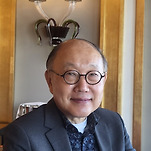
<p> </p><p><span style="color: #000000; background-color: #ffffff;" data-ke-size="size18"><b>한국증시의 변동성에 대한 KB 금융그룹 피터 김 글로벌 투자전략가와의 인터뷰 기사입니다.</b></span></p><p><span style="color: #000000; background-color: #ffffff;" data-ke-size="size18"><b>그는 코스피의 변동성이 상장기업의 만성적인 저평가를 말하는 ‘코리아 디스카운트’에 기여한다고 말합니다.</b></span></p><p><span style="color: #000000; background-color: #ffffff;" data-ke-size="size18"><b>“한국에는 장기적이고 안정적인 자금, 즉 ‘끈적한 자금’이 더 필요하다”고 주장합니다.</b></span></p><p><span style="color: #000000; background-color: #ffffff;" data-ke-size="size18"><b>저수익·저배당 기업 정리, 우량 기업에 대한 보상, 배당 안정성 제고, 세제·시장 구조 개편 등 일본식 구조개편이 필요하다는 의견입니다.</b></span></p><p> </p><p><span style="color: #000000; background-color: #ffffff;" data-ke-size="size20"><b>Why KOSPI volatility prolongs 'Korea discount'</b></span></p><p><span style="color: #000000; background-color: #ffffff;" data-ke-size="size20">왜 코스피 변동성이 '코리아 디스카운트'를 장기화시킬까?</span></p><p> </p><p><span style="color: #000000; background-color: #ffffff;">By Lee Yeon-woo 이연우 기자</span></p><p><span style="color: #000000; background-color: #ffffff;">Published Mar 21, 2026 9:00 am KST</span></p><p><span style="color: #000000; background-color: #ffffff;">Korea Times</span></p><p> </p><p><span style="color: #5e5e5e; background-color: #ffffff;"><b>Korea’s stock market scares off long-term investors, expert says</b></span></p><p><span style="color: #5e5e5e; background-color: #ffffff;"><b>전문가, 한국 증시 불안정으로 장기 투자자 회피</b></span></p><p> </p><div class="figure-img" data-ke-type="image" data-ke-style="alignCenter" data-ke-mobilestyle="widthOrigin"><img src="https://t1.daumcdn.net/cafeattach/1YhkZ/557f2d6cd733fec582c2d22ffe48f52ca691c01f" class="txc-image" width="728" data-img-src="https://t1.daumcdn.net/cafeattach/1YhkZ/557f2d6cd733fec582c2d22ffe48f52ca691c01f" data-origin-width="728" data-origin-height="493"><div class="figcaption">Dealers work at Hana Bank headquarters in Seoul, March 3. Yonhap 3월 3일, 서울 하나은행 본사에서 업무를 보는 직원들. 연합뉴스</div></div><p> </p><div class="figure-img" data-ke-type="image" data-ke-style="alignCenter" data-ke-mobilestyle="widthOrigin"><img src="https://t1.daumcdn.net/cafeattach/1YhkZ/b7024a913827e95a8d86926108141ed3d86d99bd" class="txc-image" width="391" data-img-src="https://t1.daumcdn.net/cafeattach/1YhkZ/b7024a913827e95a8d86926108141ed3d86d99bd" data-origin-width="1280" data-origin-height="1401"><div class="figcaption">Peter S. Kim, global investment strategist at KB Financial Group KB금융그룹 글로벌 투자전략가 피터 S. 김</div></div><p><span style="color: #000000; background-color: #ffffff;">HONG KONG — When U.S. and Israeli forces launched massive airstrikes against Iran, Korean markets swung to extremes.</span></p><p><span style="color: #000000; background-color: #ffffff;">홍콩 — 미국과 이스라엘이 이란에 대한 대규모 공습을 감행하자 한국 증시는 극심한 변동성을 보였다.</span></p><p> </p><p><span style="color: #000000; background-color: #ffffff;">On March 3, the first trading day after the attack, the benchmark KOSPI tumbled 7.24 percent, tripping a sell-side circuit breaker. Losses deepened the following day, with the index down as much as 12 percent at one point — worse than the declines seen after the 9/11 attacks in 2001.</span></p><p><span style="color: #000000; background-color: #ffffff;">공습 다음 날인 3월 3일, 코스피 지수는 7.24% 급락하며 서킷 브레이커가 발동됐다. 다음 날에도 하락세는 이어지며 한때 12%까지 떨어지기도 했다. 이는 2001년 9·11 테러 이후 하락폭보다 더 큰 수치였다.</span></p><p> </p><p><span style="color: #000000; background-color: #ffffff;">The rout quickly reversed. On March 5, KOSPI surged 9.63 percent, its biggest one-day gain on record, activating a buy-side circuit breaker.</span></p><p><span style="color: #000000; background-color: #ffffff;">하지만 이후 급락세는 빠르게 반전되었다. 3월 5일, 코스피 지수는 사상 최대 일일 상승폭인 9.63% 급등하며 매수 측 서킷 브레이커가 발동되었다.</span></p><p> </p><p><span style="color: #000000; background-color: #ffffff;">Such swings contribute to the “Korea discount,” said Peter S. Kim, a global investment strategist at KB Financial Group, referring to the chronic undervaluation of Korean-listed companies.</span></p><p><span style="color: #000000; background-color: #ffffff;">KB금융그룹의 글로벌 투자 전략가인 피터 S. 김은 이러한 변동성이 한국 상장 기업들의 만성적인 저평가 현상을 가리키는 "한국 할인"에 기여한다고 지적했다.</span></p><p> </p><p><span style="color: #000000; background-color: #ffffff;">Kim, who also serves as senior managing director and head of the global business and wholesale division at KB Securities, has over 30 years of experience in the industry. He has held leadership roles on both the buy and sell side, ranging from country CEO of HSBC Securities Korea to founding a pan-Asia hedge fund in Hong Kong.</span></p><p><span style="color: #000000; background-color: #ffffff;">KB증권의 글로벌 비즈니스 및 도매 부문 총괄 전무이사인 김 전무이사는 30년 이상 업계 경력을 쌓아왔다. 그는 HSBC 증권 코리아의 대표이사부터 홍콩에서 범아시아 헤지펀드를 설립하는 등 매수 측과 매도 측 모두에서 주요 직책을 역임했다.</span></p><p> </p><p><span style="color: #000000; background-color: #ffffff;">Korea’s retail investors are known for high-risk, short-term trading and heavy use of leverage. Sidecars have been triggered nine times this year alone. In such an environment, hedging becomes difficult for institutional funds, Kim said, making the market behave more like an emerging one.</span></p><p><span style="color: #000000; background-color: #ffffff;">한국의 개인 투자자들은 고위험 단기 거래와 과도한 레버리지 사용으로 유명합니다. 올해에만 사이드카가 9번이나 발동되었다. 김 전무이사는 이러한 환경에서 기관 투자자들의 헤징이 어려워지며, 시장이 신흥 시장처럼 움직인다고 설명했다.</span></p><p> </p><p><span style="color: #000000; background-color: #ffffff;">“Foreign investors find this baffling. How can an index in a market that isn’t even small swing 5 percent to 6 percent so casually?” Kim said in an interview at the Jefferies Asia Forum in Hong Kong. “Corporate governance is one reason, but an even more underappreciated factor is this kind of volatility.”</span></p><p><span style="color: #000000; background-color: #ffffff;">“외국인 투자자들은 이 상황을 이해하기 어려워한다. 규모가 작은 시장도 아닌 곳에서 지수가 어떻게 5~6%씩 그렇게 쉽게 변동할 수 있을까?” 김 씨는 홍콩에서 열린 제프리스 아시아 포럼에서 가진 인터뷰에서 이렇게 말했다. “기업 지배구조도 한 가지 이유지만, 더욱 간과되는 요인은 바로 이러한 변동성이다.”</span></p><p> </p><p><span style="color: #000000; background-color: #ffffff;">Kim said the situation raises a fundamental question: How should investors approach Korea, and how can they manage risk?</span></p><p><span style="color: #000000; background-color: #ffffff;">김 씨는 이러한 상황이 근본적인 질문을 제기한다고 지적했다. 투자자들은 한국 시장에 어떻게 접근해야 하며, 어떻게 위험을 관리해야 할까?</span></p><p> </p><p><span style="color: #000000; background-color: #ffffff;">“In an environment like this, it borders on being unmanageable — so they leave.”</span></p><p><span style="color: #000000; background-color: #ffffff;">“이런 환경에서는 위험을 관리하기가 거의 불가능해지기 때문에 투자자들은 떠나는 것이다.”</span></p><p> </p><p><span style="color: #000000; background-color: #ffffff;">The market turbulence comes amid a broader rally driven by demand for artificial intelligence (AI) chips. Massive spending by hyperscalers has boosted orders for Samsung Electronics and SK hynix, continuing to lift their earnings.</span></p><p><span style="color: #000000; background-color: #ffffff;">이러한 시장 변동성은 인공지능(AI) 칩 수요에 힘입은 전반적인 상승세 속에서 나타났다. 하이퍼스케일러들의 대규모 투자로 삼성전자와 SK하이닉스의 수주량이 증가하면서 두 회사의 실적도 꾸준히 개선되고 있다.</span></p><p> </p><p><span style="color: #000000; background-color: #ffffff;">KOSPI was one of the world’s best-performing major indexes in 2025, rising 75.89 percent from the end of 2024. It has gained a further 33.7 percent this year through Thursday. Despite ongoing fluctuations in the high-5,000 range, KB Securities projects the index will climb to 7,500 within the next two years.</span></p><p><span style="color: #000000; background-color: #ffffff;">코스피 지수는 2024년 말 대비 75.89% 상승하며 2025년 세계 최고 실적을 기록한 주요 지수 중 하나였다. 목요일까지 올해 들어서도 33.7% 추가 상승했다. KB증권은 코스피 지수가 5,000대 후반에서 등락을 거듭하고 있음에도 불구하고 향후 2년 안에 7,500까지 상승할 것으로 전망하고 있다.</span></p><p> </p><p><span style="color: #000000; background-color: #ffffff;">But Kim warned that hot money has flooded into the market. Previously, inflows were more gradual and driven by fundamentals before investors pivoted to semiconductors last August. Since then, both retail and global investors have chased short-term gains.</span></p><p><span style="color: #000000; background-color: #ffffff;">하지만 김 씨는 단기 자금이 시장에 쏟아져 들어오고 있다고 경고했다. 이전에는 자금 유입이 점진적이었고 펀더멘털에 기반했지만, 지난해 8월 반도체로 투자자들이 몰리면서 상황이 달라졌다. 이후 개인 투자자와 해외 투자자 모두 단기적인 수익을 추구하고 있다.</span></p><p> </p><p><span style="color: #000000; background-color: #ffffff;">“Korea needs more sticky money — long-term, stable capital,” he said.</span></p><p><span style="color: #000000; background-color: #ffffff;">김 씨는 "한국에는 장기적이고 안정적인 자금, 즉 '끈적한 자금'이 더 필요하다"고 말했다.</span></p><p> </p><div class="figure-img" data-ke-type="image" data-ke-style="alignCenter" data-ke-mobilestyle="widthOrigin"><img src="https://t1.daumcdn.net/cafeattach/1YhkZ/36389850c7e65cc1153dadd8e63f993296704fed" class="txc-image" width="728" data-img-src="https://t1.daumcdn.net/cafeattach/1YhkZ/36389850c7e65cc1153dadd8e63f993296704fed" data-origin-width="728" data-origin-height="484"></div><p><span>사진 삭제</span></p><p>AI 활용 설정</p><p><span style="color: #555555;">Yeouido financial district in Seoul, December 2025 / Yonhap 서울 여의도 금융지구, 2025년 12월 / 연합뉴스</span></p><p> </p><p><span style="color: #000000; background-color: #ffffff;">The government set a “KOSPI 5,000” target last April and passed a raft of measures to overhaul corporate governance and bolster shareholder returns. It is now increasingly focused on shifting capital from real estate into the stock market.</span></p><p><span style="color: #000000; background-color: #ffffff;">정부는 지난해 4월 '코스피 5,000' 목표를 설정하고 기업 지배구조 개선 및 주주 수익률 제고를 위한 일련의 조치를 시행했다. 현재는 부동산에서 주식 시장으로 자본을 이동시키는 데 더욱 집중하고 있다.</span></p><p> </p><p><span style="color: #000000; background-color: #ffffff;">Kim believes that a large, immediate rotation from property into equities is unlikely. Still, a gradual reallocation may follow if multi-home owners trim their holdings, with funds likely moving first into deposits and then into stocks if dividend yields become more compelling.</span></p><p><span style="color: #000000; background-color: #ffffff;">김 씨는 부동산에서 주식으로의 대규모 자금 이동이 즉각적으로 나타날 가능성은 낮다고 보고 있다. 하지만, 다주택 소유자들이 보유 자산을 줄이면 자금이 점진적으로 재배분될 가능성이 있으며, 배당 수익률이 더 매력적으로 변하면 예금으로 이동한 후 주식으로 이동할 것으로 예상된다.</span></p><p> </p><p><span style="color: #000000; background-color: #ffffff;">That leaves the onus increasingly on companies, Kim added. Banks are closest to meeting investor expectations on governance and returns, followed by domestic, consumption-driven sectors with strong cash flows.</span></p><p><span style="color: #000000; background-color: #ffffff;">김 씨는 이러한 상황에서 기업의 책임이 점점 더 커진다고 덧붙였다. 은행은 지배구조와 수익률 측면에서 투자자 기대에 가장 근접해 있으며, 그 뒤를 이어 강력한 현금 흐름을 가진 국내 소비 주도형 업종들이 있다.</span></p><p> </p><p><span style="color: #000000; background-color: #ffffff;">“Korean manufacturers say they’re still in growth mode, unlike banks,” Kim said. “But that distinction isn’t as clear-cut as they suggest.”</span></p><p><span style="color: #000000; background-color: #ffffff;">김씨는 "한국 제조업체들은 은행과 달리 여전히 성장세에 있다고 주장하지만, 그 차이가 그들이 말하는 것처럼 명확하지는 않다"고 말했다.</span></p><p> </p><p><span style="color: #000000; background-color: #ffffff;">Industry skepticism remains over whether governance reforms and higher payouts will deliver a sustained re-rating. Many firms still fall short of global standards for dividend-paying stocks, limiting their appeal to income-focused investors.</span></p><p><span style="color: #000000; background-color: #ffffff;">업계에서는 지배구조 개혁과 배당금 지급 확대가 지속적인 재평가를 가져올지에 대한 회의적인 시각이 여전히 존재한다. 많은 기업들이 여전히 배당주에 대한 글로벌 기준에 미치지 못하고 있어 소득 중심 투자자들에게 매력이 제한적이다.</span></p><p> </p><p><span style="color: #000000; background-color: #ffffff;">“One defining feature of global dividend-paying companies is their commitment to payouts,” Kim said. “Even when net income falls short, they are willing to draw on other assets to maintain dividends. In Korea, companies simply cut them.”</span></p><p><span style="color: #000000; background-color: #ffffff;">김씨는 "글로벌 배당주 기업의 특징 중 하나는 배당금 지급에 대한 확고한 의지"라며, "순이익이 부족하더라도 배당금을 유지하기 위해 다른 자산을 활용할 의향이 있다. 반면 한국 기업들은 배당금을 삭감하는 경우가 많다"고 지적했다.</span></p><p> </p><p><span style="color: #000000; background-color: #ffffff;">Reducing volatility will depend in part on attracting long-term capital. If Korea were seen as a developed market, global investors would step in during selloffs, Kim said. “But that foundation isn’t there yet.”</span></p><p><span style="color: #000000; background-color: #ffffff;">변동성을 줄이는 것은 장기투자 유치에 달려 있다. 김씨는 한국이 선진 시장으로 인식된다면 글로벌 투자자들이 매도세에 개입할 것이라고 말했다. "하지만 아직 그런 기반이 마련되지 않았다."</span></p><p> </p><p><span style="color: #000000; background-color: #ffffff;">In that sense, he is skeptical of the government’s efforts to introduce leveraged exchange-traded funds and push secondary bourse Kosdaq toward 3,000, saying those moves encourage speculation.</span></p><p><span style="color: #000000; background-color: #ffffff;">이러한 맥락에서 그는 정부가 레버리지 상장지수펀드(ETF)를 도입하고 코스닥 지수를 3,000선으로 끌어올리려는 노력에 회의적인 시각을 보였다. 이러한 조치들이 투기를 부추긴다는 것이다.</span></p><p> </p><p><span style="color: #000000; background-color: #ffffff;">“These are essentially invitations for hot money. It looks like an attempt to support the index in the short term rather than build durable fundamentals,” Kim said.</span></p><p><span style="color: #000000; background-color: #ffffff;">“이러한 움직임은 본질적으로 단기 자금 유입을 부추기는 것이다. 견고한 펀더멘털을 구축하기보다는 단기적으로 지수를 지지하려는 시도로 보인다.”라고 김씨는 말했다.</span></p><p> </p><p><span style="color: #000000; background-color: #ffffff;">The bigger risk may emerge when the AI-driven rally fades, potentially obscuring progress in capital market improvements.</span></p><p><span style="color: #000000; background-color: #ffffff;">더 큰 위험은 AI 주도 랠리가 꺾이면서 자본 시장 개선의 진전이 가려질 때 발생할 수 있다.</span></p><p> </p><p><span style="color: #000000; background-color: #ffffff;">“Once that momentum slows, investors will ask what has really changed,” Kim said. “Some will say it’s the same cycle — foreign money comes in and leaves just as quickly. But the underlying reasons are different.”</span></p><p><span style="color: #000000; background-color: #ffffff;">“이러한 상승세가 둔화되면 투자자들은 무엇이 정말로 변했는지 물을 것입니다.”라고 김씨는 말했다. “일부는 외국 자금이 들어왔다가 나가는 사이클이 똑같다고 말할 것이다. 하지만 근본적인 이유는 다르다.”</span></p><p> </p><p><span style="color: #000000; background-color: #ffffff;">The priority, Kim said, is to make the market consistently attractive by weeding out underperformers and rewarding high-quality companies, echoing reforms in Japan.</span></p><p><span style="color: #000000; background-color: #ffffff;">김씨는 일본의 개혁처럼 실적이 부진한 기업을 정리하고 우량 기업에 보상을 제공함으로써 시장을 지속적으로 매력적으로 만드는 것이 우선 과제라고 강조했다.</span></p><p> </p><p><span style="color: #000000; background-color: #ffffff;">“If you improve tax incentives and market structure, capital will come naturally.”</span></p><p><span style="color: #000000;">“세금 인센티브와 시장 구조를 개선하면 자본은 자연스럽게 유입될 것이다.”</span></p><p> </p><p><span style="color: #000000;">#KOSPI volatility 코스피 변동성 #Korea discount 코리아 디스카운트(한국 할인) #Hot money 단기 투기성 자금(핫 머니) #Sticky money – 장기 안정 자금(‘끈적한 자금’) #Corporate governance and dividends 기업 지배구조와 배당정책</span></p><p> </p>
<!-- -->