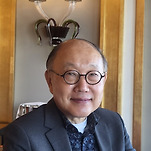
<p> </p><p><span style="color: #000000; background-color: #ffffff;" data-ke-size="size18"><b>존 Y. 캠벨 하버드 경제학과 교수와 딘독 인터뷰 기사입니다.</b></span></p><p><span style="color: #000000; background-color: #ffffff;" data-ke-size="size18"><b>그는 AI 산업이 기술적 잠재력을 지속 가능한 수익으로 전환할 수 있음을 입증해야 한다고 주장합니다.</b></span></p><p><span style="color: #000000; background-color: #ffffff;" data-ke-size="size18"><b>반도체랠리는 HBM수요와 데이터센터 확장때문인데 현재 높은주가수준은 향후 낮은 수익률을 의미할 수 있습니다.삼성전자와 SK하이닉스의 상승은 실수요 기반이지만, 향후 빅테크 투자 둔화나 공급 과잉 발생 시 변동성 확대 가능성이 존재합니다.</b></span><span style="color: #000000; background-color: #ffffff;"></span></p><p> </p><p><span style="color: #000000; background-color: #ffffff;" data-ke-size="size20"><b>AI-fueled rally at Samsung, SK hynix faces sustainability test: Harvard economist</b></span></p><p><span style="color: #000000; background-color: #ffffff;" data-ke-size="size20"><b>하버드 경제학자 경고: 삼성과 SK하이닉스, AI 칩 수요 급증에 힘입어 주가 상승세 지속가능성 시험대에 올라</b></span></p><p> </p><p><span style="color: #000000; background-color: #ffffff;">By Park Han-sol 박한솔 기자</span></p><p><span style="color: #000000; background-color: #ffffff;">Published May 10, 2026 4:36 pm KST Updated May 10, 2026 7:09 pm KST</span></p><p><span style="color: #000000; background-color: #ffffff;">Korea Times </span></p><p> </p><p><span style="color: #000000; background-color: #ffffff;" data-ke-size="size18"><b>Campbell explores how modern finance disadvantages ordinary consumers in new book</b></span></p><p><span style="color: #000000; background-color: #ffffff;" data-ke-size="size18"><b>캠벨 교수, 신간에서 현대 금융이 일반 소비자에게 미치는 불이익 분석</b></span></p><p> </p><div class="figure-img" data-ke-type="image" data-ke-style="alignCenter" data-ke-mobilestyle="widthOrigin"><img src="https://t1.daumcdn.net/cafeattach/1YhkZ/9a4eb1cc069a1e583229b8ce32f012fe4be3cfc9" class="txc-image" width="728" data-img-src="https://t1.daumcdn.net/cafeattach/1YhkZ/9a4eb1cc069a1e583229b8ce32f012fe4be3cfc9" data-origin-width="728" data-origin-height="475"><div class="figcaption">John Y. Campbell, a professor of economics at Harvard University, speaks during an exclusive interview with The Korea Times and its sister publication, the Hankook Ilbo, at the Korea Capital Market Institute in Seoul, Wednesday. Korea Times photo by Yun Gi-hun 존 Y. 캠벨 하버드 경제학과 교수가 수요일 서울 한국자본시장연구원에서 코리아타임스와 자매지인 한국일보와의 단독 인터뷰에 응하고 있다. (사진: 윤기훈 기자)</div></div><p><span style="color: #000000; background-color: #ffffff;">Samsung Electronics and SK hynix have led Korea’s recent stock market rally on the back of surging global demand for advanced artificial intelligence (AI) chips, but the broader AI industry must ultimately prove it can translate technological promise into scalable and sustainable profit models for current lofty valuations to hold over the long term, according to a Harvard economist.</span></p><p><span style="color: #000000; background-color: #ffffff;">삼성과 SK하이닉스는 첨단 인공지능(AI) 칩에 대한 전 세계적인 수요 급증에 힘입어 최근 한국 증시 상승세를 주도했지만, 하버드 경제학자는 AI 산업 전반이 현재의 높은 기업 가치를 장기적으로 유지하기 위해서는 기술적 잠재력을 확장 가능하고 지속 가능한 수익 모델로 전환할 수 있음을 입증해야 한다고 지적했다.</span></p><p> </p><p><span style="color: #000000; background-color: #ffffff;">In a recent exclusive interview with The Korea Times and its sister publication, the Hankook Ilbo, at the Korea Capital Market Institute in Seoul, John Y. Campbell, a professor of economics at Harvard University, noted that earlier waves of the tech economy justified massive valuations because dominant platforms — Google in search, Amazon in e-commerce and Meta’s social media empire — captured highly lucrative markets through powerful network effects, effectively securing near-monopolistic positions.</span></p><p><span style="color: #000000; background-color: #ffffff;">최근 서울 한국자본시장연구원에서 코리아타임스와 자매지인 한국일보와의 단독 인터뷰에서 하버드대학교 경제학과 존 Y. 캠벨 교수는 과거 기술 경제의 물결이 거세게 평가된 이유는 구글(검색), 아마존(전자상거래), 메타(소셜 미디어)와 같은 지배적인 플랫폼들이 강력한 네트워크 효과를 통해 수익성이 높은 시장을 장악하고 사실상 독점적 지위를 확보했기 때문이라고 지적했다.</span></p><p> </p><p><span style="color: #000000; background-color: #ffffff;">The AI industry, however, may not follow the same trajectory, as relatively low switching costs and the rapid emergence of competing models raise uncertainty over whether sustainable market dominance can be established.</span></p><p><span style="color: #000000; background-color: #ffffff;">하지만 인공지능(AI) 산업은 상대적으로 낮은 전환 비용과 경쟁 모델의 빠른 등장으로 인해 지속 가능한 시장 지배력 확보가 불확실해지면서 같은 궤적을 따르지 않을 수도 있다.</span></p><p> </p><p><span style="color: #000000; background-color: #ffffff;">“We have competing models and it seems to be very easy to switch among them,” Campbell said, noting that AI firms may struggle to replicate the entrenched market control that once underpinned tech giants.</span></p><p><span style="color: #000000; background-color: #ffffff;">캠벨 교수는 "경쟁 모델들이 많고, 그 사이를 전환하는 것이 매우 쉬워 보인다"며, AI 기업들이 과거 기술 대기업들을 지탱했던 확고한 시장 지배력을 재현하는 데 어려움을 겪을 수 있다고 말했다.</span></p><p> </p><p><span style="color: #000000; background-color: #ffffff;">Unlike AI model developers whose valuations hinge heavily on future monetization, the current semiconductor rally pushing shares of the two Korean chip giants to record highs is grounded in more immediate, tangible conditions — hyperscalers’ soaring need for high-bandwidth memory (HBM) and aggressive data center expansion.</span></p><p><span style="color: #000000; background-color: #ffffff;">미래 수익 창출에 따라 기업 가치가 크게 좌우되는 AI 모델 개발업체와는 달리, 한국의 두 반도체 대기업 주가를 사상 최고치로 끌어올린 현재의 반도체 랠리는 하이퍼스케일 업체들의 고대역폭 메모리(HBM) 수요 급증과 공격적인 데이터센터 확장이라는 보다 즉각적이고 구체적인 조건에 기반하고 있다.</span></p><p> </p><p><span style="color: #000000; background-color: #ffffff;">Geopolitical tensions are further strengthening Korea’s semiconductor competitiveness, Campbell noted, as countries and companies are increasingly seeking alternative chip supply sources outside Taiwan for strategic reasons.</span></p><p><span style="color: #000000; background-color: #ffffff;">캠벨은 지정학적 긴장이 한국의 반도체 경쟁력을 더욱 강화하고 있다고 지적하며, 여러 국가와 기업들이 전략적인 이유로 대만 외의 대체 반도체 공급원을 점점 더 많이 찾고 있다고 언급했다.</span></p><p> </p><p><span style="color: #000000; background-color: #ffffff;">“The Korean companies are in a good position to exploit that,” he said.</span></p><p><span style="color: #000000; background-color: #ffffff;">그는 "한국 기업들이 이러한 상황을 활용하기에 좋은 위치에 있다"고 말했다.</span></p><p> </p><p><span style="color: #000000; background-color: #ffffff;">Still, there are growing warnings that valuations could come under pressure if investors become overly optimistic about the long-term growth potential. If major tech firms pull back on AI infrastructure spending, today’s breakneck expansion of chip production could trigger oversupply. At the same time, rising output from Chinese manufacturers may intensify competition, particularly in lower-end memory segments.</span></p><p><span style="color: #000000; background-color: #ffffff;">하지만 투자자들이 장기적인 성장 잠재력에 대해 지나치게 낙관적일 경우 기업 가치가 하락 압력을 받을 수 있다는 경고도 커지고 있다. 주요 기술 기업들이 AI 인프라 투자 규모를 축소한다면, 현재의 급속한 반도체 생산 확장은 공급 과잉을 초래할 수 있다. 동시에 중국 제조업체들의 생산량 증가는 특히 저가형 메모리 부문에서 경쟁을 심화시킬 수 있다.</span></p><p> </p><p><span style="color: #000000; background-color: #ffffff;">Campbell underscored that ultimately, the long-term performance of Korean tech stocks will depend not simply on AI-driven hype, but on whether companies can sustain their technological edge and deliver consistent earnings growth.</span></p><p><span style="color: #000000; background-color: #ffffff;">캠벨 교수는 궁극적으로 한국 기술주들의 장기적인 성과는 단순히 AI 열풍에 의존하는 것이 아니라, 기업들이 기술적 우위를 유지하고 꾸준한 수익 성장을 이뤄낼 수 있는지에 달려 있다고 강조했다.</span></p><p> </p><p><span style="color: #000000; background-color: #ffffff;">Drawing on his long-standing research into market valuations, the Harvard professor also cautioned that elevated stock prices themselves may point to more muted future returns.</span></p><p><span style="color: #000000; background-color: #ffffff;">하버드대 교수인 그는 오랜 기간 축적된 시장 가치 평가 연구를 바탕으로, 높은 주가 자체가 미래 수익률 하락을 예고할 수 있다고 경고했다.</span></p><p> </p><p><span style="color: #000000; background-color: #ffffff;">“Historically, high prices relative to current earnings tend to go along with low subsequent returns,” he said, citing his influential work on the cyclically adjusted price-to-earnings ratio, or CAPE. “I’m not saying there’s going to be a crash, but at today’s prices, you should expect lower returns than you would have a year ago.”</span></p><p><span style="color: #000000; background-color: #ffffff;">그는 경기 순환 조정 주가수익비율(CAPE)에 대한 자신의 영향력 있는 연구를 인용하며, "역사적으로 현재 수익 대비 높은 주가는 이후 낮은 수익률로 이어지는 경향이 있다"고 말했습니다. "주가 폭락을 예고하는 것은 아니지만, 현재 주가 수준에서는 1년 전보다 낮은 수익률을 기대해야 한다"고 덧붙였다.</span></p><p> </p><p><span style="color: #000000; background-color: #ffffff;">Only AI firms capable of leveraging their models to create genuinely transformative, patent-protected products that can “invade some other industry” may justify today’s premium valuations, he argued.</span></p><p><span style="color: #000000; background-color: #ffffff;">그는 자사 모델을 활용하여 다른 산업을 혁신할 수 있는, 특허로 보호받는 진정한 혁신 제품을 만들어낼 수 있는 AI 기업만이 현재의 높은 가치를 정당화할 수 있을 것이라고 주장했다.</span></p><p> </p><div class="figure-img" data-ke-type="image" data-ke-style="alignCenter" data-ke-mobilestyle="widthOrigin"><img src="https://t1.daumcdn.net/cafeattach/1YhkZ/9b93943ff216ca77aca303814e94653cf6d951e9" class="txc-image" width="728" data-img-src="https://t1.daumcdn.net/cafeattach/1YhkZ/9b93943ff216ca77aca303814e94653cf6d951e9" data-origin-width="728" data-origin-height="499"><div class="figcaption">A display board at the Korea Exchange in Seoul shows the closing prices of Samsung Electronics and SK hynix, Wednesday, as the benchmark KOSPI closed above the 7,000 mark for the first time on the back of a semiconductor rally. Yonhap 수요일 서울 한국거래소 전광판에는 삼성전자와 SK하이닉스의 종가가 표시되어 있다. 코스피 지수는 반도체 강세에 힘입어 사상 처음으로 7,000선을 돌파했다. (연합뉴스)</div></div><p><span style="color: #000000; background-color: #ffffff;">Beyond his skepticism toward inflated AI valuations, Campbell’s latest work also turns to a more personal but equally consequential question — why modern financial systems so often work against the very people who need them most.</span></p><p><span style="color: #000000; background-color: #ffffff;">캠벨은 인공지능(AI) 관련 기업의 과대평가에 대한 회의적인 시각을 넘어, 더욱 개인적이지만 그에 못지않게 중요한 질문, 즉 현대 금융 시스템이 왜 가장 필요한 사람들에게 불리하게 작용하는가에 주목한다.</span></p><p> </p><p><span style="color: #000000; background-color: #ffffff;">In his 2025 book, “Fixed,” co-authored with Tarun Ramadorai, professor of financial economics at Imperial College London, Campbell argues that personal finance markets frequently disadvantage ordinary consumers because many financial products are unnecessarily complex, behaviorally exploitative and structured to favor powerful institutions.</span></p><p><span style="color: #000000; background-color: #ffffff;">캠벨은 임페리얼 칼리지 런던의 금융경제학 교수인 타룬 라마도라이와 공저한 2025년 저서 『픽스드(Fixed)』에서 개인 금융 시장이 일반 소비자에게 불리하게 작용하는 경우가 많은데, 이는 많은 금융 상품이 불필요하게 복잡하고, 소비자의 행동을 착취하며, 강력한 기관에 유리하게 설계되었기 때문이라고 주장한다.</span></p><p> </p><div class="figure-img" data-ke-type="image" data-ke-style="alignCenter" data-ke-mobilestyle="widthOrigin"><img src="https://t1.daumcdn.net/cafeattach/1YhkZ/075000120b36e8baa134f5c6598234dfd17603c9" class="txc-image" width="664" data-img-src="https://t1.daumcdn.net/cafeattach/1YhkZ/075000120b36e8baa134f5c6598234dfd17603c9" data-origin-width="1200" data-origin-height="1855"><div class="figcaption">"Fixed" by John Y. Campbell and Tarun Ramadorai / Courtesy of Princeton University Press 존 Y. 캠벨, 타룬 라마도라이 공저 『픽스드』 / 프린스턴 대학교 출판부 제공</div></div><p><span style="color: #000000; background-color: #ffffff;">The issue has drawn growing attention in Korea as well. On May 2, Kim Yong-bum, presidential chief of staff for policy, questioned the fairness of a credit system in which “financially secure borrowers enjoy the lowest rates while those in the most precarious situations face the highest borrowing costs.”</span></p><p><span style="color: #000000; background-color: #ffffff;">이 문제는 한국에서도 점점 더 많은 관심을 받고 있습니다. 5월 2일, 김용범 대통령 정책비서실장은 "재정적으로 안정적인 차입자는 최저 금리를 누리는 반면, 가장 불안정한 상황에 처한 사람들은 최고 금리를 부담하는" 신용 시스템의 공정성에 의문을 제기했다.</span></p><p> </p><p><span style="color: #000000; background-color: #ffffff;">Campbell acknowledged that volatile incomes and higher default risks naturally make lenders more cautious toward lower-income borrowers. But he stressed that the system’s inequities run deeper than simple credit assessments.</span></p><p><span style="color: #000000; background-color: #ffffff;">캠벨은 소득 변동성이 크고 채무 불이행 위험이 높은 저소득 차입자에 대해 대출 기관이 더욱 신중한 태도를 보이는 것은 당연하다고 인정했다. 그러나 그는 시스템의 불평등이 단순한 신용 평가 이상의 근본적인 원인이라고 강조했다.</span></p><p> </p><p><span style="color: #000000; background-color: #ffffff;">“It’s not just about the credit risk,” he said. “It’s also that the system creates products that are too complicated and hard for people to use, and it doesn’t encourage people to build emergency funds or to arrange credit in advance.”</span></p><p><span style="color: #000000; background-color: #ffffff;">그는 "단순히 신용 위험의 문제가 아니다"라며, "이 시스템은 사람들이 이용하기에는 너무 복잡하고 어려운 상품들을 만들어내고 있으며, 사람들이 비상 자금을 마련하거나 미리 신용을 확보하도록 장려하지 않는다"고 말했다.</span></p><p> </p><p><span style="color: #000000; background-color: #ffffff;">Instead, he advocates for simpler, standardized financial “starter kit” products that are broadly accessible, easier to navigate and less vulnerable to hidden fees or manipulative bundling.</span></p><p><span style="color: #000000; background-color: #ffffff;">대신, 그는 누구나 쉽게 이용할 수 있고, 사용하기 간편하며, 숨겨진 수수료나 조작적인 상품 구성에 취약하지 않은, 더 단순하고 표준화된 금융 "스타터 키트" 상품들을 옹호한다.</span></p><p> </p><p><span style="color: #000000; background-color: #ffffff;">He pointed to Korea’s “jeonse” system — the country’s unique lump-sum rental deposit model — as an example of how two completely different products, rent and credit, are problematically bundled together.</span></p><p><span style="color: #000000; background-color: #ffffff;">그는 한국의 '전세' 제도, 즉 한국 특유의 일시불 임대 보증금 제도를 예로 들며 임대료와 신용이라는 완전히 다른 두 상품이 어떻게 문제적으로 결합되는지를 지적했다.</span></p><p> </p><p><span style="color: #000000; background-color: #ffffff;">Under the system, tenants effectively provide landlords with large upfront loans through refundable deposits, exposing renters to financial risks that many are ill-equipped to eval‎uate. “Ordinary people who want to rent an apartment are not in the business of eval‎uating credit risks,” he said.</span></p><p><span style="color: #000000; background-color: #ffffff;">이 제도 하에서 세입자는 환불 가능한 보증금을 통해 집주인에게 사실상 거액의 선불 대출을 제공하는 셈이며, 이는 많은 사람들이 제대로 평가할 능력이 없는 재정적 위험에 노출되게 한다. 그는 "일반적으로 아파트를 임대하려는 사람들은 신용 위험을 평가할 여유가 없다"고 말했다.</span></p><p> </p><p><span style="color: #000000; background-color: #ffffff;">While AI is often touted as a tool that could improve consumer financial decision-making, Campbell remains cautious.</span></p><p><span style="color: #000000; background-color: #ffffff;">인공지능(AI)이 소비자의 금융 의사결정을 개선할 수 있는 도구로 자주 거론되지만, 캠벨은 여전히 신중한 입장을 보인다.</span></p><p> </p><p><span style="color: #000000; background-color: #ffffff;">“The question is whether we can trust AI agents to give us good advice,” he said, warning that many systems may be trained on existing financial information already shaped by incumbent institutions whose interests do not always align with consumers.</span></p><p><span style="color: #000000; background-color: #ffffff;">그는 "문제는 AI 에이전트가 우리에게 좋은 조언을 해줄 것이라고 믿을 수 있느냐는 것"이라며, 많은 시스템이 기존 금융 기관의 이익에 의해 이미 형성된 기존 금융 정보를 바탕으로 학습되었을 가능성이 있으며, 이러한 기관의 이익이 항상 소비자의 이익과 일치하는 것은 아니라고 경고했다.</span></p><p> </p><p><span style="color: #000000; background-color: #ffffff;">“There’s a real issue about who the AI is working for,” he added, stressing the need to question whether AI is truly providing the best advice to consumers or merely reinforcing conventional wisdom shaped by the interests of financial institutions.</span></p><p><span style="color: #000000;">그는 "AI가 누구를 위해 일하는가에 대한 심각한 문제가 있다"며, AI가 소비자에게 진정으로 최선의 조언을 제공하는지 아니면 단순히 금융 기관의 이익에 의해 형성된 기존의 통념을 강화하는 것인지 의문을 제기해야 한다고 강조했다.</span></p><p> </p><p><span style="color: #000000;">#I chip demand surge AI 칩 수요급증 #Semiconductor rally 반도체주도 주가상승#ustainable profit models 지속가능한 수익모델 #Network effects 네트워크효과 #Financial system inequality 금융시스템 불평등</span></p><p> </p>
<!-- -->