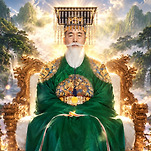
<div class="figure-img" data-ke-type="image" data-ke-style="alignLeft" data-ke-mobilestyle="widthOrigin"><img src="https://t1.daumcdn.net/cafeattach/1ABdi/f395f4b3a2877b6ff5b71a4fac62037f4af711d7" class="txc-image" width="514" height="491" data-img-src="https://t1.daumcdn.net/cafeattach/1ABdi/f395f4b3a2877b6ff5b71a4fac62037f4af711d7" data-origin-width="773" data-origin-height="738"><div class="figcaption">화랑(花郞)의 세속오계(世俗五戒)</div></div><p style="text-align: left;">五行(오행)의 뜻을 迷神(미신)이라며 <br>不定(부정)하는 西敎(서교)에 물든 자들에게 五(오)의 의미를 알리고자 이 글을 쓴다.<br><br>첫째 五感覺(오감각)으로써 <br>눈으로 視覺(시각)을 느끼고 <br>귀로는 聽覺(청각)을 感知(감지)하며 <br>코로는 臭覺(취각)으로 냄새를 맡는다. <br>입으로는 味覺(미각)이 있고 <br>皮膚(피부)로는 觸覺(촉각)이 있어 <br>대표적인 五常(오상)의 작용으로 나타내는 동물의 생리적인 기본이 곧 五覺(오각)인 것이다.<br><br>儒敎的(유교적)으로의 五常(오상)은 仁義禮智信(인의예지신)이라 한다.<br><br>둘째 視覺的(시각적)으로 <br>色相(색상)을 구분하여 靑, 赤, 黃, 白, 黑色(청, 적, 황, 백, 흑색)이다. <br>서양에서는 무지개 빛을 럭키세븐이라며 일곱색깔이라 하지만 <br>五色(오색)이 명확한 기본 색상이 된다.<br><br>셋째 귀는 高低淸濁(고저청탁)의 소리로 五行(오행)의 音靈(음령)을 感知(감지)한다. <br>五音(오음)이라 하니 <br>牙音(아음), 舌音(설음), 喉音(후음), 齒音(치음), 脣音(순음) 등이다. <br>姓名學(성명학)에서 應用(응용)한다.<br><br>넷째 코는 고린내, 찌린내, 단내, 매운내, 쩐내를 맏는다.<br><br>다섯째 입은 말하고 음식을 섭취하는 역할을 하면서 五味(오미)를 感知(감지)한다. <br>酸味(산미 : 신맛), 苦味(고미 : 쓴맛), <br>甘味(감미 : 단맛), 辛味(신미 : 매운맛), 鹹味(함미 : 짠맛) 등이다.<br><br>여섯째 身體(신체)에서 발가락과 손가락은 각각 다섯이라는 것이다. <br>손가락은 엄지, 검지, 長持(장지), 藥指(약지), 小指(소지) 등으로 칭한다.<br><br>일곱째 전날 祭祀床(제사상)을 五線(오선)으로 陳設(진설)하였다. <br>첫째 줄에 飯羹(반갱 : 밥과 국) 줄이다. <br>둘째 줄은 盞(잔) 줄이다. <br>셋째 줄은 饌(찬) 줄이다. <br>넷째 줄은 炙(적) 줄이다. <br>다섯째 줄은 果(과) 줄이다.<br>紅東白西(홍동백서), 左脯右醯(좌포우혜), 炙魚甁(적어병)의 次禮(차례)를 定(정)하여 <br>陰陽 五行(음양 오행)의 理致(이치)를 알게 하였다.<br><br>여덟째 臟器(장기)도 五臟(오장)이다. <br>木器(목기)는 肝膽(간담)이요, <br>火器(화기)는 心臟(심장)과 小臟(소장)이고 <br>土器(토기)는 脾胃(비위)이며 <br>金器(금기)는 肺(폐)와 大臟(대장)이며 <br>水器(수기)는 腎臟(신장)과 膀胱(방광)이다.<br><br>아홉째 將棋板(장기판)의 線(선)은 縱(종)으로 兩便(양편)에 各 五線(각 오선)이다. <br>첫 칸에는 車, 象, 馬, 士(차, 상, 마, 사)가 位置(위치)하고 <br>두 째 칸에는 漢, 楚, 王(한, 초, 왕) 이 자리한다. <br>셋째 칸에 砲(포)가 자리하고 <br>넷째 칸은 卒(졸)이 위치 하며 <br>다섯째 칸은 빈 자리의 戰場(전장)으로 둔다.<br><br>열째 티베트 佛子(불자)는 <br>人體(인체)의 五體投地(오체투지)로 苦行(고행)의 精誠(정성)을 드린다.<br><br>오체투지란 <br>두 팔굼치, 두 무릎, 이마 등 몸 등의 다섯 부분이 땅에 接觸(접촉) 되도록 절을 한다는 뜻이다.<br><br>毛筆(모필)의 五體(오체)로는 <br>篆書(전서), 隸書(예서), 楷書(해서), 行書(행서), 草書(초서) 등이다.<br><br>열한째 五穀(오곡)으로 <br>米(미:쌀), 麥(맥:보리), 豆(두:콩), 조, 기장 등이다. <br>中國(중국)에서는 수수, 깨, 피, 보리, 콩을 오곡으로 삼고 있으며 <br>印度(인도)에서는 밀, 깨, 쌀, 보리, 콩 등으로 오곡을 삼는다.<br><br>佛家(불가)에서 五陰(오음)이 있으니 <br>色, 受, 想, 行, 識(색, 수, 상, 행, 식)이다. <br>또 五識(오식)이라 하여 <br>五感(오감)의 認識(인식)을 뜻하여 <br>眼識(안식), 耳識(이식), 鼻識(비식), 舌識(설식), 身識(신식)이라 한다. <br>대승기신론에서는 <br>業識(업식), 轉識(전식), 現識(현식), 智識(지식), 相續識(상속식) 등이 있다..<br><br>화투장 십이월 중에 五光(오광)이 있다. <br>정월 솔광, 춘삼월 三光(삼광), 중추절 八光(팔광), 동지월의 동광, 섣달의 비광 등이다.<br><br>얼굴 正面(정면)은 눈, 코, 입의 五孔(오공)이다. <br>五德(오덕)으로 <br>溫和(온화), 讓順(양순), 恭遜(공손), 謙讓(겸양), 儉素(검소) 등이다. <br>兵家(병가)에서의 五德(오덕)은 <br>智(지), 仁(인), 勇(용), 信(신), 嚴(엄)이다. <br>五福(오복)이 있으니 <br>壽(수), 富(부), 康寧(강녕), 攸好德(유호덕), 考終命(고종명) 등이다.<br><br>신라의 花郞(화랑)이 지키는 世俗五戒(세속오계)가 있었다.<br>첫째 事君以忠(사군이충)이라 임금을 충성으로 섬긴다.<br>둘째 事親以孝(사친이효)이니 부모님께는 효도로써 섬긴다.<br>셋째 交友以信(교우이신)임으로 친구는 믿음으로 사귄다.<br>넷째 臨戰無退(임전무퇴)라야 하니 전쟁에 임해서는 물러나지 않는다.<br>다섯째 殺生有擇(살생유택)하라 하였으니 살아있는 생명체는 가려서 죽이라 함이다.<br><br>五(오)는 天(천)의 正道(정도)를 뜻하여 <br>바를 正(정) 字(자)의 劃(획)이 五劃(오획)이다.<br><br>四象(사상)에 中央 黃極(중앙 황극)의 一太極(일태극)이 더하여야 <br>宇宙(우주)는 放, 蕩, 神, 道, 統(방, 탕, 신, 도, 통)의 精神(정신)으로 <br>循環(순환)하며 萬有(만유)를 創造(창조)한다.<br><br>​<br><br>영어(English)<br><br>I am writing this article to inform those who are influenced by the Western religion, which denies the meaning of the Five Elements, calling it superstition, of the meaning of the Five Elements. First, with the Five Senses, we feel sight with our eyes, perceive hearing with our ears, and smell smells with our nose. Our mouth has taste, and our skin has touch. The physiological basis of animals, which is expressed by the representative functions of the Five Constants, is the Five Senses. The Confucian Five Constants are called Ineun-ui-ye-ji-shin. Second, visually, the colors are distinguished as blue, red, yellow, white, and black. In the West, the rainbow is called Lucky Seven and is said to be seven colors, but the five colors are the clear basic colors. The third ear perceives the sound spirits of the five elements through the sounds of high and low, clear and turbid. The five sounds are called, which are. They are applied in. The fourth nose smells sour, pungent, sweet, spicy, and money smells. The fifth mouth smells the five tastes while speaking and eating. They are sour, bitter, sweet, spicy, and salty. The sixth is that in the body, there are five toes and five fingers. The fingers are called the thumb, index finger, long finger, ring finger, and small finger. The seventh day, the sacrificial table is arranged in five lines. The first line is the line for rice and soup. The second line is the line for cups. The third line is the line for side dishes. The fourth line is the line for roasting. The fifth line is the line for fruit. The order of the rites of Hongdongbaekseo (red in the east and white in the west), jwapowoohye (spicy meat on the left and sauerkraut on the right), and jeokeobyung (grilled fish in a pot) was determined to teach the principles of yin and yang and the five elements. The eighth organ is also the five viscera. The wooden vessel is the liver and gallbladder, the fire vessel is the heart and small intestine, the earthen vessel is the spleen and stomach, the metal vessel is the lungs and large intestine, and the water vessel is the kidneys and bladder. The ninth line of the chess board is vertical, with five lines on each side. The first square is (car, elephant, horse, scholar) and the second square is(Han, Chu, Wang). The third square is (guns) and the fourth square is (soldiers) and the fifth square is an empty space called the battlefield. The tenth Tibetan Buddhists offer sincerity in asceticism by prostrating themselves with the five bodies of the human body. Prostrating themselves with the five bodies of the body, including the elbows, knees, and forehead, means prostrating themselves so that they touch the ground. The five scripts of the brush are seal script, clerical script, regular script, running script, and cursive script. The eleventh is the five grains, which are rice, barley, beans, millet, and foxtail millet. In China, sorghum, sesame, barley, and beans are considered the five grains, while in India, wheat, sesame, rice, barley, and beans are considered the five grains. In Buddhism, there are the five skandhas: form, feeling, perception, formation, and consciousness. Also, the five consciousnesses refer to the perception of the five senses, including eye consciousness, ear consciousness, nose consciousness, tongue consciousness, and body consciousness. In the Mahayana Awakening of Faith, there are karmic consciousness, transformation consciousness, present consciousness, knowledge consciousness, and inheritance consciousness. Among the twelve months of the Hwatu game, there are five lights. These are Sol-gwang in the first month of the year, Sam-gwang in the third month of the spring, Pal-gwang in the middle of the autumn, Dong-gwang in the winter solstice, and Bi-gwang in the last month of the year. The front side of the face has the five holes of the eyes, nose, and mouth. The five virtues are gentleness, courtesy, respect, modesty, and frugality. The five virtues of the military are wisdom, benevolence, courage, trust, and severity. There are five blessings: longevity, wealth, peace of mind, good morals, and a long life. There were five secular precepts that the Hwarang of Silla kept. The first was to serve the king with loyalty. The second was to serve one's parents with filial piety. The third was to make friends with trust. The fourth was to not retreat in battle. The fifth was to kill living creatures with choice. Five means the right way of Heaven, and the stroke of the character is. When the one Taegeuk of the central Hwanggeuk is added to the four symbols, the universe irculates with the spirit of and creates all things.<br><br>​<br><br>중국어<br><br>我写这篇文章是为了让那些受西方佛教影响、否认五界意义、称其为迷信的人们了解五界的意义。 首先,通过五种感官,我们用眼睛感知视觉,用耳朵感知听觉,用鼻子感知气味。嘴有味觉,皮肤有触觉,所以五种感觉是动物的生理基础,通过五种代表感觉的动作来表现。 儒家的五德称为仁、义、智、信。 其次,颜色从视觉上分为靑、红、黄、白、黑(蓝、红、黄、白、黑)。在西方,彩虹被称为“幸运七”,据说有七种颜色,但这五种颜色是明确的基本颜色。 第三耳通过声音的高低来感知五界的声音。 这五种声音分别称为亚音、舌音、背音、齿音、唇音。 它应用于名称研究。 第四鼻产生苦、刺、甜、辣、辣的气味。 第五张嘴负责说话和吃饭,并感知五种味道。 这些包括酸味(酸味)、苦味(苦味)、甜味(甜味)、酸味(酸味)和咸味。 第六,身体的脚趾和手指的数量各为五个。手指分别称为拇指、食指、长指、无名指和小指。 前七日,祭案设五行。第一行是饭羹(bangaeng:米饭和汤)。第二条线是盏线。第三行是馔(chan)线。第四行是(红色:)行。第五行是果(水果)行。 通过确定洪洞白西、左、右、红鱼的规则,了解阴阳五行的原理。 第八机关,也就是五机关。 木器官是肝,火器官是心和小肠,土器官是脾,金器官是肺和大肠,水器官是肾和膀胱。 第九个棋盘的线是一个钟形,每边有五条线。第一格是车、马、马、人(查、桑、马、萨),第二格是汉、楚、王(韩、楚、王)。第三空间放置枪,第四空间放置剑,第五空间是空旷的战场。 藏传第十世佛通过人体五身的斗志,奉献苦行的真诚。 Ochetuji 的意思是鞠躬,使身体的五个部分(包括两个肘部、两个膝盖和前额)与地面接触。 笔触的五种类型包括正书、正书、丽书、行书、行书和草书。 第十一五种谷物是米、麦、豆、黍、黍。 在中国,五谷是高粱、芝麻、血、大麦和大豆,而在印度,五谷是小麦、芝麻、大米、大麦和大豆。 佛教有五音,即色、水、色、行、识。又,“五根”是指五根的觉知,称为眼觉、耳觉、鼻觉、舌觉、身觉。大乘有神论有业心、万能心、现在心、知识、传承心。 花都月十二月有五盏灯。分别是新年的松光、春三月的三灯、中秋的八灯、冬至的东光、新年的大灯。 正面由眼睛、鼻子和嘴巴组成。 五德包括温、礼、礼、谦、俭。 军人的五德是智、仁、勇、信、义。 有五福:吉祥、富贵、吉祥、吉祥、健康。 新罗花郎所持的世俗戒律有五种。 首先是要忠诚地侍奉国王。 第二件事就是要孝顺父母。 第三,既然是朋友,就以信交朋友。 第四,决不退战,打仗就不会退缩。 第五,谓杀生,即分别杀死活物。 五(五)指的是天道正道,正字的笔画为5笔。 当中央黄极的一太极与四念相加时,宇宙就成为清、汤、神、道、通的真正精神,它与(精神)循环,创造万物。<br><br>​<br><br>러시아어<br><br>Я пишу эту статью, чтобы проинформировать о значении пяти элементов тех, кто находится под влиянием западного буддизма, кто отрицает значение пяти элементов, называя их суевериями. Во-первых, с помощью пяти чувств мы воспринимаем зрение глазами, слух слухом и обоняние носом. Рот обладает чувством вкуса, а кожа — осязанием, поэтому пять чувств являются физиологической основой животных, которые выражаются через действия пяти репрезентативных чувств. Пять добродетелей в конфуцианстве называются доброжелательность, праведность, мудрость и вера. Во-вторых, цвета визуально подразделяются на, красный, желтый, белый и цвет (синий, красный, желтый, белый и черный). На Западе радугу называют счастливой семеркой, и говорят, что она имеет семь цветов, но пять цветов являются чистыми основными цветами. Третье ухо воспринимает звук пяти элементов через звук высокого и низкого звука. Пять звуков называются субтонами: звуками языка, звуками спины, зубными звуками и губными звуками. Применяется при изучении имен. Четвертый нос производит горькие, жалящие, сладкие, пряные и пряные запахи. Пятый рот отвечает за речь и прием пищи, а также ощущает пять вкусов. К ним относятся кислый вкус (кислый вкус), горький вкус (горький вкус), сладкий вкус (сладкий вкус), кислый вкус (кислый вкус) и соленый вкус. В-шестых, количество пальцев на ногах и руках на теле – по пять. Пальцы называются большим, указательным, длинным, безымянным и малым пальцами. На седьмой день раньше был установлен жертвенный стол с пятью рядами. Первая строка (банген: рис и суп). Вторая линия — это линия (чашка). Третья строка — это строка (chan). Четвертая строка — это линия (красная:). Пятый ряд — это (фруктовый). Знайте принципы пяти элементов инь и ян, определив правила Хондонбэксо, левой и правой, а также красной рыбы. Восьмой орган – это также пять органов. Деревянный орган — печень, огненный орган — сердце и тонкий кишечник, земной орган — селезенка, металлический орган — легкие и толстый кишечник (толстый кишечник), водные органы — почки и мочевой пузырь. Линия девятой шахматной доски представляет собой колокол с пятью линиями с каждой стороны. В первом отделении содержатся повозки, лошади, лошади и люди (ча, сан, лошадь и са), а во втором отделении — хань, и короли (Хань, Чу и король). Пистолет помещается в третье место, меч — в четвертое, а пятое — пустое поле битвы. Десятый Тибетский Будда предлагает искренность аскетизма через боевой дух пяти тел человеческого тела. Очетудзи означает поклон так, чтобы пять частей тела, включая два локтя, оба колена и лоб, соприкасались с землей. Пять типов мазков кисти включают Чонсо, Чонсо, Ёсо, Хэнсо, Хэнсо и курсив. Одиннадцатые пять зерен — это (рис), (ячмень),(фасоль), просо и просо. В Китае пятью зернами являются сорго, семена кунжута, кровь, ячмень и соевые бобы, а в Индии пятью зернами являются пшеница, семена кунжута, рис, ячмень и соевые бобы. В буддизме существует пять инь (звуков): форма, вода, форма, действие и сознание. Кроме того, термин «пять чувств» относится к осознанию пяти чувств и называется осознанием глаз, осознанием ушей, осознаванием носа, осознаванием языка и осознаванием тела. В теизме Махаяны есть сознание кармы, сознание всемогущества, сознание настоящего, знание и сознание наследия. В 12-м месяце Хватуджанг пять огней. Это Солгван Нового года, три огня третьего месяца весны, восемь огней Праздника середины осени, Донгван зимнего солнцестояния и большие огни Нового года. Передняя часть лица состоит из глаз, носа и рта. Пять добродетелей включают мягкость, вежливость, вежливость, смирение и бережливость. Пять добродетелей военной службы — это интеллект, доброжелательность, храбрость, вера и праведность. Есть пять благословений: удача, богатство, удача, удача и хорошее здоровье. Хваранг из Силлы хранил пять мирских заповедей. Прежде всего нужно преданно служить королю. Второе — служить своим родителям с сыновней почтительностью. В-третьих, поскольку мы друзья, мы приобретаем друзей через веру. В-четвертых, мы никогда не должны отступать от боя, поэтому, если мы пойдем на войну, мы не отступим. В-пятых, сказано убивать и сохранять жизнь, то есть убивать живые существа отдельно.(пять) означает праведный путь небес, а штрихи праведности характера это 5 штрихов. Когда к четырем мыслям добавляется Ильтэгык центрального желтого полюса, вселенная становится истинным духом Цин, Тан, Бога, Дао и Тонг. Она циркулирует с (духом) и создает все вещи.<br><br>​<br><br>일본어<br><br>五行(五行)の意を迷神(迷信)とし、不定(否定)する西敎(西教)に染まった者たちに五(あ)の意味を知らせようと、この文を書く。 まず五感覺(五感覚)として目で視覺(視覚)を感じ、帰路は聽覺(聴覚)を感知(感知)し、鼻路は臭覺(臭気)で臭いを嗅ぐ。口には味覺(味覚)があり、皮膚(皮膚)には觸覺(触覚)があり、代表的な五常(五相)の作用で表す動物の生理的な基本がすぐに五覺(五角)である。 儒敎的(儒教的)への五常(五相)は仁義禮智信(人義予知神)という。 第二の視覺的(視覚的)で色相(色相)を区分して青、赤、黄、白、黄色(青、赤、黄、白、黒)である。西洋では虹の光をラッキーセブンとし、七色と言うが五色(五色)が明確な基本色となる。 第三耳は高低淸濁(高低清濁)の音で五行(五行)の音靈(音霊)を感知(感知)する。 五音(五音)といえば、牙音(子音)、舌音(雪音)、喉音(後音)、齒音(歯音)、脣音(純音)などである。 姓名學(声明学)で應用(応用)する。 第四鼻はコリンネ、チリンネ、ダン内、辛い内、魏内を長くする。 五番目の口は言って食べ物を摂取する役割をしながら五味を感知(感知)する。 酸味(酸味:酸味)、苦味(苦味:苦味)、甘味(甘味:甘味)、辛味(辛味:辛味)、鹹味(含味:塩味)などである。 第六身体(身体)でつま先と指はそれぞれ五つということだ。指は親指、人差し指、長持(長持)、藥指(薬指)、小指(所持)などと称する。 七番目の前日、祭祀床(祭事像)を五線(五線)で陳設(真説)した。最初の列に飯羹(半坑:ご飯と国)の列だ。 2行目は盞(グラス)列です。 3行目は饌(チャン)行です。第四行は炙(敵:)行である。 5行目は果果です。 紅東白西(紅東白書)、左脯右醯(左浦優恵)、炙魚甁(赤魚病)の次禮(順)を定(定)し、陰陽五行(陰陽五行)の理致(一)を知るした。 8番目の臟器(長期)も五臟(五章)だ。 木器(木器)は肝膽(懇談)であり、火器(火器)は心臟(心臓)と小臟(小腸)であり、土器(土器)は脾胃(鼻胃)であり、金器(タブー)は肺(肺)と大臟(大腸)であり、水器(手記)は腎臟(腎臓)と膀胱(膀胱)です。 9番目の將棋板(長期版)の線(線)は縱(鐘)で兩便(両編)に各五線(各五線)である。最初のカーンには車、象、馬、士(車、像、馬、寺)が位置(位置)し、二番目のカーンには漢、楚、王(漢、秒、王)が位置する。 3番目の区画に砲があり、4番目の区画は卒があり、5番目の区画は空の場所に置かれます。 10番目のチベット佛子(仏者)は、人体(人体)の五體投地(五体闘志)で苦行(苦行)の精誠(誠意)を差し上げる。 五体闘志とは、二つの腕、二頭、額など体などの五部分が地面に接觸(接触)されるように節をするという意味である。 毛筆(毛筆)の五體(誤字)としては、篆書(全書)、隸書(例書)、楷書(せ)、行書(行書)、草書(草書)などである。 十五五穀(五穀)で米(米:米)、麥(マック:麦)、豆(豆:豆)、ジョー、キビなどだ。 中國(中国)では、貝、ゴマ、血、大麦、豆を五穀にしており、印度(インド)では小麦、ゴマ、米、大麦、豆などで五穀を作る。 佛家(不可)に五陰(五音)があるので、色、受、想、行、識(色、水、像、行、式)である。また五識(誤式)と言い、五感(五感)の認識(認識)を意味し、眼識(安息)、耳識(移植)、鼻識(秘式)、舌識(設式)、身識(新式)という。 。大勝記神論では業識(業式)、轉識(伝式)、現識(現式)、智識(知識)、相續識(相続式)などがある。 化闘場十二月中に五光(五光)がある。正月ソルグァン、春三月三光(サムグァン)、中秋節八光(パルグァン)、東ジウォルの銅光、大晦日の秘光などだ。 顔正面(正面)は目、鼻、口の五孔(五孔)である。 五德(オドク)で溫和(温和)、讓順(ヤンスン)、恭遜(丁寧)、謙讓(謙陽)、儉素(検所)などだ。 兵家(兵家)での五德(五徳)は、智(地)、仁(人)、勇(龍)、信(神)、嚴(オム)である。 五福(オボク)があるので、壽(水)、富(富)、康寧(カンニョン)、攸好德(ユ・ホドク)、高終命(コジョンミョン)などだ。 新羅の花郞が守る世俗五戒(世俗五戒)があった。 最初の事君以忠(サグンイチョン)と王を忠誠に仕える。 第二の事親以孝(サチンイヒョ)だから両親には孝道として仕える。 第三交友以信で友人は信仰で付き合った。 第四の臨戰無退(臨戦無退)だから、戦争には退けない。 第五に殺生有擇(殺生誘拐)しようとしたので、生きている生命体は隠して殺すという。 五(五)は天(天)の正道(正度)を意味し、バーを正(正)字の劃(画)が五劃(五画)である。 四象(思想)に中央黄極(中央黄極)の一太極(一太極)が加えなければ、宇宙(宇宙)は放、蕩、神、道、統(部屋、湯、神、道、樽)の精神(精神)で循環(循環)し、萬有(万有)を創造(創造)する。<br><br>​<br><br>스페인어<br><br>Estoy escribiendo este artículo para informar sobre el significado de los cinco elementos a aquellos que están influenciados por el budismo occidental, que niegan el significado de los cinco elementos, llamándolos supersticiones. Primero, a través de los cinco sentidos, percibimos la vista con los ojos, el oído con los oídos y el olfato con la nariz. La boca tiene el sentido del gusto y la piel tiene el sentido del tacto, por lo que los cinco sentidos son la base fisiológica de los animales, que se expresan a través de las acciones de los cinco sentidos representativos. Las cinco virtudes del confucianismo se llaman benevolencia, rectitud, sabiduría y fe. En segundo lugar, los colores se clasifican visualmente en, rojo, amarillo, blanco y color (azul, rojo, amarillo, blanco y negro). En Occidente, el arco iris se llama Lucky Seven y se dice que tiene siete colores, pero los cinco colores son los colores básicos claros. El tercer oído percibe el sonido de los cinco elementos a través del sonido alto y bajo. Los cinco sonidos se denominan subtonos, sonidos de la lengua, sonidos de la espalda, sonidos de los dientes y sonidos labiales. Se aplica en el estudio de los nombres. La cuarta nariz produce olores amargos, picantes, dulces, especiados y especiados. La quinta boca es responsable de hablar y comer, y siente los cinco gustos. Estos incluyen el sabor ácido (sabor agrio), el sabor amargo (sabor amargo), el sabor dulce (sabor dulce), el sabor agrio (sabor agrio) y el sabor salado. Sexto, el número de dedos de las manos y de los pies en el cuerpo es cinco cada uno. Los dedos se llaman pulgar, índice, dedo largo, dedo anular y dedo menor. El séptimo día antes, la mesa del sacrificio se dispuso con cinco filas. La primera línea es (bangaeng: arroz y sopa). La segunda línea es la línea (copa). La tercera línea es la línea(chan). La cuarta línea es la línea (roja:). La quinta fila es la fila (fruta). Conozca los principios de los cinco elementos del yin y el yang determinando las reglas de Hongdongbaekseo, izquierda y derecha, y el pez rojo. El octavo órgano son también los cinco órganos. El órgano de madera es el hígado, el órgano de fuego es el corazón y el intestino delgado, el órgano de tierra es el bazo y el órgano de metal son los pulmones y el intestino grueso (intestino grueso) y los órganos de agua son los riñones y la vejiga. La línea del noveno tablero de ajedrez es una campana, con cinco líneas a cada lado. El primer compartimento contiene los vehículos, caballos, caballos y hombres (cha, sang, caballo y sa), y el segundo compartimento contiene los Han, y los reyes (Han, Chu y rey). Se coloca un arma en el tercer espacio, una espada en el cuarto espacio y el quinto espacio es un campo de batalla vacío. El décimo Buda tibetano ofrece la sinceridad del ascetismo a través del espíritu de lucha de los cinco cuerpos del cuerpo humano. Ochetuji significa inclinarse de modo que las cinco partes del cuerpo, incluidos los dos codos, ambas rodillas y la frente, estén en contacto con el suelo. Los cinco tipos de pinceladas incluyen Jeonseo, Jeonseo, Yeoseo, Haengseo, Haengseo y Cursiva. Los undécimos cinco granos son (arroz), (cebada), (frijol), mijo y mijo. En China, los cinco granos son sorgo, semillas de sésamo, sangre, cebada y soja, mientras que en India, los cinco granos son trigo, semillas de sésamo, arroz, cebada y soja. En el budismo, hay cinco yin (sonidos), que son forma, agua, forma, acción y conciencia. Además, el término "cinco sentidos" se refiere a la conciencia de los cinco sentidos y se llama conciencia ocular, conciencia auditiva, conciencia nasal, conciencia de la lengua y conciencia corporal. En el teísmo Mahayana, hay conciencia de karma, conciencia omnipotente, conciencia presente, conocimiento y conciencia de herencia. Hay cinco luces en el mes 12 de Hwatujang. Estas son el Solgwang del Año Nuevo, las tres luces del tercer mes de primavera, las ocho luces del Festival del Medio Otoño, el Donggwang del solsticio de invierno y las grandes luces del Año Nuevo. La cara frontal está formada por los ojos, la nariz y la boca. Las cinco virtudes incluyen gentileza, cortesía, cortesía, humildad y frugalidad. Las cinco virtudes del servicio militar son inteligencia, benevolencia, coraje, fe y rectitud. Hay cinco bendiciones: buena fortuna, riqueza, buena fortuna, buena fortuna y buena salud. Había cinco preceptos mundanos custodiados por Hwarang de Silla. Lo primero es servir al rey con lealtad. Lo segundo es servir a vuestros padres con piedad filial. En tercer lugar, puesto que somos amigos, los hacemos amigos mediante la fe. Cuarto, nunca debemos retirarnos de la batalla, de modo que si vamos a la guerra, no nos retiraremos. En quinto lugar, se dice que mata y mantiene viva, lo que significa matar a los seres vivos por separado. (cinco) significa el camino recto al cielo, y los trazos del carácter justicia son 5 trazos. Cuando el Iltaegeuk del polo amarillo central se suma a los cuatro pensamientos, el universo se convierte en el verdadero espíritu de Qing, Tang, Dios, Tao y Tong. Circula con (espíritu) y crea todas las cosas.<br><br></p>
<!-- -->