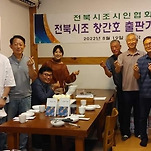
<p style="text-align: left;">[내면 문화: 정(情)]<br>한국 사회를 좀 더 면밀히 들여다보면, 사람들이 타인에 대한 돌봄과 배려를 표현하는 문화적 실천들을 여전히 관찰할 수 있다. 이러한 개념은 멜라니 클라인(Melanie Klein)의 돌봄과 염려(care and concern) 개념과 상당히 유사하다. 좀 더 구체적으로 말하면, 정(情)은 문화적으로 특수한 관계적 애착의 한 형태로 해석될 수 있으며, 반면 클라인의 염려(concern) 개념은 애착이 어떻게 타인에 대한 돌봄, 책임감, 그리고 보상·회복(reparation)의 태도로 발전할 수 있는지를 설명하는 정신분석학적 틀을 제공한다.<br>한국이 오랜 역사 동안 갈등과 침략, 정치적 불안정을 경험해 왔음에도 불구하고, 정과 관련된 문화적 실천은 반드시 친밀한 관계나 가족 관계에만 한정되어 온 것은 아니다. 특정한 사회적 조건 아래에서는 이러한 정이 낯선 사람이나 외부인에게까지 확장될 수도 있다. 더욱 흥미로운 점은 한국 사회가 하나의 역설을 보여준다는 것이다. 즉, 특정 직업이나 국적에 대한 사회적 위계와 편견이 존재하는 동시에, 강한 돌봄과 관대함, 환대의 문화적 실천 역시 공존한다.<br>외국인을 포함한 타인에 대한 편견과 선입견이 존재함에도 불구하고, 한국인들은 여전히 관대함을 통해 타인에게 환대를 표현하기도 하며, 이는 흔히 음식을 나누고 함께 먹는 행위를 통해 드러난다. 이러한 행위는 일종의 나눔의 의례(sharing rituals)로 해석될 수 있다. 이러한 의례는 형제애나 공동체적 유대감을 형성하고 사회적 관계 또는 소속감을 강화한다. 다시 말해, 나눔의 의례는 타인에 대한 염려와 돌봄이 표현되고, 실제 행위로 수행되며, 다시 강화되는 사회적 실천으로 기능할 수 있다. 더욱 중요한 것은 이러한 실천이 가족이나 이미 친숙한 지인을 넘어 낯선 사람과 외부인에게까지 확대될 때, 그것은 친숙함을 기반으로 한 내적 관계망(inner circle)의 정이 보다 넓은 사회적 배려와 염려의 외적 관계망(outer circle)으로 확장될 가능성을 보여준다는 점이다.<br><br>[inner culture: Jeong, 情] When we look more closely at Korean society, we can still observe cultural practices through which people express care and concern for others. This concept is quite similar to Melanie Klein's care and concern. More specifically, Jeong can be interpreted as a culturally specific form of relational attachment, whereas Kleinian concern provides a psychoanalytic framework for explaining how attachment may develop into care, responsibility, and reparation toward the other. <br>Despite Korea’s long history of conflict, invasion, and political instability, practices associated with Jeong have not necessarily been confined to intimate or familial relationships. They may also be extended, under certain social conditions, to strangers and outsiders. More interestingly, Korean society presents a paradox: social hierarchy and prejudice toward certain occupations or nationalities coexist with strong cultural practices of care, generosity, and hospitality.<br>Despite prejudices and biases toward others including foreigners, Koreans still show their hospitality to others through generosity, often expressed through food and communal sharing, which can be interpreted as sharing rituals. These rituals have brotherhood build up and social bonds or a sense of belonging become stronger, which means sharing rituals may function as a social practice through which concern is expressed, enacted, and reinforced. More importantly, when these practices are extended beyond family members or established acquaintances to strangers and outsiders, they suggest the possibility of expanding Jeong from an inner circle of familiarity toward an outer circle of social concern.<br><br></p>
<!-- -->