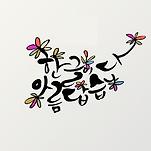
<p> Hi, friends, In Korean, the verb '먹다' (meok-da) is a highly versatile word. While its literal meaning is "to eat," it expands into various abstract and situational expressions in daily life.  한국인은 왠만하면 다 먹어요. ㅎㅎ<br>Here is a breakdown of its usages with examples.<br><br><b> Consuming Food or Medicine (Literal Meaning)</b><br>This is the most basic usage, meaning to <b>physically put food or liquid into your mouth and swallow it</b>.<br>1. <b>밥</b>을 맛있게 먹었다. (I ate the meal with gusto.) <br>2. 감기<b> 약</b>을 식후 30분에 드세요. (Please take [honorific form of 'eat'] your cold medicine 30 minutes after your meal.)<br>3. 오늘 <b>화장</b>이 잘먹었네.  파운데이션이나 쿠션 같은 메이크업 제품이 피부에 들뜨지 않고 착 밀착되어 피부가 아주 좋아 보일 때 쓰는 뷰티 표현(화장이 잘받았네) 영어로 한다면? "In Korea, when our makeup applies perfectly and blends seamlessly into the skin without looking cakey, we say '화장이 잘 먹었어' (My makeup ate well). It's a fun way to say that the skin beautifully 'absorbed' or welcomed the makeup!" => My makeup blended in so well today / My makeup sits so well on my skin today/ My makeup looks so seamless today <br><br><b> "Eating" Age, Feelings, or Criticism (Abstract Intake)</b><br>Koreans use '먹다' to describe <b>absorbing time, emotions, or social reactions, make a decision.</b><br>4. 새해가 밝아 벌써<b> 나이</b>를 한 살 더 먹었네.<br>(The new year has dawned, so I've already aged another year. / Literally: "ate one more year of age".)<br>5. 이번에는 진짜 열심히 하겠다고 <b>마음</b>을 먹었어.<br>(I made up my mind to work really hard this time. / Literally: "ate my mind", meaning to make a firm decision.)<br>6. 칭찬을 기대했는데 오히려 <b>욕</b>만 잔뜩 먹었다.<br>(I expected praise, but instead, I got heavily criticized. / Literally: "ate a lot of curses".)<br>7. 무슨 고집을 그렇게 <b>겁</b>을 먹고 그러니?<br>(Why are you being so stubborn out of fear? / Literally: "ate fear", meaning to become scared.)<br>8. 나 진짜 감동먹었어. <br>(I'm so moved/ I'm touched/ I'm blown away / it really touched my heart/ I'm speechless)<br>9. 나 완전 충격먹었어<br>(I'm in shock, I'm traumatized.  I was completely taken aback. it was mind-blowing. My mind is wiped out)<br>"In Korean, we say '감동 먹었어' (I ate touched/moved) and '충격 먹었어' (I ate shock). It's a casual way to say you've internalised an emotion so deeply that it feels like you've completely consumed it or been filled by it!"<br><br>10. 우리 <b>친구</b>먹을까? (Shall we be friends?)<br>한국어에서 "우리 친구 먹을까?"는 동갑이거나 나이 차이가 얼마 나지 않을 때, "복잡한 서열(나이/학번 등) 따지지 말고 친근하게 반말하는 친구로 지내자"는 아주 한국적인 뉘앙스를 담은 표현이다. 영어권에는 한국 같은 엄격한 나이 서열 문화가 없기 때문에 상황에 따라 다르게 번역해야 자연스럽다. 외국인 친구에게 쓰기 좋은 표현들을 정리하면 다음과 같다. <br>1) "야자 타임"이나 "서열 없이 편하게 지내자"는 뉘앙스를 살릴 때 한국의 '친구 먹다'에 담긴<b> "말 편하게 놓자", "격식 없이 지내자</b>"라는 뜻을 가장 잘 살린 표현 =>  "Let's drop the formalities."  (격식 차리지 말고 편하게 지내자.) /  "We don't need to be so formal with each other."  (우리 서로 너무 깍듯하게 대할 필요 없어.) /  "Let's just be casual." • (그냥 편하게 친구처럼 지내자.)<br>2) 가볍게 친구가 되자고 제안할 때 (가장 직관적) : 미드나 일상 대화에서 새로 만난 사람과 급격히 친해지고 싶을 때 툭 던지는 표현.<br> "Should we be friends?" • (우리 친구 할까?) / "Let's be buddies!" • (우리 친구 먹자! / 절친 하자!)<br>"In Korea, age and hierarchy are very important, so people usually use formal language. But when we say <b>'우리 친구 먹을까?'</b>, it literally means <b>'Shall we eat friend?'</b> 🤣. It's a fun idiom that means, <b>'Let's forget about our age difference, drop the formalities, and just be close friends!'</b>" <br><br><b> Sports, Games, and Matches, study (Conceding Points or Penalties, champion, wining)</b><br>It is used when giving up a goal to an opponent or receiving a penalty/warning.<br>11. 골키퍼의 실수로 상대 팀에게 <b>골</b>을 먹었다.<br>(We conceded a goal to the opposing team due to the goalkeeper's mistake. / Literally: "ate a goal".)<br>12. 축구 경기에서 거친 태클로 <b>경고</b>를 먹었다.<br>(He got a warning (yellow card) for a rough tackle during the soccer match. / Literally: "ate a warning".)<br>13. 홍수환 선수 "엄마 나 <b>챔피온</b> 먹었어".<br>(Famous boxer when he win the game said "Mom, I became the champion!")<br>14. 학교에서 돌아온 아들 "엄마 나 <b>1등</b> 먹었어".<br>(Son said after coming from school,  Mom I won first place)<br><br><b>Consuming Costs, Time, or Resources</b><br>Used when a task or machine <b>consumes more resources than expected.</b><br>15.  이 자동차는 연비가 안 좋아서<b> 기름</b>을 너무 많이 먹는다.<br>(This car has poor fuel economy, so it guzzles too much gas. / Literally: "eats gas".)<br>16.  생각보다 이 작업이 <b>시간</b>을 꽤 먹네.<br>(This task is taking up quite a bit of time. / Literally: "eats time".)<br><br><b>Absorption of Shock, Liquids, or Sound</b><br>Used when a material <b>absorbs liquid/oil perfectly, or when a sensory organ becomes blocked</b>.<br>17. 스펀지가 <b>물</b>을 쪽쪽 먹는다.<br>(The sponge is absorbing the water rapidly. / Literally: "eats water".)<br>18.  녹슨 문에 오일을 발랐더니 <b>기름</b>을 잘 먹어서 부드러워졌다.<br>(I applied oil to the rusty door, and it absorbed it well, making it move smoothly.)<br>19. 귀가 먹먹해서 상대방 말이 잘 안 들린다 (<b>귀</b>가 먹다).<br>(My ears feel muffled, so I can't hear the other person well. / Note: '귀가 먹다' literally means "ears eat", which idiomatically means to go deaf or have impaired hearing.)<br><br><b> Taking Bribes or Illicit Money</b><br>Used when someone <b>wrongfully pockets money or takes a bribe</b>.<br>20. 그 정치인은 <b>뒷돈(뇌물)</b>을 먹었다는 의혹이 있다.<br>(That politician is suspected of taking bribes. / Literally: "ate back-alley money".)<br>21. <b>공금</b>을 혼자 다 먹으려다 들통났다.<br>(He got caught trying to pocket all the public funds for himself.)<br><br><b>Cultural & Idiomatic Expressions (Korean Idioms)</b><br>Koreans frequently use '먹다' in figurative ways that reflect cultural traditions.<br><b>22. 국수</b>를 먹다 (To eat noodles)<br>• Meaning: To attend someone's wedding.<br>• Explanation: Historically, long wheat noodles were served at Korean weddings to wish the couple a long and happy life together. If someone asks you, "언제 국수 먹여 줄 거야?" they are jokingly asking, "When are you getting married?"<br>23. <b>김칫국</b>부터 마시다 (or 먹다) (To drink the kimchi broth first)<br>• Meaning: To count one's chickens before they hatch.<br>• Explanation: This comes from the habit of drinking spicy kimchi broth to prepare for eating a dry rice cake. Using this phrase means someone is getting ahead of themselves or anticipating success prematurely.<br>24. <b>미역국</b>을 먹다 (To eat seaweed soup)<br>• Meaning: To fail an exam or a job interview.<br>• Explanation: While Koreans traditionally eat seaweed soup (미역국) on birthdays, its slippery texture led to the superstition that eating it before a test will make you "slip" and fail.<br><br><b>Slang & Everyday Colloquialisms</b><br>These are casual, conversational expressions commonly used by younger generations and in media.<br>25.<b> 나이를 거꾸로 먹다</b> (To eat age backwards)<br>• Meaning: To look incredibly young for one's age, or to act immaturely despite being old (depends on context).<br>• Explanation: Usually used as a compliment for someone who seems to defy aging (e.g., "You look so young!").<br>26. <b>물 먹다</b> (To eat water)<br>• Meaning: To be rejected, eliminated, or to fail a test/competition.<br>• Explanation: Similar to "biting the dust" or getting "washed out" in English.<br>27.<b> 엿 먹다</b> (To eat 'yeot' - traditional taffy)<br>• Meaning: "Go screw yourself" or "Suck it." (Vulgar slang)<br>• Explanation: This is a strong insult in Korean. It originates from a famous school entrance exam scandal in 1964 regarding a question about making taffy (엿).<br><br>28. <b>골탕 먹다</b> (To be tricked, cheated or put in a very different situation by someone)<br>• Meaning: "In Korean, <b>'골탕' (Gol-tang)</b> originally referred to a rich, traditional beef broth. However, over time, the phrase <b>'골탕 먹다' (to eat Gol-tang)</b> turned into an idiom meaning <b>'to be tricked, cheated, or put in a very difficult situation by someone.'</b> So if I say 'I ate Gol-tang,' it means <b>'I got screwed over!'</b>"</p><p>1)억울하게 속거나 사기를 당했을 때 (가장 일반적): 상대방의 거짓말이나 수작에 넘어가 큰 골탕을 먹었을 때 <br>• I got screwed. *(나 완전히 당했어 / 골탕 먹었어. 미드나 일상에서 정말 많이 쓰는 캐주얼한 표현)<br>• I was taken for a ride. (나 속아서 골탕 먹었어 / 기만당했어.)<br>• He really ripped me off. (그 사람이 나한테 완전히 바가지 씌웠어 / 골탕 먹였어.)<br>2)누군가의 짓궂은 장난이나 꾐에 빠졌을 때 : 상대방이 나를 놀리려고 판 함정에 빠져 곤란해진 상황입니다.<br>• I fell for it.  (나 완전히 속아 넘어갔어 / 그 꾐에 당했어.)<br>• They played a trick on me.  (그들이 나한테 장난을 쳤어 / 나를 골탕 먹였어.)<br>• I was pranked.  (나 몰래카메라(장난)에 당했어.)<br>3) 일이나 상황이 꼬여서 곤란해졌을 때 (곤경에 처함)<br>꼭 사람 때문이 아니더라도, 상황이 나를 골탕 먹여서 곤경에 빠졌을 때 씁니다.<br>• I'm in a tight spot.  (나 지금 완전히 곤란한 처지(골탕 먹은 상황)에 빠졌어.)<br><br></p><p><b>29. 더위를 먹다'  </b>'"더위 먹었어"는 더운 날씨에 오래 노출되어 몸에 기운이 없고 어지러운 증상을 뜻합니다. 영어로는 의학적 증상의 심각성에 따라, 혹은 일상적인 대화 상황에 따라 다르게 표현다.<br>• I'm suffering from the heat.  (나 더위 때문에 고생하고 있어 / 더위 먹었어.)<br>• I'm completely exhausted from the heat. (더위 때문에 기운이 완전히 빠졌어.)<br>• I think I have heat exhaustion.  (나 일사병(더위 먹은 증상) 걸린 것 같아.)<br>• I got heatstroke. (나 열사병 걸렸어. ※매우 심각한 응급 상황일 때 씀)<br>"In Korean, when we are exhausted or sick because of the hot weather, we say '더위 먹었어' (I ate the heat). It means the heat has overwhelmed our body, making us feel dizzy or drained!"<br><br><b>Compound Verbs with '-먹다'</b><br>'먹다' is often attached to the end of other verbs to emphasize forgetting, wasting, or completely ruining something.<br>30. <b>까먹다</b> (To peel and eat → To completely forget)<br>• Example: 오늘 약속을 완전히 까먹었어. (I completely forgot our appointment today.)<br>31. <b>말아먹다</b> (To roll into soup and eat → To ruin/destroy)<br>• Example: 그 사람이 사업을 완전히 말아먹었다. (He completely ruined/bankrupted the business.)<br>32. <b>떼먹다 </b>(To detach and eat → To run away with someone's money)<br>• Example: 친구가 내 돈을 떼먹고 도망갔다. (My friend stole my money and ran away.)<br>33. <b>맞먹다</b>. "In Korean, '맞먹다' (mat-meok- da) literally means 'to eat equally with someone.' It is an idiom used when someone of lower status or age tries to act as an equal to a superior without showing proper respect. So, '너 지금 나랑 맞먹으려는 거니?' means 'Are you trying to act like my equal and disrespect my authority?'상대방이 나이, 직급, 지위 등의 서열을 무시하고 버릇없이 굴거나 동등하게 행동하려고 할 때 불쾌감을 표시하는 아주 강한 표현이다. 영어권에는 한국식의 엄격한 나이 서열은 없지만, "감히 내 권위에 도전하느냐", "어디서 버릇없이 기어오르냐"라는 뉘앙스를 담은 찰떡같은 표현들이 있습니다. 상황에 맞춰 사용할 수 있다. <br>드라마나 영화에서 가장 많이 나오는 표현 으로 상대방이 선을 넘어 나를 만만하게 보고 대들거나 기어오를 때 직설적으로 쓰는 표현.<br>Are you trying to testing me? (너 지금 나 시험하니? / 나랑 해보겠다는 거야?) / Are you trying to cross the line with me? (너 지금 나한테 선 넘으려는 거니?) / Are you trying to play games with me? (너 지금 나랑 장난해? / 나 만만해 보여?)<br>직급이나 권위를 무시하고 "기어오를 때" (권위적인 상황) 하는 표현으로 상사나 선배, 혹은 윗사람으로서 아래 사람에게 경고를 날릴 때 가장 어울리는 표현은  Are you challenging my authority right now?  (너 지금 내 권위에 도전하는 거니? / 어디서 기어오르니?) / Don't get cocky with me.  (나한테 건방지게 굴지 마. / 어디서 맞먹으려고 들어) / Who do you think you're talking to? (너 지금 누구한테 말하고 있는 줄 알아? 미드에서 윗사람이 아랫사람 잡을 때 )<br><br><b>34 붙어먹다.</b> 너 재랑 붙어먹었지? 상대방이 다른 사람과 부정한 이성 관계를 맺었거나, 남 몰래 사통(私通)했을 때 격앙된 어조로 추궁하는 매우 강하고 거친 표현(비속어/속어)다. 영어에서도 이처럼 "배신하고 바람을 피웠다"거나 "남몰래 눈이 맞았다"는 뉘앙스를 가진 거칠고 사실적인 슬랭(Slang) 표현들이 존재한다. <br>• Are you hooking up with them behind my back? (너 내 등 뒤에서 쟤랑 붙어먹었지? / 만나고 다녔지?/ 이성관계)<br>• Are you in cahoots with them? (너 쟤네랑 한통속이지? / 쟤네랑 붙어먹었지?/비지니스나 일상내 내통/결탁 추궁)<br>• You're in bed with them, aren't you? • (너 쟤네랑 한패(한 침대)가 된 거지, 안 그래? ※비즈니스나 정치에서 부당하게 결탁했을 때 쓰는 대표적 표현)<br>• Did you sell me out to them?  (너 나 쟤들한테 팔아넘겼지? / 배신하고 붙어먹었지?)<br><b>35. 씹어먹다.</b>  "In Korean, '자근자근 씹어먹어줄게' literally means 'I will chew you up thoroughly and eat you.' It's a very aggressive and dramatic expression‎ used when you are absolutely furious at someone. It means 'I will completely ruin you' or 'I will crush you without mercy!'" 한국어의 "너 내가 자근자근 씹어먹어줄게"는 분노가 극에 달했을 때 상대방을 "완전히 가만두지 않겠다", "처참하게 짓밟아 주겠다"는 강력한 경고이자 잔인한 보복의 의지를 담은 표현이다. 영어로 하면<br>I am going to destroy you. / (너 내가 완전히 파괴해 줄게 / 가만 안 둬.) /I’m going to tear you apart, piece by piece. (너 내가 한 조각 한 조각 찢어발겨 줄게. '자근자근'의 잔인한 느낌을 가장 잘 살린 호러/스릴러 풍 표현)/  I will ruin your life.  (네 인생을 완전히 망가뜨려 줄게.)<br><b>36. 날로먹다</b>. 한국어의 "이거 정말 날로 먹으려고 하네"는 아무런 노력이나 대가도 치르지 않고 쉽게 이득을 취하려 하거나, 남의 공을 가로채려 할 때 쓰는 매우 대중적인 표현이다. 그러고 보면 정말 한국어의 '먹다'는 음식(raw food)의 상태까지 활용해서 사람의 태도를 꼬집는 엄청난 표현력을 가졌음을 알수 있다. 영어권에서도 이처럼 "합당한 노력 없이 공짜로 무언가를 얻으려고 한다"는 뉘앙스의 찰떡같은 슬랭과 관용구들이 많다.  "In Korean, '날로 먹다' (nal-ro meok- da) literally means 'to eat something raw.' Just like eating food raw without spending any time or effort to cook it, this idiom is used when someone tries to get a free ride, take the credit, or achieve success without putting in any actual hard work or effort."  영어 표현으로 노력은 안 하고 결과만 쏙 빼먹으려고 하는 상대방에게 경고하듯 던지는 표현으로는<br>You're trying to get a free ride• *(너 지금 버스 타려고(무임승차 하려고) 하는구나. 한국어의 '날로 먹다/무임승차 하다'와 가장 똑같이 쓰이는 표현) /  You're just looking for a freebie. (너 그냥 공짜만 바라는구나 / 날로 먹으려고 하네.) / You want everything handed to you on a silver platter.(너는 모든 게 은쟁반에 담겨서 네 입으로 쏙 들어오길 바라는구나. 노력 없이 대접받기만 바라는 사람에게 쓰는 완벽한 관용구) / 남이 다 해놓은 일에 숟가락만 얹으려 할 때 /내가 고생해서 해놓은 일이나 성과를 상대방이 아주 쉽게 가로채거나 득을 보려고 할 때 씀. / You're trying to take the easy way out. (너 지금 제일 쉬운 길로만 가려고 잔머리 굴리는구나) / You didn't even lift a finger! (너 손가락 하나 까딱 안 해놓고 날로 먹으려고 해!) / Don't try to take credit for doing nothing. (아무것도 안 해놓고 공 가로채려고(날로 먹으려고) 하지 마.<br><br></p><p>Share this quick mini-game with students to see if they can match the literal phrase with its real, idiomatic meaning!</p><p>Context Phrase (Literal Translation)Real Meaning / English Equivalent</p><div class="table-wrap"><table data-ke-type="table" data-ke-align="alignLeft" style="width: 100%;" border="1"><tbody><tr><td><b>1. 마음을 먹다</b> (To eat one's mind)</td><td><b>A.</b> To get a warning or a yellow card</td></tr><tr><td><b>2. 나이를 먹다</b> (To eat age)</td><td><b>B.</b> To count your chickens before they hatch</td></tr><tr><td><b>3. 경고를 먹다</b> (To eat a warning)</td><td><b>C.</b> To make up one's mind / To decide</td></tr><tr><td><b>4. 국수를 먹다</b> (To eat noodles)</td><td><b>D.</b> To grow older / To age</td></tr><tr><td><b>5. 김칫국부터 마시다</b> (To drink kimchi broth first)</td><td><b>E.</b> To attend someone's wedding</td></tr></tbody></table></div><p>(💡 Answer Key for your reference: 1-C, 2-D, 3-A, 4-E, 5-B)</p><hr data-ke-style="style1"><p><br><br>🎬 Part 1: Real-Life Dialogue (먹다 in Action)<br>Here is a sample conversation between two friends, Minjun and Sarah (a foreigner learning Korean). Notice how naturally these expressions flow in daily life.<br>• Minjun: 사라, 벌써 2026년 말이야. 나이 한 살 더 먹을 날이 얼마 안 남았네.<br>(Sarah, it's already the end of 2026. Not much time left before we age another year! / Lit: "eat another year of age".)<br>• Sarah: 진짜 시간 빠르다. 나 내년에는 한국어 마스터하기로 마음을 먹었어!<br>(Time really flies. I've made up my mind to master Korean next year! / Lit: "ate my mind".)<br>• Minjun: 와, 멋지다! 근데 한국어 공부하다가 애먹는 일 있으면 언제든 물어봐.<br>(Wow, cool! But if you ever struggle/have a hard time while studying Korean, ask me anytime. / Lit: "eat anxiety".)<br>• Sarah: 고마워. 참, 민준아! 이번 주말에 수진이 결혼식 가? 우리 드디어 국수 먹는 거야?<br>(Thanks. Oh, Minjun! Are you going to Sujin's wedding this weekend? Are we finally attending a wedding? / Lit: "eating noodles".)<br>• Minjun: 당연하지! 아, 맞다. 나 결혼식 축가 부르기로 했는데 가사 외우는 걸 완전히 까먹고 있었네!<br>(Of course! Oh, wait. I'm supposed to sing the congratulatory song, but I completely forgot to memorize the lyrics! / Lit: "peeled and ate".)<br><br>⚖️ Part 2: Honorific Grammar Rules (Polite Forms of 먹다)<br>In Korean, you must change the verb depending on who you are talking to. You cannot use "먹다" when speaking to elders, superiors, or customers. Instead, use these honorific verbs:<br><br><b>1. 드시다 (Deu-si-da)</b> – Most Common & Polite<br>This is the standard polite word used in everyday life, restaurants, and professional settings.<br>• When to use: For grandparents, parents, bosses, or customers.<br>• Example (Present Polite): 맛있게 드세요. (Please eat deliciously / Enjoy your meal.)<br>• Example (Past Polite): 부장님, 점심 드셨어요? (Manager, did you have lunch?)<br><br><b>2. 잡수시다</b> (Jap-su-si-da) – Highly Respectful / Traditional<br>This is an older, even more deeply respectful version.<br>• When to use: Usually reserved for much older family members (like grandparents or great-grandparents). It sounds a bit formal and traditional today.<br>• Example: 할아버지, 저녁 잡수셨어요? (Grandfather, did you eat dinner?) / "과일 좀 깎아 왔는데, 이것 좀 잡수셔 보세요."<br>(I cut some fruit, please try some.) / "할머니, 저녁 진지 잡수실 시간이에요." (Grandmother, it’s time to eat dinner.)<br><br>3. 처먹다(Cheo-meok da)<br>처먹다는 ‘먹다’를 속되게 이르는 말로, “욕심 사납게 마구 먹다”라는 뜻을 가진 동사로 먹다' 앞에 ‘마구, 많이, 몰아서’라는 뜻을 더하는 접두사 ‘처-’가 붙어 만들어진 단어다. (예: 처박다, 처넣다 )등. / 표준어이지만, 상대방의 먹는 행위를 거칠게 낮추어 부르는 표현이므로 비속어(속된 말)로 취급된다. 일상적인 대화나 공식적인 자리에서는 쓰지 않는 것이 좋다. 처먹다" (cheo-meok-da) is a highly informal, slang, and derogatory Korean verb that means "to stuff one's face," "to pig out," or "to eat greedily." The word is formed by combining the prefix 처- (cheo-)—which adds the meaning of "carelessly," "excessively," or "blindly"—with the verb 먹다 (to eat). <br>그만 좀 처 먹어(Stop shoveling food into your face / stop eating like a pig)<br>남의 간식을 왜 네가 마음대로 처먹냐? (Why the hell are you shoveling my snakes into your mouth?)<br><br>cf. 못돼 처먹다 => “성질이나 행동이 아주 고약하고 나쁘다”라는 뜻으로, 상대방의 인성이나 심보를 극단적으로 비난하고 욕할 때 쓰는 비속어 표현이다.  구성은 1)못되다: 성질이나 품성이 바르지 못하고 악하다. 2) 처먹었다: (행동을 비하하여) 그렇게 행동해 먹었다. 등 2가지 가 결합된 형태로 의미는  단순히 나쁜 수준을 넘어, "인성이 아주 바닥이다", "심보가 고약해 빠졌다"라는 강한 분노와 경멸을 담고 있다.<br>• "He/She is rotten to the core." (걔는 뼛속까지 썩었어 / 진짜 못돼 처먹었어.)<br>• "What a nasty piece of work." (진짜 심보 고약한 인간이네.)<br>• "He/She is so wicked." (진짜 악질이다 / 못됐다.)<br>• "자기 잘못을 남한테 뒤집어씌우다니, 진짜 못돼 처먹었네."<br>• "그 사람은 심보가 못돼 처먹어서 주변에 친구가 없다."<br><br><br>⚠️ The Golden Rule of Honorifics<br>You never use 드시다 or 잡수시다 to describe your own actions. Even if you are talking to a boss, you lower yourself and use the humble form of "먹다".<br>• ❌ Incorrect: "사장님, 저 먼저 점심 드실게요." (This sounds like you are respecting yourself).<br>• ⭕ Correct: "사장님, 저 먼저 점심 먹을게요." (Sir, I will eat lunch first.)<br><br></p>
<!-- -->