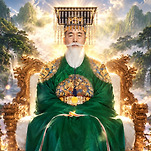
<p style="text-align: justify;"><span data-ke-size="size16">牧牛堂主(목우당주)와의 因緣者(인연자)들이 끝을 보지 못하고 </span></p><p style="text-align: justify;"><span data-ke-size="size16">씁쓸히 떠나는 모습에 가슴 아파 하며 불타는 선천의 天地(천지)가 재로 변할 날을 둘러본다.</span></p><p style="text-align: justify;"> </p><p style="text-align: justify;"><span data-ke-size="size16">火旺 端午(화왕 단오)의 極端(극단)에 이르름을 가장 잘 表現(표현)된 祝祭(축제)가 불꽃놀이이다.</span></p><p style="text-align: justify;"><span data-ke-size="size16">9월 27일 토요일 음력 8월 6일 21시 乙巳年 乙酉月 己亥日 乙亥時</span></p><p style="text-align: justify;"><span data-ke-size="size16">(을사년 을유월 기해일 을해시)에 서울에서 열렸다. </span></p><p style="text-align: justify;"><span data-ke-size="size16">全國(전국)에서 100만명의 人波(인파)가 雲集(운집)했단다.</span></p><p style="text-align: justify;"><span data-ke-size="size16">乙乙 亥亥(을을 해해)라 乙(을)이 끝을 보는 시간을 상징한다. </span></p><p style="text-align: justify;"><span data-ke-size="size16">선천에 힘이 있던 甲(갑)이 弱(약)한 乙(을)을 못되게도 굴었는데 이제 헤헤 웃을 수 있다는 것을 뜻한다.</span></p><p style="text-align: justify;"><span data-ke-size="size16">다만 天干(천간)의 乙(을)이 아직 沖(충)하려는 己(기)가 있으나 3:1이라 對立(대립)이 안된다.</span></p><p style="text-align: justify;"> </p><p style="text-align: justify;"><span data-ke-size="size16">또 己(기)는 陰土(음토)이니 乙己沖(을기충)은 가장 弱(약)한 沖(충)으로 본다. </span></p><p style="text-align: justify;"><span data-ke-size="size16">또한 己土(기토)는 地上 沃土(지상 옥토)의 뜻을 가지니</span></p><p style="text-align: justify;"><span data-ke-size="size16">장차의 地上世界 到來(지상세계 도래)는 乙(을)의 시대라는 의미가 된다. </span></p><p style="text-align: justify;"><span data-ke-size="size16">허니 乙(을)에게 甲(갑)이 讓步(양보)해야 되는 시국을 의미한다.</span></p><p style="text-align: justify;"><span data-ke-size="size16">이기지 못할 운수를 붙잡고자 한들 所用(소용)없을터 </span></p><p style="text-align: justify;"><span data-ke-size="size16">이제 乙(을)의 時代(시대)를 맞게 되는 日辰(일진)에 </span></p><p style="text-align: justify;"><span data-ke-size="size16">大韓民國 先天(대한민국 선천)의 首都(수도)인 </span><span data-ke-size="size16">서울 漢江邊(한강변)에서 </span></p><p style="text-align: justify;"><span data-ke-size="size16">華麗(화려)한 불꽃놀이가 亥時(해시)에 벌어졌던 것이다. </span></p><p style="text-align: justify;"><span data-ke-size="size16">漢江(한강)이란 큰 물의 江(강)이라는 의미이니 陰道運數(음도운수)를 마주 對(대)함이다.</span></p><p style="text-align: justify;"> </p><p style="text-align: justify;"><span data-ke-size="size16">傳統(전통)의 祭祀文化(제사문화)가 많이도 歪曲(왜곡)되었다. </span></p><p style="text-align: justify;"><span data-ke-size="size16">民俗祝祭(민속축제)는 正月 初(정월 초)하루의 차례를 비롯 正月 大(정월 대)보름 행사, </span></p><p style="text-align: justify;"><span data-ke-size="size16">三月 三日 三至日(삼월 삼일 삼지일), 五月 五日 端午祭(오월 오일 단오제), </span></p><p style="text-align: justify;"><span data-ke-size="size16">七月 七日 七夕(칠월 칠일 칠석), 七月 十四日 百中祭(칠월 십사일 백중제), </span></p><p style="text-align: justify;"><span data-ke-size="size16">八月 十五日 秋夕 茶禮(팔월 십오일 추석 차례), 九月 九日 九九節(구월 구일 구구절), </span></p><p style="text-align: justify;"><span data-ke-size="size16">十月 十日 雙十節(시월 십일 쌍십절), 冬至致誠(동지치성) 등이 있었다.</span></p><p style="text-align: justify;"> </p><p style="text-align: justify;"><span data-ke-size="size16">저의 집 제사는 지내지 않으면서 다른 祝祭(축제)에는 잘도 따라 다니고들 있으니 </span></p><p style="text-align: justify;"><span data-ke-size="size16">末世(말세)로써 </span><span data-ke-size="size16">天地神明(천지신명) 뿐만 아니라 </span></p><p style="text-align: justify;"><span data-ke-size="size16">當場(당장) 돌아가신 제 父母外(부모외)에 祖上神(조상신)들이 痛嘆(통탄)해 할 일이다.</span></p><p style="text-align: justify;"><span data-ke-size="size16">祭祀(제사)는 敬虔(경건) 할 지언정 慶事(경사)의 行事(행사)가 아니다.</span></p><p style="text-align: justify;"><span data-ke-size="size16">따라서 慶事(경사)의 祝賀(축하)가 될 수가 없다는 말이다. 더욱이 놀이가 되지 못한다. </span></p><p style="text-align: justify;"><span data-ke-size="size16">돈벌이 手段(수단)으로 利用(이용) 될 수는 더욱 없는 일이다.</span></p><p style="text-align: justify;"> </p><p style="text-align: justify;"><span data-ke-size="size16">祭(제)란 우리 民俗(민속)의 四禮(사례)에서 冠婚喪祭 中(관혼상제 중)에 한 가지이다. </span></p><p style="text-align: justify;"><span data-ke-size="size16">冠婚(관혼)은 慶事(경사)요, 반대로 喪祭(상제)는 哀事(애사)이다.</span></p><p style="text-align: justify;"><span data-ke-size="size16">祭(제)란 神靈(신령)이나 </span></p><p style="text-align: justify;"><span data-ke-size="size16">죽은 사람의 넋에게 飮食(음식)을 바치어 精誠(정성)을 나타내는 儀式(의식)이다.</span></p><p style="text-align: justify;"><span data-ke-size="size16">亦是 祭(역시 제)도 陰陽(음양)으로 私的(사적)인 祭祀(제사)와 公的(공적)이 제사가 있다.</span></p><p style="text-align: justify;"><span data-ke-size="size16">祖上(조상)에게 지내는 제사는 사적인 祭祀 儀式(제사 의식)이다.</span></p><p style="text-align: justify;"> </p><p style="text-align: justify;"><span data-ke-size="size16">公的(공적)인 제사는 天祭(천제)를 비롯하여 </span></p><p style="text-align: justify;"><span data-ke-size="size16">風雲雷雨 山天(풍운뇌우 산천)의 自然 神靈(자연 신령)이나 </span></p><p style="text-align: justify;"><span data-ke-size="size16">星辰日月 神靈(성신일월 신령)과 國家 朝庭(국가 조정)의 社稷(사직) 등의 祭禮儀式(제례 의식)이 있다.</span></p><p style="text-align: justify;"><span data-ke-size="size16">民間信仰(민간신앙)으로 城隍堂 堂山祭(성황당 당산제) 및 五方神將(오방신장)의 距離祭(거리제), </span></p><p style="text-align: justify;"><span data-ke-size="size16">太陽神(태양신)에서 부터 木神祭(목신제)에 이르기까지 제 지내는 義式(의식)이 많다.</span></p><p style="text-align: justify;"> </p><p style="text-align: justify;"><span data-ke-size="size16">近來(근래)에는 自動車 購入時(자동차 구입시)에 自動車 神(자동차 신)에게 告祀(고사)지내는 일 외에 </span></p><p style="text-align: justify;"><span data-ke-size="size16">野球場(야구장)에서 年(년) 첫 始球前(시구전)에 告祀(고사)지내기도 하였다.</span></p><p style="text-align: justify;"><span data-ke-size="size16">昨年(작년)이나 今年(금년) 봄의 꽃 축제들이 </span></p><p style="text-align: justify;"><span data-ke-size="size16">國家 不安要素(국가 불안요소)라며 行事(행사)들이 줄줄이 取消(취소)되어 못했는데 </span></p><p style="text-align: justify;"><span data-ke-size="size16">가을이 되자 전국 곳곳에서 갖가지 축제 행사들이 봇물 터지듯 앞다투어 곳곳의 장소에서 벌어지고 있다. </span></p><p style="text-align: justify;"><span data-ke-size="size16">마치 開闢 前夜祭(개벽 전야제)를 連想(연상)케 한다.</span></p><p style="text-align: justify;"> </p><p style="text-align: justify;"><span data-ke-size="size16">축제란 普遍的(보편적)으로 3가지 의미로 풀이한다.</span></p><p style="text-align: justify;"><span data-ke-size="size16">첫째 祝賀(축하)의 祭典(제전)</span></p><p style="text-align: justify;"><span data-ke-size="size16">둘째 祝賀(축하)와 祭祀(제사)</span></p><p style="text-align: justify;"><span data-ke-size="size16">셋째 慶祝(경축)하여 벌이는 큰 잔치 등의 뜻이다.</span></p><p style="text-align: justify;"> </p><p style="text-align: justify;"><span data-ke-size="size16">축하의 제전이란 무엇인가? </span></p><p style="text-align: justify;"><span data-ke-size="size16">어떤 事件(사건)이나 成就(성취)를 記念(기념)하거나 </span></p><p style="text-align: justify;"><span data-ke-size="size16">축하하기 위해 열리는 大規模 行事(대규모 행사) 또는 儀式(의식)을 의미한다.</span></p><p style="text-align: justify;"> </p><p style="text-align: justify;"><span data-ke-size="size16">祭典(제전)이란 말은 </span></p><p style="text-align: justify;"><span data-ke-size="size16">첫째 祭祀(제사)의 儀式(의식)</span></p><p style="text-align: justify;"><span data-ke-size="size16">둘째 文化 藝術 體育(문화 예술 체육)따위와 關聯(관련)하여 </span></p><p style="text-align: justify;"><span data-ke-size="size16">盛大(성대)히 열리는 社會的(사회적)인 行事(행사)라 正義(定誼,정의) 한다.</span></p><p style="text-align: justify;"><span data-ke-size="size16">셋째 古代(고대)부터 神(신)이나 英雄(영웅), </span></p><p style="text-align: justify;"><span data-ke-size="size16">國家的 勝利(국가적 승리)를 記念(기념)하기 위해 열렸던 儀式的 祝祭(의식적 축제)로 </span></p><p style="text-align: justify;"><span data-ke-size="size16">예컨대 特定事件(특정사건)인 勝戰(승전), 記念日(기념일), </span></p><p style="text-align: justify;"><span data-ke-size="size16">藝術發表(예술발표) 등을 즐기는 대규모 행사를 말한다.</span></p><p style="text-align: justify;"> </p><p style="text-align: justify;"><span data-ke-size="size16">그러나 요즘 全國(전국)의 축제라는 이름의 行事(행사)는 </span></p><p style="text-align: justify;"><span data-ke-size="size16">거의가 商術(상술)인 장삿속으로 사람모으는 手段(수단)이 되었다. </span></p><p style="text-align: justify;"><span data-ke-size="size16">商業主義(상업주의)의 時代(시대)요, 利權主義(이권주의)의 말대 저자거리 시절이기 때문이다.</span></p><p style="text-align: justify;"> </p><p style="text-align: justify;"><span data-ke-size="size16">봄날 봄소식을 알리는 첫 꽃제로써 梅花 祝祭(매화 축제)를 시작으로 </span></p><p style="text-align: justify;"><span data-ke-size="size16">이어서 산수유 축제와 벚꽃 축제부터 전국의 여러 곳에서 많은 꽃 축제를 벌린다. </span></p><p style="text-align: justify;"><span data-ke-size="size16">딸기 축제, 인삼 축제, 고추, 마늘, 한약제, 1111할리원데이도 축제이다.</span></p><p style="text-align: justify;"> </p><p style="text-align: justify;"><span data-ke-size="size16">축제문화를 연구하여 쓴 論文(최근)에 우리나라 남한에서 열리는 축제의 종류가 무려 555가지가 된단다.</span></p><p style="text-align: justify;"><span data-ke-size="size16">이 글을 쓰는 일자를 기준하면 서울 불꽃축제가 가장 최근이다. </span></p><p style="text-align: justify;"><span data-ke-size="size16">나는 불시대 極致(극치)의 現場(현장)을 TV로 지켜보았다. </span></p><p style="text-align: justify;"><span data-ke-size="size16">날이 갈수록 불꽃놀이가 나라마다 持續的(지속적)으로 발전하고 있음을 느낀다. </span></p><p style="text-align: justify;"><span data-ke-size="size16">하여 최근에 와서는 불꽃놀이가 華麗(화려)하다는 表現(표현)만으로 부족한 실정이다. </span></p><p style="text-align: justify;"><span data-ke-size="size16">멋지기는 한데 哲人(철인)의 눈으로 보면 </span></p><p style="text-align: justify;"><span data-ke-size="size16">先天陽道(선천양도)가 이제 끝을 向(향)함이 限界値(한계치)에 이르렀다는 점이고 </span></p><p style="text-align: justify;"><span data-ke-size="size16">이는 곧 묵은 한울의 滅亡(멸망)을 意味(의미)한다는 것이다.</span></p><p style="text-align: justify;"><span data-ke-size="size16">허니 俗世(속세)의 화려한 虛花祝祭(허화축제)에 歡呼(환호)치 말 것이고 </span></p><p style="text-align: justify;"><span data-ke-size="size16">后天光明(후천 광명)의 極樂(극락)인 神人時代(신인시대)를 맞는 길로</span></p><p style="text-align: justify;"><span data-ke-size="size16"> 발걸음을 大轉換(대전환)해야 할 것이라 衷言(충언)하여 마지않는다.</span></p><p style="text-align: justify;"><span data-ke-size="size18">​</span></p><p style="text-align: justify;"><span data-ke-size="size18"><b>영어(English)</b></span></p><p style="text-align: justify;"><span style="color: #3c4043;" data-ke-size="size18">My heart aches as I watch the bitter departure of those who had relationships with the shepherd's master, the owner of the cowshed, without seeing the end, and I look forward to the day when the burning heaven and earth of the pre-heavenly world will turn to ash. The festival that best represents the extreme of Dano, the day of the reign of King Hwawang, is the fireworks display. It was held in Seoul on Saturday, September 27th, the 6th day of the 8th lunar month, the 1st day of the 1st lunar month, the 1st lunar month, the 21st day of the 1st lunar month, ... They say a million people gathered across the country. It symbolizes the time when Eul (乙) sees its end. It means that Gap (甲), who was strong from birth, treated the weak Eul (乙) badly, but now they can laugh it off. However, Eul (乙) of the Heavenly Stems still has Gi (己) trying to clash, but since the ratio is 3:1, they are not in opposition. Furthermore, Gi (己) is Yin Earth, so Eul Gi Clash is considered the weakest clash. Also, Gi-to (己土) means good soil on the ground, so the coming of the earthly world in the future means the era of Eul (乙). It means a time when A (甲) must yield to B (乙). It is useless to try to hold on to fate that cannot be won, so on the day of Il-jin (日辰) that marks the beginning of the era of Eul (乙), a splendid fireworks display took place at Hae-si (亥時) on the banks of the Han River in Seoul, the capital of the Republic of Korea. The Han River means a river of great water, so it faces the Yin and Yang fortunes. The traditional ceremonial culture has been greatly distorted. Folk festivals include the ancestral rites on the first day of the first lunar month, the 15th day of the first lunar month, the Samjiil rite on the third day of the third lunar month, the Dano rite on the fifth day of the fifth lunar month, the Chilseok rite on the seventh day of the seventh lunar month, the Baekjung rite on the fourteenth day of the seventh lunar month, the Chuseok rites on the fifteenth day of the eighth lunar month, the Gugujeol rite on the ninth day of the tenth lunar month, and the Gugujeol rite on the tenth day of the tenth lunar month. There were Double Ten Days (October 11th) and the Winter Solstice Festival (Dongji Chiseong). They don't hold ancestral rites at their own house, but they still attend other festivals. This is the end of the world, and not only the gods of heaven and earth, but also the ancestral gods of my parents and other deceased parents should be in deep sorrow. Rites are reverent, but they are not a celebratory event. Therefore, they cannot be a celebratory event. Furthermore, they cannot be a form of entertainment. It is even more impossible to use it as a means of making money. Je is one of the four rites of our folk customs: weddings, funerals, and ancestral rites. Gwanhon is a celebratory event, while sangje is a sad event. Je is a ritual that expresses sincerity by offering food to the spirits of the dead or the dead. Likewise, there are private and public rites based on yin and yang. Rites performed to ancestors are private rites. Public rites include the Cheonje (Cheonje), rites to the natural spirits of wind, clouds, thunder, and rain, the spirits of the mountains and rivers, the spirits of the stars, the sun, and the moon, and the rites of the state and the government. There are many rituals performed in folk religion, from the Seonghwangdang Dangsanje (Seonghwangdang Dangsanje) and the Georije (Georije) of the Five Guardians of the Five Directions, to the Sun God and the Mok Godje (Mok Godje). In recent years, in addition to performing a ritual to the Automobile God when purchasing a car, a ritual has also been performed at the baseball stadium before the first pitch of the year. Last year and this year, spring flower festivals were canceled one after another, citing national instability as a factor. However, with the arrival of fall, various festivals and events are bursting forth across the country, competing with each other in various venues. They evoke the eve of Gaebyok (the first day of the new year). The word "festival" is generally interpreted in three senses: First, a celebratory festival. Second, a celebration and ancestral rite. Third, a grand feast held in celebration. What is a celebratory festival? It refers to a large-scale event or ceremony held to commemorate or celebrate an event or achievement. The word "jejeon" is defined as: First, a ritual of ancestral rites; Second, a grand social event related to culture, arts, and sports; Third, a ceremonial festival held since ancient times to commemorate gods, heroes, or national victories, such as a specific event such as a victory in war or a commemorative day. It refers to a large-scale event celebrating artistic performances. However, these days, most events held nationwide under the guise of festivals have become mere mercantile means of gathering people for business purposes. This is because we live in an era of commercialism and the waning days of vested interests. Starting with the Plum Blossom Festival, the first flower festival to herald the arrival of spring, followed by the Cornelian Cherry Blossom Festival and Cherry Blossom Festival, numerous flower festivals are held throughout the country. Strawberry festivals, ginseng festivals, chili pepper festivals, garlic festivals, herbal medicine festivals, and Halloween festivals are also considered festivals. A recent study on festival culture reported that there are a staggering 555 festivals held in South Korea. This article As of the date of writing, the Seoul Fireworks Festival is the most recent. I watched the climax of the fireworks era on TV. With each passing day, I feel that fireworks displays are continuously developing in each country. To describe them as splendid these days is insufficient. While they are impressive, from a philosopher's perspective, the path of the Sun has reached its limit, signifying the end of the old Hanul. Honey, I'm in love with the world's extravagant, empty flower festivals. I advise you not to cheer, but to make a great change of pace and take the path to the era of the divine, which is the ultimate bliss of the afterlife.</span></p><p style="text-align: justify;"><span data-ke-size="size18">​</span></p><p style="text-align: justify;"><span data-ke-size="size18"><b>일본어</b></span></p><p style="text-align: justify;"><span style="color: #3c4043;" data-ke-size="size18">牧牛堂主(牧牛堂主)との因緣者(縁者)が終わりを見られず、苦々しく去る姿に胸が痛く、燃える先天の天地(天地)が灰に変わる日を見回す。 火旺端午(火王ダンオ)の極端(極端)に至るのを最もよく表現(表現)された祝祭(祭り)が花火大会だ。 9月27日土曜日の旧暦8月6日21時乙巳年乙酉月 己亥日 乙亥時(秋四年乙乙月期海日乙海市)にソウルで開かれた。 全国(全国)で100万人の人波(人派)が雲集(運集)した。 乙乙亥亥(乙を解解)と乙が終わりを見る時間を象徴する。先天に力があった甲(甲)が弱(弱)な乙をできなくても転がしたが、もうヘヘ笑えることを意味する。 ただ天干の乙がまだ沖にしようとする気があるが、3:1だから対立にならない。 また、自分(気)は陰土(音土)なので、乙己沖(乙気虫)は最も弱い(弱)の沖(忠)とみなす。また、己土(地土)は地上沃土(地上オクト)の意味を持つので、将来の地上世界到來(地上世界到来)は乙の時代という意味になる。ハニー乙に甲(甲)が讓步(譲歩)しなければならない市国を意味する。 勝つことができない運輸を捕まえようとしたら所用(役)なしからもう乙の時代(時代)を迎える日辰(日進)に大韓民国先天(大韓民国先天)の首都(首都)であるソウル漢江邊(漢江辺)亥時(ハッシュ)に行われたのだ。 漢江(漢江)とは大きな水の江(江)という意味なので、陰道運數(陰島運輸)に面して対(大)する。 傳統(伝統)の祭祀文化(祭司文化)が多くも歪曲(歪曲)された。 民俗祝祭(民俗祭り)は、正月初(正月初)一日の順番をはじめ、正月大(正月大)の祝祭、三月三日三至日(三月三日三支日)、五月五日端午祭(五月五日七五七七七七七百中祭(七月14日百中祭)、八月十五日秋夕茶禮(八月十五日秋夕順)、九月九日九九節(九月九日九節)、十月十日雙十節(四月十一双十節)、冬至致誠(同志) 私の家の祭司は過ごさず、他の祝祭にはよく従っているので、末世として天地神明(天地神名)だけでなく、當場(すぐに)亡くなった私の父母外(父母のほか)に祖上神(祖上神)が痛嘆しています。 祭祀(祭司)は敬虔(敬건)する地言定慶事(傾斜)の行事(行事)ではない。 したがって、慶事の祝賀にはなれないということだ。さらに遊びにはならない。金銭が手段(手段)として利用(利用)されることはさらにないことだ。 祭(祭)とは、我が民俗(民俗)の四禮(事例)で冠婚喪祭中(冠婚葬祭中)の一つである。 冠婚(冠婚)は慶事(傾斜)であり、逆に喪祭(上制)は哀事(愛沙)である。 祭(祭)とは、神靈(神霊)や死者の精神に飮食(食べ物)を捧げ、精誠(定性)を表す儀式(儀式)である。 亦是祭(やはり制)も陰陽(陰陽)で私的(史跡)である祭祀(祭司)と公的(功績)が祭司がある。 祖上に送る祭司は私的な祭祀儀式(祭司儀式)である。 公的(公的)な祭司は天祭(天帝)をはじめ、風雲雷雨 山天(風雲雷雨山天)の自然神靈(自然神霊)や星辰日月神靈(聖神日月神霊)と国家朝庭(国家調整)の社稷(辞職)。 民間信仰(民間信仰)で、城隍堂堂山祭(聖皇堂唐山祭)や五方神將(五方神長)の距離祭(距離祭)、太陽神(太陽神)から木神祭(牧神祭)に至るまで制す儀式(儀式)が多い。 近來(近年)には、自動車購入時(自動車購入時)に自動車神(自動車神)に告祀(古事)を過ごすことのほかに、野球場(野球場)から年(年)初の始球前(市球前)に告祀(古事)を送った。 昨年(昨年)や今年(今年)春の花祭りが国家不安要素(国家不安要素)と言って行事(行事)がずっと取り消されていなかったが、秋になると全国各地でいろいろな祭りイベントが披露されている。まるで開闢前夜祭(開壁前夜祭)を連想(連想)させる。 祭りとは普遍的(普遍的)で3つの意味で解釈する。 まず、祝賀(祝)の祭典(祭典) 第二 祝賀(祝)と祭祀(祭司) 第三に慶祝(祝)して繰り広げる大きなごちそうなどの意味だ。 お祝いの祭典とは何ですか?どんな事件(事件)や成就(成就)を記念(記念)したり祝うために行われる大規模行事(大規模行事)または儀式(意識)を意味する。 祭典(祭典)という言葉は 第一祭祀(祭司)の儀式(儀式) 第二 文化 藝術 體育(文化芸術体育)なんかと關聯(関連)して盛大に盛り上がる社會的(社会的)な行事(行事)と正義(正義)する。 第三古代(古代)から神(神)や英雄(英雄)、国家的勝利(国家的勝利)を記念(記念)するために開かれた儀式的祝祭(意識的祭り)で、例えば特定事件(特定事件)である勝戰(勝戦)、記念日藝術發表(芸術発表)などを楽しむ大規模なイベントをいう。 しかし最近、全国(全国)の祭りという名の行事(行事)は、ほとんどが商術(上述)である長札の中で人を集める手段(手段)となった。 商業主義(商業主義)の時代(時代)であり、利權主義(理権主義)の末代著者の街時代だからだ。 春の日 春のニュースを知らせる初の花祭として梅花祝祭(梅祭り)をはじめ、続いて山水乳祭りや桜まつりから全国に様々な場所でたくさんの花祭りを広げる。イチゴ祭り、高麗人参祭り、唐辛子、ニンニク、漢方薬、1111ハリワンデーも祭りです。 祭り文化を研究して書いた論文(最近)に韓国の韓国で開かれる祭りの種類がなんと555種類になるという。 この文を書く日付を基準にすればソウル花火祭りが最も最近だ。私は不時代極致(極値)の現場(現場)をテレビで見守った。日が経つにつれて花火大会が国ごとに持續的(持続的)に発展していることを感じる。最近になっては花火が華麗(華麗)だという表現(表現)だけで足りない実情だ。 かっこいいのは、哲人の目で見ると先天陽道が先を向くことが限界値に達したということであり、これはすぐに泊まったハンウルの滅亡を意味するということだ。 ハニー俗世の華麗な虛花祝祭(ホファ祭り)に歡呼(歓呼)しないで、后天光明(後天光明)の極樂(極楽)である神人時代(新人時代)に合う道に足を踏み入れるやまない。</span></p><p><b>[출처]</b> <a style="color: #000000;" href="https://blog.naver.com/nerumi79/224046403933" target="_blank" class="ke-link"># 牧牛堂主 一代記(목우당주 일대기)(174) The biography of Mokwoodangju</a>|<b>작성자</b> <a style="color: #000000;" href="https://blog.naver.com/nerumi79" target="_blank" class="ke-link">해인1691 HAE IN 1691</a></p>
<!-- -->