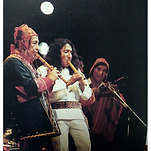
<p><span style="font-size: 11pt;"> Folk music includes both traditional music and the genre that evolved from it during the </span></p><p><span style="font-size: 11pt;">20th century folk revival. </span></p><p><span style="font-size: 11pt;">The term originated in the 19th century but is often applied to music that is older than that. </span></p><p><span style="font-size: 11pt;">Some types of folk music are also called world music.</span></p><p><span style="font-size: 10pt;"><br></span></p><p><span style="font-size: 11pt;">Traditional folk music has been defined in several ways: as music transmitted orally, </span></p><p><span style="font-size: 11pt;">or as music with unknown composers. It has been contrasted with commercial and classical styles. </span></p><p><span style="font-size: 11pt;">One meaning often given is that of old songs, with no known composers; </span></p><p><span style="font-size: 11pt;">another is music that has been transmitted and evolved by a process of oral transmission or </span></p><p><span style="font-size: 11pt;">performed by custom over a long period of time.</span></p><p><span style="font-size: 10pt;"><br></span></p><p><span style="font-size: 11pt;">Starting in the mid-20th century a new form of popular folk music evolved from traditional folk music. </span></p><p><span style="font-size: 11pt;">This process and period is called the (second) folk revival and reached a zenith in the 1960s. </span></p><p><span style="font-size: 11pt;">This form of music is sometimes called contemporary folk music or folk revival music to </span></p><p><span style="font-size: 11pt;">distinguish it from earlier folk forms.[1] Smaller similar revivals have occurred elsewhere </span></p><p><span style="font-size: 11pt;">in the world at other times, but the term folk music has typically not been applied to the new music</span></p><p><span style="font-size: 11pt;"> created during those revivals. This type of folk music also includes fusion genres such as folk rock,</span></p><p><span style="font-size: 11pt;"> folk metal, electric folk, and others. While contemporary folk music is a genre generally </span></p><p><span style="font-size: 11pt;">distinct from traditional folk music, in English it shares the same name, </span></p><p><span style="font-size: 11pt;">and it often shares the same performers and venues as traditional folk music. </span></p><p><span style="font-size: 10pt;"><span style="font-size: 11pt;">Even individual songs may be a blend of the two.</span><br></span></p>
<!-- -->