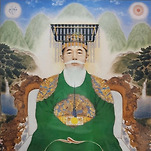
<p style="text-align: justify;"><span data-ke-size="size16">平素(평소)의 나의 삶은 臥牛(와우)로 지낸다. </span></p><p style="text-align: justify;"><span data-ke-size="size16">두 坪(평)도 안 되는 房(방)이 왼 終日(종일) 누워지내는 空間(공간)이고 </span></p><p style="text-align: justify;"><span data-ke-size="size16">겨우 하루 1번 奉淸水(봉청수)를 위해</span></p><p style="text-align: justify;"><span data-ke-size="size16"> 藥水(약수)터에 가는 出入(출입)이 有一(유일)한 움직일 整度(정도)로 日課(일과)를 보낸다.</span></p><p style="text-align: justify;"><span data-ke-size="size16">물론 臥牛(와우)로 지내다가 乘用車(승용차)로 出他(출타)도 한다. </span></p><p style="text-align: justify;"><span data-ke-size="size16">나그네가 되었다가는 다시 그 와우의 生活(생활)로 되돌아 온다.</span></p><p style="text-align: justify;"><span data-ke-size="size16">글을 지음은 거의 누워 携帶電話器(휴대전화기)로써 文字(문자)판을 두드린다. </span></p><p style="text-align: justify;"><span data-ke-size="size16">旅行記(여행기)가 아니면 牧牛堂主(목우당주)의 글이 거의 그러하다. </span></p><p style="text-align: justify;"><span data-ke-size="size16">누가 보면 방콕의 村老(촌노)로 여긴다.</span></p><p style="text-align: justify;"><span data-ke-size="size16">現代文明(현대문명)과는 먼 사람으로 보는이도 있다. </span></p><p style="text-align: justify;"> </p><p style="text-align: justify;"><span data-ke-size="size16">恒常(항상) 흰 옷의 韓服(한복)차림이고 </span></p><p style="text-align: justify;"><span data-ke-size="size16">머리 기르고 鬚髥(수염)을 기른 옛 老人貌習(노인모습)을 하고 있기 때문이다.</span></p><p style="text-align: justify;"><span data-ke-size="size16">허나 虛虛實實(허허실실)이니 좁은 방안에 누워 넓은 世上(세상)을 觀照(관조)한다. </span></p><p style="text-align: justify;"><span data-ke-size="size16">人間事(인간사) 밑바닥 속까지도 들여다 본다.</span></p><p style="text-align: justify;"><span data-ke-size="size16"> 옛 上古時代 人間史(상고시대 인간사)도 엿보다가 現代 科學文明 尖端(현대 과학문명 첨단)을 맛보고 </span></p><p style="text-align: justify;"><span data-ke-size="size16">더 나아가 곧 다가올 未來(미래)의 神道文明(신도문명)을 그려보면서 지낸다. </span></p><p style="text-align: justify;"><span data-ke-size="size16">靜中動(정중동)으로 살고 있음이다.</span></p><p style="text-align: justify;"> </p><p style="text-align: justify;"><span data-ke-size="size16">그러면서 陰陽理致(음양이치)로 </span></p><p style="text-align: justify;"><span data-ke-size="size16">自然(자연)의 天地宇宙(천지우주)가 循環(순환)하는 眞理(진리)를 論(논)하여 </span></p><p style="text-align: justify;"><span data-ke-size="size16">再生(재생)되어 돌아오는 未來(미래)의 삶이 있다는</span></p><p style="text-align: justify;"><span data-ke-size="size16"> 큰 智慧(지혜)를 衆生(중생)에게 알리고자 하는 것이다.</span></p><p style="text-align: justify;"> </p><p style="text-align: justify;"><span data-ke-size="size16">이는 陰(음)이 陽(양)이 되고 陽(양)은 다시 陰(음)이 되는 그 이치를 아는가, 모른가에 따라서</span></p><p style="text-align: justify;"><span data-ke-size="size16"> 將次 生死(장차 생사)를 가름한다는 哲學(철학)이 있음을 理解(이해)하게 하고</span></p><p style="text-align: justify;"><span data-ke-size="size16"> 聖人(성인)의 밝은 智慧(지혜)가 幸福(행복)한 世上(세상)으로 길 案內(안내) 한다는 事實(사실)과 </span></p><p style="text-align: justify;"><span data-ke-size="size16">그 일을 推進(추진)하는 곳이 存在(존재)함을 세상에 일러주고자 하는 것이다.</span></p><p style="text-align: justify;"> </p><p style="text-align: justify;"><span data-ke-size="size16">今年 中秋節(금년 중추절)을 맞으며 이번 秋夕節(추석절)에는 </span><span>추석의 스트레스로 因(인)하여</span></p><p style="text-align: justify;"><span data-ke-size="size16">젊은 夫婦(부부)가 傷處(상처)를 입고서 離別(이별)하는 일이 發生(발생)하지 않기를 祈願(기원)한다.</span></p><p style="text-align: justify;"><span data-ke-size="size16">崇祖思想(숭조사상)이 至極(지극)하여 精誠(정성)을 다 한다면 결코 일어날 일이 아닐 것인즉 </span></p><p style="text-align: justify;"><span data-ke-size="size16">神(신)의 存在(존재)를 알지 못하고 </span></p><p style="text-align: justify;"><span data-ke-size="size16">다만 形式的(형식적)인 마음만 가진채 輕率(경솔)히 茶禮(차례)에 임하면 </span></p><p style="text-align: justify;"><span data-ke-size="size16">祖上神(조상신)의 미움으로 인하여 結局 夫婦之緣(결국 부부지연)이 끊기게 되는 것이다.</span></p><p style="text-align: justify;"> </p><p style="text-align: justify;"><span data-ke-size="size16">六月閏(유월윤)달이 있어서 늦은 가을임에도 </span></p><p style="text-align: justify;"><span data-ke-size="size16">非正常的(비정상적)인 가을 장마가 보름달 觀望(관망)에 障碍(장애)가 되는 현상은 조상신들의 슬픔인가? </span></p><p style="text-align: justify;"><span data-ke-size="size16">아니면 自然神(자연신)의 안타까운 마음을 나타냄인가!</span></p><p style="text-align: justify;"> </p><p style="text-align: justify;"><span data-ke-size="size16">陽曆 十月 六日(양력 시월 육일)의 意味(의미)는 陰道 后天(음도 후천)의 完成(완성)을 상징한다. </span></p><p style="text-align: justify;"><span data-ke-size="size16">늦은 추석의 늦 가을철에 비가 장마로 내린다는 것은 溫暖化 現狀(온난화 현상)이요, </span></p><p style="text-align: justify;"><span data-ke-size="size16">여름 氣後(기후)가 늦도록 持續(지속)됨이니 </span></p><p style="text-align: justify;"><span data-ke-size="size16">夏節(하절)의 사라짐이 슬픔으로 나타냄이고 마지막 作別(작별)의 눈물이라 하겠다. </span></p><p style="text-align: justify;"><span data-ke-size="size16">여름철의 神(신)이 아쉬움을 나타내는 의미이다.</span></p><p style="text-align: justify;"> </p><p style="text-align: justify;"><span data-ke-size="size16">철도 神(신)이 主管(주관)한다.</span></p><p style="text-align: justify;"><span data-ke-size="size16"> 歲年(세년)의 神(신), 二十四節(이십사절)의 神(신), </span></p><p style="text-align: justify;"><span data-ke-size="size16">四時(사시)의 神(신), 月(월)의 神(신), </span><span data-ke-size="size16">十五日 節(15일 절)의 神(신), </span></p><p style="text-align: justify;"><span data-ke-size="size16">十日 一候(10일 일후)의 神(신), 五日(오일)의 一氣(일기)의 神(신) 이 各各(각각) 있다. </span></p><p style="text-align: justify;"><span data-ke-size="size16">夏節 陽道(하절 양도)가 秋節 陰道(추절 음도)에게 讓導(양도) 한다는 意味(의미)이기도 하다. </span></p><p style="text-align: justify;"><span data-ke-size="size16">月曜日 戊申 日辰(월요일 무신일진)이 더욱 그러하다.</span></p><p style="text-align: justify;"><span data-ke-size="size16">달의 曜日(요일)에 土生金(토생금)의 戊申日辰(무신일진)이 이를 뒷받침 한다.</span></p><p style="text-align: justify;"> </p><p style="text-align: justify;"><span data-ke-size="size16">祖上(조상)께 茶禮致誠(차례치성)을 올리기 위해 誠心(성심)을 가지고 歸鄕(귀향)한 모든 이들이 </span></p><p style="text-align: justify;"><span data-ke-size="size16">이 時運(시운)의 天福(천복)을 받아내리어 반가운 家族(가족)과의 만남에 있어 </span></p><p style="text-align: justify;"><span data-ke-size="size16">和穆(화목)하면서도 多幸(다행)하고 무탈한 한가위 名節(명절)이 되기를 祈願(기원)해 마지 않는다.</span></p><p style="text-align: justify;"> </p><p style="text-align: justify;"><span data-ke-size="size16">陰(음)의 臥牛(와우)는 </span></p><p style="text-align: justify;"><span data-ke-size="size16">陽(양)인 走馬(주마)와 相對的(상대적)인 陰陽關係(음양관계)임을 많이도 언급했었다. </span></p><p style="text-align: justify;"><span data-ke-size="size16">말은 말과인 나귀와 陰陽關係(음양관계)이다. </span></p><p style="text-align: justify;"><span data-ke-size="size16">덩치는 말이 나귀보다 크지만 오히려 나귀가 말과의 陽(양)이고 말이 陰(음)이다. </span></p><p style="text-align: justify;"><span data-ke-size="size16">動的(동적)으로 뛸 때에는 말이 陽(양)이지만 靜的(정적)으로 힘을 씀은 나귀가 陽(양)인 것이다.</span></p><p style="text-align: justify;"><span data-ke-size="size16">하여 말 숫컷과 나귀 암컷을 交尾(교미)시키면 生産(생산)이 不可(불가)한데 </span></p><p style="text-align: justify;"><span data-ke-size="size16">말 암컷을 나귀 숫컷과 交尾(교미) 시키면 生産(생산)이 可能(가능)하다. </span></p><p style="text-align: justify;"><span data-ke-size="size16">생산된 F-2가 노새이다. 나귀가 陽性(양성)이라는 것을 證據(증거)한다. </span></p><p style="text-align: justify;"><span data-ke-size="size16">그 노새는 自力(자력)으로는 생산이 안된다. 노새는 后天 靜(후천 정)의 상징인 것이다. </span></p><p style="text-align: justify;"><span data-ke-size="size16">장차에는 人爲的(인위적)으로 생산이 가능한 세상이 된다는 말씀이다.</span></p><p style="text-align: justify;"><span data-ke-size="size16"> 瓦牛(와우)는 소에서도 靜(정)을 象徵(상징)한다. </span></p><p style="text-align: justify;"><span data-ke-size="size16">그 와우가 일어나면 穩全(온전)히 永生(영생)의 世上(세상)이 된다.</span></p><p style="text-align: justify;"><span data-ke-size="size18">​</span></p><p style="text-align: justify;"><span data-ke-size="size18"><b>영어(English)</b></span></p><p style="text-align: justify;"><span style="color: #3c4043;" data-ke-size="size18">My ordinary life is spent as a sleeping cow. My room, less than two pyeong (approximately 2.5 square meters), is a space where I lie down all day, and my only movement is to go to the spring once a day to get some clean water. Of course, I also travel by car during my time as a sleeping cow. After becoming a traveler, I return to that same living arrangement. He writes mostly while lying down, tapping away on a cell phone. Unless it's a travelogue, it's almost always the writing of a shepherd. Some might think he's a village elder from Bangkok. Some might even see him as someone far removed from modern civilization. This is because he always wears white clothes, a traditional Korean outfit, and has long hair and a beard, a characteristic of an old man. However, he is a mixture of empty and real, lying in his small room and contemplating the vast world. We look deep into the very depths of human history. We glimpse ancient human history, savor the cutting edge of modern scientific civilization, and even envision the Shinto civilization of the future. We live in stillness and movement. In doing so, we discuss the truth that the universe in nature circulates according to the law of yin and yang, and we want to inform all living beings of the great wisdom that there is a future life in which we are reborn and return. This is to make people understand that there is a philosophy that determines future life and death depending on whether or not they know the principle that yin becomes yang and yang becomes yin again, and to let the world know the fact that the bright wisdom of the saints guides the way to a happy world, and that there exists a place that promotes that work. As we celebrate this year's Mid-Autumn Festival, I pray that no young couples will be hurt and break up due to the stress of Chuseok. If the thought of worshipping ancestors is extreme and done with all sincerity, this will never happen. If one does not know the existence of God and only has a formal mind and carelessly approaches the tea ceremony, the ancestral gods will hate them and the couple's relationship will eventually be severed. Is the phenomenon of the abnormal autumn rainy season hindering the viewing of the full moon, despite the fact that it is late autumn due to the leap month, the sorrow of the ancestral gods? Or is it an expression‎ of the regretful heart of the nature god? The meaning of the 6th day of the 10th month in the solar calendar symbolizes the completion of the Yin path, the afterlife. The fact that rain falls like a monsoon in the late autumn of Chuseok is a warming phenomenon, and the summer climate continues until late, so it can be said to be the sadness of the disappearance of the summer season and the tears of the final farewell. It means that the god of summer expresses his regret. The god of the railroad is in charge. There is a god of each year, a god of the twenty-four solar terms, a god of the four seasons, a god of the months, a god of the fifteenth day, a god of the tenth day, and a god of the five-day weather. It also means that the yang way of summer is yielding to the yin way of autumn. This is especially true on Monday, the day of the Monkey, when the Earth is born. The Monday, the day of the Monkey, when the Earth is born, supports this. I sincerely hope that all those who have returned home with sincerity to perform the tea ceremony to their ancestors will receive the blessings of this season, and that they will have a harmonious, happy, and safe Chuseok holiday when they reunite with their loved ones. It has been mentioned many times that the Yin sleeping ox (Wau) and the Yang running horse (Ju-ma) have a yin-yang relationship. The horse has a yin-yang relationship with the donkey, which is a horse. Although the horse is larger than the donkey, the donkey is the yang of the horse, and the horse is the yin. When running dynamically, the horse is yang, but when using strength statically, the donkey is yang. So, if a male horse and a female donkey mate, production is impossible, but if a female horse mates with a male donkey, production is possible. The F-2 produced is a mule. This proves that donkeys are hermaphrodite. The mule cannot be produced by one's own strength. The mule is a symbol of postnatal tranquility. This means that in the future, a world will become possible in which production is artificial. The (wau) symbolizes tranquility in cattle as well. When that Wow happens, the world will become a world of eternal life.</span></p><p style="text-align: justify;"><span style="color: #3c4043;" data-ke-size="size18"><b>​</b></span></p><p style="text-align: justify;"><span style="color: #3c4043;" data-ke-size="size18"><b>일본어</b></span></p><p style="text-align: justify;"><span style="color: #3c4043; background-color: #ffffff;" data-ke-size="size18">平素の私の人生は臥牛で過ごす。二坪(平)にもならない房(部屋)が左終日(終日)横になっている空間(空間)で、やっと一日一回奉淸水(奉青水)のために藥水(薬水)から行く出入(出入)が有一で唯一の移動整度(程度)。 もちろん臥牛(ワウ)で過ごし、乘用車(乗用車)で出他(出打)もする。ナグネになったかはまたそのワウの生活(生活)に戻ってくる。 執筆はほとんど横になって携帯電話機(携帯電話機)として文字(文字)版を叩く。 旅行記(旅行記)でなければ、牧牛堂主(木牛当主)の文がほとんどそうだ。誰が見ればバンコクの村老(チョンノ)と考える。 現代文明(現代文明)とは遠い人と見る人もいる。 恒常(常に)白い服の韓服(韓服)姿で頭を育てて鬚髥(ひげ)を育てた昔の老人貌習(老人の姿)をしているからだ。 しかし、虛虛實實(虚虚実室)なので、狭い部屋に横たわって広い世上(世界)を觀照(管轄)する。 人間事(人間史)の底の中までも覗く。昔の上古時代の人間史(上古時代人間史)も覗き、現代科學文明尖端(現代科学文明先端)を味わい、さらに近づく未来の神道文明(神道文明)を描きながら過ごす。 靜中動(正中洞)で暮らしている。 そして、陰陽理致(陰陽一)で自然(自然)の天地宇宙(天地宇宙)が循環(循環)する眞理(真理)を論じて再生(再生)され、戻ってくる未來(未来)の生活があるという大きな智慧(自生)を これは陰(陰)が陽(羊)になり、陽(羊)は再び陰(陰)になるその理を知るか、知らないかに応じて將次生死(長次生死)を教えるという哲學(哲学)があることを理解(理解)させ、聖人(幸い)の明るい世上に道案內(案内)するという事實(事実)とその事を推進(推進)するところが存在(存在)することを世に起こそうとするのだ。 今年中秋節(今年中秋節)を迎え、今回の秋夕節(秋夕節)には秋夕のストレスで因り、若い夫婦(夫婦)が傷處(傷)を着て離別(別れ)することが發生(発生)しないことを祈願(願い)する。 崇祖思想(崇祖思想)が至極して精誠を尽くすなら決して起きる事ではないだろうすなわち神の存在(存在)を知らず、ただ形式的(形式的)な心だけを持ったまま、結局、夫婦之緣(結局夫婦遅延)が切れることになるのだ。 六月閏(ユウォルユン)月があって、遅い秋であっても、非正常的(異常な)秋梅雨が満月觀望(観望)に障害(障害)になる現象は先祖神々の悲しみか?それとも自然神の自然な心を表わすのか! 陽曆十月六日(揚力四月六日)の意味(意味)は、陰道后天(音度後天)の完成(完成)を象徴する。遅い秋夕の晩秋に雨が梅雨で降るというのは溫暖化現狀(温暖化現象)であり、夏气後(気候)が遅くなるように持續(持続)されるので夏節(下節)の消えが悲しみであり、最後の別れ(さよなら)。夏の神(神)が物足りなさを表す意味だ。 鉄道神(神)が主管(主管)する。 歲年(世年)の神(神)、二十四節(二十四節)の神(神)、四時(斜視)の神(神)、月(月)の神(神)、十五日節(15日節)の神(神)、十日一後(10日日後)の神(神)神(神)が各各(それぞれ)ある。 夏節陽道(夏季譲渡)が秋節陰道(秋節音度)に讓導(譲渡)するという意味(意味)でもある。 月曜日 戊申日辰(月曜日無神日進)がさらにそうだ。 月の曜日(曜日)に土生金(土生金)の戊申日辰(武神日進)がこれを裏付ける。 祖上に茶禮致誠を上げるために誠心を持って歸鄕(帰郷)したすべての人々がこの時運の天福を受け取って嬉しい家族(家族)との出会いにおいて和穆名節(名節)になることを祈願(祈願)してはいけない。 陰(陰)の臥牛(ワウ)は、陽(羊)である走馬(ジュマ)と相対的(相対的)である陰陽關係(陰陽関係)であることを多くも言及した。言葉は馬とのお尻と陰陽關係(陰陽関係)だ。塊は馬がお尻より大きいが、むしろお尻が馬との陽(羊)であり、馬が陰(陰)である。 動的(動的)で走るときには、言葉が陽(羊)だが、靜的(静的)と力を言ったお尻が陽(羊)である。 し て 馬 雄 と 尻 雌 を 交尾 ( 交尾 ) させる と 生産 ( 生産 ) が 不可 ( 不可 ) が 馬 雌 を 尻 雄 と 交尾 (交尾 ) させると 生産(生産)が可能(可能)である。生産されたF-2がラバです。お尻が陽性(陽性)であることを證據(証拠)する。そのラバは自力(磁力)では生産できない。ラバは后天靜(後天町)の象徴である。今後は人爲的(人為的)で生産が可能な世界になるという言葉だ。 瓦牛(ワウ)は牛でも靜(チョン)を象徵(象徴)する。そのうわーが起きれば、穩全(永遠)に永生(永生)の世上(世の中)になる。</span></p><p><b>[출처]</b> <a style="color: #000000;" href="https://blog.naver.com/nerumi79/224054211513" target="_blank" class="ke-link"># 牧牛堂主 一代記(목우당주 일대기)(181) The biography of Mokwoodangju</a>|<b>작성자</b> <a style="color: #000000;" href="https://blog.naver.com/nerumi79" target="_blank" class="ke-link">해인1691 HAE IN 1691</a></p><p> </p>
<!-- -->