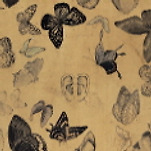
장엄과 창의: 한국 민화의 변주
2026.1.14~2.28
갤러리현대
본관
갤러리현대는 새해를 여는 첫 전시로 조선의 민화와 궁중화의 미적 가치를 살피는 《장엄과 창의: 한국 민화의 변주》(갤러리현대 본관)와 우리의 DNA를 통해 계승되어 온 한국 전통 회화의 고유한 형식과 정신, 미적 감각을 바탕으로, 동시대적 회화 세계를 구축하며 활동 중인 작가들의 작업을 선보이는 《화이도(畫以道)》(갤러리현대 신관, 두가헌 갤러리) 두 전시를 동시에 개최한다. 2016년 예술의 전당과 공동 기획으로 예술의 전당 서울서예박물관에서 개최했던 《조선 궁중화·민화 걸작 – 문자도·책거리》를 시작으로 갤러리현대(현대화랑)에서 열렸던 《민화, 현대를 만나다: 조선시대 꽃그림》(2018) 《문자도, 현대를 만나다》(2021) 이후 5년 만에 선보이는 한국 전통 회화 기획전이다. 두 전시를 통해 한국 전통 회화를 당대의 회화적 실천으로 국한하는 관점에서 벗어나 동시대적 시선으로 살피는 것과 동시에 전통을 변주하고 확장하며 독자적인 작업 세계를 구축해온 오늘날 작가들의 작업을 통해 우리의 고유한 미적 DNA에 주목한다.
갤러리현대 본관에서 소개하는 《장엄과 창의: 한국 민화의 변주》는 한국 전통 회화 중 조선의 민화와 궁중화의 가치와 아름다움을 박물관급으로 엄선된 27여 점의 작품을 통해 살핀다. 나아가 사회의 신분과 계층으로 구분되어 내용과 형식 면에서 다르게 분류되어 온 두 회화가 시각 언어로서 영향을 주고받으며 변주되고 확장되어 왔다는 사실에 주목한다. 민중의 삶과 이야기, 바람과 해학, 상징과 정서를 자기 언어로 포괄하고 과감하게 변주하는 대담한 상상력과 생명력을 보여주는 민화는 생활의 언어로서 조선 당대 민중의 마음을 표현했다. 때문에 친근하면서도 흥미로운 화면을 보여주는 민화를 ‘가장 한국적인 그림’이라 일컫기도 한다. 왕실의 권위와 통치의 정당성, 길상과 상징, 의례와 벽사(僻邪), 규범이 엄격한 형식과 위계를 통해 담긴 궁중화는 정제된 미적 완성도를 선보이며 조선의 격조와 기풍을 보여준다.
언뜻 보기에는 민화와 궁중화는 철저하게 구분되어 제작되고 이어져온 듯 보이지만, 당시 궁 바깥의 중부 견평방(현재 중구 견지동과 종로구 공평동 일대)에 위치한 도화서와 궁궐을 오가며 근무했다는 사실과 더불어 이번 전시에 민화로 소개되는 〈봉황공작도(鳳凰孔雀圖)〉(조선 말기)와 같은 작업이 화면의 크기와 완성도 면에서 당대 최고의 기량을 가진 궁중 화원이 그렸을 가능성이 높다는 사실을 통해 유추해본다면 민화와 궁중화는 서로 영향을 주고 받았음을 확인할 수 있다. 또한, 조선 후기로 접어들수록 자본의 가치와 의미가 커짐에 따라 궁중화의 스케일과 완성도를 갖춘 민화가 등장하기도 했다. 이렇듯, 궁중의 도상과 형식이 민화로 스며들어 생활의 정서와 상상력 속에서 새롭게 발현되었고, 민화의 상상력에서 오는 활발한 구성과 힘이 다시 궁중화의 화면에 감각적으로 자극을 주었던 것이다. 이번 전시는 한국 전통 회화인 민화와 궁중 회화의 아름다움을 살피는 것 너머에 두 회화의 ‘소통’을 조명한다. 나아가 신관 전시 《화이도(畫以道)》와 연결되며 우리의 미적 DNA를 ‘전통’이라는 카테고리에 한정하는 것이 아닌, 현대미술의 시선으로 바라보고자 한다.
https://www.hyundaihwarang.com/?c=exhibition&gbn=view&ix=487
Exhibitions 장엄과 창의: 한국 민화의 변주
갤러리현대는 새해를 여는 첫 전시로 조선의 민화와 궁중화의 미적 가치를 살피는 《장엄과 창의: 한국 민화의 변주》(갤러리현대 본관)와 우리의 DNA를 통해 계승되어 온 한국 전통 회화의 고유한 형식과 정신, 미적 감각을 바탕으로, 동시대적 회화 세계를 구축하며 활동 중인 작가들의 작업을 선보이는 《화이도(畫以道)》(갤러리현대 신관, 두가헌 갤러리) 두 전시를 동시에 개최한다. 2016년 예술의 전당과 공동 기획으로 예술의 전당 서울서예박물관에서 개최했던 《조선 궁중화·민화 걸작 – 문자도·책거리》를 시작으로 갤러리현대(현대화랑)에서...
www.hyundaihwarang.com
매화책거리(梅花冊巨里) 19세기 후반, 종이에 채색, 192 × 318.5 cm
쌍룡희주도(雙龍戱珠圖), 19세기, 종이에 채색, 210 × 469.2 cm
호피도(虎皮圖) 19세기 종이에 수묵 222 × 435 cm
십장생도(十長生圖), 19세기, 비단에 채색, 201 × 406.5 cm
책거리(冊巨里), 19세기, 종이에 채색, 167 × 507 cm
매화책거리(梅花冊巨里) 19세기 후반, 종이에 채색, 192 × 318.5 cm
쌍룡희주도(雙龍戱珠圖), 19세기, 종이에 채색, 210 × 469.2 cm
호피도(虎皮圖) 19세기 종이에 수묵 222 × 435 cm
십장생도(十長生圖), 19세기, 비단에 채색, 201 × 406.5 cm
책거리(冊巨里), 19세기, 종이에 채색, 167 × 507 cm
Gallery Hyundai opens the new year with two exhibitions presented in parallel: Magnificence and Creativity: Variations in Korean Folk Painting at Gallery Hyundai (8 Samcheong-ro), which examines the aesthetic values of Joseon dynasty court painting and folk painting; and The Way of Painting at Gallery Hyundai (14 Samcheong-ro), which presents works by contemporary artists who build their practices upon the inherited codes of Korean traditional painting, encompassing its distinctive forms, spirit, and aesthetic sensibilities. These exhibitions mark Gallery Hyundai’s first major presentation of Korean traditional painting in four years, following a series of related projects, including Minhwa and Court Paintings of the Joseon Dynasty: Munja-do and Chaekgeori, co-organized with the Seoul Arts Center and held at the Seoul Calligraphy Art Museum in 2016; Flower Paintings from the Joseon Dynasty (2018) and Munjado from the Joseon Dynasty (2021), all presented at Gallery Hyundai (8 Samcheong-ro). Together, the two exhibitions move beyond viewing Korean traditional painting solely as a practice bound to its historical moment. Instead, they reconsider these traditions through a contemporary lens, while also highlighting how today’s artists expand, transform, and reconfigure inherited pictorial languages into independent artistic worlds. By tracing these continuities and transformations, the exhibitions highlight the enduring aesthetic foundations of Korean painting as they continue to unfold within contemporary practice.
Magnificence and Creativity: Variations in Korean Folk Painting brings together approximately 27 museum-quality works that examine the value and beauty of Joseon-era minhwa and court painting. The exhibition highlights how these two pictorial traditions—historically categorized as distinct in content and form according to social status and class—have, in fact, continuously influenced one another and evolved through shared visual languages. Rooted in the lives and stories of ordinary people, minhwa embraced popular wishes, humor, symbolism, and emotional expression, articulating the sensibilities of Joseon society through a bold imagination and vibrant vitality. As a pictorial language of everyday life, minhwa has often been described as “the most distinctly Korean form of painting,” offering imagery that is both approachable and engaging. In contrast, court painting, governed by strict conventions and hierarchies, conveyed royal authority, legitimacy of rule, auspicious symbolism, ritual functions, and apotropaic meaning, achieving a refined aesthetic completeness that embodied the dignity and spirit of the Joseon court.
Although minhwa and court painting are often understood as distinct traditions, historical evidence points to a far more fluid relationship. Court painters moved between the palace and the Dohwaseo studios, and works such as Bonghwang Gongjak-do reveal a level of scale and refinement that suggests production by highly skilled court artists. As economic conditions shifted in the late Joseon period, minhwa increasingly adopted the monumental formats and polished surfaces of court painting.
Through this reciprocal exchange, courtly imagery entered the realm of minhwa, while the bold compositions and expressive vitality of minhwa invigorated court painting. Rather than presenting the two genres as oppositional, this exhibition foregrounds their dialogue and exchange, inviting viewers—together with Hwaido—to reconsider Korean tradition as a living visual language within a contemporary artistic framework.
장엄과 창의: 한국 민화의 변주 2026.1.14~2.28 갤러리현대
창작
#민화배우기
#홍대민화
#조미영교수님
#홍익대학교문화예술원
#까치호랑이
#호작도
#작호도
#영모화
#한국화인koreaartin
#미술은영원히
#작품감상
#추천전시
#창엄과창의
#한국민화의변주
#갤러리현대GALLERYHYUNDAI