|
|
출처: 풍기인삼 정보포털 원문보기 글쓴이: 월계자
북아메리카 인삼의 역사적 기원
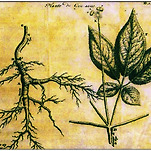
북아메리카 인삼의 역사는 프랑스 예수회 수사(修士)였던 쟈르뚜 신부[Petrus Jartoux (1668-1720)]가 1711년에 중국[청나라 강희제 통치 시기]에 가서 아시아 인삼의 수확을 목격하였을 때에 시작되었다. 그는 베이징에서 가까운 숲들을 관찰하고 나서, 자신의 일기장에 자신의 고향 땅(오늘날 캐나다의 퀘벡주 몬트리올시 근처)도 인삼이 자랄 수 있는 숲 환경이 될 수 있을 것이라고 적어 놓았다. 곧 이어 1716년에 이로쿼이족 인디언들과 함께 일하고 있던 조제프 프랑수아 라피토 신부[Joseph Francois Lafitau (1681-1746)]는 앞서 쟈르뚜 신부가 묘사해 놓았던 인삼을 쏙 빼닮은 식물이 낙엽성 숲의 그늘진 곳에서 자라고 있는 것을 발견했다. 몬트리올 근처에서 발견된 이 인삼은 북아메리카 인삼이라 이름지어졌고 라틴어로는 파낙스 퀸쿼폴리움[Panax quinquefolium: Panax는 모든 질병을 치료한다는 뜻이고 quinquefolium은 다섯개의 잎이라는 뜻이므로 모든 병을 낫게 하는, 다섯 잎이 달린 식물이란 뜻이 됨]이라는 이름이 붙여졌다.
이렇게 일단 발견이 되자, 프랑스계 이주자들은 인디언들에게 돈을 주면서 야생 인삼[한국식으로 말하면 '산삼']들을 보이는대로 모두 캐도록 하였다. 1970년대[1790년대의 오기인듯] 중엽 무렵에는 많은 양의 인삼이 오늘날의 뉴욕항에서 출발하여 남쪽으로 긴 해상 항로를 따라서 케이프 호온[남아메리카 최남단의 곶. 현재 칠레의 영토에 속함.]을 돌아서 중국 본토의 꽝똥항(廣東港)에 도착했다. 오래지 않아 애펄레이치어 지방[캐나다와 미국의 동부에는 남북으로 애펄레이치어 산맥이 있음]에서도 도처에서 인삼이 발견되었다. 전설적인 덫 사냥꾼 대니얼 부운 역시 인삼 무역에 관여하였다. 이처럼 야생 인삼을 캐는 관행은 1800년대 후반까지 줄어들지 않고 계속되었다.
내전[미국의 남북 전쟁(1861~1865)] 후, 야생 인삼은 매우 드물게 되었는데, 그 이유는 뿌리를 캔 뒤에 씨앗[딸]을 땅에 묻는 노력을 거의 하지 않았기 때문이다. [야생 인삼이 자라는데] 필요한 그늘 노릇을 잘 해 왔던 많은 숲들이 농작물을 심기 위해 땅을 개간해야 했던 이주자들의 손에 의해 사라져 갔다. 야생의 뿌리를 재배하려는 시도들이 나타났다. 죠오지 스태튼은 북아메리카 인삼 재배의 아버지로 간주되고 있다. 죠오지는 이 야생 식물에게는 그늘과 층적법[層積法: 종자의 저온처리 방법의 일종으로 일반적으로 종자의 휴면타파를 위해서 행함]이 필요함을 이해하게 되었다. 1880년부터 다음 세기 초까지는 재배 인삼으로 인삼 무역이 다시 한번 번창하였다. 그런데 1904년에 곰팡이류에 의한 인삼 점무늬병이 많은 인삼 농원을 휩쓸자 인삼 무역에 중대한 차질이 발생했다. 뉴욕의 한 농부는 소석회와 황산구리(청석이라고도 불림)를 조합하여 물과 섞으면 식물이 처음 자라기 시작할 때인 봄철에 잎을 보호할 수 있다는 사실을 발견하여 명성을 얻었다. 보르도액으로 알려진, 초기의 이 화학적 혼합물(프랑스의 보르도 지방에서 포도나무의 흰가루곰팡이병을 치료하려고 처음으로 사용되었음)이 인삼 산업을 파멸의 나락에서 구해냈다. 오늘날, 현대적인 인삼 농부들은 fixed copper라고 알려진 보르도액 합성 공식을 사용한다.
1930년대 및 제2차 세계대전이라는 불황기에 중국과의 인삼 무역은 거의 중단되었다. 그래서 대부분의 인삼 농원들이 다른 작물로 바뀌었지만 미국 위스콘신주 중부의 마라톤 카운티의 경작자들만이 인삼 경작을 계속했다. 흥미롭게도 태평양 연안에 있는 미국의 북서 지역, 즉 윌러멧강의 골짜기에 있는 오리건주의 몰랄라라는 작은 타운[한국의 읍, 면에 해당] 가까이에 소수의 인삼 농원들이 있었다. 1972년 리처드 닉슨 대통령의 유명한 중국 방문이 있고 나서야 비로소 [미국과 중국의] 인삼 무역이 재개되었다.
*번역자 주석: 번역문 중에서 푸른 색으로 꺽쇠 표시한 부분은 번역자(월계자)가 독자의 이해를 돕기 위해서 끼워 넣은 것입니다. 이 글의 영어 원문은 북미 지역(즉, 오늘날 미국과 캐나다 지역)의 인삼 산업의 역사를 간략히 소개하는 글로서는 의미가 있지만, 몇몇 오기가 발견되는 것으로 보아서 내용의 정확성 측면에서는 일부 문제점이 있다고 생각됩니다. 참고하시기 바랍니다.
Historical origins of North American ginseng
The history of ginseng in North America started when a French Jesuit priest, Father Jartoux, went to China in 1711 to observe the harvest of Asian ginseng. After observing the forests near Peking, he wrote in his diary that his home land, near the present day city of Montreal, Quebec, may also be a forest environment that would grow ginseng. Soon enough, in 1716 Father Joseph Francis Lafitau, who was working with Iroquois Indians, found a plant growing in the shaded portions of the deciduous forest that clearly resembled ginseng as described earlier by Father Jatoux. The ginseng found near Montreal was named North American ginseng and given the Latin name of Panax quinquefolium. Once discovered, the French settlers started to pay the Indians to dig all the wild ginseng they could find. By the mid 1970’s a large amount of ginseng started on the long sea route south from the present day Port of New York city, around Cape Horn and then on to the Port of Canton in mainland China. Before long ginseng was also found throughout Appalachia. The legendary trapper Daniel Boone was involved in the ginseng trade as well. The practice of digging wild root continued unabated up until the late 1800’s. After the Civil War, wild ginseng was becoming very scarce, as little attempt was made to ensure that seeds were pushed back into the ground after the roots were dug up. Many of the wooded sites that had served so well for shade were being lost to settlers needing to clear land for field crops. There were attempts made to domesticate the wild root. George Staton, is considered to be the father of ginseng cultivation in North America. George was able to understand the shade requirements and stratification needs for this wild plant. From 1880 to early in the next century cultivated ginseng trade flourished once again. A major setback occurred in 1904 when the fungal disease Alternaria blight (Alternaria panax, see Chapter 12: Foliar, seedling, and root diseases) for a complete description) wiped out many thriving gardens. A New York farmer was credited for discovery that the combination of hydrated lime and copper sulfate (referred to as bluestone), when mixed with water, would serve to protect the foliage in the spring as the plants first started to grow. This early chemical mixture, known as Bordeaux (first used in the Bordeaux region of France for powdery mildew on wine grapes) saved the ginseng industry from certain ruin. Today, modern ginseng farmers use a synthetic formulation of Bordeaux known as fixed copper, but that’s a story for Chapter 12. During the Depression of the 30’s and World War II, ginseng trade with China all but ceased. While most ginseng farms were converted to other crops, only the growers in Marathon County (see Wisconsin map) in central Wisconsin, stayed the course. Interestingly, there were a few ginseng farms in the Pacific Northwest, near the tiny town or Molalla Oregon in the North Willamette River valley. It was not until the famous visit of President Richard Nixon to China in 1972 that ginseng trade was once again rebuilt. [출처: 미국 워싱턴 주립 대학교] |