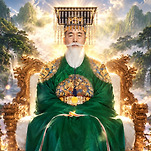
<div class="figure-img" data-ke-type="image" data-ke-style="alignLeft" data-ke-mobilestyle="widthOrigin"><img src="https://t1.daumcdn.net/cafeattach/1ABdi/d90c359c8aea91917f44a86419d8e50360c82ad3" class="txc-image" data-img-src="https://t1.daumcdn.net/cafeattach/1ABdi/d90c359c8aea91917f44a86419d8e50360c82ad3" data-origin-width="386" data-origin-height="547"></div><div class="figure-img" data-ke-type="image" data-ke-style="alignLeft" data-ke-mobilestyle="widthOrigin"><img src="https://t1.daumcdn.net/cafeattach/1ABdi/97ebbe6c5f1e84808855379c9c246e838f8f8fa6" class="txc-image" data-img-src="https://t1.daumcdn.net/cafeattach/1ABdi/97ebbe6c5f1e84808855379c9c246e838f8f8fa6" data-origin-width="386" data-origin-height="557"><div class="figcaption">密陽朴氏 糾正公派 高陽時祭(밀양박씨 규정공파 고양시제)</div></div><p style="text-align: left;">陰曆 十月(음력시월)은 時祭時節(시제시절)이다. <br>密陽朴氏 糾正公派 高陽時祭(밀양박씨 규정공파 고양시제)는 <br>每年 十月 初一日(매년 10월 초1일)이다. <br><br>하여 鷄龍市 牧牛堂(계룡시 목우당)에서 <br>아침 07시에 出發(출발)하여 3시간 20분만에 <br>高陽市(고양시) 두응촌 墓域(묘역)에 도착하다.<br><br>헌데 市街地(시가지)가 묘역 산밑까지 빈틈없이 들어찼고 <br>심지어는 齋室建物(재실건물)까지 헐려져 新築 都市建物(신축 도시건물)을 짓고 있었다. <br>재실건물은 묘역땅 끝자락 언덕에 貧弱(빈약)하게 재건축 중이었다. <br>기념물이 될 재실이 모두 돈에 팔려 허물어졌으니 이 또한 끝을 보는 實狀(실상)이다.<br><br>나는 좀 늦게서야 山所虛堂(산소허당)에서의 時祭(시제)에 參禮(참례)하다. <br>宗親(종친)의 數 名(수 명)이 나의 衣裳(의상)을 보고 言及(언급)한다. <br>오늘의 베스트의상이라 하고 멋있다 한다. <br>數數百名(수수백명)이 雲集(운집)했으니 아직 朴氏 後孫(박씨 후손)은 <br>崇慕思想(숭모사상)을 堅支(견지)하고 있다고 보여져 기쁘다.<br><br>時祭場所(시제장소)인 虛堂(허당)의 집 堂(당) 자는 <br>尙土(상토), 小冠口土(소관구토) <br>또는 小冠口十一(소관구십일)로 破字(파자)하여 풀 수 있다.<br><br>小冠(소관)이란 작은 관이라는 뜻이라 <br>儒巾(유건)이 생각나면서 口土(구토)의 墓地(묘지)가 연상된다. <br>시제 지내는 祭官(제관)들이 모두 儒巾(유건)을 쓰고 있다. <br>官職(관직)이 있어서가 아니다. <br>다만 傳來(전래)된 傳統的(전통적)인 禮式儀禮(예식의례)이다. <br>虛堂(허당)에서 조화의 神道(신도)가 열린다.<br><br>전날 虛堂(허당)의 의미를 正宜(정의)한 바 있는데 <br>祭(제)를 지내는 壁(벽)이 없는 大廳(대청)을 의미한다 했다. <br>時祭(시제)는 대청은 아니고 山上 墓地(산상 묘지)에서 奉行(봉행)함인데 <br>虛堂(허당)이라 일컬어 號稱(호칭)하고자 함이다. <br>牧牛堂主(목우당주)의 想像語(상상어)이다.<br><br>상상의 생각 想(상) 자는 相心(상심) 또는 木目心(목목심)의 합자로 <br>서로의 마음 또는 나무를 보는 마음이라는 뜻의 글자로써 <br>周易(주역)의 木道乃行(목도내행)을 떠오르게 한다.<br><br>두 사람이 서로 생각한다는 것은 <br>사랑하는 戀人間(연인간)에서 가장 懇切(간절)함이 있을 것이나 <br>生死兩斷(생사양단)의 神(신)의 心判(심판) 즈음에서는 <br>天下事(천하사)를 施行(시행)할 <br>尊敬(존경)하는 사람이 생각에 미쳐 마음이 더 크게 될 것이다. <br>생각하기에 따라 달리 해석을 한다는 뜻의 글자라 풀이해도 시비할 자 없을 것이다. <br>나무를 보는 사람의 마음에 달리 생각이 되고 <br>弱(약)은 弓勿(궁물:활쏘는 일을 하지 말라는 뜻)이고 <br>또는 활 쏘는 훈련을 하지 말라는 뜻으로도 풀이가 可能(가능)하니 <br>勢力(세력)이 약한 자가 된다는 뜻이다.<br><br>言(언)은 點 一 二 三 口(점 일이삼구) <br>또는 一口 二口 三口(일구 이구 삼구)로 <br>한 입, 두 입, 세 입 이라는 뜻의 글자이다. <br>한 사람의 입, 두 사람의 입 또는 여러사람의 입 일 수 있다는 말이다.<br><br>朴陵村(박릉촌)인 高陽(고양)의 虛堂(허당)은 <br>서울 漢陽(한양)보다 높다하여 높을 高 字 (고 자)의 高陽(고양)이다.<br><br>선천은 서로 말이 많은 시절이다. <br>허니 威階秩序(위계질서)를 지켜야 社會(사회)가 安定(안정) 될터이므로 <br>階級(계급)을 주어 統制(통제)했다. <br>하여 大夫(대부)와 品階(품계)를 論(논)하며 <br>祖上先靈(조상선영)의 族譜(족보)를 重(중)히 생각한다.<br><br>正一品(정일품)은 三政丞(삼정승)을 이름이고 都提調(도제조)도 같은 품계이다.<br><br>從一品(종일품)은 讚成(찬성)이며<br><br>正二品(정이품)은 參贊(참찬)과 判書(판서), 大提學(대제학), 都摠官(도총관) 등이다.<br><br>從二品(종이품)은 參判(참판), 大司憲(대사헌), <br>觀察事(관찰사), 牧事(목사), 右尹우윤, 提調(제조) 등이다.<br><br>正三品(정삼품)은 承旨(승지), 判決士(판결사), 부위, <br>大司諫(대사간), 參議(참의), 副提學(부제학), 僉知事(첨지사) 등이다.<br><br>從三品(종삼품)은 司諫(사간), 編修官(편수간) 등이다.<br><br>正三品(정삼품)의 以上品階(이상품계)를 堂上官(당상관)이라 하고 紅衣(홍의)를 입는다.<br><br>品階(품계)에 맞게 大夫(대부), 大監(대감) 등의 호칭이 있다.<br><br>大夫(대부)로서 正一品(정일품)은 報國 崇祿大夫(보국 숭록대부) <br><br>從一品(종일품)은 崇祿大夫(숭록대부)와 崇政大夫(숭정대부)라 하고 <br><br>正二品(정이품)은 正憲大夫(정헌대부), 資憲大夫(자헌대부), <br>從二品(종이품)은 嘉義大夫(가의대부), 嘉善大夫(가선대부)라 한다.<br><br>正三品(정삼품)은 通政大夫(통정대부), 通議大夫(통의대부)라 하고<br><br>從三品(종삼품)은 廣祿大夫(광록대부), <br>中直大夫(중직대부), 中訓大夫(중훈대부) 등으로 칭한다.<br><br>正四品(정사품)은 宣徽大夫(선휘대부), 廣徽大夫(광휘대부)라 하고<br><br>從四品(종사품)은 朝散大夫(조산대부), 朝奉大夫(조봉대부)라 칭하였다.<br>위 호칭은 文官(문관)을 이름이다.<br><br>大夫(대부)라는 稱號(칭호)는 從五品 以上(종오품 이상)의 官職(관직)을 호칭한다. <br>두응촌 朴氏墓域(박씨묘역)으로 인해 마을 이름도 朴陵谷(박릉곡)이라 불리었다.<br><br>牧牛堂主(목우당주)의 16대 조모는 貞敬夫人 稱號(정경부인 칭호)를 받고 <br>十七代 祖母(17대 조모)는 貞夫人(정부인)의 칭호를 받았다. <br>실제 17대조는 최종적으로 정6품계이었으나 <br>아들인 16대가 종1품에 올랐기 때문에 贈吏曺判書(증이조판서)가 되었기 때문이다. <br>이를 일러 以顯父母(이현부모)라 하고 孝(효)의 으뜸이라 하는 것이다. <br>아들로 인해서 부모가 세상에 이름을 남게 된 것을 이른다.<br><br>박릉곡은 목우당주의 24대조 上將軍 墓(상장군 묘)부터 있는 곳이다.<br><br>다만 다섯 聖人(성인)이 난다는 全州(전주)의 봉서제에 <br>二十三代 祖墓(이십삼대 조묘)가 있고 <br>二十三代 祖父 墓(이십삼대 조부 묘)는 <br>北韓(북한) 땅의 長湍郡(장단군)에 있어 失傳狀態(실전상태)이며<br><br>二十二代 祖墓(22대 조묘)는 경기도 파주에 <br>恭孝公 中字孫 墓域(공효공 중자손 묘역:장명등:보물 제1323호)은 <br>貞敬夫人 稱號(정경부인 칭호)를 받는데 <br>各各 他地(각각 타지)에 있을뿐 박릉촌이 300년 동안의 先塋地(선영지)이다.<br><br>21대ᆢ<br>20대 ᆢ 崇祿大夫 剛 字 生(숭록대부 강 자 생) ᆢ<br>19대 光 字 榮(광 자 영)의 도총관 ᆢ<br>18대 外 字 名(외 자 명) 이신 楣(미),<br>端宗大王(단종대왕)을 復位(복위)케 한 寧越郡守 出身(영월군수 출신)으로 <br>從一品 右贊成(종1품 우찬성)이면서 兩 大提學(양 대제학)에 오른 忠 字 元(충 자 원) <br>16대조이신 駱村公墓所(낙촌공묘소)가 代表的(대표적)이다. <br>더불어 兩代 判書(양대 판서)인 15대조 灌園公墓(관원공묘) 등이 있다. <br>15대조 관원공은 兩 判書(양 판서)를 지냈다.<br><br>오늘 宗親(종친)의 品階(품계)는 論(논)하지 않았다. <br>내명부의 품계를 논한 적이 있으나 <br>역사에서 한 임금을 놓고 여러 여인들이 마음고생을 얼마나 많이 했었나? <br>漢字(한자)의 글자로 알 수 있다. <br><br>사람은 누구나 우주의 주인인 만물의 靈長(영장)이니 <br>남자나 여자 모두 독차지 하려는 慾心(욕심)은 매 한가지이고 <br>특히 남녀간의 사랑은 더욱 그러하다. <br>三脚關係(삼각관계) 일 때의 嫉妬(질투)는 죽음과 맞바꿀 整度(정도)이다. <br>허니 想思病(상사병)은 藥(약)이 없다.<br><br>질투라는 말의 미워할 嫉(질) 자는 <br>계집 女(녀) 변에 병 疾(질) 자의 합자로 여자로 因(인)한 질병이라는 뜻의 글자이다.<br><br>미워할 嫌(혐) 자를 보자! <br>계집 女(녀) 자에 겸할 兼(겸) 자의 합자이니 <br>一夫(일부)에 여자가 겹치면 <br>女子(여자)들간의 關係(관계)는 서로 질투하며 미워하게 된다는 뜻의 글자가 아닌가 말이다. <br>남편의 품계 위상에 따라 여자들간에 또한 얼마나 질투가 심했을까?<br><br>허니 正一品(정1품) 또는 從一品(종일품)의 夫人(부인)은 <br>곧을 貞(정) 자, 貞敬夫人(정경부인) 또는 貞夫人(정부인)이라 하고 <br>正三品(정삼품)의 부인은 淑夫人(숙부인)이라 한다. <br>곧을 貞(정) 자가 가장 높고 다음이 맑을 淑(숙) 자가 된다. <br>곧고 맑은 심성을 지녀야 한다는 칭호이다.<br><br>堂上官(당상관)이 12명이나 되는 선조의 시제를 보고 다시 느끼는 것은 <br>불편부당한 공평함과 先塋(선영)의 명당이 중요하다는 것이다. <br>道祖稱號(도조칭호)를 받은 糾正公 後孫(규정공 후손)이 계속 道家(도가)의 맥을 이어 <br>명당운을 傳授(전수)한 德(덕)도 또한 크다는 것을 재삼 느끼다.<br><br>時祭(시제)를 끝내니 오후 1시 40분이다. <br>中食(중식)은 두응촌 糾定公派 墓域(규정공파 묘역)과 隣接(인접)한 <br>高陽市內 落知 專門店 食堂(고양시내 낙지 전문점 식당)에 들어가서 <br>낙지전골로 오후 2시가 다 되어서야 식사하게 되다. <br>軍人將校 出身(군인장교 출신)으로 <br>時間槪念(시간개념)이 分明(분명)히 定立(정립)된 나로써는 <br>식사시간도 거의 每日 定(매일 정)해진 시간을 맞추고 살아오고 있는데 例外(예외)가 된 것이다. <br>事實 軍出身(사실 군출신) 티 내는 것이 <br>무에 그리 중요하길래 이를 강조하느냐 반문할 자 있겠으나 <br>제 時間(시간)에 맞추어 食事(식사)하는 것이 아주 중요한 攝生法(섭생법)이 된다라는 것이다. <br>民屯山行(민둔산행)에 이어 2시가 다 되어서 늦은 중식을 하게 된 날이다.<br><br>巳午未 開明(사오미 개명)의 入年(입년)을 보내며 <br>崇祖思想(숭조사상)의 模範(모범)이 될 명분이 있고 <br>묘쓰지 않는 시절에 祖上 時祭(조상 시제)를 奉行(봉행)하는 정신을 <br>强調(강조)하기 위한 方便(방편)도 있어 오늘 出行(출행)의 의미가 매우 깊다 하겠다.<br><br>光明(광명)의 未來世上(미래세상)은 眞實(진실)한 大夫(대부)가 나온다. <br>大監(대감)과 令監(영감)이 다시난다. <br>전날 大監(대감)은 정2품 이상의 品階地位(품계지위)를 말하고 <br>대감보다 한급 낮은 正三品級(정삼품급)의 堂上官(당상관)을 令監(영감)이라 칭하였다. <br>아무나 영감이 아닌 것이다.<br><br>庶人(서인)으로 늙은 남편을 호칭하는 것은 지극히 잘못된 말이다. <br>命令(명령)을 내릴만한 高位職 威相位(고위직 위상위)에 오르게 된 監套(감투)를 이르기 때문이다.<br><br>​<br><br>영어(English)<br><br>The tenth month of the lunar calendar is the time for ancestral rites. The Miryang Park Clan's Jeongjeonggongpa Goyang Sije (Miryang Park Clan's Jeongjeonggongpa Goyang Sije) is held on the first day of October every year. We departed from Mokwoodang in Gyeryong City at 7:00 AM and<br><br>arrived at the graveyard in Du-eung Village, Goyang City, at 3:20 PM. But the city center was packed to the foot of the cemetery hill, and even the shrine buildings were being torn down to make way for new city buildings. The shrine buildings were being rebuilt in a poor state on the hill at the edge of the cemetery land. The shrines that were supposed to be monuments were all sold for money and torn down, so this too is a reality that will see its end. I attended the rites at the Sansoheodang a little late. Several relatives commented on my clothes. They say it's the best outfit of the day and it's cool. I'm glad that hundreds of people gathered, so it seems that the descendants of the Park clan still firmly hold on to their adoration. The character dang of the house in Heodang, the place of ancestral rites, can be broken down into sangto, sogwanguto, or sogwangushipi. Sogwan means a small hat, and it reminds me of a Confucian hat and a graveyard in Guto. All the priests performing the rites wear Confucian hats. This is not because they have official positions. It is simply a traditional ceremonial ritual that has been passed down. The Shindo of Harmony is held in Heodang. The meaning of Heodang was defined the day before, and it was said to refer to the main hall without walls where rites are held. The rite of passage is not held in the main hall, but in a mountain graveyard. It is called Heodang and is intended to be referred to as such. It is an imaginary word for the owner of the herd. The character for imaginary thought, is a compound character of or, meaning to look at each other's hearts or trees, and brings to mind the of the Book of Changes. When two people think of each other, there will be the most earnest yearning between lovers, but when the time comes for the god of life and death to judge, the person who respects and administers the affairs of the world will become more thoughtful and their heart will grow bigger. It is a character that means that it is interpreted differently depending on how you think, so there will be no dispute about its interpretation. People who look at a tree think differently in their hearts, and weak means do not shoot an arrow do not shoot an arrow) or it can also be interpreted as do not train in archery, so it means that the power will be weak. The character (eon) is a character meaning one, two, three mouths (il-il-sam-gu) or one, two, three mouths (il-gu, i-gu, sam-gu). This means that it can be one person's mouth, two people's mouths, or many people's mouths.<br><br>Goyang, which is the village of Parkreung, is higher than Seoul's Hanyang, so the character (go) in Goyang means high.<br><br>Seoncheon was a time when people talked a lot to each other. Honey, society will be stable only if the hierarchy is maintained, so ranks were given to control it. Therefore, the Daeboo and ranks are discussed, and the genealogy of the ancestors' spirits is considered important. The Jeongilpum refers to the three prime ministers, and the Dojejo is also of the same rank. The first rank (Jongilpum) is Chanseong (praise), and the second rank (Jeongipum) is Chamchan (councilor), Panseo (principal secretary), Daejehak (governor), and Dochonggwan (commander-in-chief). The second rank (Jongipum) is Champan (councilor), Daesaheon (governor), Gwanchalsa (governor), Moksa (governor), Uyun (governor), and Jejo (governor). The third-rank officials include Seungji, Pangyeolsa, Bubu, Daesagan, Chamui, Bujehak, and Cheomjisa.<br><br>The third-rank officials include Sagan, Pyeonsugan, and others.<br><br>The officials above the third-rank officials are called Dangsanggwan and wear red clothing.<br><br>There are titles such as Daebu and Daegam that correspond to their rank. As for the Daeboo, the first rank is called Boguk Sungrok Daeboo, and the second rank is called Sungrok Daeboo and Sungjeong Daeboo. The second rank is called Jeongheon Daeboo and Jaheon Daeboo, and the se<br><br>cond rank is called Gaui Daeboo and Gaseon Daeboo. The third-ranking officials were called Tongjeong Daebu and Tongui Daebu, and the third-ranking officials were called Gwangrok Daebu, Jungjik Daebu, and Junghun Daebu.<br><br>The fourth-ranking officials were called Seonhwi Daebu and Gwanghwi Daebu, and the fourth-ranking officials were called Josan Daebu and Jobong Daebu.<br><br>The above titles refer to civil officials. Daebu is a title that refers to an official position of the fifth rank or higher. The name of the village was also called Bakneung Valley due to the Park clan grave<br><br>yard in Du-eung Village. The 16th great-grandmother of the head of the herd was given the title of Lady Jeonggyeong, and the 17th great-grandmother was given the title of Lady Jeongbuin. In reality, the 17th great-grandfather ultimately held the 6th rank, but his son, the 16th great-grandfather, rose to the 1st rank, and was thus given the title of Jeungjo Panseo. This is called "Lee Hyeon-bumo", and is considered the pinnacle of filial piety. It refers to parents becoming famous in the world because of their sons. Parkneunggok is the site of the tomb of General Sang, the 24th great-grandfather of Mokwoo Dangju. However, there is a 23rd generation ancestral grave in Bongseoje in Jeonju, where the five saints are said to have been born, and the 23rd generation grandfather's grave is in Jangdan County, North Korea, so it is missing. The 22nd generation ancestral grave is in Paju, Gyeonggi Province, where the 22nd generation grandson of Gonghyogong is given the title of Lady Jeonggyeong (Jangmyeongdeung: Treasure No. 1323). Although each is in a different place, Bakneungchon is the ancestral grave site for 300 years. 21st generation ᆢ<br><br>20th generation ᆢ Sungrok Daeboo Kang Ja-saeng ᆢ<br><br>19th generation Gwang Ja-yeong's Do-chong-gwan ᆢ<br><br>18th generation Oeja Myeong Lee Sin Mi,<br><br>The 16th great-grandfather of Chung Ja-won, who was the governor of Yeongwol County and restored King Danjong to the throne, and was the 1st rank Uchanseong and rose to the positions of Yang Daejehak, is located at the Nakchon Public Tomb. It is representative. Furthermore, there is the tomb of Gwanwon Gong, the 15th-generation ancestor who served as a two-generation minister. Gwanwon Gong served as a two-generation minister.<br><br>Today, we have not discussed the ranks of royal relatives. We have discussed the ranks of the inner court, but how much suffering have women endured over a single king throughout history? This can be seen in the Chinese characters.<br><br>Everyone is the master of the universe, the primate of all things. Both men and women have the same desire to monopolize, and this is especially true in the love between a man and a woman. Jealousy in a love triangle is a degree worth exchanging for death. There's no cure for lovesickness.<br><br>The word "jealousy" is a combination of the character "jil", meaning "hate," and the character "jil", meaning "disease." It signifies a disease caused by women.<br><br>Let's look at the character "geop", meaning "hate." It's a combination of the character "nyeo", meaning "woman," and the character "gyeom". Doesn't this character imply that when a woman overlaps with a husband, the relationship between the women becomes one of jealousy and hatred? How intense must the jealousy have been among women, depending on their husbands' ranks? The wife of the first or second rank is called Jeong, Jeonggyeong or Jeongbuin, and the wife of the third rank is called Suk. The character Jeong, meaning upright, is the highest, followed by Suk, meaning pure. These are titles that indicate one should have an upright and pure heart. Looking at the <br><br>ancestral rites of the ancestors, who had as many as twelve high-ranking officials, I feel again that the importance of fairness and a good site for the ancestral tomb is crucial. I once again feel the great virtue of the descendants of Gyujeonggong, who received the title of Dojo, continuing the lineage of Taoism and passing down the fortune of a good place. After the rites, it was 1:40 <br><br>PM. <br><br>For lunch, we went to an octopus restaurant in Goyang City, adjacent to the Gyujeonggongpa cemetery in Du-eung Village, and had octopus stew at around 2 PM. As a former military officer with a clear concept of time, I have been living my life by eating at a set time almost every day, but this was an exception. Some may ask why it is so important to show off your military background, but eating at the right time is a very important way to live. This is the day I had a late lunch at 2 o'clock after hiking in the mountains. As we enter the year of the Snake-Woo-Mi era, there is a justification for becoming an example of ancestor worship, and there is also a means to emphasize the spirit of performing ancestor rites in a time when graves are not being built, so the significance of today's departure is very deep. In the future world of light, a true great man will emerge. A great inspector and an old man will be born again. The day before, Daegam referred to a rank higher than the second rank, and a Dangsang-gwan of the third rank, one rank lower than Daegam, was called Yeonggam. Not just anyone can be Yeonggam. It is extremely wrong to call an old husband a commoner. This is because it refers to the hat that gave one a high-ranking position and the authority to issue orders.<br><br>​<br><br>일본어<br><br>陰曆十月(旧暦時月)は時祭時節(時制時代)である。 密陽朴氏糾正公派高陽時祭(密陽博氏規定公派高陽時制)は、每年十月初一日(毎年10月初日)だ。<br><br>そして鷄龍市牧牛堂(桂龍市牧牛堂)から朝07時に出發(出発)し、3時20分で高陽市(高陽市)のドンチョン村の墓域(墓駅)に到着する。<br><br>憧れの市街地(市街地)が墓駅の山の下まで隙間なく入り、さらには室室の建物(再建建物)まで壊れ、新築の都市建物(新築都市建物)を建てていた。再室建物は墓地の土地の端の丘に貧弱に再建中だった。記念物になる在室がすべてお金に売られて壊れたので、これも終わりを見る實狀(実像)だ。<br><br>私は少し遅れてこそ山所虛堂(山荘虚堂)での時祭(時制)に參禮(参礼)する。 宗親(宗親)の數名(数名)が私の衣裳(衣装)を見て言及(言及)する。今日のベスト衣装だといいです。 數數百名(数百人)が雲集(運集)したので、まだ朴氏後孫(朴氏子孫)は崇慕思想(崇貌思想)を堅支(堅地)していると見られて嬉しい。<br><br>時祭場所(市祭場)である虛堂(家堂)の家堂(党)者は、尙土(サント)、小冠口土(所管口土)または小冠口十一(所管九十日)で破字(解放)して解くことができる。<br><br>小冠(小館)とは小さな管という意味で儒巾(遺物)が思い浮かび、口土(嘔吐)の墓地(墓地)が連想される。時制過ごす祭官(諸館)がすべて儒巾(遺건)を書いている。 官職(官職)があっていない。ただし、傳來(伝来)された傳統的(伝統的)である禮式儀禮(儀式儀礼)である。 虛堂(ホダン)で調和の神道(神道)が開かれる。<br><br>前日、虛堂(ホダン)の意味を正宜(定義)したところが、祭(ジェ)を過ごす壁(壁)のない大廳(大青)を意味するという。 時祭は大庁ではなく山上墓地で奉行艦であるが、虛堂(ホダン)とも呼ばれ、號稱(呼称)したい。 牧牛堂主(牧牛堂主)の想像語(サメ)。<br><br>想像の想像 者は相心(商心)または木目心(木目心)の合字でお互いの心または木を見る心という意味の文字として周易(主役)の木道乃行(木道内行)を思い浮かべる。<br><br>二人が互いに考えるというのは、愛する戀人間(恋人間)で最も懇切(切節)さがあるだろうが、生死兩斷(生沙陽団)の神(神)の心判(審判)の際には天下事(天下寺)を施行(施行)するという尊敬(尊敬)する人考えると違って解釈をするという意味の文字だと解いても施肥することはないだろう。木を見る人の心に違う考えになり、弱(薬)は弓勿(宮物:弓撃つことをしないという意味)であり、または弓撃つ訓練をしてはいけないという意味でも解くことが可能(可能)なので、勢力(勢力)が弱い者になるという意味だ。<br><br>言は、點一二三口(一二三口)または一口二口三口(一口二口三口)とした口、二口、三口という意味の文字である。一人の口、二人の口、または複数の人の口でもよいということだ。<br><br>朴陵村(朴陵村)である高陽(高陽)の虛堂(ホダン)は、ソウルの漢陽(ハンヤン)より高いと高い高字(ゴジャ)の高陽(猫)です。<br><br>先天はお互いに言葉が多い時代だ。ハニー威階秩序を守らなければ社會が安定(安定)されるはずなので、階級を与えて統制した。そして大夫(大部)と品階(品界)を論議し、祖上先靈(祖先宣営)の族譜(系譜)を重く考える。<br><br>正一品(正日品)は三政丞(三正勝)を名称で、都提調(道製造)も同じ品界である。<br><br>從一品(終日品)は讚成(賛成)です<br><br>正二品(チョン・イグク)は參贊(参賛)と判書(板書)、大提學(大帝学)、都摠官(道総館)などだ。<br><br>從二品(紙品)は、參判(参版)、大司憲(大使憲)、觀察事(観察士)、牧事(牧師)、右尹宇潤、提調(製造)などである。<br><br>正三品(正三品)は承旨(勝地)、判決士(判決士)、部位、大司諫(大使間)、參議(参議)、副提學(副製学)、僉知事(添知社)などである。<br><br>從三品(種三品)は司諫(社間)、編修官(編数刊)などだ。<br><br>正三品(正三品)の以上品階(理想品界)を堂上官(当相館)とし、紅衣(紅衣)を着る。<br><br>品階(品界)に合わせて大夫(貸付)、大監(大感)などの呼称がある。<br><br>大夫(貸付)として正一品(正日品)は報國崇祿大夫(宝国崇録貸付)<br><br>從一品(終日品)<br><br>正二品(正品)は正憲大夫(正憲貸付)、資憲大夫(自憲貸付)、從二品(紙品)は嘉義大夫(仮の貸付け金)、嘉善大夫(仮線貸付)という。<br><br>正三品(正三品)は通政大夫(統治貸付)、通議大夫(通意貸付)といいます。<br><br>從三品(ジョンサム品)は、廣祿大夫(光緑貸付)、中直大夫(重職貸付)、中訓大夫(中訓貸付)などと称する。<br><br>正四品(正社品)は宣徽大夫(先輝貸付)、廣徽大夫(光輝貸付)といいます。<br><br>從四品(従事品)は朝散大夫(朝山大夫)、朝奉大夫(朝峰大夫)と称した。<br><br>上の呼称は文官(文官)を名前だ。<br><br>大夫(大ブラ)は稱號(称号)は從五品以上(ジョンオ品以上)の官職(官職)を呼称する。ドゥ・チョンチョン朴氏墓域(パク氏墓役)のために村の名前も朴陵谷(パクルンゴク)と呼ばれた。<br><br>牧牛堂主の16兆母は貞敬夫人稱號(正京夫人称号)を受け、十七代祖母(17代祖母)は貞夫人(政府人)の称号を受けた。実際17対照は最終的に正6品界だったが、息子である16代が種1品に上がったため、贈吏曺判書になったからだ。これをあらため以顯父母(イ・ヒョン親)と言い、孝(ヒョ)の一番ということだ。息子によって親が世に名前を残したことを早めます。<br><br>朴陵曲はモクウ党主義24対照上將軍墓(上場軍墓)からある所だ。<br><br>ただし、五聖人(大人)が飛ぶという全州(全州)の封書制に二十三代祖墓(二十三代造墓)があり、二十三代祖父墓(二十三代祖父墓)は、北朝鮮(北朝鮮)地の長湍郡(長短軍)において失喳狗<br><br>二十二代祖墓(京畿道坡州)は、京畿道坡州に恭孝公中字孫墓域(共孝功中子孫墓域:長名等:宝物第1323号)は貞敬夫人稱號(正京夫人称号)をもらうが、各各他地( 300年間の先塋地(先営地)だ。<br><br>21代<br><br>20代 ᆢ崇祿大夫 剛字生<br><br>19代光字榮(光子ヤング)の道総館 ᆢ<br><br>18代外字名(外資名)イシン楣(ミ)、<br><br>端宗大王(丹宗大王)を復位(復位)させた寧越郡守出(ヨンウォル郡守出身)で從一品右贊成(宗一品ウチャンソン)であり、兩大提學(両大帝学)に上がった忠字元(チョン・チョン)代表的(代表的)だ。加えて、兩代判書(羊板書)である15対照の灌園公墓(官員公墓)などがある。 15対照官員公は兩判書(両板書)を過ごした。<br><br>今日、宗親(宗親)の品階(品界)は論(論)しなかった。内名簿の品界を論じたことがありますが、歴史の中で一人の賃金を置いて、いくつかの女性が心苦労をどれだけ多くしましたか? 漢字(漢字)の文字で分かる。<br><br>人は誰もが宇宙の主人である万物の靈長(霊長)なので、男性や女性とも独占しようとする慾心(欲)はひとつひとつで、特に男女間の愛はさらにそうだ。 三脚關係(三角関係)の時の嫉妬(嫉妬)は死と交代する整度(程度)である。ハニー想思病(上司病)は藥(薬)がない。<br><br>嫉妬という言葉は憎む嫉(ジル)眠る雌犬女(女)の辺に病疾(ジル)者の合字で女として引き起こした病気という意味の文字だ。<br><br>憎む嫌い者を見よう!雌犬の女性に兼ねる兼の合子なので、一夫に女性が重なると、女性間の関係(関係)は互いに嫉妬して憎むことになるという意味の文字ではないかと言う。夫の品界の位相に応じて、女性間でまたどれほど嫉妬したのだろうか?<br><br>ハニー正一品(正一品)または從一品(終日品)の夫人(婦人)は、すぐに貞(正)者、貞敬夫人(正京夫人)または貞夫人(政府人)といい、正三品(正三品)の夫人は淑夫人(宿婦人)。すぐに貞(チョン)者が最も高く、次が晴れの淑(スク)者になる。まっすぐで澄んだ心性を持たなければならないという称号だ。<br><br>堂上官が12人にもなる先祖の時制を見てまた感じるのは、不便な公平さと先塋の名堂が重要だということだ。 道祖稱號(東条称号)を受けた糾正公後孫(規正功子孫)がずっと道家(東家)の脈を継ぎ、明堂雲を傳授(伝授)した德(徳)もまた大きいことを再び感じる。<br><br>時祭(時制)を終えると午後1時40分だ。 中食(中食)は、ドンチョン村糾定公派墓域(規程公派墓域)と隣接(隣接)した高陽市內落知專門店食堂(高陽市内タコ専門店食堂)に入り、タコ鍋で午後2時が終わってこそ食事することになる。 軍人將校出身(軍人将校出身)で時間槪念(時間概念)が明確に定立(正立)された私としては、食事時間もほぼ毎日定められた時間を合わせて生きているが、例外(例外)になったのである。 事實 軍出身(事実軍出身) ティーを出すことが大切に重要なのでこれを強調するか反問するつもりだが、私の時間(時間)に合わせて食事(食事)することが非常に重要な攝生法(摂生法)になるということだ。 民屯山行(ミンドゥンサン行)に続いて2時が経ち、遅い昼食をするようになった日だ。<br><br>巳午未開明(サオミ改名)の入年(入年)を送り、崇祖思想(崇祖思想)の模範(模範)になる名分があり、描かない時代に祖上時祭(先祖時制)を奉行(奉行)する精神を强調(強調)するための意味がとても深いだろう。<br><br>光明の未來世上(未来の世界)は、真実の大夫が出てくる。 大監(大感)と令監(インスピレーション)が再び出る。前日、大監(大感)は、正2品以上の品階地位(品界地位)を言い、大感より一級低い正三品級(正三品級)の堂上官(党相官)を令監(インスピレーション)と呼んだ。誰もインスピレーションではないのだ。<br><br>庶人(ソイン)で老夫を呼称するのは極めて間違った言葉だ。 命令(命令)を下すだけの高位職威相位(高位職の位相位)に上がった感套(監闘)を達成するためだ。<br><br><br></p>
<!-- -->