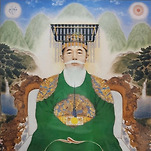
<p style="text-align: left;">彌勒佛(미륵불)은 先天時代(선천시대)에서 잘 닦아 眞業(진업)을 지은 참 사람을 <br>后天極樂世界(후천극락세계)로 길 案內(안내:제도)하는 부처이니 <br>震長男役轄(진장남역할)을 의미한다. <br>이를 주역에서는 木道(목도)라 한다.<br><br>木道乃行(목도내행)의 理由(이유)는 <br>첫째로 古代(고대)부터 우리民族(민족)은 소나무를 國木(국목)으로 삼았는데 <br>다 理由(이유)가 있었으니 <br>周易(주역)의 重雷震卦(중뇌진괘)에 이른말이 그 解答(해답)이다. <br>時運(시운)의 秘訣(비결)로 <br>周易(주역)에서는 木道乃行(목도내행)으로 說明(설명)한 것이다. <br>木(목)은 十八(십팔)의 합자로 선천의 九天時代(구천시대)가 <br>九變九復(구변구복)의 庚寅 辛卯 松柏(경인 신묘 송백)인 二木(이목)이 合(합)함을 말한다.<br><br>謙巖錄 秘訣(겸암록 비결)에는 <br>'庚寅白虎 入山 山凶野豊登 (경인백호 입산 산흉야풍등) <br>辛卯白兎 下山 五穀半實免凶已(신묘백토 하산 오곡반실면흉이)' 라 했다. <br>卽 松下秘訣(즉 송하비결)로 해답을 찾게 하였다.<br><br>두째는 松(송)이 木公(목공)이라 木道(목도)의 太公(태공)으로 말할 수 있고 <br>品階(품계)의 爵名(작명)인 公侯伯子男中(공후백자남중)에서 으뜸을 이른다.<br><br>松木(송목:소나무)의 用度(용도)로써 보아 <br>우리民族(민족)이 國家(국가)의 國木(국목)으로 삼았는지를 알 수 있다. <br>宮闕(궁궐)을 짓는 材木(재목)으로써 기둥, 대들보, 서까래용이기 때문이다.<br><br>또 家庭(가정)의 家具(가구)로 製作(제작)하여 쓰는 用度(용도)로써 <br>欌籠(장농), 書案(서안), 硯床(연상), 冊欌(책장), 饌欌(찬장), 뒤주 등을 <br>製作(제작)하여 使用(사용)했다. <br>船舶(선박), 棺槨材(관곽재) 등으로 까지 利用(이용)하였다.<br><br>醫療用(의료용)으로써 솔잎은 痛症緩化(통증완화), 止血劑(지혈제)로 썼고 <br>秋夕(추석)에 松片(송편)을 지을 때에 솔잎을 깔며 송편이 쉽게 쉬지 않고 <br>傷(상)하지 않는 防腐劑 役割(방부제 역할)로 이용하면서 솔 香氣(향기)를 내었다.<br><br>松津(송진)은 膏藥(고약), 絆瘡膏(반창고)의 材療(재료)였고 <br>炎症治療劑(염증치료제)이었으며 <br>松花(송화)가루는 氣運(기운)을 돋우고 <br>防腐劑 等(방부제 등)의 藥劑(약재)로 使用(사용)했다. <br>소나무 뿌리로는 기름내어 食用(식용)이나 <br>또는 石油(석유)가 生産(생산)하기 前(전)까지 燈油(등유)로 썼다.<br><br>其他 柴木(기타 시목:땔감)으로 <br>現代科學 以前時代(현대과학 이전시대)까지 緊要(긴요)히 썼다. <br>선비에게는 먹물로 文章(문장)을 作文(작문)함에 毛筆(모필) 먹으로 使用(사용)하였는데 <br>이를 煙墨(연묵:소나무 태운 끄으름으로 만든 먹)이라 한다. <br>陶磁器(도자기) 굽는 굴뚝을 20도 刻度(각도)로 지어 소나무를 태워서 <br>그 끄으름을 받아 먹을 만들었고 그 材料(재료)는 오직 소나무이다.<br><br>셋째 나무의 눈이라는 相(상) 字(자) 뜻이다. <br>上監(상감)이라 쓰면 상감마마라는 稱號(칭호)로 <br>王(왕)을 이르는데 上監(상감)은 主相(주상)을 이른다. <br><br>近代(근대)에 이르러서는 國家(국가)를 總括(총괄)하여 統治(통치)하는 <br>指導者(지도자)를 首相(수상)이라 일컫는다. <br>전날 王(왕)의 命(명)을 받아 王權(왕권)을 받아 <br>代身(대신)하여 遂行(수행)하는 官職(관직)을 宰相(재상)이라 하였다. <br>즉 主相(주상), 宰相(재상), 首相(수상) 등의 뜻을 이르는 글자이다.<br><br>넷째 정자나무 槐木(괴목)으로 宰相(재상)의 意味(의미)임을 이미 說明(설명)한 바 있다.<br><br>木鬼(목귀)는 卯(묘)의 震木(진목)이니 三苗神痛(삼묘신통)의 뜻이기도 하다. <br>慈烏支天皇(자오지천황)의 神通妙法(신통묘법)을 의미한다.<br><br>庚寅(경인)의 白虎(백호)는 艮方松木(간방송목)을 體(체)로 삼고 <br>辛卯(신묘)의 白兎(백토)는 震長男(진장남)의 東方柏木(동방백목)으로<br>1ㅣ1 作用(작용)함이니 해인경에 이른 말 '무섭더라 무섭더라 천지벼락 무섭더라' 라는 <br>그 雷聲(뇌성)의 개벽바람을 일으킨다는 뜻이다.<br><br>秘訣書(비결서)인 紅綠志(홍록지)에 <br>白兎索穴 靑龍得雲 天時回泰 龍山定業(백토색혈 청룡득운 천시회태 용산정업)이라 했다. <br>흰 토끼가 집을 찾고 푸른 용이 구름을 얻으니 <br>한울의 運(운)이 태평천지로 돌아올 때에 <br>龍(용)의 山(산)이 業(업)을 정하게 된다는 말이라 <br>龍(용)은 천자요, 山(산)은 道脈(도맥)이면서 도맥을 잇는 인물을 말한다. <br>時運(시운)이 이러하여 소나무는 山火(산화) <br>또는 재선충의 極盛(극성)으로 衰(쇠)하여지고 <br>잣나무 또는 측백나무로 植木(식목)이 流行(유행)하는 시대가 되었다.<br><br>다섯째 木(목)변에 빠를 극 자를 合(합)하면 극진할 極(극) 자 인데 <br>无極(무극), 太極(태극), 黃極(황극), 登極(등극) 등으로 쓰니 <br>임금자리를 뜻하면서 임금의 在位(재위)를 의미하기도 한다. <br>하여 極盡(극진)하다, 至極(지극)하다의 뜻이다. <br>極(극)의 뜻이 그러하다는 말이다.<br><br>極(극) 자는 다하다, 이르다, 이르게 하다, 미치게 하다, <br>頂點(정점), 限界(한계) 등의 意味(의미)이니 <br>窮極的(궁극적)으로는 이 때의 開闢時運(개벽시운)을 代辯(대변)하는 글자이다.<br><br>따라서 病(병)들다, 지치다, 죽이다, 徵罰(징벌)하다 등의 뜻이므로 <br>先天(선천)의 亂法(난법)에 시달린 萬人(만인)이 지쳐 病(병)들어 죽음에 이름을 뜻하고 <br>天地神明(천지신명)이 罪(죄)지은 者(자)들을 徵罰(징벌)한다는 뜻이 된다.<br><br>바로잡다, 고치다 라는 뜻은 <br>開革(개혁), 革新(혁신), 革命(혁명)을 의미한다. <br>또 '내놓다' 의 뜻인지라 이 때에는 다 내놓아야 한다. <br>慾心(욕심)부리지를 말고 다 내려놓으라는 天命(천명)인 것이다. <br>하여 이 때에는 괴롭히다, 세차다는 뜻으로도 쓰인다. <br>특히 北極星(북극성)의 의미로 天文(천문)을 말한다. <br>천문을 알아야 聖人(성인)의 길에 나설 수 있다.<br><br>여섯째 계수나무 桂(계) 자이다. <br>月桂冠(월계관)을 뜻하고 <br>달 속의 桂樹(계수)나무를 象徵(상징)하매 陰道 后天(음도 후천)을 말한다.<br><br>桂(계) 자 글자를 破字(파자)하면 그 뜻이 담겨있다. <br>나무 木(목)에 홀 圭(규)의 합자로 나무로 만든 홀이라는 뜻이고 <br>笏(홀)은 임금이나 <br>임금을 따르는 官僚(관료)의 職責(직책)을 나타내는 證表(증표)이다. <br>桂芳山(계방산)의 山(산)이름에 秘訣(비결)이 담겨 있다.<br><br>일곱째 榮(영)의 뜻이다. <br>榮光(영광), 榮華(영화), 榮譽(영예)를 뜻한다. <br>亂世(난세)를 뒤엎고 龍華樂園(용화낙원)을 創建(창건)하는 <br>天下事(천하사)에 大功(대공)을 세운다면 <br>榮光(영광)스럽게 榮華(영화)를 누리는 榮譽(영예)를 얻는다.<br><br>雙(쌍) 불 火(화) 변의 冠(관) 아래에 나무 木(목) 자를 더하여 木生火(목생화)하니 <br>陽道(앙도)를 의미하여 榮華(영화) 榮(영) 자이다. <br>爲天下子(위천하자)로 成功(성공)을 얻게 되면 榮貴(영귀)가 된다 하였다.<br><br>여덟째 本(본)의 글자이다. <br>根本(근본)의 本(본)은 木一(목일)이라 <br>나무가 一太極(일태극)인 것이 天地(천지)의 根本(근본)이라는 뜻의 글자이다.<br><br>採芝歌(채지가)에 木神司命(목신사명) 하올 적에 근본 本字(본자) 봄 春字(춘자)요, <br>先天八卦 羲易(선천팔괘 희역)인데 天地否卦(천지비괘) 되었더라라고 하였다.<br><br>아홉째 棟樑(동량)의 뜻이다.<br>동량이란 人事(인사)를 譬喩的(비유적)으로 나라의 큰 人物(인물)을 의미한다. <br>대들보는 집의 主神(주신)이라 하여 成造神(성조신)을 指稱(지칭)한다. <br>그렇기 때문에 집을 지을 때에 上樑式(상량식)을 올리는 것이다.<br><br>國家(국가)로 보면 대들보가 君主(군주)이다. <br>기둥은 大臣(대신)을 代辯(대변)하고 서까래 등은 餘他(여타)의 臣下(신하)이다.<br><br>열 째 米(미)가 木道(목도)로 生存(생존)을 상징하고 <br>八木(팔목)에 푸를 靑(청) 자를 더하면 정성 精(정)이라 <br>精神(정신)에서 肉身(육신)을 대변한다. <br>열 十字(십자)의 中心(중심)으로 <br>萬有(만유)가 四方(사방)에서 모여드는 꼴의 글자가 米(미)라 <br>봄의 뜻인 푸를 靑(청) 자를 붙여 쓰면 精氣(정기)를 의미한다.<br><br>열 한째 礎(초)로 초석, 기초를 뜻하니 <br>나무가 衆(중)하면 수풀 林(림) 자가 되고 <br>나무는 돌산에서 자라나니 <br>옛 산의 우리민족은 山中(산중)에서 수행하며 깨달아서 <br>오지 않은 未來(미래)의 運數(운수)를 점쳐 알았고 <br>해보지 않은 일의 실마리를 찾아내 알아냈으니<br>卜人(복인) 이라는 글자가 따라 붙어 礎石(초석)이라는 뜻의 글자이다. <br>집은 반드시 초석을 놓고 기둥을 세웠다. <br>礎石(초석)은 기둥의 根本(근본)이요, 基礎(기초)라는 말이다.<br><br>열 두째 林(림)의 숲이다. <br>山林(산림)이다. <br>茂盛(무성)한 草木(초목)의 땅을 이른다. <br>즉 대자연을 대변하니 성인을 林(림)으로 칭하여 썼다. <br>큰 사찰을 叢林(총림), 유학자들의 단체를 儒林(유림)이라 하고 <br>孔子(공자)의 墓(묘)를 孔臨(공림), 關雲長(관운장)의 墓(묘)를 關林(관림), <br>孟子(맹자)의 墓(묘)는 孟林(맹림)이라 칭하는 이유이다.<br><br>열 셋째 桃李園(도리원)의 뜻이다.<br>현실세계가 아닌 늘 꽃피고 새우는 봄의 理想的(이상적)인 세상으로써 <br>神仙(신선)이 노니는 곳을 말한다. <br>복숭아 꽃은 이팔청춘의 사랑을 대변하면서 신선을 상징하는 꽃이다.<br><br>木(목) 자에 조짐 兆(조) 자의 합자로 木(목)의 兆朕(조짐)이라는 뜻이니 <br>木道(목도)의 조짐이라는 글자이고 오얏 李(이) 자는 동방의 아들이라는 뜻의 글자이다.<br><br>열 넷째 朴(박)이니 木卜(목복)의 합자로 <br>周易占(주역점)으로 천하사를 말하는 秘訣(비결)에서 指摘(지적)하여 말했다.<br><br>其末錄(기말록)에 '亂於朴 朴朴環成朴 金金片片金 餘孼終作崇 流血滿江<br>(난어박 박박환성박 금금편편금 여얼종작숭 유혈만강)ᆢᆢ 云云(운운) 하였고<br><br>走馬之年 朴人自 大比田(주마지년 박인자 대비전)이라. <br>丙午年(병오년)에 박씨 성을 가진 사람이 스스로 龍(용)에 견주리라'라 하였으며<br><br>靑鶴同洞訣(청학동결)에는<br> '玉燈掛壁 千之入地 五仙圍碁 朴之入地(옥등괘벽 천지입지 오선위기 박지입지)' 라 일렀다.<br><br>水雲歌詞(수운가사)에는 <br>'三道大明 三德君(삼도대명 삼덕군)은 靑林道士 分明(청림도사 분명)하다<br><br>須從白兎 書生後(수종백토 서생후)에 走從靑林 道士(주종청림 도사)하세' 라 일렀음이다.<br><br>열 다섯째 大人(대인)의 人才(인재)는 朴(박)에 因緣(인연)한다는 說(설)이다.<br>朝鮮末(조선말)에도 圓佛敎 敎主(원불교 교주)인 朴 重彬(박 중빈)을 비롯해서 <br>大巡眞理會(대순진리회)의 朴 漢慶(박 한경), <br>西敎(서교)인 長老敎(장노교)의 朴 泰善(박 태선), <br>統一敎(통일교)의 朴 東善(박 동선) 등이 이름을 냈다.<br><br>正易論(정역론)을 <br>正易 韓國(정역과 한국)이라는 책으로 풀이한 人事(인사)도 朴 相和(박 상화)이다.<br><br>民主時代(민주시대)에 父女(부녀)가 體(체)로써 <br>나와 먼저 世運(세운)의 大統領(대통령)을 臨行(임행)했으니 <br>用(용)의 父女(부녀)가 木卜(목복)의 秘訣(비결)에 맞게 <br>王道時運(왕도시운)을 이어야 天地陰陽(천지음양)의 合(합)을 이룬다.<br><br>木卜(목복)이란 松下秘訣(송하비결)로 <br>鎬京將軍木卜將軍艮國求濟(호경장군목박장군간국구제)라 하였다. <br>木道(목도)를 따르면 解願(해원)하고 所願成就(소원성취)로 成功(성공)하게 된다.<br><br>​<br><br>영어( English)<br><br>Maitreya Buddha is the Buddha who guides (guides) the true people who have cultivated well and<br><br>created true karma in the pre-heavenly era to the post-heavenly paradise. It means the role of the eldest male. In the Book of Changes, this is called the Wooden Path. The reason for the wooden path or conduct is, first of all, that since ancient times, our people have made the pine tree our national tree, and there was a reason for it. The answer is in the words of the Zhongnoejin hexagram in the Book of Changes. It is explained in the Book of Changes as the secret of the fortune of the times as the wooden path or conduct. Wood is a combination of eighteen, and refers to the combination of the two trees of Gyeong-in Sin-myo Song-baek of the nine heavenly eras of the innate nine changes and nine restorations. In the secrets of Gyeom-am-rok, it is said, "Gyeong-in Baek-ho enters the mountain, and the mountains are bad, and the fields are rich. Sin-myo Baek-to descends the mountain, and half of the five grains are gone." That is, the answer was found through the Songha Secret.<br><br>Second, Song is a wood official, so it can be said to be the Grand Official of the Wood Road, and it is the highest in the rank of Gonghou Baekja Namjung.<br><br>Judging from the uses of pine trees, we can see that our people have made them the national tree of the country. This is because they are used as timber for building palaces, for pillars, beams, and rafters. Additionally, it was used for household purposes, such as making chests of drawers, study tables, ink tables, bookcases, sideboards, and chests of drawers. It was even used for ships and coffin materials. For medical purposes, pine needles were used to relieve pain and act as a hemostatic. When making songpyeon during Chuseok, pine needles were used as a preservative to prevent the songpyeon from spoiling or spoiling, and they also gave off a pine fragrance. Pine resin was used as a material for plasters and bandages, as well as an anti-inflammatory agent, and pine flower powder was used as a medicinal ingredient to invigorate the body and as an antiseptic. Pine roots were used as edible oil or as kerosene before the production of petroleum. It was used as firewood until the pre-modern era. Scholars used a brush to write sentences with ink, which was called smoke ink (ink made from the ashes of burnt pine trees). The chimneys for kilns for ceramics were built at a 20-degree angle to burn pine trees and collect the ashes to make ink, and the only material used was pine trees.<br><br>The third character, 相 (sang), means the eye of the tree. When written as Sanggam, it refers to the king with the title Sanggammama, and Sanggam refers to the prime minister. In modern times, the leader who oversees and governs the country is called Susang. The official who receives the king's command, receives royal authority, and carries out the duties on his behalf is called Jaesang. In other words, it is a character that means Jusang, Jaesang, and Susang.<br><br>Fourth, the pavilion tree, Goemok, has already been explained to mean Prime Minister.<br><br>The wood ghost, Mokgwi, is the Jinmok of the year of the rabbit, and thus also signifies the divine power of the three seedlings. It signifies the divine power and wonderful law of Emperor Zhaoji. The white tiger of Gyeongin is based on the pine tree of Ganbangso and the white rabbit of Sinmyo is based on the eastern white tree of Jinjangnam, which means it acts. It means that it causes the wind of change of the thunder as said in the Haein Gyeong, 'It was scary, it was scary, it was like lightning in heaven and earth.' In the secret book Hongrokji, it is written, “The white rabbit finds a hole, the blue dragon obtains clouds, when the heavens return to peace, the dragon mountain determines the karma.” This means that when the white rabbit finds a hole and the blue dragon obtains clouds, when the heavens return to peace, the dragon mountain determines the karma. The dragon is the emperor, and the mountain is the Tao vein, and it refers to the person who continues the Tao vein. As the fortune of the times was like this, pine trees declined due to the extremes of mountain fires or pine wilt nematodes, and it became an era when planting pine trees or cypress trees became popular.<br><br>The fifth character, is combined with the character, meaning "fast," to create the character, meaning "extreme." It is written as etc., and it means the throne of a king, but also means the reign of a king. Therefore, it means "extreme" or "extreme." This is the meaning of "extreme." The character 極 (geuk) means to exhaust, to arrive, to cause to arrive, to drive crazy, to peak, to limit, etc., so it is a character that ultimately represents the opening of the era at that time. Therefore, it means to get sick, to be exhausted, to die, to punish, etc., so it means that all people who suffered from the<br><br>chaos of the pre-heavenly era became exhausted and sick, and that the gods of heaven and earth punish those who committed sins. The meaning of "correct" and "fix" signifies reform, innovation, and revolution. It also means "to put aside," so in this case, everything must be put aside. It is a heavenly mandate to let go of greed and let go of everything. Therefore, in this case, it is also used to mean to harass or to be violent. Specifically, it refers to astronomy, referring to the North Star. Only by understanding astronomy can one embark on the path of a saint.<br><br>The sixth character is cinnamon, or cinnamon tree.<br><br>It signifies the laurel crown and symbolizes the cinnamon tree in the moon, referring to the Yin path, the afterlife. When you break the character (gye), its meaning is contained. It is a combination of the character (wood) and (scepter), meaning a scepter made of wood. The scepter is a token indicating the position of a king or an official who follows the king. The name of the mountain, Gyebangsan, contains a secret.<br><br>The seventh is the meaning of (glory).<br><br>It means glory, glory, and honor. If you achieve great success in the affairs of the world by overturning the chaotic times and establishing the Yonghwa Paradise, you will be honored and enjoy glory and glory.<br><br>By adding the character for tree below the character for fire in the double shape, you create the character for wood, which signifies the way of the sun and becomes the character for glory. It is said that if you achieve success by doing what is right under the heavens, you will become a noble person.<br><br>The eighth character is. The root of the root is , which means that the tree, which is the one Taegeuk, is the root of heaven and earth.<br><br>In the song of collecting leaves, it is said that when the Wood God Command came down, the roo<br><br>t was the character for spring, and it was the Seoncheon Palgwa Hui-yeok, which became the Cheonji Bigwae.<br><br>The ninth is the meaning of (Dongryang).<br><br>Dongryang is a metaphor for personnel affairs, and refers to a great person of the country. The main beam is said to be the main god of the house, referring to the god of construction. Therefore, a topping-out ceremony is held when building a house.<br><br>In terms of a nation, the main beam represents the monarch. The pillars represent the ministers, and the rafters represent the other ministers.<br><br>The tenth character, (mi), symbolizes survival as a wooden path. Adding the character (cheonto the character (palmok) creates (jeong), representing the spirit and flesh. The character for the center of the cross, where all things gather from all directions, is (mi), and when written with the character for spring (cheong), it signifies vitality. The eleventh character, (cho), means foundation or foundation. When the character for tree is (middle), it becomes the character for forest (rim), and trees grow on rocky mountains. In the past, our people in the mountains practiced and realized in the mountains, and they could divine the fortune of the future that had not yet come and found clues t<br><br>o things they had not tried before. The character for fortune teller (bok-in) follows it and means foundation stone. A house must have a foundation stone and then erected pillars. The cornerstone is the foundation of the pillar, and it means the foundation.<br><br>The twelfth is the forest of the forest.<br><br>It is a mountain forest. It refers to a land of lush grass and trees. In other words, it represents Mother Nature, so the sages were called forests. This is why a large temple is called a chongrim, a group of Confucian scholars is called a yurim, and the tomb of Confucius is called a gongrim, the tomb of Guan Yunzhang is called a gwanrim, and the tomb of Mencius is called a mengrim.<br><br>The 13th character, "Doriwon," means "Peach Garden."<br><br>It refers to an ideal world, not the real world, where flowers bloom and blossom, a place where immortals play. Peach blossoms symbolize the love of youth and immortality.<br><br>It is a combination of the character (wood) and the character (sign), meaning "sign of the path of the tree." The character (oyat) means "son of the east."<br><br>The 14th character, is a combination of (wood) and (wood divination). It is used in the (secrets) of the Book of Changes, which uses the Chinese characters for "Book of Changes" (Zhouyi). In the <br><br>final record, it says, 'In chaos among Park, Park Park Hwan-seong Park, gold, gold, piece by piece, gold, remaining, all works are completed, blood flows into the river.' It was said that in the year of Byeong-o, a person with the surname Park would compare himself to a dragon.<br><br>In the Cheonghakdonggyeol, it was said that "Jade lantern hanging on the wall, the entrance to the thousand-year-old land, the entrance to the five immortals' territory, Park Ji-ip-ji." In the Suun Gasa, it is said, "The great virtuous lord of the three paths is clearly the Taoist of Cheongnim. He will follow the white rabbit after his life and become a Taoist of Cheongnim." The fifteenth theory is that the talent of a great man is related to Park. Even in the late Joseon Dynasty, Park Jung-bin, the leader of Won Buddhism, Park Han-kyung of Daesoon Jinrihoe, Park Tae-seon of Jangnogyo (a Western religion), and Park Dong-seon of the Unification Church made their names known.The book that interpreted the Book of Changes in the Book of Changes, Jeong-yeok and Korea, was also written by Park Sang-hwa. In the democratic era, fathers and daughters emerged as the body and first assumed the presidency of the world's fortune. Therefore, fathers and daughters of the use must continue the royal fortune according to the secret of Mokbok to achieve the harmony of heaven and earth's yin and yang. Mokbok is a secret recipe from Songha Bigyeol, which means General Ho-gyeong will save the country. If you follow the Mokdo, you will be able to relieve your desires and achieve your wishes, which will lead to success.<br><br>​<br><br>일본어<br><br>彌勒佛(弥勒火)は先天時代(先天時代)でよく拭き、眞業(震業)を築いた真の人を后天極樂世界(後天極楽世界)に道案內(案内:制度)する省庁である。これを主役では木道(木道)という。<br><br>木道乃行(木道内行)の理由(理由)は最初に古代(古代)から我が民族(民族)は松を国木(国目)にしたが、すべて理由(理由)があったので周易(主役)の重雷震卦(解答)だった。 時運の秘訣(秘訣)で周易(主役)では木道乃行(木道内行)で說明(説明)したのだ。 木(木)は十八(十八)の合字で、先天の九天時代(旧天時代)が九變九復(旧変福)の庚寅辛卯松柏(京仁新妙松白)である二木(イモク)が合(合)することをいう。<br><br>謙巖錄秘訣(兼岩録秘訣)には「庚寅白虎入山 山凶野豊登 (京仁白湖入山山岳野風など)辛卯白兎下山五穀半實免凶已 卽松下秘訣(すなわちソンハ秘訣)で答えを探すようにした。<br><br>二つ目は松(松)が木公(木工)であり、木道(木道)の太公(太公)と言え、品階(品界)の爵名(作名)である公侯伯子男中(公後白子南中)で一番上がる。<br><br>松木(松木:松の木)の用度(用途)として見ると、わが民族(民族)が国家(国家)の国木(国木)としたかどうかがわかる。 宮闕(宮廷)を建てる材木(材木)として柱、台梁、垂木用だからだ。<br><br>また、家庭(家庭)の家具(家具)で製作(製作)して使う用度(用途)として、欌籠(長農)、書案(西安)、硯床(連想)、冊欌(本棚)、饌欌(食器)、後酒などを製作。 船舶(船舶)、棺槨材(管郭材)などまで利用(利用)した。<br><br>醫療用(医療用)として、松葉は痛症緩和(痛み緩和)、止血劑(止血剤)で書いて、秋夕(チュソク)に松片(松片)を建てる際に松葉を敷き、松片が簡単に休まず傷(上)しない防腐劑役割香气(香り)を出した。<br><br>松津(松津)は膏藥(ゴヤク)、絆瘡膏(半倉庫)の材療(材料)であり、炎症治療劑(炎症治療剤)であり、松花(松花)粉は气運(オーラ)を生み出し、防腐劑など使用(使用)した。松の根としては油を出して食用(食用)や石油(石油)が生産(生産)する前までに燈油(灯油)で書いた。<br><br>其他柴木(その他の時木:汗感)で現代科學以前の時代(現代科学移転時代)まで緊要に書いた。サンビには食べ物で文章を作文することに毛筆(毛筆)食べて使用(使用)したが、これを煙墨(連墨:松焼きで作った食べ)という。 陶磁器(陶磁器)焼く煙突を20度刻度(角度)で建て、松を燃やしてその粘りを受けて食べ物を作ったし、その材料(材料)はただ松だ。<br><br>三番目の木の目という相字という意味だ。<br><br>上監(象鑑)と書けば象鑑ママという稱號(称号)で王(王)を指すが、上監(象鑑)は主相(主相)をいう。<br><br>近代(近代)に至っては国家(国家)を總括(総括)して統治(統治)する指導者(指導者)を首相(首相)と呼ぶ。前日、王(王)の命(名)を受けて王權(王権)を受けて代身(代身)して遂行(遂行)する官職(官職)は、宰相(ジェサン)とした。つまり、主相(主相)、宰相(在賞)、首相(首相)などの意味をなす文字である。<br><br>第四精子木槐木(怪木)で宰相の意味(意味)であることをすでに說明(説明)したことがある。<br><br>木鬼(木耳)は卯(墓)の震木(真木)なので、三苗神痛(三妙神痛)の意味でもある。 慈烏支天皇(蔵王寺天皇)の神通妙法(神通墓法)を意味する。<br><br>庚寅(キョンイン)の白虎(ペクホ)は艮方松木(肝放送木)を體(体)にし、辛卯(シンミョ)の白兎(白土)は震長男(ジンジャンナム)の東方柏木(東方白木)である。恐怖だと天地稲楽恐怖だ」というその雷聲(脳性)の開壁風を起こすという意味だ。<br><br>秘訣書(秘訣書)である紅綠志(ホンロクジ)に白兎索穴靑龍得雲白いウサギが家を探して青い龍が雲を得るので、ハンウルの運が太平天地に戻るときに龍の山が業を定めることになるということで、龍は天子です。 時運(シウン)がこうして松は山火(酸化)または再線虫の極盛(極性)で衰退し、松の木または側白木で植木(植木)が流行(流行)する時代となった。<br><br>第五木(木)辺に早い極子を合(合)すると極進する極(極)者であるが、无極(無極)、太極(太極)、黄極(黄極)、登極(等極)などで使われて賃金座を意味しながら賃金の在位(在位)を意味する。として極盡(極進)する、至極(至極)するという意味である。 極の意味がそうだということだ。<br><br>極(極)者はみな、早い、早くする、狂う、頂点(頂点)、限界(限界)などの意味(意味)なので、窮極的(究極的)ではこの時の開闢時運(開壁試運)を代辯(代弁)する文字である。<br><br>したがって、病気、疲れ、殺す、徵罰(懲罰)するという意味なので、先天の亂法(難法)に苦しんでいる萬人(万人)が疲れ、病(病)入り死に名前を意味し、天地神明(天地神名)が罪徵罰(懲罰)するという意味になる。<br><br>正しさ、直すという意味は、開革(改革)、革新(革新)、革命(革命)を意味する。また「出せる」の意味なので、このときはすべて出さなければならない。 慾心(貪心)ブリッジをせずに全部下ろすという天命(千人)なのだ。とこの時はいじめ、洗車だという意味でも使われる。特に北極星(北極星)の意味で天文(天文)をいう。天文を知らなければ聖人(大人)の道に出ることができる。<br><br>6番目のカシの木桂(桂)者です。<br><br>月桂冠(月桂冠)を意味し、月の中の桂樹(桂樹)の木を象徵(象徴)下斎陰道后天(陰島後天)をいう。<br><br>桂(系)字文字を破字(破字)するとその意味が込められている。木木(木)にホール圭(ギュ)の合字で木で作ったホールという意味で、笏(ホール)は、賃金や賃金に従う官僚(官僚)の職責(職責)を示す證表(証票)である。 桂芳山の山(山)の名前に秘訣(秘訣)が含まれている。<br><br>7番目の榮の意味です。<br><br>榮光(栄光)、榮華(映画)、榮譽(栄誉)を意味する。 亂世(南世)を覆い、龍華樂園(龍華楽園)を創建(創建)する天下事(天下寺)に大功(対空)を建てると、榮光(栄光)を榮華(映画)を味わう榮譽(栄誉)を得る。<br><br>雙(ペア)火火(火)の辺の冠(管)の下に木の木(木)の字を加えて木生火(木生の花)は陽道(アンド)を意味し、榮華(映画)の榮(英)者である。 爲天下子(ウィチョンハジャ)で成功(成功)を得るようになれば榮貴(英貴)になる。<br><br>八本(本)の文字だ。<br><br>根本(根本)の本(本)は木一(木日)であり、木が一太極(一太極)であることが天地(天地)の根本(根本)という意味の文字である。<br><br>採芝歌(チェ・ジガ)に木神司命(牧神使命)ハオル敵に根本本字(本子) 春春字(春子)、先天八卦羲易(先天八崇喜役)なのに天地否卦(天地ビグム)になったと言った。<br><br>9番目の棟樑(同量)の意味だ。<br><br>同量とは、人事(人事)を譬喩的(比喩的)と国の大きな人物(人物)を意味する。大観る家の主神と言い、成造神を指稱する。そのため、家を建てる際に上樑式を上げるのだ。<br><br>国家(国家)とみると、大梁が君主(君主)だ。柱は大臣を代辯し、垂木などは餘他の信下である。<br><br>十米(米)が木道(木道)で生存(生存)を象徴して八木(袖口)に青い青字を加えると、精性精(精)で精神(精神)から肉身(肉身)を代弁する。十十字(十字)の中心(中心)で萬有(万有)が四方(四方)から集まる文字の文字が米(米)と春の意味である青を青字をつけて書けば精气(定期)を意味する。<br><br>十一基礎(初)で礎石、基礎を意味するので木が重いと茂み林(林)となり、木は石山で育ち、昔の山の我が民族は山中(山中)で遂行し、悟って来ていない未來(未来)の運數を運んでいる。知ったので、卜人(福人)という文字が付いてくる基礎石(初石)という意味の文字だ。家は必ず礎石を置いて柱を立てた。 基礎石(基礎石)は柱の根本(根本)であり、基礎(基礎)という言葉である。<br><br>十二番目林(林)の森だ。<br><br>山林(山林)だ。 茂盛(無声)の草木(草木)の土地を達する。つまり大自然を代弁するので、成人を林(リム)と称して書いた。大寺を叢林(総林)、留学者たちの団体を儒林(ユリム)と呼び、孔子(孔子)の墓(墓)を孔臨(共林)、關雲長(管運長)の墓(墓)を關林(関林)、孟子(盲)の墓。<br><br>十三番目の桃李園(ドリウォン)の意味だ。<br><br>現実世界ではなく、いつも花咲くエビは春の理想的(理想的)な世界として神仙(新鮮)が遊ぶところをいう。桃の花は、イパル青春の愛を代弁しながら新鮮を象徴する花だ。<br><br>木(木)者に兆し兆(兆)者の合字で木(木)の兆朕(兆し)という意味だから木道(木道)の兆しという文字で、オヤット李は眠る東方の息子という意味の文字だ。<br><br>十四番目、朴(パク)だから木卜(木服)の合字で周易占(主役点)で天下寺を語る秘訣(秘訣)で指摘(指摘)して語った。<br><br>其末錄(キマロク)へ<br><br>走馬之年 朴人自大大田(週末年の朴仁子大ビジョン)だ。 丙午年(朴五年)に朴氏城を持った人が自ら龍に耐えようと言った。<br><br>靑鶴同洞訣(青学凍結)には「玉燈掛壁千之入地五仙圍碁朴之入地(玉背壁壁天地立地五線危機朴地立地)」と名付けた。<br><br>水雲歌詞(水運歌詞)には「三道大明三德君(三島大明三徳郡)は青林道士分明(清林道士明らか)」<br><br>須從白兎 書生後(樹宗白土西生後)に走從靑林道士(周宗清林道士)長谷川と言った。<br><br>十五番目大人の人才(人材)は、朴(朴)に因緣(縁)するという說(説)だ。<br><br>朝鮮末(朝鮮末)にも、圓佛敎敎主(元仏教教主)である朴重彬(パク・ジュンビン)をはじめ、大巡眞理會(大順真理会)の朴漢慶(パク・ハンギョン)、西敎(ソギョ)の長老敎(チャン・ヨン)統一敎(統一教会)の朴東善(パク・ドンソン)らが名前を出した。<br><br>正易論(正逆論)を正易韓国(正役と韓国)という本で解釈した人事(挨拶)も朴相和(パク・サンファ)だ。<br><br>民主時代(民主時代)に父女(婦女)が體(体)として出てきて先に世運(セウン)の大統領(大統領)を臨行(任行)したので、龍の父女(婦女)が木卜(木服)の秘訣(秘訣)に合うように天地陰陽(天地陰陽)の合を成す。<br><br>木卜(木服)とは松下秘訣(松下秘訣)で鎬京將軍木卜將軍艮國求濟(湖京将軍牧場将軍間国救済)とした。 </p>
<!-- -->