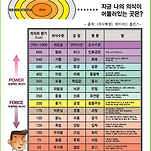
<p><span data-ke-size="size18">beyond reason</span></p><p><span data-ke-size="size18">치유는 기쁨, 감사, 축복 치유의 에너지장 540에서 일어난다</span></p><p>어떤 사람에게는 좋은 음식이 어떤 사람에게는 독이 된다. </p><p> </p><p style="text-align: start;"><span style="color: #006dd7;" data-ke-size="size18"><b>모든 세포는 '세포주기'를 가지고 </b></span></p><p style="text-align: start;"><span style="color: #006dd7;" data-ke-size="size18"><b>생노사한다!!</b></span></p><p style="text-align: start;"> </p><p style="text-align: start;"><span style="color: #ee2323;" data-ke-size="size18"><b>세포가 병이없이 죽는 현상은 </b></span></p><p style="text-align: start;"><span style="color: #ee2323;" data-ke-size="size18"><b>'Apoptosis' 세포의 프로그램된 죽음, 세포의 계획된 죽음 programmed cell death라고 함</b></span></p><p style="text-align: start;"><span style="color: #ee2323;" data-ke-size="size18"><b> </b></span></p><p style="text-align: start;"><span style="color: #006dd7;" data-ke-size="size18"><b>세포가 질병으로 죽는 현상은 </b></span></p><p style="text-align: start;"><span style="color: #006dd7;" data-ke-size="size18"><b>'Necrosis' 괴사라고 함. </b></span></p><p style="text-align: start;"> </p><p style="text-align: start;"><span style="color: #ee2323;" data-ke-size="size18"><b>세포가 질병이 생기고 기능을 하지 않으면서 죽지 않는 현상(좀비세포 현상) </b></span></p><p style="text-align: start;"><span style="color: #ee2323;" data-ke-size="size18"><b>'Cellular  Senescence' 세포주기의 정지 Cell cycle arrest라고 함 </b></span></p><div class="figure-img" data-ke-type="image" data-ke-style="alignCenter" data-ke-mobilestyle="widthOrigin"><img src="https://t1.daumcdn.net/cafeattach/z4ZG/58e94a4845145fc89f834763898e3782ea473e21" class="txc-image" data-img-src="https://t1.daumcdn.net/cafeattach/z4ZG/58e94a4845145fc89f834763898e3782ea473e21" data-origin-width="500" data-origin-height="302"></div><p><span style="color: #ee2323;"><b>세포 주기를 위해서는 세포는 자기복제를 통해서 </b></span></p><p><span style="color: #ee2323;"><b>같은 품질의 피부단백질, 근육단백질 등을 만들어야 한다.</b></span></p><p> </p><p><span style="color: #006dd7;" data-ke-size="size18"><b>모든 세포에는 VDR(비타민 D 수용체)가 있고, </b></span></p><p><span style="color: #006dd7;" data-ke-size="size18"><b>60조개의 모든 세포에 비타민 D가 결합해야 세포는 자기 복제를 위한 단백질을 만들어낼 수있다. </b></span></p><p> </p><p>건선, 백반증은 자기복제를 위한 단백질이 덜 만들어진 것이다!</p><p>비타민 D를 고농도 35,000단위를 6개월 먹고(바꾼 것은 칼슘이 덜들어간 음식을 먹은 것) 아래 사진처럼 기적같은 회복을 보였다!!</p><p> </p><p><span style="color: #ee2323;" data-ke-size="size18"><b>문치연(문형철)의 </b></span></p><p><span style="color: #ee2323;" data-ke-size="size18"><b>건생병사 2번째 과제 '비타민, 미네랄 부족, 결핍, 불균형 회복'이라는 </b></span></p><p><span style="color: #ee2323;" data-ke-size="size18"><b>주제를 알게해준 귀한 논문</b></span>이다!!</p><div class="figure-img" data-ke-type="image" data-ke-style="alignCenter" data-ke-mobilestyle="widthOrigin"><img src="https://t1.daumcdn.net/cafeattach/z4ZG/07e38f38bf522ea7f0428d9a090aa4dbcb616833" class="txc-image" data-img-src="https://t1.daumcdn.net/cafeattach/z4ZG/07e38f38bf522ea7f0428d9a090aa4dbcb616833" data-origin-width="799" data-origin-height="1059"></div><p><b>그림 8.</b><span style="color: #333333; background-color: #ffffff;" data-ke-size="size16"> 비타민 D (하루 35,000 IU)로 6개월간 치료 전 </span><b>(A와 C)</b><span style="color: #333333; background-color: #ffffff;" data-ke-size="size16">와 치료 후 </span><b>(B와 D)</b><span style="color: #333333; background-color: #ffffff;" data-ke-size="size16">의 두 남성 건선 환자의 사진. </span><b>(A와 B)</b><span style="color: #333333; background-color: #ffffff;" data-ke-size="size16"> </span><span style="color: #ee2323;" data-ke-size="size16"><b>59세 환자(BMI 24.8)로 치료 전 PASI 점수 31을 보였으며, 6개월 치료 후 18.2로 개선</b></span><span style="color: #333333; background-color: #ffffff;" data-ke-size="size16">되었습니다. 그의 </span><span style="color: #006dd7;" data-ke-size="size16"><b>혈청 25(OH)D3 농도는 치료 전 22.8 ng/mL에서 6개월 후 127.5 ng/mL로 증가</b></span><span style="color: #333333; background-color: #ffffff;" data-ke-size="size16">했습니다. </span><b>(C와 D)</b><span style="color: #333333; background-color: #ffffff;" data-ke-size="size16"> 60세 환자(BMI 33.6)는 치료 전 PASI 점수 40.4를 보였으며, 6개월 후 12.4로 감소했습니다. </span><span style="color: #ee2323;" data-ke-size="size16"><b>혈청 25(OH)D3 농도는 치료 전 5.6 ng/mL에서 6개월 후 103.2 ng/mL로 증가</b></span>했습니다.</p><p> </p><div class="figure-img" data-ke-type="image" data-ke-style="alignCenter" data-ke-mobilestyle="widthOrigin"><img src="https://t1.daumcdn.net/cafeattach/z4ZG/e085f590ada498d205249a59163a5994ef128632" class="txc-image" data-img-src="https://t1.daumcdn.net/cafeattach/z4ZG/e085f590ada498d205249a59163a5994ef128632" data-origin-width="800" data-origin-height="1040"></div><p> </p><p><b>그림 9.</b> 비타민 D (하루 35,000 IU)로 6개월간 치료 전 (A와 C) 및 치료 후 (B와 D)의 백반증 환자 두 명의 사진. <b>(A와 B)</b> 50세 여성 환자(BMI 28.3)로, 6개월 치료 후 51~75%의 재색소화율(제3사분위군)을 달성했습니다. <span style="color: #ee2323;" data-ke-size="size16"><b>치료 전 혈청 25(OH)D3 농도는 12.5 ng/mL였으며, 6개월 후 92.4 ng/mL로 증가</b></span>했습니다. <b>(C와 D)</b> 36세 여성 환자로 BMI 22.7이며, 6개월 치료 후 재색소침착률 1~25% (1분위군)를 달성했습니다. <span style="color: #006dd7;" data-ke-size="size16"><b>치료 전 혈청 25(OH)D3 농도는 12.0 ng/mL였으며, 6개월 후 92.5 ng/mL로 증가</b></span>했습니다.</p><p> </p><p> </p><p>Dermatoendocrinol</p><p>. 2013 Jan 1;5(1):222–234. doi: <a style="color: #005ea2;" href="https://doi.org/10.4161/derm.24808" target="_blank" class="ke-link">10.4161/derm.24808</a></p><p> </p><p><span style="color: #ee2323;" data-ke-size="size20"><b>A pilot study assessing the effect of prolonged administration of high daily doses of vitamin D on the clinical course of vitiligo and psoriasis</b></span></p><p> </p><p><a style="color: #005ea2;" href="https://pubmed.ncbi.nlm.nih.gov/?term=%22Finamor%20DC%22%5BAuthor%5D" target="_top" class="ke-link">Danilo C Finamor</a> 1, <a style="color: #005ea2;" href="https://pubmed.ncbi.nlm.nih.gov/?term=%22Sinigaglia-Coimbra%20R%22%5BAuthor%5D" target="_top" class="ke-link">Rita Sinigaglia-Coimbra</a> 1, <a style="color: #005ea2;" href="https://pubmed.ncbi.nlm.nih.gov/?term=%22Neves%20LCM%22%5BAuthor%5D" target="_top" class="ke-link">Luiz C M Neves</a> 2, <a style="color: #005ea2;" href="https://pubmed.ncbi.nlm.nih.gov/?term=%22Gutierrez%20M%22%5BAuthor%5D" target="_top" class="ke-link">Marcia Gutierrez</a> 3, <a style="color: #005ea2;" href="https://pubmed.ncbi.nlm.nih.gov/?term=%22Silva%20JJ%22%5BAuthor%5D" target="_top" class="ke-link">Jeferson J Silva</a> 1, <a style="color: #005ea2;" href="https://pubmed.ncbi.nlm.nih.gov/?term=%22Torres%20LD%22%5BAuthor%5D" target="_top" class="ke-link">Lucas D Torres</a> 1, <a style="color: #005ea2;" href="https://pubmed.ncbi.nlm.nih.gov/?term=%22Surano%20F%22%5BAuthor%5D" target="_top" class="ke-link">Fernanda Surano</a> 1, <a style="color: #005ea2;" href="https://pubmed.ncbi.nlm.nih.gov/?term=%22Neto%20DJ%22%5BAuthor%5D" target="_top" class="ke-link">Domingos J Neto</a> 4, <a style="color: #005ea2;" href="https://pubmed.ncbi.nlm.nih.gov/?term=%22Novo%20NF%22%5BAuthor%5D" target="_top" class="ke-link">Neil F Novo</a> 5, <a style="color: #005ea2;" href="https://pubmed.ncbi.nlm.nih.gov/?term=%22Juliano%20Y%22%5BAuthor%5D" target="_top" class="ke-link">Yara Juliano</a> 5, <a style="color: #005ea2;" href="https://pubmed.ncbi.nlm.nih.gov/?term=%22Lopes%20AC%22%5BAuthor%5D" target="_top" class="ke-link">Antonio C Lopes</a> 6, <a style="color: #005ea2;" href="https://pubmed.ncbi.nlm.nih.gov/?term=%22Coimbra%20CG%22%5BAuthor%5D" target="_top" class="ke-link">Cicero Galli Coimbra</a> 1,*</p><ul style="list-style-type: disc;" data-ke-list-type="disc"><li>Author information</li><li>Article notes</li><li>Copyright and License information</li></ul><p>PMCID: PMC3897595  PMID: <a style="color: #005ea2;" href="https://pubmed.ncbi.nlm.nih.gov/24494059/" target="_top" class="ke-link">24494059</a></p><p>Abstract</p><p>Autoimmunity has been associated with vitamin D deficiency and resistance, with gene polymorphisms related to vitamin D metabolism frequently described in affected patients. High doses of vitamin D3 may conceivably compensate for inherited resistance to its biological effects. This study aimed to assess the efficacy and safety of prolonged high-dose vitamin D3 treatment of patients with psoriasis and vitiligo. Nine patients with psoriasis and 16 patients with vitiligo received vitamin D3 35,000 IU once daily for six months in association with a low-calcium diet (avoiding dairy products and calcium-enriched foods like oat, rice or soya “milk”) and hydration (minimum 2.5 L daily). All psoriasis patients were scored according to “Psoriasis Area and Severity Index” (PASI) at baseline and after treatment. Eval‎uation of clinical response of vitiligo patients required a quartile grading scale. All patients presented low vitamin D status (serum 25(OH)D3 ≤ 30 ng/mL) at baseline. After treatment 25(OH)D3 levels significantly increased (from 14.9 ± 7.4 to 106.3 ± 31.9 ng/mL and from 18.4 ± 8.9 to 132.5 ± 37.0 ng/mL) and PTH levels significantly decreased (from 57.8 ± 16.7 to 28.9 ± 8.2 pg/mL and from 55.3 ± 25.0 to 25.4 ± 10.7 pg/mL) in patients with psoriasis and vitiligo respectively. PTH and 25(OH)D3 serum concentrations correlated inversely. The PASI score significantly improved in all nine patients with psoriasis. Fourteen of 16 patients with vitiligo had 25–75% repigmentation. Serum urea, creatinine and calcium (total and ionized) did not change and urinary calcium excretion increased within the normal range. High-dose vitamin D3 therapy may be effective and safe for vitiligo and psoriasis patients.</p><p> </p><p><span style="color: #ee2323;"><b>자가면역은 </b></span></p><p><span style="color: #ee2323;"><b>비타민 D 결핍 및 저항성과 관련이 있으며, </b></span></p><p><span style="color: #ee2323;"><b>비타민 D 대사와 관련된 유전자 다형성이 영향을 받은 환자들에게서 자주 보고됩니다. </b></span></p><p> </p><p><span style="color: #006dd7;"><b>고용량의 비타민 D3는 </b></span></p><p><span style="color: #006dd7;"><b>유전적으로 유발된 생물학적 효과에 대한 저항성을 보완할 수 있을 것으로 생각됩니다. </b></span></p><p> </p><p><span style="color: #ee2323;"><b>본 연구는 </b></span></p><p><span style="color: #ee2323;"><b>건선과 백반증 환자들에 대한 </b></span></p><p><span style="color: #ee2323;"><b>장기적인 고용량 비타민 D3 치료의 효능과 안전성을 평가하는 것을 목표로 하였습니다. </b></span></p><p> </p><p><span style="color: #006dd7;" data-ke-size="size18"><b>건선 환자 9명과 백반증 환자 16명이 </b></span></p><p><span style="color: #006dd7;" data-ke-size="size18"><b>6개월 동안 비타민 D3 35,000 IU를 </b></span></p><p><span style="color: #006dd7;" data-ke-size="size18"><b>하루 한 번, 저칼슘 식이(유제품 및 오트, 쌀, 대두 "우유"와 같은 칼슘 강화 식품을 피함)와 함께</b></span></p><p><span style="color: #006dd7;"><b><span data-ke-size="size18"> 최소 2.5L의 수분 섭취와 함께 투여</span>받았습니다. </b></span></p><p> </p><p><span style="color: #ee2323;"><b>모든 건선 환자는 </b></span></p><p><span style="color: #ee2323;"><b>기준선과 치료 후 "Psoriasis Area and Severity Index" (PASI) 점수로 평가되었습니다. </b></span></p><p> </p><p><span style="color: #006dd7;"><b>백반증 환자의 임상 반응 평가는 </b></span></p><p><span style="color: #006dd7;"><b>4분위 등급 척도를 필요로 했습니다. </b></span></p><p> </p><p><span style="color: #ee2323;"><b>모든 환자는 </b></span></p><p><span style="color: #ee2323;"><b>기준선에서 낮은 비타민 D 상태(혈청 25(OH)D3 ≤ 30 ng/mL)를 보였습니다. </b></span></p><p> </p><p><span style="color: #006dd7;" data-ke-size="size18"><b>치료 후 25(OH)D3 수치가 유의미하게 증가했으며</b></span></p><p><span style="color: #006dd7;" data-ke-size="size18"><b>(건선 환자는 14.9 ± 7.4에서 106.3 ± 31.9 ng/mL, </b></span></p><p><span style="color: #006dd7;" data-ke-size="size18"><b>백반증 환자는 18.4 ± 8.9에서 132.5 ± 37.0 ng/mL), </b></span></p><p><span style="color: #006dd7;" data-ke-size="size18"><b>PTH 수치도 유의미하게 감소했습니다</b></span></p><p><span style="color: #006dd7;" data-ke-size="size18"><b>(건선 환자는 57.8 ± 16.7에서 28.9 ± 8.2 pg/mL, </b></span></p><p><span style="color: #006dd7;" data-ke-size="size18"><b>백반증 환자는 55.3 ± 25.0에서 25.4 ± 10.7 pg/mL). </b></span></p><p> </p><p><span style="color: #ee2323;"><b>PTH와 25(OH)D3 혈청 농도는 </b></span></p><p><span style="color: #ee2323;"><b>역상관 관계를 보였습니다. </b></span></p><p> </p><p><span style="color: #006dd7;"><b>PASI 점수는 </b></span></p><p><span style="color: #006dd7;"><b>모든 9명의 건선 환자에서 유의미하게 개선되었습니다. </b></span></p><p> </p><p><span style="color: #ee2323;"><b>백반증 환자 16명 중 14명은 </b></span></p><p><span style="color: #ee2323;"><b>25-75%의 재색소 침착을 보였습니다. </b></span></p><p> </p><p><span style="color: #006dd7;"><b>혈청 요소, 크레아티닌, 칼슘(총량 및 이온화된)은 변하지 않았으며, </b></span></p><p><span style="color: #006dd7;"><b>요중 칼슘 배설은 정상 범위 내에서 증가했습니다. </b></span></p><p> </p><p><span style="color: #ee2323;"><b>고용량 비타민 D3 요법은 </b></span></p><p><span style="color: #ee2323;"><b>백반증과 건선 환자에게 효과적이고 안전할 수 있습니다.</b></span></p><p> </p><p> </p><p><b>Keywords: </b>vitiligo, psoriasis, vitamin D, 25(OH)D3, high dose, calcium, treatment, toxicity, autoimmunity</p><hr data-ke-style="style1"><p>Introduction</p><p>The steroid hormone known as the active form of vitamin D (“calcitriol,” “1,25-dihydroxy vitamin D” or “1,25(OH)2D”) generates a wide range of biological responses. The human genome possesses 2,776 positions occupied by the VDR; about 10% of the human genes are, therefore, directly and/or indirectly responsive to vitamin D.<a style="color: #005ea2;" href="https://pmc.ncbi.nlm.nih.gov/articles/PMC3897595/#R1" target="_top" class="ke-link">1</a> Similarly, diverse human cells (including bone, colon, breast, prostate, skin, muscle, blood vessel, brain and immune cells) express the enzyme 25-hydroxyvitamin D-1 α-hydroxylase (CYP27B1), indicating that the extra-renal intracrine and paracrine 1,25(OH)2D3 synthesis may critically affect the activities of many tissues and organs.<a style="color: #005ea2;" href="https://pmc.ncbi.nlm.nih.gov/articles/PMC3897595/#R2" target="_top" class="ke-link">2</a>-<a style="color: #005ea2;" href="https://pmc.ncbi.nlm.nih.gov/articles/PMC3897595/#R4" target="_top" class="ke-link">4</a> Accordingly, cumulative data have associated low vitamin D status (as assessed by measuring “25-hydroxyvitamin D3” or “25(OH)D3”—the main circulating form of vitamin D) not only to rickets and osteoporosis, but also to an increasing number of preval‎ent health disorders including autoimmune, infectious and cardiovascular diseases, hypertension, diabetes and deadly cancers.<a style="color: #005ea2;" href="https://pmc.ncbi.nlm.nih.gov/articles/PMC3897595/#R2" target="_top" class="ke-link">2</a>,<a style="color: #005ea2;" href="https://pmc.ncbi.nlm.nih.gov/articles/PMC3897595/#R5" target="_top" class="ke-link">5</a>-<a style="color: #005ea2;" href="https://pmc.ncbi.nlm.nih.gov/articles/PMC3897595/#R7" target="_top" class="ke-link">7</a></p><p>Contrasting with the pathophysiological importance of 1,25(OH)2D3, vitamin D deficiency is a poorly recognized worldwide epidemic among both children and adults.<a style="color: #005ea2;" href="https://pmc.ncbi.nlm.nih.gov/articles/PMC3897595/#R2" target="_top" class="ke-link">2</a> Regular and moderate sun exposure (the only significant natural source of vitamin D for most subjects) is currently uncommon due to indoor lifestyle, sun avoidance and indiscriminate sunscreen use.<a style="color: #005ea2;" href="https://pmc.ncbi.nlm.nih.gov/articles/PMC3897595/#R7" target="_top" class="ke-link">7</a> Even though there is mounting evidence indicating that physiologic doses should be closer to those achieved through a few minutes of daily skin exposure to sunlight,<a style="color: #005ea2;" href="https://pmc.ncbi.nlm.nih.gov/articles/PMC3897595/#R2" target="_top" class="ke-link">2</a> the RDA upgraded (from 200 to 600 IU per day) by the Institute of Medicine in 2010<a style="color: #005ea2;" href="https://pmc.ncbi.nlm.nih.gov/articles/PMC3897595/#R8" target="_top" class="ke-link">8</a> remains much lower than that,<a style="color: #005ea2;" href="https://pmc.ncbi.nlm.nih.gov/articles/PMC3897595/#R7" target="_top" class="ke-link">7</a> and are lower than the daily doses required to correct vitamin D deficiency in most subjects.<a style="color: #005ea2;" href="https://pmc.ncbi.nlm.nih.gov/articles/PMC3897595/#R9" target="_top" class="ke-link">9</a></p><p>Higher daily doses may be particularly critical for controlling the activity of autoimmune disorders. Cumulative data over the past 30 y have established the regulatory effects of vitamin D on both innate and adaptive immune responses,<a style="color: #005ea2;" href="https://pmc.ncbi.nlm.nih.gov/articles/PMC3897595/#R10" target="_top" class="ke-link">10</a>,<a style="color: #005ea2;" href="https://pmc.ncbi.nlm.nih.gov/articles/PMC3897595/#R11" target="_top" class="ke-link">11</a> and circulating levels of 25(OH)D3 inversely relate to the activity of autoimmune disease.<a style="color: #005ea2;" href="https://pmc.ncbi.nlm.nih.gov/articles/PMC3897595/#R12" target="_top" class="ke-link">12</a>-<a style="color: #005ea2;" href="https://pmc.ncbi.nlm.nih.gov/articles/PMC3897595/#R19" target="_top" class="ke-link">19</a> Intracrine and paracrine actions of 1,25(OH)2D3 synthesized within immune cells may control inappropriate activation of interleukin-17-producing cells<a style="color: #005ea2;" href="https://pmc.ncbi.nlm.nih.gov/articles/PMC3897595/#R20" target="_top" class="ke-link">20</a>-<a style="color: #005ea2;" href="https://pmc.ncbi.nlm.nih.gov/articles/PMC3897595/#R25" target="_top" class="ke-link">25</a>—the Th17 aberrant response, which may play a major pathogenic role in multiple inflammatory and autoimmune disorders.<a style="color: #005ea2;" href="https://pmc.ncbi.nlm.nih.gov/articles/PMC3897595/#R26" target="_top" class="ke-link">26</a> Cumulative evidence also indicates that vitamin D promotes—by both direct and indirect mechanisms—regulatory T cells (Treg) that inhibit a variety of inappropriate (both innate and adaptive) immune responses underlying autoimmune disease.<a style="color: #005ea2;" href="https://pmc.ncbi.nlm.nih.gov/articles/PMC3897595/#R21" target="_top" class="ke-link">21</a>,<a style="color: #005ea2;" href="https://pmc.ncbi.nlm.nih.gov/articles/PMC3897595/#R27" target="_top" class="ke-link">27</a></p><p>Estimations of daily requirements of vitamin D3 for patients with autoimmune disorders should take account of the functional consequences of genetic polymorphisms related to vitamin D metabolism. For instance, the polymorphic changes of the enzyme CYP27B1 associated with autoimmunity<a style="color: #005ea2;" href="https://pmc.ncbi.nlm.nih.gov/articles/PMC3897595/#R28" target="_top" class="ke-link">28</a>,<a style="color: #005ea2;" href="https://pmc.ncbi.nlm.nih.gov/articles/PMC3897595/#R29" target="_top" class="ke-link">29</a> predictably originates a relative resistance to vitamin D, i.e., a higher level of circulating 25(OH)D3 required to achieve normal 1,25(OH)2D3 concentrations within the immune cells. While the in vivo Km of the normal enzyme exceeds the physiologic range of 25(OH)D3 concentrations,<a style="color: #005ea2;" href="https://pmc.ncbi.nlm.nih.gov/articles/PMC3897595/#R30" target="_top" class="ke-link">30</a>,<a style="color: #005ea2;" href="https://pmc.ncbi.nlm.nih.gov/articles/PMC3897595/#R31" target="_top" class="ke-link">31</a> a polymorphic variant may have a higher Km (decreased affinity for substrate) and/or a lower Vmax, requiring higher concentrations of substrate to achieve a physiologic rate of product formation (<a style="color: #005ea2;" href="https://pmc.ncbi.nlm.nih.gov/articles/PMC3897595/#F1" target="_top" class="ke-link">Fig. 1</a>). Frequent genetic polymorphisms and wide (ten to a hundred fold) variability in enzyme expression‎ of the cytochrome P450 superfamily of enzymes (CYPs) are common and may considerably modify enzyme activity, causing large interindividual variability in the rate of product formation.<a style="color: #005ea2;" href="https://pmc.ncbi.nlm.nih.gov/articles/PMC3897595/#R32" target="_top" class="ke-link">32</a>-<a style="color: #005ea2;" href="https://pmc.ncbi.nlm.nih.gov/articles/PMC3897595/#R35" target="_top" class="ke-link">35</a> Therefore, a subject bearing a CYP27B1 polymorphism may be prone to develop autoimmunity for sustaining concentrations of 1,25(OH)2D3 within the immune cells that are insufficient for full intracrine and paracrine tolerogenic effects of this powerful steroid molecule. High doses of vitamin D3 leading to supraphysiologic range of circulating 25(OH)D3 may compensate for this genetic-related status of relative vitamin D deficiency, thereby establishing tolerance to auto-antigens.</p><p> </p><p>서론</p><p> </p><p>비타민 D의 활성 형태인</p><p>스테로이드 호르몬("칼시트리올", "1,25-디하이드록시 비타민 D" 또는 "1,25(OH)2D")은</p><p>다양한 생물학적 반응을 생성합니다.</p><p> </p><p>인간 게놈은</p><p>VDR에 의해 점유된 2,776개의 위치를 보유하고 있으며,</p><p>따라서 인간 유전자의 약 10%가</p><p>비타민 D에 직접적 또는 간접적으로 반응합니다.</p><p> </p><p>마찬가지로,</p><p>다양한 인간 세포(뼈, 결장, 유방, 전립선, 피부, 근육, 혈관, 뇌 및 면역 세포 포함)는</p><p>25-하이드록시비타민 D-1 α-하이드록실라제(CYP27B1) 효소를 발현하여,</p><p>신장 외 내분비 및 주변 1,25(OH)2D3 합성이</p><p>많은 조직과 기관의 활동에 중대한 영향을 미칠 수 있음을 나타냅니다.</p><p> </p><p>이에 따라 누적 데이터는</p><p>25-하이드록시비타민 D3(25(OH)D3, 비타민 D의 주요 순환 형태를 측정하여</p><p>평가된 낮은 비타민 D 상태)만이 구루병과 골다공증에 국한되지 않고,</p><p>자가면역, 감염성 및 심혈관 질환, 고혈압, 당뇨병, 치명적인 암을 포함한</p><p>점점 더 많은 유병률이 높은 건강 장애와 관련이 있다고 밝혔습니다.</p><p> </p><p>1,25(OH)2D3의 병리생리학적 중요성과 대조적으로,</p><p>비타민 D 결핍은 어린이와 성인 모두에게</p><p>전 세계적으로 잘 인식되지 않는 전염병입니다.</p><p> </p><p>규칙적이고 적당한 햇빛 노출(대부분의 피험자들에게</p><p>비타민 D의 유일한 중요한 자연 공급원)은</p><p>현재 실내 생활, 햇빛 회피, 무차별적인 자외선 차단제 사용으로 인해 흔치 않습니다.</p><p> </p><p>비록 일일 피부 햇빛 노출 몇 분으로 달성된 생리학적 용량에 가까워야 한다는 증거가 증가하고 있지만,</p><p>2010년 미국 국립의학원에서 RDA를 200에서 600 IU로 상향 조정했지만</p><p>이는 훨씬 낮으며, 대부분의 피험자에서</p><p>비타민 D 결핍을 교정하는 데 필요한 일일 용량보다 낮습니다.</p><p> </p><p>더 높은 일일 용량은</p><p>특히 자가면역 질환의 활동을 조절하는 데 중요할 수 있습니다.</p><p> </p><p>지난 30년 동안 누적된 데이터는</p><p>비타민 D가 선천성 및 적응성 면역 반응 모두에 대한 조절 효과를 확립했으며,</p><p>25(OH)D3의 순환 수치가 자가면역 질환의 활동과 역상관 관계를 보입니다.</p><p> </p><p>면역 세포 내에서 합성된 1,25(OH)2D3의 내분비 및 주변 작용은</p><p>인터루킨-17을 생성하는 세포의 부적절한 활성화를 제어할 수 있으며,</p><p>이는 다수의 염증성 및 자가면역 질환에서 주요 병인 역할을 할 수 있는</p><p>Th17 비정상 반응일 수 있습니다.</p><p> </p><p>누적 증거는 또한</p><p>비타민 D가 직접적 및 간접적 메커니즘을 통해</p><p>자가면역 질환의 기저에 있는 부적절한(선천성 및 적응성 모두) 면역 반응을 억제하는</p><p>조절 T 세포(Treg)를 촉진한다고 나타냅니다.</p><p> </p><p>자가면역 질환 환자에 대한 비타민 D3의 일일 요구량 추정은</p><p>비타민 D 대사와 관련된 유전적 다형성의 기능적 결과를 고려해야 합니다.</p><p> </p><p>예를 들어,</p><p>자가면역과 관련된 CYP27B1 효소의 다형적 변화는</p><p>비타민 D에 대한 상대적 저항성을 유발하며,</p><p>즉 면역 세포 내에서 정상적인 1,25(OH)2D3 농도를 달성하기 위해</p><p>더 높은 순환 25(OH)D3 수준이 필요할 수 있습니다.</p><p> </p><p>정상 효소의 생체 내 Km이 25(OH)D3 농도의 생리학적 범위를 초과하는 반면,</p><p>다형적 변이체는 더 높은 Km(기질에 대한 친화도 감소) 및/또는 더 낮은 Vmax를 가질 수 있으며,</p><p>생리학적 생성 속도를 달성하기 위해 더 높은 기질 농도가 필요할 수 있습니다.</p><p> </p><p>시토크롬 P450 초가족 효소(CYPs)의 빈번한 유전적 다형성과 효소 발현의 넓은(10배에서 100배) 변이성은 흔하며,</p><p>효소 활동을 상당히 수정하여 생성 속도에서 큰 개인 간 변이를 초래할 수 있습니다.</p><p> </p><p>따라서</p><p>CYP27B1 다형성을 가진 피험자는</p><p>면역 세포 내 1,25(OH)2D3 농도가</p><p>이 강력한 스테로이드 분자의 완전한 내분비 및 주변 내성 효과를 위해 충분하지 않아</p><p>자가면역을 발달할 가능성이 높습니다.</p><p> </p><p>순환 25(OH)D3의 초생리학적 범위를 초래하는 고용량 비타민 D3는</p><p>이 유전적 관련 상대적 비타민 D 결핍 상태를 보완하여</p><p>자가항원에 대한 내성을 확립할 수 있습니다.</p><div class="figure-img" data-ke-type="image" data-ke-style="alignCenter" data-ke-mobilestyle="widthOrigin"><img src="https://t1.daumcdn.net/cafeattach/z4ZG/3e7080eb48a492ed3c49bf71bbeb4d395a452a62" class="txc-image" width="635" height="1475" data-img-src="https://t1.daumcdn.net/cafeattach/z4ZG/3e7080eb48a492ed3c49bf71bbeb4d395a452a62" data-origin-width="635" data-origin-height="1475"></div><p><a style="color: #005ea2;" href="https://pmc.ncbi.nlm.nih.gov/articles/PMC3897595/figure/F1/" target="_blank" class="ke-link">Open in a new tab</a></p><p><b>Figure 1.</b> Enzyme kinetics of three hypothetical polymorphic variants of 25-hydroxyvitamin D-1 α-hydroxylase (CYP27B1), “A,” “B” and “C.” Some variants predictably exhibit decreased affinity for the substrate (increased Km) and/or decreased Vmax, requiring requiring a supra-physiologic substrate concentration to achieve a physiologic rate of substrate transformation. The polymorphic variants “B” and “C” require higher plasma concentrations of 25-hydroxyvitamin D (“x2” and “x3” respectively) to achieve the rate “y” of 1,25-dihydroxy vitamin D synthesis than the Km (“x1”) of the enzyme variant “A.” Compared with “A” or “B,” the polymorphic variant “C” requires a much higher plasma concentration of 25-hydroxyvitamin D to compensate for a reduced intracellular activity and achieve physiologic concentrations of 1,25-dihydroxy vitamin D within the immune cells.</p><p>Doses ranging up to 40,000 IU/day of vitamin D3 are probably safe for healthy individuals,<a style="color: #005ea2;" href="https://pmc.ncbi.nlm.nih.gov/articles/PMC3897595/#R36" target="_top" class="ke-link">36</a>,<a style="color: #005ea2;" href="https://pmc.ncbi.nlm.nih.gov/articles/PMC3897595/#R37" target="_top" class="ke-link">37</a> and enzyme polymorphisms affecting vitamin D metabolism may conceivably increase tolerability in patients with autoimmune disorders. This study aimed to assess the therapeutic efficacy and safety of a daily dose of 35,000 IU of vitamin D3 administered with a low-calcium diet for 6 mo to patients with psoriasis and vitiligo.</p><p> </p><p> </p><p>ResultsSubjects</p><p>The physical characteristics of the 25 patients who participated in this study are shown in <a style="color: #005ea2;" href="https://pmc.ncbi.nlm.nih.gov/articles/PMC3897595/#T1" target="_top" class="ke-link">Table 1</a>.</p><p><b>Table 1.</b> Characteristics of study subjects.</p><p>zVitiligoPsoriasis</p><div class="table-wrap"><table data-ke-type="table" data-ke-align="alignLeft" style="width: 100%;" border="1"><tbody><tr><td colspan="1" rowspan="1"><b>Age (y ± SD)</b></td><td colspan="1" rowspan="1">49.2 ± 11.9</td><td colspan="1" rowspan="1">45.3 ± 12.2</td></tr><tr><td colspan="1" rowspan="1"><b>Sex (N)</b><br>    <b>M</b><br>    <b>F</b></td><td colspan="1" rowspan="1">3<br>13</td><td colspan="1" rowspan="1">4<br>5</td></tr><tr><td colspan="1" rowspan="1"><b>BMI ± SD (Kg/m2)</b></td><td colspan="1" rowspan="1">26.6 ± 4.4</td><td colspan="1" rowspan="1">27.0 ± 4.0</td></tr><tr><td colspan="1" rowspan="1"><b>Fritzpatrick skin phototype</b><br>    <b>I</b><br>    <b>II</b><br>    <b>III</b><br>    <b>IV</b><br>    <b>V</b><br>    <b>VI</b></td><td colspan="1" rowspan="1"><b>(N)</b><br>0<br>0<br>11<br>4<br>1<br>0</td><td colspan="1" rowspan="1"><b>(N)</b><br>1<br>2<br>3<br>3<br>0<br>0</td></tr></tbody></table></div><p><a style="color: #005ea2;" href="https://pmc.ncbi.nlm.nih.gov/articles/PMC3897595/table/T1/" target="_blank" class="ke-link">Open in a new tab</a></p><p>BMI, body mass index; y, years; N, number of subjects; SD, standard deviation</p><p>Laboratory parameters</p><p>As shown in <a style="color: #005ea2;" href="https://pmc.ncbi.nlm.nih.gov/articles/PMC3897595/#T2" target="_top" class="ke-link">Table 2</a> and <a style="color: #005ea2;" href="https://pmc.ncbi.nlm.nih.gov/articles/PMC3897595/#T3" target="_top" class="ke-link">3</a> and <a style="color: #005ea2;" href="https://pmc.ncbi.nlm.nih.gov/articles/PMC3897595/#F2" target="_top" class="ke-link">Figures 2</a> and <a style="color: #005ea2;" href="https://pmc.ncbi.nlm.nih.gov/articles/PMC3897595/#F5" target="_top" class="ke-link">5</a>, all patients presented low baseline levels of 25(OH)D3 (≤ 30ng/mL or ≤ 75 nmol/L), with a mean of 14.9 ± 7.4 ng/mL in the psoriasis group and a mean of 18.4 ± 8.9 ng/mL in vitiligo patients. After 6 mo of treatment with vitamin D3 (35,000 IU per day), 25(OH)D3 levels increased significantly, to 106.3 ± 31.9 ng/mL in the psoriasis group (p < 0.0001, Wilcoxon signed rank test) and to 132.5 ± 37.0 ng/mL in vitiligo patients (p < 0.0005, Wilcoxon signed rank test).</p><p><b>Table 2.</b> Serum concentrations of 25(OH)D3, PTH, total calcium, ionized calcium, urea and creatinine and clinical status of nine patients with psoriasis at baseline and after treatment with vitamin D (35,000 IU per day for 6 mo).</p><p>Parameter(normal range)Baseline(mean ± SD)6 mo(mean ± SD)p value *</p><div class="table-wrap"><table data-ke-type="table" data-ke-align="alignLeft" style="width: 100%;" border="1"><tbody><tr><td colspan="1" rowspan="1"><b>25(OH)D3</b><br>(30–100 ng/mL)</td><td colspan="1" rowspan="1">14.9 ± 7.4</td><td colspan="1" rowspan="1">106.3 ± 31.9</td><td colspan="1" rowspan="1">< 0.0001</td></tr><tr><td colspan="1" rowspan="1"><b>PTH</b><br>(8–74 pg/mL)</td><td colspan="1" rowspan="1">57.8 ± 16.7</td><td colspan="1" rowspan="1">28.9 ± 8.2</td><td colspan="1" rowspan="1">0.0039</td></tr><tr><td colspan="1" rowspan="1"><b>Serum Calcium</b><br>(8.4 – 11 mg/dL)</td><td colspan="1" rowspan="1">9.7 ± 0.7</td><td colspan="1" rowspan="1">9.4 ± 0.7</td><td colspan="1" rowspan="1">0.1641</td></tr><tr><td colspan="1" rowspan="1"><b>Ionized Calcium</b><br>(1.10 – 1.40 mmol/L)</td><td colspan="1" rowspan="1">1.4 ± 0.3</td><td colspan="1" rowspan="1">1.2 ± 0.2</td><td colspan="1" rowspan="1">0.1641</td></tr><tr><td colspan="1" rowspan="1"><b>Urinary Calcium</b><br>(100–300mg/24h)</td><td colspan="1" rowspan="1">123.6 ± 60.0</td><td colspan="1" rowspan="1">226.8 ± 41.6</td><td colspan="1" rowspan="1">0.0039</td></tr><tr><td colspan="1" rowspan="1"><b>Urea</b><br>(< 50 mg/dL)</td><td colspan="1" rowspan="1">35.8 ± 8.3</td><td colspan="1" rowspan="1">28.9 ± 9.8</td><td colspan="1" rowspan="1">0.1289</td></tr><tr><td colspan="1" rowspan="1"><b>Creatinine</b><br>(0.7 – 1.5 mg/dL)</td><td colspan="1" rowspan="1">0.9 ± 0.2</td><td colspan="1" rowspan="1">0.8 ± 0.2</td><td colspan="1" rowspan="1">0.6406</td></tr></tbody></table></div><p><a style="color: #005ea2;" href="https://pmc.ncbi.nlm.nih.gov/articles/PMC3897595/table/T2/" target="_blank" class="ke-link">Open in a new tab</a></p><p>* </p><p>Wilcoxon signed rank test</p><p><b>Table 3.</b> Serum concentrations of 25(OH)D3, PTH, total calcium, ionized calcium, urea and creatinine and clinical status of 16 patients with vitiligo at baseline and after treatment with vitamin D (35,000 IU per day for 6 mo).</p><p>Parameter(normal range)Baseline(mean ± SD)6 mo(mean ± SD)p value *</p><div class="table-wrap"><table data-ke-type="table" data-ke-align="alignLeft" style="width: 100%;" border="1"><tbody><tr><td colspan="1" rowspan="1"><b>25(OH)D3</b><br>(30–100 ng/mL)</td><td colspan="1" rowspan="1">18.4 ± 8.9</td><td colspan="1" rowspan="1">132.5 ± 37.0</td><td colspan="1" rowspan="1">0.0005</td></tr><tr><td colspan="1" rowspan="1"><b>PTH</b><br>(8 – 74 pg/mL)</td><td colspan="1" rowspan="1">55.3 ± 25.0</td><td colspan="1" rowspan="1">25.4 ± 10.7</td><td colspan="1" rowspan="1">0.0005</td></tr><tr><td colspan="1" rowspan="1"><b>Serum Calcium</b><br>(8.4 – 11.0 mg/dL)</td><td colspan="1" rowspan="1">9.2 ± 0.3</td><td colspan="1" rowspan="1">9.2 ± 0.3</td><td colspan="1" rowspan="1">0.7615</td></tr><tr><td colspan="1" rowspan="1"><b>Ionized Calcium</b><br>(1.10 – 1.40 mmol/L)</td><td colspan="1" rowspan="1">1.2 ± 0.2</td><td colspan="1" rowspan="1">1.2 ± 0.1</td><td colspan="1" rowspan="1">0.5417</td></tr><tr><td colspan="1" rowspan="1"><b>Urinary Calcium</b><br>(100–300mg/24h)</td><td colspan="1" rowspan="1">158.3 ± 73.6</td><td colspan="1" rowspan="1">230.1 ± 81.4</td><td colspan="1" rowspan="1">0.0239</td></tr><tr><td colspan="1" rowspan="1"><b>Urea</b><br>(< 50 mg/dL)</td><td colspan="1" rowspan="1">35.5 ± 7.2</td><td colspan="1" rowspan="1">33.9 ± 9.9</td><td colspan="1" rowspan="1">0.7148</td></tr><tr><td colspan="1" rowspan="1"><b>Creatinine</b><br>(0.7 – 1.5 mg/dL)</td><td colspan="1" rowspan="1">0.9 ± 0.2</td><td colspan="1" rowspan="1">0.9 ± 0.2</td><td colspan="1" rowspan="1">0.5016</td></tr></tbody></table></div><p><a style="color: #005ea2;" href="https://pmc.ncbi.nlm.nih.gov/articles/PMC3897595/table/T3/" target="_blank" class="ke-link">Open in a new tab</a></p><p>* </p><p>Wilcoxon signed rank test</p><div class="figure-img" data-ke-type="image" data-ke-style="alignCenter" data-ke-mobilestyle="widthOrigin"><img src="https://t1.daumcdn.net/cafeattach/z4ZG/b578fa685586b57ca37f25317264240111eecc11" class="txc-image" width="680" height="495" data-img-src="https://t1.daumcdn.net/cafeattach/z4ZG/b578fa685586b57ca37f25317264240111eecc11" data-origin-width="680" data-origin-height="495"></div><p><a style="color: #005ea2;" href="https://pmc.ncbi.nlm.nih.gov/articles/PMC3897595/figure/F2/" target="_blank" class="ke-link">Open in a new tab</a></p><p><b>Figure 2.</b> Serum concentrations of 25(OH)D3 and PTH in patients with psoriasis before and after treatment with vitamin D (35,000 IU per day for 6 mo). <b>(A)</b> Box plot showing serum concentrations of 25(OH)D3 before and after treatment. <b>(B)</b> Same for the respective serum PTH concentrations. Significance level (Wilcoxon signed rank test) indicated in <b>(A) </b>and <b>(B)</b>. <b>(C)</b> Serum concentrations of 25(OH)D3 and PTH respectively increased and decreased during treatment. <b>(D)</b> Linear regression of serum PTH on serum 25(OH)D3 concentrations is significant (significance level and r2 value are shown; dashed lines represent the 95% CIs for the linear regression line; baseline and 6-mo values are respectively shown as empty and filled circles).</p><div class="figure-img" data-ke-type="image" data-ke-style="alignCenter" data-ke-mobilestyle="widthOrigin"><img src="https://t1.daumcdn.net/cafeattach/z4ZG/98875dda4752e96c020646c53da4634f68d079f9" class="txc-image" width="800" height="500" data-img-src="https://t1.daumcdn.net/cafeattach/z4ZG/98875dda4752e96c020646c53da4634f68d079f9" data-origin-width="800" data-origin-height="500"></div><p><a style="color: #005ea2;" href="https://pmc.ncbi.nlm.nih.gov/articles/PMC3897595/figure/F5/" target="_blank" class="ke-link">Open in a new tab</a></p><p><b>Figure 5.</b> Serum concentrations of 25(OH)D3 and PTH in patients with vitiligo before and after treatment with vitamin D (35,000 IU per day for 6 mo). <b>(A)</b> Box plot showing serum concentrations of 25(OH)D3 before and after treatment. <b>(B) </b>Same for the respective serum PTH concentrations. Significance level (Wilcoxon signed rank test) indicated in <b>(A)</b> and <b>(B)</b>. <b>(C)</b> Serum concentrations of 25(OH)D3 and PTH respectively increased and decreased during treatment. <b>(D)</b> Linear regression of serum PTH on serum 25(OH)D3 concentrations is significant (significance level and r2 value are shown; dashed lines represent the 95% CIs for the linear regression line; baseline and 6-mo values are respectively shown as empty and filled circles).</p><p>Baseline concentrations of PTH were 57.8 ± 16.7 pg/mL in the psoriasis group and 55.3 ± 25.0 pg/mL in vitiligo patients. After 6 mo of treatment with vitamin D3 PTH levels decreased significantly to 28.9 ± 8.2 pg/mL in the psoriasis group (p = 0.0039, Wilcoxon signed rank test) and to 25.4 ± 10.7 pg/mL in vitiligo patients (p = 0.0005, Wilcoxon signed rank test) (<a style="color: #005ea2;" href="https://pmc.ncbi.nlm.nih.gov/articles/PMC3897595/#T2" target="_top" class="ke-link">Tables 2</a> and <a style="color: #005ea2;" href="https://pmc.ncbi.nlm.nih.gov/articles/PMC3897595/#T3" target="_top" class="ke-link">3</a>, <a style="color: #005ea2;" href="https://pmc.ncbi.nlm.nih.gov/articles/PMC3897595/#F2" target="_top" class="ke-link">Fig. 2</a> and <a style="color: #005ea2;" href="https://pmc.ncbi.nlm.nih.gov/articles/PMC3897595/#F5" target="_top" class="ke-link">5</a>).</p><p> </p><p>Statistical analysis revealed a negative correlation between 25(OH)D3 and PTH levels (r = -0.6753, p = 0.0153 in the psoriasis group; r = -0.5091, p = 0.0015 in vitiligo patients, Pearson’s correlation). Linear regression also revealed negative correlation between these two parameters using data collected at baseline and 6-mo outcome (<a style="color: #005ea2;" href="https://pmc.ncbi.nlm.nih.gov/articles/PMC3897595/#F2" target="_top" class="ke-link">Fig. 2</a> and <a style="color: #005ea2;" href="https://pmc.ncbi.nlm.nih.gov/articles/PMC3897595/#F5" target="_top" class="ke-link">5</a>, r2 and p values indicated).</p><p>The concentrations of (total and ionized) serum calcium, urea and creatinine did not differ significantly from baseline values after 6 mo of high-dose vitamin D3 treatment (<a style="color: #005ea2;" href="https://pmc.ncbi.nlm.nih.gov/articles/PMC3897595/#T2" target="_top" class="ke-link">Tables 2</a> and <a style="color: #005ea2;" href="https://pmc.ncbi.nlm.nih.gov/articles/PMC3897595/#T3" target="_top" class="ke-link">3</a>; <a style="color: #005ea2;" href="https://pmc.ncbi.nlm.nih.gov/articles/PMC3897595/#F3" target="_top" class="ke-link">Fig. 3</a> and <a style="color: #005ea2;" href="https://pmc.ncbi.nlm.nih.gov/articles/PMC3897595/#F6" target="_top" class="ke-link">6</a>; Wilcoxon signed rank test).</p><div class="figure-img" data-ke-type="image" data-ke-style="alignCenter" data-ke-mobilestyle="widthOrigin"><img src="https://t1.daumcdn.net/cafeattach/z4ZG/a08774939c24dbafb54fedc89886478678f6fac5" class="txc-image" width="750" height="716" data-img-src="https://t1.daumcdn.net/cafeattach/z4ZG/a08774939c24dbafb54fedc89886478678f6fac5" data-origin-width="750" data-origin-height="716"></div><p><a style="color: #005ea2;" href="https://pmc.ncbi.nlm.nih.gov/articles/PMC3897595/figure/F3/" target="_blank" class="ke-link">Open in a new tab</a></p><p><b>Figure 3.</b><b>(A), (B), (C), (D), (F)</b> Box plots respectively showing concentrations of serum calcium, 24-h urinary calcium excretion, serum urea and serum creatinine in patients with psoriasis before and after treatment with vitamin D (35,000 IU per day for 6 mo), with a significant pre- and post-treatment difference only found for 24-h urinary calcium excretion (Wilcoxon signed rank test).<b> (D)</b> Linear regression of 24-h urinary calcium excretion on serum 25(OH)D3 concentrations is significant (significance level and r2 value are shown; dashed lines represent the 95% CIs for the linear regression line; baseline and 6-mo values are respectively shown as empty and filled circles).</p><p> </p><div class="figure-img" data-ke-type="image" data-ke-style="alignCenter" data-ke-mobilestyle="widthOrigin"><img src="https://t1.daumcdn.net/cafeattach/z4ZG/10502f732b9ad3dd98e463b7ca2b02d56710d945" class="txc-image" width="740" height="720" data-img-src="https://t1.daumcdn.net/cafeattach/z4ZG/10502f732b9ad3dd98e463b7ca2b02d56710d945" data-origin-width="740" data-origin-height="720"></div><p><a style="color: #005ea2;" href="https://pmc.ncbi.nlm.nih.gov/articles/PMC3897595/figure/F6/" target="_blank" class="ke-link">Open in a new tab</a></p><p><b>Figure 6.</b><b>(A), (B), (C), (D), (F) </b>Box plots respectively showing concentrations of serum calcium, 24-h urinary calcium excretion, serum urea and serum creatinine in patients with vitiligo before and after treatment with vitamin D (35,000 IU per day for 6 mo), with a significant pre- and post-treatment difference only found for 24-h urinary calcium excretion (Wilcoxon signed rank test). <b>(D)</b> Linear regression of 24-h urinary calcium excretion on serum 25(OH)D3 concentrations is significant (significance level and r2 value are shown; dashed lines represent the 95% CIs for the linear regression line; baseline and 6-mo values are respectively shown as empty and filled circles).</p><p> </p><p>Urinary calcium excretion significantly increased at 6 mo of vitamin D3 treatment in both groups (from 123.6 ± 60.0 mg/24h to 226.8 ± 41.6 mg/24h in psoriasis group (p = 0.0039, Wilcoxon signed rank test) and from 158.3 ± 73.6 mg/24h to 230.1 ± to 81.4 mg/24h in vitiligo group (p = 0.0239, Wilcoxon signed rank test), but remained within the normal range (<a style="color: #005ea2;" href="https://pmc.ncbi.nlm.nih.gov/articles/PMC3897595/#T2" target="_top" class="ke-link">Tables 2</a> and <a style="color: #005ea2;" href="https://pmc.ncbi.nlm.nih.gov/articles/PMC3897595/#T3" target="_top" class="ke-link">3</a>; <a style="color: #005ea2;" href="https://pmc.ncbi.nlm.nih.gov/articles/PMC3897595/#F3" target="_top" class="ke-link">Fig. 3</a> and <a style="color: #005ea2;" href="https://pmc.ncbi.nlm.nih.gov/articles/PMC3897595/#F6" target="_top" class="ke-link">6</a>). Statistical analysis revealed a positive correlation between urinary calcium excretion and 25(OH)D3 levels in both groups of patients (r = 0.5372, p = 0.0108 in the psoriasis group; r = 0.3972, p = 0.0122 in vitiligo patients, Pearson’s correlation). Linear regression also revealed a negative correlation between these parameters (<a style="color: #005ea2;" href="https://pmc.ncbi.nlm.nih.gov/articles/PMC3897595/#F3" target="_top" class="ke-link">Fig. 3</a> and <a style="color: #005ea2;" href="https://pmc.ncbi.nlm.nih.gov/articles/PMC3897595/#F6" target="_top" class="ke-link">6</a>, r2 and p values indicated).</p><p> </p><p>Clinical outcome</p><p>The clinical condition of all patients with psoriasis (n = 9) significantly improved during the treatment (<a style="color: #005ea2;" href="https://pmc.ncbi.nlm.nih.gov/articles/PMC3897595/#F4" target="_top" class="ke-link">Fig. 4</a> and <a style="color: #005ea2;" href="https://pmc.ncbi.nlm.nih.gov/articles/PMC3897595/#F8" target="_top" class="ke-link">8</a>; p = 0.0023, Wilcoxon signed rank test). Statistical analysis revealed a negative correlation between the PASI score and 25(OH)D3 levels (r = -0.5614, p = 0.0011, Pearson’s correlation). Linear regression also demonstrated correlation between these parameters (<a style="color: #005ea2;" href="https://pmc.ncbi.nlm.nih.gov/articles/PMC3897595/#F4" target="_top" class="ke-link">Fig. 4</a>, r2 and p values indicated).</p><div class="figure-img" data-ke-type="image" data-ke-style="alignCenter" data-ke-mobilestyle="widthOrigin"><img src="https://t1.daumcdn.net/cafeattach/z4ZG/de92fddfce533e2d59dfd4d418f90fdff511407c" class="txc-image" width="770" height="280" data-img-src="https://t1.daumcdn.net/cafeattach/z4ZG/de92fddfce533e2d59dfd4d418f90fdff511407c" data-origin-width="770" data-origin-height="280"></div><p><a style="color: #005ea2;" href="https://pmc.ncbi.nlm.nih.gov/articles/PMC3897595/figure/F4/" target="_blank" class="ke-link">Open in a new tab</a></p><p><b>Figure 4.</b> PASI scores in patients with psoriasis before and after treatment with vitamin D (35,000 IU per day for 6 mo).<b> (A) </b>Individual temporal profiles of the P.A.S.I. score during the treatment showing clinical improvement in all patients. <b>(B) </b>Linear regression of P.A.S.I. on 25(OH)D3 concentration is significant (significance level and r2 value are shown; dashed lines represent the 95% CIs for the linear regression line; baseline and 6-mo values are respectively shown as empty and filled circles).</p><div class="figure-img" data-ke-type="image" data-ke-style="alignCenter" data-ke-mobilestyle="widthOrigin"><img src="https://t1.daumcdn.net/cafeattach/z4ZG/baa9d6816deb318d790e2d8a1e231000f95a1f34" class="txc-image" width="799" height="1059" data-img-src="https://t1.daumcdn.net/cafeattach/z4ZG/baa9d6816deb318d790e2d8a1e231000f95a1f34" data-origin-width="799" data-origin-height="1059"></div><p> </p><p><b>그림 8.</b> 비타민 D (하루 35,000 IU)로 6개월간 치료 전 <b>(A와 C)</b>와 치료 후 <b>(B와 D)</b>의 두 남성 건선 환자의 사진. <b>(A와 B)</b> <span style="color: #ee2323;"><b>59세 환자(BMI 24.8)로 치료 전 PASI 점수 31을 보였으며, 6개월 치료 후 18.2로 개선</b></span>되었습니다. 그의 <span style="color: #006dd7;"><b>혈청 25(OH)D3 농도는 치료 전 22.8 ng/mL에서 6개월 후 127.5 ng/mL로 증가</b></span>했습니다. <b>(C와 D)</b> 60세 환자(BMI 33.6)는 치료 전 PASI 점수 40.4를 보였으며, 6개월 후 12.4로 감소했습니다. <span style="color: #ee2323;"><b>혈청 25(OH)D3 농도는 치료 전 5.6 ng/mL에서 6개월 후 103.2 ng/mL로 증가</b></span>했습니다.</p><p>16명의 백반증 환자 중 2명은 영향을 받은 부위에서 재색소화가 전혀 관찰되지 않았으며, 4명은 1~25%의 재색소화를, 5명은 26~50%의 재색소화를, 5명은 51~75%의 재색소화를 보였으며, 75% 이상의 재색소화를 보인 환자는 없었습니다 (<a href="https://pmc.ncbi.nlm.nih.gov/articles/PMC3897595/#F7" target="_top" class="ke-link">그림 7</a> 및 <a href="https://pmc.ncbi.nlm.nih.gov/articles/PMC3897595/#F9" target="_top" class="ke-link">9</a>).</p><p> </p><p><b>Figure 8.</b> Photographs of two male patients with psoriasis before <b>(A and C)</b> and after <b>(B and D)</b> six months of treatment with vitamin D (35,000 IU per day). <b>(A and B)</b> A 59 y-old patient with BMI of 24.8 presenting a PASI score of 31 before treatment and achieving score of 18.2 after six months of treatment; his serum concentration of 25(OH)D3 was 22.8 ng/mL at baseline, reaching 127.5 ng/mL after 6 mo of treatment. <b>(C and D)</b> 60 y-old patient with BMI of 33.6 presenting a PASI score of 40.4 at baseline, achieving score of 12.4 after six months; his serum concentration of 25(OH)D3 was 5.6 ng/mL, reaching 103.2 ng/mL after six months of treatment.</p><p>Two out of 16 vitiligo patients showed no repigmentation of the affected areas; four patients showed 1‒25% repigmentation, five patients showed 26–50% repigmentation, five patients showed 51‒75% repigmentation and none showed more than 75% repigmentation of the affected areas (<a style="color: #005ea2;" href="https://pmc.ncbi.nlm.nih.gov/articles/PMC3897595/#F7" target="_top" class="ke-link">Fig. 7</a> and <a style="color: #005ea2;" href="https://pmc.ncbi.nlm.nih.gov/articles/PMC3897595/#F9" target="_top" class="ke-link">9</a>).</p><p> </p><p> </p><div class="figure-img" data-ke-type="image" data-ke-style="alignCenter" data-ke-mobilestyle="widthOrigin"><img src="https://t1.daumcdn.net/cafeattach/z4ZG/bd69b4596d07b4ef3c13d5cb683d4e42341b478a" class="txc-image" width="748" height="533" data-img-src="https://t1.daumcdn.net/cafeattach/z4ZG/bd69b4596d07b4ef3c13d5cb683d4e42341b478a" data-origin-width="748" data-origin-height="533"></div><p><a style="color: #005ea2;" href="https://pmc.ncbi.nlm.nih.gov/articles/PMC3897595/figure/F7/" target="_blank" class="ke-link">Open in a new tab</a></p><p><b>Figure 7.</b> Clinical response of 16 patients with vitiligo after treatment with vitamin D (35,000 IU per day for six months). Two patients showed no repigmentation (quartile 0); four patients showed 1‒25% repigmentation (quartile 1), five patients showed 26–50% repigmentation (quartile 2), five patients showed 51‒75% repigmentation (quartile 3) and none showed more than 75% repigmentation (quartile 4).</p><div class="figure-img" data-ke-type="image" data-ke-style="alignCenter" data-ke-mobilestyle="widthOrigin"><img src="https://t1.daumcdn.net/cafeattach/z4ZG/a8e488b584128dbd70fd05579bac69a01a27d3ad" class="txc-image" width="800" height="1040" data-img-src="https://t1.daumcdn.net/cafeattach/z4ZG/a8e488b584128dbd70fd05579bac69a01a27d3ad" data-origin-width="800" data-origin-height="1040"></div><p><b>그림 9.</b><span style="color: #333333; background-color: #ffffff;" data-ke-size="size16"> 비타민 D (하루 35,000 IU)로 6개월간 치료 전 (A와 C) 및 치료 후 (B와 D)의 백반증 환자 두 명의 사진. </span><b>(A와 B)</b><span style="color: #333333; background-color: #ffffff;" data-ke-size="size16"> 50세 여성 환자(BMI 28.3)로, 6개월 치료 후 51~75%의 재색소화율(제3사분위군)을 달성했습니다. </span><span style="color: #ee2323;" data-ke-size="size16"><b>치료 전 혈청 25(OH)D3 농도는 12.5 ng/mL였으며, 6개월 후 92.4 ng/mL로 증가</b></span><span style="color: #333333; background-color: #ffffff;" data-ke-size="size16">했습니다. </span><b>(C와 D)</b><span style="color: #333333; background-color: #ffffff;" data-ke-size="size16"> 36세 여성 환자로 BMI 22.7이며, 6개월 치료 후 재색소침착률 1~25% (1분위군)를 달성했습니다. </span><span style="color: #006dd7;" data-ke-size="size16"><b>치료 전 혈청 25(OH)D3 농도는 12.0 ng/mL였으며, 6개월 후 92.5 ng/mL로 증가</b></span>했습니다.</p><p> </p><p><b>Figure 9.</b> Photographs of two female patients with vitiligo before <b>(A and C)</b> and <b>after (B and D)</b> six months of treatment with vitamin D (35,000 IU per day). <b>(A and B)</b> A 50 y-old patient with BMI of 28.3 achieving between 51 and 75% of repigmentation (quartile 3) after six months of treatment; her serum concentration of 25(OH)D3 was 12.5 ng/mL, at baseline, reaching 92.4 ng/mL after 6 mo of treatment. <b>(C and D)</b> A 36 y-old patient with BMI of 22.7 achieving between 1 and 25% of repigmentation (quartile 1) after six months of treatment; her serum concentration of 25(OH)D3 was 12.0 ng/mL, at baseline, reaching 92.5 ng/mL after 6 mo of treatment.</p><p> </p><p> </p><p> </p><p>Discussion</p><p>This is an open-label study where all patients with psoriasis or vitiligo received oral treatment with 35,000 IU of vitamin D per day for six months associated with preventive measures (partial dietary calcium restriction and a daily hydration of at least 2.5 L). The treatment provided benefit to 9 out of 9 patients with psoriasis and to 14 out of 16 patients vitiligo.</p><p>A placebo-controlled approach was avoided for ethical reasons. Cumulative data have implicated vitamin D deficiency in the pathophysiology of vitiligo<a style="color: #005ea2;" href="https://pmc.ncbi.nlm.nih.gov/articles/PMC3897595/#R38" target="_top" class="ke-link">38</a>,<a style="color: #005ea2;" href="https://pmc.ncbi.nlm.nih.gov/articles/PMC3897595/#R39" target="_top" class="ke-link">39</a> and psoriasis.<a style="color: #005ea2;" href="https://pmc.ncbi.nlm.nih.gov/articles/PMC3897595/#R39" target="_top" class="ke-link">39</a>-<a style="color: #005ea2;" href="https://pmc.ncbi.nlm.nih.gov/articles/PMC3897595/#R41" target="_top" class="ke-link">41</a> Vitamin D deficiency (deficient levels of a potent steroid hormone that modulates hundreds of human genes) also increases the risk of developing or aggravating a myriad of serious health disorders,<a style="color: #005ea2;" href="https://pmc.ncbi.nlm.nih.gov/articles/PMC3897595/#R1" target="_top" class="ke-link">1</a>,<a style="color: #005ea2;" href="https://pmc.ncbi.nlm.nih.gov/articles/PMC3897595/#R5" target="_top" class="ke-link">5</a>-<a style="color: #005ea2;" href="https://pmc.ncbi.nlm.nih.gov/articles/PMC3897595/#R7" target="_top" class="ke-link">7</a> including cancer<a style="color: #005ea2;" href="https://pmc.ncbi.nlm.nih.gov/articles/PMC3897595/#R42" target="_top" class="ke-link">42</a> or death from cardiovascular events.<a style="color: #005ea2;" href="https://pmc.ncbi.nlm.nih.gov/articles/PMC3897595/#R43" target="_top" class="ke-link">43</a> Administering placebo to vitamin D-deficient patients for the sake of randomization may not be ethically acceptable.<a style="color: #005ea2;" href="https://pmc.ncbi.nlm.nih.gov/articles/PMC3897595/#R44" target="_top" class="ke-link">44</a>,<a style="color: #005ea2;" href="https://pmc.ncbi.nlm.nih.gov/articles/PMC3897595/#R45" target="_top" class="ke-link">45</a> Potential research participants would not take the chances of being assigned to the control group if informed of the association of vitamin D levels and disease activity. On the other hand, intentionally omitting essential information to facilitate consent to placebo treatment may imply disregard for patient autonomy<a style="color: #005ea2;" href="https://pmc.ncbi.nlm.nih.gov/articles/PMC3897595/#R46" target="_top" class="ke-link">46</a> and violation of the principle of beneficence on the part of the physician.<a style="color: #005ea2;" href="https://pmc.ncbi.nlm.nih.gov/articles/PMC3897595/#R47" target="_top" class="ke-link">47</a> Conversely, restoring the physiologic intracellular levels of a potent steroid hormone (by increasing the availability of substrate to its polymorphic activating enzyme) should be regarded as good medical practice.</p><p>Laboratory or clinical signs of toxicity (hypercalcemia, hypercalciuria or kidney dysfunction) were not observed in any of the 25 participants, including a patient with vitiligo who reached a serum concentration of 25(OH)D3 of 202.2 ng/mL (504.49 mmol/L). Considering that 25(OH)D3 has a half-life of 15 d<a style="color: #005ea2;" href="https://pmc.ncbi.nlm.nih.gov/articles/PMC3897595/#R48" target="_top" class="ke-link">48</a> those high concentrations of 25(OH)D3 were achieved at two months and sustained for the last four months of treatment without side effects. To the best of our knowledge, this is the highest dose of vitamin D3 administered therapeutically to patients with autoimmune disorders on a regular daily basis for several months. These findings are consistent with the viewpoint that serum 25(OH)D concentrations lower than 750 nmol/L (300 ng/mL) are unlikely to cause toxicity.<a style="color: #005ea2;" href="https://pmc.ncbi.nlm.nih.gov/articles/PMC3897595/#R49" target="_top" class="ke-link">49</a> Enhancing both innate and adaptive immunity<a style="color: #005ea2;" href="https://pmc.ncbi.nlm.nih.gov/articles/PMC3897595/#R50" target="_top" class="ke-link">50</a> is a significant advantage of high-dose vitamin D3 therapy for autoimmune disorders over the current treatment with immunosuppressive drugs.</p><p>High-dose vitamin D3 supplementation to patients with autoimmune disorders is conceivably advantageous over 1,25(OH)2D3 treatment concerning lower calcemic effects and more efficient control of autoimmunity. Administration of 1,25(OH)2D3 or 1,25(OH)2D3 analogs overpasses critical regulatory mechanisms related to the calciotropic effects of vitamin D by directly stimulating intestinal VDR and calcium absorption. In contrast, administration of vitamin D3 increases circulating concentrations of 25(OH)D3, which then faces different renal and extra-renal control mechanisms for expression‎ and activity of the enzyme 1 α-hydroxylase.<a style="color: #005ea2;" href="https://pmc.ncbi.nlm.nih.gov/articles/PMC3897595/#R41" target="_top" class="ke-link">41</a> Renal 1 α-hydroxylase undergoes feedback downregulation (associated with 24-hydroxylase upregulation) by 1,25(OH)2D3 and 1,25(OH)2D3 production is also under strict control of other calcium- and phosphate-regulating hormones (PTH and FGF23).<a style="color: #005ea2;" href="https://pmc.ncbi.nlm.nih.gov/articles/PMC3897595/#R51" target="_top" class="ke-link">51</a> Conversely, the availability of 25(OH)D3 to immune cells (the production of which is not tightly controlled by the liver)<a style="color: #005ea2;" href="https://pmc.ncbi.nlm.nih.gov/articles/PMC3897595/#R37" target="_top" class="ke-link">37</a> may be the primary determinant of the amount of 1,25(OH)2D3 produced for intracrine and paracrine effects at sites of inflammation,<a style="color: #005ea2;" href="https://pmc.ncbi.nlm.nih.gov/articles/PMC3897595/#R50" target="_top" class="ke-link">50</a> where the local expression‎ of cytokines may instead facilitate the conversion of 25(OH)D3 by inducing the expression‎ of 1 α-hydroxylase.<a style="color: #005ea2;" href="https://pmc.ncbi.nlm.nih.gov/articles/PMC3897595/#R51" target="_top" class="ke-link">51</a>,<a style="color: #005ea2;" href="https://pmc.ncbi.nlm.nih.gov/articles/PMC3897595/#R52" target="_top" class="ke-link">52</a></p><p>Hypervitaminosis D is associated with upregulation of intestinal VDR and increased absorption of dietary calcium.<a style="color: #005ea2;" href="https://pmc.ncbi.nlm.nih.gov/articles/PMC3897595/#R53" target="_top" class="ke-link">53</a> A low calcium diet protects against vitamin D toxicity, not only by reducing the availability of calcium for gastrointestinal absorption, but also by facilitating vitamin D inactivation at sites related to calcium metabolism.<a style="color: #005ea2;" href="https://pmc.ncbi.nlm.nih.gov/articles/PMC3897595/#R37" target="_top" class="ke-link">37</a> Reduced intestinal calcium by dietary restriction of milk, dairy products and calcium-enriched foods (like oat, rice or soya “milk”) has contributed to minimize the calciotropic effects of high daily doses of vitamin D3 in the current study. Increased gastrointestinal absorption of calcium is partly responsible for the hypercalcemia in vitamin D intoxication and a low dietary calcium intake gradually reduces serum calcium in such patients.<a style="color: #005ea2;" href="https://pmc.ncbi.nlm.nih.gov/articles/PMC3897595/#R54" target="_top" class="ke-link">54</a> Preliminary data (not shown) obtained from patients treated with progressively higher doses of vitamin D3 up to 35,000 IU daily showed that the adoption of such easily understandable dietary recommendations reduced urinary calcium from borderline elevated levels (around 400 mg or 10 mmol per day, with serum calcium sustained at the upper normal range) to values within the normal range without changing vitamin D daily dose. Further restriction of dietary calcium (by also avoiding foods prepared with milk, such as smashed potatoes, bread, cakes and cookies) dropped urinary calcium to levels below the lower limit of the normal range adopted by the local laboratory (100 mg or 2.5 mmol per day) while serum calcium remained around the lower limit (8.6 mg/dL or 2.15 mmol/L).</p><p>Taken together, those data suggest that partial dietary calcium restriction efficiently prevents hypercalcemia and hypercalciuria by controlling the gastrointestinal availability of calcium under the calciotropic effect of the treatment paradigm employed in patients with psoriasis and vitiligo in this study. Potentiation of osteoclastic activity in bone by pharmacologically high levels of 25(OH)D3 competing for binding to VDR is a recognized mechanism of hypercalcemia in vitamin D intoxication.<a style="color: #005ea2;" href="https://pmc.ncbi.nlm.nih.gov/articles/PMC3897595/#R37" target="_top" class="ke-link">37</a>,<a style="color: #005ea2;" href="https://pmc.ncbi.nlm.nih.gov/articles/PMC3897595/#R55" target="_top" class="ke-link">55</a> The high daily doses of vitamin D3 administered for 6 mo in this study, however, do not seem to have significantly enhanced osteoclastic activity in patients with psoriasis and vitiligo, since partial restriction of dietary calcium efficiently prevented hypercalcemia and hypercalciuria.</p><p>Compared with this study, longer-term follow up research should look for yet unknown potential side-effects related to high-dose vitamin D3 treatment of a larger sample of subjects with autoimmune disorders. Future studies should also aim to develop a method for setting the particular daily dose that compensates for genetic polymorphisms and other distinctive features, providing the highest therapeutic effect against autoimmunity without causing side effects like hypercalcemia / hypercalciuria due to enhanced osteoclastic activity. The individual dose needed to achieve optimal biological effects of vitamin D might be related not only to a single but also to multiple gene polymorphisms affecting vitamin D hydroxylases, DBP and/or VDR,<a style="color: #005ea2;" href="https://pmc.ncbi.nlm.nih.gov/articles/PMC3897595/#R48" target="_top" class="ke-link">48</a> as well as to body weight, body fat, age, skin color, season, latitude and sunning habits;<a style="color: #005ea2;" href="https://pmc.ncbi.nlm.nih.gov/articles/PMC3897595/#R56" target="_top" class="ke-link">56</a> optimal therapeutic effect in autoimmunity, in addition, should conceivably require pharmacological doses, much higher than those necessary for preventive measures. All interventions using high-dose vitamin D3 so far applied to treat autoimmune disorders, including the current one, have used arbitrarily selected doses, without taking into account the potentially large variability of resistance to the benefits and side-effects of vitamin D among the patients participating in the clinical trial. Such uniform research approach precludes the development of a rational protocol for establishing the optimal daily dose of vitamin D for each patient, which would improve both safety and therapeutic effectiveness in the clinical setting. Ultimately resulting from all these multiple variables interacting in the same organism, the serum concentration of PTH may be the best biological indicator for the individual setting of the optimal therapeutic dose of vitamin D3 for the treatment of autoimmune disorders. An isolated measurement of serum PTH concentration does not provide a reliable ancillary parameter to estimate the dose of vitamin D3 required for optimal control of autoimmunity. The enhancing effect of PTH on renal 1,25(OH)2D3 production declines with age,<a style="color: #005ea2;" href="https://pmc.ncbi.nlm.nih.gov/articles/PMC3897595/#R57" target="_top" class="ke-link">57</a> so that young patients may sustain efficient gastrointestinal absorption of calcium without raising PTH to the upper normal range or above in contrast to mature or old adults. Conversely, the magnitude of the decrease in serum PTH concentration, from the basal value to the level achieved after a period of treatment, may provide a reasonable estimation of how much the initial daily dose of vitamin D3 should be increased to reduce serum PTH levels to the lower reference range. A period of at least 2 mo should be allowed between the two serum PTH measurements, considering that 25(OH)D3 has a half-life of 15 d.<a style="color: #005ea2;" href="https://pmc.ncbi.nlm.nih.gov/articles/PMC3897595/#R48" target="_top" class="ke-link">48</a> Using the PTH level as an ancillary index of therapeutic response requires a diet only partially restricted in calcium (like the one described in this study) since excessive restriction of calcium intake would maintain increased bone resorption to preserve normocalcemia, thereby limiting or preventing vitamin D3-induced PTH drop. Avoiding excessively high doses of vitamin D3 capable of suppressing PTH and periodically measuring bone density, on the other hand, may conceivably indicate that 25(OH)D3 probably have not reached circulating concentrations capable of increasing osteoclastic activity. According to this view, the PTH reductions observed with sustained normal serum and urinary calcium after 6 mo of treatment either in patients with psoriasis (from 57.8 ± 16.7 pg/mL to 28.9 ± 8.2 pg/mL) or vitiligo (from 55.3 ± 25.0 pg/mL to 25.4 ± 10.7 pg/mL) did not reach the lower limit of the reference range (8–74 pg/mL), suggesting that they could obtain additional therapeutic benefit from even higher doses of vitamin D3 than those used in the current study without compromising the safety of treatment.</p><p>In summary, the present study suggests that, at least for patients with autoimmune disorders like vitiligo and psoriasis, a daily dose of 35,000 IU of vitamin D is a safe and effective therapeutic approach for reducing disease activity. Dietary calcium limited by avoiding dairy products and calcium-enriched foods – like oat, rice or soya “milk” and minimum hydration (2.5 L daily) ensures safety. Further research should investigate whether the magnitude of PTH reduction may be a valuable marker for the individual setting of maximal daily doses of vitamin D in autoimmune diseases.</p><p>Materials and MethodsSubjects</p><p>The Ethics Committee of the Hospital Heliópolis (Sao Paulo Brazil) and the Ethics Committee of the Universidade Federal de São Paulo approved this study protocol (registered under the CONEP number 0356/08). All patients gave spoken and written informed consent before inclusion in the study.This study included nine psoriasis patients and 16 vitiligo patients from two outpatient clinics in São Paulo, Brazil—the Dermatology Clinic of the Hospital Heliópolis and the Internal Medicine Clinic of Universidade Federal de São Paulo. Subjects were men or women over 18 y of age. The study protocol excluded (1) patients under treatment with thiazide diuretics or lithium to avoid drug-vitamin D interactions on calcium metabolism;<a style="color: #005ea2;" href="https://pmc.ncbi.nlm.nih.gov/articles/PMC3897595/#R58" target="_top" class="ke-link">58</a> (2) patients taking psoriasis- or vitiligo-inducing drugs;<a style="color: #005ea2;" href="https://pmc.ncbi.nlm.nih.gov/articles/PMC3897595/#R59" target="_top" class="ke-link">59</a>,<a style="color: #005ea2;" href="https://pmc.ncbi.nlm.nih.gov/articles/PMC3897595/#R60" target="_top" class="ke-link">60</a> (3) patients with cognitive impairment; (d) patients with renal insufficiency and (4) patients with elevated calcium/calciuria or primary hyperparathyroidism.</p><p>Design</p><p>This is an open-label study where all patients received oral treatment with 35,000 IU of vitamin D (1.75 ml of a 20,000 IU/mL sunflower oil solution) per day. Whenever present, standard treatments were not changed. Following instructions, all patients excluded milk and dairy products (as well as calcium-fortified foods like soy, oat or rice milk) from their diet and ingested at least 2.5 L of fluid per day to prevent, respectively, excessive absorption of intestinal calcium and concentrated urinary calcium. Calcium supplementation was not allowed. The onset of symptoms suggestive of hypercalcemia (increased thirst, constipation, nausea, vomiting) would require performing extra laboratory tests. Regular medical follow-up appointments ensured compliance with dietary restriction and fluid intake.</p><p>After clinical diagnosis, all patients had clinical scoring, photo documentation of affected skin areas, laboratory tests performed before, at three and six mo of treatment. Laboratory tests included basal vitamin D status (25(OH)D3 levels), total and ionized serum calcium, total 24-h urinary calcium excretion, parathormone (PTH), serum urea and creatinine levels. By collecting all data from March to October 2011 and from March to October 2012, the authors attempted to minimize seasonal variations in 25(OH)D3 levels and related effects.</p><p>Analytical methods</p><p>25(OH)D3 levels were determined by HPLC (LC 20AT) with UV detection at 265 nm (UV/VIS model SPD-20A). 25(OH)D3 standard, solvents and other reagents were of analytical grade (all purchased from Sigma-Aldrich).</p><p>An internal standard (IS) of 25(OH)D3 compensated the reduced HPLC sensitivity to detect very low levels of 25(OH)D3. Stock solution of IS was prepared in methanol at 100 µg/mL and kept at -20°C in amber tube. The HPLC conditions were LiChrosorb RP-18 5 um, 12,5 × 0,44 mm column (Merck), 40°C, acetonitrile-methanol-water (90:4:6, v/v) as the mobile phase, 3.2 min for retention time and flow rate of 1 ml/min. The calibration curve was linear over the concentration range of 9.8 ng/mL to 1250.0 ng/mL (r2 = 0,9994).</p><p>Serum samples were immediately stored at -80°C until analysis. The following steps were performed under light protection. Each serum sample of 100 µL was thawed, added to 70 µL of methanol-2-propanol mixture (80:20) and then vortex-mixed for 30 sec. Subsequently, 400 µL of hexane was added, vortex-mixed again for 60 sec and centrifuged under 2500 g for 10 min at 10°C. A volume of 100 µL of the resulting organic phase was submitted to evaporation in a Concentrator model 5301 for 10 min at room temperature. The resulting dried residue was then resuspended in 50µL of methanol plus 50µL of IS (working solution of 200 ng/mL) and vortex-mixed for 2 min prior to injection into HPLC. The final result was obtained by deducting the amount corresponding to added IS from the ultimate figure released from HPLC. The IS method appropriately correlated with assessments of standard 25(OH)D3 concentrations and serum samples.</p><p>PTH was essayed by chemiluminescence, while other laboratory tests (total and ionized serum calcium, urea and creatinine) were analyzed by standard methods at the Central Laboratory of the University Hospital (Federal University of São Paulo).</p><p>Clinical parameters of vitiligo and psoriasis</p><p>The PASI score used for assessment of severity and extent of psoriasis<a style="color: #005ea2;" href="https://pmc.ncbi.nlm.nih.gov/articles/PMC3897595/#R61" target="_top" class="ke-link">61</a> enabled the eval‎uation of the response to treatment. Pre- and post-treatment photographic documentation of the affected skin under Wood's light (UVA 351 nm) and a quartile grading scale<a style="color: #005ea2;" href="https://pmc.ncbi.nlm.nih.gov/articles/PMC3897595/#R62" target="_top" class="ke-link">62</a> enabled the eval‎uation of the clinical response to the treatment in patients with vitiligo. The percentage of the affected skin surface that achieved repigmentation at 6 mo of treatment yielded five categories of clinical response. These included “0” for no repigmentation; “1” for 1 to 25% repigmentation, “2” for 26 to 50% repigmentation, “3” for 51 to 75% repigmentation and “4” for repigmentation above 75% of the total baseline area of affected skin.</p><p>Statistics</p><p>Results are expressed in tables as mean ± standard deviation. The Wilcoxon assigned rank test was employed to assess the effect of treatment with vitamin D (50,000 IU daily for six months). The relationship between 25(OH)D3 and continuous variables (PTH and urinary calcium excretion) was eval‎uated using a Pearson correlation coefficient. Curves relating serum 25(OH)D3 and PTH or urinary calcium levels were fitted using linear regression models. Statistical analyses and graphical presentation were performed using the GraphPad Prism (Version 3.02, San Diego, USA).</p><p>Acknowledgments</p><p>C.G.C., R.S.G., D.C.F. and A.C.L. designed the study; D.C.F. and R.S.C. conducted the research; M.G. provided and prepared vitamin D supplement, R.S.C., L.C.M.N., L.D.T., J.J.S. and F.S. performed the analytical method for 25(OH)D3 measurements; N.F.N. and Y.J. performed statistical analysis; C.G.C., R.S.C., D.C.F., L.C.M.N., D.J.N. and A.C.L. analyzed data; C.G.C., R.S.C. and D.C.F. wrote the paper. All authors have approved the manuscript. This project was supported by grants from CAPES, Institute for Investigation and Treatment of Autoimmune Disorders (I.I.T.A.) and UNIMED do ABC, Brazil. DCF was a CAPES fellow.</p><p>GlossaryAbbreviations:BMI</p><p>body mass index</p><p>CIs</p><p>confidence intervals’ CYP, cytochrome P450 superfamily</p><p>CYP27B1</p><p>25-hydroxyvitamin D-1 alpha-hydroxylase</p><p>DBP</p><p>vitamin D-binding protein</p><p>VDR</p><p>vitamin D receptor</p><p>FGF23</p><p>fibroblast growth factor 23</p><p>HPLC</p><p>high performance liquid chromatography</p><p>IOM</p><p>Institute of Medicine</p><p>IS</p><p>internal standard</p><p>Km</p><p>Michaelis–Menten constant</p><p>PASI</p><p>psoriasis area and severity index</p><p>PTH</p><p>parathormone</p><p>RDA</p><p>recommended dietary allowance</p><p>Treg</p><p>regulatory T cells</p><p>VDR</p><p>vitamin D receptor</p><p>Vmax</p><p>maximal velocity of enzymatic reaction</p><p>UV</p><p>ultraviolet</p><p>UVA</p><p>ultraviolet A</p><p>Disclosure of Potential Conflicts of Interest</p><p> </p><p> </p><p> </p>
<!-- -->