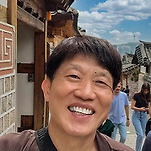
<p style="text-align: start;"><span data-ke-size="size18"><b>Confucianism, Yin-Yang and Five Elements are deeply rooted in Korean traditional culture, including architecture, art and craft.</b></span></p><p style="text-align: start;"> </p><p style="text-align: start;"><span data-ke-size="size18"><b>Through my guide, guests will explore authentic beauty of Korean traditional architectures and culture that embody philosophical principles of Confucianism, Yin-Yang and Five Elements!</b></span></p><p style="text-align: start;"> </p><p style="text-align: start;"><span data-ke-size="size18"><b>Confucianism is Korea's cultural identity!</b></span></p><p style="text-align: start;"> </p><p style="text-align: start;"><span data-ke-size="size18"><b>Paul offers tour to experience authentic Confucian culture of Korea, through basic understanding of Confucianism. </b></span><span data-ke-size="size18"><b>Paul is Korea's only traditional cultural tour guide, deeply roorted in Confucianism and ancient Eastern philosophy.</b></span></p><p style="text-align: start;"><span data-ke-size="size18"><b> </b></span></p><p style="text-align: start;"><span data-ke-size="size18"><b>Architecture and art are center of tour. Architecture represents spirit of the times. Just as Romanesque and Gothic architecture of medieval times reflect Christianity, architecture and culture of Joseon Dynasty embody Confucianism and ancient Eastern philosophy. Therefore, basic understanding of Confucianism and ancient Eastern philosophy is essential to appreciate Korea's traditional culture and architecture & art, including Geyongbokgung Palace.</b></span></p><p style="text-align: start;"><span data-ke-size="size18"><b> </b></span></p><p style="text-align: start;"><span data-ke-size="size18"><b>Paul Koo/guide provides insight of how Confucianism and ancient Eastern philosophy influenced Korean traditional culture & architecture/Gyeongbokgung, art, society and culture, based on his study about Confucianism, ancient philosophy and Korean history and culture. With basic understanding of Confucianism and ancient Eastern philosophy, you can fully enjoy not only the beauty of Korean traditional architecture, including Gyeongbokgung but also Korean traditional culture, and your trip to Seoul will be impressive and memorable in your life.</b></span></p><p style="text-align: start;"><span data-ke-size="size18"><b> </b></span></p><p style="text-align: start;"><b><span data-ke-size="size18"><span style="color: #000000; background-color: #ffffff;"><span style="background-color: #ffffff;" data-ke-size="size18">Gyeongbokgung Palace is the most beautiful place and a masterpiece</span><span style="background-color: #ffffff;" data-ke-size="size18"> of Korean traditional architecture, featuring magnificent scale, north-south linear structure and harmony in accordance with Five Elements & Yin-Yang. </span></span></span></b></p><p style="text-align: start;"> </p><p style="text-align: start;"><b><span data-ke-size="size18"><span style="color: #000000; background-color: #ffffff;" data-ke-size="size18">Gyeongbokgung is  <span data-ke-size="size18"><span style="color: #000000; background-color: #ffffff;" data-ke-size="size18"><span data-ke-size="size18"><span style="color: #000000; background-color: #ffffff;" data-ke-size="size18">a monumental architecture of Joseon Dynasty that embody</span></span></span></span> the dignity and authority of the dynasty, rooted not only in Confucian principles but also in ancient Chinese cosmological concepts like the Five Elements and Feng Shui.</span></span></b></p><p style="text-align: start;"> </p><p style="text-align: start;"><span data-ke-size="size18"><b>Changdeokgung is a remarkabe palace, featuring a unique layout and a massive, stunning 'Secret Garden'(Huwon) that perfectly blends with its natural surroundings. Changdeokgung Palace is characterized by its harmony with nature and emphasis on practical, comfortable living spaces for the royals.</b></span></p><p style="text-align: start;"><span data-ke-size="size18"><b> </b></span></p><p style="text-align: start;"><span style="color: #000000;"><b><span data-ke-size="size18">Gyeongbokgung palace, Secret Garden of Changdeokgung palace, Jongmyo Shrine, and the Royal Tombs of Joseon are 4 most beautiful places, masterpiece of Korea’s traditional architecture, and they are monumental architecture, where philosophical ideologies of Confucianism are combined with architecture and art. These 4 traditional architectures, Folk Museum of Korea, National Museum of Korea, Bukhansan Mt and Inwangsan Mt are major traditional places Paul introduce to guests.</span></b></span></p><p style="text-align: start;"> </p><p style="text-align: start;"><span data-ke-size="size18"><b>Through hands-on experiences to guide around 300 tours and continuous study for last five years, Paul established the foundational information to help tourist enjoy Korean Confucian culture.</b></span></p><p style="text-align: start;"><span data-ke-size="size18"><b>Paul is the best guide, tour curator and scholar who can introduce Korean traditional culture in English in Korea.</b></span></p><p style="text-align: start;"> </p><p style="text-align: start;"><b><span data-ke-size="size18">The goal of Paul's guide is to help tourists create archives in their minds for the records of memory and the space holding hidden historical and cultural stories and values.</span></b></p><p style="text-align: start;"> </p><p style="text-align: start;"><span data-ke-size="size18"><b>Paul provides basic understanding of core Confucian ideas and Five Elements;</b></span></p><p style="text-align: start;"><span data-ke-size="size18"><b> </b></span></p><p style="text-align: start;"><span data-ke-size="size18"><b>1. Culture, architecture and art of Joseon Dynasty embody Confucian principles.</b></span></p><p style="text-align: start;"><span data-ke-size="size18"><b>Paul share the insights on how Confucian principles influenced Korean traditional culture, architecture and art, based on my study of Confucianism, history and culture over 10 years.</b></span></p><p style="text-align: start;"> </p><p style="text-align: start;"><span data-ke-size="size18"><b>2. Extreme contrast between Korean Buddhist and Confucian art/cultures - the aesthetic contrast between the Silla crown & Goryeo celadon and Joseon white porcelain. Fundamental difference in Korea’s Buddhist and Confucian culture is that Korean Buddhist culture features aristocratic splendor, but Confucian culture of Joseon features simplicity.</b></span></p><p style="text-align: start;"> </p><p style="text-align: start;"><span data-ke-size="size18"><b>3. Ancestral worship & rituals, t</b></span><span data-ke-size="size18"><b>ombs & ancestral shrine, based on Confucian worldview and ontology:</b></span></p><p style="text-align: start;"><span data-ke-size="size18"><b>Confucian perception of life and death is based on Yin-Yang concept of Hon-Beck(spirit-soul).</b></span></p><p style="text-align: start;"><span data-ke-size="size18"><b>In Confucianism, tombs and shrines were built to reflect the functional dichotomy between burial of the physical body and veneration of the spirit. </b></span></p><p style="text-align: start;"><span data-ke-size="size18"><b>Shrines were built to reflect on nature of life and death, emphasizing ancestral roots and the belief that life is a natural cycle. Tombs are a sacred space for practicing filial piety and connecting with ancestors. </b></span><b></b></p><p style="text-align: start;"> </p><p style="text-align: start;"><span data-ke-size="size18"><b>4. Five Elements:</b></span></p><p style="text-align: start;"><span style="color: #000000; background-color: #ffffff;"><b><span style="background-color: #ffffff;" data-ke-size="size18">Five Elements form the foundational philosophy of palace architecture including the palace architecture, including Gyeongbokgung Palace and Changdeokgung Palace.</span></b></span></p><p style="text-align: start;"><span style="color: #000000; background-color: #ffffff;"><b><span style="background-color: #ffffff;" data-ke-size="size18">The Five Elements is a core cosmological concept that explains the harmonious circulation of all things in the universe through five dynamic energy phases. Wood, Fire, Earth, Metal, and Water symbolize these five phases. </span></b></span></p><p style="text-align: start;"> </p><p style="text-align: start;"><span style="color: #000000; background-color: #ffffff;" data-ke-size="size16"><b><span style="background-color: #ffffff;" data-ke-size="size18">In East Asian culture, the Five Elements are deeply rooted in a wide variety of significant fields, including architecture and spiritual belief. </span></b></span></p><p style="text-align: start;"> </p><p style="text-align: start;"><span data-ke-size="size18"><b>5. Mountain Worship Thoughts of Korea - Hiking to Bukhansan mountain and Inwangsan mountain:</b></span></p><p style="text-align: start;"><span style="color: #000000; background-color: #ffffff;"> <b><span style="background-color: #ffffff;" data-ke-size="size18">In ancient Korean culture, mountains were recognized as sacred sites possessing supernatural power, profoundly influencing daily life and society. Rooted in Shamanism, Animism, Feng Shui theory, Yin-Yang philosophy, and Buddhism, <u>this mountain worship tradition is embodied in much of Korea's traditional culture</u> and still lives on today as Koreans continue to visit mountain temples and hike mountains to connect with nature and local spirits.</span> </b> </span></p><p style="text-align: start;"><span data-ke-size="size18"><b> </b></span></p><p style="text-align: start;"><span data-ke-size="size18"><b>Paul Koo2026.04.09</b></span></p><p style="text-align: start;"><b><span data-ke-size="size18">I am Paul Koo. I am Korea’s only traditional culture guide deeply rooted in authentic Confucian philosophy. I am a tour guide with proven record track of over 300 tours for international tourists.</span></b></p><p style="text-align: start;"><b><span data-ke-size="size18">Contact: kayhkoo@hanmail.net</span></b></p><p style="text-align: start;"><b><span data-ke-size="size18">WhatsApp: 82-10-9285-4498</span></b></p><p style="text-align: start;"> </p><div class="figure-img" data-ke-type="image" data-ke-style="alignCenter" data-ke-mobilestyle="widthOrigin"><img src="https://t1.daumcdn.net/cafeattach/1ZPFY/36ce1ff2a226af95c3dbee608ddab8fa0fa88ba7" class="txc-image" width="542" height="407" data-img-src="https://t1.daumcdn.net/cafeattach/1ZPFY/36ce1ff2a226af95c3dbee608ddab8fa0fa88ba7" data-origin-width="4000" data-origin-height="3000"><div class="figcaption">Heongryemun - Gate for promotion of propriety with curved rooflines</div></div><div class="figure-img" data-ke-type="image" data-ke-style="alignCenter" data-ke-mobilestyle="widthOrigin"><img src="https://t1.daumcdn.net/cafeattach/1ZPFY/ab2ae3346ed5098f7fdef6cd32149023ac577e13" class="txc-image" width="508" height="381" data-img-src="https://t1.daumcdn.net/cafeattach/1ZPFY/ab2ae3346ed5098f7fdef6cd32149023ac577e13" data-origin-width="4000" data-origin-height="3000"></div><p>                              Center of north-south linear structure & symbol of the king's soverignty- Geunjeongjeon hall</p><div class="figure-img" data-ke-type="image" data-ke-style="alignCenter" data-ke-mobilestyle="widthOrigin"><img src="https://t1.daumcdn.net/cafeattach/1ZPFY/52c1d7da64a3281cd6e65d3ae13f6e40d91154e6" class="txc-image" width="477" height="636" data-img-src="https://t1.daumcdn.net/cafeattach/1ZPFY/52c1d7da64a3281cd6e65d3ae13f6e40d91154e6" data-origin-width="3000" data-origin-height="4000"><div class="figcaption">Dancheong. color painting based on five cardinal color of Five Elements</div></div><div class="figure-img" data-ke-type="image" data-ke-style="alignCenter" data-ke-mobilestyle="widthOrigin"><img src="https://t1.daumcdn.net/cafeattach/1ZPFY/8e9a2a191bf59c20522cf4a96de2695c988abd11" class="txc-image" width="465" height="349" data-img-src="https://t1.daumcdn.net/cafeattach/1ZPFY/8e9a2a191bf59c20522cf4a96de2695c988abd11" data-origin-width="4000" data-origin-height="3000"><div class="figcaption">Secret Garden</div></div><div class="figure-img" data-ke-type="image" data-ke-style="alignCenter" data-ke-mobilestyle="widthOrigin"><img src="https://t1.daumcdn.net/cafeattach/1ZPFY/2844bd9a5552b729393a483ec983c4d7a0f3b011" class="txc-image" width="496" height="372" data-img-src="https://t1.daumcdn.net/cafeattach/1ZPFY/2844bd9a5552b729393a483ec983c4d7a0f3b011" data-origin-width="4000" data-origin-height="3000"><div class="figcaption">Secret Garden - Buyongjoeng</div></div><div class="figure-img" data-ke-type="image" data-ke-style="alignCenter" data-ke-mobilestyle="widthOrigin"><img src="https://t1.daumcdn.net/cafeattach/1ZPFY/1086d0fcd7553c7e52e0830ea047f7b7a79f18c5" class="txc-image" width="507" height="380" data-img-src="https://t1.daumcdn.net/cafeattach/1ZPFY/1086d0fcd7553c7e52e0830ea047f7b7a79f18c5" data-origin-width="4000" data-origin-height="3000"><div class="figcaption">Jongmyo Shrine</div></div><div class="figure-img" data-ke-type="image" data-ke-style="alignCenter" data-ke-mobilestyle="widthOrigin"><img src="https://t1.daumcdn.net/cafeattach/1ZPFY/4a85f30b4fb7a81820bbe9afea24b648d081b0b2" class="txc-image" width="547" height="410" data-img-src="https://t1.daumcdn.net/cafeattach/1ZPFY/4a85f30b4fb7a81820bbe9afea24b648d081b0b2" data-origin-width="4000" data-origin-height="3000"><div class="figcaption">Sunjeongnung - Kings tomb</div></div><div class="figure-img" data-ke-type="image" data-ke-style="alignCenter" data-ke-mobilestyle="widthOrigin"><img src="https://t1.daumcdn.net/cafeattach/1ZPFY/25e3ece7ab523b92d3371f7051fe6c85d935865e" class="txc-image" width="326" height="322" data-img-src="https://t1.daumcdn.net/cafeattach/1ZPFY/25e3ece7ab523b92d3371f7051fe6c85d935865e" data-origin-width="3023" data-origin-height="2982"><div class="figcaption">golden crown of Silla Dynasty</div></div><div class="figure-img" data-ke-type="image" data-ke-style="alignCenter" data-ke-mobilestyle="widthOrigin"><img src="https://t1.daumcdn.net/cafeattach/1ZPFY/2833e3f357fcc1797c057f74aff8282670d44ad1" class="txc-image" width="558" height="419" data-img-src="https://t1.daumcdn.net/cafeattach/1ZPFY/2833e3f357fcc1797c057f74aff8282670d44ad1" data-origin-width="4000" data-origin-height="3000"><div class="figcaption">Bukhansan Mt.</div></div><div class="figure-img" data-ke-type="image" data-ke-style="alignCenter" data-ke-mobilestyle="widthOrigin"><img src="https://t1.daumcdn.net/cafeattach/1ZPFY/6395e769c9f91f9515823d1ac759ef3487d03ff2" class="txc-image" width="529" height="705" data-img-src="https://t1.daumcdn.net/cafeattach/1ZPFY/6395e769c9f91f9515823d1ac759ef3487d03ff2" data-origin-width="3000" data-origin-height="4000"><div class="figcaption">Inwangsan Mt.</div></div>
<!-- -->