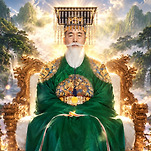
<div class="figure-img" data-ke-type="image" data-ke-style="alignLeft" data-ke-mobilestyle="widthOrigin"><img src="https://t1.daumcdn.net/cafeattach/1ABdi/0267b4435c37ade252fed9990a871ccf18fcaa36" class="txc-image" data-img-src="https://t1.daumcdn.net/cafeattach/1ABdi/0267b4435c37ade252fed9990a871ccf18fcaa36" data-origin-width="386" data-origin-height="515"></div><div class="figure-img" data-ke-type="image" data-ke-style="alignLeft" data-ke-mobilestyle="widthOrigin"><img src="https://t1.daumcdn.net/cafeattach/1ABdi/9efc4bde28855e72fc91634145daa92cf6713359" class="txc-image" data-img-src="https://t1.daumcdn.net/cafeattach/1ABdi/9efc4bde28855e72fc91634145daa92cf6713359" data-origin-width="386" data-origin-height="515"></div><p style="text-align: left;">은진미륵의 중수감괘 손모양과 송불사 미륵불<br><br>正道(정도)로 修道(수도)하여 깨닫는 目的(목적)은 <br>彌勒佛(미륵불)과 因緣(인연) 짓는데에 있다 하였다.<br><br>湖西 湖南地域(호서 호남지역)은 <br>彌勒佛(미륵불)의 始源地(시원지)라 數次 言及(수차 언급)하였다.<br><br>丙午年 庚寅月 丁巳日(병오년 경인월 정사일)은 논산의 미륵불을 찾아가다. <br>날씨는 춥다가 풀려 맨손이라도 손이 시렵지 않다. <br>車內(차내)에서는 오히려 덥다.<br><br>論山(논산)에 있는 恩津彌勒(은진미륵)은 論山觀光地 一番地(논산관광지 1번지)이다. <br>平日(평일)이라 佛子(불자)는 많지 않다. <br>數名(수명)과 마주쳐 지나가다.<br><br>戌坐辰向(술좌진향)으로 俗離山 彌勒佛 坐向(속리산 미륵불 좌향)과 같다. <br>灌燭寺(관촉사)는 坤坐 艮向(곤좌 간향)을 하였다. <br>艮坤(간곤)은 丑未(축미)와 짝하니 辰戌丑未(진술축미)의 坐向(좌향)의 절터이다. <br>卽 后天 正易(즉 후천 정역)의 運數(운수)를 알려주는 의미로써 <br>緊要(긴요)한 秘訣地(비결지)이다<br><br>恩津彌勒(은진미륵)은 忠淸南道 論山市 灌燭路 一番(충청남도 논산시 관촉로 1번)길 25 의 <br>盤若山(반야산) 중턱에 자리한다.<br><br>傳說(전설)에 따르면 盤若山(반야산)에서 고사리를 꺾던 女人(여인)이 <br>아기 울음소리가 들려 確認(확인)해 보았더니 큰 바위가 솟아났고 <br>이에 朝廷(조정)에서 혜명에게 佛像(불상)을 造成(조성)케 하였다. <br>혜명은 百餘名(100여명)의 人夫(인부)를 動員(동원)하여 <br>三十六年間(36년간,(970~1006))에 걸쳐 工事(공사)끝에 完成(완성)하였는데 <br>佛像(불상)이 너무 巨大(거대)해서 人力(인력)으로 세울 수가 없었다.<br><br>三十六(삼십육)은 六六之三十六(육육지 삼십육)의 水局陰道(수국음도)요, <br>四九之 三十六(사구지 삼십육)의 金運 后天 象數(금운 후천 상수)이면서 36궁 도수이다.<br><br>헌데 江邊(강변)에 두 童子(동자)가 塔(탑)쌓는 놀이 하는 것을 보고 <br>이에 着案(착안)하여 彌勒佛(미륵불)을 세웠다. <br>사람들은 그 두 童子(동자)를 文殊菩薩(문수보살)과 普賢菩薩(보현보살)이라 여겼다. <br>文殊(문수)는 모두 빼어난 智慧人(지혜인)이 되고 <br>普賢(보현)은 萬人(만인)이 모두 賢子(현자)라는 뜻이다.<br><br>불상이 세워지자 雨師神(우사신)이 비를 내리어 洗佛(세불)하여 주었고 <br>眉間(미간)의 玉毫(옥호)에서 빛이 發散(발산) 하므로 <br>中國(중국)의 지안대사가 물댈 灌(관), 촛불 燭(촉). 灌燭寺(관촉사)라 이름지었다 고 傳(전)해진다.<br><br>은진 미륵불 높이는 18m이니 九宮度數(구궁도수)의 乘數(승수)요, <br>비내림은 水運(수운)의 뜻이고 后天 陰道世上(후천 음도세상)을 象徵(상징)한다.<br><br>특히 미륵불은 兩手(양손)으로 重水坎卦象(중수감괘상)을 표현한다. <br>周易(주역) 29괘의 뜻이니 火運(화운)의 先天 亂世(선천난세)를 마무리 짓고 <br>后天陰道(후천음도)의 新天地(신천지)를 연다는 뜻이다.<br><br>論山(논산)은 山(산)을 論(논)한다는 뜻이고<br>나에게 꼭 맞는 精神(정신)의 地名(지명)이다. <br>至今(지금)은 鷄龍市(계룡시)가 계룡산을 등지고 있지만 <br>本來 論山(본래 논산)의 鎭山(진산)이었다. <br>물론 지금도 계룡시의 서편인 <br>上月面 大明里(상월면 대명리)은 논산시의 행정구역에 해당한다.<br><br>山(산)이 三遷成道(삼천성도)가 되도록 連結(연결)하는 곳은 <br>論山市 鷄龍山 國師峰 一名 香積山下(논산시 계룡산 국사봉 일명 향적산하)의<br>連山面(연산면)이라 錦南正脈(금남정맥)의 天護山脈下(천호산맥하)에 <br>彌勒佛(미륵불)을 세운 松佛庵(송불암)이 자리한다.<br><br>每年 陰曆 五月 五日 端午日(매년 음력 5월5일 단오일)에 <br>木神祭(매년 목신제)를 지내는 松下秘訣 寺札(송하비결 사찰)이라고 이미 言及(언급)한 바 있다.<br><br>工巧(공교)롭게도 恩津彌勒(은진미륵)과 對秤(대칭)되는 坐向(좌향)으로 세워져 있다. <br>論山 恩津彌勒(논산 은진미륵)이 兄任 彌勒佛(형님 미륵불)이라면 <br>連山 松佛庵(연산 송불암)의 彌勒佛(미륵)은 아우 彌勒格(미륵격)이다.<br><br>은진미륵은 戌坐辰向(술좌진향)을 하였고 <br>松佛庵 彌勒(송불암 미륵)은 巽坐乾向(손좌건향)을 하여 서로 마주보고 있음이라 <br>辰戌(진술)과 巽乾(손건)은 서로 同宮(동궁)이 된다. <br><br>辰戌丑未(진술축미)와 乾坤艮巽(건곤간손)의 乾坐巽向(건좌손향) 戌坐辰向(술좌진향), <br>巽坐乾向(손좌건향), 辰坐戌向(진좌술향)은 나와 因緣(인연)이 많다.<br><br>첫째 先山(선산)의 曾祖父母(증조부모)의 山所(산소)가 乾坐巽向(건좌손향)이다.<br><br>둘째 鎭安郡 朱川面 武陵里(진안군 주천면 무릉리)의 <br>修道房(수도방)이 巽坐乾向(손좌건향)이었다.<br><br>셋째 내가 出生(출생)한 故鄕(고향)의 陽宅地(양택지)도 乾坐巽向(건좌손향)이다.<br><br>넷째 祖母 山所(조모 산소)는 艮坐 坤向(간좌 곤향)이고<br><br>다섯째 先考 墓地(선고 묘지)도 祖母 墓所(조모 묘소)와 같다.<br><br>여섯째 九代祖 八代祖 高祖父母 先山(구대조 팔대조 고조부모 선산)도 巽坐乾向(손좌건향)이다.<br><br>牧牛堂主(목우당주)의 孫子(손자)이면서 <br>七代長孫(7대 장손)은 辰戌丑未 四株(진술축미 사주)이다.<br><br>地球(지구)의 黃道(황도)요, <br>正位置(정위치)의 地軸(지축)은 辰戌丑未(진술축미)이니 <br>곧 子午卯酉(자오묘유)의 쥐뿔도 없는 가짜 地軸(지축)은 退位(퇴위)하게 된다.<br><br>미륵불의 正四角帽(정사각모)는 冕旒冠(면류관)의 상징이다. <br>아미타불이 天皇(천황)이요, 地皇(지황)이며 <br>人皇(인황)이 되어 極樂世上(극락세상)을 짓는다는 말씀이다.<br><br>​<br><br>영어(English)<br><br>The purpose of practicing the right path and attaining enlightenment is said to be to establish a connection with the Maitreya Buddha.<br><br>The Hoseo and Honam regions have been mentioned numerous times as the origin of the Maitreya Buddha.<br><br>On the day of Jeongsa in the month of Gyeongin in the year of Byeong-o, I visited the Maitreya Buddha in Nonsan. The weather had been cold for a while, but it had warmed up, so my bare hands didn't get cold. It was actually hot inside the car. Eunjin Mireuk in Nonsan is the number one tourist attraction in Nonsan. As it is a weekday, there are not many Buddhists. You will encounter several people passing by. It is oriented in the direction of the dog and the dragon, which is the same as the Mireuk Buddha on Mt. Sokri. Gwanchoksa Temple is oriented in the direction of the dragon and the dragon. Gangon is paired with Chukmi, so it is a temple site facing left in Jinsulchukmi. That is, it is an important secret site that tells the fortune of the Later Heaven Jeongyeok (i.e. Later Heaven Jeongyeok). Eunjin Mireuk is located on the slope of Banyasan Mountain at 25 Gwanchok-ro 1beon-gil, Nonsan-si, Chungcheongnam-do. According to legend, a woman who was picking bracken on Banyasan Mountain heard the sound of a baby crying. When she checked, a large rock had risen up, and the court ordered Hye-myeong to create a Buddha statue. Hye-myeong mobilized over 100 workers and completed the construction over a period of 36 years (970-1006), but the statue was so huge that it could not be erected by human effort. The number thirty-six (samsipyuk) is the water yin way of the sixty-sixth division (six-sixth division), and the number of the post-heavenly image of gold (geumun) of the forty-nineth division (six-nineth division), and it is the number of the thirty-sixth palace.<br><br>However, when he saw two boys building a pagoda by the river, he took inspiration from it and built a Maitreya Buddha. People believed that the two boys were Manjushri Bodhisattva and Samantabhadra Bodhisattva. Manjushri means that all people are outstandingly wise, and Samantabhadra means that all people are wise.<br><br>It is said that when the Buddha statue was erected, the Rain God sent rain to wash the Buddha, and light emanated from the jade hair between the eyebrows, so the Chinese Great Monk Jian named it Gwanchoksa Temple, meaning water basin and candle. The Eunjin Maitreya Buddha is 18 meters tall, representing the number of the nine palace degrees, and the rain symbolizes the water cycle and the post-heavenly yin world.<br><br>In particular, the Maitreya Buddha expresses the heavy water kan hexagram with both hands. This represents the 29th hexagram of the Book of Changes, concluding the pre-heavenly turmoil of fire cycle and ushering in the new heaven and earth of the post-heavenly yin world. Nonsan means discussing a mountain, and it is a place name that perfectly suits my spirit. Although Gyeryong City now has its back to Gyeryong Mountain, it was originally Nonsan's guardian mountain. Of course, even now, Daemyeong-ri, Sangwol-myeon, to the west of Gyeryong City, is part of Nonsan City's administrative district. The place where the mountains are connected to form the Samcheonseongdo is Yeonsan-myeon, the area of Gyeryongsan National Teacher Peak, also known as Hyangjeoksanha in Nonsan-si. Songbul-am, where the Maitreya Buddha is erected, is located at the bottom of Cheonhosan Mountain in the Geumnamjeongmaek. It has already been mentioned that Songha Bigyeol Temple holds a Mokshinje (Mokshinje) every year on Dano Day (the fifth day of the fifth lunar month). Coincidentally, it is built facing left, symmetrically to Eunjin Mireuk. If Nonsan Eunjin Mireuk is the older brother Maitreya Buddha, then Yeonsan Songbulam Mireuk is the younger brother Maitreya Buddha. Eunjin Mireuk is seated facing the dog (suljwajinhyang) and Songbulam Mireuk is seated facing the dragon (sonjwageonhyang), so they face each other. Jinsul and Songeon are the same palace (donggung). Jinsulchukmi and Geongonganson's Geonjwasonhyang (Geonjwasonhyang), Suljwajinhyang (Sonjwagunhyang), and Jinjwasulhyang (Jinjwasulhyang) have many connections with me.<br><br>First, the gravesite of my great-grandparents' ancestral mountain is Geonjwasonhyang (Geonjwasonhyang). Second, the Sudobang (training room) in Mureung-ri, Jucheon-myeon, Jinan-gun was oriented in the direction of Sonjwa Geonhyang.<br><br>Third, the yangtaekji (mountain residence) of my hometown, where I was born, was also oriented in the direction of Geonjwa Sonhyang.<br><br>Fourth, my grandmother's tomb is oriented in the direction of Ganjwa Gonhyang.<br><br>Fifth, my ancestors' gravesite is also the same as my grandmother's. The sixth, ninth, eighth, and great-great-grandfather's ancestral graves are also in the Sun-ja-geon-hyang direction.<br><br>The grandson of the owner of the cattle herd and the seventh-generation eldest grandson are in the Jin-sul-chuk-mi four-column ... The ecliptic of the Earth and the axis of its correct position are Jinsulchukmi, which means that the fake axis of Jao-myo-yu, which has nothing on it, will abdicate. The regular four-cornered hat of the Maitreya Buddha is a symbol of the crown. This means that Amitabha Buddha is the Heavenly Emperor, the Earthly Emperor, and the Human Emperor, and will create the Paradise.<br><br>​<br><br>일본어<br><br>正道(水道)で修道(水道)して悟る目的(目的)は、彌勒佛(弥勒火)と因緣(縁)を建てることにあった。<br><br>湖西湖南地域(湖西湖南地域)は、彌勒佛(弥勒仏)の始源地(渋原地)と數次言及(収差言及)した。<br><br>丙午年庚寅月丁巳日(兵五年京仁月正日)は論山の弥勒火を訪ねる。天気は寒くてほぐれて素手でも手がシロクジていない。 車內(車内)ではむしろ暑い。<br><br>論山にある恩津彌勒は銀山觀光地一番地(論山観光地1番地)である。 平日(平日)だから佛子(仏子)は多くない。 數名(寿命)と向き合う。<br><br>戌坐辰向(酒座進郷)と俗離山彌勒佛坐向(俗里山弥勒火左向き)と同じ。 灌燭寺(官촉士)は坤坐艮向(苦座の向き)をした。 艮坤(ガンゴン)は丑未(祝美)と対になるので、辰戌丑未(陳述祝美)の坐向(左向き)の絶ターである。 卽后天正易(つまり後天正役)の運數(運輸)を知らせる意味で、緊要(重要)な秘訣地(秘密地)である<br><br>恩津彌勒(銀津弥勒)は忠淸南道論山市灌燭路一番(忠清南道論山市官触路1番)道25の盤若山(バンヤ山)の中腹に位置する。<br><br>傳說(伝説)によると、盤若山(バンヤサン)でシダを倒した女人(女)が赤ちゃんの泣き声が聞こえて確認(確認)してみたところ、大きな岩が湧き出て、これに朝廷(調整)で恵明に佛造(仏像)。ヘミョンは百餘名(100人余り)の人夫(人父)を動員(動員)し、三十六年(36年間、(970~1006))にかけて工事(工事)の終わりに完成(完成)したが佛像(仏像)があまりにも巨大であった。<br><br>三十六(三十六)は六六之三十六(六陸地三十六)の水局陰道(あじさい音図)であり、四九之三十六(砂丘地三十六)の金運后天象數(金雲後天定数)であり、36宮道水である。<br><br>ただ、江邊(川辺)に二人の童子(同者)が塔(塔)を積む遊びをするのを見て、これに着案(着眼)して彌勒佛(弥勒火)を建てた。人々はその二人の童子を文菩菩薩(文水菩薩)と普賢菩薩(菩薩菩薩)と考えた。 文淑(ムンス)はすべて抜けた智慧人(知恵人)となり普賢(ボヒョン)は萬人(万人)がすべて賢子(賢者)という意味だ。<br><br>仏像が建てられると、雨師神(雨士神)が雨を降りて洗佛(税仏)してくれた。 灌燭寺と名づけられたと傳になる。<br><br>ウンジン弥火の高さは18mなので、九宮度數(九宮度数)の乘數(乗数)、雨降りは水運(水運)の意味で、后天陰道世上(後天音道世界)を象徵(象徴)する。<br><br>特に、弩手は兩手で重水坎卦象を表現する。 周易(主役) 29鴨の意味だから火運の先天亂世(先天乱世)を仕上げ、后天陰道(後天音道)の新天地(新天地)を開くという意味だ。<br><br>論山(論山)は山(山)を論(論)するという意味で、私にぴったりの精神(精神)の地名(地名)である。 至今(今)は鷄龍市(桂龍市)が桂龍山を登っているが、本來論山(本来論山)の鎭山(鎭山)だった。もちろん、今でも桂龍市の西側である上月面大明里(上月面大明里)は論山市の行政区域に該当する。<br><br>山が三遷成道になるように連結するところは、論山市鷄龍山国師峰一名香積山下(論山市桂龍山国史峰別名郷積傘下)の連山面(天山下)の天山脈下彌勒佛(弥勒火)を建てた松佛庵(松仏岩)がある。<br><br>每年 陰曆 五月五日 端午日(毎年旧暦5月5日単オイル)に木神祭(毎年牧神祭)を過ごす松下秘訣寺札とすでに言及したことがある。<br><br>工巧にも恩津彌勒と銀対称の坐向(左向き)に建てられている。 論山恩津彌勒(ノンサンウンジンミュル)が兄任彌勒佛(兄弟弥勒)であれば、連山松佛庵(ヨンサンソンブルアム)の彌勒佛(ミリュ)は、<br><br>ウンジンミルクは戌坐辰向(酒座進向)を行い、松佛庵彌勒(ソンブアムミリュク)は巽坐乾向(孫左向き)をして互いに向かい合っているので辰戌(陳洞)と<br><br>辰戌丑未(陳述軸美)と乾坤艮巽(健곤間手)の乾坐巽向(建左手向き)多い。<br><br>まず、先山の曾祖父母(曾祖父母)の山所(酸素)が乾坐巽向(建左手向き)だ。<br><br>第二に鎭安郡朱川面武陵里の水道房が巽坐乾向であった。<br><br>第三に、私が出生(出生)した故鄕(故郷)の陽宅地(洋宅地)も乾坐巽向(建左手向き)だ。<br><br>第四祖母山所(祖母酸素)は艮坐坤向<br><br>五番目の先考墓地(宣告墓地)も、祖母墓所(祖母墓所)と同じだ。<br><br>第六九代祖八代祖高祖父母先山(旧大祖八大祖高祖親宣産)も巽坐乾向(孫左建香)だ。<br><br>牧牛堂主の首子でありながら、七代長孫(七代長孫)は辰戌丑未四株(陳述祝米社主)である。<br><br>地球(地球)の黄道(黄道)よ、正位置(正位置)の地軸(支軸)は辰戌丑未(陳述軸美)なので、すぐに子午卯酉(蔵王墓油)のネズミもない偽地軸(支軸)は退位(退位)<br><br>弥勒火の正四角帽(正四角毛)は冕旒冠(麺類館)の象徴である。阿弥陀仏が天皇(天皇)であり、地皇(地皇)であり、人皇(人皇)となって極樂世上(極楽世界)を建てるという御言葉だ。<br><br>Seidō ( Suidō ) De Shūdō ( Suidō ) Shi Te Satoru Mokuteki ( Mokuteki ) W<br><br>​<br><br></p>
<!-- -->