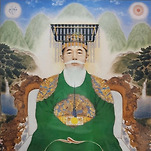
<div class="figure-img" data-ke-type="image" data-ke-style="alignLeft" data-ke-mobilestyle="widthOrigin"><img src="https://t1.daumcdn.net/cafeattach/1ABdi/03ce44041a934874e431bed35b286fedab21e60e" class="txc-image" width="560" height="680" data-img-src="https://t1.daumcdn.net/cafeattach/1ABdi/03ce44041a934874e431bed35b286fedab21e60e" data-origin-width="773" data-origin-height="938"><div class="figcaption">삽시도 土地神祭(토지신제)를 兼(겸)한 天祭奉行(천제봉행)</div></div><p style="text-align: justify;"><span style="color: #000000;" data-ke-size="size16">牧牛堂(목우당)의 四月 風水踏山(4월 풍수답산)은</span></p><p style="text-align: justify;"><span style="color: #000000;" data-ke-size="size16"> 實戰(실전)으로 堂主(당주)의 先山 十代 祖父母(선산 10대 조부모)를 移葬(이장)하는 날이다. </span></p><p style="text-align: justify;"><span style="color: #000000;" data-ke-size="size16">先山(선산)은 保寧市 珠山面 野龍里(보령시 주산면 야룡리)에 位置(위치)한다.</span></p><p style="text-align: justify;"><span style="color: #000000;" data-ke-size="size16"> 龍(용)이 들에 있다 하여 지어진 洞名(동명)이다.</span></p><p style="text-align: justify;"><span style="color: #000000;" data-ke-size="size16">私的(사적)인 일이면서 公道(공도)의 일이기도 하다. </span></p><p style="text-align: justify;"><span style="color: #000000;" data-ke-size="size16">하여 일할 수 있는 後學 道伴(후학 도반)들만 參與(참여)하니 總 十三名(총 13명)이다.</span></p><p style="text-align: justify;"><span style="color: #000000;" data-ke-size="size16"> 天火同人卦象(천화동인괘상)이다. </span></p><p style="text-align: justify;"><span style="color: #000000;" data-ke-size="size16">한울님 아버지가 降臨(강림)하신다는 象數(상수)이다.</span></p><p style="text-align: justify;"> </p><p style="text-align: justify;"><span style="color: #000000;" data-ke-size="size16">朝鮮時代(조선시대)의 病弊中(병폐중)의 한 가지가 班常制度(반상제도)로 兩班(양반)의 越權言行(월권언행)이다. </span></p><p style="text-align: justify;"><span style="color: #000000;" data-ke-size="size16">兩班 家門(양반 가문)이라 해도 庶出(서출)은 賤待(천대)를 받았으니 </span></p><p style="text-align: justify;"><span style="color: #000000;" data-ke-size="size16">아무리 잘난 人物(인물)이라도 國家(국가)에서 쓰임이 되지 못했던 일이다.</span></p><p style="text-align: justify;"><span style="color: #000000;" data-ke-size="size16">出仕(출사)를 위한 科擧試驗(과거시험)에 應試(응시)할 수 조차 없었다.</span></p><p style="text-align: justify;"> </p><p style="text-align: justify;"><span style="color: #000000;" data-ke-size="size16">堂主(당주)는 代代(대대)로 兩班家(양반가)이었으나 </span></p><p style="text-align: justify;"><span style="color: #000000;" data-ke-size="size16">10대 조모가 자녀를 두지 못한 두 庶母(서모) 다음 세번째 할머니라 하여 서출이었으니</span></p><p style="text-align: justify;"><span style="color: #000000;" data-ke-size="size16">九代祖(구대조)부터 庶出(서출)의 賤視(천시)를 받으며 代(대)를 이어 왔다. </span></p><p style="text-align: justify;"><span style="color: #000000;" data-ke-size="size16">그 十代 祖父母(10대 조부모)의 山所(산소)를 11대 조부모 바로 아래로 移葬(이장)한 것이다. </span></p><p style="text-align: justify;"> </p><p style="text-align: justify;"><span style="color: #000000;" data-ke-size="size16">三基(삼기)를 破墓(파묘)하여 一基(일기)로 合葬(합장)하는 葬事(장사)이다. </span></p><p style="text-align: justify;"><span style="color: #000000;" data-ke-size="size16">三基墓所中(삼기묘소중) 2기의 묘가 石灰(석회)로 단단하게 造成(조성)되어 있었기로</span></p><p style="text-align: justify;"><span style="color: #000000;" data-ke-size="size16"> 포크레인으로도 일하기가 어려워 時間(시간)이 많이 所要(소요)되었다. </span></p><p style="text-align: justify;"><span style="color: #000000;" data-ke-size="size16">未時(미시)의 下棺時間(하관시간)에 겨우 마치다. </span></p><p style="text-align: justify;"><span style="color: #000000;" data-ke-size="size16">後孫(후손)은 많으나 直系後孫(직계후손)은 나 以外(이외)에 五名(5명)뿐이고</span></p><p style="text-align: justify;"><span style="color: #000000;" data-ke-size="size16"> 堂主(당주)의 道伴 後學(도반 후학)들이 일하다. </span></p><p style="text-align: justify;"><span style="color: #000000;" data-ke-size="size16">筆說(필설)로나마 再三 手苦(재삼 수고)가 많았음을 表(표)하며 感謝(감사)함을 傳(전)한다. </span></p><p style="text-align: justify;"> </p><p style="text-align: justify;"><span style="color: #000000;" data-ke-size="size16">本來(본래) 葬事以後(장사이후)에 </span></p><p style="text-align: justify;"><span style="color: #000000;" data-ke-size="size16">保寧(보령)의 서쪽 삽시도로 一泊二日(일박 이일)의 水原旅行(수원여행)이 計劃(계획)되었으나 </span></p><p style="text-align: justify;"><span style="color: #000000;" data-ke-size="size16">山事(산사)로 인해 變更(변경)되어 一日 日程(일일 일정)이라</span></p><p style="text-align: justify;"><span style="color: #000000;" data-ke-size="size16"> 삽시도는 다음날 첫 배로 出航(출항)하게 되다. 아침바다는 아주 잔잔하다. </span></p><p style="text-align: justify;"><span style="color: #000000;" data-ke-size="size16">여러번 섬 旅行(여행)을 했던 가운데에서 가장 바람이 거의 없는 날이었으니</span></p><p style="text-align: justify;"><span style="color: #000000;" data-ke-size="size16"> 波濤(파도)가 없이 잔잔하여 배가 平安(평안)히 航海(항해)한 날이다.</span></p><p style="text-align: justify;"> </p><p style="text-align: justify;"><span style="color: #000000;" data-ke-size="size16">삽시도는 保寧(보령)의 오천 서방에 있다. </span></p><p style="text-align: justify;"><span style="color: #000000;" data-ke-size="size16">보령시의 主山(주산)은 聖住山(성주산)이니 聖人(성인)이 居處(거처)하였다는 뜻이고</span></p><p style="text-align: justify;"><span style="color: #000000;" data-ke-size="size16"> 鳳凰山(봉황산)과 陰陽(음양)으로 天子(천자)의 運(운)을 내리는 地域(지역)이기에 </span></p><p style="text-align: justify;"><span style="color: #000000;" data-ke-size="size16">萬民(만민)이 平安(평안)하도록 保護(보호)한다는 뜻의 故場(고장)이다.</span></p><p style="text-align: justify;"> </p><p style="text-align: justify;"><span style="color: #000000;" data-ke-size="size16">삽시도의 둘레길 半俓(반경)으로 돌며</span></p><p style="text-align: justify;"><span style="color: #000000;" data-ke-size="size16">중간 산마루에서 삽시도 土地神祭(토지신제)를 兼(겸)한 天祭奉行(천제봉행)을 하다. </span></p><p style="text-align: justify;"><span style="color: #000000;" data-ke-size="size16">삽시도는 十二名(12명)이 同行(동행)하니 十二地支(십이지지)와 十二運星 運數(십이운성 운수)이다. </span></p><p style="text-align: justify;"><span style="color: #000000;" data-ke-size="size16">三天四地(삼천사지)의 乘數(승수)로 天地合德(천지합덕)에 바다와 陸地(육지)의 合局(합국)이니</span></p><p style="text-align: justify;"><span style="color: #000000;" data-ke-size="size16"> 삽시도에서 十二地支運數(십이지지운수)를 玄武經 造化(현무경 조화)로 裝着(장착)한다는 상징이다.</span></p><p style="text-align: justify;"><span style="color: #000000;" data-ke-size="size16">男子(남자)는 八掛 八方度數(팔괘 팔방도수)로 八名(8명)이고 </span></p><p style="text-align: justify;"><span style="color: #000000;" data-ke-size="size16">女子(여자)는 四象 四方度數(사상 사방도수)로 四名(4명)이다.</span></p><p style="text-align: justify;"> </p><p style="text-align: justify;"><span style="color: #000000;" data-ke-size="size16">揷矢島(삽시도)의 行次(행차)는 </span></p><p style="text-align: justify;"><span style="color: #000000;" data-ke-size="size16">첫째 保寧市(보령시)의 西方(서방)에서 淨土(정토)의 運(운)을 迎接(영접)하기 위함이다.</span></p><p style="text-align: justify;"> </p><p style="text-align: justify;"><span style="color: #000000;" data-ke-size="size16">둘째 田獲(전획:신전)을 위한 화살 메김이다. </span></p><p style="text-align: justify;"><span style="color: #000000;" data-ke-size="size16">揷矢島(삽시도)란 화살을 활에 메긴다는 뜻의 섬 지명이니 </span></p><p style="text-align: justify;"><span style="color: #000000;" data-ke-size="size16">田獲(전획)의 本格的(본격적)인 段階(단계)를 뜻한다.</span></p><p style="text-align: justify;"><span style="color: #000000;" data-ke-size="size16">丙午年 壬辰月 癸亥日(병오년 임진월 계해일)이라</span></p><p style="text-align: justify;"><span style="color: #000000;" data-ke-size="size16"> 바다 한가운데의 삽시도에서 端午(단오)의 午火 先天(오화 선천)을 마무리 한다. </span></p><p style="text-align: justify;"> </p><p style="text-align: justify;"><span style="color: #000000;" data-ke-size="size16">셋째 十二名(12명)이 同行(동행)하며</span></p><p style="text-align: justify;"><span style="color: #000000;" data-ke-size="size16"> 삽시도 주민을 비롯한 서해의 섬들 住民(주민)과 活人之氣(활인지기)를 잇기 위함이다. </span></p><p style="text-align: justify;"><span style="color: #000000;" data-ke-size="size16">개벽상황에서 活人(활인)의 길을 튼다는 뜻이다.</span></p><p style="text-align: justify;"> </p><p style="text-align: justify;"><span style="color: #000000;" data-ke-size="size16">넷째는 窮極的(궁극적)으로 此岸(차안)에서 彼岸(피안)에 든다는 의미이다.</span></p><p style="text-align: justify;"><span style="color: #000000;" data-ke-size="size16">揷矢島 食堂(삽시도 식당)에서 中食(중식)을 하다. </span></p><p style="text-align: justify;"><span style="color: #000000;" data-ke-size="size16">丁巳時(정사시)에 食堂(식당)에 到着(도착)하여 戊午時(무오시)에 점심식사를 마치다.</span></p><p style="text-align: justify;"><span style="color: #000000;" data-ke-size="size16"> 丁巳 戊午(정사 무오)의 丁(정)이 戊(무)에 合(합)하면</span></p><p style="text-align: justify;"><span style="color: #000000;" data-ke-size="size16"> 이룰 成 字(성 자)이므로 巳午(사오)의 火運(화운)이 端午(단오)됨의 상징이라</span></p><p style="text-align: justify;"><span style="color: #000000;" data-ke-size="size16"> 後天 完成(후천완성)의 到來(도래)를 의미한다. </span></p><p style="text-align: justify;"> </p><p style="text-align: justify;"><span style="color: #000000;" data-ke-size="size16">삽시도 식당 正面(정면)에 섬이 二段 土體(이단 토체)로 龜尾(구미)의 天生山(천생산)을 닮았다. </span></p><p style="text-align: justify;"><span style="color: #000000;" data-ke-size="size16">土體運數(토체운수)를 받는다. 中食(중식)의 飯饌(반찬) 主(주) 메뉴는 꽃게탕이다.</span></p><p style="text-align: justify;"><span style="color: #000000;" data-ke-size="size16">西海岸(서해안)의 主 海産物(주 해산물)이 꽃게이기도 하다. </span></p><p style="text-align: justify;"><span style="color: #000000;" data-ke-size="size16">꽃게는 五 黃極數(오 황극수)의 乘數(승수)에 十 完成數(십 완성수)라</span></p><p style="text-align: justify;"><span style="color: #000000;" data-ke-size="size16"> 后天世界(후천세계)를 象徵(상징)하는 海物(해물)이다. </span></p><p style="text-align: justify;"><span style="color: #000000;" data-ke-size="size16">꽃게는 雜食性(잡식성)으로 사람과 같다. </span></p><p style="text-align: justify;"><span style="color: #000000;" data-ke-size="size16">우리나라 韓半島(한반도)에서 西海(서해)가 主産地(주산지)이므로 </span></p><p style="text-align: justify;"><span style="color: #000000;" data-ke-size="size16">西方靜土 氣運(서방정토 기운)에 符合(부합)한다는 말이다. </span></p><p style="text-align: justify;"> </p><p style="text-align: justify;"><span style="color: #000000;" data-ke-size="size16">삽시도에 들어갈 때에는 直行(직행)으로 單番(단번)에 運航(운항)하였으나</span></p><p style="text-align: justify;"><span style="color: #000000;" data-ke-size="size16"> 나올 때에는 두 섬을 거쳤으므로 三島(삼도)에 連結(연결)되었으니 </span></p><p style="text-align: justify;"><span style="color: #000000;" data-ke-size="size16">一(일)이 三(삼)이라는 三神精神(삼신정신)을 意味(의미)한다.</span></p><p style="text-align: justify;"><span style="color: #000000;" data-ke-size="size16">섬에 들어갈 때에는 동에서 서로 가는 선천의 여정으로 서서(立)갔으나</span></p><p style="text-align: justify;"><span style="color: #000000;" data-ke-size="size16"> 나올적에는 서에서 동으로 정신문명의 惠澤(혜택)길을 상징하매 便(편)히 앉아 왔으니 </span></p><p style="text-align: justify;"><span style="color: #000000;" data-ke-size="size16">此岸(차안)에서 彼岸(피안)으로 들었다는 뜻이기도 하다.</span></p><p> </p><p style="text-align: justify;"><span style="color: #000000;" data-ke-size="size16">※ 도반의 영몽을 소개한다.</span></p><p style="text-align: justify;"><span style="color: #000000;" data-ke-size="size16">전세계에서 제일 높은 곳으로 당주님,당모님과 도반님들과 갔습니다</span></p><p style="text-align: justify;"><span style="color: #000000;" data-ke-size="size16"> 그곳에선 우주로 갈 수 있는 로켓 정거장이 있었고 우주탐험 하려면 로켓티켓이 있어야 했습니다.</span></p><p style="text-align: justify;"><span style="color: #000000;" data-ke-size="size16">그런데 당주님께서 티켓을 놓고 오셨다고 우리끼리 다녀오라고 하셨습니다.</span></p><p style="text-align: justify;"><span style="color: #000000;" data-ke-size="size16">제가 당주님 티켓을 구해 보겠다 하고 구하러 다니다보니 </span></p><p style="text-align: justify;"><span style="color: #000000;" data-ke-size="size16">어떤 한국인 젊은 남자가 한장 판다길래 구매했습니다. </span></p><p style="text-align: justify;"><span style="color: #000000;" data-ke-size="size16">그렇게 당주님께 드리고 타러 가려고 하는데 알고보니 가짜 티켓이었습니다. </span></p><p style="text-align: justify;"><span style="color: #000000;" data-ke-size="size16">그래서 다시 구하러 다녔습니다. </span></p><p style="text-align: justify;"><span style="color: #000000;" data-ke-size="size16">이번엔 젊은 흑인남자가 판다길래 구매한다니까 대신 두장을 무조건 사야 한다는 겁니다. </span></p><p style="text-align: justify;"><span style="color: #000000;" data-ke-size="size16">그래서 어쩔 수 없이 두장값을 내고 두장을 구매하였습니다.</span></p><p style="text-align: justify;"><span style="color: #000000;" data-ke-size="size16"> 근데 돈을 어느정도 돌려주는 겁니다.</span></p><p style="text-align: justify;"><span style="color: #000000;" data-ke-size="size16">그렇게 받아서 당주님 당모님께 드리고 함께 로켓을 타고 우주로 풍수답산 여정을 향했습니다.</span></p><p style="text-align: justify;"> </p><p style="text-align: justify;"><span style="color: #000000;" data-ke-size="size16">☞본 도반의 영몽은 삽시도 여행의 의미가 있으니 상기의 삽시도 수원여행기에 그 뜻이 담겨 있다.</span></p><p style="text-align: justify;"><span style="color: #000000;" data-ke-size="size16">삽시도 메긴 화살의 손을 놓으면 우주의 신선세계에 이르게 된다.</span></p><p> </p><p style="text-align: justify;"><span style="color: #000000;" data-ke-size="size18">​</span></p><p style="text-align: justify;"><span style="color: #000000;" data-ke-size="size18">​</span></p><p style="text-align: justify;"><span style="color: #000000;" data-ke-size="size18"><b>영어(English)</b></span></p><p style="text-align: justify;"><span style="color: #000000;" data-ke-size="size18">Mogudang’s April Feng Shui Mountain Climbing is a day of actual battle to relocate the graves of the head of the shrine’s tenth-generation grandparents.</span></p><p style="text-align: justify;"><span style="color: #000000;" data-ke-size="size18">The ancestral burial ground is located in Yaryong-ri, Jusan-myeon, Boryeong-si. The neighborhood name was given because a dragon is said to be in the field.</span></p><p style="text-align: justify;"><span style="color: #000000;" data-ke-size="size18">It is a private matter, yet it is also a matter of the public good. Therefore, only junior disciples and fellow practitioners capable of working participated, totaling thirteen people. It is the Heavenly Fire Tongin Hexagram. It is a symbolic number indicating the descent of the Heavenly Father.</span></p><p style="text-align: justify;"><span style="color: #000000;" data-ke-size="size18">One of the ills of the Joseon Dynasty was the Bansang system, specifically the abuse of power by the Yangban. Even within a noble family, those born out of wedlock were treated with contempt; thus, no matter how distinguished a person was, they could not be utilized by the state. They were not even allowed to take the civil service examination to enter government service.</span></p><p style="text-align: justify;"><span style="color: #000000;" data-ke-size="size18">Although the head of the household had been a noble family for generations, his tenth-generation grandmother was a child born out of wedlock because she was the third grandmother following two childless concubines; thus, starting from his ninth-generation ancestor, the family has continued to face the contempt of being a child born out of wedlock for generations. The graves of the tenth-generation grandparents were relocated to the site directly below that of the eleventh-generation grandparents.</span></p><p style="text-align: justify;"><span style="color: #000000;" data-ke-size="size18">This was a funeral involving the excavation of three graves to consolidate them into a single joint burial. Since two of the three graves were solidly constructed with lime, it was difficult to work with even an excavator, and the process took a considerable amount of time. It was barely completed by the time of the burial at Misi. Although there are many descendants, there are only five direct descendants besides myself, and the work is being done by the disciples and fellow practitioners of the Head of the Hall. I would like to express, albeit in writing, the great labor they have expended once again, and convey my gratitude. Originally, a two-day, one-night trip to Suwon to Sapsido, west of Boryeong, was planned after the funeral; however, due to a mountain funeral, the itinerary was changed to a one-day trip, so we departed for Sapsido on the first boat the following day. The morning sea was very calm. Of all the island trips I have taken, this was the day with the almost no wind; since the water was calm without waves, the boat sailed peacefully.</span></p><p style="text-align: justify;"><span style="color: #000000;" data-ke-size="size18">Sapsido is located west of Ocheon in Boryeong. The main mountain of Boryeong City is Seongjusan, meaning that a sage resided there; it is a region that, together with Bonghwangsan, bestows the destiny of the Son of Heaven through Yin and Yang, signifying a place of protection that ensures the peace and well-being of all people.</span></p><p style="text-align: justify;"><span style="color: #000000;" data-ke-size="size18">Walking halfway along the perimeter trail of Sapsido, a Heavenly Ritual was performed at the middle mountain ridge, combined with the Sapsido Earth God Ritual. Sapsido represents the Twelve Earth Branches and the Twelve Fortune Stars, as twelve people travel together. As the multiplier of the Three Heavens and Four Earths, it signifies the union of Heaven and Earth in virtue and the combination of the sea and land; it symbolizes that the Twelve Earth Branch Fortunes are equipped on Sapsido through the creation of the Hyunmu-gyeong. There are eight men based on the Eight Trigrams and Eight Directions, and four women based on the Four Symbols and Four Directions.</span></p><p style="text-align: justify;"><span style="color: #000000;" data-ke-size="size18">The procession to Sapsido is, firstly, to welcome the fortune of the Pure Land from the west of Boryeong City.</span></p><p style="text-align: justify;"><span style="color: #000000;" data-ke-size="size18">Secondly, it is the nodding of arrows for the harvest. Sapsido is an island name meaning "to nock an arrow onto a bow," signifying the full-scale stage of Jeonhoek.</span></p><p style="text-align: justify;"><span style="color: #000000;" data-ke-size="size18">As it is the Year of Byeong-o, Month of Imjin, Day of Gyehae, the Innate Fire of O-hwa of Dano is concluded on Sapsido in the middle of the sea.</span></p><p style="text-align: justify;"><span style="color: #000000;" data-ke-size="size18">Thirdly, twelve people are traveling together to connect the spirit of life with the residents of the islands in the West Sea, including the inhabitants of Sapsido. It signifies paving the way for saving lives amidst the situation of Gaebyeok. The fourth is the meaning of ultimately entering the other shore from this shore.</span></p><p style="text-align: justify;"><span style="color: #000000;" data-ke-size="size18">Had lunch at Sapsido Restaurant. Arrived at the restaurant at Jeongsa-si and finished lunch at Muo-si. When the character (Ding) in combines with (Wu), it forms the character (Cheng), </span></p><p style="text-align: justify;"><span style="color: #000000;" data-ke-size="size18">meaning "to accomplish." Therefore, since this symbolizes the Fire element of becoming Dano, it signifies the arrival of the Post-Heaven Completion.</span></p><p style="text-align: justify;"><span style="color: #000000;" data-ke-size="size18">The island directly in front of the Sapsido Restaurant resembles Cheonsaengsan Mountain in Gumi, featuring a two-tiered earthen structure. It receives the Earth element fortune. The main side dish for lunch is blue crab stew. The blue crab is also the main seafood product of the West Coast.</span></p><p style="text-align: justify;"><span style="color: #000000;" data-ke-size="size18">The blue crab is a creature that symbolizes the Post-Heavenly World, as it is the multiplier of the Five Supreme Ultimate Numbers and the number of completion, ten. Blue crabs are omnivorous, just like humans. Since the West Sea is the main production area of the Korean Peninsula, this means it aligns with the energy of the Western Pure Land. When entering Sapsido, the ship sailed directly in a single trip, but when leaving, it passed through two islands, thus connecting to the Three Islands; this signifies the spirit of the Three Gods, where one becomes three.</span></p><p style="text-align: justify;"><span style="color: #000000;" data-ke-size="size18">When entering the island, the journey was a pre-heavenly one traveling from east to west while standing, but when leaving, the path from west to east symbolizes the path of the blessings of spiritual civilization; since the ship traveled while sitting comfortably, it also means that one has entered the other shore from this shore.</span></p><p style="text-align: justify;"><span style="color: #000000;" data-ke-size="size18">​</span></p><p style="text-align: justify;"><span style="color: #000000;" data-ke-size="size18"><b>일본어</b></span></p><p style="text-align: justify;"><span style="color: #000000;" data-ke-size="size18">牧牛堂(牧牛堂)の四月風水踏山(4月風水答山)は、實戰(実戦)で堂主(当主)の先山十代祖父母(善山十代祖父母)を移葬(理長)する日だ。</span></p><p style="text-align: justify;"><span style="color: #000000;" data-ke-size="size18">先山は保寧市珠山面野龍里に位置する。 龍(龍)が野にあるとして建てられた洞名(同名)だ。</span></p><p style="text-align: justify;"><span style="color: #000000;" data-ke-size="size18">私的(私的)なことであり、公道(工道)の仕事でもある。して働ける後學道伴だけが參與(参加)するので、總十三名(合計13人)だ。 天火 同人卦象(天火同人崇像)だ。ハンウル様の父が降臨(降臨)されるという象數(定数)だ。</span></p><p style="text-align: justify;"><span style="color: #000000;" data-ke-size="size18">朝鮮時代(朝鮮時代)の病폐中(病廃中)の一つが班常制度(半上制度)で、兩班(両班)の越權言行(月権言行)である。 兩班家門(ヤンバン家門)としても、庶出(西出)は賤待(天台)を受けたので、どんなに良くなった人物(人物)でも国家(国家)で使われなかったことだ。 出仕(出社)のための科擧試驗(過去試験)に應試(受験)することさえできなかった。</span></p><p style="text-align: justify;"><span style="color: #000000;" data-ke-size="size18">当主は代代で大兩班家だったが、10代の祖母が子どもを置くことができなかった二人の庶母(サーモ)の次の3人の祖母と呼ばれている。来ました。その十代祖父母(10代祖父母)の山所(酸素)を11代祖父母の真下に移葬したのだ。</span></p><p style="text-align: justify;"><span style="color: #000000;" data-ke-size="size18">三基(三気)を破墓(破墓)して一基(日記)に合葬(合長)する葬事(商売)である。 三基墓所中(三紀墓所中) 2基の墓が石灰(石灰)でしっかりと造成(造成)されていたので、フォークレーンでも働きにくく、時間(時間)が多く所要(所要)された。 未時(ミシ)の下棺時間(下管時間)にやっと終わる。 後孫(子孫)は多いが、直系後孫(直系子孫)は私以外(他)に五名(5人)だけで、堂主(当主)の道伴後學(扶桑後学)が働く。 筆說(筆説)にも再三手苦(再三手間)が多かったことを表(表)して感謝(感謝)することを傳(前)する。</span></p><p style="text-align: justify;"><span style="color: #000000;" data-ke-size="size18">本來(本来)葬事以後(長西後)に保寧(保寧)の西側の斜視道路で、一泊二日(一泊二日)の水原旅行(水原旅行)が計劃(計画)されたが、山事(山寺)のために変更日に変更され、一日の日程出航(出航)することになる。朝の海はとても穏やかです。何度も島旅行(旅行)をした中で最も風がほとんどない日だったので、波濤(波)がなく穏やかで船が平安(平安)に航海(航海)した日だ。</span></p><p style="text-align: justify;"><span style="color: #000000;" data-ke-size="size18">サプシドは保寧(保寧)の五千西方にある。保寧市の主山は聖住山であり、聖人が成人が居住したことを意味し、鳳凰山と鳳凰で陰子で天子の運を運ぶ地域である。意味の故場(故障)だ。</span></p><p style="text-align: justify;"><span style="color: #000000;" data-ke-size="size18">サプシドの周り半半(半径)に回り、中山丸でシャプシも土地神祭(土地神祭)を兼ねた天祭奉行(天帝奉行)をする。シャーシ図は十二名(12人)が同行(同行)するので、十二地支(十二支)と十二運星運數(十二運城運輸)である。 三天四地(三千四寺)の乘數(乗数)で天地合德(天地合徳)に海と陸地(陸地)の合局(合国)なので、挿視図から十二地支運數(十二支運水)を玄武經造化 男子(男)は八掛八方度數(八崇八方度数)で八名(8人)、女子(女)は四象四方度數(思想四方度数)で四名(4人)である。</span></p><p style="text-align: justify;"><span style="color: #000000;" data-ke-size="size18">揷矢島の行次は、最初に保寧市の西方から西淨土の運を迎接するためである。</span></p><p style="text-align: justify;"><span style="color: #000000;" data-ke-size="size18">第二の田捕(戦画:神殿)のための矢の埋め立てだ。 揷矢島(サプシド)とは、矢を弓に埋め込むという意味の島地名であるため、田捕の本格的(本格的)な段階(段階)を意味する。</span></p><p style="text-align: justify;"><span style="color: #000000;" data-ke-size="size18">丙午年壬辰月癸亥日(病五年臨津月啓海日)と海の真ん中のシャプシー図で端午の午火先天(五火先天)を仕上げる。</span></p><p style="text-align: justify;"><span style="color: #000000;" data-ke-size="size18">第三十二名(12人)が同行(同行)し、シャプシーも住民をはじめとする西海の島々住民(住民)と活人之氣(活認知期)をつなぐためだ。開壁状況で活人の道を立てるという意味だ。</span></p><p style="text-align: justify;"><span style="color: #000000;" data-ke-size="size18">第四は、窮極的(究極的)で、此岸(車眼)から彼岸(被安)にかかるという意味だ。</span></p><p style="text-align: justify;"><span style="color: #000000;" data-ke-size="size18">揷矢島食堂(サプシド食堂)で中食(中食)をする。 丁巳時(正社市)に食堂(食堂)に到着(到着)し、戊午時(武午市)に昼食を終える。 丁巳戊午の正(丁)が戊に合(合)すると成る成字(聖者)なので、巳午(サオ)の火運(華運)が端午(端午)の象徴であり、後天完成(後天完成)の到來</span></p><p style="text-align: justify;"><span style="color: #000000;" data-ke-size="size18">サプシも食堂正面に島が二段土體(異端土体)で龜尾の天生山に似ている。 土體運數(土体運輸)を受ける。 中食(中食)の飯饌(おかず) 主(株)メニューは花ゲタンである。 西海岸(西海岸)の主海産物(主海産物)が花ゲーでもある。</span></p><p style="text-align: justify;"><span style="color: #000000;" data-ke-size="size18">カニは五黃極數(五黄極水)の乘數(乗数)に十完成數(十完成水)と后天世界(後天世界)を象徵(象徴)する海物(海鮮)である。カニは雜食性(雑食性)で人のようだ。韓国の韓半島で西海が西産地であるので、西方靜土气運に銘合するという。</span></p><p style="text-align: justify;"><span style="color: #000000;" data-ke-size="size18">シャッシド島に入るときは直行(直行)で單番(一番)に運航(運航)したが出てくる時には二つの島を経たので三島(三島)に連結(連結)されたので、一(日)が三(三)という三神精神(三神精神)を意味(意味)する。</span></p><p style="text-align: justify;"><span style="color: #000000;" data-ke-size="size18">島に入るときには、東から互いに行く先天の旅程で立って行ったが、出てくる敵には、西から東に精神文明の惠澤(恩恵)の道を象徴し、便に座ってきたので、慶岸(チャアン)から彼岸(ピアン)に聞いたという意味でもある。</span></p><p style="text-align: justify;"><span style="color: #000000;" data-ke-size="size18">​</span></p><p style="text-align: justify;"><span style="color: #000000;" data-ke-size="size18"><b>스페인어</b></span></p><p style="text-align: justify;"><span style="color: #000000;" data-ke-size="size18">La ascensión a la montaña según el Feng Shui de Mogudang en abril es una jornada de verdadera batalla para reubicar las tumbas de los abuelos de la décima generación del santuario.</span></p><p style="text-align: justify;"><span style="color: #000000;" data-ke-size="size18">El cementerio ancestral se encuentra en Yaryong-ri, Jusan-myeon, Boryeong-si. El nombre del barrio se debe a que se dice que un dragón habita en el lugar.</span></p><p style="text-align: justify;"><span style="color: #000000;" data-ke-size="size18">Es un asunto privado, pero también de interés público. Por lo tanto, solo participaron discípulos jóvenes y practicantes capacitados, un total de trece personas. Se trata del hexagrama Tongin del Fuego Celestial, un número simbólico que indica el descenso del Padre Celestial.</span></p><p style="text-align: justify;"><span style="color: #000000;" data-ke-size="size18">Uno de los males de la dinastía Joseon fue el sistema Bansang, específicamente el abuso de poder por parte de los Yangban. Incluso dentro de una familia noble, los nacidos fuera del matrimonio eran tratados con desprecio; por lo tanto, sin importar cuán distinguida fuera una persona, no podía ser utilizada por el Estado. Ni siquiera se les permitía presentarse al examen de la función pública para ingresar al servicio gubernamental.</span></p><p style="text-align: justify;"><span style="color: #000000;" data-ke-size="size18">Aunque el cabeza de familia pertenecía a una familia noble desde hacía generaciones, su abuela de décima generación nació fuera del matrimonio, pues era la tercera abuela tras dos concubinas sin hijos. Así, desde su ancestro de novena generación, la familia ha sufrido el estigma de la ilegitimidad durante generaciones. Las tumbas de los abuelos de décima generación fueron trasladadas al lugar situado justo debajo de la de los abuelos de undécima generación.</span></p><p style="text-align: justify;"><span style="color: #000000;" data-ke-size="size18">Este funeral implicó la excavación de tres tumbas para consolidarlas en un único entierro conjunto. Dado que dos de las tres tumbas estaban sólidamente construidas con cal, el trabajo resultó difícil incluso con una excavadora, y el proceso llevó bastante tiempo. Apenas se había completado para el momento del entierro en Misi. Aunque hay muchos descendientes, solo hay cinco descendientes directos además de mí, y el trabajo lo realizan los discípulos y compañeros practicantes del Jefe del Salón. Quisiera expresar, aunque sea por escrito, el gran esfuerzo que han realizado una vez más y transmitirles mi gratitud. Originalmente, se había planeado un viaje de dos días y una noche a Suwon, a Sapsido, al oeste de Boryeong, después del funeral; sin embargo, debido a que el funeral se celebró en la montaña, el itinerario se modificó a un viaje de un día, así que partimos hacia Sapsido en el primer barco al día siguiente. El mar estaba muy tranquilo por la mañana. De todos los viajes a islas que he realizado, este fue el día con casi nada de viento; como el agua estaba en calma, sin olas, el barco navegó plácidamente.</span></p><p style="text-align: justify;"><span style="color: #000000;" data-ke-size="size18">Sapsido se encuentra al oeste de Ocheon, en Boryeong. La montaña principal de la ciudad de Boryeong es Seongjusan, cuyo nombre significa "donde residió un sabio"; es una región que, junto con Bonghwangsan, otorga el destino del Hijo del Cielo a través del Yin y el Yang, simbolizando un lugar de protección que garantiza la paz y el bienestar de todos.</span></p><p style="text-align: justify;"><span style="color: #000000;" data-ke-size="size18">Al recorrer la mitad del sendero perimetral de Sapsido, se realizó un Ritual Celestial en la cresta central de la montaña, combinado con el Ritual del Dios de la Tierra de Sapsido. Sapsido representa las Doce Ramas de la Tierra y las Doce Estrellas de la Fortuna, ya que doce personas viajan juntas. Como multiplicador de los Tres Cielos y las Cuatro Tierras, simboliza la unión del Cielo y la Tierra en virtud y la combinación del mar y la tierra; representa que las Doce Fortunas de las Ramas de la Tierra se encuentran en Sapsido gracias a la creación del Hyunmu-gyeong. Hay ocho hombres basados en los Ocho Trigramas y las Ocho Direcciones, y cuatro mujeres basadas en los Cuatro Símbolos y las Cuatro Direcciones.</span></p><p style="text-align: justify;"><span style="color: #000000;" data-ke-size="size18">La procesión a Sapsido tiene como objetivo, en primer lugar, dar la bienvenida a la fortuna de la Tierra Pura desde el oeste de la ciudad de Boryeong.</span></p><p style="text-align: justify;"><span style="color: #000000;" data-ke-size="size18">En segundo lugar, es el ritual de las flechas para la cosecha. Sapsido es el nombre de una isla que significa "colocar una flecha en un arco", lo que simboliza la etapa de Jeonhoek en su máxima expresión.</span></p><p style="text-align: justify;"><span style="color: #000000;" data-ke-size="size18">Como es el Año de Byeong-o, Mes de Imjin, Día de Gyehae, el Fuego Innato de O-hwa de Dano culmina en Sapsido, en medio del mar.</span></p><p style="text-align: justify;"><span style="color: #000000;" data-ke-size="size18">En tercer lugar, doce personas viajan juntas para conectar el espíritu de la vida con los habitantes de las islas del Mar del Oeste, incluyendo a los de Sapsido. Esto simboliza allanar el camino para salvar vidas en medio de la situación de Gaebyeok. En cuarto lugar, representa el significado de entrar finalmente en la otra orilla desde esta.</span></p><p style="text-align: justify;"><span style="color: #000000;" data-ke-size="size18">Almorzamos en el restaurante de Sapsido. Llegamos al restaurante de Jeongsa-si y terminamos de almorzar en Muo-si. Cuando el carácter(Ding) en se combina con (Wu), forma el carácter (Cheng), que significa "lograr". Por lo tanto, dado que esto simboliza que el elemento Fuego de 巳午 se convierte en Dano, significa la llegada de la Finalización Posterior al Cielo.</span></p><p style="text-align: justify;"><span style="color: #000000;" data-ke-size="size18">La isla situada justo enfrente del restaurante Sapsido se asemeja al monte Cheonsaengsan en Gumi, con una estructura de tierra de dos niveles. Recibe la fortuna del elemento Tierra. El plato principal del almuerzo es un guiso de cangrejo azul. El cangrejo azul es, además, el principal producto del mar de la costa oeste.</span></p><p style="text-align: justify;"><span style="color: #000000;" data-ke-size="size18">El cangrejo azul es una criatura que simboliza el Mundo Poscelestial, ya que multiplica los Cinco Números Supremos Supremos y el número diez, que representa la plenitud. Los cangrejos azules son omnívoros, al igual que los humanos. Dado que el Mar del Oeste es la principal zona de producción de la península coreana, esto significa que se alinea con la energía de la Tierra Pura Occidental. Al entrar en Sapsido, el barco navegó directamente en un solo viaje, pero al partir, pasó por dos islas, conectándose así con las Tres Islas; esto simboliza el espíritu de los Tres Dioses, donde uno se convierte en tres.</span></p><p style="text-align: justify;"><span style="color: #000000;" data-ke-size="size18">Al entrar en la isla, el viaje era precelestial, viajando de este a oeste de pie, pero al salir, el camino de oeste a este simboliza el camino de las bendiciones de la civilización espiritual; puesto que el barco viajaba sentado cómodamente, también significa que se ha entrado en la otra orilla desde esta orilla.</span></p><p><b>[출처]</b> <a style="color: #000000;" href="https://blog.naver.com/nerumi79/224281906223" target="_blank" class="ke-link"># 牧牛堂主 一代記(목우당주 일대기)(378) The biography of Mokwoodangju</a>|<b>작성자</b> <a style="color: #000000;" href="https://blog.naver.com/nerumi79" target="_blank" class="ke-link">해인1691 HAE IN 1691</a></p>
<!-- -->