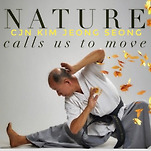
<p style="text-align: left;">In English and Korean <br>영문 및 국문 번역<br></p><div class="figure-img" data-ke-type="image" data-ke-style="alignCenter" data-ke-mobilestyle="widthOrigin"><img src="https://t1.daumcdn.net/cafeattach/1XBdW/59dceab95bb9fae3a2fcc8f891f18e303775381c" class="txc-image" data-img-src="https://t1.daumcdn.net/cafeattach/1XBdW/59dceab95bb9fae3a2fcc8f891f18e303775381c" data-origin-width="2048" data-origin-height="2048"></div><p style="text-align: left;"><br>In many cases, general seminars are limited to teaching physical techniques exactly as they were learned — without further depth.<br>However, teaching, dissemination, and transmission each carry very different meanings and responsibilities.<br><br>If you are a martial arts instructor, it is worth taking a moment to reflect:<br>At what stage are you in your martial journey?<br>Are you simply teaching what you’ve learned?<br>Are you actively working to disseminate the art more widely?<br>Or are you truly transmitting the essence of your martial system — its techniques, philosophy, and healing principles — to the next generation?<br><br>Below, we will clarify the differences between these three important concepts:<br><br>1. Teaching<br>2. Dissemination<br>3. Transmission<br><br>■ JinyoungSsangkum Ryu Haedong Kumdo is a practice that seeks to master the fundamental principles of body movement in accordance with the laws of nature.<br><br> It focuses on understanding the principle of natural body movement through energy flow, which is cultivated through Kimu practice to develop the Kimu body.<br><br>This becomes a lifelong companion, a guiding light, and a milestone for martial arts training and everyday life. Ultimately, it aims to lead practitioners toward the ultimate goal of human life: spiritual growth.<br><br>Simply describing it as teaching or disseminating is inadequate. As explained in the book "Searching for the Forgotten Half in Martial Arts", JinyoungSsangkum Ryu Haedong Kumdo is the first in the 21st century to transmit the forgotten half of martial arts, embodying this lost essence and tradition.<br><br>■ 많은 경우, 일반적인 세미나는 그저 예전에 배워온 대로 육체적 술기만을 가르치는(teaching) 데 그치기도 한다.<br>하지만 가르침(Teaching), 보급(Dissemination), 전수(Transmission) 는 각각 의미하는 바도, 그에 따르는 책임도 분명히 다르다.<br><br>당신이 무술 지도자라면, <br>○지금 당신의 수련은 어느 단계에 와 있는지,<br>○단지 배운 것을 가르치고만 있는지,<br>○무예를 널리 보급하려 하고 있는지,<br>○혹은 그 무예의 본질 — 즉, 술기와 철학, 의술이 통합된 핵심을 전수하고 있는지를 스스로 돌아볼 필요가 있다.<br><br>아래에서는 이 세 가지 중요한 개념 —<br><br>1. 가르침 (Teaching)<br>2. 보급 (Dissemination)<br>3. 전수 (Transmission)<br>— 의 차이를 명확히 구분해 보았다.<br><br>■ JinyoungSsangkum Ryu Haedong Kumdo 는 자연의 이치에 따른 몸 움직임의 근본을 터득하며, energy flow를 바탕으로 몸이 저절로 움직이는 원리를 통해 Kimu practice 를 통해 기무체를 만들어간다. <br><br>그것은 사는 동안<br>무술 수련과 평생 삶을 위한 반려자가 되며, 등불이되고, 이정표가 되어 <br>인간삶의 궁극적 목표인 영적성장에 이르는 것에 있다.<br><br>그것을 그냥 가르치거나 보급한다는 말은 부족하다. "Searching for the Forgotten Half in Martial Arts " 의 책 출판을 통해 이미 설명했지만, 21세기 처음으로 나타내는 잃어버린 무술의 반쪽을 전수하는 곳이 진영쌍검류 해동검도다. <br><br>■ 전수와 보급, 가르침의 차이<br></p><div class="figure-img" data-ke-type="image" data-ke-style="alignCenter" data-ke-mobilestyle="widthOrigin"><img src="https://t1.daumcdn.net/cafeattach/1XBdW/0c70468519affbfba3c1dca18cdc25ffedf76c8c" class="txc-image" data-img-src="https://t1.daumcdn.net/cafeattach/1XBdW/0c70468519affbfba3c1dca18cdc25ffedf76c8c" data-origin-width="848" data-origin-height="1023"></div><p style="text-align: left;"><br>■ <span style="color: #006DD7;"><span data-ke-size="size20">The Distinction Between Teaching, Dissemination, and Transmission</span></span><br><br>1. Teaching<br><br>Definition: The general act of transferring knowledge or skills to others, regardless of the audience or purpose.<br><br>Scope: A broad and neutral concept that applies to both individuals and groups.<br><br>Example: "I teach English to students."<br><br><br>2. Teaching vs. Dissemination (보급)<br><br>Dissemination: While teaching is involved, dissemination focuses on making knowledge or skills widely known and accessible to a large audience.<br><br>Purpose: To popularize or broadly distribute information, knowledge, or techniques.<br><br>Example: "The government disseminated agricultural techniques to farmers."<br><br>Key Difference: Dissemination emphasizes mass distribution, rather than individualized instruction.<br><br><br>3. Teaching vs. Transmission (전수)<br><br>Transmission: While teaching is also part of the process, transmission highlights deep, systematic instruction with the aim of preserving traditions or specialized expertise.<br><br>Purpose: To ensure that knowledge or skills are inherited and continued by a specific individual or group.<br><br>Example: "The master transmitted the secrets of martial arts to their apprentice."<br><br>Key Difference: Transmission focuses on continuity and preservation, rather than simple instruction.<br><br><br>■ Summary Comparison<br><br>Teaching: A general act of sharing knowledge or skills.<br><br>Dissemination: Teaching with the goal of reaching a broad audience.<br><br>Transmission: Teaching with the intention of preserving traditions or expertise for the future.<br><br><br>■ Analogy<br><br>Teaching: Planting a seed.<br><br>Dissemination: Planting seeds everywhere.<br><br>Transmission: Carefully nurturing a special seed and passing it on to the next generation.<br><br><br>■가르침, 보급, 전수의 차이점에 대한 설명<br></p><div class="figure-img" data-ke-type="image" data-ke-style="alignCenter" data-ke-mobilestyle="widthOrigin"><img src="https://t1.daumcdn.net/cafeattach/1XBdW/2ebc6f1d507a93bd60c6db09e21bd447bca3c6e9" class="txc-image" data-img-src="https://t1.daumcdn.net/cafeattach/1XBdW/2ebc6f1d507a93bd60c6db09e21bd447bca3c6e9" data-origin-width="720" data-origin-height="716"></div><p style="text-align: left;"><br>1. 가르침 (Teaching)<br><br>정의: 대상이나 목적에 상관없이 지식이나 기술을 다른 사람에게 전달하는 일반적인 행위.<br><br>범위: 개인과 그룹 모두에게 적용되는 폭넓고 중립적인 개념.<br><br>예시: "나는 학생들에게 영어를 가르친다."<br><br><br>2. 가르침 vs. 보급 (Dissemination)<br><br>보급: 가르침이 포함되지만, 보급은 지식이나 기술을 널리 알리고 많은 사람들이 접근할 수 있게 하는 데 중점을 둔다.<br><br>목적: 정보, 지식 또는 기술을 대중적으로 확산시키는 것.<br><br>예시: "정부는 농업 기술을 농민들에게 보급했다."<br><br>주요 차이점: 보급은 대중적인 확산에 중점을 두며, 개별적인 가르침보다는 널리 퍼뜨리는 데 의의가 있다.<br><br>3. 가르침 vs. 전수 (Transmission)<br><br>전수: 가르침이 과정에 포함되지만, 전수는 전통이나 전문 기술을 체계적으로 전달하며 보존하는 데 중점을 둔다.<br><br>목적: 특정 개인이나 그룹이 지식이나 기술을 계승하고 지속하도록 보장하는 것.<br><br>예시: "스승이 제자에게 무술의 비법을 전수했다."<br><br>주요 차이점: 전수는 단순한 가르침이 아니라, 지속성과 보존에 중점을 둔다.<br><br><br>■ 비교 및 요약<br><br>가르침: 지식이나 기술을 공유하는 일반적인 행위.<br><br>보급: 넓은 대중을 대상으로 하는 가르침.<br><br>전수: 전통이나 전문 기술을 미래를 위해 보존하고 전달하는 가르침.<br><br><br>■ 예시<br><br>가르침: 씨앗을 심는다.<br><br>보급: 씨앗을 여러 곳에 심는다.<br><br>전수: 특별한 씨앗을 소중히 키워 다음 세대에 전달한다.<br><br><br></p><div class="figure-img" data-ke-type="image" data-ke-style="alignCenter" data-ke-mobilestyle="widthOrigin"><img src="https://t1.daumcdn.net/cafeattach/1XBdW/f41e2ef452edaadb9ce4c464152269ee0a72d046" class="txc-image" data-img-src="https://t1.daumcdn.net/cafeattach/1XBdW/f41e2ef452edaadb9ce4c464152269ee0a72d046" data-origin-width="1024" data-origin-height="1536"></div><p style="text-align: left;"></p><div class="figure-img" data-ke-type="image" data-ke-style="alignCenter" data-ke-mobilestyle="widthOrigin"><img src="https://t1.daumcdn.net/cafeattach/1XBdW/9bd9099e87a75eea5fef166cb85867e260fa6207" class="txc-image" data-img-src="https://t1.daumcdn.net/cafeattach/1XBdW/9bd9099e87a75eea5fef166cb85867e260fa6207" data-origin-width="766" data-origin-height="758"></div><div class="figure-img" data-ke-type="image" data-ke-style="alignCenter" data-ke-mobilestyle="widthOrigin"><img src="https://t1.daumcdn.net/cafeattach/1XBdW/83157d097b9bc8a0418c3ec192e284b013e0f778" class="txc-image" data-img-src="https://t1.daumcdn.net/cafeattach/1XBdW/83157d097b9bc8a0418c3ec192e284b013e0f778" data-origin-width="762" data-origin-height="751"></div><p style="text-align: left;"></p><div class="figure-img" data-ke-type="image" data-ke-style="alignCenter" data-ke-mobilestyle="widthOrigin"><img src="https://t1.daumcdn.net/cafeattach/1XBdW/cc3f51cc0202540ff2538677e9634b5d2a00253e" class="txc-image" data-img-src="https://t1.daumcdn.net/cafeattach/1XBdW/cc3f51cc0202540ff2538677e9634b5d2a00253e" data-origin-width="736" data-origin-height="1054"></div><p style="text-align: left;"></p><div class="figure-img" data-ke-type="image" data-ke-style="alignCenter" data-ke-mobilestyle="widthOrigin"><img src="https://t1.daumcdn.net/cafeattach/1XBdW/9006fd7b0dd889a8dc7992c222c747cf91991c16" class="txc-image" data-img-src="https://t1.daumcdn.net/cafeattach/1XBdW/9006fd7b0dd889a8dc7992c222c747cf91991c16" data-origin-width="720" data-origin-height="709"></div><div class="figure-img" data-ke-type="image" data-ke-style="alignCenter" data-ke-mobilestyle="widthOrigin"><img src="https://t1.daumcdn.net/cafeattach/1XBdW/8d38045dfe4ad6d56be8b647d13c980739982f94" class="txc-image" data-img-src="https://t1.daumcdn.net/cafeattach/1XBdW/8d38045dfe4ad6d56be8b647d13c980739982f94" data-origin-width="2048" data-origin-height="2048"></div><div class="figure-img" data-ke-type="image" data-ke-style="alignCenter" data-ke-mobilestyle="widthOrigin"><img src="https://t1.daumcdn.net/cafeattach/1XBdW/d7f99b67eef7dfad514ea43cba1bf9a98f2ce1d4" class="txc-image" data-img-src="https://t1.daumcdn.net/cafeattach/1XBdW/d7f99b67eef7dfad514ea43cba1bf9a98f2ce1d4" data-origin-width="1080" data-origin-height="1350"></div><div class="figure-img" data-ke-type="image" data-ke-style="alignCenter" data-ke-mobilestyle="widthOrigin"><img src="https://t1.daumcdn.net/cafeattach/1XBdW/b7edc09848cbce63de54b4c976dc1962cba1c54e" class="txc-image" data-img-src="https://t1.daumcdn.net/cafeattach/1XBdW/b7edc09848cbce63de54b4c976dc1962cba1c54e" data-origin-width="1079" data-origin-height="1086"></div><div class="figure-img" data-ke-type="image" data-ke-style="alignCenter" data-ke-mobilestyle="widthOrigin"><img src="https://t1.daumcdn.net/cafeattach/1XBdW/6bbb2f225092f52b312fcc4017e841f6d9f80bbe" class="txc-image" data-img-src="https://t1.daumcdn.net/cafeattach/1XBdW/6bbb2f225092f52b312fcc4017e841f6d9f80bbe" data-origin-width="1929" data-origin-height="1974"></div><div class="figure-img" data-ke-type="image" data-ke-style="alignCenter" data-ke-mobilestyle="widthOrigin"><img src="https://t1.daumcdn.net/cafeattach/1XBdW/4876b804b70335fd54cbea9818dd2c9d85845aa9" class="txc-image" data-img-src="https://t1.daumcdn.net/cafeattach/1XBdW/4876b804b70335fd54cbea9818dd2c9d85845aa9" data-origin-width="3884" data-origin-height="4100"></div><div class="figure-img" data-ke-type="image" data-ke-style="alignCenter" data-ke-mobilestyle="widthOrigin"><img src="https://t1.daumcdn.net/cafeattach/1XBdW/c1781469bb2fe2315da98a413d19a0f3b696e01a" class="txc-image" data-img-src="https://t1.daumcdn.net/cafeattach/1XBdW/c1781469bb2fe2315da98a413d19a0f3b696e01a" data-origin-width="1461" data-origin-height="1998"></div><div class="figure-img" data-ke-type="image" data-ke-style="alignCenter" data-ke-mobilestyle="widthOrigin"><img src="https://t1.daumcdn.net/cafeattach/1XBdW/de97ac309bebe3d8041ca8b238a1526b8a8e1d47" class="txc-image" data-img-src="https://t1.daumcdn.net/cafeattach/1XBdW/de97ac309bebe3d8041ca8b238a1526b8a8e1d47" data-origin-width="4272" data-origin-height="2928"></div><p style="text-align: left;"></p>
<!-- -->