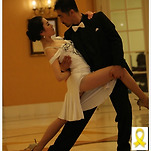
<p>[Tango&#160;서유&#160;03]&#160;K-Tango의&#160;굴신(屈伸):&#160;한국&#160;땅고의&#160;자기&#160;생성과&#160;실천적&#160;진화.&#160;탱고코리아&#160;다윈(Dawin)의&#160;탱고수련과&#160;문화&#160;실천을&#160;중심으로&#160;(서유:&#160;KATA이사,탱고코리아&#160;연사모&#160;회장.&#160;2026-01-25)</p><p>&#160;</p><div class="figure-img" data-ke-type="image" data-ke-style="alignCenter" data-ke-mobilestyle="widthOrigin"><img src="https://t1.daumcdn.net/cafeattach/fVd5/046bcae5ce58c9e1c433eb280f72063d87bf5aef" class="txc-image" data-img-src="https://t1.daumcdn.net/cafeattach/fVd5/046bcae5ce58c9e1c433eb280f72063d87bf5aef" data-origin-width="1080" data-origin-height="1080"></div><p>&#160;</p><p>&#160;</p><div class="figure-img" data-ke-type="image" data-ke-style="alignCenter" data-ke-mobilestyle="widthOrigin"><img src="https://t1.daumcdn.net/cafeattach/fVd5/121e392c21c36dbb567325a5cdd29e063fd82238" class="txc-image" data-img-src="https://t1.daumcdn.net/cafeattach/fVd5/121e392c21c36dbb567325a5cdd29e063fd82238" data-origin-width="1365" data-origin-height="1024"></div><p>&#160;</p><p>&#160;</p><p>[Tango&#160;Nuevo&#160;65]&#160;#서도&#160;#sEODo&#160;#국악탱고&#160;#國樂&#160;#GugAK&#160;#GugaKTANGO&#160;#AgaRRar&#160;#아가라르&#160;#볼레오캐치&#160;#탱고집중코스&#160;(금,&#160;일,&#160;월)&#160;#탱고코리아&#160;#다윈y캔디&#160;(2025-08-06,&#160;촬영&#160;알제)&#160;#탱고배우기&#160;#아르헨티나탱고&#160;#서도밴드&#160;#BoleoCatch&#160;#상사화&#160;#相思花&#160;#이룰수없는사랑&#160;#꽃이필때잎이없고&#160;#잎이있을때는꽃이피지않아&#160;#안예은</p><p>&#160;</p><p><a href="https://youtu.be/ZO_KF6Z2Wls?si=tds_FcCBxB0kcY7H" target="_top" class="ke-link">https://youtu.be/ZO_KF6Z2Wls?si=tds_FcCBxB0kcY7H</a></p><div class="figure-video" data-ke-type="video" data-video-url="https://www.youtube.com/shorts/ZO_KF6Z2Wls" data-video-host="youtube" data-video-play-service="daum_cafe" data-video-width="405" data-video-height="720" data-ke-style="alignCenter" data-video-thumbnail="https://scrap.kakaocdn.net/dn/GUr6t/dJMb8PGqtab/VBo8NvgmYjkfzvLawo4uY0/img.jpg?width=405&amp;height=720&amp;face=0_0_405_720,https://scrap.kakaocdn.net/dn/bPWRIz/dJMb8YXFMK1/Feyw7P0uikaTgJ4gfIhmt1/img.jpg?width=405&amp;height=720&amp;face=0_0_405_720,https://scrap.kakaocdn.net/dn/9Dlm3/dJMb8T9TLDB/sy7SoZZzGuO4XzoDkwkHB1/img.jpg?width=405&amp;height=720&amp;face=0_0_405_720" data-ke-mobile-mobilestyle="widthContent" data-video-origin-width="405" data-video-origin-height="720"><iframe src="https://www.youtube.com/embed/ZO_KF6Z2Wls" width="405" height="720" frameborder="0" scrolling="no" allowfullscreen=""></iframe><div class="figcaption"></div></div><p>&#160;</p><p>&#160;</p><p>&#160;</p><p>&#160;</p><p>초록&#160;(Abstract)<br><br>본&#160;논문은&#160;아르헨티나&#160;땅고가&#160;한국에&#160;도입되어&#160;‘K-Tango’로&#160;자생화되는&#160;과정을&#160;‘굴신(屈伸)’이라는&#160;동양&#160;철학&#160;개념을&#160;통해&#160;분석한다.&#160;<br><br>굴(屈)은&#160;외래&#160;문화를&#160;수용하고&#160;내면화하는&#160;겸허한&#160;태도를,&#160;신(伸)은&#160;이를&#160;자기화하고&#160;확장하는&#160;창조적&#160;실천을&#160;의미한다.&#160;<br><br>본 연구는 특히 탱고코리아의 땅고 무용수 교육자 실천가 다윈(Dawin)의 사례를 중심으로 고찰한다.&#160;<br><br>한국&#160;사회와&#160;도시,&#160;공동체&#160;속에서&#160;K-Tango가&#160;신체적,&#160;감각적,&#160;장소적&#160;감응을&#160;매개로&#160;어떻게&#160;하나의&#160;문화적&#160;예술&#160;장르로&#160;발전하는지를&#160;조망한다.&#160;<br><br>또한&#160;팬데믹이라는&#160;위기&#160;속에서&#160;나타난&#160;예술적&#160;대응과&#160;회복을&#160;통해&#160;K-Tango의&#160;생태적&#160;지속성과&#160;사회적&#160;감응&#160;능력을&#160;분석한다.&#160;<br><br>이를&#160;통해&#160;한국&#160;땅고는&#160;단순한&#160;문화&#160;이식이&#160;아니라,&#160;지역성과&#160;역사성을&#160;바탕으로&#160;변형되고&#160;새롭게&#160;생성되는&#160;실천적&#160;예술이라는&#160;점을&#160;제안하고&#160;확장하려&#160;한다.<br><br>주요어:&#160;K-Tango,&#160;굴신,&#160;문화&#160;수용,&#160;감각&#160;실천,&#160;탱고코리아,&#160;팬데믹,&#160;도시&#160;공동체<br><br>서론:&#160;한국에서&#160;땅고가&#160;살아&#160;숨&#160;쉬기까지<br><br>땅고는&#160;아르헨티나의&#160;역사적,&#160;사회적&#160;맥락&#160;속에서&#160;생성된&#160;혼성&#160;문화의&#160;산물이다(Thompson,&#160;2005).&#160;<br><br>감정과&#160;육체,&#160;리드와&#160;팔로우의&#160;교차&#160;속에서&#160;생성되는&#160;이&#160;춤은&#160;단순한&#160;오락이&#160;아닌&#160;사회적&#160;언어이며,&#160;그&#160;자체로&#160;문화적&#160;서사다.&#160;<br><br>한국에서&#160;땅고는&#160;1990년대&#160;중후말부터&#160;본격&#160;도입되기&#160;시작했으며,&#160;서울을&#160;중심으로&#160;다수의&#160;밀롱가&#160;공간과&#160;수련&#160;커뮤니티가&#160;생겨났다.&#160;<br><br>초기에는&#160;‘외국&#160;춤’으로&#160;소비되었으나,&#160;2010년대&#160;중후반부터는&#160;‘K-Tango’라는&#160;자생적&#160;흐름이&#160;나타나기&#160;시작했다.<br><br>본&#160;논문은&#160;‘K-Tango’의&#160;형성과정을&#160;설명하기&#160;위해&#160;‘굴신(屈伸)’이라는&#160;동양적&#160;철학&#160;개념을&#160;중심&#160;축으로&#160;삼는다.&#160;<br><br>굴(屈)은&#160;수용과&#160;겸허,&#160;신은&#160;창조와&#160;확장을&#160;의미한다.&#160;<br><br>이는&#160;외래&#160;예술을&#160;단순히&#160;따라하거나&#160;흡수하는&#160;것이&#160;아니라,&#160;주체적&#160;재해석과&#160;문화적&#160;재맥락화를&#160;통해&#160;새롭게&#160;생성해가는&#160;동적인&#160;과정을&#160;설명하는데&#160;유효한&#160;개념틀이다.<br><br>이&#160;글에서는&#160;특히&#160;탱고코리아의&#160;실천가&#160;다윈의&#160;활동을&#160;중심으로&#160;K-Tango의&#160;굴신적&#160;실천이&#160;어떻게&#160;감각의&#160;재조율,&#160;<br><br>도시&#160;공간의&#160;예술화,&#160;공동체의&#160;정서적&#160;치유로&#160;이어지는지를&#160;분석한다.<br><br>[굴(屈):&#160;수용과&#160;내면화로서의&#160;신체&#160;수련]<br><br>땅고의&#160;수용은&#160;단순한&#160;기술&#160;습득이&#160;아니라,&#160;감각의&#160;재구성과&#160;신체의&#160;재훈련이다(Park,&#160;2012).&#160;<br><br>초창기&#160;한국&#160;탱고&#160;수련자들은&#160;해외&#160;워크숍,&#160;유튜브&#160;영상,&#160;DVD&#160;등&#160;비공식&#160;채널을&#160;통해&#160;학습했으며,&#160;이는&#160;해석과&#160;재해석의&#160;과정을&#160;수반했다.<br><br>다윈은&#160;스쿨밴드와&#160;마이크로소프트&#160;시애틀&#160;본사&#160;근무,&#160;댄스스포츠,&#160;밸리댄스&#160;남성무용수.&#160;2000년도&#160;아르헨티나&#160;땅고에&#160;입문하여&#160;탱고코리아를&#160;설립한다.&#160;<br><br>3년간&#160;기본&#160;걸음(walk),&#160;리드/팔로우의&#160;감각&#160;조정,&#160;음악에&#160;맞춘&#160;호흡과&#160;기다림&#160;등을&#160;집중적으로&#160;수련하였다.&#160;<br><br>그는&#160;이를&#160;“몸의&#160;언어를&#160;다시&#160;배우는&#160;일”이라고&#160;표현하며,&#160;기존의&#160;동양적&#160;신체문화(예:&#160;기공,&#160;무예,&#160;요가&#160;등)와&#160;땅고의&#160;감각적&#160;요소를&#160;연결&#160;지으려&#160;했다.&#160;<br><br>탱고코리아에서&#160;회원은&#160;서로&#160;탱고도반(撑高道伴)이라&#160;부르기도&#160;한다.<br><br>“내게&#160;탱고는&#160;기술이&#160;아니라&#160;감각의&#160;언어였다.&#160;어떻게&#160;기다리고,&#160;어떻게&#160;들어주는지,&#160;몸이&#160;먼저&#160;말하는&#160;법을&#160;익히는&#160;훈련이었다.”&#160;(다윈,&#160;인터뷰,&#160;2023.12.16.&#160;탱고&#160;판)</p><p>&#160;</p><p>&#160;</p><p>-------</p><p>&#160;</p><p>Tango&#160;SuhYoo&#160;03]&#160;The&#160;Gul-Sin&#160;(Flexion&#160;and&#160;Extension)&#160;of&#160;K-Tango:&#160;Self-Generation&#160;and&#160;Practical&#160;Evolution&#160;of&#160;Korean&#160;Tango <br>Focusing&#160;on&#160;the&#160;Tango&#160;Practice&#160;and&#160;Cultural&#160;Action&#160;of&#160;DaWin&#160;from&#160;Tango&#160;Korea <br>(Seoyoo:&#160;Director&#160;of&#160;KATA,&#160;President&#160;of&#160;Tango&#160;Korea&#160;Yeon-Sa-Mo.&#160;2026-01-25) <br><br>Abstract <br>This&#160;paper&#160;analyzes&#160;the&#160;process&#160;through&#160;which&#160;Argentine&#160;Tango&#160;was&#160;introduced&#160;to&#160;Korea&#160;and&#160;became&#160;indigenized&#160;as&#160;‘K-Tango’&#160;through&#160;the&#160;Oriental&#160;philosophical&#160;concept&#160;of&#160;Gul-Sin&#160;(屈伸). <br><br>Gul&#160;(屈&#160;-&#160;Flexion):&#160;Represents&#160;a&#160;humble&#160;attitude&#160;of&#160;accepting&#160;and&#160;internalizing&#160;a&#160;foreign&#160;culture. <br><br>Sin&#160;(伸&#160;-&#160;Extension):&#160;Signifies&#160;the&#160;creative&#160;practice&#160;of&#160;personalizing&#160;and&#160;expanding&#160;that&#160;culture. <br><br>This&#160;study&#160;examines&#160;the&#160;case&#160;of&#160;DaWin&#8212;a&#160;dancer,&#160;educator,&#160;and&#160;practitioner&#160;at&#160;Tango&#160;Korea.&#160;It&#160;explores&#160;how&#160;K-Tango&#160;has&#160;evolved&#160;into&#160;a&#160;distinct&#160;cultural&#160;art&#160;genre&#160;through&#160;physical,&#160;sensory,&#160;and&#160;locational&#160;resonance&#160;within&#160;Korean&#160;society,&#160;urban&#160;environments,&#160;and&#160;communities.&#160;Furthermore,&#160;it&#160;analyzes&#160;the&#160;ecological&#160;sustainability&#160;and&#160;social&#160;responsiveness&#160;of&#160;K-Tango&#160;through&#160;the&#160;artistic&#160;responses&#160;and&#160;recovery&#160;observed&#160;during&#160;the&#160;pandemic&#160;crisis.&#160;This&#160;paper&#160;proposes&#160;that&#160;Korean&#160;Tango&#160;is&#160;not&#160;a&#160;mere&#160;cultural&#160;transplant&#160;but&#160;a&#160;practical&#160;art&#160;form&#160;that&#160;is&#160;transformed&#160;and&#160;newly&#160;generated&#160;based&#160;on&#160;local&#160;and&#160;historical&#160;context. <br><br>Keywords:&#160;K-Tango,&#160;Gul-Sin,&#160;Cultural&#160;Acceptance,&#160;Sensory&#160;Practice,&#160;Tango&#160;Korea,&#160;Pandemic,&#160;Urban&#160;Community <br><br>Introduction:&#160;Breathing&#160;Life&#160;into&#160;Tango&#160;in&#160;Korea <br>Tango&#160;is&#160;a&#160;product&#160;of&#160;hybrid&#160;culture&#160;generated&#160;within&#160;the&#160;historical&#160;and&#160;social&#160;context&#160;of&#160;Argentina&#160;(Thompson,&#160;2005).&#160;This&#160;dance,&#160;created&#160;at&#160;the&#160;intersection&#160;of&#160;emotion,&#160;physicality,&#160;lead,&#160;and&#160;follow,&#160;is&#160;not&#160;mere&#160;entertainment&#160;but&#160;a&#160;social&#160;language&#160;and&#160;a&#160;cultural&#160;narrative&#160;in&#160;itself. <br><br>Tango&#160;began&#160;to&#160;be&#160;introduced&#160;to&#160;Korea&#160;in&#160;earnest&#160;from&#160;the&#160;late&#160;1990s,&#160;leading&#160;to&#160;the&#160;emergence&#160;of&#160;numerous&#160;milonga&#160;spaces&#160;and&#160;practice&#160;communities,&#160;primarily&#160;in&#160;Seoul.&#160;While&#160;it&#160;was&#160;initially&#160;consumed&#160;as&#160;a&#160;&quot;foreign&#160;dance,&quot;&#160;a&#160;self-generated&#160;movement&#160;known&#160;as&#160;‘K-Tango’&#160;began&#160;to&#160;appear&#160;in&#160;the&#160;mid-to-late&#160;2010s. <br><br>To&#160;explain&#160;the&#160;formation&#160;of&#160;K-Tango,&#160;this&#160;paper&#160;utilizes&#160;the&#160;Oriental&#160;philosophical&#160;concept&#160;of&#160;Gul-Sin&#160;(屈伸)&#160;as&#160;its&#160;central&#160;axis.&#160;Gul&#160;signifies&#160;acceptance&#160;and&#160;humility,&#160;while&#160;Sin&#160;represents&#160;creation&#160;and&#160;expansion.&#160;This&#160;framework&#160;effectively&#160;explains&#160;the&#160;dynamic&#160;process&#160;of&#160;newly&#160;generating&#160;an&#160;art&#160;form&#160;through&#160;subjective&#160;reinterpretation&#160;and&#160;cultural&#160;recontextualization,&#160;rather&#160;than&#160;simply&#160;imitating&#160;or&#160;absorbing&#160;foreign&#160;art. <br><br>This&#160;article&#160;focuses&#160;on&#160;the&#160;activities&#160;of&#160;DaWin,&#160;a&#160;practitioner&#160;at&#160;Tango&#160;Korea,&#160;to&#160;analyze&#160;how&#160;the&#160;&quot;Gul-Sin&#160;practice&quot;&#160;of&#160;K-Tango&#160;leads&#160;to&#160;the&#160;retuning&#160;of&#160;the&#160;senses,&#160;the&#160;artistic&#160;transformation&#160;of&#160;urban&#160;spaces,&#160;and&#160;the&#160;emotional&#160;healing&#160;of&#160;the&#160;community. <br><br>[Gul&#160;(屈):&#160;Physical&#160;Practice&#160;as&#160;Acceptance&#160;and&#160;Internalization] <br>The&#160;acceptance&#160;of&#160;tango&#160;is&#160;not&#160;merely&#160;the&#160;acquisition&#160;of&#160;technique,&#160;but&#160;a&#160;reconfiguration&#160;of&#160;the&#160;senses&#160;and&#160;a&#160;retraining&#160;of&#160;the&#160;body&#160;(Park,&#160;2012).&#160;Early&#160;Korean&#160;tango&#160;practitioners&#160;learned&#160;through&#160;informal&#160;channels&#160;such&#160;as&#160;overseas&#160;workshops,&#160;YouTube&#160;videos,&#160;and&#160;DVDs,&#160;a&#160;process&#160;that&#160;involved&#160;constant&#160;interpretation&#160;and&#160;reinterpretation. <br><br>DaWin,&#160;whose&#160;background&#160;includes&#160;playing&#160;in&#160;a&#160;school&#160;band,&#160;working&#160;at&#160;Microsoft’s&#160;Seattle&#160;headquarters,&#160;and&#160;performing&#160;as&#160;a&#160;male&#160;dancer&#160;in&#160;Dance&#160;Sports&#160;and&#160;Belly&#160;Dance,&#160;entered&#160;the&#160;world&#160;of&#160;Argentine&#160;Tango&#160;in&#160;2000&#160;and&#160;founded&#160;Tango&#160;Korea. <br><br>For&#160;three&#160;years,&#160;he&#160;focused&#160;intensely&#160;on&#160;the&#160;basic&#160;walk&#160;(caminata),&#160;the&#160;adjustment&#160;of&#160;lead/follow&#160;sensations,&#160;and&#160;the&#160;rhythm&#160;of&#160;breathing&#160;and&#160;waiting&#160;in&#160;harmony&#160;with&#160;the&#160;music.&#160;He&#160;described&#160;this&#160;as&#160;“relearning&#160;the&#160;language&#160;of&#160;the&#160;body,”&#160;and&#160;sought&#160;to&#160;connect&#160;the&#160;sensory&#160;elements&#160;of&#160;tango&#160;with&#160;traditional&#160;Oriental&#160;physical&#160;cultures&#160;such&#160;as&#160;Qigong,&#160;martial&#160;arts,&#160;and&#160;yoga.&#160;Within&#160;Tango&#160;Korea,&#160;members&#160;often&#160;refer&#160;to&#160;each&#160;other&#160;as&#160;Tango&#160;Doban&#160;(撑高道伴)&#8212;Spiritual&#160;Companions&#160;of&#160;Tango. <br><br>&quot;To&#160;me,&#160;tango&#160;was&#160;not&#160;a&#160;technique&#160;but&#160;a&#160;language&#160;of&#160;the&#160;senses.&#160;It&#160;was&#160;a&#160;discipline&#160;of&#160;learning&#160;how&#160;to&#160;wait,&#160;how&#160;to&#160;listen,&#160;and&#160;how&#160;to&#160;let&#160;the&#160;body&#160;speak&#160;first.&quot;&#160;&gt;&#160;&#8212;&#160;(DaWin,&#160;Interview,&#160;Dec&#160;16,&#160;2023,&#160;Tango&#160;Pan) <br><br>Gul-Sin&#160;(屈伸):&#160;&#39;굴신&#39;을&#160;직역하면&#160;Flexion&#160;and&#160;Extension이지만,&#160;논문의&#160;핵심&#160;철학이므로&#160;한국어&#160;발음인&#160;Gul-Sin을&#160;먼저&#160;표기하고&#160;의미를&#160;풀어서&#160;설명. <br><br>Self-Generation&#160;(자생화):&#160;단순히&#160;이식된&#160;것이&#160;아니라&#160;한국에서&#160;스스로&#160;생명력을&#160;갖고&#160;태어났음을&#160;강조. <br><br>Spiritual&#160;Companions&#160;(도반):&#160;이전&#160;번역과&#160;일관성을&#160;유지하여&#160;다윈님의&#160;공동체&#160;철학을&#160;강조.</p><p>&#160;</p><p>&#160;</p><div class="figure-img" data-ke-type="image" data-ke-style="alignCenter" data-ke-mobilestyle="widthOrigin"><img src="https://t1.daumcdn.net/cafeattach/fVd5/6114eba01dac38647e98fe39f36a2b47c3dbee3b" class="txc-image" data-img-src="https://t1.daumcdn.net/cafeattach/fVd5/6114eba01dac38647e98fe39f36a2b47c3dbee3b" data-origin-width="1080" data-origin-height="1080"></div><p>&#160;</p><p>&#160;</p><p><span style="color: #222222;">[</span><span style="color: #222222;">더보기</span><span style="color: #222222;">. </span><span style="color: #222222;">유튜브 </span><span style="color: #222222;">/ </span><span style="color: #222222;">페이스북 </span><span style="color: #222222;">/ </span><span style="color: #222222;">인스타그램 </span><span style="color: #222222;">/ </span><span style="color: #222222;">다음카페 탱고코리아</span><span style="color: #222222;">]</span></p><p>&#160;</p><p><u></u><u><a href="https://cafe.daum.net/TangoKorea" target="_top" class="ke-link">https://cafe.daum.net/TangoKorea</a></u></p><p>&#160;</p><p><u></u><u><a href="https://www.youtube.com/@tangodawin" target="_top" class="ke-link">https://www.youtube.com/@tangodawin</a></u></p><p>&#160;</p><p><u></u><u><a href="https://www.facebook.com/tangodawin" target="_top" class="ke-link">https://www.facebook.com/tangodawin</a></u></p><p>&#160;</p><p><u></u><u><a href="https://www.instagram.com/tango_dawin" target="_top" class="ke-link">https://www.instagram.com/tango_dawin</a></u></p><p>&#160;</p><p><u></u><u><a href="http://www.TangoKorea.com" target="_top" class="ke-link">http://www.TangoKorea.com</a></u></p><p>&#160;</p><p>&#160;</p><p>#탱고AM #TangoAlternativeMusic #AM #AlternativeMusic #탱고코리아 #탱고배우기 #탱고아카데미 #프락티카 #프락티카밀롱가 #탱고집중코스 #금요반 #일요반 #월요반 #탱고다윈 #강남JDC #JDC #아르헨티나탱고 #탱고코리아강남 #아르헨티나탱고 #땅고 #탱고집중코스 #탱고누에보 #누에보탱고 #신규개강 #누에보특강 #탱고공연 #누에보공연 #탱고수업 #탱고배우기 #탱고레슨 #탱고동영상 #댄스 #밀롱가 #밀롱가 강남 #탱고밀롱가 #탱고밀롱가 강남 #발스 #탱고리듬 #리듬 #탱고강사 #탱고지도자 #탱고지도자 #탱고자격증 #탱고강사다윈 #탱고베이직 #탱고아카데미 #워킹 #오초 #히로 #엔로스께 #까베세오 #볼레오 #신규개강 #여인의향기 #바른자세 #탱고워킹 #워킹 #백투더베이직 #탱고베이직 #베이직 #강남역 #역삼역 #basic #가상현실 #다윈 #탱고레슨 #tangobasic #tangowalking #walking #cabeceo #ocho #giro #enrosque #Tango #TangoKorea #TangoDaWin #DaWin Tango #Argentina #Argentina Tango #Tango Nuevo #VirtualReality #nuevo #dance #milonga #vals #tango rhythm #rhythm #Basic #TangoBasic #backToTheBasic #LaCumparsita #kpop #VirtualReality #ai #vr #Tanguero #Tanguera #MilongaFootWork #Traspie #ContraTiempo #탱고캠프 #워크샵 #탱고워크샵 #클립챌린저 #탱고가요 #탱고음악 #강남탱고&#160;&#160;#탱고강남역 #탱고트로트 #감성발라드 #탱고팝송 #탱고초급 #탱고중급 #탱고공연 #탱고공연무용수</p><p>&#160;</p><p>&#160;</p>
<!-- -->
카페 게시글
[Tango 서유] 탱고코리아 회장. KATA 이사
[Tango 서유 03] K-Tango의 굴신(屈伸): 한국 땅고의 자기 생성과 실천적 진화. 탱고코리아 다윈(Dawin)의 탱고수련과
다윈
추천 1
조회 120
26.01.25 06:26
댓글 0
다음검색