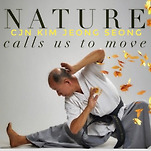
<p style="text-align: left;">《Summary on Basic Stances in Haedong Kumdo》<br><br>While the following information about basic stances may seem familiar to many, those who have practiced for decades as masters or instructors—developing their own specialized methods—or those who have primarily trained through video materials, may find parts of this content new, questionable, or may have alternative opinions.<br><br>For better understanding and improvement of each stance, it is valuable to approach it at least from a musculoskeletal perspective, even if one cannot fully grasp the flow of "Ki" (energy) or delve into philosophical or medical interpretations.<br><br>Since Haedong Kumdo involves a bit heavier live-blade training, if the fundamental stances are not learned according to proper principles, practitioners may inevitably face issues over time — such as problems with the spine, shoulders, arms, knees, or hip joints.<br>Recognizing these risks and understanding the fundamental principles can help prevent such injuries.<br><br>I hope this information will be helpful to your practice.<br>Feel free to reach out with any questions or feedback.<br>(Contact: bmw43@hanmail.net, +82 10 6530 2911, JS Kim)<br><br><br>Title: Explanation of Haedong Kumdo Basic Stances - Four Parts (A, B, C, D Parts)<br></p><div class="figure-img" data-ke-type="image" data-ke-style="alignCenter" data-ke-mobilestyle="widthOrigin"><img src="https://t1.daumcdn.net/cafeattach/1XBdW/c949e1ea7c7a760abd6207d289cbc37ce34bcc1b" class="txc-image" data-img-src="https://t1.daumcdn.net/cafeattach/1XBdW/c949e1ea7c7a760abd6207d289cbc37ce34bcc1b" data-origin-width="640" data-origin-height="960"></div><p style="text-align: left;"><br>《Table of Contents》<br><br>■ Title: Explanation of the Basic Stances in Haedong Kumdo<br><br>A. Explanation of the Natural Stance<br>B. Understanding Basic Stances Through a Unified Principle<br>C. In-Depth Analysis of the Daedo Stance Through Q&A<br>D. Basic Postures Through Photos<br><br>----<br><br><span style="color: #EE2323;">■ A. Explanation of the Natural Stance</span><br><br><a href="https://m.cafe.daum.net/enlightenment-k/dcM5/400?svc=cafeapp" target="_blank" class="ke-link">https://m.cafe.daum.net/enlightenment-k/dcM5/400?svc=cafeapp</a></p><div class="figure-open" contenteditable="false" data-ke-type="opengraph" data-ke-align="alignCenter" data-og-type="website" data-og-title="Explanations and understanding of Jayeonsae (natural stance, 자연세) - Part 1" data-og-description="In Korean 국문 번역https://m.cafe.daum.net/enlightenment-k/dcM5/406?svc=cafeapp자연세 설명 - 1제목: 해동검도의 자연세 설명1. 자연세의 근골격학적 이해자연세의 올바른 자세는움직임의 자연스러움에 근거해" data-og-host="m.cafe.daum.net" data-og-source-url="https://m.cafe.daum.net/enlightenment-k/dcM5/400?svc=cafeapp" data-og-url="https://m.cafe.daum.net/enlightenment-k/dcM5/400?svc=cafeapp" data-og-image="http://scrap.kakaocdn.net/dn/z0o1N/bl4MTny1mMR/SXy8THfdziJLTE1QCXckt1/kakaolink40_original.jpg?width=1024&height=1611"><a href="https://m.cafe.daum.net/enlightenment-k/dcM5/400?svc=cafeapp" target="_blank" data-source-url="https://m.cafe.daum.net/enlightenment-k/dcM5/400?svc=cafeapp"><div class="og-image"><img class="thumb_img" src="http://scrap.kakaocdn.net/dn/z0o1N/bl4MTny1mMR/SXy8THfdziJLTE1QCXckt1/kakaolink40_original.jpg?width=1024&height=1611" alt="" xxxxonerror="this.src="//img1.kakaocdn.net/thumb/C200x200/?fname=https%3A%2F%2Ft1.daumcdn.net%2Fcafe_image%2Fcafe_meta_image_190529.png""></div><div class="og-text"><p class="og-title">Explanations and understanding of Jayeonsae (natural stance, 자연세) - Part 1</p><p class="og-desc">In Korean 국문 번역https://m.cafe.daum.net/enlightenment-k/dcM5/406?svc=cafeapp자연세 설명 - 1제목: 해동검도의 자연세 설명1. 자연세의 근골격학적 이해자연세의 올바른 자세는움직임의 자연스러움에 근거해</p><p class="og-host">m.cafe.daum.net</p></div></a></div><p style="text-align: left;"><br><span style="color: #EE2323;"> ■ B. Understanding Basic Stances Through a Unified Principle</span><br><br><a href="https://m.cafe.daum.net/enlightenment-k/dcM5/407?svc=cafeapp" target="_blank" class="ke-link">https://m.cafe.daum.net/enlightenment-k/dcM5/407?svc=cafeapp</a></p><div class="figure-open" contenteditable="false" data-ke-type="opengraph" data-ke-align="alignCenter" data-og-type="website" data-og-title="Understanding Basic Stances Through a Single Principle-Part 2" data-og-description="In Korean 국문번역https://m.cafe.daum.net/enlightenment-k/dcM5/405?svc=cafeapp하나의 이치를 통한 기본세의 이해-2■ In English Korean (영문 및 국문 번역)Explanations and understanding of Jayeonsae (natural stance, 자연세" data-og-host="m.cafe.daum.net" data-og-source-url="https://m.cafe.daum.net/enlightenment-k/dcM5/407?svc=cafeapp" data-og-url="https://m.cafe.daum.net/enlightenment-k/dcM5/407?svc=cafeapp" data-og-image="http://scrap.kakaocdn.net/dn/AnAw9/bl4NpFxxSjF/bxKFfxu5viknUTrjoFRsE0/kakaolink40_original.jpg?width=640&height=960"><a href="https://m.cafe.daum.net/enlightenment-k/dcM5/407?svc=cafeapp" target="_blank" data-source-url="https://m.cafe.daum.net/enlightenment-k/dcM5/407?svc=cafeapp"><div class="og-image"><img class="thumb_img" src="http://scrap.kakaocdn.net/dn/AnAw9/bl4NpFxxSjF/bxKFfxu5viknUTrjoFRsE0/kakaolink40_original.jpg?width=640&height=960" alt="" xxxxonerror="this.src="//img1.kakaocdn.net/thumb/C200x200/?fname=https%3A%2F%2Ft1.daumcdn.net%2Fcafe_image%2Fcafe_meta_image_190529.png""></div><div class="og-text"><p class="og-title">Understanding Basic Stances Through a Single Principle-Part 2</p><p class="og-desc">In Korean 국문번역https://m.cafe.daum.net/enlightenment-k/dcM5/405?svc=cafeapp하나의 이치를 통한 기본세의 이해-2■ In English Korean (영문 및 국문 번역)Explanations and understanding of Jayeonsae (natural stance, 자연세</p><p class="og-host">m.cafe.daum.net</p></div></a></div><p style="text-align: left;"><br><span style="color: #EE2323;">■ C. In-Depth Analysis of the Daedo Stance Through Q&A</span><br><br><a href="https://m.cafe.daum.net/enlightenment-k/dcM5/412?svc=cafeapp" target="_blank" class="ke-link">https://m.cafe.daum.net/enlightenment-k/dcM5/412?svc=cafeapp</a></p><div class="figure-open" contenteditable="false" data-ke-type="opengraph" data-ke-align="alignCenter" data-og-type="website" data-og-title="In-depth Analysis of Daedose through Q&A - Part 3" data-og-description="국문 번역https://m.cafe.daum.net/enlightenment-k/dcM5/411?svc=cafeappB. QA를 통한 대도세의 심층 분석 - 3편그럼, 기본세에 대한 설명을 제1편과 2편에 이어, 아래 3편을 적어본다.B. QA를 통한 대도세의 심층 분" data-og-host="m.cafe.daum.net" data-og-source-url="https://m.cafe.daum.net/enlightenment-k/dcM5/412?svc=cafeapp" data-og-url="https://m.cafe.daum.net/enlightenment-k/dcM5/412?svc=cafeapp" data-og-image="http://scrap.kakaocdn.net/dn/uACne/bl4NaPVOPV8/AIPMyruTVLhBwFoh02rp0k/kakaolink40_original.jpg?width=834&height=1280"><a href="https://m.cafe.daum.net/enlightenment-k/dcM5/412?svc=cafeapp" target="_blank" data-source-url="https://m.cafe.daum.net/enlightenment-k/dcM5/412?svc=cafeapp"><div class="og-image"><img class="thumb_img" src="http://scrap.kakaocdn.net/dn/uACne/bl4NaPVOPV8/AIPMyruTVLhBwFoh02rp0k/kakaolink40_original.jpg?width=834&height=1280" alt="" xxxxonerror="this.src="//img1.kakaocdn.net/thumb/C200x200/?fname=https%3A%2F%2Ft1.daumcdn.net%2Fcafe_image%2Fcafe_meta_image_190529.png""></div><div class="og-text"><p class="og-title">In-depth Analysis of Daedose through Q&A - Part 3</p><p class="og-desc">국문 번역https://m.cafe.daum.net/enlightenment-k/dcM5/411?svc=cafeappB. QA를 통한 대도세의 심층 분석 - 3편그럼, 기본세에 대한 설명을 제1편과 2편에 이어, 아래 3편을 적어본다.B. QA를 통한 대도세의 심층 분</p><p class="og-host">m.cafe.daum.net</p></div></a></div><p style="text-align: left;"><br><span style="color: #EE2323;">■ D. Basic Postures Through Photos<br></span><br><a href="https://m.cafe.daum.net/enlightenment-k/dcM5/425?svc=cafeapp" target="_blank" class="ke-link">https://m.cafe.daum.net/enlightenment-k/dcM5/425?svc=cafeapp</a></p><div class="figure-open" contenteditable="false" data-ke-type="opengraph" data-ke-align="alignCenter" data-og-type="website" data-og-title="Explanation of the Basic Stances in HK - D. Basic Postures Through Photos" data-og-description="《Table of Contents》■ Title: Explanation of the Basic Stances in Haedong KumdoA. Explanation of the Natural StanceB. Understanding Basic Stances Through a Unified PrincipleC. In-Depth Analysi" data-og-host="m.cafe.daum.net" data-og-source-url="https://m.cafe.daum.net/enlightenment-k/dcM5/425?svc=cafeapp" data-og-url="https://m.cafe.daum.net/enlightenment-k/dcM5/425?svc=cafeapp" data-og-image="http://scrap.kakaocdn.net/dn/FKMbh/bl4NnMRelBO/BoFmD1crY2mrzqUvRWOZbk/kakaolink40_original.jpg?width=1024&height=1348"><a href="https://m.cafe.daum.net/enlightenment-k/dcM5/425?svc=cafeapp" target="_blank" data-source-url="https://m.cafe.daum.net/enlightenment-k/dcM5/425?svc=cafeapp"><div class="og-image"><img class="thumb_img" src="http://scrap.kakaocdn.net/dn/FKMbh/bl4NnMRelBO/BoFmD1crY2mrzqUvRWOZbk/kakaolink40_original.jpg?width=1024&height=1348" alt="" xxxxonerror="this.src="//img1.kakaocdn.net/thumb/C200x200/?fname=https%3A%2F%2Ft1.daumcdn.net%2Fcafe_image%2Fcafe_meta_image_190529.png""></div><div class="og-text"><p class="og-title">Explanation of the Basic Stances in HK - D. Basic Postures Through Photos</p><p class="og-desc">《Table of Contents》■ Title: Explanation of the Basic Stances in Haedong KumdoA. Explanation of the Natural StanceB. Understanding Basic Stances Through a Unified PrincipleC. In-Depth Analysi</p><p class="og-host">m.cafe.daum.net</p></div></a></div><p style="text-align: left;"><br></p><div class="figure-img" data-ke-type="image" data-ke-style="alignCenter" data-ke-mobilestyle="widthOrigin"><img src="https://t1.daumcdn.net/cafeattach/1XBdW/1f53eb6f411228f1419a2520bda7094739dd0cfe" class="txc-image" data-img-src="https://t1.daumcdn.net/cafeattach/1XBdW/1f53eb6f411228f1419a2520bda7094739dd0cfe" data-origin-width="1080" data-origin-height="1920"></div><div class="figure-img" data-ke-type="image" data-ke-style="alignCenter" data-ke-mobilestyle="widthOrigin"><img src="https://t1.daumcdn.net/cafeattach/1XBdW/8814bc22fda12b9822ff6de27af540f610bea21c" class="txc-image" data-img-src="https://t1.daumcdn.net/cafeattach/1XBdW/8814bc22fda12b9822ff6de27af540f610bea21c" data-origin-width="2720" data-origin-height="2672"></div><div class="figure-img" data-ke-type="image" data-ke-style="alignCenter" data-ke-mobilestyle="widthOrigin"><img src="https://t1.daumcdn.net/cafeattach/1XBdW/4e9fb51941f34e2f9c5ad1735e64959daf5b2f21" class="txc-image" data-img-src="https://t1.daumcdn.net/cafeattach/1XBdW/4e9fb51941f34e2f9c5ad1735e64959daf5b2f21" data-origin-width="1080" data-origin-height="504"></div><div class="figure-img" data-ke-type="image" data-ke-style="alignCenter" data-ke-mobilestyle="widthOrigin"><img src="https://t1.daumcdn.net/cafeattach/1XBdW/de8ea5986d9c1000f5180709b5a023dd425a3bc6" class="txc-image" data-img-src="https://t1.daumcdn.net/cafeattach/1XBdW/de8ea5986d9c1000f5180709b5a023dd425a3bc6" data-origin-width="827" data-origin-height="662"></div><div class="figure-img" data-ke-type="image" data-ke-style="alignCenter" data-ke-mobilestyle="widthOrigin"><img src="https://t1.daumcdn.net/cafeattach/1XBdW/6fd8296c2f2310d6e01006ff56768012f7b06683" class="txc-image" data-img-src="https://t1.daumcdn.net/cafeattach/1XBdW/6fd8296c2f2310d6e01006ff56768012f7b06683" data-origin-width="909" data-origin-height="509"></div><div class="figure-img" data-ke-type="image" data-ke-style="alignCenter" data-ke-mobilestyle="widthOrigin"><img src="https://t1.daumcdn.net/cafeattach/1XBdW/8eca2c98271ba07dff333275c6a7655cf8026fe1" class="txc-image" data-img-src="https://t1.daumcdn.net/cafeattach/1XBdW/8eca2c98271ba07dff333275c6a7655cf8026fe1" data-origin-width="1080" data-origin-height="1350"></div><div class="figure-img" data-ke-type="image" data-ke-style="alignCenter" data-ke-mobilestyle="widthOrigin"><img src="https://t1.daumcdn.net/cafeattach/1XBdW/5d5987ce76f3dcc7c6c086071dadfbe17389b432" class="txc-image" data-img-src="https://t1.daumcdn.net/cafeattach/1XBdW/5d5987ce76f3dcc7c6c086071dadfbe17389b432" data-origin-width="828" data-origin-height="816"></div><p style="text-align: left;"></p>
<!-- -->