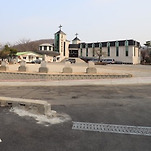
<p><span style="color: #006dd7;" data-ke-size="size20"><b>Those who visit Naju shrine will 'incur an automatic excommunication,' says Singapore archdiocese</b></span></p><div class="figure-img" data-ke-type="image" data-ke-style="alignCenter" data-ke-mobilestyle="widthOrigin"><img src="https://t1.daumcdn.net/cafeattach/1Bg5E/56961d5ae1a8023d1002a2f0d97146b89a22877f" class="txc-image" data-img-src="https://t1.daumcdn.net/cafeattach/1Bg5E/56961d5ae1a8023d1002a2f0d97146b89a22877f" data-origin-width="960" data-origin-height="500"></div><p>Catholic Church in South Korea does not recognize the so-called Marian apparition in Naju. (Photo: najumary.or.kr)</p><div class="figure-img" data-ke-type="image" data-ke-style="alignCenter" data-ke-mobilestyle="widthOrigin"><img src="https://t1.daumcdn.net/cafeattach/1Bg5E/c76e5ad3aa5a0171b41b6e04818a5315a9bc627e" class="txc-image" data-img-src="https://t1.daumcdn.net/cafeattach/1Bg5E/c76e5ad3aa5a0171b41b6e04818a5315a9bc627e" data-origin-width="171" data-origin-height="171"></div><p><a style="color: #ffffff;" href="https://www.ucanews.com/author/uca-news-reporter" target="_top" class="ke-link">By UCA News reporter</a></p><p>Published: November 07, 2025 12:03 PM GMT</p><p><span data-ke-size="size18">Updated: November 07, 2025 12:08 PM GMT</span></p><p> </p><p><span data-ke-size="size20">A Malaysian archbishop has cautioned Catholics against visiting a controversial Marian shrine in South Korea, echoing a recent warning from the Singapore Archdiocese that threatened excommunication for those who take part in pilgrimages to this unapproved site.</span></p><p><span data-ke-size="size20">Archbishop Simon Poh of Kuching said Catholics are not permitted to visit the Naju Marian shrine in the Archdiocese of Gwangju, South Korea, according to a Nov. 4 report in the official archdiocesan publication<span> </span>Today’s Catholic.</span></p><p> </p><p><span data-ke-size="size20">Poh said he had confirmed the matter directly with former Gwangju Archbishop Hyginus Kim, who reiterated that visits to the site remain prohibited.</span></p><p> </p><p><span data-ke-size="size20">The Malaysian archbishop urged the faithful to visit only officially recognized Catholic churches and pilgrimage centers.</span></p><p> </p><p><span data-ke-size="size20">His directive follows inquiries from Malaysian Catholics regarding organized pilgrimages to Naju, where several alleged miracles have been reported over the decades.</span></p><p> </p><p><span data-ke-size="size20">The Singapore Archdiocese issued a chancery notice on Oct. 31 warning Catholics not to visit the site.</span></p><p> </p><p><span data-ke-size="size20">It stated that anyone participating in activities at the Naju center—where an alleged visionary continues her ministry “against the guidelines of the local Ordinary in Korea”—would incur automatic excommunication.</span></p><p> </p><p><span data-ke-size="size20">The notice also urged those who had previously visited the shrine to stop doing so and to “approach a priest for the sacrament of reconciliation for the excommunication to be lifted.”</span></p><div class="figure-img" data-ke-type="image" data-ke-style="alignCenter" data-ke-mobilestyle="widthOrigin"><img src="https://t1.daumcdn.net/cafeattach/1Bg5E/a64ccc58980d53500ee738910681f448ea954aeb" class="txc-image" data-img-src="https://t1.daumcdn.net/cafeattach/1Bg5E/a64ccc58980d53500ee738910681f448ea954aeb" data-origin-width="675" data-origin-height="125"></div><p><span data-ke-size="size20">The Naju shrine, located within the jurisdiction of the Gwangju Archdiocese, is linked to Julia Kim, a mother of four who claimed to have received Marian apparitions beginning in the 1980s.</span></p><p> </p><p><span data-ke-size="size20">Kim, a Protestant-turned-Catholic, reported seeing visions of Jesus and the Blessed Virgin Mary and claimed that her statue of Mary began shedding tears on June 30, 1985. She also said she had been miraculously cured of terminal cancer.</span></p><p> </p><p><span data-ke-size="size20">As devotion to “Our Lady of Naju” spread, Church authorities launched investigations. In 1998, then-Gwangju Archbishop Victorinus Youn Kong-hi declared that the reported events were “not of supernatural origin.”</span></p><p> </p><p><span data-ke-size="size20">The Korean Catholic Bishops’ Conference has also officially rejected the alleged miracles.</span></p><p><span data-ke-size="size20">In 2024, the Gwangju Archdiocese warned the faithful about Alexander Kim Dae-sik, a priest expelled from the Salesian congregation in 2022, who reportedly continued to celebrate sacraments illicitly at the Naju center.</span></p><p> </p><p><span data-ke-size="size20">Despite repeated prohibitions, pilgrims from several Asian countries continue to visit Naju, drawn by reports of healing and mystical phenomena not recognized by the Catholic Church.</span></p>
<!-- -->