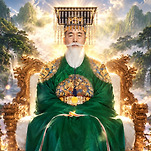
<p style="text-align: justify;"><span style="color: #000000;" data-ke-size="size16">漢 高祖 劉邦(한고조 유방)의 大風歌(대풍가)는</span></p><p style="text-align: justify;"><span style="color: #000000;" data-ke-size="size16"> 中國歷史(중국역사)에 큰 劃(획)을 그었고 큰 그림자로 남겼다. </span></p><p style="text-align: justify;"><span style="color: #000000;" data-ke-size="size16">패현 출신인 그가 천하를 통일 할 것을 누가 알아 보았겠나? </span></p><p style="text-align: justify;"><span style="color: #000000;" data-ke-size="size16">어렴푸시 故鄕(고향)의 蕭何(소하)가 그의 非凡(비범)한 人物(인물) 됨을 알아보고 끝까지 도왔다.</span></p><p style="text-align: justify;"><span style="color: #000000;" data-ke-size="size16">劉邦(유방)을 補弼(보필)한 三傑中(삼걸중)에 첫 人物(인물)이 소하이다. </span></p><p style="text-align: justify;"> </p><p style="text-align: justify;"><span style="color: #000000;" data-ke-size="size16">증산상제께서 말씀하시기를 한고조는 소하의 덕으로 천하를 얻었다 라 評價(평가)하셨다. </span></p><p style="text-align: justify;"><span style="color: #000000;" data-ke-size="size16">三傑(삼걸)은 蕭何. 韓信, 張良(소하 한신 장량)이다.</span></p><p style="text-align: justify;"><span style="color: #000000;" data-ke-size="size16">蕭何(소하)는 한고조보다 연상이었고 유방이 한량일 적에 소하는 지방의 官吏(관리)이었으나</span></p><p style="text-align: justify;"><span style="color: #000000;" data-ke-size="size16"> 유방이 일을 圖謀(도모)하자 上典(상전)으로 모시고 天下(천하)를 制覇(제패) 할 때까지 </span></p><p style="text-align: justify;"><span style="color: #000000;" data-ke-size="size16">유방의 最側近(최측근)에서 처음부터 끝까지 도왔던 것이다.</span></p><p style="text-align: justify;"><span style="color: #000000;" data-ke-size="size16"> 知人(지인:사람 됨을 認知(인지)하는 사람)의 眼目(안목)을 기졌던 人物(인물)이다. </span></p><p style="text-align: justify;"><span style="color: #000000;" data-ke-size="size16">사람이라야 사람을 알아본다.</span></p><p style="text-align: justify;"> </p><p style="text-align: justify;"><span style="color: #000000;" data-ke-size="size16">亢羽(항우)는 韓信(한신)의 인물 됨을 몰라봄에 항우를 떠나 유방에게 갔고</span></p><p style="text-align: justify;"><span style="color: #000000;" data-ke-size="size16"> 유방은 한신을 알아보고 크게 씀으로써 성공했던 것이다. </span></p><p style="text-align: justify;"><span style="color: #000000;" data-ke-size="size16">항우는 제 힘의 能力(능력)만을 믿고 스승인 범증조차 내치고서 結局(결국) 亡(망)했다. </span></p><p style="text-align: justify;"><span style="color: #000000;" data-ke-size="size16">소하가 유방을 알아보았고 유방이 사람을 알아본 대표적 인물이 곧 韓信(한신)이었던 것이다. </span></p><p style="text-align: justify;"><span style="color: #000000;" data-ke-size="size16">소하와 유방은 知人(지인)의 안목이 있었기에 한 시대의 豪傑(호걸)로 成功(성공)했다는 말씀이다.</span></p><p style="text-align: justify;"> </p><p style="text-align: justify;"><span style="color: #000000;" data-ke-size="size16">한신이 소싯적 困境(곤경)에 處(처)해 있을때 </span></p><p style="text-align: justify;"><span style="color: #000000;" data-ke-size="size16">끼니를 챙겨준 표모의 정을 못잊고 성공하면 반드시 보답하겠다 라 하였는데</span></p><p style="text-align: justify;"><span style="color: #000000;" data-ke-size="size16"> 표모는 '네가 성공한 후에 보답받으려 한 것이 아니니라' 호통쳤지만 </span></p><p style="text-align: justify;"><span style="color: #000000;" data-ke-size="size16">한신이 성공한 후에 돌아와 표모를 찾았지만 이미 죽은 뒤라 </span></p><p style="text-align: justify;"><span style="color: #000000;" data-ke-size="size16">표모의 墓(묘)를 王陵(왕릉)처럼 雄壯(웅장)하게 造成(조성)하여 </span></p><p style="text-align: justify;"><span style="color: #000000;" data-ke-size="size16">後代(후대)에까지 萬人(만인)들이 기리게 하였고 漂母祠(표모사)를 세웠다.</span></p><p style="text-align: justify;"> </p><p style="text-align: justify;"><span style="color: #000000;" data-ke-size="size16">報恩(보은)의 精神(정신)을 가진 훌륭한 한신은 慾心(욕심)을 버리지 못하여 한고조에게 죽임을 당하였고 </span></p><p style="text-align: justify;"><span style="color: #000000;" data-ke-size="size16">성공한 후에 錦衣還鄕(금의환향)한 劉邦(유방)이 故鄕(고향)에서 잔치를 베풀어 </span></p><p style="text-align: justify;"><span style="color: #000000;" data-ke-size="size16">노래 한 자락을 불렀는데 題目(제목)이 大風歌(대풍가)이다. </span></p><p style="text-align: justify;"><span style="color: #000000;" data-ke-size="size16">큰 바람을 일으켜 천하를 통일했다는 뜻이다.</span></p><p style="text-align: justify;"><span style="color: #000000;" data-ke-size="size16">知人(지인)의 眼目(안목)과 報恩(보은)의 義理(의리)를 나는 重視(중시)하여 이 글을 쓰게 된 것이다.</span></p><p style="text-align: justify;"> </p><p style="text-align: justify;"><span style="color: #000000;" data-ke-size="size16">'참으로 큰 바람' 은 이제 韓半島(한반도) 땅 鷄龍(계룡)에서 일어난다.</span></p><p style="text-align: justify;"><span style="color: #000000;" data-ke-size="size16"> 人性(인성)은 各者(각자) 다름이 있는 법이나 깨달아 道通(도통)하게 되면 한 마음이 된다. </span></p><p style="text-align: justify;"><span style="color: #000000;" data-ke-size="size16">一心子(일심자)라야 同志(동지)이다.</span></p><p style="text-align: justify;"> </p><p style="text-align: justify;"><span style="color: #000000;" data-ke-size="size16">한 卓子(탁자)에서 血液型(혈액형)이 서로 다른 A형, B형, AB형, O형의 네 사람이 식사를 하는데 </span></p><p style="text-align: justify;"><span style="color: #000000;" data-ke-size="size16">AB형이 갑자기 밖으로 획 나가 버리자 오지랍이 넓은 O형이 쟤 왜그러지 하며 따라 나가 보았고</span></p><p style="text-align: justify;"><span style="color: #000000;" data-ke-size="size16"> B형인 친구는 그러나 마나 저 혼자 밥만 먹고 있었으며 </span></p><p style="text-align: justify;"><span style="color: #000000;" data-ke-size="size16">A형은 나 때문인가? 내가 뭘 잘못했나 라 했다는 이야기를 前(전) 날에 </span></p><p style="text-align: justify;"><span style="color: #000000;" data-ke-size="size16">天主敎 神父(천주교 신부)이었던 老 講士(노 강사)의 講演(강연)에서 한 말이다.</span></p><p style="text-align: justify;"> </p><p style="text-align: justify;"><span style="color: #000000;" data-ke-size="size16">이는 AB형일 경우 주변사람을 생각지 않고 자기 멋대로 行爲(행위)를 하는 자이고</span></p><p style="text-align: justify;"><span style="color: #000000;" data-ke-size="size16"> O형은 리더격이라 왜 그러한 행위를 하였는지 확인하여 해결하려 한다는 性向(성향)음을 가졌다는 뜻이렷다.</span></p><p style="text-align: justify;"><span style="color: #000000;" data-ke-size="size16">이들에 비해 B형은 주변을 의식하지 않고 자기 할 일만 계속하는 성질인데 </span></p><p style="text-align: justify;"><span style="color: #000000;" data-ke-size="size16">A형은 愼重(신중)하여 他人(타인)을 먼저 考慮(고려)하면서 생각이 깊은 君子精神(군자정신)을 가졌다는 의미로 본 것이다.</span></p><p style="text-align: justify;"> </p><p style="text-align: justify;"><span style="color: #000000;" data-ke-size="size16">사느냐 죽느냐 死生決斷(사생결단)의 時運(시운)에 이르러</span></p><p style="text-align: justify;"><span style="color: #000000;" data-ke-size="size16"> 各己(각기) 다른 성질의 모든 인류는 覺醒(각성)하고 큰 바람을 타야만 살아남게 되어 極樂(극락)을 누린다.</span></p><p style="text-align: justify;"><span style="color: #000000;" data-ke-size="size16">四想(사상: 太陽(태양), 太陰(태음), 少陽(소양), 少陰(소음))으로 나뉜 성향이든,</span></p><p style="text-align: justify;"><span style="color: #000000;" data-ke-size="size16"> 十天干 日干(십천간 일간)의 성향이든, 서양 과학 방식의 성향이든, </span></p><p style="text-align: justify;"><span style="color: #000000;" data-ke-size="size16">혈액형의 性向(성향)이든 간에 이제는 한 마음 한 뜻으로 眞人(진인)의 길로 나서야 된다는 말씀이 結語(결어)이다.</span></p><p style="text-align: justify;"> </p><p><b>대풍가와 계룡의 참 큰 바람 개벽송</b></p><p>Listen and make your own on Suno.</p><p>suno.com</p><p style="text-align: left;"><span data-ke-size="size18"><b>영어(English)</b></span></p><p style="text-align: justify;"><span data-ke-size="size18">Han Gaozu Liu Bang's "Song of the Great Wind" left a significant mark on Chinese history and cast a large shadow. Who could have foreseen that he, a native of Pei County, would unify the world? It was Xiao He from his hometown who vaguely recognized his extraordinary nature and supported him to the very end.</span></p><p style="text-align: justify;"><span data-ke-size="size18">Xiao He is the first of the three heroes who assisted Liu Bang. Jeung San Sangje remarked that Han Gaozu obtained the world through the virtue of Xiao He. The Three Heroes is Xiao He. They are Han Xin and Zhang Liang.</span></p><p style="text-align: justify;"><span data-ke-size="size18">Xiao He was older than Emperor Gaozu of Han, and while Liu Bang was a idler, Xiao He was a local official. However, when Liu Bang began to plot, Xiao He served him as his superior and assisted him from beginning to end as his closest confidant until he conquered the world. He was a man who possessed the discernment of a true man. Only a person can recognize another person. Xiang Yu failed to recognize Han Xin's potential, so he left him and went to Liu Bang; Liu Bang succeeded because he recognized Han Xin's abilities and employed him greatly. Xiang Yu, trusting only in his own strength, even cast aside his own teacher, Fan Zeng, and ultimately met his downfall. Just as Xiao He recognized Liu Bang, Han Xin was a prime example of someone whom Liu Bang recognized for his character. The point is that both Xiao He and Liu Bang succeeded as heroes of their time because they possessed the discernment to know the right people. Han Xin could not forget the kindness of the mother who had provided him with food when he was in distress in his youth, and he promised to repay her upon his success. However, the mother scolded him, saying, "I did not intend to receive a reward after you succeeded." When Han Xin returned after his success and sought out the mother, he found that she had already passed away. Consequently, he constructed her tomb as magnificent as a royal mausoleum so that ten thousand people would honor her for generations to come, and he erected the Shrine of the Drifting Mother. The great Han Xin, who possessed the spirit of gratitude, was killed by Emperor Gaozu of Han because he could not abandon his greed. After achieving success, Liu Bang returned home in splendid attire and held a banquet, singing a song titled "The Song of the Great Wind." It signifies that he unified the world by stirring up a great wind.</span></p><p style="text-align: justify;"><span data-ke-size="size18">I have written this text to place great importance on the discernment of a wise person and the righteousness of gratitude.</span></p><p style="text-align: justify;"><span data-ke-size="size18">"A truly great wind" now rises from Gyeryong on the Korean Peninsula. Human nature is bound to differ for each individual, but once one attains enlightenment and achieves spiritual enlightenment, they become one mind. Only those with a single mind are comrades.</span></p><p style="text-align: justify;"><span data-ke-size="size18">This is a story told in a lecture by an elderly lecturer who was formerly a Catholic priest, recounting how four people with different blood types—Type A, Type B, Type AB, and Type O—were having a meal at a table. When the Type AB person suddenly stormed out, the nosy Type O person followed them out wondering what was wrong; the Type B friend, however, continued eating alone as if nothing had happened, while the Type A person wondered, "Is it because of me? Did I do something wrong?" This implies that AB types act as they please without considering those around them, whereas O types, being leaders, possess a disposition to investigate the reasons behind such actions and seek to resolve them.</span></p><p style="text-align: justify;"><span data-ke-size="size18">In contrast, B types tend to focus solely on their own tasks without regard for their surroundings, whereas A types are interpreted as possessing the spirit of a gentleman—prudent, thoughtful, and prudent—who considers others first.</span></p><p style="text-align: justify;"><span data-ke-size="size18">Upon reaching a time of life-or-death struggle, all of humanity, despite their diverse natures, must awaken and ride the great winds to survive and attain paradise. The conclusion is that whether it is a tendency divided into the Four Thoughts (Taeyang, Taeum, Soyang, Soeum), the tendency of the Ten Heavenly Stems and Day Stems, the tendency of Western scientific methods, or the tendency of blood types, we must now step forward on the path of a True Person with one heart and one mind.</span></p><p style="text-align: justify;"><span data-ke-size="size18">​</span></p><p style="text-align: justify;"><span data-ke-size="size18"><b>일본어</b></span></p><p style="text-align: justify;"><span data-ke-size="size18">漢高祖劉邦の大風歌(大風歌)は、中國歷史(中国歴史)に大きな劃(画)を描き、大きな影として残した。パヒョン出身の彼が天下を統一することを誰が調べたのか?ゴンプッシュ故鄕(故郷)の蕭何(ソハ)が彼の非凡(比凡)した人物(人物)になったことを調べて最後まで助けた。</span></p><p style="text-align: justify;"><span data-ke-size="size18">劉邦(乳房)を補弼(補筆)した三傑中(サムギャル中)に初の人物(人物)がソハだ。増産上制が言われるようにハンゴジョはソハのおかげで天下を得たと評價した。 三傑(サムガール)は蕭何。 韓信、張良(ソハハンシン長量)だ。</span></p><p style="text-align: justify;"><span data-ke-size="size18">蕭何(ソハ)は韓固祖より年上で、乳房が一量日敵に所属する地方の官吏(管理)だったが、乳房が仕事を圖謀(図形)すると上典(上伝)に祀って天下(天下)を制覇(制覇)するまで乳房の最。 知人(知人:人になったことを認知(認知)する人)の眼目(目つき)を基にした人物(人物)である。人でなければ人を調べる。</span></p><p style="text-align: justify;"><span data-ke-size="size18">亢羽(ハン・ウ)は韓信(ハンシン)の人物になることを知らず、春にハンウを離れて乳房に行き、乳房は阪神を調べて大きく言うことで成功したのだ。ハンウは私の力の能力(能力)だけを信じて師匠の犯症すらささやき、結局(結局)亡くなった。ソハが乳房を調べ、乳房が人を調べた代表的な人物がすぐに韓信だったのだ。ソハと乳房は知人(知人)の目があったため、ある時代の豪傑(ホガール)で成功(成功)したという御言葉だ。</span></p><p style="text-align: justify;"><span data-ke-size="size18">阪神が少し困難な状況(苦境)に處(処)していたときにキニを手にしてくれた表貌の情を忘れて成功すれば必ず報らせると言ったが、表貌は「あなたが成功した後に返答を受けようとしたのではない」と通じたがすでに神神が成功した後に戻って表貌を探した。王陵(王陵)のように雄壯(雄大)に造成(造成)し、後代(後代)までまで萬人(万人)が称賛し、漂母祠(表貝寺)を立てた。</span></p><p style="text-align: justify;"><span data-ke-size="size18">報恩の精神を持った立派な阪神は慾心を捨てることができず、韓五条に殺され、成功した後に金衣還鄕(金の為替)した劉邦(乳房)が故鄕(故郷)でごちそうを歌った。大風歌(大風歌)だ。大きな風を起こして天下を統一したという意味だ。</span></p><p style="text-align: justify;"><span data-ke-size="size18">知人(知人)の眼目(眼目)と報恩(私はボウン)の義理(義理)を重視(重視)してこの文を書くことになったのだ。</span></p><p style="text-align: justify;"><span data-ke-size="size18">「本当に大きな風」は、もう韓半島(朝鮮半島)の地鷄龍(桂龍)で起こる。 人性(人性)は、各者(それぞれ)相違のある法や悟り、道通(導通)することになれば、一心になる。 一心子(一心者)だと同志(同志)だ。</span></p><p style="text-align: justify;"><span data-ke-size="size18">ある卓子(テーブル)で血液型(血液型)が違うA型、B型、AB型、O型の4人が食事をするのにAB型が突然外に飛び出してしまうとオジロブが広いO型があんなになんで従って出てみたしB型な友人はしかしマナあの魂私がミュム間違ったかと言ったという話を前の日に天主敎神父(天主教の花嫁)だった老講士(の講師)の講演でした。</span></p><p style="text-align: justify;"><span data-ke-size="size18">これはAB型の場合、周辺人を考えずに自分勝手に行爲をする者であり、O型はリーダー格だからなぜそのような行為をしたのかを確認して解決しようという性向音を持ったという意味だ。</span></p><p style="text-align: justify;"><span data-ke-size="size18">これらに比べてB型は周辺を意識せずに自分のことだけ続ける性質なのにA型は愼重(慎重)して他人(他人)を先に考慮(考察)しながら思考が深い君子精神(君子精神)を持ったという意味で見たのだ。</span></p><p style="text-align: justify;"><span data-ke-size="size18">死ぬか死ぬか 死生決斷(死生決断)の時運(試運)に至り、各己(それぞれ) 他の性質のすべての人類は覺醒(覚醒)し、大きな風に乗ってこそ生き残ることになり極樂(極楽)を味わう。</span></p><p style="text-align: justify;"><span data-ke-size="size18">四想(思想:太陽(太陽)、太陰(太音)、少陽(素陽)、少陰(騒音))に分かれた性向であれ、十天干日干(十千日間)の性向であれ、西洋科学方式の性向であろうと、血液型の性向(性向)であろうと、今は一心なるという御言葉が結語である。</span></p><p style="text-align: justify;"><span data-ke-size="size18">​</span></p><p style="text-align: justify;"><span data-ke-size="size18"><b>스페인어</b></span></p><p style="text-align: justify;"><span data-ke-size="size18">La "Canción del Gran Viento" de Liu Bang, de Han Gaozu, dejó una huella significativa en la historia china y tuvo una gran influencia. ¿Quién podría haber previsto que él, oriundo del condado de Pei, unificaría el mundo? Fue Xiao He, de su pueblo natal, quien intuyó su extraordinaria naturaleza y lo apoyó hasta el final.</span></p><p style="text-align: justify;"><span data-ke-size="size18">Xiao He es el primero de los tres héroes que ayudaron a Liu Bang. Jeung San Sangje comentó que Han Gaozu conquistó el mundo gracias a la virtud de Xiao He. Los tres héroes son Xiao He, Han Xin y Zhang Liang.</span></p><p style="text-align: justify;"><span data-ke-size="size18">Xiao He era mayor que el emperador Gaozu de Han, y mientras Liu Bang era un ocioso, Xiao He era un funcionario local. Sin embargo, cuando Liu Bang comenzó a conspirar, Xiao He lo sirvió como su superior y lo asistió de principio a fin como su confidente más cercano hasta que conquistó el mundo. Era un hombre con la perspicacia de un verdadero hombre. Solo una persona puede reconocer a otra. Xiang Yu no reconoció el potencial de Han Xin, así que lo abandonó y se unió a Liu Bang. Liu Bang triunfó porque reconoció las habilidades de Han Xin y lo empleó con gran generosidad. Xiang Yu, confiando únicamente en su propia fuerza, incluso despreció a su maestro, Fan Zeng, y finalmente encontró su perdición. Así como Xiao He reconoció a Liu Bang, Han Xin fue un claro ejemplo de alguien a quien Liu Bang reconoció por su carácter. La cuestión es que tanto Xiao He como Liu Bang triunfaron como héroes de su tiempo porque poseían la perspicacia para reconocer a las personas adecuadas. Han Xin no podía olvidar la bondad de la madre que le había dado de comer cuando estaba en apuros en su juventud, y le prometió recompensarla tras su éxito. Sin embargo, la madre lo reprendió, diciéndole: "No tenía intención de recibir una recompensa después de tu triunfo". Cuando Han Xin regresó tras su victoria y buscó a la madre, descubrió que ya había fallecido. En consecuencia, construyó su tumba, tan magnífica como un mausoleo real, para que diez mil personas la honraran por generaciones venideras, y erigió el Santuario de la Madre Errante. El gran Han Xin, poseedor del espíritu de la gratitud, fue asesinado por el emperador Gaozu de Han por no poder abandonar su codicia. Tras alcanzar el éxito, Liu Bang regresó a casa ataviado con espléndidas vestiduras y ofreció un banquete, entonando una canción titulada "La Canción del Gran Viento". Esta canción simboliza que unificó el mundo al desatar un gran viento.</span></p><p style="text-align: justify;"><span data-ke-size="size18">He escrito este texto para destacar la importancia del discernimiento de la sabiduría y la rectitud de la gratitud.</span></p><p style="text-align: justify;"><span data-ke-size="size18">"Un viento verdaderamente grandioso" se eleva ahora desde Gyeryong, en la península coreana. La naturaleza humana es singular en cada individuo, pero una vez que se alcanza la iluminación y la iluminación espiritual, se llega a una sola mente. Solo aquellos con una sola mente son verdaderos compañeros.</span></p><p style="text-align: justify;"><span data-ke-size="size18">Esta es una historia contada en una conferencia por un anciano conferenciante, antiguo sacerdote católico, quien relató cómo cuatro personas con diferentes grupos sanguíneos —A, B, AB y O— compartían una comida en una mesa. Cuando la persona de tipo AB salió furiosa, la persona curiosa de tipo O la siguió preguntándose qué pasaba; sin embargo, el amigo de tipo B continuó comiendo solo como si nada hubiera ocurrido, mientras que la persona de tipo A se preguntaba: "¿Será por mi culpa? ¿Hice algo mal?". Esto implica que las personas de tipo AB actúan a su antojo sin considerar a quienes las rodean, mientras que las de tipo O, al ser líderes, tienen la disposición de investigar las razones detrás de tales acciones y buscar soluciones.</span></p><p style="text-align: justify;"><span data-ke-size="size18">Por el contrario, las personas de tipo B tienden a centrarse únicamente en sus propias tareas sin tener en cuenta su entorno, mientras que las de tipo A se interpretan como poseedoras del espíritu de un caballero: prudentes, reflexivos y considerados, que anteponen a los demás.</span></p><p style="text-align: justify;"><span data-ke-size="size18">Al llegar a un momento de lucha a vida o muerte, toda la humanidad, a pesar de sus diversas naturalezas, debe despertar y cabalgar los grandes vientos para sobrevivir y alcanzar el paraíso. La conclusión es que, ya sea una tendencia dividida en los Cuatro Pensamientos (Taeyang, Taeum, Soyang, Soeum), la tendencia de los Diez Troncos Celestiales y Troncos del Día, la tendencia de los métodos científicos occidentales o la tendencia de los tipos de sangre, ahora debemos avanzar por el camino de una Persona Verdadera con un solo corazón y una sola mente.</span></p><p><b>[출처]</b> <a style="color: #000000;" href="https://blog.naver.com/nerumi79/224359523091" target="_blank" class="ke-link"># 牧牛堂主 一代記(목우당주 일대기)(457) The biography of Mokwoodangj</a>|<b>작성자</b> <a style="color: #000000;" href="https://blog.naver.com/nerumi79" target="_blank" class="ke-link">해인1691 HAE IN 1691</a></p>
<!-- -->