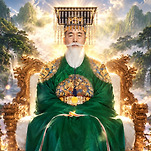
<div class="figure-img" data-ke-type="image" data-ke-style="alignLeft" data-ke-mobilestyle="widthOrigin"><img src="https://t1.daumcdn.net/cafeattach/1ABdi/e0e65a9237b8edb0b09c03e7f9e8229f37bbab7b" class="txc-image" width="479" height="599" data-img-src="https://t1.daumcdn.net/cafeattach/1ABdi/e0e65a9237b8edb0b09c03e7f9e8229f37bbab7b" data-origin-width="773" data-origin-height="966"></div><p style="text-align: justify;"><span style="color: #000000;" data-ke-size="size16">仙人(선인)인 黃 石公(황 석공)은 張良(장량)의 스승이라, 張良(장량)은 明於盛衰之道(명어성쇠지도)를 알았고 </span></p><p style="text-align: justify;"><span style="color: #000000;" data-ke-size="size16">通乎成敗地數(통호성패지수)를 알고 있었기로</span></p><p style="text-align: justify;"><span style="color: #000000;" data-ke-size="size16"> 項羽(항우)가 아닌 劉邦(유방)을 主公(주공)으로 섬기고 輔弼(보필)한 끝에 </span></p><p style="text-align: justify;"><span style="color: #000000;" data-ke-size="size16">天下(천하)를 統一(통일)한 漢高祖(한고조)로 登極(등극)케 하였다.</span></p><p style="text-align: justify;"><span style="color: #000000;" data-ke-size="size16"> 審乎治亂之勢(심호치란지세)를 알아 審乎居就之理(심호거취지리)로 </span></p><p style="text-align: justify;"><span style="color: #000000;" data-ke-size="size16">天子山中(천자산중)에 들어가 末年(말년)을 몸과 마음을 便安(편안)하게 보냈다.</span></p><p style="text-align: justify;"> </p><p style="text-align: justify;"><span style="color: #000000;" data-ke-size="size16">그러나 韓信(한신)은 明於盛衰之道(명어성쇠지도)와 通乎成敗之數(통호성패지수)는 알고서</span></p><p style="text-align: justify;"><span style="color: #000000;" data-ke-size="size16"> 한고조를 도와 成功(성공)하였으나 審乎治亂之勢(심호치란지세)에 審乎居就之理(심호거취지리)를 알지 못하여 </span></p><p style="text-align: justify;"><span style="color: #000000;" data-ke-size="size16">王位(왕위)를 願(원)하여 욕심부리다가 한고조에게 죽임을 당했다.</span></p><p style="text-align: justify;"> </p><p style="text-align: justify;"><span style="color: #000000;" data-ke-size="size16">項羽(항우)도 그랬으니 進退兩亂(진퇴양란)의 四面楚歌(사면초가)에 빠졌을 때에</span></p><p style="text-align: justify;"><span style="color: #000000;" data-ke-size="size16"> 故鄕(고향)이 江(강)건너 땅이기로 그 강만 건너면 살길이 있었지만 </span></p><p style="text-align: justify;"><span style="color: #000000;" data-ke-size="size16">이 조차 포기하여 스스로 愛妾(애첩)과 함께 自決(자결)했다.</span></p><p style="text-align: justify;"><span style="color: #000000;" data-ke-size="size16">한고조가 錦衣還鄕(금의환향)하여 大風歌(대풍가)를 부름과는 반대이니</span></p><p style="text-align: justify;"><span style="color: #000000;" data-ke-size="size16"> 사나이 大丈夫(대장부)로써 敗者(패자)로 근근히 살아남아 있는 것은 </span></p><p style="text-align: justify;"><span style="color: #000000;" data-ke-size="size16">自尊心(자존심)이 許諾(허락)치 않았던 楚國英雄(초국영웅)이다.</span></p><p style="text-align: justify;"><span style="color: #000000;" data-ke-size="size16"> 이 時代(시대)에도 똑같다. </span></p><p style="text-align: justify;"><span style="color: #000000;" data-ke-size="size16">제 아무리 똑똑하고 잘 났어도 道運(도운)의 길을 바로 찾지 못하면 項羽(항우)꼴을 당한다.</span></p><p style="text-align: justify;"> </p><p style="text-align: justify;"><span style="color: #000000;" data-ke-size="size16">말대 젊은이는 大槪(대개) 서울 弘大(홍대)앞의 自由紛放(자유분방)한 거리를 憧景(동경)하나 </span></p><p style="text-align: justify;"><span style="color: #000000;" data-ke-size="size16">이는 盛衰之道(성쇠지도)에서 盛(성)한 極致 現狀(극치 현상)이라, </span></p><p style="text-align: justify;"><span style="color: #000000;" data-ke-size="size16">달이 滿月(만월)이 되면 찌그러지는 일만 남은 줄 모르는 철부지들의 水準(수준)이요, </span></p><p style="text-align: justify;"><span style="color: #000000;" data-ke-size="size16">鷄龍山(계룡산)의 精氣(정기)를 느낄 수 있어야만 </span></p><p style="text-align: justify;"><span style="color: #000000;" data-ke-size="size16">治亂之勢(치난지세)를 알아 居就之理(거취지리)에 近接(근접)한 更少年水準(갱소년수준)이 될 수 있다라 할 것이다.</span></p><p style="text-align: justify;"> </p><p style="text-align: justify;"><span style="color: #000000;" data-ke-size="size16">釜山 龍宮寺(부산 용궁사) 절간에도 道(도)의 기운이 있으나 넘어가는 해이니 </span></p><p style="text-align: justify;"><span style="color: #000000;" data-ke-size="size16">新東學(신동학)에 接(접)해야 한살 더 먹어 冠(관)을 쓰는格(격)의 成熟(성숙)이다.</span></p><p style="text-align: justify;"><span style="color: #000000;" data-ke-size="size16">造一方淨土(조일방정토)하야 結萬衆善緣(결만중선연)이니라. </span></p><p style="text-align: justify;"><span style="color: #000000;" data-ke-size="size16">일방정토를 지어 만중생에게 좋은 因緣(인연)을 맺게 하나니라.</span></p><p style="text-align: justify;"> </p><p style="text-align: justify;"><span style="color: #000000;" data-ke-size="size16">一方淨土(일방정토)란 </span></p><p style="text-align: justify;"><span style="color: #000000;" data-ke-size="size16">一氣再生新(일기재생신)된 未來(미래)의 깨끗한 地上落園(지상낙원)을 뜻하는 글문을 </span></p><p style="text-align: justify;"><span style="color: #000000;" data-ke-size="size16">石株(석주)에 刻字(각자)하여 建立(건립)하였으나 샛길일 뿐이다.</span></p><p style="text-align: justify;"><span style="color: #000000;" data-ke-size="size16"> 佛家用語(불가용어)로 쓰였지만 맞는 表現(표현)이기는 하다. </span></p><p style="text-align: justify;"><span style="color: #000000;" data-ke-size="size16">다만 불교에서 이루어내는 세상이 아니라는 것이 문제이다.</span></p><p style="text-align: justify;"> </p><p style="text-align: justify;"><span style="color: #000000;" data-ke-size="size16">반도체가 한국 경제의 중심인 까닭은 導體(도체)와 非導體(비도체)를 잇는 것이 半導體(반도체)라 </span></p><p style="text-align: justify;"><span style="color: #000000;" data-ke-size="size16">이는 선천의 非導體 未發(비도체 미발)이 후천의 導體化(도체화) 하는 媒介體 役(매개체 역)이라</span></p><p style="text-align: justify;"><span style="color: #000000;" data-ke-size="size16"> 佛家的(불가적)으로 보면</span></p><p style="text-align: justify;"><span style="color: #000000;" data-ke-size="size16"> 座佛(좌불)의 선천 小僧佛敎(소승불교)인 釋尊時代(석존시대)에서 </span></p><p style="text-align: justify;"><span style="color: #000000;" data-ke-size="size16">立佛(입불)의 阿彌陀佛 未來 淨土(아미타불 미래 정토)의 신선세계로 引導(인도) 할 </span></p><p style="text-align: justify;"><span style="color: #000000;" data-ke-size="size16">下化衆生(하화중생)의 大乘佛敎(대승불교)인 彌勒佛 役轄(미륵불 역할)과 같기 때문이다.</span></p><p style="text-align: justify;"> </p><p style="text-align: justify;"><span style="color: #000000;" data-ke-size="size16">釋尊(석존)은 </span></p><p style="text-align: justify;"><span style="color: #000000;" data-ke-size="size16">삼천여년전 開闢(개벽)으로 人類(인류)가 滅(멸)되는 天下大勢(천하대세)를 알았기에 海印法方(해인법방)을 내렸고 </span></p><p style="text-align: justify;"><span style="color: #000000;" data-ke-size="size16">孔子(공자)는 </span></p><p style="text-align: justify;"><span style="color: #000000;" data-ke-size="size16">그 이치를 周易(주역)으로 풀어 알렸으며 </span></p><p style="text-align: justify;"><span style="color: #000000;" data-ke-size="size16">예수 역시 神(신)의 心判(심판)이 일어나는 것을 알았다는 것이다.</span></p><p style="text-align: justify;"> </p><p style="text-align: justify;"><span style="color: #000000;" data-ke-size="size16">桓因(환인), 桓雄(환웅)께서는</span></p><p style="text-align: justify;"><span style="color: #000000;" data-ke-size="size16"> 그 곱빼기보다 훨씬 以前(이전)에 이미 알고 弘益人間 濟世理化(홍익인간 제세이화)라 가르쳤다. </span></p><p style="text-align: justify;"><span style="color: #000000;" data-ke-size="size16">神仙界 白衣民族(신선계 백의민족)의 傳統(전통)으로</span></p><p style="text-align: justify;"><span style="color: #000000;" data-ke-size="size16"> 牛頭 貌樣(우두 모양)같은 戰爭間(전쟁간)의 帽子(모자)인 투구를 지어 뾰족한 수의 法方(법방)을 알렸다.</span></p><p style="text-align: justify;"><span style="color: #000000;" data-ke-size="size16">원효대사와 설총도 알았고 格庵(격암)과 磻溪(반계)도 알았다.</span></p><p style="text-align: justify;"><span style="color: #000000;" data-ke-size="size16">그 結論(결론)을 맺기 爲(위)해 三神 彌勒(삼신 미륵)으로 降臨(강림)하니 </span></p><p style="text-align: justify;"><span style="color: #000000;" data-ke-size="size16">水雲(수운), 甑山(증산), 迎新堂主(영신당주)께서 大韓 朝鮮半島 南道(대한 조선반도 남도)에 誕降(탄강)하심이다.</span></p><p style="text-align: justify;"><span style="color: #000000;" data-ke-size="size16">聖賢(성현)은 時空(시공)을 超越(초월)하여 成衰(성쇠)와 成敗(성패)의 大勢(대세)를 알았고 </span></p><p style="text-align: justify;"><span style="color: #000000;" data-ke-size="size16">따라서 居就(거취)를 알았기에 天命(천명)을 받은 小數(소수)의 仙 佛 聖 賢外(선 불 성 현외)에는 </span></p><p style="text-align: justify;"><span style="color: #000000;" data-ke-size="size16">모두 남모르게 隱君子(은군자)로 살았던 것이다.</span></p><p style="text-align: justify;"> </p><p><b>거취의 도리와 삼신미륵 개벽 대풍가</b></p><p> </p><p>suno.com<a href="https://suno.com/s/n3SoK6Vix58CJSSG" target="_blank" class="ke-link">https://suno.com/s/n3SoK6Vix58CJSSG</a></p><p style="text-align: justify;"> </p><p style="text-align: justify;"> </p><p style="text-align: justify;"> </p><p style="text-align: justify;"> </p><p style="text-align: justify;"><span style="color: #000000;" data-ke-size="size18"><b>영어(English)</b></span></p><p style="text-align: justify;"><span style="color: #000000;" data-ke-size="size18">Huang Shigong, a sage, was Zhang Liang's teacher, and Zhang Liang understood the ways of rise and fall and knew the fortunes of success and failure. Therefore, he served Liu Bang as his Lord rather than Xiang Yu and assisted him, eventually helping him ascend to the throne as Emperor Gaozu of Han, who unified the world. Having assessed the state of order and disorder, and following the principles of self-cultivation, he retreated to Mt. Tianzi and spent his later years in peace, both physically and mentally. However, Han Xin understood the ways of rise and fall and the degrees of success and failure, and he helped Emperor Gaozu of Han succeed; yet, failing to understand the principles of maintaining power amidst the chaos of order, he coveted the throne and was killed by Emperor Gaozu. Xiang Yu was like this as well; when he was trapped in a dilemma, surrounded on all sides, his hometown was just across the river, so there was a way to survive if he just crossed it. However, he gave up even this and took his own life along with his beloved concubine.</span></p><p style="text-align: justify;"><span style="color: #000000;" data-ke-size="size18">This is the opposite of Emperor Gaozu of Han, who returned home in splendid attire and sang the song of the great wind. As a great man, the hero of Chu was a man whose pride would not allow him to barely survive as a loser. It is the same in this era. No matter how smart or capable one is, if one fails to find the right path of the Way, one will end up like Xiang Yu. Young people in their twenties generally yearn for the free-spirited streets in front of Hongik University in Seoul, but this is the peak phenomenon in the path of rise and fall; it is the level of naive fools who do not realize that when the moon becomes full, the only thing left is for it to wane. It can be said that only by feeling the vital energy of Mt. Gyeryong can one understand the circumstances of order and chaos and reach the level of a renewed youth, approaching the principles of proper conduct. Although the energy of the Way is present even within the temple of Yonggungsa in Busan, as the year is passing, one must engage with New Donghak to attain the maturity befitting the rank of growing one's age and donning a crown.</span></p><p style="text-align: justify;"><span style="color: #000000;" data-ke-size="size18">I create a Pure Land of One Direction to form good karmic connections for all sentient beings. The structure was erected by carving an inscription on a stone pillar denoting Ilbangjeongto, which refers to a future, pure paradise on earth created through the rebirth of a single vital energy; however, it is merely a side path. Although it is a Buddhist term, it is indeed an accurate expression‎. The problem, however, is that it is not a world realized by Buddhism. The reason semiconductors are the center of the Korean economy is that they bridge the gap between conductors and non-conductors; thus, they serve as a medium through which the innate, unmanifested non-conductor becomes a conductor in the post-heavenly era. From a Buddhist perspective, this signifies guiding one from the era of Shakyamuni, the innate Hinayana Buddhism of the seated Buddha, to the celestial world of the future Pure Land of Amitabha Buddha, the standing Buddha. This is because it is equivalent to the role of Maitreya Buddha in Mahayana Buddhism, which is to "save sentient beings."</span></p><p style="text-align: justify;"><span style="color: #000000;" data-ke-size="size18">It means that Shakyamuni Buddha, having realized the great trend of the world over three thousand years ago that humanity would perish due to the Great Transformation, bestowed the Haein Dharma Method; Confucius explained and made known this principle through the I Ching; and Jesus also knew that the divine judgment would take place. Hwanin and Hwanung already knew this long before that double portion, and taught the principle of "benefiting humanity and saving the world through reason." Following the tradition of the White-Clothed People of the Immortal Realm, they created a helmet—a war hat shaped like an ox's head—and revealed the sharp method of the shaman.</span></p><p style="text-align: justify;"><span style="color: #000000;" data-ke-size="size18">Great Master Wonhyo and Seolchong knew it, as did Gyeogam and Bangye.</span></p><p style="text-align: justify;"><span style="color: #000000;" data-ke-size="size18">To bring that conclusion to fruition, the Three Gods descend as Maitreya; thus, Suun, Jeungsan, and the Head of Yeongsindang were born in the Southern Province of the Korean Peninsula. The sages transcended time and space and understood the great trends of rise and fall and success and failure; therefore, knowing their course of action, all except the few immortals, Buddhas, sages, and sages who received the Mandate of Heaven lived secretly as reclusive gentlemen.</span></p><p style="text-align: justify;"><span style="color: #000000;" data-ke-size="size18">​</span></p><p style="text-align: justify;"><span style="color: #000000;" data-ke-size="size18"><b>일본어</b></span></p><p style="text-align: justify;"><span style="color: #000000;" data-ke-size="size18">仙人(鮮人)である黄石公(黄石工)は張良(長良)の師匠であり、張良(張量)は明於盛衰之道(名声指導指導)を知り、通乎成패地數(通護性敗指数)を知っていたので、主公(主公)に仕え、輔弼(補筆)した末に天下(天下)を統一(統一)した漢高祖(韓高条)に登極(背中)させた。 審乎治亂之勢(シムホチランジセ)を知り、審乎居就之理(深圳居就地理)で天子山中(天子山中)に入り、末年(末年)を体と心を便安に送った。</span></p><p style="text-align: justify;"><span style="color: #000000;" data-ke-size="size18">しかし、韓信は明於盛衰之道と通乎成패之數(通護性敗指数)は知って韓高調を助け、成功(成功)したが、審乎治亂之勢(シムホチラン指勢)に審乎利就王位(王位)を願い(願い)して貪欲になったが、一五条に殺された。</span></p><p style="text-align: justify;"><span style="color: #000000;" data-ke-size="size18">項羽もそうだったので進退兩亂の四面楚歌に落ちたときに故鄕が故江を渡って地であるので、その川を渡ると住むことがあったが、これも諦めて自ら愛している。</span></p><p style="text-align: justify;"><span style="color: #000000;" data-ke-size="size18">ハンゴジョが錦衣還鄕(金の為替)で大風歌(大風歌)を呼ぶとは反対だから男子大丈夫(大将部)として敗者(敗者)で近づいて生き残っているのは自尊心(自尊心)が許諾(許諾)しなかった楚國英雄。この時代にもまったく同じだ。私どんなに賢くて良くなっても道運の道をすぐに見つけることができなければ項羽(羽羽)に遭う。</span></p><p style="text-align: justify;"><span style="color: #000000;" data-ke-size="size18">馬大若者は大槪(通常)ソウル弘大(弘大)前の自由分放(自由分放)した街を憧景(憧景)するが、これは盛衰之道(城塞地図)で盛り上がった極致現狀(極端な現象)であり、月が満月である。鉄敷地の水準(水準)であり、鷄龍山(桂龍山)の精气(定期)を感じることができなければ、治亂之勢(治南地勢)を知って居就之理(挙取地理)に近接(近接)した更少年水準(更少年水準)になる。</span></p><p style="text-align: justify;"><span style="color: #000000;" data-ke-size="size18">釜山龍宮寺節間にも道の気運があるが、越える年であるため、新東学に接しなければならないもう一歳食べて冠を使う格の成熟だ。</span></p><p style="text-align: justify;"><span style="color: #000000;" data-ke-size="size18">造一方淨土(朝日方定土)は、結萬衆善緣(決満中宣演)だから。一方の正土を建てて、マンジュン生に良い因緣(縁)を結ぶように。</span></p><p style="text-align: justify;"><span style="color: #000000;" data-ke-size="size18">一方、淨土とは、一气再生新(未来)のきれいな地上落園(地上楽園)を意味する文を石周(石柱)に刻字(それぞれ)して建立(建立)したが、買道だ。 佛家用語(不可用語)として使われたが、正しい表現(表現)であるという。ただし仏教で成し遂げる世界ではないというのが問題だ。</span></p><p style="text-align: justify;"><span style="color: #000000;" data-ke-size="size18">半導体が韓国経済の中心である理由は、導体と非導体をつなぐのが半導体である。見れば座佛(座仏)の先天小僧佛敎(小承仏教)である釋尊時代(石尊時代)から立佛(入仏)の阿彌陀佛未來淨土の新鮮世界生大乘佛敎(大勝仏教)である彌勒佛役轄(弥勒仏役)と同じだからだ。</span></p><p style="text-align: justify;"><span style="color: #000000;" data-ke-size="size18">釋尊(ソクジョン)は三千余年前開闢(開壁)で人類(人類)が滅(滅)される天下大勢(天下大勢)を知ったので海印法方(海人法方)を下し、孔子(孔子)はその一を周易(主役)として解放されたと判明し、イエス起こることを知ったということだ。</span></p><p style="text-align: justify;"><span style="color: #000000;" data-ke-size="size18">桓因(ファンイン)、桓雄(ファンウン)はその乗算よりはるかに以前(以前)に既に知って、その弘益人間濟世理化(弘益人間ジェセイ化)と教えた。 神仙界白衣民族(新鮮系白衣民族)の傳統(伝統)で牛頭貌樣(牛頭状)のような戦爭間の帽子である兜を建て、尖った数の法方(法方)を知らせた。</span></p><p style="text-align: justify;"><span style="color: #000000;" data-ke-size="size18">ウォン・ヒョ大使と雪銃も知り、格庵(格岩)と磻溪(反界)も知った。</span></p><p style="text-align: justify;"><span style="color: #000000;" data-ke-size="size18">その結論を結ぶ。</span></p><p style="text-align: justify;"><span style="color: #000000;" data-ke-size="size18">聖賢(ソンヒョン)は時空(時空)を超越(超越)して成衰(成衰)と成패(成敗)の大勢(大勢)を知り、従って居就(挙取)を知ったので天命(千名)を受けた小數(少数)の仙佛聖母外隱君子(ウングンジャ)で暮らしたのだ。</span></p><p style="text-align: justify;"><span style="color: #000000;" data-ke-size="size18">​</span></p><p style="text-align: justify;"><span style="color: #000000;" data-ke-size="size18"><b>스페인어</b></span></p><p style="text-align: justify;"><span style="color: #000000;" data-ke-size="size18">Huang Shigong, un sabio, fue el maestro de Zhang Liang, y este comprendió los caminos del ascenso y la caída, y conoció las vicisitudes del éxito y el fracaso. Por lo tanto, sirvió a Liu Bang como su señor en lugar de a Xiang Yu y lo ayudó, ayudándolo finalmente a ascender al trono como el emperador Gaozu de Han, quien unificó el mundo. Tras eval‎uar el estado de orden y desorden, y siguiendo los principios del autoperfeccionamiento, se retiró al monte Tianzi y pasó sus últimos años en paz, tanto física como mentalmente. Sin embargo, Han Xin comprendió los caminos del ascenso y la caída, así como los grados de éxito y fracaso, y ayudó al emperador Gaozu de Han a triunfar; no obstante, al no comprender los principios para mantener el poder en medio del caos del orden, codició el trono y fue asesinado por el emperador Gaozu. Xiang Yu también se encontraba en una situación similar; cuando se vio atrapado en un dilema, rodeado por todos lados, su ciudad natal estaba justo al otro lado del río, por lo que había una manera de sobrevivir si simplemente lo cruzaba. Sin embargo, renunció incluso a esto y se quitó la vida junto con su amada concubina.</span></p><p style="text-align: justify;"><span style="color: #000000;" data-ke-size="size18">Esto contrasta con el emperador Gaozu de Han, quien regresó a casa con espléndidas vestiduras y cantó la canción del gran viento. Como gran hombre, el héroe de Chu era un hombre cuyo orgullo no le permitía sobrevivir a duras penas como un perdedor. Lo mismo ocurre en esta época. Por muy inteligente o capaz que uno sea, si no encuentra el camino correcto, terminará como Xiang Yu. Los jóvenes de veintitantos años suelen anhelar las calles despreocupadas frente a la Universidad Hongik en Seúl, pero este es el punto culminante del camino del ascenso y la caída; es el nivel de los ingenuos que no se dan cuenta de que cuando la luna está llena, lo único que queda es que mengüe. Se puede decir que solo sintiendo la energía vital del monte Gyeryong se puede comprender la dinámica del orden y el caos y alcanzar el nivel de una juventud renovada, acercándose a los principios de la conducta apropiada. Aunque la energía del Camino está presente incluso en el templo de Yonggungsa en Busan, con el paso del año, es necesario conectar con el Nuevo Donghak para alcanzar la madurez propia de la edad y la coronación.</span></p><p style="text-align: justify;"><span style="color: #000000;" data-ke-size="size18">Creo una Tierra Pura de una Sola Dirección para forjar buenas conexiones kármicas para todos los seres sintientes. La estructura se erigió tallando una inscripción en un pilar de piedra que denota Ilbangjeongto, término que alude a un futuro paraíso puro en la Tierra, creado mediante el renacimiento de una única energía vital; sin embargo, se trata simplemente de un camino secundario. Si bien es un término budista, es una expresión precisa. El problema, no obstante, radica en que no es un mundo que el budismo haya realizado. La razón por la que los semiconductores son el centro de la economía coreana es que conectan conductores y no conductores; por lo tanto, sirven como medio a través del cual el no conductor innato e inmanifestado se convierte en conductor en la era poscelestial. Desde una perspectiva budista, esto significa guiar a uno desde la era de Shakyamuni, el budismo Hinayana innato del Buda sentado, hasta el mundo celestial de la futura Tierra Pura del Buda Amitabha, el Buda de pie. Esto se debe a que es equivalente al papel del Buda Maitreya en el budismo Mahayana, que es "salvar a los seres sintientes".</span></p><p style="text-align: justify;"><span style="color: #000000;" data-ke-size="size18">Significa que el Buda Shakyamuni, habiendo comprendido hace más de tres mil años la gran tendencia del mundo de que la humanidad perecería debido a la Gran Transformación, impartió el Método del Dharma Haein; Confucio explicó y dio a conocer este principio a través del I Ching; y Jesús también sabía que el juicio divino tendría lugar. Hwanin y Hwanung ya lo sabían mucho antes de esa doble porción, y enseñaron el principio de "beneficiar a la humanidad y salvar al mundo mediante la razón". Siguiendo la tradición de la Gente Vestida de Blanco del Reino Inmortal, crearon un casco —un sombrero de guerra con forma de cabeza de buey— y revelaron el agudo método del chamán.</span></p><p style="text-align: justify;"><span style="color: #000000;" data-ke-size="size18">El Gran Maestro Wonhyo y Seolchong lo sabían, al igual que Gyeogam y Bangye.</span></p><p style="text-align: justify;"><span style="color: #000000;" data-ke-size="size18">Para que esta conclusión se cumpliera, los Tres Dioses descendieron como Maitreya; así, Suun, Jeungsan y el Jefe de Yeongsindang nacieron en la Provincia del Sur de la Península Coreana. Los sabios trascendieron el tiempo y el espacio y comprendieron las grandes tendencias del auge y la caída, del éxito y el fracaso; por lo tanto, conociendo su curso de acción, todos, excepto los pocos inmortales, Budas, sabios y ermitaños que recibieron el Mandato del Cielo, vivieron en secreto como caballeros ermitaños.</span></p><p><b>[출처]</b> <a style="color: #000000;" href="https://blog.naver.com/nerumi79/224367680990" target="_blank" class="ke-link"># 牧牛堂主 一代記(목우당주 일대기)(464) The biography of Mokwoodangj</a>|<b>작성자</b> <a style="color: #000000;" href="https://blog.naver.com/nerumi79" target="_blank" class="ke-link">해인1691 HAE IN 1691</a></p>
<!-- -->