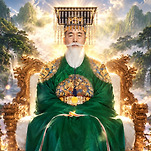
<p style="text-align: left;">迎新堂主(영신당주)님은 늘 <br>自稱 愚夫愚女 樵君 乞人農夫(자칭 우부우녀 초군 걸인농부)라 하시었으니 <br>無識道通(무식도통)으로 當時(당시)의 儒學者(유학자)인 <br>선비들이 無視(무시)하는 與件(여건)의 時代 環境(시대 환경) 때문이었다.<br><br>實地 貧寒(실지 빈한)한 淳昌 龜林面 鳳谷(순창 구림면 봉곡)의 鄕村(향촌) 동네에서 <br>農夫(농부)의 아들로 誕降(탄강)하시어 父親(부친)을 어려서 離別(이별)하시고 <br>홀 어머니 膝下(슬하)에 學業(학업)은 커녕 <br>生計(생계)에 끄달리는 現實生活(현실생활)이었기 때문이다.<br><br>이는 首出庶物(수출서물)의 周易 秘訣(주역 비결)로 <br>窮則通(궁즉통)의 理致(이치)이며 <br>解寃時代(해원시대)로 가난의 한을 풀어내어 <br>萬百姓(만백성)을 救援(구원)하는 礎石(초석)이 되는 것이다.<br><br>愚夫愚女(우부우녀)의 愚(우)는 恨(한)많은 凡人衆生(범인 중생)을 代辯(대변)한다. <br>땅 이름 '옹' 또는 긴 꼬리 원숭이 '우' 변 아래에 마음 心(심) 자를 더하여 어리석을 愚(우) 자이다. <br>말 못하는 원숭이요, 庚申 度數(경신 도수)이다. <br>우직하다, 고지식하다, '나' 또는 自己(자기) 라는 뜻의 글자이다.<br><br>오직 正道(정도)의 眞理(진리)로 固知識(고지식)하고 <br>愚直(우직)하게 正體性(정체성)을 固守(고수)하는 本人 自身(본인 자신)이라는 뜻의 글자이다.<br><br>특히 땅이름 옹 변은 (해가) 正午時(정오시)에 가까와지는 巳時(사시)를 뜻하여 <br>허수아비, 발자국의 뜻이 되는 劃(획)이 밭 田(전) 자를 合(합)한 글자이기도 함이라, <br>허수아비 같은 自身(자신)이 움직여 발자취를 남김에 <br>先天 午前(선천 오전)의 巳時(사시)에서 正午(정오)를 향해 <br>端午(단오)로 하여 后天 午後(후천 오후)로 넘어가게 하려는 愚子(우자)의 일이다. <br><br>또 처음, 대하다, 붙이다, 합하다 등의 뜻이기에 <br>처음 對(대)하는 天下事(천하사)에 일꾼으로 붙여 <br>天地 陰陽(천지 음양)을 合(합)한다는 뜻이 된다.<br><br>人類社會(인류사회)의 두 部類(부류)를 合(합)한다. <br>上類(상류)와 下類(하류)가 합되고 <br>東西, 保守 進步(동서, 보수 진보)가 合(합)하며 <br>民主 共産黨(민주. 공산당)이 하나 된다. <br>이는 艮方 韓半島 南北(간방 한반도 남북)이 合(합)하여 統一(통일) 됨으로 이루어진다.<br><br>萬人(만인)이 龍華樂園(용확낙원)을 對(대)한다. <br>萬有(만유)가 一氣(일기)로 通(통)한다. <br>허니 일만 萬(만) 자는 풀 艸(초) 변에 땅이름 옹(긴 꼬리 원숭이 우) 자를 더하여졌다. <br>즉 초목의 田庄(전장)에 발자국을 남긴다는 뜻이니 <br>生命體(생명체)의 陰陽(음양)인 草木(초목)의 植物(식물)들과 <br>걸어서 발자국을 남기는 動物(동물)을 함께 이르는 글자라 곧 萬有(만유)를 이른다.<br><br>기방끈이 짧고 어린시절부터 寡默(과묵)하게 말을 삼가하며 살아온 <br>忠淸道 保寧 村(충청도 보령 촌)놈이 天命(천명)을 이루어 내고자 하니 <br>愚直(우직)하기만 하고 固知識(고지식)하게 語訥(어눌)한 말투로써 <br>萬衆生(만중생)을 說得(설득)시키려 하니 <br>衆生 世上(중생 세상)이 可笑(가소)롭게 여기며 不知(부지)하여 窮(궁)하기만 하다. <br>제 2의 어리석은 자가 오늘도 木石(목석)같은 세상에 바위에 물주기로 글을 쓴다.<br><br>無識道通 天地公事(무식도통 천지공사)로 그 意味(의미)를 吟味(음미)한다.<br><br>구 도전 6편 52 <br>무신(戊申:道紀 38, 1908)년에 경석의 집에 이르시어 천하지대아방궁(天下之大阿房宮)이라 쓰시고 <br>그 밑에다 태을주(太乙呪), 절후주(節候呪), 진액주(津液呪), 칠성주(七星呪), <br>이십사장주(二十四將呪), 이십팔장주(二十八將呪), 진법주(眞法呪), <br>운장주(雲長呪), 개벽주(開闢呪), 예고주(曳鼓呪) 등을 쓰시고 남쪽 벽에 붙이시고 <br>성도들을 앞에다 태좌법으로 앉히시고 <br>상제님은 뒤에 서시어 ''유식한 자는 보고 외우고 <br>무식한 자는 손을 모으고 생각하여 외우라.'' 고 명하시고<br> ''시간이 바쁘다'' 하시며 외우기를 재촉하시니 무식한 사람들이 먼저 큰 소리로 읽는지라.<br>상제님께서 무릎을 치시면서 말씀하시기를 ''그러면 그렇지, 무식도통 났구나.'' 하시니라.<br><br>戊申年(무신년)은 戊申 臘入公事(무신 납입공사)에 通(통)하고 <br>迎新堂主(영신당주)님께서 '申酉無(신유무)가 하노라' 하신 公事(공사)에 連結(연결)된다. <br>戊五土(무오토)로 하여 申金 收穫(신금 수확)철의 가을을 맞음이다. <br>아방궁이란 차 경석의 先 假阿房宮(선 가아방궁)이 아니라 <br>將次(장차) 들어설 造和政府(조화정부)이다.<br><br>각 주문은 갓난 아기가 어머니 젖을 빠는 것이고 <br>完成數 意味(완성수 의미)로 열 가지의 呪文(주문)으로써 <br>太乙呪(태을주)는 救援(구원)의 法方(법방)이요, <br>節候呪(절후주)는 철을 알게 하는 주문이고 <br>津液呪(진액주)는 선천 모든 津氣(진기)를 빨아들임이며 <br>七星呪(칠성주)는 道通呪文(도통주문)이다. <br>이십 사장과 이십 팔장주는 일꾼짓는 주문이요, <br>眞法呪(진법주)는 진법을 찾게 하는 길 안내의 주문이고 <br>雲長呪(운장주)는 義(의)를 지으면 鬼神(귀신)의 邪氣(사기)를 免(면)함을 일러줌이며 <br><br>開벽呪(개벽주)는 개벽판을 일러주는 주문이다. <br>曳鼓呪(예고주)는 <br>일꾼들에게 士氣(사기)를 북돋아 開闢(개벽)판으로 나아가게 하는 주문이다.<br><br>胎座法(태좌법)은 佛之養生(불지양생)이라 <br>胎中(태중)의 胎敎法(태교법)으로 어머니 뱃속을 통해 깨닫고 <br>出生(출생)하는 修行工夫(수행공부)로 <br>迎新堂主(영신당주)를 따라야 한다는 重要(중요)한 天地公事(천지공사)이다. <br>無識道通(무식도통)은 곧 迎新堂主(영신당주)님 판 안이라는 말씀이다.<br><br>이에 三遷成道(삼천성도)요, 九變九復(구변구복)이라 <br>繼道聖師(계도성사)를 잇는 <br>第 三(제 삼)의 大頭目 亦是 無識道通(대두목 역시 무식도통) 할 愚夫(우부)이다.<br><br>우부의 발자국과 무식도통 대풍가<br>Listen and make your own on Suno.<br><br>suno.com<br><br>영어(English)<br><br>The Master of Yeongsindang always referred to himself as a foolish man or woman, a woodcutter, a beggar, and a farmer; this was due to the circumstances of the times, in which the Confucian scholars of the era looked down upon him as a man of ignorance and enlightenment. This is because he was born as the son of a farmer in the truly impoverished rural village of Bonggok, Gurim-myeon, Sunchang; having been separated from his father at a young age, he lived a harsh reality under the care of his widowed mother, struggling to make ends meet rather than pursuing his studies. This is the secret of the I Ching, which originates from all things, representing the principle of "when in a desperate situation, a way out"; it serves as a cornerstone for the Era of Resolving Grievances, which resolves the sorrow of poverty and saves all people.<br><br>The character(Yu) in (foolish man and foolish woman) represents ordinary people filled with deep sorrow. It is the character (Yu), meaning foolish, formed by adding the character (Xin, meaning he<br><br>art) below the radical (Yu), which represents a place name or a long-tailed monkey. It is a mute monkey and the Gengshen degree. It is a character meaning steadfast, rigid, and 'I' or self.<br><br>It is a character signifying the individual who, rigid and steadfastly, adheres to their identity solely through the truth of the Righteous Way. In particular, the radical 'Ong' in the place name signifies the hour of Si, when the sun approaches noon; it is also a character formed by combining the stroke (meaning scarecrow or footprint) with the character (field). Thus, it is the deed of a fool who, by moving like a scarecrow and leaving footprints, seeks to move from the hour of Si of the Pre-<br><br>Heaven Morning toward noon, through Dano, and into the Post-Heaven Afternoon. Furthermore, since it carries meanings such as "beginning," "to confront," "to attach," and "to combine," it signifies attaching oneself as a worker to the affairs of the world encountered for the first time, thereby uniting the Yin and Yang of Heaven and Earth.<br><br>It unites the two categories of human society. The upper class and the lower class combine; East and West, and Conservative and Progressive, combine; and the Democratic and Communist parties become one. This is achieved through the unification of the North and South of the Korean Peninsula in the North-South direction.<br><br>Ten thousand people face the Dragon Flower Paradise. All things are connected by a single energy. Therefore, the character for ten thousand is formed by adding the place name character 'Ong' (l<br><br>ong-tailed monkey) to the grass radical. In other words, it signifies leaving footprints on a field of vegetation; thus, as a character referring collectively to plants—the Yin and Yang of living beings—and animals that walk and leave footprints, it refers to all things in the universe. A fellow from Boryeong, Chungcheong-do, with a short background and having lived a life of taciturnity since childhood, seeks to fulfill his destiny. Being merely naive and stubborn, he attempts to persuade the masses with his hesitant speech; however, the world finds him laughable, remains ignorant, and finds himself in a destitute state. Today, this second fool writes, like watering a rock in a world of wood and stone. I savor its meaning through the Work of the Unconscious Path and the Work of Heaven and Earth. Old Dojeon Chapter 6, 52. In the year of Musin(Daoji 38, 1908), He arrived at Gyeongseok's house and wrote "The Great Abang Palace of the World."<br><br>2 Below that, He wrote the Taeeul Mantra, Jeolhu Mantra, Jinaek Mantra, Chilseong Mantra, Ishipsajang Mantra, Ishippaljang Mantra, Jinbeop Mantra, Unjang Mantra, Gaebyeok Mantra, Yego Mantra, etc., and pasted them on the south wall.<br><br>3 He seated the disciples in front of Him using the Taejwa method. Sangjenim stood behind and commanded, "Let the learned ones read and memorize, and let the unlearned ones fold their hands and recite."<br><br>4 Saying, "Time is short," he urged them to recite; so the unlearned ones read aloud first.<br><br>5 Sangjenim struck his knee and said, "I knew it! The enlightenment of the unlearned has been attained."<br><br>The Year of Musin is connected to the Musin Lap-ip Gongsa (Musin Lap-ip Work) and is linked to the Gongsa (Work) where the Head of the Welcoming Hall declared, "Shin-Yu-Mu [I] do it." It is welcoming the autumn of the Shin-Gold harvest season through the Earth of Mu-O. The Abang Palace is not Cha Gyeong-seok's "Pre-emptive Abang Palace," but the "Johwa Government" to be established in the future.<br><br>Each incantation is like a newborn baby sucking on its mother's milk, and as ten incantations with the meaning of completion, the Taeeul Mantra is the method of salvation; the Jeolhu Mantra is a mantra that enables one to know the seasons; the Jin-aek Mantra is the absorption of all vital energy from the pre-heavenly era; and the Chilseong Mantra is the mantra for attaining enlightenment. The Twenty-Four Chapters and the Twenty-Eight Chapters are incantations for training workers; the True Dharma Incantation is a guiding incantation that leads to finding the True Dharma; the Cloud-Changing Incantation teaches that upholding righteousness protects one from the evil spirits; and the Opening Incantation points to the stage of the Opening. The Drumming Incantation boosts the morale of the workers and leads them to advance toward the stage of the Opening. The Taejwa Method is the Buddha's nurturing of life; it is a prenatal education method practiced within the womb, a spiritual discipline in which one attains enlightenment through the mother's womb and is born. It is a crucial work of Heaven and Earth that requires following the Head of the Welcome Hall. The attainment of the Way without consciousness means that one is within the realm of the Head of the Welcome Hall. Thus, there is the Three Transformations to Attain Enlightenment and the Nine Transformations and Nine Restorations. The Third Great Leader who succeeds the Holy Master of the Way is also a foolish man who attains enlightenment without knowledge.<br><br>​<br><br>일본어<br><br>迎新堂主様はいつも自稱愚夫愚女樵君乞人農夫(自称ウブウ女初軍ガールイン農夫)と言われたので無識道通(無食道通)で當時の儒學者(留学者)與件の時代環境(時代環境)のためだった。<br><br>實地貧寒した淳昌龜林面鳳谷の鄕村(郷村)近所で農夫の息子で誕降し、父親を幼くして離別し、學業(学業)はどころか生計(生計)に惹かれる現實生活(現実生活)だったからだ。<br><br>これは首出庶物(輸出書物)の周易秘訣(主役秘訣)で、窮則通(宮即通)の理致(一)であり、解寃時代(海原時代)に貧しいものを解き放ち、萬百姓(万白城)を救援(救援)する。<br><br>愚夫愚女(ウブウ女)の愚(ウ)は、多くの凡人衆生(犯人中生)を代辯(代弁)する。<br><br>地名'オン'、または長い尾猿'右'辺の下に心心を追加して愚かな愚者である。<br><br>言えない猿、庚申度數(更新度数)だ。<br><br>偶然、高知識、「私」、または自己(自己)という意味の文字である。<br><br>ただ正道の真理で固知(高知識)し、愚直(右)に正體性(アイデンティティ)を固守(固守)する本人自身(本人自身)という意味の文字だ。<br><br>特に土地名擁辺は(日)正午時(正午)に近づく巳時(意味)を意味し、かかし、足跡の意味となる劃(画)が畑田を合わせた字でもあるので、午前(先天午前)の巳時(正時)から正午(正午)に向かって端午(ダンオ)として后天午後(後天午後)に移ろうとする愚子のことだ。<br><br>また初めて、対する、つける、合うなどの<br><br>意味だから初めて対する天下事(天下寺)に働き人としてつけて天地陰陽(天地陰陽)を合わせるという意味になる。<br><br>人類社會(人類社会)の二部類(部類)を合(合)する。<br><br>上流(上流)と下流(下流)が合わされ、東西、保守進步(東西、保守進歩)が合い、民主共産黨(民主、共産党)が一つになる。これは、艮方韓半島南北(間韓朝鮮半島南北)が合(合)して統一(統一)されることで行われる。<br><br>萬人(万人)が龍華樂園(龍洲楽園)を対(大)する。<br><br>萬有(万有)が一气(日記)で通(通)する。<br><br>ハニーイルマン萬(マン)者は草艸(秒)の辺に土地名擁(長い尾猿右)者を加えた。<br><br>つまり、草木の田庄(戦場)に足跡を残すという意味なので、生命体(生命体)の陰陽(陰陽)である草木(植生)の植物(植物)と歩いて足跡を残す動物(動物)を一緒につなぐ文字で、すぐに萬有(マンユ)。<br><br>気房紐が短く、幼い頃から寡默に言葉を控えて生きてきた忠淸道保寧村(忠清道保霊村)奴が天命(千人)を成し遂げようとするので、愚直にしなければならない萬重生(万重生)を說得(説得)させようとするので、重生世上(中生世界)が可笑しく思って不知(敷地)して窮(宮)するだけだ。<br><br>第2の愚かな者が今日も木石のような世の中に岩に水を注ぐことで文を書く。<br><br>無知道通 天地公事(無食道通天地公社)でその意味(意味)を吟味(吟味)する。<br><br>旧挑戦6編<br><br>52 武神(戊申:道紀38、1908)年に軽石の家に至り、天下之大阿房宮と呼ばれて<br><br>2 その下に、太乙呪、節後州、鎮液酒、七星呪、二十四将州、二十八章、二十八呪、真法州、<br><br>開壁主(開闢呪)、予告酒(曳鼓呪)などを使って南壁に貼ってください。<br><br>3 聖徒たちを前に座って法律に坐らせ、上司は後ろに立って、「知っている者は見て覚え、無知な者は手を集めて考えて覚えなさい」と命じた。<br><br>4「時間が忙しい」と言い、覚えを促すので、無知な人々が最初に大声で読んでください。<br><br>5 上司が言い聞かせて言われるように、「それではそうではありませんでした」。<br><br>戊申年(武神年)は、戊申臘入公事(武神納入公社)に通(通)し、迎新堂主(永信当主)様が「申酉無(新有門)がハノラ」とした公事(公社)に連結(連結)される。<br><br>戊五土(ムオト)として申金收秋(新金収穫)鉄の秋を迎える。<br><br>アバングンとは、チャ・ギョンソクの先假阿房宮ではなく、將次(チャンチャ)に入る造和政府(調和政府)である。<br><br>各呪文は、生まれたばかりの赤ちゃんが母乳を吸うことであり、完成數意味(完成水意味)で十の呪文(注文)として<br><br>太乙呪(テウルジュ)は救援(救援)の法方(法方)であり、節後呪(節後主)は鉄を知らせる注文であり、津液呪(鎮液酒)は先天すべての津气(ジンギ)を吸い込み、七星呪(七星酒文)は道。<br><br>二十社長と二十八長主は働く注文であり、眞法呪(真法主)は真法を求める道案内の注文であり、雲長呪(運長主)は義を建てれば鬼神(幽霊)の邪气(詐欺)を免れた。<br><br>開壁呪(開壁主)は開壁板をあらわす注文である。<br><br>曳鼓呪(予告主)は、労働者に士气(詐欺)を盛り上げて開闢(開壁)版に進むようにする注文だ。<br><br>胎座法(胎左法)は佛之養生(仏地養生)であり、胎中(太中)の胎敎法(胎教法)で、母の胃の中を悟って出生(出生)する修行工夫(遂行勉強)で、迎新堂主(永信当主)に従わなければならない天地公事(天地公社)だ。<br><br>すぐに無識道通(無食道通)はすぐに迎新堂主(永信当主)様の版の中の言葉だ。<br><br>これに三千成道(三天城道)、九變九復(旧変福)と繼道聖師(継島聖師)をつなぐ第三(第三)の大頭目亦是無識道通(台頭木もやはり無食道通)する愚夫(ウブ)だ。<br><br>​<br><br>스페인어<br><br>El Maestro de Yeongsindang siempre se describía a sí mismo como un hombre o una mujer necios, un leñador, un mendigo y un campesino; esto se debía a las circunstancias de la época, en la que los eruditos confucianos lo menospreciaban por su ignorancia e ignorancia. Esto se debía a que había nacido hijo de un campesino en la empobrecida aldea rural de Bonggok, Gurim-myeon, Sunchang; separado de su padre a temprana edad, vivió una dura realidad al cuidado de su madre viuda, luchando por sobrevivir en lugar de dedicarse a sus estudios. Este es el secreto del I Ching, que tiene su origen en todas las cosas, representando el principio de "en la desesperación, siempre hay una salida"; sirve como piedra angular de la Era de la Resolución de Agravios, que resuelve el sufrimiento de la pobreza y salva a todas las personas.<br><br>El carácter (Yu) en los términos (Yubu) y (Yunyeo) representa a la gente común llena de profunda tristeza.<br><br>El carácter (Yu), que significa necio, se forma añadiendo el carácter (Xin, que significa corazón) debajo del radical (Yu), y representa el topónimo 'Ong' o mono de cola larga. Es un mono mudo y corresponde al Grado Gengshen.<br><br>Es un carácter que significa firme, rígido, 'yo' o ego.<br><br>Es un carácter que simboliza al individuo que, rígido y firme, se adhiere a su identidad únicamente a través de la verdad del Camino Recto. En particular, el radical 'Ong' en el topónimo significa la hora de Si, cuando el sol se acerca al mediodía. También es un carácter formado por la combinación del trazo (que significa espantapájaros o huella) con el carácter (campo). Así, representa la acción de un necio que, moviéndose como un espantapájaros y dejando huellas, busca avanzar desde la hora de Si de la Mañana Precelestial hacia el mediodía, pasando por Dano, y transitando hacia la Tarde Postcelestial. Además, dado que conlleva significados como "comienzo", "enfrentar", "unir" y "combinar", significa unirse como trabajador a los asuntos del mundo que se encuentran por primera vez, uniendo así el Yin y el Yang del Cielo y la Tierra.<br><br>Une las dos categorías de la sociedad humana.<br><br>La clase alta y la clase baja se combinan; Oriente y Occidente, y Conservadores y Progresistas, se combinan; y los partidos Demócrata y Comunista se unifican. Esto se logra mediante la unificación del Norte y el Sur de la Península Coreana en dirección Norte-Sur. Diez mil personas miran hacia el Paraíso de la Flor del Dragón.<br><br>Todas las cosas están conectadas por una sola energía.<br><br>Por lo tanto, el carácter para "diez mil" se forma añadiendo el carácter toponímico "Ong", que significa mono de cola larga, al radical de hierba.<br><br>En otras palabras, significa dejar huellas en los campos de vegetación; así, como carácter que se refiere colectivamente a las plantas —el Yin y el Yang de los seres vivos— y a los animales que caminan y dejan huellas, se refiere a todas las cosas del universo. Un joven de Boryeong, provincia de Chungcheong, de escasa trayectoria y que ha vivido una vida de taciturnidad desde la infancia, busca cumplir su destino. Sin embargo, siendo simplemente ingenuo y necio, intenta persuadir a las masas con su discurso vacilante; El mundo de los seres sensibles lo encuentra ridículo, permanece ignorante y se halla en un estado de indigencia.<br><br>Hoy, este segundo necio escribe, como quien riega una roca en un mundo de madera y piedra. Saboreo su significado a través del Trabajo del Sendero Inconsciente y el Trabajo del Cielo y la Tierra. Antiguo Dojeon, Capítulo 6<br><br>52 En el año de Musin (戊申: Daoji 38, 1908), llegó a la casa de Gyeongseok y escribió «El Gran Palacio Abang del Mundo».<br><br>2 Debajo, escribió el Mantra Taeeul, el Mantra Estacional, el Mantra Jinaek, el Mantra Chilseong, el Mantra de los Veinticuatro Generales, el Mantra de los Veintiocho Generales, el Mantra del Verdadero Dharma, el Mantra Unjang,<br><br>el Mantra Gaebyeok, el Mantra Yego, etc., y los pegó en la pared sur.<br><br>3 Hizo sentar a los discípulos frente a Él según el método Taejwa. Sangjenim se colocó detrás y ordenó: «Quienes sean instruidos, lean y memoricen; quienes sean ignorantes, junten las manos y reflexionen antes de memorizar».<br><br>4 Diciendo: «El tiempo apremia», los exhortó a recitar; así que los ignorantes leyeron en voz alta primero.<br><br>5 Sangjenim se golpeó la rodilla y dijo: «¡Lo sabía! La iluminación ha sido alcanzada por los ignorantes».<br><br>El Año de Musin está conectado con el Musin Lap-ip Gongsa (Trabajo Musin Lap-ip) y con el Gongsa (Trabajo) donde el Jefe del Salón de Bienvenida declaró: «La Puerta Shin-Yu está cerrada».<br><br>Sangjenim, con el elemento Tierra Wu-O, damos la bienvenida a la temporada otoñal de la cosecha de Shen-Metal.<br><br>El Palacio A-fang no es el Palacio A-fang temporal preexistente de Cha Gyeong-seok, sino el Gobierno de la Armonía que se establecerá en el futuro. Cada encantamiento es como un recién nacido mamando; con el significado del número de la plenitud, hay diez encantamientos.<br><br>El Mantra Taeeul es el método de salvación; el Mantra Jeolhu es un mantra que permite conocer las estaciones; el Mantra Jin-aek sirve para absorber toda la energía vital de la era precelestial; y el Mantra Chilseong es el mantra para alcanzar la iluminación. Los Veinticuatro Capítulos y los Veintiocho Capítulos son encantamientos para la formación de trabajadores; el Encantamiento del Verdadero Dharma es un encantamiento guía que conduce al descubrimiento del Verdadero Dharma; el Encantamiento Transformador de Nubes enseña que defender la rectitud otorga inmunidad contra los espíritus malignos; y el Encantamiento de Apertura señala la etapa de la Gran Transformación. El encantamiento del tambor eleva la moral de los trabajadores y los guía hacia la etapa de la Gran Transformación. El método Taejwa es la enseñanza budista sobre la vida; es un método de educación prenatal practicado en el vientre materno, una disciplina espiritual mediante la cual uno alcanza la realización y nace, y una obra crucial del Cielo y la Tierra que requiere seguir al Jefe del Salón de Bienvenida.<br><br>En otras palabras, esto significa que alcanzar el Camino sin consciencia está dentro del ámbito del Jefe del Salón de Bienvenida. Así, existen las Tres Transformaciones para Alcanzar la Iluminación y las Nueve Transformaciones y Nueve Restauraciones. El Tercer Gran Líder, sucesor del Santo Maestro del Camino, es también un hombre insensato que alcanza la iluminación sin consciencia.<br><br></p>
<!-- -->