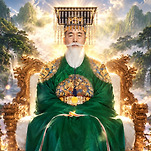
<p style="text-align: left;">中國(중국)의 장시성 난창에 九層(구층)의 藤王閣(등왕각)이 있다. <br>唐高祖(당고조)의 22번째 아들인 도락에 의해 지어졌고 <br>그가 처음 등현(현재 산동성 등주시)에 奉土(봉토) 되었기 때문에 <br>騰王(등왕)으로 불린 理由(이유)로 등왕각이라 이름 지었다.<br><br>謄王閣(등왕각)은 岳陽樓(악양루), 黃鶴樓(황학루)와 함께 <br>中國 三大 樓閣中(중국 삼대 루각중)에 하나로 九層(구층)으로 지었다. <br>岳陽樓(악양루)는 후난성 웨양시의 동정호변에 있는 <br>고적이고 黃鶴樓(황학루)는 하북성의 우한 長江邊(장강변)에 있다.<br><br>政敎(정교)에서 九(9)의 政治人 將相神 甲午運(정치인 장상신 갑오운)은 <br>大陸(대륙)에서 韓半島(한반도)로 먼저 넘어왔고 <br>이제 天子神(천자신)이 넘어옴에 十數(십수)의 无極道(무극도)로써 政敎(정교)가 合(합)한다.<br><br>九數(구수)의 重復(중복)인 九九節(구구절)은 中國(중국)에서 중요한 節氣(절기)이다. <br><br>九(구)라는 意味(의미)는 먼저 가장 높이 오른다는 뜻이라 <br>最高(최고)의 높이를 指向(지향)한다는 상징이요, <br>그 限界(한계)에 이르렀다. <br>높이 오르면 추락만 남아있다. <br>정승에 오르면 내려오는 일만 있다는 말이다. <br>더오르려 하면 逆敵(역적)으로 집안이 모두 亡(망)한다. 모든 것이 다 끝난다.<br><br>敎運(교운)에서도 마찬가지이다. <br>천자노름하는 자는 모두 죽는다.<br><br>甲午(갑오)는 六十 甲子中(육십 갑자중)에 后天(후천) 첫 번째이다. <br>선천을 끝내고 다시 시작한다는 뜻이다. <br>周易 三十一(주역 삼십일)의 澤山咸卦象(택산함괘상)이니 <br>地理的(지리적)으로 白頭大幹(백두대간)의 咸白山格(함백산격)이다. <br>南韓(남한)에 天子神明(천자신명)이 자리 할 때에 이르른 것이다.<br><br>내가 아는 甲午生(갑오생)은 <br>道家(도가)에서 安耕田(안경전), 鄭來均(정래균), 林弘默(임홍묵), <br>朴采洙(박채수)씨 등이고 나의 女(여)동생이 甲午生(갑오생)이다. <br>三士官學校 同期 同窓生(삼사관학교 동기 동창생)들도 多數(다수)가 甲午生(갑오생)이다<br><br>2023년(昭陽單閼:소양단알의 해) 11월 29일에 總務院長(총무원장)을 두 차례나 지낸 <br>佛敎(불교)의 甲午生 滋乘(갑오생 자승)이라는 僧(승)은 <br>京畿道 七長寺 寮舍寨(경기도 칠장사 요사채)를 태우며 自決(자결)하였다.<br><br>아홉수는 九天(구천) 한울의 높다는 뜻이고 宇宙(우주)의 九宮(구궁)을 意味(의미)한다.<br><br>하여 每年(매년) 9월 9일이 九九節(구구절)로 重陽節(중양절)이라 하여 名節(명절)로 삼았고 <br>更定儒道(갱정유도)에서는 <br>암 鷄龍(계룡)인 智異山 山神祭(지리산 산신제)를 올리는 날로 定(정)해져 <br>해마다 아침 일찍이 老姑壇(노고단)에 올라 奉祭(봉제)한다.<br><br>九數(구수)가 이처럼 重要(중요)하여 九蒸九포(구증구포)로 茶(차)를 製造(제조)한다. <br>九蒸(구증)한 人蔘(인삼)이나 소금을 藥材(약재)로 쓴다. <br>生地黃(생지황)을 九蒸(구증)하면 熟地黃(숙지황)이라 하여 <br>亦是(역시) 중요한 韓藥材(한약재)이다.<br><br>九(구)는 <br>形而下學的(형이하학적)인 次元(차원)에서 最高(최고)의 境地(경지)를 뜻한다. <br>바둑, 장기, 태권도, 유도 등의 最高 有段者(최고 유단자)가 九段(구단)이다.<br><br>投錢(투전)판에서 '섯다' 의 9끗은 최고 높은 수이다. <br>투전판의 돈을 다 긁어 따 먹는다. <br>허니 功(공)들여 쌓는 塔(탑)도 九層(구층)이 최고 높다. <br>算數(산수)에도 九九段(구구단)이 마지막이니 81수가 分裂(분열)의 極致數(극치수)이다.<br><br>九(구)는 높다, 길다, 멀다, 장수, 오래 등의 뜻으로 오래 오래라는 말이 있다. <br>또 九萬理 長天(구만리 장천), 九變九復(구변구복) 등으로 쓴다.<br><br>分裂(분열)의 極數(극수)가 九數(구수)이기 때문에 <br>큰 일꾼인 甲午生(갑오생)이 말대에 이르러 世上(세상)을 떠났다는 것은 <br>極則反(극즉반)의 證據(증거)로써 時運(시운)이 건짐 다 왔다는 것을 意味(의미)함이다. <br><br>鷄龍山 東方(계룡산 동방)에서 西方(서방)으로 庚申日 壬午時(경신일 임오시)에 드니 <br>神明(신명)으로 먼저 開闢運運(개벽운수)를 따라서 行次(행차)하여 <br>將次 姜 太公(장차 강 태공)으로 강림한 일꾼과 陰陽合德(음양합덕)하게 된다. <br>公州 連宗里(공주 연종리)에서 論山 陽村(논산 양촌)을 거쳐 <br>上月面 石宗里(상월면 석종리)라, 宗(종)의 운명이 連(연)하여 石宗化(석종화) 하였다.<br><br>그러면서 말에서 떨어진 곳에 가서 빌어라 하신 <br>천지공사 뜻을 깊이 헤아려 보고 깨닫게 하였다. <br>빨리 새로운 길을 찾아야 한다는 啓示(계시)이다.<br><br>末伏(말복)이면서 庚申日 壬午時(경신일 임오시)는 <br>火旺 先天運(화왕 선천운)을 끝내고 水克火 開闢度數(수극화 개벽도수)를 상징한다.<br><br>葬事日(장사일)은 <br>牧牛堂主 占卦(목우당주 점괘)로 風澤中孚 上爻動(풍택중부 상효동)이라.<br><br>翰音登天(한음등천)에 人驚虛名(인경허명)하니<br>分外之事(분외지사)는 別無所成(별무소성)이라<br>나는 소리가 하늘에 오름에 사람들이 그 헛된 이름에 놀라니<br>분수 밖의 일은 특별히 이루어진 일이 없어라.<br>變卦(변괘)의 水澤節 上爻(수택절 상효)는 <br>日暮途窮(일모도궁)에 月無亦光(월무역광)이요<br>虛費心力(허비심력)에 苦節不長(고절부장)이라<br>날은 저물고 길은 궁함에 달 역시 뜨지 않고 <br>心力(심력)을 虛費(허비)함에 지나친 節制(절제)는 오래가지 못하리라.<br><br>甑山上帝(증산상제)께서는 <br>陰道 未來世上(음도 미래세상)으로 開闢運數(개벽운수)를 여시니 <br>高首婦(고수부)께 道脈(도맥)을 이으셨고 <br>再生身(재생신)과 姜 太公 道術(강 태공 도술)로 <br>天下(천하)가 開創(개창)되는 공사를 행하신 바라,<br><br>新道典(신도전) 11편 157장 4ㆍ5절,<br><br>고 민환에게 바둑판 위에 앉게 하시고 고기잡는 형상을 하게 하시고<br> ''이는 강 태공 성군 만나는 공사이니 <br>우리는 상제님께서 명시하신 것을 기다려야 할지라. 하시니라.<br><br>11편 159장 1절~<br>''너희는 한 지경을 넘어야 하리니 나는 그것을 걱정하노라''<br><br>또 11편 165장 2절~<br>내 일은 판 밖에서 成道(성도)해 가지고 들어 오나니 너희들은 잘 닦으라. 하시었으며 <br><br>11편 202장 8절에 ''나의 우리 道(도)는 再生身 造化萬事知(재생신 조화만사지)'' 라 하셨으며<br><br>11편 199장 7절에 <br>''나의 우리 道(도)는 仙道(선도)니라''<br><br>11편 290장 5절에는<br>말에서 떨어진 곳에 가서 빌어야 ᆢᆢ<br><br>특히 너희 아버지가 하시는 일을 이 세상에서 누구하나 알게 하시는 줄 아느냐 <br>天不地(천부지), 地不知(지부지), 人不知 三不知(인부지 삼부지)이니 <br>참 種子 外(종자 외)는 모르느니라.<br><br>先天運數 窮八十 達八十(선천운수 궁팔십 달팔십)이요, <br>나의 일은 되어 보아야 아느니라. <br>일은 딴 사람이 하느니 조화 조화 개조화니라.ᆢᆢ하셨다<br><br>구층 등왕각과 극즉반 대풍가<br>Listen and make your own on Suno.<br><br>suno.com<br><br>영어(English)<br><br>The nine-story Tengwang Pavilion (Pavilion of Prince Teng) is located in Nanchang, Jiangxi Province, China. It was built by Li Yuan-ying, the twenty-second son of Emperor Gaozu of Tang; he was named "Prince Teng" because he was originally enfeoffed in Teng County (present-day Tengzhou City, Shandong Province), and the pavilion was named accordingly.<br><br>Along with Yueyang Tower and Yellow Crane Tower, Tengwang Pavilion is considered one of China's three great pavilions. Yueyang Tower is a historic site located by Dongting Lake in Yueyang City, Hunan Province, while Yellow Crane Tower stands by the Yangtze River in Wuhan, Hubei Province.<br><br>In the realm of politics and religion, the "Gap-o fortune" associated with the number nine—representing the spirit of statesmen and generals—crossed from the mainland to the Korean Peninsula first; now, as the "Spirit of the Son of Heaven" (Tianzi-shin) crosses over, politics and religion are uniting through the "Mugeuk-do" (Way of the Infinite Ultimate) of the number ten.<br><br>The "Gugu-jeol" (Double Ninth Festival)—marking the repetition of the number nine—is a significant seasonal occasion in China.<br><br>The number nine signifies rising to the very top, symbolizing an aspiration for the ultimate height; yet, it also represents the limit. Once one ascends to the peak, only a fall remains. It implies that after rising to the rank of Prime Minister, one can only come down. Attempting to rise further leads to being branded a traitor, resulting in the ruin of one's entire family. Everything comes to an end.<br><br>The same principle applies to the fortune of religious movements. Those who gamble on becoming the Son of Heaven shall all perish.<br><br>The *Gap-o* (甲午) year marks the first year of the *Hu-cheon* (Post-Heaven) era within the sixty-year sexagenary cycle; it signifies the conclusion of the *Seon-cheon* (Pre-Heaven) era and a fresh beginning. It corresponds to the *Taek-san-ham* (Lake over Mountain) hexagram—the thirty-first hexagram of the *I Ching* (Book of Changes)—and geographically represents the *Haembaeksan* (Mount Haebaek) formation within the *Baekdudaegan* mountain range. It heralds the time when the divine spirit of the Son of Heaven takes its place in South Korea.<br><br>Among those born in the *Gap-o* year whom I know are figures from the Taoist community such as Ahn Gyeong-jeon, Jeong Rae-gyun, Im Hong-muk, and Park Chae-su; my own younger sister was also born in a *Gap-o* year. Many of my classmates from the Third Military Academy were also born in *Gap-o* years.<br><br>On November 29, 2023, a Buddhist monk named Jaseung—who had twice served as the President of the Jogye Order (the head of the administrative body)—took his own life by setting fire to the monks' quarters at Chiljangsa Temple in Gyeonggi Province; he, too, was born in a *Gap-o* year.<br><br>The number nine—specifically in the context of "nine-ending years" (*ahop-su*)—signifies the loftiness of *Gu-cheon* (the Nine Heavens) and represents the *Gu-gung* (Nine Palaces) of the cosmos. Thus, the 9th day of September—known as *Gugujeol* or *Jungyangjeol*—is observed as a traditional holiday; in the *Gaejeong Yudo* tradition, it is designated as the day to perform a ritual for the Mountain Spirit of Mt. Jirisan (associated with the female *Gyeryong* spirit), and practitioners ascend to Nogodan Peak early in the morning each year to conduct the ceremony.<br><br>Because the number nine holds such significance, tea is produced using the "nine-steaming and nine-drying" method (*gujeung-gupo*). Ginseng or salt subjected to this nine-fold steaming process is used as medicinal material. Similarly, *saengjihwang* (raw rehmannia root) becomes *sukjihwang* (steamed rehmannia root)—an important ingredient in traditional Korean medicine—after undergoing nine rounds of steaming.<br><br>On a tangible or physical level, the number nine signifies the highest possible state or rank. In disciplines such as Baduk (Go), Janggi (Korean chess), Taekwondo, and Judo, the highest rank a master can attain is the ninth dan (*gudan*).<br><br>In the card game *Tujeon*, a hand totaling nine points (*seotda*) is the highest possible score, capable of sweeping the entire pot. Consequently, the tallest pagodas built with great devotion are nine stories high. In arithmetic, the multiplication table (*gugudan*) concludes at nine, making 81—the product of nine times nine—the number representing the ultimate limit of division.<br><br>The number nine embodies concepts such as height, length, vast distance, and longevity; indeed, the phrase "for a very long time" is often expressed using this number. It is also expressed through terms such as "the vast sky spanning ninety thousand *li*" and "nine transformations and nine reversals."<br><br>Since the number nine represents the limit of division, the fact that the great worker—born in the *Gap-o* year—departed from this world at the end of the horse cycle serves as evidence of the principle that "at the extreme, a reversal occurs" (*geuk-jeuk-ban*); this signifies that the destined era of the Great Transformation (*Gaebyeok*) has fully arrived.<br><br>Moving from the east of Mt. Gyeryong to the west—specifically on a *Gyeong-sin* day at the *Im-o* hour—the spirit first proceeds in accordance with the destiny of the Great Transformation, eventually uniting in Yin-Yang harmony with the worker who is to descend as Jiang Ziya (Kang Tae-gong). The path led from Yeonjong-ri in Gongju, through Yangchon in Nonsan, to Seokjong-ri in Sangwol-myeon; the destiny of "Yeon" (connection) thus transformed into "Seokjong" (Stone Bell).<br><br>Through this, one was led to deeply contemplate and realize the meaning of the "Work of Heaven and Earth" (*Cheonji Gongsa*): the instruction to go and pray at the place where one fell from the horse. It is a revelation urging the urgent need to find a new path.<br><br>The timing—coinciding with *Malbok* (the final period of summer heat), a *Gyeong-sin* day, and the *Im-o* hour—symbolizes the conclusion of the *Seoncheon* (Early Heaven) era, dominated by the Fire element, and the onset of the *Gaebyeok* (Great Transformation) cycle, governed by the principle of Water overcoming Fire.<br><br>As for the day of the funeral, the divination cast by the master of *Mogu-dang* (The Hall of Herding the Ox) resulted in the hexagram *Pung-taek-jung-bu* (Wind over Lake/Sincerity) with the top line moving. As the resounding cry rises to the heavens, people marvel at the hollow fame;<br><br>Yet, endeavors that exceed one's proper bounds yield no true accomplishment.<br><br>The changing line—the top line of the *Su-Taek-Jeol* (Water over Lake/Moderation) hexagram—indicates:<br><br>The day wanes and the path reaches an impasse; the moon casts no light;<br><br>Mental and physical efforts are squandered in vain, for excessive restraint cannot endure.<br><br>Sangje Jeungsan ushered in the destiny of the Great Opening (*Gaebyeok*) for the future era of the *Eum* (Feminine) Way; He transmitted the lineage of the Way to Go Su-bu and conducted the Great Work to found a new world order through His incarnation and the Taoist arts of Jiang Taigong.<br><br>*New Dojeon*, Chapter 11, Section 157, Verses 4–5:<br><br>He had Go Min-hwan sit upon a *baduk* (Go) board and assume the posture of a fisherman, saying, "This is the Great Work of meeting the sage-king Jiang Taigong; we must await what Sangje has clearly ordained."<br><br>Chapter 11, Section 159, Verse 1:<br><br>"You must cross a certain boundary, and I am concerned about that."<br><br>Also, Chapter 11, Section 165, Verse 2:<br><br>"My work is brought to fruition outside the board before entering; you must cultivate yourselves diligently." ...and stated in Section 11, Chapter 202, Verse 8: "Our Dao is the Way of *Jaesaengsin* (Rebirth of the Divine Body) and *Johwamansaji* (Mastery of Creation and Knowledge of All Affairs)."<br><br>In Section 11, Chapter 199, Verse 7:<br><br>"Our Dao is *Seondo* (the Dao of Immortals)."<br><br>In Section 11, Chapter 290, Verse 5:<br><br>One must go to the place where one fell from the horse and offer prayers...<br><br>Do you think there is anyone in this world who knows the work your Father is doing? It is a matter of "Three Unknowns"—Heaven does not know, Earth does not know, and humanity does not know; truly, no one knows except the 'Seed' itself.<br><br>The destiny of the *Seoncheon* (Early Heaven) era is defined by eighty years of hardship followed by eighty years of fulfillment, yet My work can only be understood once it has come to pass. The work is carried out by others—it is a process of creation, creation, and ultimate transformation...<br><br>​<br><br>일본어<br><br>中国の江西省南昌には、九層からなる「滕王閣(とうおうかく)」がある。唐の高祖の二十二番目の息子によって建てられたもので、彼が最初に「滕県」(現在の山東省滕州市)を封地として与えられ「滕王」と呼ばれたことから、その名が付けられた。<br><br>滕王閣は、岳陽楼、黄鶴楼と並ぶ中国三大楼閣の一つであり、九層の構造を持つ。岳陽楼は湖南省岳陽市の洞庭湖畔にある史跡であり、黄鶴楼は湖北省武漢の長江沿いにある。<br><br>政教において、「九」の政治人・将相神・甲午運は、大陸から朝鮮半島へと先に渡ってきた。そして今、「天子神」が渡来するに伴い、十数の「無極道」によって政教が合一する。<br><br>「九」という数が重なる「九九節」は、中国において重要な節気である。<br><br>「九」という数字は、まず「最も高く登る」ことを意味し、最高の高みを目指す象徴であると同時に、その「限界」に達したことをも意味する。高く登れば、あとは転落するだけである。宰相の地位に就けば、あとは降りる道しかないということだ。それ以上に登ろうとすれば、逆賊として一族すべてが滅びることになる。すべてが終わってしまうのである。<br><br>教運においても、同様のことが言える。天子(てんし)の遊び事をする者は皆死ぬ。<br><br>甲午(こうご)は六十干支の中で、後天(こうてん)における最初の年である。先天を終えて再び始まるという意味だ。『周易』第三十一卦である「沢山咸(たくざんかん)」の卦象(かしょう)にあたり、地理的には白頭大幹(ペクトゥデガン)の咸白山(ハムベクサン)の格を有している。南韓(韓国)に天子の神明が宿るべき時に至ったのである。<br><br>私の知る甲午年生まれの人物としては、道家(どうか)の安耕田(アン・ギョンジョン)、鄭来均(チョン・レギュン)、林弘黙(イム・ホンムク)、朴采洙(パク・チェス)氏などがおり、私の妹も甲午年生まれだ。三士官学校の同期・同窓生にも、甲午年生まれが多数いる。<br><br>2023年(昭陽単閼の年)11月29日、仏教界で総務院長を二度も務めた甲午年生まれの僧侶・慈乗(チャスン)は、京畿道にある七長寺(チルジャンサ)の僧房(寮舎)を焼いて自決した。<br><br>「九数(くすう)」とは、九天(きゅうてん)という天の高さを意味し、宇宙の九宮(きゅうきゅう)を象徴するものである。そのため、毎年9月9日は「九九節(クグジョル)」あるいは「重陽節(チュンヤンジョル)」として祝日とされ、更正儒道(ケンジョンユド)においては「雌鶏龍(アム・ケリョン)」である智異山(チリサン)の山神祭を執り行う日と定められており、毎年早朝に老姑壇(ノゴダン)へ登って祭祀を捧げている。<br><br>このように「九」という数字は重要視されており、茶の製造においては「九蒸九曝(九回蒸して九回干す)」という工程が用いられる。また、九回蒸した高麗人参や塩が薬材として使われるほか、生地黄(センジファン)を九回蒸すと熟地黄(スクジファン)となり、これもまた重要な韓方薬材である。<br><br>「九」は形而下学的な次元において、最高の境地を意味する。囲碁、将棋、テコンドー、柔道などの最高有段者は「九段」である。<br><br>賭け事(トゥジョン)の「ソッタ」というゲームでは、9の札(九끗)が最強の数字であり、場にある金を総取りすることができる。それゆえ、丹精込めて築く塔も「九層」が最高である。算数においても「九九(クグダン)」が最後であり、81という数は分裂の極致を示す数である。<br><br>「九」には「高い」「長い」「遠い」「長寿」「久しい」といった意味があり、「久久(クグ)」という言葉も「長い年月」を意味している。また、「九万里長天(きゅうばんりちょうてん)」や「九変九復(きゅうへんきゅうふく)」などとも表現される。<br><br>分裂の極数は「九」であるため、大きな働き手である甲午(こうご)生まれの人物が、末の時代に至ってこの世を去ったことは、「極まれば反転する(極則反)」という証拠であり、時の運命(時運)が尽きようとしていることを意味する。<br><br>鶏龍山(ケリョンサン)の東方から西方へ、庚申(こうしん)の日の壬午(じんご)の刻に入ったが、これは神明としてまず開闢(かいびゃく)の運勢に従って行進し、やがて姜太公(きょうたいこう)として降臨する働き手と陰陽合徳することになる。公州(コンジュ)の連宗里(ヨンジョンリ)から論山(ノンサン)の陽村(ヤンチョン)を経て上月面(サンウォルミョン)の石宗里(ソクジョンリ)へと至るが、これは「宗」の運命が連なり、「石宗」へと変化したことを示している。<br><br>そうして、「馬から落ちた場所へ行って祈れ」とされた天地公事の意図を深く推し量り、悟らせようとされたのである。これは、急いで新しい道を探さなければならないという啓示である。<br><br>末伏(まっぷく)であり、かつ庚申の日の壬午の刻であるということは、火が盛んな先天の運を終わらせ、水が火を制する(水克火)開闢の度数を象徴している。<br><br>葬儀の日は、牧牛堂主(モグダンジュ)の占卦によれば「風沢中孚(ふうたくちゅうふ)」の上爻(じょうこう)が動く卦であった。翰音登天(韓音登天)に人が虚名に驚くが、<br><br>分外の事には、成し遂げられることは何もない。<br><br>声が天に響き渡り、人々はその虚名に驚くものの、<br><br>身の程を超えた事柄は、何ら成就することはないであろう。<br><br>変卦である水沢節(すいたくせつ)の上爻(じょうこう)は、<br><br>日は暮れて道は窮まり、月も光を放たず、<br><br>心力を空しく費やすだけで、無理な節制は長くは続かない。<br><br>甑山上帝(チュンサンサンジェ)は、陰道(いんどう)の未来世界へと開闢(かいびゃく)の運数を開かれ、高首婦(コ・スブ)に道脈を継がせ、再生身(さいせいしん)と姜太公(カン・テゴン)の道術をもって天下を開創する公事(こうじ)を執り行われたのである。<br><br>『新道典』第11編157章4・5節、<br><br>高民煥(コ・ミンファン)を碁盤の上に座らせ、魚を釣るような格好をさせて、「これは姜太公が聖君に出会う公事であるから、我々は上帝様が明示されたことを待たねばならぬ」と言われた。<br><br>第11編159章1節~<br><br>「お前たちは一つの境(さかい)を越えねばならぬが、私はそれを案じている」<br><br>また、第11編165章2節~<br><br>「私の仕事は、盤の外で成道(せいどう)して入ってくるものであるから、お前たちはよく修養しなさい」 ……とおっしゃり、<br><br>第11編202章8節には「我らの道は再生身・造化万事知なり」とされ、<br><br>第11編199章7節には<br><br>「我らの道は仙道なり」<br><br>第11編290章5節には<br><br>馬から落ちた場所へ行って祈らねばならぬ……<br><br>とりわけ、お前たちの父が行うことを、この世で誰か一人でも知っていると思うか。天も知らず、地も知らず、人も知らずの「三不知」であり、真の種子(たね)のほかは誰も知らぬのだ。<br><br>先天の運数は「窮八十・達八十」であり、我の仕事は成し遂げられて初めて分かるものだ。仕事は他人がなすものであり、造化、造化、大いなる造化なのだ……とおっしゃった。<br><br>​<br><br>스페인어<br><br>El Pabellón Tengwang (Pabellón del Príncipe Teng), de nueve pisos, se encuentra en Nanchang, provincia de Jiangxi, China. Fue construido por Li Yuan-ying, el vigesimosegundo hijo del emperador Gaozu de la dinastía Tang; recibió el título de "Príncipe Teng" debido a que originalmente se le otorgó el feudo del condado de Teng (actual ciudad de Tengzhou, provincia de Shandong), y el pabellón recibió su nombre en consecuencia.<br><br>Junto con la Torre Yueyang y la Torre de la Grulla Amarilla, el Pabellón Tengwang es considerado uno de los tres grandes pabellones de China. La Torre Yueyang es un sitio histórico situado junto al lago Dongting, en la ciudad de Yueyang (provincia de Hunan), mientras que la Torre de la Grulla Amarilla se alza a orillas del río Yangtsé, en Wuhan (provincia de Hubei).<br><br>En el ámbito de la política y la religión, el "destino *Gap-o*" asociado al número nueve —que representa el espíritu de estadistas y generales— pasó primero del continente a la península coreana; ahora, a medida que el "Espíritu del Hijo del Cielo" (*Tianzi-shin*) se extiende, la política y la religión se unen a través del "*Mugeuk-do*" (el Camino del Último Infinito) del número diez.<br><br>El "*Gugu-jeol*" (Festival del Doble Nueve) —que marca la repetición del número nueve— es una ocasión estacional significativa en China.<br><br>El número nueve significa ascender a la cima absoluta, simbolizando la aspiración a la altura máxima; sin embargo, también representa el límite. Una vez que se alcanza la cumbre, lo único que queda es la caída. Implica que, tras ascender al rango de Primer Ministro, solo cabe descender. Intentar subir más allá conduce a ser tachado de traidor, lo que resulta en la ruina de toda la familia. Todo llega a su fin.<br><br>El mismo principio se aplica al destino de los movimientos religiosos. Aquellos que apuesten por convertirse en el Hijo del Cielo perecerán.<br><br>El año *Gap-o* (甲午) marca el primer año de la era *Hu-cheon* (Post-Cielo) dentro del ciclo sexagenario de sesenta años; significa la conclusión de la era *Seon-cheon* (Pre-Cielo) y un nuevo comienzo. Corresponde al hexagrama *Taek-san-ham* (Lago sobre Montaña) —el trigésimo primer hexagrama del *I Ching* (Libro de las Mutaciones)— y, geográficamente, representa la formación del *Haembaeksan* (monte Haebaek) dentro de la cordillera *Baekdudaegan*. Anuncia el momento en que el espíritu divino del Hijo del Cielo toma su lugar en Corea del Sur.<br><br>Entre las personas nacidas en un año *Gap-o* que conozco se encuentran figuras de la comunidad taoísta como Ahn Gyeong-jeon, Jeong Rae-gyun, Im Hong-muk y Park Chae-su; mi propia hermana menor también nació en un año *Gap-o*. Muchos de mis compañeros de la Tercera Academia Militar también nacieron en años *Gap-o*.<br><br>El 29 de noviembre de 2023, un monje budista llamado Jaseung —quien había ocupado dos veces el cargo de presidente de la Orden Jogye (máximo responsable del órgano administrativo)— se quitó la vida prendiendo fuego a la residencia de los monjes en el templo Chiljangsa, en la provincia de Gyeonggi; él también había nacido en un año *Gap-o*.<br><br>El número nueve —específicamente en el contexto de los "años terminados en nueve" (*ahop-su*)— simboliza la sublimidad de *Gu-cheon* (los Nueve Cielos) y representa los *Gu-gung* (Nueve Palacios) del cosmos. Por ello, el noveno día de septiembre —conocido como *Gugujeol* o *Jungyangjeol*— se celebra como festividad tradicional; en la tradición *Gaejeong Yudo*, este día está designado para realizar un ritual dedicado al Espíritu de la Montaña Jirisan (asociado con el espíritu femenino *Gyeryong*), y los practicantes ascienden cada año al pico Nogodan a primera hora de la mañana para llevar a cabo la ceremonia.<br><br>Dado que el número nueve posee tal importancia, el té se elabora utilizando el método de "nueve vaporizaciones y nueve secados" (*gujeung-gupo*). El ginseng o la sal sometidos a este proceso de vaporización séxtuple se emplean como remedios medicinales. Del mismo modo, la *saengjihwang* (raíz de rehmannia cruda) se convierte en *sukjihwang* (raíz de rehmannia al vapor) —un ingrediente importante de la medicina tradicional coreana— tras someterse a nueve ciclos de cocción al vapor.<br><br>En un plano tangible o físico, el número nueve simboliza el estado o rango más elevado posible. En disciplinas como el Baduk (Go), el Janggi (ajedrez coreano), el taekwondo y el judo, el grado máximo que puede alcanzar un maestro es el noveno *dan* (*gudan*).<br><br>En el juego de cartas *Tujeon*, una mano que suma nueve puntos (*seotda*) constituye la puntuación más alta, capaz de ganar todo el pozo. Por consiguiente, las pagodas más altas, construidas con gran devoción, constan de nueve niveles. En aritmética, la tabla de multiplicar (*gugudan*) concluye en el nueve, haciendo que el 81 —producto de nueve por nueve— sea el número que representa el límite último de la división.<br><br>El número nueve encarna conceptos como altura, longitud, gran distancia y longevidad; de hecho, la expresión «durante muchísimo tiempo» suele formularse utilizando este número. También se manifiesta en términos como «el vasto cielo que abarca noventa mil *li*» y «nueve transformaciones y nueve reversiones».<br><br>Dado que el número nueve representa el límite de la división, el hecho de que el gran artífice —nacido en el año *Gap-o*— partiera de este mundo al finalizar el ciclo del caballo sirve como prueba del principio de que «en el extremo, se produce una reversión» (*geuk-jeuk-ban*); esto significa que la era predestinada de la Gran Transformación (*Gaebyeok*) ha llegado plenamente.<br><br>Desplazándose desde el este del monte Gyeryong hacia el oeste —concretamente en un día *Gyeong-sin* a la hora *Im-o*—, el espíritu avanza primero conforme al destino de la Gran Transformación, para finalmente unirse en armonía Yin-Yang con el artífice que ha de descender como Jiang Ziya (Kang Tae-gong). El camino recorrió desde Yeonjong-ri en Gongju, pasando por Yangchon en Nonsan, hasta llegar a Seokjong-ri en Sangwol-myeon; así, el destino de «Yeon» (conexión) se transformó en «Seokjong» (Campana de Piedra). A través de esto, se llegó a contemplar profundamente y a comprender el significado de la "Obra del Cielo y la Tierra" (*Cheonji Gongsa*): la instrucción de ir a orar al lugar donde uno cayó del caballo. Es una revelación que insta a la urgente necesidad de encontrar un nuevo camino.<br><br>El momento elegido —que coincide con *Malbok* (el último periodo del calor estival), un día *Gyeong-sin* y la hora *Im-o*— simboliza la conclusión de la era *Seoncheon* (Cielo Temprano), dominada por el elemento Fuego, y el inicio del ciclo *Gaebyeok* (Gran Transformación), regido por el principio del Agua que vence al Fuego.<br><br>En cuanto al día del funeral, la adivinación realizada por el maestro de *Mogu-dang* (el Salón del Pastoreo del Buey) resultó en el hexagrama *Pung-taek-jung-bu* (Viento sobre el Lago / Sinceridad), con la línea superior en movimiento. Mientras el clamor resonante se eleva hacia los cielos, la gente se maravilla ante una fama vacía;<br><br>Sin embargo, los esfuerzos que exceden los límites propios no conducen a ningún logro verdadero.<br><br>La línea cambiante —la línea superior del hexagrama *Su-Taek-Jeol* (Agua sobre el Lago / Moderación)— indica:<br><br>El día declina y el camino llega a un callejón sin salida; la luna no proyecta luz;<br><br>Los esfuerzos mentales y físicos se desperdician en vano, pues una restricción excesiva no puede perdurar.<br><br>Sangje Jeungsan inauguró el destino de la Gran Apertura (*Gaebyeok*) para la era futura del Camino *Eum* (Femenino); transmitió el linaje del Camino a Go Su-bu y llevó a cabo la Gran Obra para fundar un nuevo orden mundial a través de Su encarnación y las artes taoístas de Jiang Taigong.<br><br>*Nuevo Dojeon*, Capítulo 11, Sección 157, Versículos 4–5:<br><br>Hizo que Go Min-hwan se sentara sobre un tablero de *baduk* (Go) y adoptara la postura de un pescador, diciendo: "Esta es la Gran Obra de encontrarse con el rey sabio Jiang Taigong; debemos aguardar lo que Sangje ha ordenado claramente". Capítulo 11, Sección 159, Versículo 1:<br><br>"Debes cruzar cierto límite, y eso me preocupa".<br><br>Asimismo, Capítulo 11, Sección 165, Versículo 2:<br><br>"Mi obra se consuma fuera del tablero antes de entrar en él; debéis cultivaros diligentemente"... y se afirma en la Sección 11, Capítulo 202, Versículo 8: "Nuestro Dao es el Camino del *Jaesaengsin* (Renacimiento del Cuerpo Divino) y del *Johwamansaji* (Dominio de la Creación y Conocimiento de Todos los Asuntos)".<br><br>En la Sección 11, Capítulo 199, Versículo 7:<br><br>"Nuestro Dao es el *Seondo* (el Dao de los Inmortales)".<br><br>En la Sección 11, Capítulo 290, Versículo 5:<br><br>Uno debe acudir al lugar donde cayó del caballo y ofrecer oraciones...<br><br>¿Crees que hay alguien en este mundo que conozca la obra que tu Padre está realizando? Es una cuestión de los "Tres Desconocidos": el Cielo no lo sabe, la Tierra no lo sabe y la humanidad no lo sabe; en verdad, nadie lo sabe excepto la propia "Semilla".<br><br>El destino de la era *Seoncheon* (Cielo Temprano) se define por ochenta años de adversidad seguidos de ochenta años de plenitud; sin embargo, Mi obra solo puede comprenderse una vez que se ha cumplido. La obra es llevada a cabo por otros: es un proceso de creación, creación y transformación suprema...<br><br></p>
<!-- -->