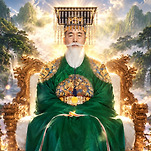
<div class="figure-img" data-ke-type="image" data-ke-style="alignLeft" data-ke-mobilestyle="widthOrigin"><img src="https://t1.daumcdn.net/cafeattach/1ABdi/2d55f68a8661357d870941cae6cd1a57e7ee45ad" class="txc-image" width="592" height="610" data-img-src="https://t1.daumcdn.net/cafeattach/1ABdi/2d55f68a8661357d870941cae6cd1a57e7ee45ad" data-origin-width="773" data-origin-height="797"><div class="figcaption">계룡산에서 대둔산으로 뻗친 빛</div></div><p style="text-align: justify;"><span style="color: #000000;" data-ke-size="size16">七月 七日(칠월 칠일)의 七夕日(칠석일)을 今年(금년)으로 牧牛堂主(목우당주)는 76주년째 마주한다. </span></p><p style="text-align: justify;"><span style="color: #000000;" data-ke-size="size16">丁未年(정미년)인 來年(내년)이 77주년이 되어 내 인생에서 가장 重要(중요)한 해로 보고 있다.</span></p><p style="text-align: justify;"><span style="color: #000000;" data-ke-size="size16">七數(칠수)는 火運(화운)으로 한울의 陽道(양도)요, 太陽(태양)이라 陽度運(양도운)의 뜻이며</span></p><p style="text-align: justify;"><span style="color: #000000;" data-ke-size="size16"> 六十 甲子中(육십 갑자중)에 今年運數(금년운수)에 해당된다. </span></p><p style="text-align: justify;"><span style="color: #000000;" data-ke-size="size16">丙午(병오)는 丙陽火(병양화)에 </span></p><p style="text-align: justify;"><span style="color: #000000;" data-ke-size="size16">十二地支(십이지지)에서 일곱 번째인 午火(오화)를 짝하니 七七火(칠칠화)의 상징인 것이다.</span></p><p style="text-align: justify;"><span style="color: #000000;" data-ke-size="size16">陽曆(양력)날짜로는 八月 十九日(8월 19일)이라, 昨年(작년)에 閏月(윤달)이 들어 늦다.</span></p><p style="text-align: justify;"><span style="color: #000000;" data-ke-size="size16"> 四週次 水曜日(사주차 수요일)이니 陰數(음수)의 四(사)는 음력 달력의 巳月(사월)뜻이라 陽火(양화)이다.</span></p><p style="text-align: justify;"><span style="color: #000000;" data-ke-size="size16">一週日(일주일)의 日月火水 順序(일월화수 순서)로 또한 四日次 水曜日(사일차 수요일)이다.</span></p><p style="text-align: justify;"><span style="color: #000000;" data-ke-size="size16"> 水原旅(수원여)를 상징한다.</span></p><p style="text-align: justify;"> </p><p style="text-align: justify;"><span style="color: #000000;" data-ke-size="size16">水曜日(수요일)의 水(수)는 실제 陰(음)이나 動(동)하는 法(법)이니 물 水(수) 변에 갈 去(거) 자의 합자이다. </span></p><p style="text-align: justify;"><span style="color: #000000;" data-ke-size="size16">물은 아래로 가되 불의 짝을 통해 水蒸氣(수증기)로 오르고 바람타고 구름되어 두루 돌아다닌다.</span></p><p style="text-align: justify;"><span style="color: #000000;" data-ke-size="size16"> 물은 風水地理的(풍수지리적)으로 陽(양)이기에 萬物(만물)의 根源(근원)이라 水原(수원)나그네이니</span></p><p style="text-align: justify;"><span style="color: #000000;" data-ke-size="size16"> 한울의 命(명)으로 任務(임무)를 띠고 물같이 根源(근원)따라 周遊(주유)하는 나그네라는 것이다.</span></p><p style="text-align: justify;"><span style="color: #000000;" data-ke-size="size16">나는 唐四株(당사주)의 月(월)로 未(미)에 該當(해당)되어 驛馬殺(역마살)이 붙는다.</span></p><p style="text-align: justify;"><span style="color: #000000;" data-ke-size="size16"> 牧童(목동)이 羊(양)몰이를 하며 草原(초원)을 두루 돌아다니는 格局(격국)이다.</span></p><p style="text-align: justify;"><span style="color: #000000;" data-ke-size="size16">따라서 나그네 八字(팔자)라 餘地(여지)없이 </span></p><p style="text-align: justify;"><span style="color: #000000;" data-ke-size="size16">丙午年(병오년)의 2026년도에도 國內(국내)로 濟州道(제주도)의 馬羅島(마라도)를 비롯하여 </span></p><p style="text-align: justify;"><span style="color: #000000;" data-ke-size="size16">鬱陵島 獨島(울릉도 독도)를 다녀왔고, 雪嶽山(설악산), 智異山(지리산), 光州 無等山(광주 무등산), </span></p><p style="text-align: justify;"><span style="color: #000000;" data-ke-size="size16">江原道 太白山(강원도 태백산), 平昌 高陽山(평창 고양산) 등을 다녀왔으며 </span></p><p style="text-align: justify;"><span style="color: #000000;" data-ke-size="size16">鷄龍(계룡)에서 부터 목포~ 부산~ 강릉~서울을 거쳐 南韓(남한)의 鐵道一週(철도일주)를 하였고, </span></p><p style="text-align: justify;"><span style="color: #000000;" data-ke-size="size16">다시 陸路(육로)로 계룡에서 춘천~양구~화천~김화~포천 (산정호)으로 하여 서울을 거쳐 一週(일주)하였다.</span></p><p style="text-align: justify;"><span style="color: #000000;" data-ke-size="size16"> 그 외에 旌善(정선)과 平昌(평창), 揷矢島(삽시도) 등 奧地(오지)를 두루 다녔다.</span></p><p style="text-align: justify;"> </p><p style="text-align: justify;"><span style="color: #000000;" data-ke-size="size16">한 달여 후의 9월 말에는 하와이로 진주만 전쟁간 죽은 혼령의 위령제를 위한 </span></p><p style="text-align: justify;"><span style="color: #000000;" data-ke-size="size16">수원나그네 度數(도수)로 出行(출행)하게 되고 </span></p><p style="text-align: justify;"><span style="color: #000000;" data-ke-size="size16">10월중에는 후천 조화운수를 맞추기 위하여 中國 武夷九曲(중국 무이구곡)에 간다.</span></p><p style="text-align: justify;"><span style="color: #000000;" data-ke-size="size16">井邑(정읍)의 우물 井(정)이 밑바탕이 되어 </span></p><p style="text-align: justify;"><span style="color: #000000;" data-ke-size="size16">淳昌 武夷九曲運(순창 무이구곡운)으로 천하가 作用(작용)한다</span></p><p style="text-align: justify;"><span style="color: #000000;" data-ke-size="size16">七月 七夕(칠월 칠석)날 牽牛(견우)와 織女(직녀)가 만나야 陰陽合德(음양합덕)이 되기 때문에 </span></p><p style="text-align: justify;"><span style="color: #000000;" data-ke-size="size16">水原(수원) 나그네가 奔走(분주)히 天下(천하)를 周遊(주유)한다. </span></p><p style="text-align: justify;"><span style="color: #000000;" data-ke-size="size16">이미 세계의 동서남북을 주유하였다.</span></p><p style="text-align: justify;"> </p><p style="text-align: justify;"><span style="color: #000000;" data-ke-size="size16">동으로는 日本(일본) 서로는 未國(미국)을 비롯하여 서유럽, 북유럽, 동유럽, 남유럽 순으로 주유했고 </span></p><p style="text-align: justify;"><span style="color: #000000;" data-ke-size="size16">남으로 멀리 호주와 뉴질란드, 가까이로는 필리핀 등을 다녀왔으며</span></p><p style="text-align: justify;"><span style="color: #000000;" data-ke-size="size16"> 서쪽 兌方(태방)의 캐나다와 멕시코, 남미의 페루, 볼리비아, 브라질, 아르헨티나를 다녀왔으며</span></p><p style="text-align: justify;"><span style="color: #000000;" data-ke-size="size16">아프리카 남쪽 끝 希望峰(희망봉)까지와 북쪽 몽골, 러시아, 바이칼호를 다녀왔다.</span></p><p style="text-align: justify;"><span style="color: #000000;" data-ke-size="size16"> 이웃이면 동이족 우리의 본토인 중국 대륙은 9회를 다녀왔다.</span></p><p style="text-align: justify;"> </p><p style="text-align: justify;"><span style="color: #000000;" data-ke-size="size16">三聖祖 氣運(삼성조 기운)이 있고 </span></p><p style="text-align: justify;"><span style="color: #000000;" data-ke-size="size16">先輩 聖人神明(선배 성인신명)들이 朝鮮(조선)땅 대한민국으로 넘어와야 하기 때문이고</span></p><p style="text-align: justify;"><span style="color: #000000;" data-ke-size="size16"> 九天 九宮度數(구천 구궁도수)이다. </span></p><p style="text-align: justify;"><span style="color: #000000;" data-ke-size="size16">이제 无極運數(무극운수)의 즈음이라 武夷九曲(무이구곡)을 열 번째로 가게 되다.</span></p><p style="text-align: justify;"><span style="color: #000000;" data-ke-size="size16">十一太極(십일태극)이라야 成道(성도)되어 현실화 함에 </span></p><p style="text-align: justify;"><span style="color: #000000;" data-ke-size="size16">天山(천산)과 崑輪山(곤륜산)을 丁未年 辰月(정미년 진월)로 往來(왕래)하도록 計劃中(계획중)이다.</span></p><p style="text-align: justify;"> </p><p style="text-align: justify;"><span style="color: #000000;" data-ke-size="size16">迎新堂主(영신당주)께서 乞人農夫(걸인농부)인 牽牛(견우)라면</span></p><p style="text-align: justify;"><span style="color: #000000;" data-ke-size="size16"> 北方 二十八宿 女星(북방 이십팔수 여성)의 별자리인</span></p><p style="text-align: justify;"><span style="color: #000000;" data-ke-size="size16"> 織女(직녀)는 천지의 壬子(임자)로 新天 上帝(신천 상제)이니 天地父母 一神化(천지부모 일신화)를 의미한다. </span></p><p style="text-align: justify;"><span style="color: #000000;" data-ke-size="size16">다시 譬喩(비유)하면 女星(여성)의 織女(직녀)는 甑山上帝(증산상제)라 보면 </span></p><p style="text-align: justify;"><span style="color: #000000;" data-ke-size="size16">牽牛(견우)는 迎新堂主天地父母(영신당주 천지부모)이시다.</span></p><p style="text-align: justify;"> </p><p style="text-align: justify;"><span style="color: #000000;" data-ke-size="size16">하여 한울님 증산상제가 </span></p><p style="text-align: justify;"><span style="color: #000000;" data-ke-size="size16">땅님 영신당주 地藏菩薩(지장보살)에게 再生身(재생신)되어 天地合德(천지합덕)되셨으니 </span></p><p style="text-align: justify;"><span style="color: #000000;" data-ke-size="size16">증산 한울 아버지는 미래를 후천이라 하셨으나 </span></p><p style="text-align: justify;"><span style="color: #000000;" data-ke-size="size16">영신당주 땅 어머니는 한울님과 합일되어 天地父母(천지부모)라 先天(선천)이라 말씀 하신바라 </span></p><p style="text-align: justify;"><span style="color: #000000;" data-ke-size="size16">後天(후천)과 先天(선천)이 合(합)하여 도로 先天(선천)이 된다는 것이다. </span></p><p style="text-align: justify;"><span style="color: #000000;" data-ke-size="size16">그러나 아직은 돌아오지 않은 선천이니 未來(미래)의 龍華樂園(용화낙원)은 후천이라 하는 것이다. </span></p><p style="text-align: justify;"><span style="color: #000000;" data-ke-size="size16">그 때가 되어서야 봄날이니 선천이라 말하게 될 것이다.</span></p><p style="text-align: justify;"> </p><p style="text-align: justify;"><span style="color: #000000;" data-ke-size="size16">更定儒道(갱정유도)에서 七月 七夕日 鷄龍山 山神祭(칠월 칠석일 계룡산 산신제)를 지내고 </span></p><p style="text-align: justify;"><span style="color: #000000;" data-ke-size="size16">圓光先生(원광선생)이 來訪(래방)하였다. </span></p><p style="text-align: justify;"><span style="color: #000000;" data-ke-size="size16">牧牛堂主(목우당주)와 한 배를 타고 있으나 </span></p><p style="text-align: justify;"><span style="color: #000000;" data-ke-size="size16">앞선 圓光先生(원광선생)과 뒤에 선 三山 牧牛堂主(삼산 목우당주)의 관계는 內外 陰陽關係(내외 음양관계)이다. </span></p><p style="text-align: justify;"><span style="color: #000000;" data-ke-size="size16">仙道(선도)와 儒道次元(유도차원)인 것이다.</span></p><p style="text-align: justify;"><span style="color: #000000;" data-ke-size="size16">先後天(선후천)이라는 言及(언급)의 말 때문에 다툰 후에 오랜만의 邂逅(해후)이다. </span></p><p style="text-align: justify;"><span style="color: #000000;" data-ke-size="size16">아직 未完成(미완성)의 末代(말대) 끝자락 운수라 다툼이 생긴 이유이다. </span></p><p style="text-align: justify;"><span style="color: #000000;" data-ke-size="size16">개벽이 되어 새 한울 새 땅이 열리면 氣環定 氣環新(기환정 기환신)이 되어 先後 左右(선후 좌우)가 하나 된다.</span></p><p style="text-align: justify;"><span style="color: #000000;" data-ke-size="size16">모든 信徒(신도)는 칠월 칠석일로써 天地合德(천지합덕)의 極樂運數(극락운수)를 맞음에</span></p><p style="text-align: justify;"><span style="color: #000000;" data-ke-size="size16"> 多慶大吉 運數(다경대길 운수)로 나아가기를 合掌 祝願(합장 축원)하는 바이다. </span></p><p style="text-align: justify;"> </p><p style="text-align: justify;"><span style="color: #000000;" data-ke-size="size16">乙丑日 當日(을축일 당일)의 辛巳時 (신사시)에 北(북)쪽 계룡산 방향에서 남쪽 대둔산으로 </span></p><p style="text-align: justify;"><span style="color: #000000;" data-ke-size="size16">흰구름 한줄기 빛이 一字(일자)로 뻗어내리는 현상이 북과 남이 하나로 연결된다는 상징이다.</span></p><p style="text-align: justify;"><span style="color: #000000;" data-ke-size="size16">乙丑(을축)은 어린 송아지요, 父女問答(부녀문답)의 딸이 태어난 해이고 </span></p><p style="text-align: justify;"><span style="color: #000000;" data-ke-size="size16">甲子年 井邑(갑자년 정읍)땅에서 孕胎(잉태)되어 江原道 楊口(강원도 양구)에서 出生(출생)하였으니 </span></p><p style="text-align: justify;"><span style="color: #000000;" data-ke-size="size16">三山 牧牛堂主(삼산 목우당주)가 소울음 소리를 송아지 울음소리로 하여 듣게 되었다. </span></p><p style="text-align: justify;"><span style="color: #000000;" data-ke-size="size16">다음해인 丙寅年 辛卯月(병인년 신묘월)에 </span></p><p style="text-align: justify;"><span style="color: #000000;" data-ke-size="size16">活人峰 因緣(활인봉 인연)으로 入山(입산)함에 道(도)에 入門(입문)하는 運數(운수)를 지었다.</span></p><p style="text-align: justify;"> </p><p style="text-align: justify;"><span style="color: #000000;" data-ke-size="size16">斗牛女虛胃室壁(두우여허위실벽)의 北方 七宿(북방 칠수)에 두 번째 별이 牽牛(견우)이고 </span></p><p style="text-align: justify;"><span style="color: #000000;" data-ke-size="size16">세 번째 별자리 女星(여성)이 壬子(임자:主人(주인))의 子方(자방)이므로 </span></p><p style="text-align: justify;"><span style="color: #000000;" data-ke-size="size16">先天 子午之 地軸(선천 자오지 지축)이 뾰족한 수인 後天 丑未地軸(후천 축미지축)으로 定立(정립)됨을 말한다.</span></p><p style="text-align: justify;"><span style="color: #000000;" data-ke-size="size16">周易 十 四卦象(주역 십 사괘상)으로 火天大有(화천대유) 뜻이라,</span></p><p style="text-align: justify;"><span style="color: #000000;" data-ke-size="size16"> 十 三卦(십 삼괘)와 大同運數(대동운수)로 옮아가 指向(지향)된다.</span></p><p style="text-align: justify;"><span style="color: #000000;" data-ke-size="size16">七七週年(칠칠주년)의 七月 七日 七夕(칠월 칠일 칠석)을 맞으면 </span></p><p style="text-align: justify;"><span style="color: #000000;" data-ke-size="size16">巳午未 開明 運數(사오미 개명 운수)의 名分(명분)에 맞을 것이다.</span></p><p style="text-align: justify;"><span style="color: #000000;" data-ke-size="size16">끝으로 七夕致誠(칠석치성)을 위해 五十萬(오십만)원의 誠金(성금)을 올려 준</span></p><p style="text-align: justify;"><span style="color: #000000;" data-ke-size="size16"> 讀子(독자) 박 효수 信子(신자)에게 감사함을 表(표)한다.</span></p><p style="text-align: justify;"><span style="color: #000000;" data-ke-size="size16">더불어 정성을 더한 後學道伴(후학도반)들에게도 함께 感謝(감사)를 表(표)는 바이다.</span></p><p style="text-align: justify;"> </p><p><b>​칠월칠석 천지합덕과 수원나그네 대풍가</b></p><p>Listen and make your own on Suno.</p><p>suno.com</p><p style="text-align: justify;"><span style="color: #000000;" data-ke-size="size18"><b>영어(English)</b></span></p><p style="text-align: left;"><span style="color: #000000;" data-ke-size="size18">This year marks the 76th anniversary of Chilseok (the seventh day of the seventh lunar month) for the Master of Mogudang. Next year—the year of Jeongmi—will be the 77th anniversary, a milestone I regard as the most important year of my life.</span></p><p style="text-align: left;"><span style="color: #000000;" data-ke-size="size18">The number seven represents the energy of Fire; it embodies the "Way of Yang" (Yang-do) of the cosmos and the Sun itself, signifying the fortune of the Yang path. Within the sixty-year sexagenary cycle, it corresponds to the specific fortune of the current year.</span></p><p style="text-align: left;"><span style="color: #000000;" data-ke-size="size18">The year *Byeong-o* pairs *Byeong* (Yang Fire) with *O* (the Horse/Fire element), which is the seventh of the twelve earthly branches; thus, it symbolizes the "Fire of Seven-Seven" (double-seven fire).</span></p><p style="text-align: left;"><span style="color: #000000;" data-ke-size="size18">In the solar calendar, this date falls on August 19th—a late date due to the inclusion of a leap month last year. As it falls on the fourth Wednesday of the month, the number four—associated with the *Sa* (Snake) month in the lunar calendar—signifies Yang Fire.</span></p><p style="text-align: left;"><span style="color: #000000;" data-ke-size="size18">In the weekly sequence of Sun, Moon, Fire, and Water, it is the fourth day, Wednesday. This symbolizes the "Journey of Water" (*Su-won-yeo*).</span></p><p style="text-align: left;"><span style="color: #000000;" data-ke-size="size18">Although the "Water" in Wednesday is fundamentally *Yin* in nature, it possesses a dynamic quality; the character is formed by combining the radical for "water" with the character for "going" or "departing." While water naturally flows downward, through its pairing with fire, it rises as steam, rides the wind to become clouds, and circulates throughout the world. In the context of *Feng Shui* (geomancy), water represents *Yang* and is considered the source of all things; thus, as a "wanderer of the water's source," I am a traveler destined by Heaven to journey—like water flowing from its origin—across the land.</span></p><p style="text-align: left;"><span style="color: #000000;" data-ke-size="size18">According to *Dang-saju* (a form of traditional Korean fortune-telling), my birth month corresponds to the *Mi* (Goat) sign, signifying the *Yeokma-sal*—a destiny marked by constant travel and movement. It is a life pattern akin to a shepherd herding sheep across vast grasslands.</span></p><p style="text-align: left;"><span style="color: #000000;" data-ke-size="size18">True to this wandering destiny, I have traveled extensively across the country. My journeys included visits to islands such as Marado (Jeju), Ulleungdo, and Dokdo, as well as major mountains like Seoraksan, Jirisan, Mudeungsan (Gwangju), Taebaeksan (Gangwon-do), and Goyangsan (Pyeongchang). I completed a railway circuit of South Korea—traveling from Gyeryong through Mokpo, Busan, Gangneung, and Seoul—and later undertook a road trip that took me from Gyeryong through Chuncheon, Yanggu, Hwacheon, Gimhwa, and Pocheon (Sanjeong Lake) before returning via Seoul. In addition, I explored various remote areas, including Jeongseon, Pyeongchang, and Sapsido Island. In late September—about a month later—he set out for Hawaii as the "Suwon Traveler" to perform a memorial service for the spirits of those who perished in the Pearl Harbor attack; in October, he traveled to the Wuyi Nine-Bend Stream (Wuyi Jiuqu) in China to align with the cosmic fortune of the *Hucheon* (Later Heaven) era of creation and harmony.</span></p><p style="text-align: left;"><span style="color: #000000;" data-ke-size="size18">The entire world operates according to the destiny of the "Sunchang Wuyi Nine-Bend Stream," a process rooted in the character *jeong* (井, meaning "well") from the name Jeongeup.</span></p><p style="text-align: left;"><span style="color: #000000;" data-ke-size="size18">The "Suwon Traveler" busily journeys across the world because the meeting of the Cowherd (*Gyeon-u*) and the Weaver Girl (*Jik-nyeo*) on the seventh day of the seventh lunar month is essential for the harmonious union of Yin and Yang. He has already traveled to all corners of the globe—east, west, south, and north.</span></p><p style="text-align: left;"><span style="color: #000000;" data-ke-size="size18">His travels took him east to Japan and west to the United States, followed by tours of Western, Northern, Eastern, and Southern Europe. To the south, he visited places ranging from nearby regions like the Philippines to distant ones like Australia and New Zealand. He also traveled to Canada and Mexico in the west (*Taebang*), as well as Peru, Bolivia, Brazil, and Argentina in South America. His journeys extended to the Cape of Good Hope at the southern tip of Africa and northward to Mongolia, Russia, and Lake Baikal. He visited the Chinese mainland—the ancestral homeland of our people, the Dong-i—nine times.</span></p><p style="text-align: left;"><span style="color: #000000;" data-ke-size="size18">These journeys were undertaken because the spiritual energy of the Three Ancestral Sages (*Samseongjo*) and the spirits of sages from the past needed to cross over to the land of Joseon—the Republic of Korea—in accordance with the cosmic destiny of the Nine Heavens and Nine Palaces (*Gucheon Gugung Dosu*). We are now at the juncture of the *Mugeuk* (Limitless) destiny, and I am setting out for the *Mui-gugok* (Nine Bends of Mount Wuyi) for the tenth time.</span></p><p style="text-align: left;"><span style="color: #000000;" data-ke-size="size18">Only through the *Shipil-taegeuk* (Eleven-fold Great Ultimate) can the Way be realized and manifested in reality; thus, plans are underway to travel between Mount Cheonsan and Mount Kunlun during the third lunar month of the *Jeongmi* year.</span></p><p style="text-align: left;"><span style="color: #000000;" data-ke-size="size18">If the Master of Yeongsin-dang represents Gyeon-u (the Cowherd)—a beggar-farmer—then Jik-nyeo (the Weaver Maid)—associated with the *Yeoseong* (Weaving Maiden) star of the Northern Twenty-Eight Mansions—represents the *Imja* (Water-Rat) energy of Heaven and Earth and the Supreme Deity of the New Heaven; this signifies the unification of the Parents of Heaven and Earth into a single divine entity. To use another analogy: if Jik-nyeo corresponds to Jeungsan Sangje (the Supreme Deity), then Gyeon-u corresponds to the Master of Yeongsin-dang, the Parent of Earth.</span></p><p style="text-align: left;"><span style="color: #000000;" data-ke-size="size18">Thus, Jeungsan Sangje (the Heavenly Father) was reborn through the Master of Yeongsin-dang (the Earthly Mother and Ksitigarbha Bodhisattva), achieving the union of the virtues of Heaven and Earth. While Jeungsan (the Heavenly Father) referred to the future as the *Hucheon* (Later Heaven), the Master of Yeongsin-dang (the Earthly Mother)—having united with the Heavenly Deity—spoke of the *Seoncheon* (Earlier Heaven) as the state of the Parents of Heaven and Earth; this implies that the union of *Hucheon* and *Seoncheon* results in a return to *Seoncheon*. However, since that *Seoncheon* state has not yet returned, the future *Yonghwa* Paradise is still referred to as *Hucheon*. Only when that time arrives—like the coming of spring—will it truly be called *Seoncheon*. After the *Gaengjeong Yudo* (Restoration of Confucian Way) held the ritual for the Mountain Spirit of Mt. Gyeryong on the seventh day of the seventh lunar month (Chilseok), Master Wongwang paid a visit. Although Master Wongwang and the Master of Mokudang (Samsan Mokudang-ju) share the same path, their relationship—with Master Wongwang in the lead and the Master of Mokudang following—is one of inner and outer Yin-Yang complementarity; it represents the dimensions of *Seondo* (the Way of Immortals) and *Yudo* (the Way of Confucianism), respectively.</span></p><p style="text-align: left;"><span style="color: #000000;" data-ke-size="size18">This reunion comes after a long interval, following a dispute sparked by a discussion regarding the concepts of the "Former Heaven" and "Latter Heaven." Such conflicts arise because we are currently living in the final stretch of the unfinished era. Once the Great Opening (*Gaebyeok*) occurs and a new heaven and new earth unfold, the state of *Gihwanjeong* and *Gihwansin* (the harmonization and renewal of vital energy) will be realized, uniting the former and the latter, the left and the right, into one.</span></p><p style="text-align: left;"><span style="color: #000000;" data-ke-size="size18">I join my palms in prayer, wishing that all followers may advance toward a destiny of great fortune and abundant blessings, embracing the blissful providence of the "Union of Virtues between Heaven and Earth" (*Cheonji-hapdeok*) on this day of Chilseok.</span></p><p style="text-align: left;"><span style="color: #000000;" data-ke-size="size18">The phenomenon observed on the day of *Eulchuk*—during the *Sinsa* hour—where a single streak of light resembling a white cloud stretched in a straight line from Mt. Gyeryong in the north toward Mt. Daedun in the south, serves as a symbol that the North and the South are becoming connected as one. The *Eul-chuk* (乙丑) year signifies a young calf and marks the birth year of the daughter mentioned in the *Bu-nyeo-mun-dap* (Dialogue between Father and Daughter); conceived in the Jeongeup region during the *Gap-ja* (甲子) year and born in Yanggu, Gangwon-do, this event led Samsan Mok-u-dang-ju to hear the sound of a cow as the cry of a calf. In the following year—the *Byeong-in* (丙寅) year, during the *Sin-myo* (辛卯) month—a karmic connection to Hwalinbong Peak led to an entry into the mountains, marking the destiny of entering the path of the Dao.</span></p><p style="text-align: left;"><span style="color: #000000;" data-ke-size="size18">Among the seven northern constellations (*Bukbang Chilsuk*)—comprising *Du*, *U*, *Yeo*, *Heo*, *Wi*, *Sil*, and *Byeok*—the second star is *Gyeon-u* (the Cowherd) and the third is the *Yeo* constellation (the Weaving Maiden). As the latter corresponds to the *Ja* (North) direction of *Im-ja* (壬子, the Master), this signifies the transition of the cosmic axis from the *Ja-O* (North-South) alignment of the *Seoncheon* (Pre-heaven) era to the *Chuk-Mi* (Northeast-Southwest) alignment of the *Hucheon* (Post-heaven) era.</span></p><p style="text-align: left;"><span style="color: #000000;" data-ke-size="size18">In terms of the *I Ching* (Book of Changes) hexagrams, this corresponds to *Hwa-cheon-dae-yu* (Fire over Heaven: Great Possession), pointing toward a transition into the thirteenth hexagram and the destiny of *Dae-dong* (Great Harmony).</span></p><p style="text-align: left;"><span style="color: #000000;" data-ke-size="size18">Upon the arrival of the seventh day of the seventh lunar month—the *Chilseok* (Qixi) festival marking the forty-ninth anniversary—the timing will align with the mandate of the *Sa-O-Mi* (Snake-Horse-Goat) era of enlightenment. Finally, I would like to express my gratitude to the reader and fellow believer Park Hyo-su for offering a donation of 500,000 won for the Chilseok ritual. I also extend my thanks to the fellow practitioners who contributed their own sincere offerings.</span></p><p style="text-align: left;"><span style="color: #000000;" data-ke-size="size18">​</span></p><p style="text-align: left;"><span style="color: #000000;" data-ke-size="size18"><b>일본어</b></span></p><p style="text-align: left;"><span style="color: #000000;" data-ke-size="size18">牧牛堂主(モグダンジュ)は今年、7月7日の七夕の日を76回目として迎える。丁未(ひのとひつじ)の年である来年は77周年となり、私の人生において最も重要な年だと捉えている。</span></p><p style="text-align: left;"><span style="color: #000000;" data-ke-size="size18">「七」という数は火の運気であり、天の「陽道」すなわち太陽を意味する「陽度運」を表し、六十干支の中で今年の運勢に該当する。</span></p><p style="text-align: left;"><span style="color: #000000;" data-ke-size="size18">「丙午(ひのえうま)」は、陽の火である「丙」と、十二支で7番目にあたる「午(うま)」の火が組み合わさっているため、「七七火」の象徴である。</span></p><p style="text-align: left;"><span style="color: #000000;" data-ke-size="size18">太陽暦の日付では8月19日にあたり、昨年は閏月(うるうづき)があったため遅くなっている。第4週の水曜日であるが、陰数である「四」は陰暦の「巳(み)の月」を意味するため、陽の火の性質を持つ。</span></p><p style="text-align: left;"><span style="color: #000000;" data-ke-size="size18">一週間の「日・月・火・水」という順序で見れば、4日目の水曜日でもある。これは「水原(スウォン)の旅」を象徴している。</span></p><p style="text-align: left;"><span style="color: #000000;" data-ke-size="size18">水曜日の「水」は実際には「陰」であるが、「動く」という性質を持っており、漢字の「水」という字は「水」の部首と「去(さる)」という字が組み合わさってできている。水は本来下へと流れるものだが、火と組み合わさることで水蒸気となって上昇し、風に乗って雲となり、あちこちを巡るのである。水は風水地理的に「陽」であり万物の根源であるため、「水源の旅人」とは、天の命を帯び、水のようにその根源をたどって各地を巡る旅人であることを意味します。</span></p><p style="text-align: left;"><span style="color: #000000;" data-ke-size="size18">私は唐四柱(とうしちゅう)の月運において「未(ひつじ)」に該当するため、旅の運勢である「駅馬殺(えきばさつ)」を帯びています。羊飼いが羊を追って草原をあちこちと歩き回るような格局なのです。</span></p><p style="text-align: left;"><span style="color: #000000;" data-ke-size="size18">そのため旅人の宿命にある通り、丙午(ひのえうま)の年である2026年も、国内では済州島の馬羅島(マラド)をはじめ、鬱陵島(ウルルンド)や独島(トクト)を訪れました。また、雪岳山(ソラクサン)、智異山(チリサン)、光州の無等山(ムドゥンサン)、江原道の太白山(テベクサン)、平昌の高陽山(コヤンサン)などを巡り、鶏龍(ケリョン)を起点に木浦(モッポ)~釜山(プサン)~江陵(カンヌン)~ソウルを経て韓国国内の鉄道一周の旅をしました。さらに陸路でも、鶏龍から春川(チュンチョン)~楊口(ヤング)~華川(ファチョン)~金化(キムファ)~抱川(ポチョン・山井湖)へと進み、ソウルを経由して一周しました。そのほか、旌善(チョンソン)や平昌(ピョンチャン)、挿矢島(サプシド)といった奥地も広く巡りました。 1ヶ月ほど後の9月末には、真珠湾攻撃で亡くなった御霊の慰霊祭を行うため、「水原(スウォン)の旅人」という運命の巡り合わせ(度数)に従ってハワイへ赴き、10月中には後天の「造化運数」を整えるために中国の武夷九曲(ぶいきゅうきょく)を訪れることになる。</span></p><p style="text-align: left;"><span style="color: #000000;" data-ke-size="size18">井邑(チョンウプ)の「井(井戸)」の字がその基盤となり、淳昌(スンチャン)の武夷九曲の運気によって天下が動くのである。</span></p><p style="text-align: left;"><span style="color: #000000;" data-ke-size="size18">7月の七夕の日に牽牛(けんぎゅう)と織女(しょくじょ)が出会ってこそ陰陽合徳(陰と陽が調和し徳を成すこと)が実現するため、「水原の旅人」は奔走して天下を周遊する。すでに世界の東西南北を巡った。</span></p><p style="text-align: left;"><span style="color: #000000;" data-ke-size="size18">東は日本、西は米国をはじめとして西欧、北欧、東欧、南欧の順に巡り、南へは遠くオーストラリアやニュージーランド、近くはフィリピンなどを訪れた。また、西の兌方(だほう:西の方角)にあたるカナダやメキシコ、南米のペルー、ボリビア、ブラジル、アルゼンチンを歴訪し、アフリカ南端の喜望峰に至るまで、さらには北方のモンゴル、ロシア、バイカル湖にも足を運んだ。隣国であり東夷族(とういぞく)の地、我々の本拠地でもある中国大陸へは9回にわたって渡航した。</span></p><p style="text-align: left;"><span style="color: #000000;" data-ke-size="size18">これは、三聖祖(さんせいそ)の気運があり、先達である聖人や神明たちが朝鮮の地、すなわち大韓民国へと渡ってこなければならないためであり、また「九天九宮度数(くてんきゅうきゅうどすう)」という天の運行の理法によるものである。今は無極運数(むきょうくうんす)の時節を迎え、武夷九曲(ぶいきゅうきょく)へ十度目の旅に出ることとなった。</span></p><p style="text-align: left;"><span style="color: #000000;" data-ke-size="size18">十一太極(じゅういっていきょく)に至って初めて成道し現実化するため、丁未(ていび)年の辰(しん)月に天山(てんざん)と崑崙山(こんろんさん)を往来する計画を立てている。</span></p><p style="text-align: left;"><span style="color: #000000;" data-ke-size="size18">迎新堂主(ヨンシンダンジュ)が乞食農夫である牽牛(けんぎゅう)であるならば、北方二十八宿の「女星(じょせい)」という星座である織女(しょくじょ)は、天地の壬子(じんし)であり新天の上帝(しんてんじょうてい)であるため、天地父母の一神化を意味する。別の例えをするならば、女星である織女を甑山上帝(チュンサンサンジェ)と見なすなら、牽牛は迎新堂主である天地父母にあたる。</span></p><p style="text-align: left;"><span style="color: #000000;" data-ke-size="size18">すなわち、天の神である甑山上帝が、地の神である迎新堂主(地蔵菩薩)に再生身(さいせいしん)して天地合徳(てんちがっとく)されたのである。甑山という「天の父」は未来を後天(こうてん)とされたが、迎新堂主という「地の母」は天の神と合一して天地父母となり、これを先天(せんてん)であると説かれた。つまり、後天と先天が合わさって、再び先天に回帰するということである。しかし、今はまだ先天に戻っていない状態であるため、未来の龍華楽園(りゅうげらくえん)は後天と呼ばれているのである。その時が来て初めて春の日となり、先天であると言えるようになるだろう。更定儒道(ケンジョンユド)にて七夕の日に鶏龍山(ケリョンサン)山神祭を執り行った際、円光(ウォングァン)先生が来訪された。牧牛堂主(モグダンジュ)とは同じ船に乗る(志を共にする)間柄であるが、先を行く円光先生と後に続く三山(サムサン)牧牛堂主との関係は、内外陰陽の関係にある。すなわち、仙道と儒道の次元にあるということだ。</span></p><p style="text-align: left;"><span style="color: #000000;" data-ke-size="size18">「先天・後天」という言葉をめぐって争った後の、久しぶりの再会である。いまだ未完成の末代の終わりの運気にあるため、争いが生じたのである。開闢(かいびゃく)がなされ、新しい天と地が開かれれば、「気環定・気環新」となり、前後左右が一つとなる。</span></p><p style="text-align: left;"><span style="color: #000000;" data-ke-size="size18">すべての信徒が、七夕の日をもって天地合徳の極楽の運気を迎え、多慶大吉の運気へと進まれることを、合掌して祝願するものである。</span></p><p style="text-align: left;"><span style="color: #000000;" data-ke-size="size18">乙丑(ウルチュク)の日の辛巳(シンサ)の刻、北の鶏龍山の方角から南の大屯山(テドゥンサン)へと、白い雲と光の一筋が一直線に伸びていく現象が見られたが、これは北と南が一つにつながることを象徴している。乙丑(ウルチュク)は幼い子牛であり、「父女問答」の娘が生まれた年である。甲子(カプチャ)年に井邑(チョンウプ)の地で懐胎し、江原道楊口(ヤング)で出生したため、三山牧牛堂主(サムサン・モグダンジュ)は、牛の鳴き声を子牛の鳴き声として聞くことになった。翌年の丙寅(ピョンイン)年辛卯(シンミョ)月に、活人峰(ファリンボン)との縁によって入山し、道に入門する運数を成した。</span></p><p style="text-align: left;"><span style="color: #000000;" data-ke-size="size18">斗・牛・女・虚・危・室・壁からなる北方の七宿のうち、二番目の星が牽牛(ケンウ)であり、三番目の星である女星(ヨソン)が壬子(主人)の「子(ね)」の方位にあたるため、これは先天の「子午」の地軸が、尖った数である後天の「丑未(チュンミ)」の地軸へと定立することを意味する。</span></p><p style="text-align: left;"><span style="color: #000000;" data-ke-size="size18">周易の十四番目の卦象である「火天大有(かてんだいゆう)」の意であり、十三番目の卦および「大同運数」へと移行し、そこへ指向される。</span></p><p style="text-align: left;"><span style="color: #000000;" data-ke-size="size18">七七周年の七月七日、七夕(たなばた)を迎えるならば、「巳午未(サオミ)」の開明運数という名分にかなうことになるだろう。最後に、七夕致誠(チルソクチソン)のために50万ウォンの誠金(ソングム)を捧げてくださった読者であり信徒のパク・ヒョス氏に感謝の意を表します。併せて、真心をお寄せくださった後学・道伴(どうはん)の皆様にも、同様に感謝申し上げます。</span></p><p style="text-align: left;"><span style="color: #000000;" data-ke-size="size18">​</span></p><p style="text-align: left;"><span style="color: #000000;" data-ke-size="size18"><b>스페인어</b></span></p><p style="text-align: left;"><span style="color: #000000;" data-ke-size="size18">Este año se cumple el 76.º aniversario de Chilseok (el séptimo día del séptimo mes lunar) para el Maestro de Mogudang. El próximo año —el año *Jeongmi*— marcará el 77.º aniversario, un hito que considero el año más importante de mi vida.</span></p><p style="text-align: left;"><span style="color: #000000;" data-ke-size="size18">El número siete representa la energía del Fuego (*Hwa-un*); encarna el "Camino del Yang" (*Yang-do*) del cosmos y del propio Sol, simbolizando la fortuna de la senda Yang. Dentro del ciclo sexagenario de sesenta años, esto corresponde a la fortuna específica del año en curso.</span></p><p style="text-align: left;"><span style="color: #000000;" data-ke-size="size18">El año *Byeong-o* combina *Byeong* (Fuego Yang) con *O* (el Caballo/elemento Fuego), que es la séptima de las doce Ramas Terrenales; por tanto, simboliza el "Fuego Siete-Siete" (*Chil-chil-hwa*).</span></p><p style="text-align: left;"><span style="color: #000000;" data-ke-size="size18">En el calendario solar, esta fecha cae el 19 de agosto, una fecha tardía debido a la inclusión de un mes intercalar el año pasado. Al coincidir con el cuarto miércoles del mes, el número cuatro —asociado con el mes *Sa* (el cuarto mes lunar)— significa Fuego Yang.</span></p><p style="text-align: left;"><span style="color: #000000;" data-ke-size="size18">En la secuencia semanal de Sol, Luna, Fuego y Agua, es el cuarto día (miércoles). Esto simboliza el "Viaje del Agua" (*Su-won-yeo*).</span></p><p style="text-align: left;"><span style="color: #000000;" data-ke-size="size18">Aunque el "Agua" (*Su*) del miércoles es fundamentalmente de naturaleza *Yin*, se caracteriza por el movimiento; el carácter en sí es una combinación del radical de agua y el carácter de "ir" (*geo*). Si bien el agua fluye naturalmente hacia abajo, al emparejarse con el fuego, se eleva como vapor, cabalga el viento para convertirse en nubes y circula por todo el mundo. En el contexto del *Feng Shui* (geomancia), el agua representa el *Yang* y se considera la fuente de todas las cosas; así, como "viajero de la fuente del agua", soy alguien que —portando una misión ordenada por el Cielo— vaga y recorre los orígenes del agua, tal como lo hace el agua misma. Según el *Dang-saju* (astrología tradicional coreana), mi mes de nacimiento corresponde al signo de la Cabra (*Mi*), lo que me confiere el *Yeokma-sal*: un destino marcado por los viajes y el movimiento constantes. El patrón de mi vida se asemeja al de un pastor que guía a su rebaño a través de vastas praderas.</span></p><p style="text-align: left;"><span style="color: #000000;" data-ke-size="size18">Fiel a este destino errante, he viajado extensamente por todo el país. Mis recorridos incluyeron visitas a Marado (frente a la isla de Jeju), Ulleungdo y Dokdo, así como a cumbres importantes como Seoraksan, Jirisan, Mudeungsan (Gwangju), Taebaeksan (Gangwon-do) y Goyangsan (Pyeongchang). Completé un circuito ferroviario por Corea del Sur —viajando desde Gyeryong pasando por Mokpo, Busan, Gangneung y Seúl— y más tarde emprendí un viaje por carretera que me llevó desde Gyeryong a través de Chuncheon, Yanggu, Hwacheon, Gimhwa y Pocheon (lago Sanjeong) antes de regresar pasando por Seúl. Además, he explorado diversas zonas remotas, incluidas Jeongseon, Pyeongchang y Sapsido. A finales de septiembre —aproximadamente un mes después— partió hacia Hawái como el "Viajero de Suwon" para celebrar una ceremonia conmemorativa en honor a las almas de quienes perecieron en el ataque a Pearl Harbor; en octubre, viajó al Arroyo de las Nueve Curvas de Wuyi (*Wuyi Jiuqu*), en China, para alinearse con la fortuna cósmica de la era de creación y armonía conocida como *Hucheon* (Cielo Posterior).</span></p><p style="text-align: left;"><span style="color: #000000;" data-ke-size="size18">El mundo entero funciona según el destino del "Arroyo de las Nueve Curvas de Wuyi de Sunchang", un proceso arraigado en el carácter *jeong* (井, que significa "pozo"), presente en el nombre de la ciudad de Jeongeup.</span></p><p style="text-align: left;"><span style="color: #000000;" data-ke-size="size18">El "Viajero de Suwon" recorre el mundo incansablemente porque el encuentro entre el Pastor (*Gyeon-u*) y la Tejedora (*Jik-nyeo*), que tiene lugar el séptimo día del séptimo mes lunar, es esencial para la unión armoniosa del Yin y el Yang. Ya ha viajado a todos los rincones del globo: este, oeste, sur y norte. Sus viajes lo llevaron hacia el este, a Japón, y hacia el oeste, a Estados Unidos, seguidos de recorridos por Europa occidental, septentrional, oriental y meridional. Hacia el sur, visitó lugares que iban desde regiones cercanas, como Filipinas, hasta otras lejanas, como Australia y Nueva Zelanda. También viajó a Canadá y México en el oeste (*Taebang*), así como a Perú, Bolivia, Brasil y Argentina en América del Sur. Sus travesías se extendieron hasta el Cabo de Buena Esperanza, en el extremo sur de África, y hacia el norte hasta Mongolia, Rusia y el lago Baikal. Visitó la China continental —la tierra ancestral de nuestro pueblo, los Dong-i— en nueve ocasiones.</span></p><p style="text-align: left;"><span style="color: #000000;" data-ke-size="size18">Estos viajes se emprendieron porque la energía espiritual de los Tres Sabios Ancestrales (*Samseongjo*) y los espíritus de los sabios del pasado debían trasladarse a la tierra de Joseon —la República de Corea—, en consonancia con el destino cósmico de los Nueve Cielos y los Nueve Palacios (*Gucheon Gugung Dosu*). Nos encontramos ahora en la coyuntura del destino *Mugeuk* (lo Ilimitado), y me dispongo a realizar la décima visita a las Nueve Curvas del monte Wuyi (*Mui-gugok*).</span></p><p style="text-align: left;"><span style="color: #000000;" data-ke-size="size18">Solo a través del *Sibil-taegeuk* (el Supremo Último de once niveles) puede el Camino realizarse y manifestarse en la realidad; por ello, se están preparando viajes entre el monte Cheonsan y el monte Kunlun durante el tercer mes lunar del año *Jeongmi*.</span></p><p style="text-align: left;"><span style="color: #000000;" data-ke-size="size18">Si el Maestro de Yeongsin-dang representa a Gyeon-u (el Pastor de Bueyes) —un campesino mendigo—, entonces Jik-nyeo (la Doncella Tejedora) —asociada con la estrella "Yeo-seong" (Doncella Tejedora) de las Veintiocho Mansiones del Norte— representa la energía *Imja* (Rata de Agua) del Cielo y la Tierra y a la Deidad Suprema del Nuevo Cielo (*Sincheon Sangje*), lo que simboliza la unificación de los Padres del Cielo y la Tierra en una sola entidad divina. Para usar otra analogía: si se considera a Jik-nyeo como Jeungsan Sangje, entonces Gyeon-u es el Maestro de Yeongsin-dang, el Padre del Cielo y la Tierra. Así, Jeungsan Sangje (el Padre Celestial) renació a través del Maestro de Yeongsin-dang —el Bodhisattva Ksitigarbha (la Madre Terrenal)—, logrando la armonía perfecta entre el Cielo y la Tierra. Mientras que Jeungsan (el Padre Celestial) se refería al futuro como *Hucheon* (el Cielo Posterior), el Maestro de Yeongsin-dang (la Madre Terrenal) se unió al Padre Celestial para convertirse en los Padres del Cielo y la Tierra y habló del *Seoncheon* (el Cielo Anterior); esto implica que la unión de *Hucheon* y *Seoncheon* resulta en un retorno al *Seoncheon*. Sin embargo, dado que ese estado de *Seoncheon* aún no ha regresado, el futuro Paraíso de *Yonghwa* sigue denominándose *Hucheon*. Solo cuando llegue ese momento —una época de primavera— se le llamará verdaderamente *Seoncheon*. Después de que *Gaengjeong Yudo* (la Restauración de la Vía Confuciana) celebrara el ritual para el Espíritu de la Montaña Gyeryong el séptimo día del séptimo mes lunar (*Chilseok*), el Maestro Wongwang realizó una visita. Aunque el Maestro Wongwang y el Maestro de Mokudang (Samsan Mokudang-ju) comparten el mismo camino, su relación —con el Maestro Wongwang a la cabeza y el Maestro de Mokudang siguiéndole— es de complementariedad interna y externa entre el Yin y el Yang; representa las dimensiones de *Seondo* (la Vía de los Inmortales) y *Yudo* (la Vía del Confucianismo), respectivamente.</span></p><p style="text-align: left;"><span style="color: #000000;" data-ke-size="size18">Este reencuentro se produce tras un largo intervalo, después de una disputa desencadenada por una discusión sobre los conceptos del "Cielo Anterior" y el "Cielo Posterior". Tales conflictos surgen porque actualmente vivimos en la etapa final de una era inconclusa. Una vez que ocurra la Gran Apertura (*Gaebyeok*) y se desplieguen un nuevo cielo y una nueva tierra, se hará realidad el estado de *Gihwanjeong* y *Gihwansin* (la armonización y renovación de la energía vital), uniendo lo anterior y lo posterior, la izquierda y la derecha, en una sola unidad. Uno mis palmas en oración, deseando que todos los seguidores avancen hacia un destino de gran fortuna y abundantes bendiciones, abrazando la dichosa providencia de la "Unión de Virtudes entre el Cielo y la Tierra" (*Cheonji-hapdeok*) en este día de Chilseok.</span></p><p style="text-align: left;"><span style="color: #000000;" data-ke-size="size18">El fenómeno observado en el día *Eulchuk* —durante la hora *Sinsa*—, en el que una única estela de luz semejante a una nube blanca se extendía en línea recta desde el monte Gyeryong, al norte, hacia el monte Daedun, al sur, sirve como símbolo de que el Norte y el Sur se están uniendo en uno solo. El año *Eul-chuk* (乙丑) simboliza a un ternero joven y marca el año de nacimiento de la hija mencionada en el *Bu-nyeo-mun-dap* (Diálogo entre Padre e Hija); concebida en la región de Jeongeup durante el año *Gap-ja* (甲子) y nacida en Yanggu, Gangwon-do, este acontecimiento llevó a Samsan Mok-u-dang-ju a percibir el mugido de una vaca como el llanto de un ternero. Al año siguiente —el año *Byeong-in* (丙寅), durante el mes *Sin-myo* (辛卯)—, una conexión kármica con el pico Hwalinbong condujo a la entrada en las montañas, marcando el destino de iniciar el camino del Dao.</span></p><p style="text-align: left;"><span style="color: #000000;" data-ke-size="size18">Entre las siete constelaciones del norte (*Bukbang Chilsu*) —que comprenden *Du*, *U*, *Yeo*, *Heo*, *Wi*, *Sil* y *Byeok*—, la segunda estrella es *Gyeon-u* (el Pastor) y la tercera es la constelación *Yeo* (la Doncella Tejedora). Dado que esta última corresponde a la dirección *Ja* (Norte) de *Im-ja* (壬子, el Maestro), ello significa la transición del eje cósmico desde la alineación *Ja-O* (Norte-Sur) de la era del Cielo Previo hacia la alineación *Chuk-Mi* (Noreste-Suroeste) de la era del Cielo Posterior. En términos de los hexagramas del *I Ching* (Libro de las Mutaciones), esto corresponde a *Hwa-cheon-dae-yu* (Fuego sobre el Cielo: Gran Posesión), lo cual señala una transición y una orientación vinculadas al decimotercer hexagrama y al destino de *Dae-dong* (Gran Armonía).</span></p><p style="text-align: left;"><span style="color: #000000;" data-ke-size="size18">Con la llegada del séptimo día del séptimo mes lunar (*Chilseok*) en el cuadragésimo noveno año (siete veces siete), el momento se alineará con el mandato de la era *Sa-O-Mi*: un destino de iluminación y apertura. Por último, deseo expresar mi gratitud al lector y compañero creyente Park Hyo-su por su donación de 500.000 wones destinada al ritual de *Chilseok*. Asimismo, hago extensivo mi agradecimiento a los compañeros practicantes que aportaron sus propias ofrendas sinceras.</span></p>
<!-- -->