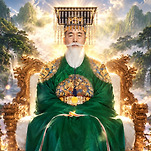
<p style="text-align: justify;"><span data-ke-size="size16">건방짐은 亡兆(망조)이다.</span></p><p style="text-align: justify;"><span data-ke-size="size16"> 神(신)을 不定(부정)하는 건방진 人間(인간)들 때문에</span></p><p style="text-align: justify;"><span data-ke-size="size16"> 神道(신도)가 大怒(대노)하여 神(신)의 心判(심판)으로 開闢(개벽)한다.</span></p><p style="text-align: justify;"> </p><p style="text-align: justify;"><span data-ke-size="size16">亡(망)은 우주의 불똥으로 감춘다는 뜻의 글자이다. </span></p><p style="text-align: justify;"><span data-ke-size="size16">한울의 虛空(허공)으로 돌아감을 이름이다.</span></p><p style="text-align: justify;"><span data-ke-size="size16"> 無(무)요, 零(영)이며 性(성)으로 神(신)이다. </span></p><p style="text-align: justify;"><span data-ke-size="size16">인간의 身體(신체)가 없어져 돌아가는 자리이니 곧 죽음이라는 말이다. </span></p><p style="text-align: justify;"><span data-ke-size="size16">죽음과 涅槃(열반)은 반대이다.</span></p><p style="text-align: justify;"><span data-ke-size="size16"> 君子(군자)는 高天(고천)의 열반으로 들지만 </span></p><p style="text-align: justify;"><span data-ke-size="size16">소인 중생은 죽음으로 淺天(천천) 또는 地獄(지옥)으로 들어간다.</span></p><p style="text-align: justify;"> </p><p style="text-align: justify;"><span data-ke-size="size16">乾邦(건방)이란 한울나라요, </span></p><p style="text-align: justify;"><span data-ke-size="size16">生死 有無(생사 유무)를 主管(주관)하는 造物主(조물주)이니 있게도 하였다가 없게도 한다.</span></p><p style="text-align: justify;"><span data-ke-size="size16"> 한울은 萬有(만유)를 낳고 만유를 끌어안으며 收斂(수렴)한다.</span></p><p style="text-align: justify;"><span data-ke-size="size16"> 天體(천체)의 모든 日月星辰(일월성신)의 天體 圍星(천체 위성)을 모두 다 包容(포용)한다.</span></p><p style="text-align: justify;"><span data-ke-size="size16">헌데 종지만한 器局(기국)의 小人 衆生(소인 중생)이</span></p><p style="text-align: justify;"><span data-ke-size="size16"> 敢(감)히 한울 노릇하려는 짓을 건방지다 이르는 것이다. </span></p><p style="text-align: justify;"><span data-ke-size="size16">格(격)이 되지 못하면서</span></p><p style="text-align: justify;"><span data-ke-size="size16"> 虛荒(허황)된 생각이나 마음을 가지고 言行(언행)을 하는 것이 곧 건방짐이라 말하는 것이다.</span></p><p style="text-align: justify;"><span data-ke-size="size16"> 제 主題(주제)를 모르고 </span></p><p style="text-align: justify;"><span data-ke-size="size16">宇宙(우주)를 제 가슴에 품은양 말하거나 行動(행동)을 하게 되면 죽을 짓이 된다는 말씀이다.</span></p><p style="text-align: justify;"> </p><p style="text-align: justify;"><span data-ke-size="size16">그 첫째 敎主(교주)들의 건방끼이다.</span></p><p style="text-align: justify;"><span data-ke-size="size16">自稱 眞主(자칭 진주)라 하고 예수라 하며</span></p><p style="text-align: justify;"><span data-ke-size="size16"> 道通(도통)한 君子(군자)라 이르면서 </span><span data-ke-size="size16">天地(천지)의 主人(주인)이라 일컫는 자이다.</span></p><p style="text-align: justify;"><span data-ke-size="size16"> 이에 더하여 惑世誣民(혹세무민)하는 건방진 자로 죽을 자라는 말이다.</span></p><p style="text-align: justify;"><span data-ke-size="size16">얼굴 붉히지도 않고 泰然(태연)한 척 한울노릇하니 僞善者(위선자)이다. </span></p><p style="text-align: justify;"><span data-ke-size="size16">특히 때를 모르고 건방떨면 죽는다. 시건방진 자이기 때문이다.</span></p><p style="text-align: justify;"><span data-ke-size="size16">近來(근래)의 敎主(교주)들이 시건방지게 굴다가 모두 죽었다.</span></p><p style="text-align: justify;"><span data-ke-size="size16"> 自稱 鄭道令(자칭 정도령)이라던 朴 泰善 長老(박 태선 장노)가 그랬고</span></p><p style="text-align: justify;"><span data-ke-size="size16"> 조 휘성이 그랬으며 </span></p><p style="text-align: justify;"><span data-ke-size="size16">땅上帝(상제)라 했던 조 철제와 人間 上帝(인간 상제)라던</span></p><p style="text-align: justify;"><span data-ke-size="size16"> 朴 漢慶(박 한경)도 肉身(육신)은 그렇게 죽어서 地下(지하)에 들어 鬼神(귀신)이 되었다. </span></p><p style="text-align: justify;"> </p><p style="text-align: justify;"><span data-ke-size="size16">王座(왕좌) 같은 椅子(의자)에 앉아 깨달은양</span></p><p style="text-align: justify;"><span data-ke-size="size16"> 남의 知識(지식) 쪼가리를 組合(조합)하여 </span></p><p style="text-align: justify;"><span>自身(자신)의 말인 것처럼 지어내 說法(설법)하던 </span><span>安 耕田(안 경전)도 그랬다.</span></p><p style="text-align: justify;"> </p><p style="text-align: justify;"><span data-ke-size="size16">統一敎 弟 二(통일교 제2)의 敎主(교주)나 新天地(신천지)의 敎主(교주)도 뒤따라 갈 것이다.</span></p><p style="text-align: justify;"><span data-ke-size="size16">수 없이 많은 자들이 건방지게 굴다가 다 죽었다.</span></p><p style="text-align: justify;"><span data-ke-size="size16"> 죽은 자들 뒤이어 흉내를 내보려는자 亦是(역시) 갈 곳 이 어드뫼뇨~</span></p><p style="text-align: justify;"><span data-ke-size="size16">眞實(진실)로 天子(천자)는 조용히 드러내지 않고 일꾼노릇 하고 있다가 </span></p><p style="text-align: justify;"><span data-ke-size="size16">때 되어서야 天地神明(천지신명)들과 함께 出現(출현)한다. </span></p><p style="text-align: justify;"><span data-ke-size="size16">이 글을 쓰는 이가 數(수) 없이 天子(천자)노름하는 자는 다 죽는다라 일렀다. </span></p><p style="text-align: justify;"> </p><p style="text-align: justify;"><span data-ke-size="size16">둘째 指導者位(지도자위)에 오른 자들이다.</span></p><p style="text-align: justify;"><span data-ke-size="size16">爲政者(위정자)들이 그 先鋒長(선봉장)에 나서고 있다. </span></p><p style="text-align: justify;"><span data-ke-size="size16">選擧(선거) 때에만 허리를 굽히거나 큰 절을 하며 票 求乞(표 구걸)하다가</span></p><p style="text-align: justify;"><span data-ke-size="size16"> 監套(감투) 쓰고 보면 거들먹거리고 越權(월권)으로 罪(죄)지으면서 </span></p><p style="text-align: justify;"><span data-ke-size="size16">제 잘난척 行爲(행위)하는 것이 못된 건방짐이다.</span></p><p style="text-align: justify;"><span data-ke-size="size16">判檢士(판검사)가 건방지게 굴다가 위정자들의 鉞權(월권)으로 당하고 있다. </span></p><p style="text-align: justify;"><span data-ke-size="size16">學者(학자)들 마져 또한 그들을 닮아 한 통속이 되어 건방지게 굴더니 </span></p><p style="text-align: justify;"><span data-ke-size="size16">그 僞善(위선)들이 드러나고 </span><span data-ke-size="size16">不義(불의)의 非理(비리)가 계속 세상에 알려지고 있다.</span></p><p style="text-align: justify;"> </p><p style="text-align: justify;"><span data-ke-size="size16">셋째 쥐 뿔도 없으면서 건방진 者(자)들이다. </span></p><p style="text-align: justify;"><span data-ke-size="size16">民衆(민중)의 小人輩(소인배)가 돈 좀 있다고 건방떨고</span></p><p style="text-align: justify;"><span data-ke-size="size16"> 子息(자식)이 잘 났다 자랑하며 건방져가며 月賦(월부)로 고급승용차 구입하였거나</span></p><p style="text-align: justify;"><span data-ke-size="size16"> 中古(중고)의 外製 自動車(외제 자동차)를 구입해 타고 다니면서 건방떤다.</span></p><p style="text-align: justify;"> </p><p style="text-align: justify;"><span data-ke-size="size16">桓仁天帝(환인천제)의 正體性(정체성)을 不定(부정)하면서</span></p><p style="text-align: justify;"><span data-ke-size="size16"> 弘益人間 精神(홍익인간 정신)에 違背(위배)된 짓을 행한다. </span></p><p style="text-align: justify;"><span data-ke-size="size16">弘益(홍익)이란 人類(인류)가 다 함께 한울과 같이 크고, 높고, 넓게 </span></p><p style="text-align: justify;"><span data-ke-size="size16">그리고 人性的(인성적)으로는 너그러운 心性(심성)을 갖게 하는 큰 활의 民族(민족)으로 </span></p><p style="text-align: justify;"><span data-ke-size="size16">천하가 東夷(동이)에 의해 定立(정립)된다는 뜻이 담겨 있다.</span></p><p style="text-align: justify;"><span data-ke-size="size16">그것은 開闢間(개벽간)에 世界人類(세계 인류)를 濟度(제도)함이다.</span></p><p style="text-align: justify;"><span data-ke-size="size16"> 濟世理化(제세이화)이다</span></p><p style="text-align: justify;"><span data-ke-size="size16">이 일은 姜 太公(강 태공)의 解寃度數(해원도수)로 實現(실현)된다, 그리 말했다.</span></p><p style="text-align: justify;"><span data-ke-size="size16">姜 太公(강 태공)의 正體(정체)를 </span></p><p style="text-align: justify;"><span data-ke-size="size16">正確(정확)히 알아내야 한다는 것이 </span><span data-ke-size="size16">오늘 글의 結語(결어)이다.</span></p><p style="text-align: justify;"> </p><p><b>​건방짐의 망과 강태공 해원도수가</b></p><p>Listen and make your own on Suno.</p><p>suno.com</p><p style="text-align: left;"><span data-ke-size="size18"><b>영어(English)</b></span></p><p style="text-align: left;"><span data-ke-size="size18">Arrogance is a harbinger of ruin. Because of arrogant humans who deny the Divine, the Divine Way is enraged, leading to a Great Transformation (*Gaebyeok*) brought about by Divine judgment.</span></p><p style="text-align: left;"><span data-ke-size="size18">The character for ruin (*mang*) signifies "concealing" via a cosmic spark; it refers to the return to the void of the Great Heaven (*Hanul*). It represents Nothingness (*Mu*), Zero (*Yeong*), and—in terms of essence—the Divine (*Sin*). It is the place to which one returns when the human body ceases to exist; in other words, it is death. Death and Nirvana are opposites. The Noble Person (*Gunja*) enters the Nirvana of the High Heaven, whereas the petty person—the ordinary being—enters the Shallow Heaven or Hell through death.</span></p><p style="text-align: left;"><span data-ke-size="size18">*Geonbang* (Arrogance) is related to *Geonbang* (the Nation of Heaven); it refers to the Creator who governs life and death, existence and non-existence—bringing things into being and causing them to vanish. The Great Heaven gives birth to all things, embraces them, and gathers them back in. It encompasses all celestial bodies—suns, moons, stars, and their satellites.</span></p><p style="text-align: left;"><span data-ke-size="size18">Yet, "arrogance" describes the behavior of petty beings—whose capacity is as small as a soy sauce dish—who dare to act as if they were the Great Heaven itself. It refers to speaking and acting based on absurd or delusional thoughts without possessing the requisite spiritual stature. It means that if one acts or speaks as though one holds the entire universe within one's heart—while remaining ignorant of one's own true station—one is courting death. The first issue is the arrogance of these cult leaders.</span></p><p style="text-align: left;"><span data-ke-size="size18">They are individuals who style themselves as the "True Lord" or Jesus, claim to be enlightened sages, and even declare themselves the masters of Heaven and Earth. Furthermore, they are arrogant deceivers who mislead the world and delude the people; such individuals are destined for death.</span></p><p style="text-align: left;"><span data-ke-size="size18">They act with composure and play the role of the Divine without a hint of shame—hypocrites, through and through. In particular, those who display such arrogance without understanding the times will meet their end, for they are insolent fools.</span></p><p style="text-align: left;"><span data-ke-size="size18">In recent times, cult leaders who acted arrogantly have all perished. This was the fate of Elder Park Tae-seon, who called himself "Jeong Doryeong" (the True Savior), as well as Jo Hui-seong; Jo Cheol-je, who claimed to be the "Earthly Sangje" (Supreme Ruler); and Park Han-gyeong, who claimed to be the "Human Sangje." They all saw their physical bodies die and descend into the underworld to become mere spirits. The same applies to Ahn Gyeong-jeon, who would sit on a throne-like chair—posing as an enlightened master—while cobbling together scraps of others' knowledge to fabricate teachings as if they were his own. The leaders of the Unification Church and Shincheonji are destined to follow the same path.</span></p><p style="text-align: left;"><span data-ke-size="size18">Countless individuals have met their deaths after behaving with such arrogance. Where, then, shall those who attempt to mimic the deceased find their destination?</span></p><p style="text-align: left;"><span data-ke-size="size18">In truth, the *Cheonja* (Heavenly Ruler) quietly performs the work of a laborer without revealing himself, only to emerge alongside the deities of Heaven and Earth when the appointed time arrives. The author of this text has repeatedly stated that anyone who plays at being the *Cheonja* is doomed to perish.</span></p><p style="text-align: left;"><span data-ke-size="size18">The second group consists of those who have ascended to positions of leadership.</span></p><p style="text-align: left;"><span data-ke-size="size18">Politicians stand at the forefront of this group. They bow low or perform deep prostrations to beg for votes during elections, yet once they secure office, they act with arrogance, overstepping their authority, committing offenses, and flaunting their self-importance—a display of truly deplorable insolence.</span></p><p style="text-align: left;"><span data-ke-size="size18">Judges and prosecutors, who once acted arrogantly themselves, are now suffering the consequences of the overreach of power by these politicians. Even scholars have come to resemble them, colluding in their arrogance; now, however, their hypocrisy is being exposed, and their unjust, corrupt practices are being revealed to the world.</span></p><p style="text-align: left;"><span data-ke-size="size18">The third group comprises those who act arrogantly despite having absolutely nothing to back it up.</span></p><p style="text-align: left;"><span data-ke-size="size18">Petty individuals among the masses act haughtily simply because they have some money or boast about their children's achievements; they strut about after purchasing a luxury car on installment plans or driving around in a used foreign vehicle. They deny the true identity of Hwanin Cheonje (the Heavenly Emperor Hwanin) and commit acts that violate the spirit of *Hongik Ingan* (devotion to the broad benefit of humanity). *Hongik* embodies the meaning that the world is to be established by the *Dong-i* people—a "nation of the great bow"—who foster a humanity that is as vast, lofty, and expansive as the heavens, and characterized by a generous and benevolent spirit.</span></p><p style="text-align: left;"><span data-ke-size="size18">It signifies the salvation and enlightenment of all humanity during the era of the Great Transformation (*Gaebyeok*); it is the realization of *Jese-Ihwa* (governing the world through truth and enlightenment).</span></p><p style="text-align: left;"><span data-ke-size="size18">It is said that this mission is realized through the *Haewon-dosu* (the cosmic dispensation for resolving deep-seated grievances) of Jiang Taigong.</span></p><p style="text-align: left;"><span data-ke-size="size18">The conclusion of this writing is that we must accurately understand the true identity of Jiang Taigong.</span></p><p style="text-align: left;"><span data-ke-size="size18"><b>​</b></span></p><p style="text-align: left;"><span data-ke-size="size18"><b>일본어</b></span></p><p style="text-align: left;"><span data-ke-size="size18">傲慢さは滅びの兆しである。神を否定する傲慢な人間たちのせいで、神道(しんどう)が激怒し、神の審判によって開闢(かいびゃく)が起こる。</span></p><p style="text-align: left;"><span data-ke-size="size18">「亡」という字は、宇宙の火の粉で覆い隠すという意味を持つ。天の虚空へと帰ることを指す。それは「無」であり「零(ゼロ)」であり、本性としては「神」である。人間の身体が消滅して帰る場所、すなわち「死」を意味する。死と涅槃(ねはん)は対極にある。君子は高天(こうてん)の涅槃に入るが、小人や衆生は死によって浅天(せんてん)あるいは地獄へと入る。</span></p><p style="text-align: left;"><span data-ke-size="size18">「乾邦(コンバン)」とは天の国であり、生死の有無を司る造物主のことである。造物主は、あるものを存在させたり、消滅させたりする。天は万物を生み出し、万物を抱擁して収斂(しゅうれん)させる。天体におけるあらゆる日月星辰や衛星をすべて包容するものである。</span></p><p style="text-align: left;"><span data-ke-size="size18">ところが、小皿ほどの器量しかない小人や衆生が、あろうことか天のような振る舞いをしようとすることを「傲慢(コンバン)」と言うのである。身の丈に合わない虚ろで荒唐無稽な考えや心を抱き、言動を行うこと、それこそが傲慢さなのだ。分をわきまえず、あたかも宇宙を胸に抱いているかのように語ったり行動したりすれば、それは自らの死を招く行いとなるのである。第一に、教主たちの傲慢さである。</span></p><p style="text-align: left;"><span data-ke-size="size18">自らを「真主」やイエス、あるいは「道通」した君子、さらには天地の主人だと称する者たちだ。彼らは世を惑わし民を欺く傲慢な者であり、死ぬべき運命にある。</span></p><p style="text-align: left;"><span data-ke-size="size18">恥じる様子もなく泰然と振る舞い、天(神)のような顔をしているが、その実、偽善者にすぎない。特に、時勢をわきまえずに傲慢に振る舞えば死ぬことになる。生意気な者だからだ。</span></p><p style="text-align: left;"><span data-ke-size="size18">近年の教主たちも、傲慢に振る舞った挙句、皆死んでいった。自称「鄭道令(チョンドリョン)」だった朴泰善(パク・テソン)長老や趙熙星(チョ・ヒソン)がそうであり、地上の「上帝(サンジェ)」と称した趙哲済(チョ・チョルジェ)や、人間の「上帝」を自称した朴漢慶(パク・ハンギョン)も、肉身はそうして死に、地下に入って鬼神となった。王座のような椅子に座り、悟りを開いたかのように他人の知識の断片を寄せ集め、さも自分の言葉であるかのように説法していた安耕田(アン・ギョンジョン)も同様だ。統一教の第2代教主や新天地(シンチョンヂ)の教主も、彼らの後を追うことになるだろう。</span></p><p style="text-align: left;"><span data-ke-size="size18">数え切れないほどの者たちが傲慢に振る舞い、皆死んでいったのである。死者の真似事をしようとする者は、果たしてどこへ行くというのか。</span></p><p style="text-align: left;"><span data-ke-size="size18">真の天子は、静かに表に出ることなく「働き手」としての務めを果たし、時が至って初めて天地神明と共にその姿を現すものである。本稿の筆者は、天子の真似事をする者は皆、死に至ると繰り返し説いてきた。</span></p><p style="text-align: left;"><span data-ke-size="size18">第二に、指導者の地位に就いた者たちである。</span></p><p style="text-align: left;"><span data-ke-size="size18">為政者たちがその先頭に立っている。選挙の時だけは腰を低くし、あるいは土下座をしてまで票を乞うくせに、いざ役職に就くと威張り散らし、越権行為で罪を犯しながら、自分を誇示するような振る舞いをする――それこそが、度し難い傲慢さというものである。</span></p><p style="text-align: left;"><span data-ke-size="size18">判事や検事もまた傲慢に振る舞った挙句、為政者たちの越権行為によって痛い目に遭っている。学者たちまでもが彼らに倣って同類となり、傲慢に振る舞っていたが、その偽善が暴かれ、不義や不正が次々と世間に知れ渡っている。</span></p><p style="text-align: left;"><span data-ke-size="size18">第三に、何の実力も持ち合わせていないのに傲慢な者たちである。</span></p><p style="text-align: left;"><span data-ke-size="size18">民衆の中の小人物が、金があるというだけで傲慢に振る舞い、子供が優秀だと自慢しては増長する。あるいは、月賦で高級乗用車を買ったり、中古の外国車を買って乗り回したりしては、傲慢な態度をとるのである。桓仁天帝(ファニンチョンジェ)の正体性を否定しつつ、「弘益人間」の精神に背く行いをしている。弘益とは、人類が皆、天(ハヌル)のように大きく、高く、広く、そして人間性としては寛大な心性を持つ「大弓(テグン)の民族」となり、天下が東夷(トンイ)によって確立されるという意味が込められている。</span></p><p style="text-align: left;"><span data-ke-size="size18">それは、開闢(かいびゃく)の時に際して世界の人類を済度(せいど)することであり、すなわち「済世理化(ジェセリファ)」である。</span></p><p style="text-align: left;"><span data-ke-size="size18">このことは、姜太公(カン・テゴン)の「解冤度数(ヘウォンドス)」によって実現されると説かれている。</span></p><p style="text-align: left;"><span data-ke-size="size18">姜太公の正体を正確に把握すべきである、というのが本稿の結論である。</span></p><p style="text-align: left;"><span data-ke-size="size18">​</span></p><p style="text-align: left;"><span data-ke-size="size18"><b>스페인어</b></span></p><p style="text-align: left;"><span data-ke-size="size18">La arrogancia es presagio de ruina. Debido a los humanos arrogantes que niegan lo Divino, el Camino Divino se enfurece, provocando una Gran Transformación (*Gaebyeok*) desencadenada por el juicio divino.</span></p><p style="text-align: left;"><span data-ke-size="size18">El carácter que denota ruina (*mang*) significa «ocultar» mediante una chispa cósmica; se refiere al retorno al vacío del Gran Cielo (*Hanul*). Representa la Nada (*Mu*), el Cero (*Yeong*) y —en términos de esencia— lo Divino (*Sin*). Es el lugar al que uno regresa cuando el cuerpo humano deja de existir; en otras palabras, es la muerte. La muerte y el Nirvana son opuestos. La Persona Noble (*Gunja*) entra en el Nirvana del Cielo Elevado, mientras que la persona mezquina —el ser ordinario— entra en el Cielo Superficial o en el Infierno a través de la muerte.</span></p><p style="text-align: left;"><span data-ke-size="size18">*Geonbang* (arrogancia) guarda relación con *Geonbang* (la Nación del Cielo); se refiere al Creador que gobierna la vida y la muerte, la existencia y la no existencia, dando origen a las cosas y provocando su desaparición. El Gran Cielo engendra todas las cosas, las acoge y las recoge de nuevo en su seno. Abarca todos los cuerpos celestes: soles, lunas, estrellas y sus satélites.</span></p><p style="text-align: left;"><span data-ke-size="size18">Sin embargo, la «arrogancia» describe el comportamiento de seres mezquinos —cuya capacidad es tan reducida como un platillo de salsa de soja— que se atreven a actuar como si fueran el Gran Cielo mismo. Se refiere a hablar y actuar basándose en pensamientos absurdos o delirantes, sin poseer la estatura espiritual necesaria. Significa que, si uno actúa o habla como si albergara el universo entero en su corazón —mientras ignora su propia y verdadera condición—, está cortejando a la muerte. El primer problema radica en la arrogancia de estos líderes de sectas.</span></p><p style="text-align: left;"><span data-ke-size="size18">Son individuos que se autodenominan el «Verdadero Señor» o Jesús, afirman ser sabios iluminados e incluso se proclaman dueños del Cielo y de la Tierra. Además, son engañadores arrogantes que extravían al mundo y embaucan a la gente; tales individuos están destinados a la muerte.</span></p><p style="text-align: left;"><span data-ke-size="size18">Actúan con aplomo y desempeñan el papel de lo Divino sin pizca de vergüenza: son hipócritas hasta la médula. En particular, aquellos que exhiben tal arrogancia sin comprender los tiempos encontrarán su fin, pues son necios e insolentes. En tiempos recientes, todos los líderes de sectas que actuaron con arrogancia han perecido. Este fue el destino del anciano Park Tae-seon, quien se hacía llamar "Jeong Doryeong" (el Verdadero Salvador), así como de Jo Hui-seong; de Jo Cheol-je, quien afirmaba ser el "Sangje Terrenal" (Gobernante Supremo); y de Park Han-gyeong, quien decía ser el "Sangje Humano". Todos ellos vieron morir sus cuerpos físicos y descender al inframundo para convertirse en meros espíritus. Lo mismo se aplica a Ahn Gyeong-jeon, quien se sentaba en una silla semejante a un trono —haciéndose pasar por un maestro iluminado— mientras remendaba fragmentos de conocimientos ajenos para fabricar enseñanzas como si fueran propias. Los líderes de la Iglesia de la Unificación y de Shincheonji están destinados a seguir el mismo camino.</span></p><p style="text-align: left;"><span data-ke-size="size18">Innumerables personas han encontrado la muerte tras comportarse con tal arrogancia. ¿Dónde encontrarán, entonces, su destino aquellos que intentan imitar a los difuntos?</span></p><p style="text-align: left;"><span data-ke-size="size18">En verdad, el *Cheonja* (Gobernante Celestial) realiza silenciosamente la labor de un trabajador sin revelarse, para luego emerger junto a las deidades del Cielo y la Tierra cuando llega el momento señalado. El autor de este texto ha declarado repetidamente que cualquiera que juegue a ser el *Cheonja* está condenado a perecer.</span></p><p style="text-align: left;"><span data-ke-size="size18">El segundo grupo está formado por aquellos que han ascendido a posiciones de liderazgo.</span></p><p style="text-align: left;"><span data-ke-size="size18">Los políticos se sitúan a la cabeza de este grupo. Se inclinan profundamente o se postran para suplicar votos durante las elecciones; sin embargo, una vez que obtienen el cargo, actúan con arrogancia, extralimitándose en su autoridad, cometiendo ofensas y haciendo alarde de su propia importancia: una muestra de insolencia verdaderamente deplorable.</span></p><p style="text-align: left;"><span data-ke-size="size18">Los jueces y fiscales, que en su día también actuaron con arrogancia, sufren ahora las consecuencias del abuso de poder de estos políticos. Incluso los académicos han llegado a parecerse a ellos, confabulándose en su arrogancia; ahora, no obstante, su hipocresía queda al descubierto y sus prácticas injustas y corruptas se revelan ante el mundo.</span></p><p style="text-align: left;"><span data-ke-size="size18">El tercer grupo comprende a aquellos que actúan con arrogancia a pesar de no tener absolutamente nada que la respalde.</span></p><p style="text-align: left;"><span data-ke-size="size18">Individuos insignificantes entre la multitud actúan con altanería simplemente porque poseen algo de dinero o presumen de los logros de sus hijos; Se pavonean tras comprar un coche de lujo a plazos o conducir un vehículo extranjero de segunda mano. Niegan la verdadera identidad de Hwanin Cheonje (el Emperador Celestial Hwanin) y cometen actos que violan el espíritu de *Hongik Ingan* (la devoción al beneficio general de la humanidad). *Hongik* encarna la idea de que el mundo debe ser establecido por el pueblo *Dong-i* —una "nación del gran arco"—, quienes fomentan una humanidad tan vasta, noble y expansiva como los cielos, caracterizada por un espíritu generoso y benevolente.</span></p><p style="text-align: left;"><span data-ke-size="size18">Esto significa la salvación y la iluminación de toda la humanidad durante la era de la Gran Transformación (*Gaebyeok*); es la materialización de *Jese-Ihwa* (gobernar el mundo mediante la verdad y la iluminación).</span></p><p style="text-align: left;"><span data-ke-size="size18">Se dice que esta misión se lleva a cabo a través del *Haewon-dosu* (la dispensación cósmica para resolver agravios profundamente arraigados) de Jiang Taigong.</span></p><p style="text-align: left;"><span data-ke-size="size18">La conclusión de este escrito es que debemos comprender con exactitud la verdadera identidad de Jiang Taigong.</span></p><p><b>[출처]</b> <a style="color: #000000;" href="https://blog.naver.com/nerumi79/224411486346" target="_blank" class="ke-link"># 牧牛堂主 一代記(목우당주 일대기)(506) The biography of Mokwoodangj</a>|<b>작성자</b> <a style="color: #000000;" href="https://blog.naver.com/nerumi79" target="_blank" class="ke-link">해인1691 HAE IN 1691</a></p>
<!-- -->