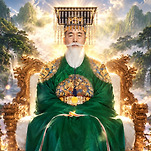
<p style="text-align: justify;"><span data-ke-size="size16">나에게 神權(신권)이 주어지면 天下(천하)를 完全(완전)히 새판으로 바꿀 것이다.</span></p><p style="text-align: justify;"><span data-ke-size="size16"> 非正常(비정상)이 正常(정상)으로 化(화)한 末世(말세)는 </span></p><p style="text-align: justify;"><span data-ke-size="size16">더 以上 支續(이상 지속)되어지면 안되기 때문이다.</span></p><p style="text-align: justify;"><span data-ke-size="size16">恥部(치부)를 드러내고도 羞恥心(수치심)이 전혀없는 末代(말대)는 큰일 날 것 뿐이다.</span></p><p style="text-align: justify;"> </p><p style="text-align: justify;"><span data-ke-size="size16">부끄러워 할 羞(수) 자는 염소 羊(양) 자 아래에 소 丑(축) 자의 合字(합자)이다. </span></p><p style="text-align: justify;"><span data-ke-size="size16">소와 羊(양)은 犧牲羊(희생양)의 祭物(제물)이다. </span></p><p style="text-align: justify;"><span data-ke-size="size16">희생이 없이 功(공)들이지 않은 人生(인생)이라면 부끄러워 해야 한다는 뜻이면서 </span></p><p style="text-align: justify;"><span data-ke-size="size16">소울음 시대에 어린 羊(양) 하나님이 오실 것을 말하고 </span></p><p style="text-align: justify;"><span data-ke-size="size16">말대라 부끄러워 할 짓을 하면 안된다는 뜻이기도 하다. </span></p><p style="text-align: justify;"> </p><p style="text-align: justify;"><span data-ke-size="size16">부끄러울 '치' 자는 두 글자 이다. </span></p><p style="text-align: justify;"><span data-ke-size="size16">귀 耳(이) 자에 마음 心(심)을 합한 글자와 귀 耳(이) 자에 그칠 止(지) 자를 합한 글자이다.</span></p><p style="text-align: justify;"><span data-ke-size="size16">恥(치) 자는 귀의 마음은 보지 않고도 귀로써만 부끄러운 마음이 된다는 뜻이고 </span></p><p style="text-align: justify;"><span data-ke-size="size16">귀 耳(이)변에 그칠 止(지) 자의 '치' 자는 </span></p><p style="text-align: justify;"><span data-ke-size="size16">귀로 그친다는 것은 듣는 感情(감정)마져 끝난다는 뜻이니 곧 죽음이 된다는 말이다.</span></p><p style="text-align: justify;"> </p><p style="text-align: justify;"><span data-ke-size="size16">개벽간에 죽을 짓의 부끄러운 行爲(행위)는 </span><span>淫亂(음난)의 行爲(행위)로</span></p><p style="text-align: justify;"><span data-ke-size="size16"> 恥部(치부)를 穩全(온전)히 드러내 보이면서도 부끄러워 하지 않는 꼴을 말한다. </span></p><p style="text-align: justify;"><span data-ke-size="size16">치부를 드러내거나 대낮에 알몸의 裸體(나체)로 距離(거리)를 활보하는 세상이 되었으니 </span></p><p style="text-align: justify;"><span data-ke-size="size16">선천의 부끄러운 세상은 終止符(종지부)를 찍게 된다.</span></p><p style="text-align: justify;"> </p><p style="text-align: justify;"><span data-ke-size="size16">'심판' 은 마음 心(심) 자의 心判(심판)이고 終止(종지)를 의미하여 </span></p><p style="text-align: justify;"><span data-ke-size="size16">艮方(간방) 땅에서 끝난다라 하는 秘訣(비결)이다.</span></p><p style="text-align: justify;"><span data-ke-size="size16">'치' 자가 귀' 耳(이) 자에 陰陽(음양)으로 心止(심지) 두 글자로 쓰는 理由(이유)를 알면 道人(도인)이다.</span></p><p style="text-align: justify;"><span data-ke-size="size16">사람이 사람답다는 것은 부끄러움이 없다는 뜻이다. </span></p><p style="text-align: justify;"><span data-ke-size="size16">한울을 우러러 한점 부끄러움이 없다는 말을 하지만 實際(실제)는 不可(불가)한 말이다. </span></p><p style="text-align: justify;"><span data-ke-size="size16">이 때는 相克時代(상극시대)이기 때문이다. </span></p><p style="text-align: justify;"><span data-ke-size="size16">날마다 부끄러운 言行(언행)을 하면서 살아가는 것이 선천시대이다. </span></p><p style="text-align: justify;"><span data-ke-size="size16">다만 人倫道德(인륜도덕)의 節度(절도)에 어긋난 부끄러운 짓을 하지 말라는 것이다.</span></p><p style="text-align: justify;"> </p><p style="text-align: justify;"><span data-ke-size="size16">부끄러운 일의 첫째는 性問題(성문제)이다.</span></p><p style="text-align: justify;"><span data-ke-size="size16">聖人(성인)인 孔子(공자)는 이 문제 때문에 妻(처)를 내쳤다는 것이 아닌가! </span></p><p style="text-align: justify;"><span data-ke-size="size16">三代出妻(삼대출처)라 하였고 이를 甑山上帝(증산 상제)께서 叱咤(질타)하셨다. </span></p><p style="text-align: justify;"><span data-ke-size="size16">情事(정사)와 淫事(음사)는 다르다. </span></p><p style="text-align: justify;"><span data-ke-size="size16">俗人 衆生(속인 중생)들은 淫談悖說(음담패설)을 즐기나 </span></p><p style="text-align: justify;"><span data-ke-size="size16">나는 이제껏 平生同安(평생동안) 입에 걸지 않고 지낸 淫亂語(음난어)이다. </span></p><p style="text-align: justify;"><span data-ke-size="size16">有婦女(유부녀)를 犯(범)한 姦淫(간음)의 罪(죄)는 살아남지 못한다.</span></p><p style="text-align: justify;"> </p><p style="text-align: justify;"><span data-ke-size="size16">둘째 거짓되게 사는 것이 부끄러운 일이다. </span></p><p style="text-align: justify;"><span data-ke-size="size16">말로 가장 쉽게 부끄러움을 發說(발설) 할 수 있는 緣由(연유)이다. </span></p><p style="text-align: justify;"><span data-ke-size="size16">생각없이 行(행)하는 衆生小人(중생소인)의 實狀(실상)이다. </span></p><p style="text-align: justify;"><span data-ke-size="size16">사기꾼은 人間(인간)다운 인간이 아니다. </span></p><p style="text-align: justify;"><span data-ke-size="size16">行爲(행위)로 부끄러운 짓 역시 인간으로써 행해서는 안된다. </span></p><p style="text-align: justify;"><span data-ke-size="size16">殺傷(살상), 暴行(폭행) 등 </span></p><p style="text-align: justify;"><span data-ke-size="size16">갖가지 나쁜 짓거리는 일일이 다 말할 수 없이 부끄러운 짓들이 너무나 많다.</span></p><p style="text-align: justify;"> </p><p style="text-align: justify;"><span data-ke-size="size16">셋째 不義(불의)하면서 부끄러움을 느끼지 못하는 자는 人間(인간)이 아니다.</span></p><p style="text-align: justify;"><span data-ke-size="size16">羞惡之心(수오지심)은 結實(결실)의 端心(단심)이기에 </span><span>神(신)의 心判基準(심판기준)이 義(의)요,</span></p><p style="text-align: justify;"><span data-ke-size="size16">부끄러운 짓을 하지 않아야 </span></p><p style="text-align: justify;"><span data-ke-size="size16">君子(군자)로 人間秋收(인간추수)의 神戰(신전)에서 先鋒將(선봉장)이 되기 때문이다.</span></p><p style="text-align: justify;"><span data-ke-size="size16">불의한 짓 중의 不義(불의)는 背信(배신)이다. </span></p><p style="text-align: justify;"><span data-ke-size="size16">例(예)컨대 꽃이 꽃이 아니기를 願(원)하는 것과 같다.</span></p><p style="text-align: justify;"><span data-ke-size="size16">어떤 境遇(경우)이든 例外(예외)는 있으니 </span></p><p style="text-align: justify;"><span data-ke-size="size16">결코 容納(용납) 될 수 있는 불의에 대해 배신한 경우는 神明(신명)도 認定(인정) 할 것이다.</span></p><p style="text-align: justify;"><span data-ke-size="size16">本人(본인)이 좋아 婚姻(혼인)하고서 </span></p><p style="text-align: justify;"><span data-ke-size="size16">비위짱 틀린다 輕率(경솔)하고 쉽게 離婚(이혼)하는 자 容恕(용서)되지 않는다.</span></p><p style="text-align: justify;"><span data-ke-size="size16"> 또한 親舊之間(친구지간)에 돈을 得(득)하기 위해 背信(배신)한 자 인간이 아니다.</span></p><p style="text-align: justify;"><span data-ke-size="size16"> 인간아닌 인간들이 너무 많아 천지가 심판하게 되었다. </span></p><p style="text-align: justify;"><span data-ke-size="size16">더우기 친한 친구를 利用(이용)하여 詐欺(사기) 치는 것은 百番(백번) 죽어도 모자랄 자이다.</span></p><p style="text-align: justify;"><span data-ke-size="size16">勿論 父母 妻子息間(물론 부모 처자식간)에도 벌어지는 일이 되었으니 결코 있을 수 없는 짓이다. </span></p><p style="text-align: justify;"><span data-ke-size="size16">세상이 다 되었다는 뜻이다.</span></p><p style="text-align: justify;"> </p><p style="text-align: justify;"><span data-ke-size="size16">넷째 여러사람에게 큰 被害(피해)를 주는 失手(실수)를 저지른 부끄러움은 本意(본의)가 아닐지라도 </span></p><p style="text-align: justify;"><span data-ke-size="size16">나는 이를 忍耐(인내)하기 어려운 일이다. </span></p><p style="text-align: justify;"><span data-ke-size="size16">더구나 같은 실수가 두 번이 된다면 부끄러움을 지나 人生(인생)에 있어 恥辱(치욕)이 될 것이다.</span></p><p style="text-align: justify;"><span data-ke-size="size16">失手(실수)는 不注意(부주의)해서 發生(발생)하게 되고 無知(무지)하여 생기며 게을러서 생길 수 있다. </span></p><p style="text-align: justify;"><span data-ke-size="size16">특히 精神(정신) 팔고 챙기지 않아서 生起(생기)는 경우는 容恕(용서)되지 않는 부끄러움이다.</span></p><p style="text-align: justify;"><span data-ke-size="size16">작은 실수라도 부끄러워 할 줄 알고</span></p><p style="text-align: justify;"><span data-ke-size="size16"> 다시는 失手(실수)하지 않으려고</span></p><p style="text-align: justify;"><span data-ke-size="size16"> 每事(매사)에 愼重(신중)하게 努力(노력)하는 態度(태도)가 아주 重要(중요)하다.</span></p><p style="text-align: justify;"> </p><p style="text-align: justify;"><span data-ke-size="size16">나는 아직도 수줍음을 탄다. </span></p><p style="text-align: justify;"><span data-ke-size="size16">어린시절 女學生(여학생)들 앞에 다가가는 것이 아주 어려웠었다. </span></p><p style="text-align: justify;"><span data-ke-size="size16">至今(지금)도 사람들이 많은 곳에서는 行動(행동)이 不自然(부자연)스럽게 어색해진다.</span></p><p style="text-align: justify;"><span data-ke-size="size16">조용히 앉아 뜻이 맞는 사람과 道談(도담)을 나눌 때가 아닌 對話(대화)는 어려워 한다.</span></p><p style="text-align: justify;"><span data-ke-size="size16"> 都擔(도담)일 때는 神明(신명)이 나서 平素(평소)와는 전혀 달라진다. </span></p><p style="text-align: justify;"><span data-ke-size="size16">道談(도담)의 演說(연설)이 아니면 여러사람 앞에 나서는 것은 나의 適性(적성)이 아닌 것이다.</span></p><p style="text-align: justify;"><span data-ke-size="size16">부끄러운 짓을 행하는 것은 말할 것도 없이 큰 苦痛(고통)이다. </span></p><p style="text-align: justify;"><span data-ke-size="size16">意圖的(의도적)으로 부끄러운 짓을 서슴없이 행한다는 것은</span></p><p style="text-align: justify;"><span data-ke-size="size16"> 나에게 도저히 許容(허용)되지 않는 狀況(상황)이다. </span></p><p style="text-align: justify;"><span data-ke-size="size16">부끄러운 짓 없이 살아온 人生(인생)이라면 그가 곧 君子(군자)이다.</span></p><p style="text-align: justify;"> </p><p><b>​신권 심판과 수치(羞恥)의 비결가</b></p><p>Listen and make your own on Suno.</p><p>suno.com</p><p> </p><p> </p><p style="text-align: left;"><span data-ke-size="size18"><b>영어(English)</b></span></p><p style="text-align: left;"><span data-ke-size="size18">If divine authority were granted to me, I would completely reshape the world. This is because the "End Times"—an era where the abnormal has become the norm—must not be allowed to continue any longer.</span></p><p style="text-align: left;"><span data-ke-size="size18">An age where people expose their private parts without feeling a shred of shame is headed for catastrophe.</span></p><p style="text-align: left;"><span data-ke-size="size18">The character for shame (*su*, 羞) is a combination of the character for "goat" (*yang*, 羊) placed above the character for "ox" (*chuk*, 丑). Both the ox and the goat serve as sacrificial offerings. This implies that a life lived without sacrifice or sincere effort is something to be ashamed of; it also foretells the coming of God—symbolized as a young lamb—during the era of the ox, warning us not to commit shameful acts in these final days.</span></p><p style="text-align: left;"><span data-ke-size="size18">The character for shame (*chi*, 恥) is composed of two parts: the character for "ear" (*i*, 耳) combined with "heart" (*sim*, 心), and the character for "ear" (*i*, 耳) combined with "stop" (*ji*, 止).</span></p><p style="text-align: left;"><span data-ke-size="size18">The former implies feeling shame through the ear alone, without looking into the heart; the latter—combining "ear" and "stop"—signifies the cessation of auditory sensation, which equates to death.</span></p><p style="text-align: left;"><span data-ke-size="size18">In the context of the Great Transformation (*Gaebyeok*), the shameful act that leads to death refers to lewd behavior—specifically, fully exposing one's private parts without feeling any shame. As we have entered an era where shameful secrets are exposed and people strut naked through the streets in broad daylight, the shameful world of the *Seoncheon* (the Early Heaven era) is coming to an end.</span></p><p style="text-align: left;"><span data-ke-size="size18">The concept of "Judgment" (*Simpan*)—written with the character for "heart" (*sim*)—signifies a final conclusion; it is a prophetic secret indicating that this process concludes in the land of *Gan* (the Northeast/Korea).</span></p><p style="text-align: left;"><span data-ke-size="size18">One who understands why the character *chi* (恥, shame) is composed of the character for "ear" (*i*) alongside the characters for "heart" (*sim*) and "stop" (*ji*)—representing the balance of Yin and Yang—is truly a *Doin* (an enlightened practitioner of the Way).</span></p><p style="text-align: left;"><span data-ke-size="size18">To be truly human means to be free of shame. While people speak of looking up to Heaven without a shred of shame, in reality, such a state is impossible to achieve. This is because we live in an era of *Sanggeuk* (mutual conflict and antagonism). The *Seoncheon* era is a time when we inevitably live out our days engaging in shameful words and deeds. The teaching is simply to avoid shameful acts that violate the bounds of human morality and propriety.</span></p><p style="text-align: left;"><span data-ke-size="size18">Foremost among such shameful acts are issues regarding sexuality.</span></p><p style="text-align: left;"><span data-ke-size="size18">Did not Confucius, the great sage, cast out his wife precisely because of this issue? This act—known as the "divorce of three generations"—was sternly rebuked by Jeungsan Sangje.</span></p><p style="text-align: left;"><span data-ke-size="size18">There is a distinction between acts of genuine affection (*jeongsa*) and acts of mere lust (*eumsa*). While ordinary people delight in lewd talk and obscenities, I have lived my entire life without ever letting such filthy language cross my lips. The sin of committing adultery with a married woman cannot go unpunished.</span></p><p style="text-align: left;"><span data-ke-size="size18">Second, living a deceitful life is a shameful thing.</span></p><p style="text-align: left;"><span data-ke-size="size18">It is the reason why shame is most easily revealed through words; it reflects the true nature of the thoughtless, petty person. A swindler is not a true human being. Shameful actions, too, are things a human should not commit. There are countless shameful acts—such as killing, maiming, and assault—that are too numerous to list individually.</span></p><p style="text-align: left;"><span data-ke-size="size18">Third, one who commits injustice without feeling shame is not a human being.</span></p><p style="text-align: left;"><span data-ke-size="size18">The "heart of shame and dislike" (*su-o-ji-sim*) is the seed of virtue's fruition; since righteousness is the standard of Divine judgment, and refraining from shameful acts allows one to become a *Junja* (noble person)—a vanguard in the Divine battle of the "human harvest"—such shame is essential.</span></p><p style="text-align: left;"><span data-ke-size="size18">Among unjust acts, the ultimate injustice is betrayal. It is akin to a flower wishing not to be a flower.</span></p><p style="text-align: left;"><span data-ke-size="size18">While there are exceptions to every rule, even the Divine Spirits would acknowledge a betrayal committed against an injustice that is utterly intolerable.</span></p><p style="text-align: left;"><span data-ke-size="size18">Those who marry out of personal desire but then rashly and easily divorce simply because they are displeased or their whims are not met cannot be forgiven. Furthermore, anyone who betrays a friend for the sake of money forfeits their humanity. There are so many such "inhuman humans" that the heavens have been moved to pass judgment. In particular, one who exploits a close friend to commit fraud deserves to die a hundred times over.</span></p><p style="text-align: left;"><span data-ke-size="size18">Of course, such things now occur even between parents, spouses, and children—acts that should simply never happen.</span></p><p style="text-align: left;"><span data-ke-size="size18">It signifies that the world has truly reached its limit.</span></p><p style="text-align: left;"><span data-ke-size="size18">Fourth, I find it unbearable to face the shame of committing a blunder that causes great harm to others, even if it was unintentional. Moreover, if the same mistake were to happen twice, it would go beyond mere embarrassment and become a lifelong disgrace.</span></p><p style="text-align: left;"><span data-ke-size="size18">Mistakes arise from carelessness, ignorance, or laziness. In particular, errors caused by a lack of attentiveness or failure to stay alert are a source of unforgivable shame.</span></p><p style="text-align: left;"><span data-ke-size="size18">It is crucial to feel ashamed even of small mistakes and to strive to be prudent in all matters so as not to repeat them.</span></p><p style="text-align: left;"><span data-ke-size="size18">I am still a shy person. In my childhood, I found it very difficult to approach girls. Even now, I feel awkward and unnatural when I am in crowded places.</span></p><p style="text-align: left;"><span data-ke-size="size18">I struggle with conversations that do not involve sitting quietly and sharing meaningful discussions about the Way. When engaging in *Dodam* (discourse on the Way), I am filled with a spirited energy that makes me completely different from my usual self; indeed, stepping before a crowd is not in my nature unless it is to deliver such a discourse.</span></p><p style="text-align: left;"><span data-ke-size="size18">Committing a shameful act is, needless to say, a source of great anguish. To intentionally and unhesitatingly commit a shameful deed is a situation I simply cannot tolerate. One who has lived a life free of shameful acts is, in truth, a *Gunja* (a person of noble character).</span></p><p style="text-align: left;"><span data-ke-size="size18">​</span></p><p style="text-align: left;"><span data-ke-size="size18"><b>일본어</b></span></p><p style="text-align: left;"><span data-ke-size="size18">私に神権が与えられれば、天下を完全に作り変えるだろう。非正常が正常と化した末世が、これ以上続くことは許されないからだ。</span></p><p style="text-align: left;"><span data-ke-size="size18">恥部をさらけ出しても羞恥心を全く持たない末代は、破滅を招くだけである。</span></p><p style="text-align: left;"><span data-ke-size="size18">「恥」という字は、「羊」の下に「丑(牛)」を合わせた字である。牛と羊は、犠牲として捧げられる供え物(生贄)である。犠牲を払わず、努力もしない人生であれば恥じるべきだという意味であると同時に、牛の鳴く時代に幼い羊のような神が来られることを示唆し、末代において恥ずべき行いをしてはならないという意味も込められている。</span></p><p style="text-align: left;"><span data-ke-size="size18">「恥」という字は、二つの要素から成る。「耳」と「心」を合わせた字と、「耳」と「止」を合わせた字である。「恥」は、心のありようを見ずとも、耳にするだけで恥ずかしい思いをすることを意味する。また、「耳」に「止」を合わせた字は、耳の働きが止まること、すなわち聞くという感情さえも終わることを意味し、それは死を意味する。</span></p><p style="text-align: left;"><span data-ke-size="size18">開闢(かいびゃく)の時に死を招くような恥ずべき行為とは、淫らな行いによって恥部をさらけ出しながらも、少しも恥じないような有様を指すのである。恥部をさらけ出したり、白昼堂々と裸体で街を闊歩したりする世の中になった以上、先天の恥ずべき世は終止符を打つことになる。</span></p><p style="text-align: left;"><span data-ke-size="size18">「審判(シムパン)」とは、心の「心」の字を用いた「心判(心による裁き)」であり、物事の「終止(終わり)」を意味し、艮方(かんぽう:北東の方角)の地で終わるという秘訣である。</span></p><p style="text-align: left;"><span data-ke-size="size18">「恥(チ)」という字が、耳(耳)の字と、陰陽を表す「心止(心に留める・止める)」の二文字で構成されている理由を知れば、それは道人(悟りを開いた者)である。</span></p><p style="text-align: left;"><span data-ke-size="size18">人が人らしいということは、恥じるところがないという意味である。天を仰いで一点の恥じるところもないと言うが、実際には不可能なことである。なぜなら、今は相克の時代だからだ。日々、恥ずべき言動をしながら生きていくのが先天時代なのである。ただ、人倫道徳の節度から外れた恥ずべき行いはするな、ということだ。</span></p><p style="text-align: left;"><span data-ke-size="size18">恥ずべきことの第一は、性の問題である。</span></p><p style="text-align: left;"><span data-ke-size="size18">聖人である孔子も、この問題ゆえに妻を離縁したのではないか。「三代出妻(三代にわたる離縁)」と言われたが、甑山上帝(チュンサンサンジェ)はこれを叱咤された。</span></p><p style="text-align: left;"><span data-ke-size="size18">情事と淫事は異なるものである。俗人や衆生は淫談や卑猥な話を好むが、私はこれまで生涯、口にすることなく過ごしてきた、淫らな言葉である。人妻を犯す姦淫の罪は、許されるものではない。</span></p><p style="text-align: left;"><span data-ke-size="size18">第二に、偽りの中に生きることは恥ずべきことである。</span></p><p style="text-align: left;"><span data-ke-size="size18">言葉によって最も容易に恥ずべきことを口にしてしまう原因であり、思慮なく行動する凡夫(衆生小人)の実状でもある。詐欺師は人間らしい人間ではない。恥ずべき行為もまた、人間としてなすべきことではない。殺傷や暴行など、数え切れないほど多くの恥ずべき悪行が存在する。</span></p><p style="text-align: left;"><span data-ke-size="size18">第三に、不義を行いながら恥じ入る心を持たない者は人間ではない。</span></p><p style="text-align: left;"><span data-ke-size="size18">「羞悪之心(恥じ、憎む心)」は「義」の実を結ぶための端緒となる心であり、神の審判基準は「義」にある。恥ずべき行いをしない「君子」となってこそ、人類の収穫(人間秋収)という神の戦いにおいて先鋒となることができるからである。</span></p><p style="text-align: left;"><span data-ke-size="size18">不義の中でも最大の不義は「背信(裏切り)」である。それは例えるなら、花が花であることを望まないようなものである。</span></p><p style="text-align: left;"><span data-ke-size="size18">どのような場合にも例外はあるものであり、決して容認できない不義に対して背信を行った場合は、神明(神仏)もそれを認めるであろう。</span></p><p style="text-align: left;"><span data-ke-size="size18">自らの意志で結婚しておきながら、気に入らないことがあると軽率かつ安易に離婚する者は、許されない。また、友人の間で金銭を得るために裏切るような者は、人間ではない。人間ならざる人間があまりにも多くなり、天地が審判を下すことになったのだ。ましてや、親しい友人を騙して詐欺を働くなど、百回死んでも償いきれないほどの者である。</span></p><p style="text-align: left;"><span data-ke-size="size18">もちろん、親や妻子との間でも起こりうることになってしまったが、決してあってはならない行為だ。</span></p><p style="text-align: left;"><span data-ke-size="size18">世も末だということである。</span></p><p style="text-align: left;"><span data-ke-size="size18">第四に、多くの人々に大きな被害を与えるような過ちを犯したという恥ずかしさは、たとえ本意ではなかったとしても、私にとっては耐え難いことだ。ましてや同じ過ちを二度も繰り返せば、それは単なる恥ずかしさを通り越し、人生における「恥辱」となるだろう。</span></p><p style="text-align: left;"><span data-ke-size="size18">過ちは不注意から発生し、無知や怠慢によっても生じうる。特に、気を抜いて注意を怠ったために生じる過ちは、決して許されない恥ずべきことである。</span></p><p style="text-align: left;"><span data-ke-size="size18">些細な過ちであってもそれを恥じ、二度と繰り返さないよう、何事にも慎重に取り組む姿勢が極めて重要だ。</span></p><p style="text-align: left;"><span data-ke-size="size18">私は今でも恥ずかしがり屋だ。子供の頃は、女子生徒に近づくことさえ非常に難しかった。今でも、人が多い場所では行動が不自然になり、ぎこちなくなってしまう。</span></p><p style="text-align: left;"><span data-ke-size="size18">静かに座って志を同じくする者と「道」について語り合うような場ではない、一般的な会話は苦手である。 「都擔(トダム)」を務める時は、神がかり的な気迫がみなぎり、平素の自分とは全くの別人のようになる。道談(トダム)としての演説でなければ、多くの人々の前に立つことなど、私の適性には合わないのだ。</span></p><p style="text-align: left;"><span data-ke-size="size18">恥ずべき行いをするというのは、言うまでもなく大きな苦痛である。意図的に恥ずべき行いをためらいなく行うなどということは、私には到底許容できないことだ。恥ずべき行いとは無縁の人生を歩んできた人こそ、まさに君子と言えるだろう。</span></p><p style="text-align: left;"><span data-ke-size="size18">​</span></p><p style="text-align: left;"><span data-ke-size="size18">스페인어</span></p><p style="text-align: left;"><span data-ke-size="size18">Si se me otorgara autoridad divina, remodelaría el mundo por completo. Esto se debe a que no se debe permitir que continúen los "Tiempos Finales" —una era en la que lo anormal se ha convertido en la norma—.</span></p><p style="text-align: left;"><span data-ke-size="size18">Una época en la que las personas exhiben sus partes íntimas sin sentir ni una pizca de vergüenza se encamina hacia la catástrofe.</span></p><p style="text-align: left;"><span data-ke-size="size18">El carácter para la vergüenza (*su*, 羞) es una combinación del carácter para "cabra" (*yang*, 羊) situado sobre el carácter para "buey" (*chuk*, 丑). Tanto el buey como la cabra sirven como ofrendas de sacrificio. Esto implica que una vida vivida sin sacrificio ni esfuerzo sincero es motivo de vergüenza; también presagia la venida de Dios —simbolizado como un cordero joven— durante la era del buey, advirtiéndonos que no cometamos actos vergonzosos en estos días finales.</span></p><p style="text-align: left;"><span data-ke-size="size18">El carácter para la vergüenza (*chi*, 恥) se compone de dos partes: el carácter para "oído" (*i*, 耳) combinado con "corazón" (*sim*, 心), y el carácter para "oído" (*i*, 耳) combinado con "detenerse" (*ji*, 止).</span></p><p style="text-align: left;"><span data-ke-size="size18">El primero implica sentir vergüenza solo a través del oído, sin mirar hacia el corazón; el segundo —que combina "oído" y "detenerse"— significa el cese de la sensación auditiva, lo cual equivale a la muerte.</span></p><p style="text-align: left;"><span data-ke-size="size18">En el contexto de la Gran Transformación (*Gaebyeok*), el acto vergonzoso que conduce a la muerte se refiere a la conducta lasciva; específicamente, a exponer totalmente las partes íntimas sin sentir vergüenza alguna. Al haber entrado en una era donde se revelan secretos vergonzosos y la gente se pavonea desnuda por las calles a plena luz del día, el mundo vergonzoso del *Seoncheon* (la era del Cielo Temprano) está llegando a su fin.</span></p><p style="text-align: left;"><span data-ke-size="size18">El concepto de "Juicio" (*Simpan*) —escrito con el carácter para "corazón" (*sim*)— significa una conclusión definitiva; es un secreto profético que indica que este proceso concluye en la tierra de *Gan* (el noreste/Corea). Quien comprende por qué el carácter *chi* (恥, vergüenza) se compone del carácter para "oreja" (*i*) junto a los caracteres para "corazón" (*sim*) y "detenerse" (*ji*) —representando el equilibrio entre el Yin y el Yang— es verdaderamente un *Doin* (un practicante iluminado del Camino).</span></p><p style="text-align: left;"><span data-ke-size="size18">Ser verdaderamente humano significa estar libre de vergüenza. Aunque la gente habla de mirar al Cielo sin pizca de vergüenza, en realidad, tal estado es imposible de alcanzar. Esto se debe a que vivimos en una era de *Sanggeuk* (conflicto y antagonismo mutuos). La era *Seoncheon* es un tiempo en el que inevitablemente pasamos nuestros días incurriendo en palabras y actos vergonzosos. La enseñanza consiste simplemente en evitar actos vergonzosos que violen los límites de la moralidad y la decencia humanas.</span></p><p style="text-align: left;"><span data-ke-size="size18">Entre tales actos vergonzosos, destacan ante todo las cuestiones relacionadas con la sexualidad.</span></p><p style="text-align: left;"><span data-ke-size="size18">¿Acaso Confucio, el gran sabio, no repudió a su esposa precisamente por este motivo? Este acto —conocido como el "divorcio de tres generaciones"— fue duramente reprobado por Jeungsan Sangje.</span></p><p style="text-align: left;"><span data-ke-size="size18">Existe una distinción entre los actos de afecto genuino (*jeongsa*) y los actos de mera lujuria (*eumsa*). Mientras la gente común se deleita con conversaciones lascivas y obscenidades, yo he vivido toda mi vida sin permitir jamás que tal lenguaje soez cruzara mis labios. El pecado de cometer adulterio con una mujer casada no puede quedar impune.</span></p><p style="text-align: left;"><span data-ke-size="size18">En segundo lugar, llevar una vida engañosa es algo vergonzoso.</span></p><p style="text-align: left;"><span data-ke-size="size18">Es la razón por la cual la vergüenza se revela más fácilmente a través de las palabras; refleja la verdadera naturaleza de la persona imprudente y mezquina. Un estafador no es un verdadero ser humano. Las acciones vergonzosas son, asimismo, cosas que un ser humano no debería cometer. Existen innumerables actos vergonzosos —tales como matar, mutilar y agredir— que son demasiados para enumerarlos individualmente.</span></p><p style="text-align: left;"><span data-ke-size="size18">En tercer lugar, quien comete injusticias sin sentir vergüenza no es un ser humano.</span></p><p style="text-align: left;"><span data-ke-size="size18">El "corazón de vergüenza y aversión" (*su-o-ji-sim*) es la semilla que permite dar fruto a la virtud; Dado que la rectitud es la norma del juicio divino, y que abstenerse de actos vergonzosos permite convertirse en un *Junja* (persona noble) —una vanguardia en la batalla divina de la "cosecha humana"—, tal sentido de la vergüenza es esencial.</span></p><p style="text-align: left;"><span data-ke-size="size18">Entre los actos injustos, la injusticia suprema es la traición. Es comparable a una flor que desea dejar de ser flor.</span></p><p style="text-align: left;"><span data-ke-size="size18">Si bien existen excepciones a toda regla, incluso los Espíritus Divinos reconocerían una traición cometida contra una injusticia absolutamente intolerable.</span></p><p style="text-align: left;"><span data-ke-size="size18">Aquellos que contraen matrimonio por deseo personal pero luego se divorcian de manera precipitada y fácil, simplemente por insatisfacción o porque no se ven satisfechos sus caprichos, no pueden ser perdonados. Además, quien traiciona a un amigo por dinero pierde su humanidad. Hay tantos de estos "seres humanos inhumanos" que el Cielo se ha visto impulsado a emitir juicio. En particular, quien se aprovecha de un amigo cercano para cometer un fraude merece morir cien veces.</span></p><p style="text-align: left;"><span data-ke-size="size18">Por supuesto, tales cosas ocurren hoy en día incluso entre padres, cónyuges e hijos: actos que, sencillamente, nunca deberían suceder.</span></p><p style="text-align: left;"><span data-ke-size="size18">Esto significa que el mundo ha llegado verdaderamente a su límite.</span></p><p style="text-align: left;"><span data-ke-size="size18">En cuarto lugar, me resulta insoportable afrontar la vergüenza de cometer un error que cause un gran daño a los demás, aunque haya sido involuntario. Es más, si el mismo error se repitiera, trascendería la mera incomodidad para convertirse en una deshonra de por vida.</span></p><p style="text-align: left;"><span data-ke-size="size18">Los errores surgen del descuido, la ignorancia o la pereza. En particular, los errores causados por falta de atención o por no mantenerse alerta son fuente de una vergüenza imperdonable.</span></p><p style="text-align: left;"><span data-ke-size="size18">Es crucial sentir vergüenza incluso por los errores pequeños y esforzarse por actuar con prudencia en todos los asuntos para no repetirlos.</span></p><p style="text-align: left;"><span data-ke-size="size18">Sigo siendo una persona tímida. En mi infancia, me resultaba muy difícil acercarme a las chicas. Incluso ahora, me siento incómodo y poco natural cuando estoy en lugares concurridos.</span></p><p style="text-align: left;"><span data-ke-size="size18">Me cuesta mantener conversaciones que no impliquen sentarse tranquilamente y compartir diálogos significativos sobre el Camino. Al participar en el *Dodam* (discurso sobre el Camino), me inunda una energía vibrante que me hace totalmente distinto a mi yo habitual; de hecho, no está en mi naturaleza exponerme ante una multitud, a menos que sea para pronunciar dicho discurso.</span></p><p style="text-align: left;"><span data-ke-size="size18">Cometer un acto vergonzoso es, huelga decirlo, fuente de gran angustia. Cometer un acto vergonzoso de manera deliberada y sin vacilar es algo que sencillamente no puedo tolerar. Quien ha vivido una vida libre de actos vergonzosos es, en verdad, un *Gunja* (una persona de carácter noble).</span></p><p><b>[출처]</b> <a style="color: #000000;" href="https://blog.naver.com/nerumi79/224413815816" target="_blank" class="ke-link"># 牧牛堂主 一代記(목우당주 일대기)(510) The biography of Mokwoodangj</a>|<b>작성자</b> <a style="color: #000000;" href="https://blog.naver.com/nerumi79" target="_blank" class="ke-link">해인1691 HAE IN 1691</a></p>
<!-- -->