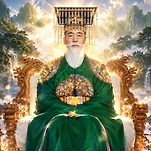
<div class="figure-img" data-ke-type="image" data-ke-style="alignLeft" data-ke-mobilestyle="widthOrigin"><img src="https://t1.daumcdn.net/cafeattach/1ABdi/72e5f306141ee73d9bb4d59e6608d985ca2ada6f" class="txc-image" width="491" height="715" data-img-src="https://t1.daumcdn.net/cafeattach/1ABdi/72e5f306141ee73d9bb4d59e6608d985ca2ada6f" data-origin-width="773" data-origin-height="1126"><div class="figcaption">재성루(齋盛樓)</div></div><p style="text-align: justify;"><span data-ke-size="size16">靑牛西渡(청우서도)하고 紫氣東來(자기동래)니라.</span></p><p style="text-align: justify;"><span data-ke-size="size16">푸른 소(땅:물질차원)는 서쪽으로 건너가고 붉은 기운(한울:정신차원)은 東(동)으로 오느니라.</span></p><p style="text-align: justify;"><span data-ke-size="size16">푸른 소란 (동북방)의 牛星(우성)이고 丑艮寅 東北方(축간인 동북방)을 象徵(상징)함이라,</span></p><p style="text-align: justify;"><span data-ke-size="size16">하늘은 牛(우:소)를 뜻하니 땅은 한울을 향한다. </span></p><p style="text-align: justify;"><span data-ke-size="size16">특히 靑(청)은 봄의 春光(춘광)이고 紫(자)는 여름의 亨通(형통)의 뜻이다.</span></p><p style="text-align: justify;"> </p><p style="text-align: justify;"><span data-ke-size="size16">物質文明(물질문명)은 해가 뜨는 東(동)에서 西(서)로 流行(유행)하고</span></p><p style="text-align: justify;"><span data-ke-size="size16"> 精神文明(정신문명)은 달이 초승달로부터 西(서)에서 東(동)으로 차오르는 理致(이치)를 말한다.</span></p><p style="text-align: justify;"><span data-ke-size="size16"> 아는 것이 問題(문제)일 때가 있다.</span></p><p style="text-align: justify;"> </p><p style="text-align: justify;"><span data-ke-size="size16">武夷九曲(무이구곡) 가는 날 아침 첫 번째로 들린 곳이 라텍스 販賣場(판매장)이다. </span></p><p style="text-align: justify;"><span data-ke-size="size16">라텍스 이부자리로 失望(실망)했던 우리는 라텍스가 不定的(부정적)이다. </span></p><p style="text-align: justify;"><span data-ke-size="size16">허니 더는 購入(구입)하기가 싫다. </span></p><p style="text-align: justify;"><span data-ke-size="size16">그럼에도 園山(원산)이 이불을 사고 妻(처)는 벼갯잎 두개를 구입하다.</span></p><p style="text-align: justify;"><span data-ke-size="size16">알고 있는 先入知識(선입지식)이 後入 新知識(후입 신지식)을 不定(부정)하게 한다.</span></p><p style="text-align: justify;"> </p><p style="text-align: justify;"><span data-ke-size="size16">사람이 죽는 날짜를 미리부터 안다면 人生(인생)의 멋을 잃고 산다. </span></p><p style="text-align: justify;"><span data-ke-size="size16">生(생)과 死(사)는 陰陽(음양)이라 道(도)의 理致(이치)가 그러헌데 </span></p><p style="text-align: justify;"><span data-ke-size="size16">現代人(현대인)은 과학을 빙자하여 가장 根本(근본)의 知識(지식)을 모르고 있다.</span></p><p style="text-align: justify;"><span data-ke-size="size16"> 심지어는 미신이라며 不定(부정)한다. 東(동)에서 아침에 해가 뜨면 저녁에 西(서)로 진다.</span></p><p style="text-align: justify;"> </p><p style="text-align: justify;"><span data-ke-size="size16">世界(세계)가 하나 되어지는 地球村 時代(지구촌 시대)는</span></p><p style="text-align: justify;"><span data-ke-size="size16"> 溫度(온도)도 陰陽(음양)으로 섭씨와 화씨를 같이 쓰고</span></p><p style="text-align: justify;"><span data-ke-size="size16"> 距離(거리)의 單位(단위)도 m와 M/L(마일)을 같이 쓰며 </span></p><p style="text-align: justify;"><span data-ke-size="size16">달력도 해를 基準(기준)한 陽曆(양력)과 달을 基準(기준)한 陰曆(음력)을 같이 쓴다.</span></p><p style="text-align: justify;"><span data-ke-size="size16">온대지방의 常綠樹(상록수)이며 </span></p><p style="text-align: justify;"><span data-ke-size="size16">四君子(사군자)에 드는 松(송)과 竹(죽)은 陰陽關係(음양관계)의 樹木(수목)인지라 </span></p><p style="text-align: justify;"><span data-ke-size="size16">소나무는 추운곳까지 살면서 더운 熱帶地方(열대지방)에서는 살지 못하고</span></p><p style="text-align: justify;"><span data-ke-size="size16"> 반대로 대나무는 더운 寒帶地方(한대지방)에서는 잘 살지만 추운 지방에서는 살지 못한다.</span></p><div class="figure-img" data-ke-type="image" data-ke-style="alignLeft" data-ke-mobilestyle="widthOrigin"><img src="https://t1.daumcdn.net/cafeattach/1ABdi/1de1e879c6812e0f3b1e7a885f53a58e650c0601" class="txc-image" width="522" height="571" data-img-src="https://t1.daumcdn.net/cafeattach/1ABdi/1de1e879c6812e0f3b1e7a885f53a58e650c0601" data-origin-width="773" data-origin-height="845"><div class="figcaption">道敎寺院(도교사원)</div></div><div class="figure-img" data-ke-type="image" data-ke-style="alignLeft" data-ke-mobilestyle="widthOrigin"><img src="https://t1.daumcdn.net/cafeattach/1ABdi/b867f7e1373e55a973cc73e712ca502b469aacec" class="txc-image" width="520" data-img-src="https://t1.daumcdn.net/cafeattach/1ABdi/b867f7e1373e55a973cc73e712ca502b469aacec" data-origin-width="773" data-origin-height="580"><div class="figcaption">河圖(하도)의 龍馬(용마)와 洛書(낙서)의 神龜 造刻 石物(신구 조각 석물)</div></div><p style="text-align: justify;"><span data-ke-size="size16">두번째는 道敎寺院(도교사원)에 들리다.</span></p><p style="text-align: justify;"><span data-ke-size="size16">入口(입구)에 看板(간판)은 太淸宮(태청궁)이다.</span></p><p style="text-align: justify;"><span data-ke-size="size16"> 冒頭(모두)의 글문은 道敎寺院 正門(도교사원 정문)의 株聯文(주련문)이 主(주)이다.</span></p><p style="text-align: justify;"><span data-ke-size="size16">天 上靑 地 太淸 人 玉淸(천 상청 지 태청 인 옥청)에서 地 太淸(지 태청)이라,</span></p><p style="text-align: justify;"><span data-ke-size="size16"> 天(천)의 氣運(기운)이 地(지)에 合(합)한 寺院(사원)이라는 의미이다. </span></p><p style="text-align: justify;"><span data-ke-size="size16">들어가는 방항에서 寺院(사원)앞의</span></p><p style="text-align: justify;"><span data-ke-size="size16"> 右(우)에 河圖(하도)의 龍馬(용마)와 </span></p><p style="text-align: justify;"><span data-ke-size="size16">左(좌)에 洛書(낙서)의 神龜 造刻 石物(신구 조각 석물)이 세워져 있다. </span></p><p style="text-align: justify;"> </p><p style="text-align: justify;"><span data-ke-size="size16">龍文樣(용문양)의 龍華象徵(용화상징)을 道敎寺院(도교사원)에 와서 直接(직접) 보게 되다. </span></p><p style="text-align: justify;"><span data-ke-size="size16">도교사원에서 나와 유럽풍 都市 距離(도시 거리)를 求景(구경)하며 </span></p><p style="text-align: justify;"><span data-ke-size="size16">來日 山天祭 祭需(내일 산천제 제수)를 購入(구입)하다. </span></p><p style="text-align: justify;"><span data-ke-size="size16">그리고 武夷山行 高速列車(무이산행 고속열차)를 타다.</span></p><p style="text-align: justify;"><span data-ke-size="size16">8호차 5A좌석이다. 八卦 八方度數(팔괘 팔방도수)에 五黃極度數(오황극도수)이다. </span></p><p style="text-align: justify;"><span data-ke-size="size16">고속열차로 약 3시간을 간다. 서울~부산간 거리와 흡사하다. </span></p><p style="text-align: justify;"><span data-ke-size="size16">고속철이라 철도가 높아 하문시내가 바라다 보인다. </span></p><p style="text-align: justify;"><span data-ke-size="size16">電氣(전기)로 運行(운행)되어 時速(시속) 300km까지의 속도로 달리니 </span></p><p style="text-align: justify;"><span data-ke-size="size16">전기의 중요성을 再參 切感(재삼 절감)한다.</span></p><p style="text-align: justify;"><span data-ke-size="size16"> 電氣線(전기선) 한 줄에 連結(연결)되어서 무겁고 </span></p><p style="text-align: justify;"><span data-ke-size="size16">긴 列車(열차)에 많은 人員(인원)을 태우고 움직여 빠르게 끌고 간다는 것이 </span></p><p style="text-align: justify;"><span data-ke-size="size16">一種(일종)의 妙技(묘기)이다.</span></p><p style="text-align: justify;"> </p><p style="text-align: justify;"><span data-ke-size="size16">물을 끓여 水蒸氣(수증기)의 힘으로 바퀴를 돌려 운행하던 蒸氣 機關車(증기 기관차)가 </span></p><p style="text-align: justify;"><span data-ke-size="size16">石油(석유)로 가는 디젤 機關車(기관차)로 운행되더니</span></p><p style="text-align: justify;"><span data-ke-size="size16"> 이제는 三次(삼차)로 進化(진화)되어 전기로 소리도, 오염도 없이 빠르게 간다.</span></p><p style="text-align: justify;"><span data-ke-size="size16">그러나 전기는 불의 마지막 運(운)이라</span></p><p style="text-align: justify;"><span data-ke-size="size16"> 불의 운수가 곧 끝나면 道運(도운)의 神權(신권)으로 新文明 時代(신문명 시대)가 열리게 된다.</span></p><p style="text-align: justify;"> </p><p style="text-align: justify;"><span data-ke-size="size16">도중에 石山(석산)을 지나치는데 建築資材(건축자재)로 캐낸 흔적이 凶(흉)하다.</span></p><p style="text-align: justify;"><span data-ke-size="size16">하문시에서 복주시를 거쳐 무이산으로 간다. </span></p><p style="text-align: justify;"><span data-ke-size="size16">530만여명이 살고 있어 부산보다 큰 하문이라 북하문역이 있다. 정차후 다시 달린다. </span></p><p style="text-align: justify;"><span data-ke-size="size16">고속열차가 비행기와 자동차 보다 훨씬 便安(편안)하다.</span></p><p style="text-align: justify;"><span data-ke-size="size16">비행기의 氣流(기류)에 흔들리지 않고 </span></p><p style="text-align: justify;"><span data-ke-size="size16">자동차의 코너에서 몸이 뒤틀리는 弱點(약점)이 없이 바퀴 구르는 소리만 조용히 날 뿐이기 때문이다. </span></p><p style="text-align: justify;"><span data-ke-size="size16">열차 앞좌석 의자 커버에 向美好出發(향미호출발)이라 써 있다.</span></p><p style="text-align: justify;"><span data-ke-size="size16"> 더 나은 멋진 미래세상을 향하여 나아가라는 뜻이다. </span></p><p style="text-align: justify;"><span data-ke-size="size16">美好 世上(미호 세상)은 神道(신도)의 后天(후천)에 있을 뿐이다</span></p><p style="text-align: justify;"><span data-ke-size="size16">萬道明(만도명)하고 天地明(천지명)이라.</span></p><p style="text-align: justify;"><span data-ke-size="size16">긴 터널을 여러개 지나가다. 山中(산중)이라는 뜻이다. </span></p><p style="text-align: justify;"><span data-ke-size="size16">地下世界(지하세계)를 通過(통과)하는 듯 땅속 터널이 繼續(지속) 되다. </span></p><p style="text-align: justify;"><span data-ke-size="size16">地上(지상)보다 땅속으로 가는 거리가 더 길다. 山勢(산세)가 좋은데 볼 겨를이 없다. </span></p><p style="text-align: justify;"><span data-ke-size="size16">穴(혈)자리 明堂(명당)도 間或(간혹) 보인다. 어느곳 보다 이 지역을 仔細(자세)히 살펴보고 싶다.</span></p><p style="text-align: justify;"> </p><p style="text-align: justify;"><span data-ke-size="size16">복건성이라 福(복)을 세울 明堂 精氣(명당 정기)가 갊아 있구나. </span></p><p style="text-align: justify;"><span data-ke-size="size16">南平驛(남평역)에 내려 曳梯(예제)를 타고 올라갔는데</span></p><p style="text-align: justify;"><span data-ke-size="size16"> 역의 職員(직원)이 내려가라 해서 내려오니 도로 그자리라</span></p><p style="text-align: justify;"><span data-ke-size="size16"> 다시 올라가니 전화가 왔고 올라간 곳에서 아래로 내려오라 한다.</span></p><p style="text-align: justify;"><span data-ke-size="size16"> 昇降機(승강기)만 두번 타고 오르내리다가 제대로 내려온 것이다. </span></p><p style="text-align: justify;"><span data-ke-size="size16">역에서 서북으로 버스를 타고 가다. </span></p><p style="text-align: justify;"><span data-ke-size="size16">거의 3시간만에 목적지에 도착하여</span></p><p style="text-align: justify;"><span data-ke-size="size16">버스로 20분쯤 더 서북으로 달려 最終 目的地(최종 목적지)의 호텔에 到着(도착)하다.</span></p><p style="text-align: justify;"> </p><p style="text-align: justify;"><span data-ke-size="size16">호텔에 짐을 놓고 내려와 식당으로 移動(이동)하여 저녁을 먹다. </span></p><p style="text-align: justify;"><span data-ke-size="size16">三號房(삼호방)이란다. 三天(삼천), 三神(삼신), 三變(삼변), 三道(삼도) 등의 뜻이다. </span></p><p style="text-align: justify;"><span data-ke-size="size16">三山(삼산)의 旅路(여로)를 알리는 迎接(영접)이로다.</span></p><p style="text-align: justify;"><span data-ke-size="size16">식당 入口(입구)에는 熱烈歡迎 上海 (열렬환영 상해)라 쓰여있다. </span></p><p style="text-align: justify;"><span data-ke-size="size16">하늘의 바다에 오신 것을 열열히 환영한다는 뜻으로 해석되다. </span></p><p style="text-align: justify;"><span data-ke-size="size16">上海(상해:하늘바다)란 海印(해인)으로 푼다.</span></p><p style="text-align: justify;"> </p><p style="text-align: justify;"><span data-ke-size="size16">저녁을 마치고 野外 公煙場(야외 공연장)에 入場(입장)하여 演劇(연극)을 觀覽(관람)하다.</span></p><p style="text-align: justify;"><span data-ke-size="size16">대기중에 讀子(독자)의 전화가 와서 堂母(당모)가 받다. </span></p><p style="text-align: justify;"><span data-ke-size="size16">생년월일을 보내왔는데 壬寅 辛亥 辛未 庚寅 八字(임인 신해 신미 경인 팔자)이다. </span></p><p style="text-align: justify;"><span data-ke-size="size16">辛未(신미)에 庚寅(경인)이 든 사주라 증산 상제님과 영신당주 천지부모님을 연상케 한다.</span></p><p style="text-align: justify;"><span data-ke-size="size16">三歲 大運(삼세 대운)으로 53세부터 할아버지 계통의 조상신이 강력하게 내리고 있는데 </span></p><p style="text-align: justify;"><span data-ke-size="size16">조상뜻을 제대로 이어받지 못해 神病(신병)으로 苦生中(고생중)임을 알겠다.</span></p><p style="text-align: justify;"><span data-ke-size="size16">辛金本身(신금본신)이 亥月生(해월생)에 壬水(임수)까지 있어 </span></p><p style="text-align: justify;"><span data-ke-size="size16">印綬(인수)인 土(토)가 用神(용신)이다. </span></p><p style="text-align: justify;"><span data-ke-size="size16">今年 丙午(금년 병오)의 火(화)로 克(극)을 당하니 힘든 地境(지경)에 처해 있다. </span></p><p style="text-align: justify;"><span data-ke-size="size16">사주를 보다말고 오늘의 끝 여정인 野間 演劇場(야간 연극장)에는 觀光客(관광객)이 물밀듯이 들어온다.</span></p><div class="figure-img" data-ke-type="image" data-ke-style="alignCenter" data-ke-mobilestyle="widthOrigin"><img src="https://t1.daumcdn.net/cafeattach/1ABdi/d0034d9be4a40fa6e2f38bf709a3ef773aa8c51f" class="txc-image" data-img-src="https://t1.daumcdn.net/cafeattach/1ABdi/d0034d9be4a40fa6e2f38bf709a3ef773aa8c51f" data-origin-width="386" data-origin-height="290"></div><p><span data-ke-size="size16"> </span></p><div class="figure-img" data-ke-type="image" data-ke-style="alignCenter" data-ke-mobilestyle="widthOrigin"><img src="https://t1.daumcdn.net/cafeattach/1ABdi/5236363a30b66109dc33c1b9ffb9f4f699581dfd" class="txc-image" data-img-src="https://t1.daumcdn.net/cafeattach/1ABdi/5236363a30b66109dc33c1b9ffb9f4f699581dfd" data-origin-width="386" data-origin-height="290"></div><p style="text-align: center;"><span style="color: #555555;" data-ke-size="size16"><b>野間 演劇場(야간 연극장)</b></span></p><p style="text-align: justify;"><span data-ke-size="size16">有名(유명)한 演劇(연극)이 分明(분명)하니 期待(기대)하고 기다리다. </span></p><p style="text-align: justify;"><span data-ke-size="size16">헌대 연극이 시작되자 觀濫席(관람석)이 回轉(회전)한다. </span></p><p style="text-align: justify;"><span data-ke-size="size16">立體的(입체적)인 背景(배경)에 武夷山下(무이산하)에 白馬(백마)가 往來(왕래</span><span data-ke-size="size16">)하고 </span></p><p style="text-align: justify;"><span data-ke-size="size16">舞戱演出者 多數(무희 연출자 다수)가 動員(동원)된다. </span></p><p style="text-align: justify;"><span data-ke-size="size16">中國(중국)은 역시 넓은 땅의 大國(대국)이라 크게 논다.</span></p><p style="text-align: justify;"> </p><p><span data-ke-size="size16"><b>균-130 청우서도 자기동래가 (靑牛西渡 紫氣東來歌)</b></span></p><p><span data-ke-size="size16">Listen and make your own on Suno.</span></p><p><span data-ke-size="size16">suno.com</span></p><p><span data-ke-size="size16"><b>균-131 무이산하 백마행(武夷山下 白馬行)</b></span></p><p><span data-ke-size="size16">Listen and make your own on Suno.</span></p><p><span data-ke-size="size16">suno.com</span></p><p style="text-align: justify;"><span data-ke-size="size16"><b>영어(English)</b></span></p><p style="text-align: left;"><span data-ke-size="size16">The Blue Ox travels to the west, while the Purple Aura arrives from the east.</span></p><p style="text-align: left;"><span data-ke-size="size16">The "Blue Ox" (representing the Earth—the material realm) moves toward the west, while the "Purple Aura" (representing the Heavens—the spiritual realm) comes toward the east.</span></p><p style="text-align: left;"><span data-ke-size="size16">The Blue Ox corresponds to the "Ox Star" (Niu Su) in the northeast, symbolizing the *Chou-Gen-Yin* (丑艮寅) sector—the northeast direction. In this context, the Heavens are associated with the Ox, and the Earth turns toward the Heavens. Specifically, "Blue" (*qing*) signifies the light of spring, while "Purple" (*zi*) represents the flourishing prosperity of summer.</span></p><p style="text-align: left;"><span data-ke-size="size16">Material civilization spreads from the east—where the sun rises—toward the west; spiritual civilization, by contrast, follows the principle of the moon, which waxes from a crescent in the west toward the east. Sometimes, knowing too much can be a problem.</span></p><p style="text-align: left;"><span data-ke-size="size16">On the morning we set out for the Nine Bends of Mount Wuyi (*Wuyi Jiuqu*), the first place we were taken to was a latex showroom. Having previously been disappointed by latex bedding, we now hold a negative view of latex. I, for one, have no desire to make any more purchases. Yet, Sonoyama buys a futon, and his wife purchases a pair of pillowcases.</span></p><p style="text-align: left;"><span data-ke-size="size16">Preconceived notions often lead one to reject new knowledge.</span></p><p style="text-align: left;"><span data-ke-size="size16">If a person were to know the exact date of their own death, they would lose the very charm of living. Life and death are manifestations of *yin* and *yang*—such is the fundamental principle of the *Tao*—yet modern people, under the guise of science, remain ignorant of this essential truth. Some even dismiss it entirely, labeling it mere superstition. Just as the sun rises in the east in the morning, it sets in the west in the evening.</span></p><p style="text-align: left;"><span data-ke-size="size16">In this "global village" era, where the world is becoming increasingly interconnected, we see the duality of *yin* and *yang* reflected in our systems: we use both Celsius and Fahrenheit for temperature, meters and miles for distance, and both the solar calendar (based on the sun) and the lunar calendar (based on the moon). Pine and bamboo—both evergreen trees of the temperate zone and members of the "Four Gracious Plants" (Sagunja)—represent a relationship of Yin and Yang. The pine tree thrives in cold climates but cannot survive in the hot tropics, whereas bamboo flourishes in warmer regions but struggles to survive in cold environments.</span></p><p style="text-align: left;"><span data-ke-size="size16">Next, I visited a Taoist temple.</span></p><p style="text-align: left;"><span data-ke-size="size16">A sign at the entrance reads "Taiqinggong" (太淸宮, Hall of Great Purity). The opening lines of this text refer to the inscriptions (couplets) found on the main gate of the temple.</span></p><p style="text-align: left;"><span data-ke-size="size16">The phrase "Heaven: Shangqing (Supreme Purity), Earth: Taiqing (Great Purity, and Humanity: Yuqing (Jade Purity)" highlights "Taiqing" for the Earth—signifying a temple where the energy of Heaven converges with the Earth. As one approaches, there are stone carvings on either side of the temple entrance: a "Dragon-Horse" (Longma) from the *Hetu* (Yellow River Map) on the right, and a "Divine Turtle" (Shengui) from the *Luoshu* (Luo River Writing) on the left. It was a remarkable experience to see these symbolic dragon motifs firsthand at a Taoist temple. After leaving the temple, I strolled through the European-style city streets and purchased the necessary offerings for tomorrow’s *Sancheonje* (a ritual for the mountains and rivers). Then, I board a high-speed train bound for Mount Wuyi (Wuyishan).</span></p><p style="text-align: left;"><span data-ke-size="size16">I am in carriage 8, seat 5A—a position that, according to the numerology of the Eight Trigrams and the Eight Directions, corresponds to the "Five Yellow" (Wu Huang) extreme value. The journey takes about three hours—a distance comparable to that between Seoul and Busan. Because the high-speed rail line is elevated, I can look down upon the city of Xiamen. As the train runs on electricity, reaching speeds of up to 300 km/h, I am once again struck by the profound importance of electricity. It is a remarkable feat—a kind of marvel—that a single electric line can power such a heavy, long train, carrying a large number of passengers at such high speed.</span></p><p style="text-align: left;"><span data-ke-size="size16">From the steam locomotives of the past—which used the power of boiling water and steam to turn their wheels—to the diesel locomotives fueled by petroleum, we have now reached a third stage of evolution: electric trains that travel rapidly, silently, and without pollution.</span></p><p style="text-align: left;"><span data-ke-size="size16">However, electricity represents the final phase of the "Fire" cycle; once this cycle concludes, a new era of civilization will dawn, ushered in by the divine authority of the *Do-un* (the cosmic order or the "Way").</span></p><p style="text-align: left;"><span data-ke-size="size16">Along the way, we pass by rocky mountains scarred by the extraction of construction materials—an unsightly, jarring sight.</span></p><p style="text-align: left;"><span data-ke-size="size16">The route takes us from Xiamen, through Fuzhou, toward Mount Wuyi. Xiamen, with a population of over 5.3 million—making it larger than Busan—is served by the North Xiamen Railway Station. After a brief stop, the train continues on its journey. High-speed trains are far more comfortable than airplanes or automobiles. Unlike planes, they are not buffeted by air turbulence, and unlike cars, they do not cause one’s body to twist or strain when navigating curves; there is only the quiet, rhythmic sound of wheels rolling along the tracks. On the seat cover in front of me, the phrase "Towards a Wonderful Future" (向美好出發) is inscribed—an invitation to move forward toward a better, more magnificent world. Such a "wonderful world" can only exist in the *Hucheon* (the "Later Heaven" or the new era) as envisioned in *Shindo* (the Way of the Divine).</span></p><p style="text-align: left;"><span data-ke-size="size16">"All paths are illuminated; heaven and earth are bright."</span></p><p style="text-align: left;"><span data-ke-size="size16">We pass through several long tunnels, indicating that we are deep within the mountains. It feels as though we are traveling through an underground world, with tunnels stretching on continuously—in fact, the distance spent underground exceeds the distance spent above ground. The mountain terrain is striking, though there is no time to truly take it in. Occasionally, I even spot *myeongdang*—auspicious sites with excellent *feng shui* energy. I find myself wishing to explore this region more thoroughly than anywhere else.</span></p><p style="text-align: left;"><span data-ke-size="size16">This is Fujian Province—a land imbued with the vital energy of *myeongdang*, a place destined for the cultivation of great blessings. Upon arriving at Nanping Station, I took an escalator upward, but a staff member instructed me to go back down. I returned to the original spot, only to head back up again—at which point I received a call telling me to come back down from where I had just ascended. After riding the elevator up and down twice, I finally managed to get off at the right level. From the station, I took a bus heading northwest. Nearly three hours later, I reached an intermediate destination, from where I traveled another 20 minutes northwest by bus to arrive at the hotel—my final destination.</span></p><p style="text-align: left;"><span data-ke-size="size16">I dropped off my luggage at the hotel, headed back down, and moved to the dining area for dinner. The room is called "Room 3" (Sam-ho-bang). It carries meanings such as "Three Heavens," "Three Deities," "Three Transformations," and "Three Paths." It serves as a welcoming gesture, signaling the start of a journey through the "Three Mountains."</span></p><p style="text-align: left;"><span data-ke-size="size16">At the entrance to the dining area, the words "Warm Welcome to the 'Sea of the Sky' (Shanghai)" are displayed. This can be interpreted as a fervent welcome to the "Sea of the Sky"—a term that can be understood as *Hae-in* (the "Seal of the Ocean," a profound concept in certain spiritual traditions).</span></p><p style="text-align: left;"><span data-ke-size="size16">After dinner, I entered an outdoor performance venue to watch a play.</span></p><p style="text-align: left;"><span data-ke-size="size16">While waiting, a call came in from a reader, which was answered by *Dang-mo* (a term of address for a respected woman or a female figure in this context). The date of birth provided corresponds to the *bazi* (four pillars of destiny) of Ren-Yin, Xin-Hai, Xin-Wei, and Geng-Yin. The presence of Geng-Yin within the Xin-Wei pillar brings to mind Jeungsan Sangje and Yeongsindangju—the "Parents of Heaven and Earth."</span></p><p style="text-align: left;"><span data-ke-size="size16">According to the *daeyun* (ten-year luck cycle)—which begins at age three—a powerful ancestral spirit from the paternal lineage has been descending upon this individual since the age of 53. It appears that because the person has failed to properly carry out the intentions of their ancestors, they are now suffering from *shinbyeong* (an illness believed to be caused by spiritual influence).</span></p><p style="text-align: left;"><span data-ke-size="size16">As the individual’s elemental self is *Xin* (metal) and they were born in the month of *Hai* (water)—with *Ren* (water) also present—the *Tu* (earth) element, which acts as the *yinshou* (resource/support element), serves as the *yongshin* (the essential, balancing element). This year, the *Bing-Wu* (fire) energy is exerting a controlling, restrictive force, placing the individual in a very difficult situation. Pausing my analysis of the *bazi*, I notice tourists flooding into the outdoor theater—the final stop on today’s itinerary.</span></p><p style="text-align: left;"><span data-ke-size="size16">It is clearly a well-known play, so I look forward to it with great anticipation. As the performance begins, the entire seating area rotates. Against a three-dimensional backdrop, a white horse moves about at the foot of Mount Wuyi, while a large number of dancers and performers take the stage. China is, after all, a vast nation—they certainly know how to stage things on a grand scale.</span></p><p style="text-align: left;"><span data-ke-size="size16">​</span></p><p style="text-align: left;"><span data-ke-size="size16"><b>일본어</b></span></p><p style="text-align: left;"><span data-ke-size="size16">青牛西渡(せいぎゅうせいと)し、紫気東来(しきとうらい)す。</span></p><p style="text-align: left;"><span data-ke-size="size16">青い牛(地:物質次元)は西へと渡り、紫の気(天:精神次元)は東へとやって来る。</span></p><p style="text-align: left;"><span data-ke-size="size16">青い牛とは(北東の)「牛星」であり、丑・艮・寅の北東方位を象徴するものである。天が「牛」を意味するならば、地は「天」へと向かうことになる。特に「青」は春の光を、「紫」は夏の「亨通(万事順調に運ぶこと)」を意味している。</span></p><p style="text-align: left;"><span data-ke-size="size16">物質文明は、太陽が昇る「東」から「西」へと広がり、精神文明は、月が三日月(西)から東へと満ちていくという理(ことわり)を表している。知っていることが、かえって問題になることもある。</span></p><p style="text-align: left;"><span data-ke-size="size16">武夷九曲(ぶいきゅうきょく)へ向かう日の朝、最初に立ち寄った場所はラテックス製品の販売店だった。以前、ラテックスの寝具でがっかりした経験がある私たちは、ラテックスに対して否定的な印象を抱いている。これ以上、何かを購入するのは気が進まない。それにもかかわらず、園山は布団を買い、妻は枕カバーを二つ購入した。</span></p><p style="text-align: left;"><span data-ke-size="size16">既にある先入知識が、後から入ってくる新しい知識を否定してしまうことがある。</span></p><p style="text-align: left;"><span data-ke-size="size16">もし人が死ぬ日をあらかじめ知ってしまったら、人生の味わいを失って生きることになるだろう。生と死は陰陽であり、それが「道」の理(ことわり)なのだが、現代人は科学を口実に、最も根本的な知識を知らずにいる。それどころか、迷信だと言って否定さえする。東から昇った太陽は、夕方には西へと沈むものだ。</span></p><p style="text-align: left;"><span data-ke-size="size16">世界が一つになりつつある「地球村」の時代において、温度は陰陽になぞらえて摂氏と華氏が併用され、距離の単位もメートルとマイルが共に使われている。暦についても、太陽を基準とする陽暦と、月を基準とする陰暦が併用されている。温帯地方の常緑樹であり、「四君子」にも数えられる松と竹は、陰陽関係にある樹木である。松は寒冷地でも生育できるが熱帯地方では育たず、逆に竹は温暖な地域ではよく育つものの、寒冷地では生育できない。</span></p><p style="text-align: left;"><span data-ke-size="size16">次に、道教寺院を訪れた。</span></p><p style="text-align: left;"><span data-ke-size="size16">入り口の看板には「太清宮」とある。冒頭に記した文言は、この道教寺院の正門に掲げられた「対聯(ついれん)」である。</span></p><p style="text-align: left;"><span data-ke-size="size16">「天上清、地太清、人玉清」のうちの「地太清」とは、天の気運が地に合わさった場所(寺院)という意味である。寺院の入り口に向かって右側には「河図」の龍馬が、左側には「洛書」の神亀を象った石像が据えられている。道教寺院を訪れ、龍の文様やその象徴を直接目にすることができた。道教寺院を出た後は、ヨーロッパ風の街並みを散策し、翌日に行われる「山川祭(さんせんさい)」の供え物を買い求めた。そして、武夷山(ぶいさん)行きの高速列車に乗る。</span></p><p style="text-align: left;"><span data-ke-size="size16">8号車の5A席だ。八卦・八方度数における「五黄極度数」にあたる。高速列車で約3時間の移動だ。ソウルから釜山までの距離とほぼ同じである。高架鉄道を走るため、車窓から厦門(アモイ)の街並みを見下ろすことができる。電気で運行され、時速300kmものスピードで走る様子を目の当たりにし、電気の重要性を改めて痛感する。たった一本の架線(電気線)につながり、重く長い列車に大勢の人を乗せて、これほど速く牽引していくというのは、一種の妙技と言えるだろう。</span></p><p style="text-align: left;"><span data-ke-size="size16">かつて水を沸かして水蒸気の力で車輪を回していた蒸気機関車は、やがて石油を燃料とするディーゼル機関車へと変わり、そして今、さらに進化を遂げて、音も立てず、汚染も出さずに電気の力で高速移動している。</span></p><p style="text-align: left;"><span data-ke-size="size16">しかし、電気とは「火」の運気における最後の段階である。この「火」の運気が終われば、「道運(どうん)」の神権によって、新たな文明の時代が開かれることになる。</span></p><p style="text-align: left;"><span data-ke-size="size16">途中で石山(岩山)の横を通過したが、建築資材として切り出された跡が痛々しく、無残な景観を呈している。</span></p><p style="text-align: left;"><span data-ke-size="size16">厦門市から福州市を経由して武夷山へと向かう。厦門は530万人ほどが暮らす、釜山よりも大きな都市であり、「北厦門駅」も設けられている。列車は停車した後、再び走り出した。高速列車は、飛行機や自動車よりもはるかに快適だ。</span></p><p style="text-align: left;"><span data-ke-size="size16">飛行機のように気流で揺れることもなく、自動車のようにカーブで体が振られるという弱点もない。ただ、車輪が転がる音が静かに響くだけだからだ。列車の前の座席のカバーには「向美好出発(より良い未来へ向けての出発)」と書かれている。より素晴らしく、素敵な未来の世界へと進んでいけ、という意味だろう。この「美好世界(素晴らしい世界)」とは、神道のいう「後天(こうてん)」の時代にのみ現れるものだ。</span></p><p style="text-align: left;"><span data-ke-size="size16">「万道明(万物の道が明らかになる)」、そして「天地明(天地の理が明らかになる)」ということである。</span></p><p style="text-align: left;"><span data-ke-size="size16">長いトンネルをいくつも通り抜けていく。山の中を進んでいるということだ。まるで地下世界を通過しているかのように、地中のトンネルが延々と続く。地上を進む距離よりも、地中を進む距離の方が長いほどだ。山並みは素晴らしいのだが、じっくりと眺める余裕がない。中には、「穴(けつ)」のある明堂(めいどう:風水上の吉地)らしき場所も時折見受けられる。他のどの地域よりも、このあたりを詳しく見て回ってみたいものだ。</span></p><p style="text-align: left;"><span data-ke-size="size16">「福建省」というだけあって、福を築くための明堂の精気が宿っているのだろう。南平(ナンピン)駅で降りてエスカレーターを上がったのだが、駅員に「下りろ」と言われて下りてみると、元の場所に戻ってしまった。再び上がってみると電話がかかってきて、今度は「上がった場所から下へ降りてこい」と言う。エレベーターに2回乗って昇り降りし、ようやく無事に降りてくることができた。駅からバスに乗り、北西の方角へ向かう。約3時間かけて目的地に到着し、そこからさらにバスで20分ほど北西へ進んで、最終目的地のホテルに到着した。</span></p><p style="text-align: left;"><span data-ke-size="size16">ホテルに荷物を置いてから階下へ降り、食堂へ移動して夕食をとる。部屋は「三号房」だという。「三天」「三神」「三変」「三道」といった意味を持つ。三山(さんざん)への旅路を告げる出迎えのようだ。</span></p><p style="text-align: left;"><span data-ke-size="size16">食堂の入り口には「熱烈歓迎 上海」と書かれている。「空の海(上海)」へようこそ、という意味に解釈できる。「上海(空の海)」とは、「海印(ヘイン)」として読み解くことができる。</span></p><p style="text-align: left;"><span data-ke-size="size16">夕食を終えた後、野外公演場に入り、演劇を観覧した。</span></p><p style="text-align: left;"><span data-ke-size="size16">待機中、読者から電話があり、堂母(タンモ)がそれに応対した。生年月日が送られてきたが、壬寅・辛亥・辛未・庚寅という四柱(八字)である。辛未に庚寅が含まれる命式であり、甑山(チュンサン)上帝様や霊神堂主(ヨンシンダンジュ)といった「天地父母様」を連想させる。</span></p><p style="text-align: left;"><span data-ke-size="size16">3歳から始まる大運(三歳大運)により、53歳からは父方の先祖神が強く降りてきている状態だが、その先祖の意志を正しく受け継ぐことができておらず、神病(霊障による不調)に苦しんでいることが見て取れる。</span></p><p style="text-align: left;"><span data-ke-size="size16">辛金(しんきん)の日干が亥月(かいげつ)生まれで、さらに壬水(じんすい)もあるため、印綬(いんじゅ)にあたる「土」が用神(ようしん)となる。今年は丙午(へいご)の「火」によって剋(こく)を受けており、非常に苦しい状況に置かれている。四柱の鑑定を一旦中断し、今日の最後の目的地である野間演劇場へ目を向けると、観光客が押し寄せるように入ってきている。</span></p><p style="text-align: left;"><span data-ke-size="size16">有名な演劇に違いない。期待して待つことにしよう。やがて劇が始まると、観覧席が回転する。立体的な背景の中、武夷山の麓では白馬が行き交い、多数の舞い手や出演者が動員される。中国はやはり広大な大地を持つ大国だけあって、スケールが大きい。</span></p><p style="text-align: left;"><span data-ke-size="size16">​</span></p><p style="text-align: left;"><span data-ke-size="size16"><b>스페인어</b></span></p><p style="text-align: left;"><span data-ke-size="size16">El Buey Azul viaja hacia el oeste, mientras que el Aura Púrpura llega desde el este.</span></p><p style="text-align: left;"><span data-ke-size="size16">El «Buey Azul» (que representa la Tierra, el plano material) se desplaza hacia el oeste, mientras que el «Aura Púrpura» (que representa los Cielos, el plano espiritual) se acerca desde el este.</span></p><p style="text-align: left;"><span data-ke-size="size16">El Buey Azul corresponde a la «Estrella del Buey» (*Niu Su*), situada en el noreste, y simboliza el sector *Chou-Gen-Yin* (丑艮寅), es decir, la dirección noreste. En este contexto, los Cielos se asocian con el Buey, y la Tierra se vuelve hacia los Cielos. Concretamente, el color «azul» (*qing*) alude a la luz de la primavera, mientras que el «púrpura» (*zi*) representa la próspera ebullición del verano.</span></p><p style="text-align: left;"><span data-ke-size="size16">La civilización material se extiende desde el este —donde sale el sol— hacia el oeste; la civilización espiritual, por el contrario, sigue el principio de la luna, que crece desde una fase creciente en el oeste hacia el este. A veces, saber demasiado puede convertirse en un problema.</span></p><p style="text-align: left;"><span data-ke-size="size16">La mañana en que partimos hacia los «Nueve Recodos» del monte Wuyi (*Wuyi Jiuqu*), el primer lugar al que nos llevaron fue una sala de exposición de productos de látex. Como ya habíamos tenido malas experiencias con la ropa de cama de este material, ahora tenemos una opinión negativa al respecto. Por mi parte, no tengo el menor deseo de realizar más compras. Sin embargo, Sonoyama adquiere un futón y su esposa compra un par de fundas de almohada.</span></p><p style="text-align: left;"><span data-ke-size="size16">Las ideas preconcebidas a menudo nos llevan a rechazar nuevos conocimientos.</span></p><p style="text-align: left;"><span data-ke-size="size16">Si una persona supiera la fecha exacta de su propia muerte, perdería el encanto mismo de vivir. La vida y la muerte son manifestaciones del *yin* y el *yang* —tal es el principio fundamental del *Tao*—; no obstante, la gente moderna, bajo la apariencia de la ciencia, permanece ignorante de esta verdad esencial. Algunos incluso la descartan por completo, tildándola de mera superstición. Del mismo modo que el sol sale por el este al amanecer, se pone por el oeste al atardecer. En esta era de la «aldea global», en la que el mundo se encuentra cada vez más interconectado, observamos la dualidad del *yin* y el *yang* reflejada en nuestros sistemas: utilizamos tanto grados Celsius como Fahrenheit para la temperatura, metros y millas para la distancia, y tanto el calendario solar (basado en el Sol) como el calendario lunar (basado en la Luna). El pino y el bambú —ambas plantas de hoja perenne propias de la zona templada y parte de las «Cuatro Plantas Nobles» (*Sagunja*)— representan una relación de *yin* y *yang*. El pino prospera en climas fríos, pero no puede sobrevivir en los trópicos cálidos; por el contrario, el bambú florece en regiones más cálidas, pero tiene dificultades para sobrevivir en entornos fríos.</span></p><p style="text-align: left;"><span data-ke-size="size16">A continuación, visité un templo taoísta.</span></p><p style="text-align: left;"><span data-ke-size="size16">Un letrero en la entrada reza «Taiqinggong» (太淸宮, «Salón de la Gran Pureza»). Las líneas iniciales de este texto hacen referencia a las inscripciones (pareados) que se encuentran en la puerta principal del templo. La tríada «Cielo: Shangqing (Pureza Suprema), Tierra: Taiqing (Gran Pureza) y Humanidad: Yuqing (Pureza de Jade)» sitúa a «Taiqing» en el lugar de la Tierra, designando un templo donde la energía del Cielo converge con la Tierra. Al acercarse, uno encuentra tallas en piedra a ambos lados de la entrada: a la derecha, un «Dragón-Caballo» (*Longma*), proveniente del *Hetu* (Mapa del Río Amarillo); a la izquierda, una «Tortuga Divina» (*Shengui*), derivada del *Luoshu* (Escritura del Río Luo). Fue una experiencia extraordinaria contemplar en persona estos motivos simbólicos de dragones en un templo taoísta. Tras abandonar el templo, paseé por las calles de estilo europeo de la ciudad y adquirí las ofrendas necesarias para el *Sancheonje* (un ritual dedicado a las montañas y los ríos) que tendría lugar al día siguiente. Luego, subí a un tren de alta velocidad con destino al monte Wuyi (Wuyishan).</span></p><p style="text-align: left;"><span data-ke-size="size16">Ocupo el asiento 5A en el vagón 8; una ubicación que, según la numerología de los Ocho Trigramas y las Ocho Direcciones, corresponde al valor extremo del «Cinco Amarillo» (*Wu Huang*). El trayecto dura unas tres horas, una distancia comparable a la que separa Seúl de Busan. Dado que la línea ferroviaria de alta velocidad es elevada, puedo contemplar la ciudad de Xiamen desde las alturas. Al observar cómo el tren, propulsado por electricidad, alcanza velocidades de hasta 300 km/h, vuelvo a reflexionar sobre la profunda importancia de la energía eléctrica. Resulta asombroso —casi un prodigio— que una simple línea eléctrica sea capaz de impulsar un tren tan pesado y extenso, transportando a un gran número de pasajeros a una velocidad tan elevada.</span></p><p style="text-align: left;"><span data-ke-size="size16">Desde las antiguas locomotoras de vapor —que empleaban la fuerza del agua hirviente y el vapor para accionar sus ruedas— hasta las locomotoras diésel alimentadas por derivados del petróleo, hemos alcanzado una tercera etapa evolutiva: los trenes eléctricos, que se desplazan con rapidez, en silencio y sin generar contaminación.</span></p><p style="text-align: left;"><span data-ke-size="size16">No obstante, la electricidad representa la fase final del ciclo del «Fuego»; una vez que este ciclo concluya, amanecerá una nueva era de civilización, inaugurada por la autoridad divina. ...del *Do-un* (el orden cósmico o el «Camino»).</span></p><p style="text-align: left;"><span data-ke-size="size16">Durante el trayecto, pasamos junto a montañas rocosas marcadas por la extracción de materiales de construcción: una visión desagradable y discordante.</span></p><p style="text-align: left;"><span data-ke-size="size16">La ruta nos lleva desde Xiamen, pasando por Fuzhou, hacia el monte Wuyi. Xiamen, con una población de más de 5,3 millones de habitantes —lo que la hace más grande que Busan—, cuenta con la estación de tren de Xiamen Norte. Tras una breve parada, el tren prosigue su viaje. Los trenes de alta velocidad son mucho más cómodos que los aviones o los automóviles. A diferencia de los aviones, no sufren turbulencias; y, a diferencia de los coches, no provocan tensiones ni torsiones en el cuerpo al tomar las curvas. Solo se percibe el sonido rítmico y tranquilo de las ruedas rodando sobre las vías. En la funda del asiento que tengo delante aparece inscrita la frase «Hacia un futuro maravilloso» (向美好出發): una invitación a avanzar hacia un mundo mejor y más grandioso. Un «mundo maravilloso» así solo puede existir en el *Hucheon* (el «Cielo Posterior» o la nueva era), tal como se concibe en el *Shindo* (el Camino de lo Divino).</span></p><p style="text-align: left;"><span data-ke-size="size16">«Todos los caminos están iluminados; el cielo y la tierra resplandecen».</span></p><p style="text-align: left;"><span data-ke-size="size16">Atravesamos varios túneles largos, lo que indica que nos encontramos en lo profundo de las montañas. Da la sensación de viajar por un mundo subterráneo, con túneles que se suceden sin interrupción; de hecho, el trayecto bajo tierra es más largo que el que transcurre en la superficie. El paisaje montañoso es impresionante, aunque no hay tiempo suficiente para contemplarlo como se merece. En ocasiones, incluso logro divisar algún *myeongdang*: lugares propicios que poseen una energía *feng shui* excelente. Siento el deseo de explorar esta región con mayor detenimiento que cualquier otro lugar.</span></p><p style="text-align: left;"><span data-ke-size="size16">Se trata de la provincia de Fujian, una tierra impregnada de la energía vital de los *myeongdang*, un lugar destinado al cultivo de grandes bendiciones. Al llegar a la estación de Nanping, subí por una escalera mecánica, pero un miembro del personal me indicó que debía bajar. Regresé al punto de partida, solo para volver a subir de nuevo; fue entonces cuando recibí una llamada en la que me pedían que bajara otra vez. ...desde donde acababa de subir. Tras subir y bajar en el ascensor dos veces, finalmente logré bajar en el nivel correcto. Desde la estación, tomé un autobús en dirección noroeste. Casi tres horas después, llegué a un destino intermedio, desde donde continué otros 20 minutos hacia el noroeste en autobús hasta llegar al hotel, mi destino final.</span></p><p style="text-align: left;"><span data-ke-size="size16">Dejé mi equipaje en el hotel, bajé de nuevo y me dirigí al comedor para cenar. La estancia se llama «Sala 3» (*Sam-ho-bang*). Este nombre conlleva significados como «Tres Cielos», «Tres Deidades», «Tres Transformaciones» y «Tres Caminos». Sirve como un gesto de bienvenida, marcando el inicio de un viaje a través de las «Tres Montañas».</span></p><p style="text-align: left;"><span data-ke-size="size16">En la entrada del comedor, se exhiben las palabras: «Una cálida bienvenida al "Mar del Cielo" (*Shanghai*)». Esto puede interpretarse como una bienvenida entusiasta al «Mar del Cielo», un término que puede entenderse como *Hae-in* (el «Sello del Océano», un concepto profundo en ciertas tradiciones espirituales).</span></p><p style="text-align: left;"><span data-ke-size="size16">Después de cenar, entré en un espacio de espectáculos al aire libre para ver una representación.</span></p><p style="text-align: left;"><span data-ke-size="size16">Mientras esperaba, recibí una llamada de un lector, la cual fue atendida por *Dang-mo* (un término utilizado en este contexto para dirigirse a una mujer respetada o a una figura femenina). La fecha de nacimiento proporcionada corresponde a los *bazi* (los cuatro pilares del destino): Ren-Yin, Xin-Hai, Xin-Wei y Geng-Yin. La presencia de Geng-Yin dentro del pilar Xin-Wei trae a la mente a Jeungsan Sangje y Yeongsindangju: los «Padres del Cielo y la Tierra».</span></p><p style="text-align: left;"><span data-ke-size="size16">Según el *daeyun* (el ciclo de suerte de diez años) —que comienza a los tres años de edad—, un poderoso espíritu ancestral del linaje paterno ha estado descendiendo sobre esta persona desde que cumplió los 53 años. Al parecer, debido a que el individuo no ha logrado llevar a cabo adecuadamente las intenciones de sus antepasados, ahora padece *shinbyeong* (una enfermedad que, según se cree, es causada por influencias espirituales). ...influencia).</span></p><p style="text-align: left;"><span data-ke-size="size16">Dado que el «yo» elemental del individuo es *Xin* (metal) y nació en el mes de *Hai* (agua) —con la presencia adicional de *Ren* (agua)—, el elemento *Tu* (tierra), que actúa como *yinshou* (elemento de recurso o apoyo), funciona como el *yongshin* (el elemento esencial que aporta equilibrio). Este año, la energía *Bing-Wu* (fuego) ejerce una fuerza de control y restricción, lo que coloca al individuo en una situación sumamente difícil. Hago una pausa en mi análisis del *bazi* al observar cómo los turistas inundan el teatro al aire libre, la última parada del itinerario de hoy.</span></p><p style="text-align: left;"><span data-ke-size="size16">Se trata, claramente, de una obra muy conocida, por lo que la espero con gran expectación. Al comenzar la representación, toda la zona de asientos empieza a girar. Ante un telón de fondo tridimensional, un caballo blanco se desplaza a los pies del monte Wuyi, mientras un gran número de bailarines e intérpretes ocupan el escenario. China es, al fin y al cabo, una nación inmensa; sin duda, saben cómo organizar espectáculos a gran escala.</span></p><p style="text-align: left;"> </p><p><b>[출처]</b> <a style="color: #000000;" href="https://blog.naver.com/nerumi79/224453357462" target="_blank" class="ke-link"># 중국 무이산 풍수유력기(4)</a>|<b>작성자</b> <a style="color: #000000;" href="https://blog.naver.com/nerumi79" target="_blank" class="ke-link">해인1691 HAE IN 1691</a></p>
<!-- -->