<P style="MARGIN: 0cm 0cm 0pt" ><SPAN style="FONT-FAMILY: 'Tahoma','sans-serif'; ; mso-font-width: 90%; mso-fareast-language: KO" ><FONT color=#000000 size=2> </FONT></SPAN></P>
<P style="MARGIN: 0cm 0cm 0pt" ><SPAN style="FONT-FAMILY: 'Tahoma','sans-serif'; FONT-SIZE: 7pt; mso-font-width: 90%; mso-fareast-language: KO" ><A href="http://www.economist.com/news/leaders/21569024-troubling-similarities-between-fiscal-mismanagement-washington-and-mess"><SPAN style="mso-bidi-font-family: Tahoma"><U><FONT color=#0000ff face="Times New Roman">http://www.economist.com/news/leaders/21569024-troubling-similarities-between-fiscal-mismanagement-washington-and-mess</FONT></U></SPAN></A></SPAN></P>
<P style="MARGIN: 0cm 0cm 0pt" ><SPAN style="FONT-FAMILY: 'Tahoma','sans-serif'; ; mso-font-width: 90%; mso-fareast-language: KO" ><FONT color=#000000 size=2> </FONT></SPAN></P>
<P style="MARGIN: 0cm 0cm 0pt" ><B style="mso-bidi-font-weight: normal"><SPAN style="FONT-FAMILY: 'Tahoma','sans-serif'; ; mso-font-width: 90%; mso-fareast-language: KO" ><FONT size=2><FONT color=#000000>The fiscal cliff deal</FONT></FONT></SPAN></B></P>
<P style="MARGIN: 0cm 0cm 0pt" ><B style="mso-bidi-font-weight: normal"><SPAN style="FONT-FAMILY: 'Tahoma','sans-serif'; ; mso-font-width: 90%; mso-fareast-language: KO" ><FONT size=2><FONT color=#000000>America’s European moment</FONT></FONT></SPAN></B></P>
<P style="MARGIN: 0cm 0cm 0pt" ><B style="mso-bidi-font-weight: normal"><SPAN style="FONT-FAMILY: 'Tahoma','sans-serif'; ; mso-font-width: 90%; mso-fareast-language: KO" ><FONT size=2><FONT color=#000000>The troubling similarities between the fiscal mismanagement in Washington and the mess in the euro zone</FONT></FONT></SPAN></B></P>
<P style="MARGIN: 0cm 0cm 0pt" ><B style="mso-bidi-font-weight: normal"><SPAN style="FONT-FAMILY: 'Tahoma','sans-serif'; ; mso-font-width: 90%; mso-fareast-language: KO" ><FONT size=2><FONT color=#000000>Jan 5th 2013 | from the print edition </FONT></FONT></SPAN></B></P>
<P style="MARGIN: 0cm 0cm 0pt" ><SPAN style="FONT-FAMILY: 'Tahoma','sans-serif'; ; mso-font-width: 90%; mso-fareast-language: KO" ><FONT color=#000000 size=2> </FONT></SPAN></P>
<P style="MARGIN: 0cm 0cm 0pt" ><SPAN style="FONT-FAMILY: 'Tahoma','sans-serif'; ; mso-font-width: 90%; mso-fareast-language: KO" ><FONT size=2><FONT color=#000000>[1] FOR the past three years America’s leaders have looked on Europe’s management of the euro crisis with barely disguised contempt. In the White House and on Capitol Hill there has been incredulity that Europe’s politicians could be so incompetent at handling an economic problem; so addicted to last-minute, short-term fixes; and so incapable of agreeing on a long-term strategy for the single currency.</FONT></FONT></SPAN></P>
<P style="MARGIN: 0cm 0cm 0pt" ><SPAN style="FONT-FAMILY: 'Tahoma','sans-serif'; ; mso-font-width: 90%; mso-fareast-language: KO" ><FONT size=2><FONT color=#000000><SPAN style="mso-spacerun: yes"> </SPAN></FONT></FONT></SPAN></P>
<P style="MARGIN: 0cm 0cm 0pt" ><SPAN style="FONT-FAMILY: 'Tahoma','sans-serif'; ; mso-font-width: 90%; mso-fareast-language: KO" ><FONT size=2><FONT color=#000000>[2] Those criticisms were all valid, but now those who made them should take the planks from their own eyes. America’s economy may not be in as bad a state as Europe’s, but the failures of its politicians—epitomised by this week’s 11th-hour deal to avoid the calamity of the “fiscal cliff”—suggest that Washington’s pattern of dysfunction is disturbingly similar to the euro zone’s in three depressing ways.</FONT></FONT></SPAN></P>
<P style="MARGIN: 0cm 0cm 0pt" ><SPAN style="FONT-FAMILY: 'Tahoma','sans-serif'; ; mso-font-width: 90%; mso-fareast-language: KO" ><FONT color=#000000 size=2> </FONT></SPAN></P>
<P style="MARGIN: 0cm 0cm 0pt" ><B style="mso-bidi-font-weight: normal"><SPAN style="FONT-FAMILY: 'Tahoma','sans-serif'; ; mso-font-width: 90%; mso-fareast-language: KO" ><FONT size=2><FONT color=#000000>Can-kicking is a transatlantic sport</FONT></FONT></SPAN></B></P>
<P style="MARGIN: 0cm 0cm 0pt" ><SPAN style="FONT-FAMILY: 'Tahoma','sans-serif'; ; mso-font-width: 90%; mso-fareast-language: KO" ><FONT color=#000000 size=2> </FONT></SPAN></P>
<P style="MARGIN: 0cm 0cm 0pt" ><SPAN style="FONT-FAMILY: 'Tahoma','sans-serif'; ; mso-font-width: 90%; mso-fareast-language: KO" ><FONT size=2><FONT color=#000000>[3] The first is an inability to get beyond patching up. The euro crisis deepened because Europe’s politicians serially failed to solve the single currency’s structural weaknesses, resorting instead to a succession of temporary fixes, usually negotiated well after midnight. America’s problems are different. Rather than facing an imminent debt crisis, as many European countries do, it needs to deal with the huge long-term gap between tax revenue and spending promises, particularly on health care, while not squeezing the economy too much in the short term. But its politicians now show themselves similarly addicted to kicking the can down the road at the last minute.</FONT></FONT></SPAN></P>
<P style="MARGIN: 0cm 0cm 0pt" ><SPAN style="FONT-FAMILY: 'Tahoma','sans-serif'; ; mso-font-width: 90%; mso-fareast-language: KO" ><FONT size=2><FONT color=#000000><SPAN style="mso-spacerun: yes"> </SPAN></FONT></FONT></SPAN></P>
<P style="MARGIN: 0cm 0cm 0pt" ><SPAN style="FONT-FAMILY: 'Tahoma','sans-serif'; ; mso-font-width: 90%; mso-fareast-language: KO" ><FONT size=2><FONT color=#000000>[4] This week’s agreement, hammered out between Republican senators and the White House on New Year’s Eve, passed by the Senate in the early hours of New Year’s Day and by the House of Representatives later the same day, averted the spectre of recession. It eliminated most of the sweeping tax increases that were otherwise due to take effect from January 1st, except for those on the very wealthy, and temporarily put off all the threatened spending cuts (see article). Like many of Europe’s crisis summits, that staved off complete disaster: rather than squeezing 5% out of the economy (as the fiscal cliff implied) there will now be a more manageable fiscal squeeze of just over 1% of GDP in 2013. Markets rallied in relief.</FONT></FONT></SPAN></P>
<P style="MARGIN: 0cm 0cm 0pt" ><SPAN style="FONT-FAMILY: 'Tahoma','sans-serif'; ; mso-font-width: 90%; mso-fareast-language: KO" ><FONT size=2><FONT color=#000000><SPAN style="mso-spacerun: yes"> </SPAN></FONT></FONT></SPAN></P>
<P style="MARGIN: 0cm 0cm 0pt" ><SPAN style="FONT-FAMILY: 'Tahoma','sans-serif'; ; mso-font-width: 90%; mso-fareast-language: KO" ><FONT size=2><FONT color=#000000>[5] But for how long? The automatic spending cuts have merely been postponed for two months, by which time Congress must also vote to increase the country’s debt ceiling if the Treasury is to be able to go on paying its bills. So more budgetary brinkmanship will be on display in the coming weeks.</FONT></FONT></SPAN></P>
<P style="MARGIN: 0cm 0cm 0pt" ><SPAN style="FONT-FAMILY: 'Tahoma','sans-serif'; ; mso-font-width: 90%; mso-fareast-language: KO" ><FONT size=2><FONT color=#000000><SPAN style="mso-spacerun: yes"> </SPAN></FONT></FONT></SPAN></P>
<P style="MARGIN: 0cm 0cm 0pt" ><SPAN style="FONT-FAMILY: 'Tahoma','sans-serif'; ; mso-font-width: 90%; mso-fareast-language: KO" ><FONT size=2><FONT color=#000000>[6] And the temporary fix ignored America’s underlying fiscal problems. It did nothing to control the unsustainable path of “entitlement” spending on pensions and health care (the latter is on track to double as a share of GDP over the next 25 years); nothing to rationalise America’s hideously complex and distorting tax code, which includes more than $1 trillion of deductions; and virtually nothing to close America’s big structural budget deficit. (Putting up tax rates at the very top simply does not raise much money.) Viewed through anything other than a two-month prism, it was an abject failure. The final deal raised less tax revenue than John Boehner, the Republican speaker in the House of Representatives, once offered during the negotiations, and it included none of the entitlement reforms that President Barack Obama was once prepared to contemplate.</FONT></FONT></SPAN></P>
<P style="MARGIN: 0cm 0cm 0pt" ><SPAN style="FONT-FAMILY: 'Tahoma','sans-serif'; ; mso-font-width: 90%; mso-fareast-language: KO" ><FONT size=2><FONT color=#000000><SPAN style="mso-spacerun: yes"> </SPAN></FONT></FONT></SPAN></P>
<P style="MARGIN: 0cm 0cm 0pt" ><SPAN style="FONT-FAMILY: 'Tahoma','sans-serif'; ; mso-font-width: 90%; mso-fareast-language: KO" ><FONT size=2><FONT color=#000000>[7] The reason behind this lamentable outcome is the outsize influence of narrow interest groups—which marks a second, unhappy parallel with Europe. The inability of Europeans to rise above petty national concerns, whether over who pays for bail-outs or who controls bank supervision, has prevented them from making the big compromises necessary to secure the single currency’s future. America’s Democrats and Republicans have proved similarly incapable of reaching a grand bargain; both are far too driven by their parties’ extremists and too focused on winning concessions from the other side to work steadily together to secure the country’s fiscal future.</FONT></FONT></SPAN></P>
<P style="MARGIN: 0cm 0cm 0pt" ><SPAN style="FONT-FAMILY: 'Tahoma','sans-serif'; ; mso-font-width: 90%; mso-fareast-language: KO" ><FONT size=2><FONT color=#000000><SPAN style="mso-spacerun: yes"> </SPAN></FONT></FONT></SPAN></P>
<P style="MARGIN: 0cm 0cm 0pt" ><SPAN style="FONT-FAMILY: 'Tahoma','sans-serif'; ; mso-font-width: 90%; mso-fareast-language: KO" ><FONT size=2><FONT color=#000000>[8] The third parallel is that politicians have failed to be honest with voters. Just as Chancellor Angela Merkel and President François Hollande have avoided coming clean to the Germans and the French about what it will take to save the single currency, so neither Mr Obama nor the Republican leaders have been brave enough to tell Americans what it will really take to fix the fiscal mess. Democrats pretend that no changes are necessary to Medicare (health care for the elderly) or Social Security (pensions). Republican solutions always involve unspecified spending cuts, and they regard any tax rise as socialism. Each side prefers to denounce the other, reinforcing the very polarisation that is preventing progress.</FONT></FONT></SPAN></P>
<P style="MARGIN: 0cm 0cm 0pt" ><SPAN style="FONT-FAMILY: 'Tahoma','sans-serif'; ; mso-font-width: 90%; mso-fareast-language: KO" ><FONT size=2><FONT color=#000000><SPAN style="mso-spacerun: yes"> </SPAN></FONT></FONT></SPAN></P>
<P style="MARGIN: 0cm 0cm 0pt" ><B style="mso-bidi-font-weight: normal"><SPAN style="FONT-FAMILY: 'Tahoma','sans-serif'; ; mso-font-width: 90%; mso-fareast-language: KO" ><FONT size=2><FONT color=#000000>Fixed today, hobbled tomorrow</FONT></FONT></SPAN></B></P>
<P style="MARGIN: 0cm 0cm 0pt" ><SPAN style="FONT-FAMILY: 'Tahoma','sans-serif'; ; mso-font-width: 90%; mso-fareast-language: KO" ><FONT size=2><FONT color=#000000><SPAN style="mso-spacerun: yes"> </SPAN></FONT></FONT></SPAN></P>
<P style="MARGIN: 0cm 0cm 0pt" ><SPAN style="FONT-FAMILY: 'Tahoma','sans-serif'; ; mso-font-width: 90%; mso-fareast-language: KO" ><FONT size=2><FONT color=#000000>[9] Optimists will point out that America is unlikely to face a European-style debt crisis in the near future, but the slow-burning fuse is itself a problem. One positive side-effect of Europe’s crisis is that it has forced euro-zone countries to raise their retirement ages and rationalise pensions and health-care promises. America, which has the biggest structural budget deficit in the rich world bar Japan, will become an outlier in its failure to deal with the fiscal consequences of an ageing population. Its ageing is slower than Europe’s but, as its debt piles up and business and consumer confidence is dampened, the eventual crunch will be more painful.</FONT></FONT></SPAN></P>
<P style="MARGIN: 0cm 0cm 0pt" ><SPAN style="FONT-FAMILY: 'Tahoma','sans-serif'; ; mso-font-width: 90%; mso-fareast-language: KO" ><FONT size=2><FONT color=#000000><SPAN style="mso-spacerun: yes"> </SPAN></FONT></FONT></SPAN></P>
<P style="MARGIN: 0cm 0cm 0pt" ><SPAN style="FONT-FAMILY: 'Tahoma','sans-serif'; ; mso-font-width: 90%; mso-fareast-language: KO" ><FONT size=2><FONT color=#000000>[10] The saddest thing about this week’s deal is how unaware Messrs Obama and Boehner seem to be of the wider damage their petty partisanship is doing to their country. National security is not just about the number of tanks or rockets you have. As it has failed to deal with the single currency, Europe’s standing has crumbled in the world. Why should developing countries trust American leadership, when it seems incapable of solving anything at home? And while the West’s foremost democracy stays paralysed, China is making decisions and forging ahead.</FONT></FONT></SPAN></P>
<P style="MARGIN: 0cm 0cm 0pt" ><SPAN style="FONT-FAMILY: 'Tahoma','sans-serif'; ; mso-font-width: 90%; mso-fareast-language: KO" ><FONT size=2><FONT color=#000000><SPAN style="mso-spacerun: yes"> </SPAN></FONT></FONT></SPAN></P>
<P style="MARGIN: 0cm 0cm 0pt" ><SPAN style="FONT-FAMILY: 'Tahoma','sans-serif'; ; mso-font-width: 90%; mso-fareast-language: KO" ><FONT size=2><FONT color=#000000>[11] This week Mr Obama boasted that he had fulfilled his mandate by raising taxes on the rich. In fact, by failing once again to clear up America’s fundamental fiscal trouble, he and Republican leaders are building Brussels on the Potomac.</FONT></FONT></SPAN></P>
<P style="MARGIN: 0cm 0cm 0pt" ><SPAN style="FONT-FAMILY: 'Tahoma','sans-serif'; ; mso-font-width: 90%; mso-fareast-language: KO" ><FONT color=#000000 size=2> </FONT></SPAN></P>
<P style="MARGIN: 0cm 0cm 0pt" ><SPAN style="FONT-FAMILY: 'Tahoma','sans-serif'; ; mso-font-width: 90%; mso-fareast-language: KO" ><FONT size=2><FONT color=#000000>from the print edition | Leaders</FONT></FONT></SPAN></P>
<P style="MARGIN: 0cm 0cm 0pt" ><SPAN style="FONT-FAMILY: 'Tahoma','sans-serif'; ; mso-font-width: 90%; mso-fareast-language: KO" ><FONT color=#000000 size=2> </FONT></SPAN></P>
<P style="MARGIN: 0cm 0cm 0pt" ><SPAN style="FONT-FAMILY: 'Tahoma','sans-serif'; ; mso-font-width: 90%; mso-fareast-language: KO" ><FONT color=#000000 size=2> </FONT></SPAN></P>
<P style="MARGIN: 0cm 0cm 0pt" ><SPAN style="FONT-FAMILY: 'Tahoma','sans-serif'; ; mso-font-width: 90%; mso-fareast-language: KO" ><FONT color=#000000 size=2> </FONT></SPAN></P>
<P style="MARGIN: 0cm 0cm 0pt" ><SPAN style="FONT-FAMILY: 'Tahoma','sans-serif'; ; mso-font-width: 90%; mso-fareast-language: KO" ><A href="http://www.economist.com/news/business/21569067-technology-starting-change-language-learning-linguists-online"><SPAN style="mso-bidi-font-family: Tahoma"><U><FONT color=#0000ff size=2 face="Times New Roman">http://www.economist.com/news/business/21569067-technology-starting-change-language-learning-linguists-online</FONT></U></SPAN></A></SPAN></P>
<P style="MARGIN: 0cm 0cm 0pt" ><SPAN style="FONT-FAMILY: 'Tahoma','sans-serif'; ; mso-font-width: 90%; mso-fareast-language: KO" ><FONT color=#000000 size=2> </FONT></SPAN></P>
<P style="MARGIN: 0cm 0cm 0pt" ><B style="mso-bidi-font-weight: normal"><SPAN style="FONT-FAMILY: 'Tahoma','sans-serif'; ; mso-font-width: 90%; mso-fareast-language: KO" ><FONT size=2><FONT color=#000000>Language-teaching firms</FONT></FONT></SPAN></B></P>
<P style="MARGIN: 0cm 0cm 0pt" ><B style="mso-bidi-font-weight: normal"><SPAN style="FONT-FAMILY: 'Tahoma','sans-serif'; ; mso-font-width: 90%; mso-fareast-language: KO" ><FONT size=2><FONT color=#000000>Linguists online</FONT></FONT></SPAN></B></P>
<P style="MARGIN: 0cm 0cm 0pt" ><B style="mso-bidi-font-weight: normal"><SPAN style="FONT-FAMILY: 'Tahoma','sans-serif'; ; mso-font-width: 90%; mso-fareast-language: KO" ><FONT size=2><FONT color=#000000>Technology is starting to change language-learning</FONT></FONT></SPAN></B></P>
<P style="MARGIN: 0cm 0cm 0pt" ><B style="mso-bidi-font-weight: normal"><SPAN style="FONT-FAMILY: 'Tahoma','sans-serif'; ; mso-font-width: 90%; mso-fareast-language: KO" ><FONT size=2><FONT color=#000000>Jan 5th 2013 | NEW YORK | from the print edition </FONT></FONT></SPAN></B></P>
<P style="MARGIN: 0cm 0cm 0pt" ><SPAN style="FONT-FAMILY: 'Tahoma','sans-serif'; ; mso-font-width: 90%; mso-fareast-language: KO" ><FONT color=#000000 size=2> </FONT></SPAN></P>
<P style="MARGIN: 0cm 0cm 0pt" ><SPAN style="FONT-FAMILY: 'Tahoma','sans-serif'; ; mso-font-width: 90%; mso-fareast-language: KO" ><FONT size=2><FONT color=#000000>[1] THE teacher who corrects your correspondent’s awful Mandarin is soft-spoken, authoritative and far away. Thanks to Skype, you can have face-to-face lessons with native speakers of more or less any language without stirring from your chair. Technology may one day make language-learning redundant (see article); meanwhile, it makes it easier.</FONT></FONT></SPAN></P>
<P style="MARGIN: 0cm 0cm 0pt" ><SPAN style="FONT-FAMILY: 'Tahoma','sans-serif'; ; mso-font-width: 90%; mso-fareast-language: KO" ><FONT size=2><FONT color=#000000><SPAN style="mso-spacerun: yes"> </SPAN></FONT></FONT></SPAN></P>
<P style="MARGIN: 0cm 0cm 0pt" ><SPAN style="FONT-FAMILY: 'Tahoma','sans-serif'; ; mso-font-width: 90%; mso-fareast-language: KO" ><FONT size=2><FONT color=#000000>[2] Language-teaching companies are slowly embracing technology. Berlitz is the biggest. Founded in 1878, its method is simple: seat no more than four or five students with a teacher who will utter not a word of their native tongue. Berlitz can also group learners with a specific need: tourists, say, or energy executives.</FONT></FONT></SPAN></P>
<P style="MARGIN: 0cm 0cm 0pt" ><SPAN style="FONT-FAMILY: 'Tahoma','sans-serif'; ; mso-font-width: 90%; mso-fareast-language: KO" ><FONT size=2><FONT color=#000000><SPAN style="mso-spacerun: yes"> </SPAN></FONT></FONT></SPAN></P>
<P style="MARGIN: 0cm 0cm 0pt" ><SPAN style="FONT-FAMILY: 'Tahoma','sans-serif'; ; mso-font-width: 90%; mso-fareast-language: KO" ><FONT size=2><FONT color=#000000>[3] The company is a bit of a digital dawdler. Most of its smartphone apps are repurposed versions of its old books. (Berlitz has sold its publishing business.) Its web lessons are a useful supplement to the classroom, but somewhat clunky. The company is focused on what has always been its strength: personal teaching. Berlitz does not say how much profit it makes; a decade ago it was swallowed by Benesse, a Japanese education company, and its results are no longer published separately. In any case, it is hungry: Berlitz hopes to triple in size by 2018, says Marcelo Roman, a senior vice-president, largely by acquisition.</FONT></FONT></SPAN></P>
<P style="MARGIN: 0cm 0cm 0pt" ><SPAN style="FONT-FAMILY: 'Tahoma','sans-serif'; ; mso-font-width: 90%; mso-fareast-language: KO" ><FONT color=#000000 size=2> </FONT></SPAN></P>
<P style="MARGIN: 0cm 0cm 0pt" ><SPAN style="FONT-FAMILY: 'Tahoma','sans-serif'; ; mso-font-width: 90%; mso-fareast-language: KO" ><FONT size=2><FONT color=#000000>[4] Rosetta Stone, an American technology company, provides a contrast, supplementing technology with human teaching rather than vice versa. Its software has a clever interface that eschews traditional drills in favour of pictures and examples that gradually and intuitively build vocabulary and grammar skills.</FONT></FONT></SPAN></P>
<P style="MARGIN: 0cm 0cm 0pt" ><SPAN style="FONT-FAMILY: 'Tahoma','sans-serif'; ; mso-font-width: 90%; mso-fareast-language: KO" ><FONT size=2><FONT color=#000000><SPAN style="mso-spacerun: yes"> </SPAN></FONT></FONT></SPAN></P>
<P style="MARGIN: 0cm 0cm 0pt" ><SPAN style="FONT-FAMILY: 'Tahoma','sans-serif'; ; mso-font-width: 90%; mso-fareast-language: KO" ><FONT size=2><FONT color=#000000>[5] Early versions of the software used nearly all the same pictures in the exact same order, teaching Mandarin and Italian as though they were identical. That was cheap, but poor pedagogy. So from 2006 to 2009 the company more than tripled R&D spending, customising each language offering and adding cultural and social features (see the review on our Johnson blog). Well-built tablet and smartphone apps let students learn anywhere.</FONT></FONT></SPAN></P>
<P style="MARGIN: 0cm 0cm 0pt" ><SPAN style="FONT-FAMILY: 'Tahoma','sans-serif'; ; mso-font-width: 90%; mso-fareast-language: KO" ><FONT size=2><FONT color=#000000><SPAN style="mso-spacerun: yes"> </SPAN></FONT></FONT></SPAN></P>
<P style="MARGIN: 0cm 0cm 0pt" ><SPAN style="FONT-FAMILY: 'Tahoma','sans-serif'; ; mso-font-width: 90%; mso-fareast-language: KO" ><FONT size=2><FONT color=#000000>[6] Rosetta Stone now offers customers unlimited access to online video tutorials in small groups with native speakers. This is costly for the firm, and possibly unsustainable, but means the course compares well with a bricks-and-mortar language school.</FONT></FONT></SPAN></P>
<P style="MARGIN: 0cm 0cm 0pt" ><SPAN style="FONT-FAMILY: 'Tahoma','sans-serif'; ; mso-font-width: 90%; mso-fareast-language: KO" ><FONT size=2><FONT color=#000000><SPAN style="mso-spacerun: yes"> </SPAN></FONT></FONT></SPAN></P>
<P style="MARGIN: 0cm 0cm 0pt" ><SPAN style="FONT-FAMILY: 'Tahoma','sans-serif'; ; mso-font-width: 90%; mso-fareast-language: KO" ><FONT size=2><FONT color=#000000>[7] Rosetta Stone went public in 2009, after years of growth and good margins. Profits swiftly turned into losses: $20m on $268m revenue in 2011. Steve Swad, the chief financial officer, was made the boss a year ago. In November the company posted another quarterly loss. But it expects this year’s total loss to be about half last year’s.</FONT></FONT></SPAN></P>
<P style="MARGIN: 0cm 0cm 0pt" ><SPAN style="FONT-FAMILY: 'Tahoma','sans-serif'; ; mso-font-width: 90%; mso-fareast-language: KO" ><FONT size=2><FONT color=#000000><SPAN style="mso-spacerun: yes"> </SPAN></FONT></FONT></SPAN></P>
<P style="MARGIN: 0cm 0cm 0pt" ><SPAN style="FONT-FAMILY: 'Tahoma','sans-serif'; ; mso-font-width: 90%; mso-fareast-language: KO" ><FONT size=2><FONT color=#000000>[8] Berlitz makes 75% of its language-teaching revenue from English. Other companies (such as Global English, owned by Pearson, part-owner of The Economist) focus exclusively on it. Rosetta Stone has its standard software available for English, and has also placed a bet on a stand-alone product, called Reflex, aimed at getting Asian customers more comfortable with the English they already know. But establishing the brand among picky Asian customers has been harder than expected.</FONT></FONT></SPAN></P>
<P style="MARGIN: 0cm 0cm 0pt" ><SPAN style="FONT-FAMILY: 'Tahoma','sans-serif'; ; mso-font-width: 90%; mso-fareast-language: KO" ><FONT size=2><FONT color=#000000><SPAN style="mso-spacerun: yes"> </SPAN></FONT></FONT></SPAN></P>
<P style="MARGIN: 0cm 0cm 0pt" ><SPAN style="FONT-FAMILY: 'Tahoma','sans-serif'; ; mso-font-width: 90%; mso-fareast-language: KO" ><FONT size=2><FONT color=#000000>[9] A second project for Rosetta Stone is to move customers away from buying boxes of CD-ROMs. Sales and marketing cost the firm about 60% of revenue: those yellow kiosks at airports and shopping malls are not cheap. Mr Swad is cutting kiosks and trying to woo subscribers online instead. This moves Rosetta Stone closer to Berlitz territory, selling a service, not a product.</FONT></FONT></SPAN></P>
<P style="MARGIN: 0cm 0cm 0pt" ><SPAN style="FONT-FAMILY: 'Tahoma','sans-serif'; ; mso-font-width: 90%; mso-fareast-language: KO" ><FONT size=2><FONT color=#000000><SPAN style="mso-spacerun: yes"> </SPAN></FONT></FONT></SPAN></P>
<P style="MARGIN: 0cm 0cm 0pt" ><SPAN style="FONT-FAMILY: 'Tahoma','sans-serif'; ; mso-font-width: 90%; mso-fareast-language: KO" ><FONT size=2><FONT color=#000000>[10] That is already the model in Rosetta Stone’s business selling to governments, companies and universities. Here, the vast majority of revenue comes from subscriptions, not one-off sales. The institutional business has flagged, after a contract with America’s army and marines lapsed last year. But Mr Swad is betting on a revival, and the company touts happy institutional customers. London’s Metropolitan Police tried the software alongside classroom teaching. Its cops report being happy to be able, for example, to defuse tensions with a Turkish-speaking suspect’s nervous family. More American universities are developing international curriculums, but fewer are requiring foreign languages (37%, down from 53% in 2001.) Outsiders are hoping to fill the gap.</FONT></FONT></SPAN></P>
<P style="MARGIN: 0cm 0cm 0pt" ><SPAN style="FONT-FAMILY: 'Tahoma','sans-serif'; ; mso-font-width: 90%; mso-fareast-language: KO" ><FONT size=2><FONT color=#000000><SPAN style="mso-spacerun: yes"> </SPAN></FONT></FONT></SPAN></P>
<P style="MARGIN: 0cm 0cm 0pt" ><SPAN style="FONT-FAMILY: 'Tahoma','sans-serif'; ; mso-font-width: 90%; mso-fareast-language: KO" ><FONT size=2><FONT color=#000000>[11] Finally, Rosetta Stone will soon take aim at pushy parents’ purses by offering software for children. This is promising. Kids hate the drudgery of grammar and vocabulary drills. If anything could get them speaking in tongues, it would be whizz-bang technology.</FONT></FONT></SPAN></P>
<P style="MARGIN: 0cm 0cm 0pt" ><SPAN style="FONT-FAMILY: 'Tahoma','sans-serif'; ; mso-font-width: 90%; mso-fareast-language: KO" ><FONT color=#000000 size=2> </FONT></SPAN></P>
<P style="MARGIN: 0cm 0cm 0pt" ><SPAN style="FONT-FAMILY: 'Tahoma','sans-serif'; ; mso-font-width: 90%; mso-fareast-language: KO" ><FONT size=2><FONT color=#000000>from the print edition | Business</FONT></FONT></SPAN></P>
<P style="MARGIN: 0cm 0cm 0pt" ><SPAN style="FONT-FAMILY: 'Tahoma','sans-serif'; ; mso-font-width: 90%; mso-fareast-language: KO" ><FONT color=#000000 size=2> </FONT></SPAN></P>
<P style="MARGIN: 0cm 0cm 0pt" ><SPAN style="FONT-FAMILY: 'Tahoma','sans-serif'; ; mso-font-width: 90%; mso-fareast-language: KO" ><FONT color=#000000 size=2> </FONT></SPAN></P>
<P style="MARGIN: 0cm 0cm 0pt" ><SPAN style="FONT-FAMILY: 'Tahoma','sans-serif'; FONT-SIZE: 9pt; mso-font-width: 90%; mso-fareast-language: KO" ><A href="http://www.economist.com/news/science-and-technology/21569014-simultaneous-translation-computer-getting-closer-conquering-babel"><SPAN style="mso-bidi-font-family: Tahoma"><U><FONT color=#0000ff face="Times New Roman">http://www.economist.com/news/science-and-technology/21569014-simultaneous-translation-computer-getting-closer-conquering-babel</FONT></U></SPAN></A></SPAN></P>
<P style="MARGIN: 0cm 0cm 0pt" ><SPAN style="FONT-FAMILY: 'Tahoma','sans-serif'; ; mso-font-width: 90%; mso-fareast-language: KO" ><FONT color=#000000 size=2> </FONT></SPAN></P>
<P style="MARGIN: 0cm 0cm 0pt" ><B style="mso-bidi-font-weight: normal"><SPAN style="FONT-FAMILY: 'Tahoma','sans-serif'; ; mso-font-width: 90%; mso-fareast-language: KO" ><FONT size=2><FONT color=#000000>Machine translation</FONT></FONT></SPAN></B></P>
<P style="MARGIN: 0cm 0cm 0pt" ><B style="mso-bidi-font-weight: normal"><SPAN style="FONT-FAMILY: 'Tahoma','sans-serif'; ; mso-font-width: 90%; mso-fareast-language: KO" ><FONT size=2><FONT color=#000000>Conquering Babel</FONT></FONT></SPAN></B></P>
<P style="MARGIN: 0cm 0cm 0pt" ><B style="mso-bidi-font-weight: normal"><SPAN style="FONT-FAMILY: 'Tahoma','sans-serif'; ; mso-font-width: 90%; mso-fareast-language: KO" ><FONT size=2><FONT color=#000000>Simultaneous translation by computer is getting closer</FONT></FONT></SPAN></B></P>
<P style="MARGIN: 0cm 0cm 0pt" ><B style="mso-bidi-font-weight: normal"><SPAN style="FONT-FAMILY: 'Tahoma','sans-serif'; ; mso-font-width: 90%; mso-fareast-language: KO" ><FONT size=2><FONT color=#000000>Jan 5th 2013 | Seattle | from the print edition </FONT></FONT></SPAN></B></P>
<P style="MARGIN: 0cm 0cm 0pt" ><SPAN style="FONT-FAMILY: 'Tahoma','sans-serif'; ; mso-font-width: 90%; mso-fareast-language: KO" ><FONT color=#000000 size=2> </FONT></SPAN></P>
<P style="MARGIN: 0cm 0cm 0pt" ><SPAN style="FONT-FAMILY: 'Tahoma','sans-serif'; ; mso-font-width: 90%; mso-fareast-language: KO" ><FONT size=2><FONT color=#000000>[1] IN “STAR TREK”, a television series of the 1960s, no matter how far across the universe the Starship Enterprise travelled, any aliens it encountered would converse in fluent Californian English. It was explained that Captain Kirk and his crew wore tiny, computerised Universal Translators that could scan alien brainwaves and simultaneously convert their concepts into appropriate English words.</FONT></FONT></SPAN></P>
<P style="MARGIN: 0cm 0cm 0pt" ><SPAN style="FONT-FAMILY: 'Tahoma','sans-serif'; ; mso-font-width: 90%; mso-fareast-language: KO" ><FONT size=2><FONT color=#000000><SPAN style="mso-spacerun: yes"> </SPAN></FONT></FONT></SPAN></P>
<P style="MARGIN: 0cm 0cm 0pt" ><SPAN style="FONT-FAMILY: 'Tahoma','sans-serif'; ; mso-font-width: 90%; mso-fareast-language: KO" ><FONT size=2><FONT color=#000000>[2] Science fiction, of course. But the best sci-fi has a habit of presaging fact. Many believe the flip-open communicators also seen in that first “Star Trek” series inspired the design of clamshell mobile phones. And, on a more sinister note, several armies and military-equipment firms are working on high-energy laser weapons that bear a striking resemblance to phasers. How long, then, before automatic simultaneous translation becomes the norm, and all those tedious language lessons at school are declared redundant?</FONT></FONT></SPAN></P>
<P style="MARGIN: 0cm 0cm 0pt" ><SPAN style="FONT-FAMILY: 'Tahoma','sans-serif'; ; mso-font-width: 90%; mso-fareast-language: KO" ><FONT color=#000000 size=2> </FONT></SPAN></P>
<P style="MARGIN: 0cm 0cm 0pt" ><SPAN style="FONT-FAMILY: 'Tahoma','sans-serif'; ; mso-font-width: 90%; mso-fareast-language: KO" ><FONT size=2><FONT color=#000000>[3] Not, perhaps, as long as language teachers, interpreters and others who make their living from mutual incomprehension might like. A series of announcements over the past few months from sources as varied as mighty Microsoft and string-and-sealing-wax private inventors suggest that workable, if not yet perfect, simultaneous-translation devices are now close at hand.</FONT></FONT></SPAN></P>
<P style="MARGIN: 0cm 0cm 0pt" ><SPAN style="FONT-FAMILY: 'Tahoma','sans-serif'; ; mso-font-width: 90%; mso-fareast-language: KO" ><FONT size=2><FONT color=#000000><SPAN style="mso-spacerun: yes"> </SPAN></FONT></FONT></SPAN></P>
<P style="MARGIN: 0cm 0cm 0pt" ><SPAN style="FONT-FAMILY: 'Tahoma','sans-serif'; ; mso-font-width: 90%; mso-fareast-language: KO" ><FONT size=2><FONT color=#000000>[4] Over the summer, Will Powell, an inventor in London, demonstrated a system that translates both sides of a conversation between English and Spanish speakers—if they are patient, and speak slowly. Each interlocutor wears a hands-free headset linked to a mobile phone, and sports special goggles that display the translated text like subtitles in a foreign film.</FONT></FONT></SPAN></P>
<P style="MARGIN: 0cm 0cm 0pt" ><SPAN style="FONT-FAMILY: 'Tahoma','sans-serif'; ; mso-font-width: 90%; mso-fareast-language: KO" ><FONT size=2><FONT color=#000000><SPAN style="mso-spacerun: yes"> </SPAN></FONT></FONT></SPAN></P>
<P style="MARGIN: 0cm 0cm 0pt" ><SPAN style="FONT-FAMILY: 'Tahoma','sans-serif'; ; mso-font-width: 90%; mso-fareast-language: KO" ><FONT size=2><FONT color=#000000>[5] In November, NTT DoCoMo, the largest mobile-phone operator in Japan, introduced a service that translates phone calls between Japanese and English, Chinese or Korean. Each party speaks consecutively, with the firm’s computers eavesdropping and translating his words in a matter of seconds. The result is then spoken in a man’s or woman’s voice, as appropriate.</FONT></FONT></SPAN></P>
<P style="MARGIN: 0cm 0cm 0pt" ><SPAN style="FONT-FAMILY: 'Tahoma','sans-serif'; ; mso-font-width: 90%; mso-fareast-language: KO" ><FONT size=2><FONT color=#000000><SPAN style="mso-spacerun: yes"> </SPAN></FONT></FONT></SPAN></P>
<P style="MARGIN: 0cm 0cm 0pt" ><SPAN style="FONT-FAMILY: 'Tahoma','sans-serif'; ; mso-font-width: 90%; mso-fareast-language: KO" ><FONT size=2><FONT color=#000000>[6] Microsoft’s contribution is perhaps the most beguiling. When Rick Rashid, the firm’s chief research officer, spoke in English at a conference in Tianjin in October, his peroration was translated live into Mandarin, appearing first as subtitles on overhead video screens, and then as a computer-generated voice. Remarkably, the Chinese version of Mr Rashid’s speech shared the characteristic tones and inflections of his own voice.</FONT></FONT></SPAN></P>
<P style="MARGIN: 0cm 0cm 0pt" ><SPAN style="FONT-FAMILY: 'Tahoma','sans-serif'; ; mso-font-width: 90%; mso-fareast-language: KO" ><FONT size=2><FONT color=#000000><SPAN style="mso-spacerun: yes"> </SPAN></FONT></FONT></SPAN></P>
<P style="MARGIN: 0cm 0cm 0pt" ><B style="mso-bidi-font-weight: normal"><SPAN style="FONT-FAMILY: 'Tahoma','sans-serif'; ; mso-font-width: 90%; mso-fareast-language: KO" ><FONT size=2><FONT color=#000000>Que?</FONT></FONT></SPAN></B></P>
<P style="MARGIN: 0cm 0cm 0pt" ><SPAN style="FONT-FAMILY: 'Tahoma','sans-serif'; ; mso-font-width: 90%; mso-fareast-language: KO" ><FONT size=2><FONT color=#000000><SPAN style="mso-spacerun: yes"> </SPAN></FONT></FONT></SPAN></P>
<P style="MARGIN: 0cm 0cm 0pt" ><SPAN style="FONT-FAMILY: 'Tahoma','sans-serif'; ; mso-font-width: 90%; mso-fareast-language: KO" ><FONT size=2><FONT color=#000000>[7] Though the three systems are quite different, each faces the same problems. The first challenge is to recognise and digitise speech. In the past, speech-recognition software has parsed what is being said into its constituent sounds, known as phonemes. There are around 25 of these in Mandarin, 40 in English and over 100 in some African languages. Statistical speech models and a probabilistic technique called Gaussian mixture modelling are then used to identify each phoneme, before reconstructing the original word. This is the technology most commonly found in the irritating voice-mail jails of companies’ telephone-answering systems. It works acceptably with a restricted vocabulary, but try anything more free-range and it mistakes at least one word in four.</FONT></FONT></SPAN></P>
<P style="MARGIN: 0cm 0cm 0pt" ><SPAN style="FONT-FAMILY: 'Tahoma','sans-serif'; ; mso-font-width: 90%; mso-fareast-language: KO" ><FONT size=2><FONT color=#000000><SPAN style="mso-spacerun: yes"> </SPAN></FONT></FONT></SPAN></P>
<P style="MARGIN: 0cm 0cm 0pt" ><SPAN style="FONT-FAMILY: 'Tahoma','sans-serif'; ; mso-font-width: 90%; mso-fareast-language: KO" ><FONT size=2><FONT color=#000000>[8] The translator Mr Rashid demonstrated employs several improvements. For a start, it aims to identify not single phonemes but sequential triplets of them, known as senones. English has more than 9,000 of these. If they can be recognised, though, working out which words they are part of is far easier than would be the case starting with phonemes alone.</FONT></FONT></SPAN></P>
<P style="MARGIN: 0cm 0cm 0pt" ><SPAN style="FONT-FAMILY: 'Tahoma','sans-serif'; ; mso-font-width: 90%; mso-fareast-language: KO" ><FONT size=2><FONT color=#000000><SPAN style="mso-spacerun: yes"> </SPAN></FONT></FONT></SPAN></P>
<P style="MARGIN: 0cm 0cm 0pt" ><SPAN style="FONT-FAMILY: 'Tahoma','sans-serif'; ; mso-font-width: 90%; mso-fareast-language: KO" ><FONT size=2><FONT color=#000000>[9] Microsoft’s senone identifier relies on deep neural networks, a mathematical technique inspired by the human brain. Such artificial networks are pieces of software composed of virtual neurons. Each neuron weighs the strengths of incoming signals from its neighbours and send outputs based on those to other neighbours, which then do the same thing. Such a network can be trained to match an input to an output by varying the strengths of the links between its component neurons.</FONT></FONT></SPAN></P>
<P style="MARGIN: 0cm 0cm 0pt" ><SPAN style="FONT-FAMILY: 'Tahoma','sans-serif'; ; mso-font-width: 90%; mso-fareast-language: KO" ><FONT size=2><FONT color=#000000><SPAN style="mso-spacerun: yes"> </SPAN></FONT></FONT></SPAN></P>
<P style="MARGIN: 0cm 0cm 0pt" ><SPAN style="FONT-FAMILY: 'Tahoma','sans-serif'; ; mso-font-width: 90%; mso-fareast-language: KO" ><FONT size=2><FONT color=#000000>[10] One thing known for sure about real brains is that their neurons are arranged in layers. A deep neural network copies this arrangement. Microsoft’s has nine layers. The bottom one learns features of the processed sound waves of speech. The next layer learns combinations of those features, and so on up the stack, with more sophisticated correlations gradually emerging. The top layer makes a guess about which senone it thinks the system has heard. By using recorded libraries of speech with each senone tagged, the correct result can be fed back into the network, in order to improve its performance.</FONT></FONT></SPAN></P>
<P style="MARGIN: 0cm 0cm 0pt" ><SPAN style="FONT-FAMILY: 'Tahoma','sans-serif'; ; mso-font-width: 90%; mso-fareast-language: KO" ><FONT size=2><FONT color=#000000><SPAN style="mso-spacerun: yes"> </SPAN></FONT></FONT></SPAN></P>
<P style="MARGIN: 0cm 0cm 0pt" ><SPAN style="FONT-FAMILY: 'Tahoma','sans-serif'; ; mso-font-width: 90%; mso-fareast-language: KO" ><FONT size=2><FONT color=#000000>[11] Microsoft’s researchers claim that their deep-neural-network translator makes at least a third fewer errors than traditional systems and in some cases mistakes as few as one word in eight. Google has also started using deep neural networks for speech recognition (although not yet translation) on its Android smartphones, and claims they have reduced errors by over 20%. Nuance, another provider of speech-recognition services, reports similar improvements. Deep neural networks can be computationally demanding, so most speech-recognition and translation software (including that from Microsoft, Google and Nuance) runs in the cloud, on powerful online servers accessible in turn by smartphones or home computers.</FONT></FONT></SPAN></P>
<P style="MARGIN: 0cm 0cm 0pt" ><SPAN style="FONT-FAMILY: 'Tahoma','sans-serif'; ; mso-font-width: 90%; mso-fareast-language: KO" ><FONT size=2><FONT color=#000000><SPAN style="mso-spacerun: yes"> </SPAN></FONT></FONT></SPAN></P>
<P style="MARGIN: 0cm 0cm 0pt" ><B style="mso-bidi-font-weight: normal"><SPAN style="FONT-FAMILY: 'Tahoma','sans-serif'; ; mso-font-width: 90%; mso-fareast-language: KO" ><FONT size=2><FONT color=#000000>Quoi?</FONT></FONT></SPAN></B></P>
<P style="MARGIN: 0cm 0cm 0pt" ><SPAN style="FONT-FAMILY: 'Tahoma','sans-serif'; ; mso-font-width: 90%; mso-fareast-language: KO" ><FONT size=2><FONT color=#000000><SPAN style="mso-spacerun: yes"> </SPAN></FONT></FONT></SPAN></P>
<P style="MARGIN: 0cm 0cm 0pt" ><SPAN style="FONT-FAMILY: 'Tahoma','sans-serif'; ; mso-font-width: 90%; mso-fareast-language: KO" ><FONT size=2><FONT color=#000000>[12] Recognising speech is, however, only the first part of translation. Just as important is converting what has been learned not only into foreign words (hard enough, given the ambiguities of meaning which all languages display, and the fact that some concepts are simply untranslatable), but into foreign sentences. These often have different grammatical rules, and thus different conventional word orders. So even when the English words in a sentence are known for certain, computerised language services may produce stilted or humorously inaccurate translations.</FONT></FONT></SPAN></P>
<P style="MARGIN: 0cm 0cm 0pt" ><SPAN style="FONT-FAMILY: 'Tahoma','sans-serif'; ; mso-font-width: 90%; mso-fareast-language: KO" ><FONT size=2><FONT color=#000000><SPAN style="mso-spacerun: yes"> </SPAN></FONT></FONT></SPAN></P>
<P style="MARGIN: 0cm 0cm 0pt" ><SPAN style="FONT-FAMILY: 'Tahoma','sans-serif'; ; mso-font-width: 90%; mso-fareast-language: KO" ><FONT size=2><FONT color=#000000>[13] Google’s solution for its Translate smartphone app and web service is crowd-sourcing. It compares the text to be translated with millions of sentences that have passed through its software, and selects the most appropriate. Jibbigo, whose translator app for travellers was spun out from research at Carnegie Mellon University, works in a similar way but also pays users in developing countries to correct their mother-tongue translations. Even so, the ultimate elusiveness of language can cause machine-translation specialists to feel a touch of Weltschmerz.</FONT></FONT></SPAN></P>
<P style="MARGIN: 0cm 0cm 0pt" ><SPAN style="FONT-FAMILY: 'Tahoma','sans-serif'; ; mso-font-width: 90%; mso-fareast-language: KO" ><FONT size=2><FONT color=#000000><SPAN style="mso-spacerun: yes"> </SPAN></FONT></FONT></SPAN></P>
<P style="MARGIN: 0cm 0cm 0pt" ><SPAN style="FONT-FAMILY: 'Tahoma','sans-serif'; ; mso-font-width: 90%; mso-fareast-language: KO" ><FONT size=2><FONT color=#000000>[14] For example, although the NTT DoCoMo phone-call translator is fast and easy to use, it struggles—even though it, too, uses a neural network—with anything more demanding than pleasantries. Sentences must be kept short to maintain accuracy, and even so words often get jumbled.</FONT></FONT></SPAN></P>
<P style="MARGIN: 0cm 0cm 0pt" ><SPAN style="FONT-FAMILY: 'Tahoma','sans-serif'; ; mso-font-width: 90%; mso-fareast-language: KO" ><FONT size=2><FONT color=#000000><SPAN style="mso-spacerun: yes"> </SPAN></FONT></FONT></SPAN></P>
<P style="MARGIN: 0cm 0cm 0pt" ><SPAN style="FONT-FAMILY: 'Tahoma','sans-serif'; ; mso-font-width: 90%; mso-fareast-language: KO" ><FONT size=2><FONT color=#000000>[15] Microsoft is betting that listeners will be more forgiving of such errors when dialogue is delivered in the speaker’s own voice. Its new system can encode the distinctive timbre of this by analysing about an hour’s worth of recordings. It then generates synthesised speech with a similar spread of frequencies. The system worked well in China, where Mr Rashid’s computerised (and occasionally erroneous) Mandarin was met with enthusiastic applause.</FONT></FONT></SPAN></P>
<P style="MARGIN: 0cm 0cm 0pt" ><SPAN style="FONT-FAMILY: 'Tahoma','sans-serif'; ; mso-font-width: 90%; mso-fareast-language: KO" ><FONT size=2><FONT color=#000000><SPAN style="mso-spacerun: yes"> </SPAN></FONT></FONT></SPAN></P>
<P style="MARGIN: 0cm 0cm 0pt" ><SPAN style="FONT-FAMILY: 'Tahoma','sans-serif'; ; mso-font-width: 90%; mso-fareast-language: KO" ><FONT size=2><FONT color=#000000>[16] A universal translator that works only in conference halls, however, would be of limited use to travellers, whether intergalactic or merely intercontinental. Mr Powell’s conversation translator will work anywhere that there is a mobile-phone signal. Speech picked up by the headsets is fed into speech-recognition software on a nearby laptop, and the resulting text is sent over the mobile-phone network to Microsoft’s translation engine online.</FONT></FONT></SPAN></P>
<P style="MARGIN: 0cm 0cm 0pt" ><SPAN style="FONT-FAMILY: 'Tahoma','sans-serif'; ; mso-font-width: 90%; mso-fareast-language: KO" ><FONT size=2><FONT color=#000000><SPAN style="mso-spacerun: yes"> </SPAN></FONT></FONT></SPAN></P>
<P style="MARGIN: 0cm 0cm 0pt" ><SPAN style="FONT-FAMILY: 'Tahoma','sans-serif'; ; mso-font-width: 90%; mso-fareast-language: KO" ><FONT size=2><FONT color=#000000>[17] One big difficulty when translating conversations is determining who is speaking at any moment. Mr Powell’s system does this not by attempting to recognise voices directly, but rather by running all the speech it hears through two translation engines simultaneously: English to Spanish, and Spanish to English. Since only one of the outputs is likely to make any sense, the system can thus decide who is speaking. That done, it displays the translation in the other person’s goggles.</FONT></FONT></SPAN></P>
<P style="MARGIN: 0cm 0cm 0pt" ><SPAN style="FONT-FAMILY: 'Tahoma','sans-serif'; ; mso-font-width: 90%; mso-fareast-language: KO" ><FONT size=2><FONT color=#000000><SPAN style="mso-spacerun: yes"> </SPAN></FONT></FONT></SPAN></P>
<P style="MARGIN: 0cm 0cm 0pt" ><SPAN style="FONT-FAMILY: 'Tahoma','sans-serif'; ; mso-font-width: 90%; mso-fareast-language: KO" ><FONT size=2><FONT color=#000000>[18] At the moment, the need for the headsets, cloud services and intervening laptop means Mr Powell’s simultaneous system is still very much a prototype. Consecutive, single-speaker translation is more advanced. The most sophisticated technology currently belongs to Jibbigo, which has managed to squeeze speech recognition and a 40,000-word vocabulary for ten languages into an app that runs on today’s smartphones without needing an internet connection at all.</FONT></FONT></SPAN></P>
<P style="MARGIN: 0cm 0cm 0pt" ><SPAN style="FONT-FAMILY: 'Tahoma','sans-serif'; ; mso-font-width: 90%; mso-fareast-language: KO" ><FONT size=2><FONT color=#000000><SPAN style="mso-spacerun: yes"> </SPAN></FONT></FONT></SPAN></P>
<P style="MARGIN: 0cm 0cm 0pt" ><B style="mso-bidi-font-weight: normal"><SPAN style="FONT-FAMILY: 'Tahoma','sans-serif'; ; mso-font-width: 90%; mso-fareast-language: KO" ><FONT size=2><FONT color=#000000>Nani?</FONT></FONT></SPAN></B></P>
<P style="MARGIN: 0cm 0cm 0pt" ><SPAN style="FONT-FAMILY: 'Tahoma','sans-serif'; ; mso-font-width: 90%; mso-fareast-language: KO" ><FONT size=2><FONT color=#000000><SPAN style="mso-spacerun: yes"> </SPAN></FONT></FONT></SPAN></P>
<P style="MARGIN: 0cm 0cm 0pt" ><SPAN style="FONT-FAMILY: 'Tahoma','sans-serif'; ; mso-font-width: 90%; mso-fareast-language: KO" ><FONT size=2><FONT color=#000000>[19] Some problems remain. In the real world, people talk over one another, use slang or chat on noisy streets, all of which can foil even the best translation system. But though it may be a few more years before “Star Trek” style conversations become commonplace, universal translators still look set to beat phasers, transporter beams and warp drives in moving from science fiction into reality.</FONT></FONT></SPAN></P>
<P style="MARGIN: 0cm 0cm 0pt" ><SPAN style="FONT-FAMILY: 'Tahoma','sans-serif'; ; mso-font-width: 90%; mso-fareast-language: KO" ><FONT color=#000000 size=2> </FONT></SPAN></P>
<P style="MARGIN: 0cm 0cm 0pt" ><SPAN style="FONT-FAMILY: 'Tahoma','sans-serif'; ; mso-font-width: 90%; mso-fareast-language: KO" ><FONT size=2><FONT color=#000000>from the print edition | Science and technology</FONT></FONT></SPAN></P>
<P style="MARGIN: 0cm 0cm 0pt" ><SPAN style="FONT-FAMILY: 'Tahoma','sans-serif'; ; mso-font-width: 90%; mso-fareast-language: KO" ><FONT color=#000000 size=2> </FONT></SPAN></P>
<P style="MARGIN: 0cm 0cm 0pt" ><SPAN style="FONT-FAMILY: 'Tahoma','sans-serif'; ; mso-font-width: 90%; mso-fareast-language: KO" ><FONT color=#000000 size=2> </FONT></SPAN></P>
<P style="MARGIN: 0cm 0cm 0pt" ><SPAN style="FONT-FAMILY: 'Tahoma','sans-serif'; ; mso-font-width: 90%; mso-fareast-language: KO" ><FONT color=#000000 size=2> </FONT></SPAN></P>
<P style="MARGIN: 0cm 0cm 0pt" ><SPAN style="FONT-FAMILY: 'Tahoma','sans-serif'; ; mso-font-width: 90%; mso-fareast-language: KO" ><A href="http://www.economist.com/news/business/21569016-emerging-world-consumer-king-mammons-new-monarchs"><SPAN style="mso-bidi-font-family: Tahoma"><U><FONT color=#0000ff size=2 face="Times New Roman">http://www.economist.com/news/business/21569016-emerging-world-consumer-king-mammons-new-monarchs</FONT></U></SPAN></A></SPAN></P>
<P style="MARGIN: 0cm 0cm 0pt" ><SPAN style="FONT-FAMILY: 'Tahoma','sans-serif'; ; mso-font-width: 90%; mso-fareast-language: KO" ><FONT color=#000000 size=2> </FONT></SPAN></P>
<P style="MARGIN: 0cm 0cm 0pt" ><B style="mso-bidi-font-weight: normal"><SPAN style="FONT-FAMILY: 'Tahoma','sans-serif'; ; mso-font-width: 90%; mso-fareast-language: KO" ><FONT size=2><FONT color=#000000>Schumpeter</FONT></FONT></SPAN></B></P>
<P style="MARGIN: 0cm 0cm 0pt" ><B style="mso-bidi-font-weight: normal"><SPAN style="FONT-FAMILY: 'Tahoma','sans-serif'; ; mso-font-width: 90%; mso-fareast-language: KO" ><FONT size=2><FONT color=#000000>Mammon’s new monarchs</FONT></FONT></SPAN></B></P>
<P style="MARGIN: 0cm 0cm 0pt" ><B style="mso-bidi-font-weight: normal"><SPAN style="FONT-FAMILY: 'Tahoma','sans-serif'; ; mso-font-width: 90%; mso-fareast-language: KO" ><FONT size=2><FONT color=#000000>The emerging-world consumer is king</FONT></FONT></SPAN></B></P>
<P style="MARGIN: 0cm 0cm 0pt" ><B style="mso-bidi-font-weight: normal"><SPAN style="FONT-FAMILY: 'Tahoma','sans-serif'; ; mso-font-width: 90%; mso-fareast-language: KO" ><FONT size=2><FONT color=#000000>Jan 5th 2013 | from the print edition </FONT></FONT></SPAN></B></P>
<P style="MARGIN: 0cm 0cm 0pt" ><SPAN style="FONT-FAMILY: 'Tahoma','sans-serif'; ; mso-font-width: 90%; mso-fareast-language: KO" ><FONT color=#000000 size=2> </FONT></SPAN></P>
<P style="MARGIN: 0cm 0cm 0pt" ><SPAN style="FONT-FAMILY: 'Tahoma','sans-serif'; ; mso-font-width: 90%; mso-fareast-language: KO" ><FONT size=2><FONT color=#000000>[1] INTELLIGENCE agencies seldom take a sunny view of the world. Yet the latest report from America’s National Intelligence Council (“Global Trends 2030: Alternative Worlds”) is rather cheerful. The council frets about threats ranging from cyber-sabotage to nuclear holocaust (in a brilliant piece of understatement it warns that “Russia could become a very troublesome country”). But it argues that the most important trend in the coming decades will be the growth of the global middle class.</FONT></FONT></SPAN></P>
<P style="MARGIN: 0cm 0cm 0pt" ><SPAN style="FONT-FAMILY: 'Tahoma','sans-serif'; ; mso-font-width: 90%; mso-fareast-language: KO" ><FONT size=2><FONT color=#000000><SPAN style="mso-spacerun: yes"> </SPAN></FONT></FONT></SPAN></P>
<P style="MARGIN: 0cm 0cm 0pt" ><SPAN style="FONT-FAMILY: 'Tahoma','sans-serif'; ; mso-font-width: 90%; mso-fareast-language: KO" ><FONT size=2><FONT color=#000000>[2] Britain, where the industrial revolution began, took 150 years to double its income per head. America took 30. China and India have pulled off the same feat in a fraction of the time and on a larger scale. The result is an explosion in the number of people who can afford middle-class luxuries, such as a nice home and a good start for their children.</FONT></FONT></SPAN></P>
<P style="MARGIN: 0cm 0cm 0pt" ><SPAN style="FONT-FAMILY: 'Tahoma','sans-serif'; ; mso-font-width: 90%; mso-fareast-language: KO" ><FONT color=#000000 size=2> </FONT></SPAN></P>
<P style="MARGIN: 0cm 0cm 0pt" ><SPAN style="FONT-FAMILY: 'Tahoma','sans-serif'; ; mso-font-width: 90%; mso-fareast-language: KO" ><FONT size=2><FONT color=#000000>[3] The council is not alone in thinking that, despite the threat of bubbles and hard landings, the new middle class is the future. The Boston Consulting Group (BCG) predicts that there will be nearly a billion middle-class Chinese and Indians—some 320m households—by 2020. McKinsey & Co, another consultancy, points out that consumption tends to follow an “S” curve. When people’s income hits a certain point, demand for consumer goods surges. It later levels off: a family’s first fridge is a colossal blessing, but two would make the kitchen seem crowded.</FONT></FONT></SPAN></P>
<P style="MARGIN: 0cm 0cm 0pt" ><SPAN style="FONT-FAMILY: 'Tahoma','sans-serif'; ; mso-font-width: 90%; mso-fareast-language: KO" ><FONT size=2><FONT color=#000000><SPAN style="mso-spacerun: yes"> </SPAN></FONT></FONT></SPAN></P>
<P style="MARGIN: 0cm 0cm 0pt" ><SPAN style="FONT-FAMILY: 'Tahoma','sans-serif'; ; mso-font-width: 90%; mso-fareast-language: KO" ><FONT size=2><FONT color=#000000>[4] Western companies ask: how can we appeal to the new kings and queens of consumerism? And how can we compete with sharp-elbowed rivals from the emerging world? Dozens of books and articles have tried to grapple with these questions. Two stand out: “The $10 Trillion Prize” by Michael Silverstein and three colleagues at BCG and “What Chinese Want” by Tom Doctoroff, of J. Walter Thompson, a marketing company.</FONT></FONT></SPAN></P>
<P style="MARGIN: 0cm 0cm 0pt" ><SPAN style="FONT-FAMILY: 'Tahoma','sans-serif'; ; mso-font-width: 90%; mso-fareast-language: KO" ><FONT size=2><FONT color=#000000><SPAN style="mso-spacerun: yes"> </SPAN></FONT></FONT></SPAN></P>
<P style="MARGIN: 0cm 0cm 0pt" ><SPAN style="FONT-FAMILY: 'Tahoma','sans-serif'; ; mso-font-width: 90%; mso-fareast-language: KO" ><FONT size=2><FONT color=#000000>[5] The BCG four urge firms to jump in early. This is, after all, the greatest increase in consumer purchasing-power in history. First movers can hog the best distribution channels and burn their brands into the minds of new consumers. Yum! Brands, the owner of KFC and Pizza Hut, has opened restaurants in 720 Chinese cities. Louis Vuitton, a maker of pricey bags, has opened stores not only in Beijing and Shanghai but also in second-tier Chinese cities. KKR, an American private-equity company, has invested in China Modern Dairy, one of China’s biggest milk-producers.</FONT></FONT></SPAN></P>
<P style="MARGIN: 0cm 0cm 0pt" ><SPAN style="FONT-FAMILY: 'Tahoma','sans-serif'; ; mso-font-width: 90%; mso-fareast-language: KO" ><FONT size=2><FONT color=#000000><SPAN style="mso-spacerun: yes"> </SPAN></FONT></FONT></SPAN></P>
<P style="MARGIN: 0cm 0cm 0pt" ><SPAN style="FONT-FAMILY: 'Tahoma','sans-serif'; ; mso-font-width: 90%; mso-fareast-language: KO" ><FONT size=2><FONT color=#000000>[6] Mr Silverstein and his co-authors also stress the need for firms to adapt to local circumstances—not just in terms of what they sell but also in how they sell it. PepsiCo, mindful that Indians may find its standard crisps rather bland, has invented a spicy snack called Kurkure for the Indian market. Hermès sells French-made saris in India. Kraft has re-engineered the Oreo for Chinese taste buds, using less sugar and more exotic flavours such as green tea. LVMH, Louis Vuitton’s owner, has entered into a joint venture with Ningxia Nongken, a Chinese state-owned agribusiness, to produce Chinese sparkling wine.</FONT></FONT></SPAN></P>
<P style="MARGIN: 0cm 0cm 0pt" ><SPAN style="FONT-FAMILY: 'Tahoma','sans-serif'; ; mso-font-width: 90%; mso-fareast-language: KO" ><FONT size=2><FONT color=#000000><SPAN style="mso-spacerun: yes"> </SPAN></FONT></FONT></SPAN></P>
<P style="MARGIN: 0cm 0cm 0pt" ><B style="mso-bidi-font-weight: normal"><SPAN style="FONT-FAMILY: 'Tahoma','sans-serif'; ; mso-font-width: 90%; mso-fareast-language: KO" ><FONT size=2><FONT color=#000000>From Mao to Moët in one generation</FONT></FONT></SPAN></B></P>
<P style="MARGIN: 0cm 0cm 0pt" ><SPAN style="FONT-FAMILY: 'Tahoma','sans-serif'; ; mso-font-width: 90%; mso-fareast-language: KO" ><FONT size=2><FONT color=#000000><SPAN style="mso-spacerun: yes"> </SPAN></FONT></FONT></SPAN></P>
<P style="MARGIN: 0cm 0cm 0pt" ><SPAN style="FONT-FAMILY: 'Tahoma','sans-serif'; ; mso-font-width: 90%; mso-fareast-language: KO" ><FONT size=2><FONT color=#000000>[7] Adapting to local circumstances means recognising that emerging-world consumers are an odd mixture of ignorance and sophistication. Chinese retailers sometimes find it necessary to employ “chaperones” to teach customers how to use Western products. Yet these same customers are quick to leapfrog to the latest technology. Chinese people are less likely than Americans to have access to the internet, but those who do are more likely to shop or play games online, observes BCG.</FONT></FONT></SPAN></P>
<P style="MARGIN: 0cm 0cm 0pt" ><SPAN style="FONT-FAMILY: 'Tahoma','sans-serif'; ; mso-font-width: 90%; mso-fareast-language: KO" ><FONT size=2><FONT color=#000000><SPAN style="mso-spacerun: yes"> </SPAN></FONT></FONT></SPAN></P>
<P style="MARGIN: 0cm 0cm 0pt" ><SPAN style="FONT-FAMILY: 'Tahoma','sans-serif'; ; mso-font-width: 90%; mso-fareast-language: KO" ><FONT size=2><FONT color=#000000>[8] Mr Doctoroff emphasises the importance of aspiration for the new Chinese middle class. A typical Tiger Mum spends a lot of time thinking about how to provide a better future for her only child. So the McDonald’s website in China is hosted by “Professor Ronald” and offers happy courses in writing and arithmetic. Nestlé, a Swiss food giant, has encouraged children to “sweeten” their imaginations by making art with its Smarties chocolates. Disney offers language courses as well as theme parks.</FONT></FONT></SPAN></P>
<P style="MARGIN: 0cm 0cm 0pt" ><SPAN style="FONT-FAMILY: 'Tahoma','sans-serif'; ; mso-font-width: 90%; mso-fareast-language: KO" ><FONT size=2><FONT color=#000000><SPAN style="mso-spacerun: yes"> </SPAN></FONT></FONT></SPAN></P>
<P style="MARGIN: 0cm 0cm 0pt" ><SPAN style="FONT-FAMILY: 'Tahoma','sans-serif'; ; mso-font-width: 90%; mso-fareast-language: KO" ><FONT size=2><FONT color=#000000>[9] Chinese consumers are fond of displaying their wealth. Starbucks has taken off in a tea-drinking culture by persuading people that its cafés are places where the new elite meets. Pizza Hut and Häagen-Dazs have thrived by convincing hungry Chinese that it is cool to be seen eating their products. Chivas Regal appeals to people’s desire to entertain like emperors. The smartest consumer-goods companies are rethinking frugal innovation in the light of this culture of aspiration (which is not limited to China). Colgate, for example, introduced its toothpaste as a premium product and then produced cheaper versions (such as Colgate Herbal) that nevertheless allowed Colgate users to differentiate themselves from the foul-breathed masses.</FONT></FONT></SPAN></P>
<P style="MARGIN: 0cm 0cm 0pt" ><SPAN style="FONT-FAMILY: 'Tahoma','sans-serif'; ; mso-font-width: 90%; mso-fareast-language: KO" ><FONT size=2><FONT color=#000000><SPAN style="mso-spacerun: yes"> </SPAN></FONT></FONT></SPAN></P>
<P style="MARGIN: 0cm 0cm 0pt" ><SPAN style="FONT-FAMILY: 'Tahoma','sans-serif'; ; mso-font-width: 90%; mso-fareast-language: KO" ><FONT size=2><FONT color=#000000>[10] Many Western managers have heard enough overheated talk about developing-world riches. Plenty of foreign investors have lost their shirts. Local competitors are growing stronger by the day. And Japanese and South Korean companies are hoovering up opportunities in their near abroad: LG, a Korean conglomerate, has established two manufacturing hubs in India (with a third on the way) and specialises in tweaking its products to suit local tastes (microwave ovens destined for east India, for example, have an autocook option for Bengali fish curry).</FONT></FONT></SPAN></P>
<P style="MARGIN: 0cm 0cm 0pt" ><SPAN style="FONT-FAMILY: 'Tahoma','sans-serif'; ; mso-font-width: 90%; mso-fareast-language: KO" ><FONT size=2><FONT color=#000000><SPAN style="mso-spacerun: yes"> </SPAN></FONT></FONT></SPAN></P>
<P style="MARGIN: 0cm 0cm 0pt" ><SPAN style="FONT-FAMILY: 'Tahoma','sans-serif'; ; mso-font-width: 90%; mso-fareast-language: KO" ><FONT size=2><FONT color=#000000>[11] However, few Western firms can ignore the battle for the new middle class. It spills onto their turf. Emerging-market companies are using the money they earn at home to invade Western markets: India’s Tata has spent $17.5 billion on cross-border acquisitions over the past decade. The rise of the new middle class may also bump up the prices of basic commodities, as more wallets chase scarce resources—and that will affect everyone. The “rise of the rest”, as Fareed Zakaria, an American journalist, once called it, will change the rich world whether it likes it or not.</FONT></FONT></SPAN></P>
<P style="MARGIN: 0cm 0cm 0pt" ><SPAN style="FONT-FAMILY: 'Tahoma','sans-serif'; ; mso-font-width: 90%; mso-fareast-language: KO" ><FONT size=2><FONT color=#000000><SPAN style="mso-spacerun: yes"> </SPAN></FONT></FONT></SPAN></P>
<P style="MARGIN: 0cm 0cm 0pt" ><SPAN style="FONT-FAMILY: 'Tahoma','sans-serif'; ; mso-font-width: 90%; mso-fareast-language: KO" ><FONT size=2><FONT color=#000000>Economist.com/blogs/Schumpeter /// <SPAN style="mso-spacerun: yes"> </SPAN>from the print edition | Business</FONT></FONT></SPAN></P>
<P style="MARGIN: 0cm 0cm 0pt" ><SPAN style="FONT-FAMILY: 'Tahoma','sans-serif'; ; mso-font-width: 90%; mso-fareast-language: KO" ><FONT color=#000000 size=2> </FONT></SPAN></P>
<P style="MARGIN: 0cm 0cm 0pt" ><SPAN style="FONT-FAMILY: 'Tahoma','sans-serif'; ; mso-font-width: 90%; mso-fareast-language: KO" ><FONT color=#000000 size=2> </FONT></SPAN></P>
<P style="MARGIN: 0cm 0cm 0pt" ><SPAN style="DISPLAY: none; FONT-FAMILY: 'Tahoma','sans-serif'; ; mso-font-width: 90%; mso-fareast-language: KO; mso-hide: all special" ><FONT color=#000000 size=2> </FONT></SPAN></P>
<!-- -->
첫댓글정말 업계에서 이 기술에 관심이 많긴 많나봐요! mutual incomprehension으로 돈을 버는 통역사 ㅋㅋ생각해보니 이 기술로 인해 redundant해 지는 직업이 통역사 말고 또 있네요. 각종 외국어 (학교, 학원) 선생님...동네마다 외국어 학원이 수 개 씩은 되는데 그게 다 사라진다니 ㅋㅋ
근데 한한 통역이 필요할 때도 종종 있잖아요... 통역기계는 이런 process를 대신해 줄 수 없겠죠... 통역의 달인들 보면 언어만 전환해주는 게 아니라 오해의 소지가 없도고 이해하기 쉽도록 조리있게 (화자보다 더!!) 화자의 내용을 전달해주더라구요. 그 실력이 진정 빛을 발휘할 때는 보통 Q&A 시간. 단순노동이 아니라 고급노동이라는 걸 고객들이 깨닫는 시간 ^^

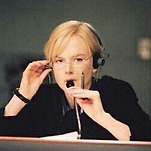



첫댓글 정말 업계에서 이 기술에 관심이 많긴 많나봐요! mutual incomprehension으로 돈을 버는 통역사 ㅋㅋ생각해보니 이 기술로 인해 redundant해 지는 직업이 통역사 말고 또 있네요. 각종 외국어 (학교, 학원) 선생님...동네마다 외국어 학원이 수 개 씩은 되는데 그게 다 사라진다니 ㅋㅋ
What a shame !! I am afraid so.
근데 한한 통역이 필요할 때도 종종 있잖아요... 통역기계는 이런 process를 대신해 줄 수 없겠죠...
통역의 달인들 보면 언어만 전환해주는 게 아니라 오해의 소지가 없도고 이해하기 쉽도록 조리있게 (화자보다 더!!) 화자의 내용을 전달해주더라구요. 그 실력이 진정 빛을 발휘할 때는 보통 Q&A 시간. 단순노동이 아니라 고급노동이라는 걸 고객들이 깨닫는 시간 ^^