<p><span style="font-size: 11pt;">400대 이성, 논리, 과학적 인과관계를 넘어선 새로운 의학</span></p><p><span style="font-size: 11pt;">beyond resion&nbsp;</span></p><p><span style="font-size: 11pt;"><br></span></p><p><span style="font-size: 15px; line-height: 23px;"><b><span style="color: rgb(255, 0, 0);">개개인의 사회적 경험속에서 관찰을 되풀이하고 그 진실의 여부를 확인한 다음</span></b></span></p><p><span style="font-size: 15px; line-height: 23px;"><b><span style="color: rgb(255, 0, 0);">각자의 문제들에 실제로 적용해서 효과가 있는지 살펴보는 것</span></b>.</span></p><p><span style="font-size: 15px; line-height: 23px;">이것이 '<b><span style="color: rgb(9, 0, 255);">임상의학의 기본</span></b>'이다.&nbsp;</span></p><p><span style="font-size: 15px; line-height: 23px;"><br></span></p><p><span style="font-size: 15px; line-height: 23px;">과학적 인과관계로 치유가 설명되지 않는 실용적 의학의 탐구</span></p><p><br></p><p style="text-align: center;"><img src="https://t1.daumcdn.net/cfile/cafe/992EA33E5CC8E30630" class="txc-image" hspace="1" vspace="1" border="0" actualwidth="527" width="527" exif="{}" data-filename="스크린샷 2019-05-01 오전 9.04.44.png" style="clear:none;float:none;" id="A_992EA33E5CC8E306306C89"/></p><p></p><p style="text-align: center;"><img src="https://t1.daumcdn.net/cfile/cafe/992E4B3E5CC8E30630" class="txc-image" hspace="1" vspace="1" border="0" actualwidth="650" width="650" exif="{}" data-filename="스크린샷 2019-05-01 오전 9.06.02.png" style="clear:none;float:none;" id="A_992E4B3E5CC8E3063076C0"/></p><p><span style="font-size: 11pt;"><br></span></p><p><span style="font-size: 10pt; font-family: CGOmega; color: rgb(35, 31, 32);">During the past 3000 years,
many diagnostic methods have been
developed to discover the causes of
human pain and dysfunction. <b><span style="color: rgb(9, 0, 255);">In l964, a
</span></b></span><b style="font-size: 9pt; line-height: 1.6;"><span style="font-size: 10pt; font-family: CGOmega; color: rgb(9, 0, 255);">significant step forward in the eval&#8206;uation
</span><span style="font-size: 10pt; font-family: CGOmega; color: rgb(9, 0, 255);">of neurological disturbances related to
</span><span style="font-size: 10pt; font-family: CGOmega; color: rgb(9, 0, 255);">functional-structural impairments was
</span></b><span style="font-size: 10pt; font-family: CGOmega; color: rgb(35, 31, 32);"><b><span style="color: rgb(9, 0, 255);">made by the chiropractor Dr. George J.
Goodheart Jr. and his development of
applied kinesiology (AK)</span></b>.</span><span style="font-size: 6pt; font-family: CGOmega; color: rgb(35, 31, 32); vertical-align: 3pt;">1&#8211;4&nbsp;</span></p><div class="page" title="Page 1"><div class="section"><div class="layoutArea"><div class="column"><p><span style="font-size: 6.000000pt; font-family: 'CGOmega'; color: rgb(13.700000%, 12.200000%, 12.500000%); vertical-align: 3.000000pt"><br></span></p><p><span style="font-size: 10pt; font-family: Gulim, 굴림, AppleGothic, sans-serif; color: rgb(35, 31, 32); vertical-align: 3pt;">지난 3천년동안 인체통증과 기능부전의 원인을 발견하기 위한 수많은 진단법들이 개발되어왔음.&nbsp;</span></p><p><span style="font-size: 10pt; font-family: Gulim, 굴림, AppleGothic, sans-serif; color: rgb(35, 31, 32); vertical-align: 3pt;">1964년 카이로프랙틱 의사 조지 굿하트에 의해서 AK 측정법이 새로운 진보를 드러냄.&nbsp;</span></p><p><span style="font-size: 6.000000pt; font-family: 'CGOmega'; color: rgb(13.700000%, 12.200000%, 12.500000%); vertical-align: 3.000000pt"><br></span></p><p><br></p>
<p><span style="font-size: 10.000000pt; font-family: 'CGOmega'; color: rgb(13.700000%, 12.200000%, 12.500000%)">The manual muscle testing (MMT)&nbsp;applications that Goodheart delineated&nbsp;have been taken up by practitioners in<br>
a broad cross-section of the healing arts,&nbsp;including <b><span style="color: rgb(255, 0, 0);">chiropractors, osteopaths,&nbsp;</span><span style="color: rgb(255, 0, 0);">psychologists and psychiatrists,&nbsp;</span><span style="color: rgb(255, 0, 0);">acupuncturists, nutritionists, naturopaths,&nbsp;</span></b></span><span style="font-size: 10.000000pt; font-family: 'CGOmega'; color: rgb(13.700000%, 12.200000%, 12.500000%)"><b><span style="color: rgb(255, 0, 0);">bodyworkers, and kinesiologists</span></b>. </span><span style="font-size: 10.000000pt; font-family: 'CGOmega'; color: rgb(13.700000%, 12.200000%, 12.500000%)">AK’s&nbsp;</span><span style="font-size: 10.000000pt; font-family: 'CGOmega'; color: rgb(13.700000%, 12.200000%, 12.500000%)">approach to specific health problems has&nbsp;</span><span style="font-size: 10.000000pt; font-family: 'CGOmega'; color: rgb(13.700000%, 12.200000%, 12.500000%)">been presented in the </span><span style="font-size: 10.000000pt; font-family: 'CGOmega'; font-style: italic; color: rgb(13.700000%, 12.200000%, 12.500000%)">Townsend Letter</span><span style="font-size: 10.000000pt; font-family: 'CGOmega'; color: rgb(13.700000%, 12.200000%, 12.500000%)">; however, a broad
overview of the neurophysiology underlying this unifying
</span><span style="font-size: 10.000000pt; font-family: 'CGOmega'; color: rgb(13.700000%, 12.200000%, 12.500000%)">concept of health-care diagnosis has not been published
before.</span><span style="font-size: 6.000000pt; font-family: 'CGOmega'; color: rgb(13.700000%, 12.200000%, 12.500000%); vertical-align: 3.000000pt">5&#8211;7&nbsp;</span></p><p><span style="font-size: 6.000000pt; font-family: 'CGOmega'; color: rgb(13.700000%, 12.200000%, 12.500000%); vertical-align: 3.000000pt"><br></span></p><p><span style="font-size: 6.000000pt; font-family: 'CGOmega'; color: rgb(13.700000%, 12.200000%, 12.500000%); vertical-align: 3.000000pt"><span style="font-size: 10pt; font-family: Gulim, 굴림, AppleGothic, sans-serif; color: rgb(35, 31, 32); vertical-align: 3pt;">굿하트에 의해서 묘사된 근육검사법(MMT)은 많은 연구자들에 의해 재조명됨</span><br></span></p><p><font color="#231f20" face="Gulim, 굴림, AppleGothic, sans-serif" size="2"><span style="line-height: 21px;">AK의 새로운 건강접근법에 대한 연구가 제대로 되지 않아 이 논문에서 연구함.</span></font></p><p><font color="#231f20" face="Gulim, 굴림, AppleGothic, sans-serif" size="2"><span style="line-height: 21px;"><br></span></font></p><p>
</p><div class="page" title="Page 1">
<div class="section">
<div class="layoutArea">
<div class="column">
<p><span style="font-size: 10.000000pt; font-family: 'CGOmega'; font-weight: 700; color: rgb(13.700000%, 12.200000%, 12.500000%)">Influence of AK Worldwide
</span></p>
<p><font color="#231f20" face="CGOmega" size="2"><span style="line-height: 21px;">Good heart’s</span>&nbsp;work drew&nbsp;a large following of doctors
and recognition. He was the first chiropractor officially
</font><span style="font-size: 10.000000pt; font-family: 'CGOmega'; color: rgb(13.700000%, 12.200000%, 12.500000%)">appointed to the US Olympic Sports Medicine team.</span><span style="font-size: 6.000000pt; font-family: 'CGOmega'; color: rgb(13.700000%, 12.200000%, 12.500000%); vertical-align: 3.000000pt">8<b><span style="color: rgb(255, 0, 0);"> </span></b></span><b><span style="font-size: 10pt; font-family: CGOmega; color: rgb(255, 0, 0);">In
</span><span style="font-size: 10pt; font-family: CGOmega; color: rgb(255, 0, 0);">1976 the International College of Applied Kinesiology was
</span></b><span style="font-size: 10.000000pt; font-family: 'CGOmega'; color: rgb(13.700000%, 12.200000%, 12.500000%)"><b><span style="color: rgb(255, 0, 0);">founded to promote the research and teaching of AK</span></b>.</span><span style="font-size: 6.000000pt; font-family: 'CGOmega'; color: rgb(13.700000%, 12.200000%, 12.500000%); vertical-align: 3.000000pt">9 </span><b><span style="font-size: 10pt; font-family: CGOmega; color: rgb(255, 0, 0);">In
</span><span style="font-size: 10pt; font-family: CGOmega; color: rgb(255, 0, 0);">Europe, some 3000 MDs and osteopaths now use AK as
</span></b><span style="font-size: 10.000000pt; font-family: 'CGOmega'; color: rgb(13.700000%, 12.200000%, 12.500000%)"><b><span style="color: rgb(255, 0, 0);">part of their diagnostic regimen</span></b>.
</span></p><p><span style="font-size: 10.000000pt; font-family: 'CGOmega'; color: rgb(13.700000%, 12.200000%, 12.500000%)"><br></span></p><p><span style="font-size: 10pt; font-family: Gulim, 굴림, AppleGothic, sans-serif; color: rgb(35, 31, 32);">굿하트의 연구는 많은 의사의 관심을 끌었고, 미국올림픽대표팀에서 최초의 카이로프랙터로 인정됨.&nbsp;</span></p><p><span style="font-size: 10.000000pt; font-family: 'CGOmega'; color: rgb(13.700000%, 12.200000%, 12.500000%)"><span style="font-family: Gulim, 굴림, AppleGothic, sans-serif;">1976년 AK 연구와 보급을 위해&nbsp;</span><span style="font-family: Gulim, 굴림, AppleGothic, sans-serif;">ICAK가 설립됨.&nbsp;</span></span></p><p><span style="font-size: 10.000000pt; font-family: 'CGOmega'; color: rgb(13.700000%, 12.200000%, 12.500000%)"><span style="font-family: Gulim, 굴림, AppleGothic, sans-serif;">현재 </span><span style="font-family: Gulim, 굴림, AppleGothic, sans-serif;">유럽에서 3천명의 의사와 도수치료사가 AK를 진단도구로 사용중임.&nbsp;</span></span></p><p><span style="font-size: 10.000000pt; font-family: 'CGOmega'; color: rgb(13.700000%, 12.200000%, 12.500000%)"><br></span></p>
<p><span style="font-size: 10.000000pt; font-family: 'CGOmega'; color: rgb(13.700000%, 12.200000%, 12.500000%)">The first book to describe the value of AK to other
</span><span style="font-size: 10.000000pt; font-family: 'CGOmega'; color: rgb(13.700000%, 12.200000%, 12.500000%)">professions, </span><span style="font-size: 10.000000pt; font-family: 'CGOmega'; font-style: italic; color: rgb(13.700000%, 12.200000%, 12.500000%)">AK and the Stomatognathic System</span><span style="font-size: 10.000000pt; font-family: 'CGOmega'; color: rgb(13.700000%, 12.200000%, 12.500000%)">, was
</span><span style="font-size: 10.000000pt; font-family: 'CGOmega'; color: rgb(13.700000%, 12.200000%, 12.500000%)">authored by Harold Gelb, a dentist, and Goodheart in
1977.</span><span style="font-size: 6.000000pt; font-family: 'CGOmega'; color: rgb(13.700000%, 12.200000%, 12.500000%); vertical-align: 3.000000pt">10 </span><span style="font-size: 10.000000pt; font-family: 'CGOmega'; color: rgb(13.700000%, 12.200000%, 12.500000%)">Gelb founded the Craniomandibular Pain Center
at Tufts University College of Dental Medicine in Boston,
Massachusetts. He and his team have been using MMT and
the methods developed by Goodheart and the International
College of Applied Kinesiology in the eval&#8206;uation of patients
</span><span style="font-size: 10.000000pt; font-family: 'CGOmega'; color: rgb(13.700000%, 12.200000%, 12.500000%)">with TMD ever since, and have published a substantial&nbsp;</span><span style="color: rgb(35, 31, 32); font-family: CGOmega; font-size: 10pt; line-height: 1.6;">body of research on the relationship&nbsp;</span><span style="color: rgb(35, 31, 32); font-family: CGOmega; font-size: 10pt; line-height: 1.6;">between muscle imbalances and&nbsp;</span><span style="font-size: 10pt; font-family: CGOmega; color: rgb(35, 31, 32);">TMD.</span><span style="font-size: 6pt; font-family: CGOmega; color: rgb(35, 31, 32); vertical-align: 3pt;">11,12 </span><span style="font-size: 10pt; font-family: CGOmega; color: rgb(35, 31, 32);">Significant inroads into the&nbsp;</span><span style="font-size: 10pt; font-family: CGOmega; color: rgb(35, 31, 32);">dental profession have been made by
</span><span style="font-size: 10pt; font-family: CGOmega; color: rgb(35, 31, 32); vertical-align: -3pt;">AK.</span><span style="font-size: 6pt; font-family: CGOmega; color: rgb(35, 31, 32);">13&#8211;15</span></p><p><span style="font-size: 6pt; font-family: CGOmega; color: rgb(35, 31, 32);"><br></span></p><p><span style="font-size: 6pt; font-family: CGOmega; color: rgb(35, 31, 32);"><br></span></p></div><div class="column">
<p><span style="font-size: 10.000000pt; font-family: 'CGOmega'; color: rgb(13.700000%, 12.200000%, 12.500000%)">Many other “<b><span style="color: rgb(255, 0, 0);">name techniques</span></b>”
have evolved from AK that also
incorporate many of the same MMTs and
</span><span style="font-size: 10.000000pt; font-family: 'CGOmega'; color: rgb(13.700000%, 12.200000%, 12.500000%)">neurological reflexes and procedures as
</span><span style="font-size: 10.000000pt; font-family: 'CGOmega'; color: rgb(13.700000%, 12.200000%, 12.500000%)">part of their diagnostic systems, including
<b><span style="color: rgb(255, 0, 0);">Neuro Emotional Technique (NET),
Neural Organization Technique (NOT),
</span></b></span><span style="font-size: 10.000000pt; font-family: 'CGOmega'; color: rgb(13.700000%, 12.200000%, 12.500000%)"><b><span style="color: rgb(255, 0, 0);">clinical kinesiology, Contact Reflex
Analysis (CRA), Total Body Modification
</span></b></span><span style="font-size: 10.000000pt; font-family: 'CGOmega'; color: rgb(13.700000%, 12.200000%, 12.500000%)"><b><span style="color: rgb(255, 0, 0);">(TBM), Thought Field Therapy (TFT),
behavioral kinesiology (BK), and Ulan
Nutritional Systems</span></b>, in addition to nearly
<b><span style="color: rgb(9, 0, 255);">100 systems of “kinesiology</span></b>” around
</span><span style="font-size: 10.000000pt; font-family: 'CGOmega'; color: rgb(13.700000%, 12.200000%, 12.500000%)">the world.</span><span style="font-size: 6.000000pt; font-family: 'CGOmega'; color: rgb(13.700000%, 12.200000%, 12.500000%); vertical-align: 3.000000pt">16&#8211;22<b><span style="color: rgb(255, 0, 0);">&nbsp;</span></b></span></p><p><span style="font-size: 10pt; font-family: CGOmega; color: rgb(35, 31, 32);"><br></span></p><p><span style="font-size: 10pt; font-family: CGOmega; color: rgb(35, 31, 32);"><span style="font-size: 10pt; font-family: Batang, 바탕, serif; color: rgb(35, 31, 32);">많은 치료테크닉 이름이 AK로부터 발달되어 근육테스트와 신경반사 그리고 검사절차가 AK진단의 일부로 통합되어 거의 100여개의 방법이 개발됨.</span></span></p><p><span style="font-size: 10pt; font-family: CGOmega; color: rgb(35, 31, 32);"><span style="font-size: 10pt; font-family: Batang, 바탕, serif; color: rgb(35, 31, 32);"><br></span></span></p><p><span style="font-size: 10pt; font-family: CGOmega; color: rgb(35, 31, 32);"><b><a href="https://youtu.be/XpBqxClGApI" target="_blank" rel="noopener noreferrer" class="tx-link"><span style="color: rgb(9, 0, 255);">Neuro Emotional Technique</span></a></b> (NET)</span></p><p><span style="font-size: 10pt; font-family: CGOmega; color: rgb(35, 31, 32);"><b><a href="https://youtu.be/LTKQbcvWAZU" target="_blank" rel="noopener noreferrer" class="tx-link"><span style="color: rgb(9, 0, 255);">Neural Organization Technique</span></a></b> (NOT),&nbsp;</span></p><p><span style="font-size: 10pt; font-family: CGOmega; color: rgb(35, 31, 32);"><b><a href="https://www.clinicalkinesiology.com/pages/history-of-clinical-kinesiology" target="_blank" rel="noopener noreferrer" class="tx-link"><span style="color: rgb(9, 0, 255);">clinical kinesiology</span></a></b>,&nbsp;</span></p><p><span style="font-size: 10pt; font-family: CGOmega; color: rgb(35, 31, 32);">Contact Reflex Analysis (CRA),&nbsp;</span></p><p><span style="font-size: 10pt; font-family: CGOmega; color: rgb(35, 31, 32);"><b><a href="https://www.livetbm.com/index.php?route=information/information&amp;information_id=4" target="_blank" rel="noopener noreferrer" class="tx-link"><span style="color: rgb(9, 0, 255);">Total Body Modification</span></a><span style="color: rgb(9, 0, 255);">&nbsp;</span></b></span><span style="font-size: 10pt; font-family: CGOmega; color: rgb(35, 31, 32);">(TBM),&nbsp;</span><span style="font-size: 9pt; line-height: 1.6;"><a href="https://youtu.be/UAoiV1yDzbk" target="_blank" rel="noopener noreferrer" class="tx-link">https://youtu.be/UAoiV1yDzbk</a></span></p><p><span style="font-size: 10pt; font-family: CGOmega; color: rgb(35, 31, 32);"><b><a href="https://youtu.be/6IzsjuyMpoE" target="_blank" rel="noopener noreferrer" class="tx-link"><span style="color: rgb(9, 0, 255);">Thought Field Therapy</span></a></b> (TFT),&nbsp;</span></p><p><span style="font-size: 10pt; font-family: CGOmega; color: rgb(35, 31, 32);"><b><a href="https://drjohndiamond.com" target="_blank" rel="noopener noreferrer" class="tx-link"><span style="color: rgb(9, 0, 255);">behavioral kinesiology</span></a></b> (BK), and&nbsp;</span></p><p><span style="font-size: 10pt; font-family: CGOmega; color: rgb(35, 31, 32);"><b><a href="https://unsinc.info/clinical-training/why-train-at-uns/" target="_blank" rel="noopener noreferrer" class="tx-link">Ulan Nutritional Systems</a></b></span><span style="font-size: 10pt; font-family: CGOmega; color: rgb(35, 31, 32);"><span style="font-size: 10pt; font-family: Batang, 바탕, serif; color: rgb(35, 31, 32);">&nbsp;</span><br></span></p><p><span style="font-size: 10pt; font-family: CGOmega; color: rgb(35, 31, 32);"><br></span></p><p><span style="font-size: 10pt; font-family: CGOmega; color: rgb(35, 31, 32);"><b><span style="color: rgb(255, 0, 0);">Emotional Freedom&nbsp;</span></b></span><span style="font-size: 10pt; font-family: CGOmega; color: rgb(35, 31, 32);"><b><span style="color: rgb(255, 0, 0);">Technique, commonly known as EFT</span></b>, is a popular form&nbsp;</span><span style="font-size: 10pt; font-family: CGOmega; color: rgb(35, 31, 32);">of “<b><span style="color: rgb(255, 0, 0);">energy psychology</span></b>” and has been described in the&nbsp;</span><span style="font-size: 10pt; font-family: CGOmega; font-style: italic; color: rgb(35, 31, 32);">Townsend Letter</span><span style="font-size: 10pt; font-family: CGOmega; color: rgb(35, 31, 32);">. <b><span style="color: rgb(102, 0, 255);">Its founder, Gary Craig</span></b> (an engineer from Stanford), gives Goodheart credit for its development. Goodheart demonstrated the effect of the meridian system upon human muscle function for Craig and his teacher Dr. Roger Callahan (the founder of TFT) and, from their use of these insights, developed methods that have spread around&nbsp;</span><span style="font-size: 10pt; font-family: CGOmega; color: rgb(35, 31, 32);">the world.</span><span style="font-size: 6pt; font-family: CGOmega; color: rgb(35, 31, 32); vertical-align: 3pt;">23&nbsp;</span><span style="font-size: 10pt; font-family: CGOmega; color: rgb(35, 31, 32);">The ability to improve mental health problems&nbsp;</span><span style="font-size: 10pt; font-family: CGOmega; color: rgb(35, 31, 32);">with applied kinesiology techniques is now beginning to emerge, with much credit going to the innovative&nbsp;</span><span style="font-size: 10pt; font-family: CGOmega; color: rgb(35, 31, 32);">techniques of the chiropractors Goodheart and Walker, the psychiatrist John Diamond, the psychologists Roger Callahan and Fred Gallo, and many others.</span><span style="font-size: 10pt; font-family: CGOmega; color: rgb(35, 31, 32);"><br></span></p><p><span style="font-size: 10pt; font-family: CGOmega; color: rgb(35, 31, 32);"><br></span></p><p><font color="#231f20" face="CGOmega" size="2"><span style="line-height: 21px; font-size: 11pt;">감정자유 기법(emotional freedom technique).&nbsp;</span></font></p><p><font color="#231f20" face="CGOmega"><span style="font-size: 15px; line-height: 21px;">Gary Craig 창안자.&nbsp;</span></font></p><p><font color="#231f20" face="CGOmega"><span style="font-size: 15px; line-height: 21px;">조지 굿하트의 신뢰를 받고 응용 근신경학의 한 분야로 인정되고 정신건강 증진프로그램으로 정착함.&nbsp;</span></font></p><p><font color="#231f20" face="CGOmega"><span style="font-size: 15px; line-height: 21px;"><br></span></font></p><p><font color="#231f20" face="CGOmega"><br></font></p><p style="text-align: center;"><a href="https://eft.mercola.com" target="_blank" rel="noopener noreferrer" class="tx-link"><img src="https://t1.daumcdn.net/cfile/cafe/991ECC485CC9675B30" class="txc-image" actualwidth="510" hspace="1" vspace="1" border="0" width="510" exif="{}" data-filename="스크린샷 2019-05-01 오후 6.30.39.png" style="clear:none;float:none;" id="A_991ECC485CC9675B3090CF"/></a></p><p><font color="#231f20" face="CGOmega"><span style="font-size: 15px; line-height: 21px;"><br></span></font></p><p><font color="#231f20" face="CGOmega"><span style="font-size: 15px; line-height: 21px;"><br></span></font></p><p><font color="#231f20" face="CGOmega"><br></font></p><p style="text-align: center;"><img src="https://t1.daumcdn.net/cfile/cafe/9929684D5CC9673A33" class="txc-image" actualwidth="611" hspace="1" vspace="1" border="0" width="611" exif="{}" data-filename="스크린샷 2019-05-01 오후 6.13.51.png" style="clear:none;float:none;" id="A_9929684D5CC9673A3310DD"/></p><p><font color="#231f20" face="CGOmega"><span style="font-size: 15px; line-height: 21px;"><br></span></font></p><p><br></p></div></div></div></div></div></div></div></div><p><span style="font-size: 11pt;"><br></span></p><iframe width="560" height="315" src="https://www.youtube.com/embed/1wG2FA4vfLQ" frameborder="0" allow="accelerometer; autoplay; encrypted-media; gyroscope; picture-in-picture" allowfullscreen=""></iframe><p><br></p><p><b><span style="font-size: 10pt; font-family: CGOmega; color: rgb(102, 0, 255);">In 1970, Dr. John Thie (the first chairman of the International College of Applied Kinesiology USA) wanted&nbsp;</span><span style="font-size: 10pt; font-family: CGOmega; color: rgb(35, 31, 32);"><span style="color: rgb(102, 0, 255);">“kinesiology” to be available for the general public,</span><span style="color: rgb(102, 0, 255);">&nbsp;</span></span><span style="font-size: 10pt; font-family: CGOmega; color: rgb(35, 31, 32);"><span style="color: rgb(102, 0, 255);">while Goodheart wanted to continue teaching AK only</span><span style="color: rgb(102, 0, 255);">&nbsp;</span></span></b><span style="font-size: 10pt; font-family: CGOmega; color: rgb(35, 31, 32);"><b><span style="color: rgb(102, 0, 255);">to professionals licensed to diagnose and treat patients.</span></b>&nbsp;</span><span style="font-size: 10pt; font-family: CGOmega; color: rgb(35, 31, 32);">Goodheart challenged Thie to write a book for the public.&nbsp;</span><span style="font-size: 10pt; font-family: CGOmega; color: rgb(35, 31, 32);">Thie’s book&nbsp;</span><span style="font-size: 10pt; font-family: CGOmega; font-style: italic; color: rgb(35, 31, 32);">Touch for Health&nbsp;</span><span style="font-size: 10pt; font-family: CGOmega; color: rgb(35, 31, 32);">is a best-seller in the self-help domain.</span><span style="font-size: 6pt; font-family: CGOmega; color: rgb(35, 31, 32); vertical-align: 3pt;">24&nbsp;</span><br></p><p><span style="font-size: 6pt; font-family: CGOmega; color: rgb(35, 31, 32); vertical-align: 3pt;"><br></span></p><p><font face="Batang, 바탕, serif"><span style="font-size: 11pt;">1970년 John Thie(미국 ICAK 교장)은 kinesiology가 대중에게 신뢰를 받기를 원함.&nbsp;</span></font></p><p><font face="Batang, 바탕, serif"><span style="font-size: 11pt;">반면 굿하트는 AK가 프로 라이센스가 주어져 환자가 진단 치료되기를 원함.&nbsp;</span></font><br></p><p><font face="Batang, 바탕, serif"><span style="font-size: 11pt;"><br></span></font></p><p><font face="Batang, 바탕, serif"><span style="font-size: 15px; line-height: 23px;">존 Thie는 대중을 위해 '<b><span style="color: rgb(255, 0, 0);">Touch for Health</span></b>'라는 베스트 셀러를 씀.&nbsp;</span></font></p><p><font face="Batang, 바탕, serif"><span style="font-size: 15px; line-height: 23px;"><br></span></font></p><p><font face="Batang, 바탕, serif"><br></font></p><p style="text-align: center;"><img src="https://t1.daumcdn.net/cfile/cafe/99AB57355CC96DA42F" class="txc-image" actualwidth="600" hspace="1" vspace="1" border="0" width="600" exif="{}" data-filename="스크린샷 2019-05-01 오후 6.55.43.png" style="clear:none;float:none;" id="A_99AB57355CC96DA42F0866"/></p><p></p><p style="text-align: center;"><img src="https://t1.daumcdn.net/cfile/cafe/99405E355CC96DA507" class="txc-image" actualwidth="615" hspace="1" vspace="1" border="0" width="615" exif="{}" data-filename="스크린샷 2019-05-01 오후 6.56.03.png" style="clear:none;float:none;" id="A_99405E355CC96DA507409E"/></p><p><font face="Batang, 바탕, serif"><span style="font-size: 15px; line-height: 23px;"><br></span></font></p><p><font face="Batang, 바탕, serif"><span style="font-size: 11pt;"><br></span></font></p><iframe width="560" height="315" src="https://www.youtube.com/embed/gIXBKXoIbDI" frameborder="0" allow="accelerometer; autoplay; encrypted-media; gyroscope; picture-in-picture" allowfullscreen=""></iframe><div><br></div><div>
<div class="page" title="Page 2">
<div class="section">
<div class="layoutArea">
<div class="column">
<p><b><span style="font-size: 10pt; font-family: CGOmega; color: rgb(255, 0, 0);">Before AK’s expansion of the applications to which the
</span><span style="font-size: 10pt; font-family: CGOmega; color: rgb(255, 0, 0);">MMT could be put, the actual testing of muscles had been
</span></b><span style="font-size: 10.000000pt; font-family: 'CGOmega'; color: rgb(13.700000%, 12.200000%, 12.500000%)"><b><span style="color: rgb(255, 0, 0);">firmly established by Kendall and Kendall</span></b>, who held that
</span><span style="font-size: 10.000000pt; font-family: 'CGOmega'; color: rgb(13.700000%, 12.200000%, 12.500000%)">a muscle from a contracted position against increasing
applied pressure could either maintain its position (rated as
</span><span style="font-size: 10.000000pt; font-family: 'CGOmega'; color: rgb(13.700000%, 12.200000%, 12.500000%)">“facilitated” or “strong”) or break away and thus be rated as
“inhibited” or “weak.”</span><span style="font-size: 6.000000pt; font-family: 'CGOmega'; color: rgb(13.700000%, 12.200000%, 12.500000%); vertical-align: 3.000000pt">25 </span><span style="font-size: 10.000000pt; font-family: 'CGOmega'; color: rgb(13.700000%, 12.200000%, 12.500000%)">The testing of muscle strength itself
</span><span style="font-size: 10.000000pt; font-family: 'CGOmega'; color: rgb(13.700000%, 12.200000%, 12.500000%)">has been widely practiced in manual medicine for almost a
century, whose reliability and validity have recently been
shown.</span><span style="font-size: 6.000000pt; font-family: 'CGOmega'; color: rgb(13.700000%, 12.200000%, 12.500000%); vertical-align: 3.000000pt">26&#8211;30 &nbsp;</span></p>
</div>
</div>
</div>
</div></div><p><br></p><p><span style="font-size: 11pt;">AK에서 MMT를 이용하기 전 근력검사는 Kendall에 의해서 확립되어 있었음.&nbsp;</span></p><p><span style="font-size: 11pt;"><br></span></p><p><br></p><p style="text-align: center;"><img src="https://t1.daumcdn.net/cfile/cafe/9999594C5CC970660C" class="txc-image" actualwidth="495" hspace="1" vspace="1" border="0" width="495" exif="{}" data-filename="스크린샷 2019-05-01 오후 7.09.14.png" style="clear:none;float:none;" id="A_9999594C5CC970660C5908"/></p><p><b><span style="font-size: 10pt; font-family: CGOmega; color: rgb(255, 0, 0);">Since the original discovery that muscle inhibition
related to neurological disturbances and could be used to
</span><span style="font-size: 10pt; font-family: CGOmega; color: rgb(255, 0, 0);">diagnose neuromuscular problems, the <span style="color: rgb(9, 0, 255);">AK examination
</span></span><span style="font-size: 10pt; font-family: CGOmega; color: rgb(9, 0, 255);">system has broadened to include eval&#8206;uation of nutritional,
</span><span style="font-size: 10pt; font-family: CGOmega; color: rgb(9, 0, 255);">acupuncture, cerebrospinal fluid, lymphatic and vascular
</span><span style="font-size: 10pt; font-family: CGOmega; color: rgb(9, 0, 255);">function, and many other controlling or disturbing factors
</span><span style="font-size: 10pt; font-family: CGOmega; color: rgb(255, 0, 0);"><span style="color: rgb(9, 0, 255);">that influence health and neurological function</span>.</span></b><span style="font-size: 6pt; font-family: CGOmega; color: rgb(35, 31, 32); vertical-align: 3pt;">1&#8211;4 </span><b><span style="font-size: 10pt; font-family: CGOmega; color: rgb(255, 0, 0);">The
</span><span style="font-size: 10pt; font-family: CGOmega; color: rgb(255, 0, 0);">investigation of these other causes of muscle weakness and
</span><span style="font-size: 10pt; font-family: CGOmega; color: rgb(255, 0, 0);">their correction developed into the current practice of AK
for the broad number of different professions that use it for
</span></b><span style="font-size: 10pt; font-family: CGOmega; color: rgb(35, 31, 32);"><b><span style="color: rgb(255, 0, 0);">their own purposes</span></b>. <b><span style="color: rgb(9, 0, 255);">Each of these areas of human function
has been shown to affect the muscular system, and AK
</span></b></span><b><span style="font-size: 10pt; font-family: CGOmega; color: rgb(9, 0, 255);">and allied health systems’ research evidence in this regard
</span><span style="font-size: 10pt; font-family: CGOmega; color: rgb(9, 0, 255);">is constantly growing.</span><span style="font-size: 6pt; font-family: CGOmega; color: rgb(9, 0, 255); vertical-align: 3pt;">9,31 </span></b><span style="font-size: 10pt; font-family: CGOmega; color: rgb(35, 31, 32);"><b><span style="color: rgb(9, 0, 255);">Even the American Medical
Association has accepted that the standard method of MMT
used and taught in AK is a reliable tool and advocates its
use for the eval&#8206;uation of disability impairments</span></b>.</span><span style="font-size: 6pt; font-family: CGOmega; color: rgb(35, 31, 32); vertical-align: 3pt;">32</span><span style="font-size: 11pt;"><br></span></p><p><span style="font-size: 6pt; font-family: CGOmega; color: rgb(35, 31, 32); vertical-align: 3pt;"><br></span></p><p><span style="font-size: 11pt;">근육억제는 신경질환과 연관되어 있고&nbsp;신경근육 문제 진단에 사용된 이후로&nbsp;</span><br></p><p><span style="font-size: 11pt;">AK 진단 시스템은 영양, 침, 척수액, 림프와 혈관기능 그리고 다른 건강과 신경기능에 영향을 주는 요소들로 확장됨.&nbsp;</span></p><p><span style="font-size: 11pt;">근육약화와 그들간의 연관성의 원인 조사는 AK의 최신연구로 진행되어 많은 전문가들이 그 목적에 맞게사용함.&nbsp;</span></p><p><span style="font-size: 11pt;">인체기능과 관련된 이러한 연구는 근육 시스템과 AK에 영향을 줌을 보여주었고 건강시스템 연구 증거는 계속됨.&nbsp;</span></p><p><span style="font-size: 11pt;">미국의학협회조차도 MMT의 방법을 받아들이기 시작했고 AK는 믿을만한 진단, 치료의 도구로 가르치기시작함.&nbsp;</span></p><p><span style="font-size: 11pt;"><br></span></p><p><b><span style="font-size: 10pt; font-family: CGOmega; color: rgb(9, 0, 255);">Knowing precisely what a specific malfunctioning
</span><span style="font-size: 10pt; font-family: CGOmega; color: rgb(9, 0, 255);">factor in patients’ functional ensemble does to muscle
strength can greatly enhance their understanding of their
</span></b><span style="font-size: 10pt; font-family: CGOmega; color: rgb(35, 31, 32);"><b><span style="color: rgb(9, 0, 255);">health problem</span></b>. <b><span style="color: rgb(9, 0, 255);">As is well known in modern therapeutics,
</span></b></span><span style="font-size: 10pt; font-family: CGOmega; color: rgb(35, 31, 32);"><b><span style="color: rgb(9, 0, 255);">the location of a primary complaint does not necessarily
</span></b></span><span style="font-size: 10pt; font-family: CGOmega; color: rgb(35, 31, 32);"><span style="color: rgb(9, 0, 255);"><b>correlate with the symptoms for which the patient seeks
care. <span style="color: rgb(255, 0, 0);">Take for example the patient whose low back “slips
out” when he bends over to pick up a pencil</span></b></span><b><span style="color: rgb(255, 0, 0);">. He thinks
that bending over caused the incident; the doctor knows
</span></b></span><b><span style="font-size: 10pt; font-family: CGOmega; color: rgb(255, 0, 0);">that the spine does not usually develop a problem from
</span><span style="font-size: 10pt; font-family: CGOmega; color: rgb(255, 0, 0);">such simple activity. There probably was a subclinical and
preexisting condition in the area in the form of muscular
imbalance or pathology. This may be why the MMT has
</span><span style="font-size: 10pt; font-family: CGOmega; color: rgb(255, 0, 0);">the predictive capacity to diagnose problems before they
emerge.</span></b><span style="font-size: 6pt; font-family: CGOmega; color: rgb(35, 31, 32); vertical-align: 3pt;">30,33</span><br></p><div class="page" title="Page 2"><div class="section"><div class="layoutArea">
<div class="column">
<p><span style="font-family: CGOmega; font-weight: 700; color: rgb(35, 31, 32); font-size: 15px; line-height: 23px;"><br></span></p><p><span style="font-family: CGOmega; color: rgb(35, 31, 32); font-size: 15px; line-height: 23px;">환자의 기능(근력)에 대한 특정 비정상요인 지식의 증가는 그들의 건강문제에 대한 이해를 폭발적으로 증가시킴.&nbsp;</span></p><p><span style="font-family: CGOmega; color: rgb(35, 31, 32); font-size: 15px; line-height: 23px;">잘 알려진바와 같이 현대 치료법은 주요 불만이 증상과 필수적으로 연관되지 않는다는 것임.&nbsp;</span></p><p><span style="font-family: CGOmega; color: rgb(35, 31, 32); font-size: 15px; line-height: 23px;">예를들어 볼펜을 집다가 넘어진 경우 그는 허리굽힘이 사건의 원인이라고 생각함. 의사는 척추가 그렇게단순한 동작으로 문제가 발생하지 않는다는 것을 앎. 즉 근육 불균형이나 병리적문제가 존재한다는 것을앎. 이것은 왜 MMT가 진단적 가치가 있는지를 보여줌.&nbsp;</span></p><p><span style="font-family: CGOmega; font-weight: 700; color: rgb(35, 31, 32); font-size: 15px; line-height: 23px;"><br></span></p><p><span style="font-size: 10.000000pt; font-family: 'CGOmega'; font-weight: 700; color: rgb(13.700000%, 12.200000%, 12.500000%)">Principles and Theories
</span></p>
<p><b><span style="font-size: 10pt; font-family: CGOmega; color: rgb(255, 0, 0);">When muscle dysfunction is found, the clinician
</span><span style="font-size: 10pt; font-family: CGOmega; color: rgb(255, 0, 0);">proceeds with examination to find what therapy restores
</span><span style="font-size: 10pt; font-family: CGOmega; color: rgb(255, 0, 0);">proper function. Application of the therapy, if successful,
</span><span style="font-size: 10pt; font-family: CGOmega; font-style: italic; color: rgb(255, 0, 0);">immediately </span><span style="font-size: 10pt; font-family: CGOmega; color: rgb(255, 0, 0);">improves muscle function. Reexamination at a
</span></b><span style="font-size: 10.000000pt; font-family: 'CGOmega'; color: rgb(13.700000%, 12.200000%, 12.500000%)"><b><span style="color: rgb(255, 0, 0);">later time determines if the correction is maintained</span></b>. <b><span style="color: rgb(9, 0, 255);">Thus
</span></b></span><b><span style="font-size: 10pt; font-family: CGOmega; color: rgb(9, 0, 255);">the system (1) finds disturbance, (2) determines how to fix
</span><span style="font-size: 10pt; font-family: CGOmega; color: rgb(9, 0, 255);">it, (3) determines if the corrective effort is successful, and,
most importantly, (4) determines if the correction is stable.
</span><span style="font-size: 10.000000pt; font-family: 'CGOmega'; color: rgb(13.700000%, 12.200000%, 12.500000%)"><span style="color: rgb(9, 0, 255);">If the correction is not stable, further examination is done
to find the reason so it can be eliminated.</span>
</span></b></p><p><b><span style="font-size: 10.000000pt; font-family: 'CGOmega'; color: rgb(13.700000%, 12.200000%, 12.500000%)"><span style="color: rgb(9, 0, 255);"><br></span></span></b></p>
<p><span style="font-size: 10.000000pt; font-family: 'CGOmega'; color: rgb(13.700000%, 12.200000%, 12.500000%)">But what distinguishes AK is its emphasis upon
</span><span style="font-size: 10.000000pt; font-family: 'CGOmega'; color: rgb(13.700000%, 12.200000%, 12.500000%)">proprioceptive responses of the muscle rather than the
strength of the muscle itself. It essentially sees muscle
function as a transcript of the central integrative state of the
</span><span style="font-size: 10.000000pt; font-family: 'CGOmega'; color: rgb(13.700000%, 12.200000%, 12.500000%)">anterior horn motor neurons, summing all excitatory and
</span><span style="font-size: 10.000000pt; font-family: 'CGOmega'; color: rgb(13.700000%, 12.200000%, 12.500000%)">inhibitory inputs from the entire organism.</span><span style="font-size: 6.000000pt; font-family: 'CGOmega'; color: rgb(13.700000%, 12.200000%, 12.500000%); vertical-align: 3.000000pt">31 </span><span style="font-size: 10.000000pt; font-family: 'CGOmega'; color: rgb(13.700000%, 12.200000%, 12.500000%)">In other words,
the locus of muscle dysfunction ultimately rests with the
</span><span style="font-size: 10.000000pt; font-family: 'CGOmega'; color: rgb(13.700000%, 12.200000%, 12.500000%)">nervous system.&nbsp;</span></p>
</div>
</div>
</div>
</div><p><br></p><p><span style="font-size: 11pt;">근육기능부전이 있을때 임상의사는 어떤 치료가 기능을 회복할지를 알기위해 검사를 진행함. 치료의 적용이 성공적이라면 근육기능은 즉시 개선됨.&nbsp;</span><br></p><p><span style="font-size: 11pt;">AK 시스템은 문제 발견, 치료법 결정, 올바른 노력이 성공적인지를 결정, 교정이 안정적인지를 결정.&nbsp;</span></p><p><span style="font-size: 11pt;">만약 교정이 지속되지 않는다면 그&nbsp;이유를 찾기위해 다른 검사가 진행됨.&nbsp;</span></p><p><span style="font-size: 11pt;"><br></span></p><p>
</p><div class="page" title="Page 2">
<div class="section">
<div class="layoutArea">
<div class="column">
<p><span style="font-size: 10.000000pt; font-family: 'CGOmega'; font-weight: 700; color: rgb(13.700000%, 12.200000%, 12.500000%)">Diagnostic Tools: &#1113088;</span><span style="font-size: 10pt; font-family: CGOmega; color: rgb(35, 31, 32);"><b><span style="color: rgb(9, 0, 255);">Challenge’ and &#1113088;Therapy Localization</span></b></span><span style="font-size: 10.000000pt; font-family: 'CGOmega'; font-weight: 700; color: rgb(13.700000%, 12.200000%, 12.500000%)">’
</span></p>
<p><span style="font-size: 10.000000pt; font-family: 'CGOmega'; color: rgb(13.700000%, 12.200000%, 12.500000%)"><b><span style="color: rgb(255, 0, 0);">Sensorimotor “challenge” is a diagnostic procedure
unique to AK that is used to determine the body’s ability
</span></b></span><span style="font-size: 10.000000pt; font-family: 'CGOmega'; color: rgb(13.700000%, 12.200000%, 12.500000%)"><b><span style="color: rgb(255, 0, 0);">to cope with external stimuli, which can be physical,
chemical, or emotional.</span></b> <b><span style="color: rgb(9, 0, 255);">Challenge defines a mechanism
to test the body’s ability to cope with external stimuli,
</span></b></span><span style="font-size: 10.000000pt; font-family: 'CGOmega'; color: rgb(13.700000%, 12.200000%, 12.500000%)"><b><span style="color: rgb(9, 0, 255);">again assessed by muscle testing</span></b>.</span><span style="font-size: 6.000000pt; font-family: 'CGOmega'; color: rgb(13.700000%, 12.200000%, 12.500000%); vertical-align: 3.000000pt">34&nbsp;</span></p><p><b><span style="font-size: 10pt; font-family: CGOmega; color: rgb(255, 0, 0);"><br></span></b></p><p><b><span style="font-size: 10pt; font-family: CGOmega; color: rgb(255, 0, 0);">The use of challenge
assessments gives the clinician important clues as to
</span><span style="font-size: 10pt; font-family: CGOmega; color: rgb(255, 0, 0);">what removes the inhibitions of muscles associated
with functional pain syndromes and health problems.
The appropriate “challenge” will also remove synergist
</span><span style="font-size: 10pt; font-family: CGOmega; color: rgb(255, 0, 0);">substitution employed by the patient, particularly during
the MMT, because of pain.</span></b><span style="font-size: 6.000000pt; font-family: 'CGOmega'; color: rgb(13.700000%, 12.200000%, 12.500000%); vertical-align: 3.000000pt">35,36
</span></p>
<p><span style="font-size: 10.000000pt; font-family: 'CGOmega'; color: rgb(13.700000%, 12.200000%, 12.500000%)"><br></span></p><p><font color="#231f20" face="CGOmega" size="2"><span style="line-height: 21px; font-size: 11pt;">감각운동 '도전'은 AK의 독특한 진단과정인데.. 이는 인체가 외부자극(물리적, 화학적, 감정적)에 대응하는 능력을 검사하는데 이용됨. 도전은 인체가 외부자극에 대응하는 능력을 테스트하는 메커니즘으로 정의되며 이는 근육테스트로 검사함.&nbsp;</span></font></p><p><font color="#231f20" face="CGOmega" size="2"><span style="line-height: 21px; font-size: 11pt;"><br></span></font></p><p><font color="#231f20" face="CGOmega" size="2"><span style="line-height: 21px; font-size: 11pt;">도전 진단법의 사용은 임상의사에게 중요한 단서를 제공하는데 ...무엇(어떤치료)이 통증과 건강문제로 인한 근육억제를 제거하는가에 대한 단서를 제공함.&nbsp;</span></font></p><p><font color="#231f20" face="CGOmega" size="2"><span style="line-height: 21px; font-size: 11pt;">적절한 도전은 특히 통증이 있는 환자를 MMT하는 동안&nbsp;협력근 작용을 제거할 수 있음.&nbsp;</span></font></p><p><span style="font-size: 10.000000pt; font-family: 'CGOmega'; color: rgb(13.700000%, 12.200000%, 12.500000%)"><br></span></p><p><span style="font-size: 10.000000pt; font-family: 'CGOmega'; color: rgb(13.700000%, 12.200000%, 12.500000%)"><b><span style="color: rgb(9, 0, 255);">After an external stimulus is applied, muscle-testing
</span></b></span><span style="font-size: 10.000000pt; font-family: 'CGOmega'; color: rgb(13.700000%, 12.200000%, 12.500000%)"><b><span style="color: rgb(9, 0, 255);">procedures are done to determine a change in the muscle
strength as a result of the stimulus. <span style="color: rgb(255, 0, 0);">Through this approach,
ineffective therapies that produced no improvements
in muscle strength are rejected and only those that elicit
a positive muscle response are used</span></span></b>. This guides the
treatment given to a patient.
</span></p><p><span style="font-size: 10.000000pt; font-family: 'CGOmega'; color: rgb(13.700000%, 12.200000%, 12.500000%)"><br></span></p><p><span style="font-size: 10.000000pt; font-family: 'CGOmega'; color: rgb(13.700000%, 12.200000%, 12.500000%)"><span style="font-size: 11pt; font-family: CGOmega; color: rgb(35, 31, 32);">외부자극이 적용된 후 근육테스트 과정은 자극의 결과로 근력 변화를 결정함.&nbsp;</span><br></span></p><p><font color="#231f20" face="CGOmega"><span style="font-size: 15px; line-height: 23px;">이 과정을 통해 근력의 개선을 야기하지 않는 효과적이지 않은 치료법은 거절됨. 그리고 오직 근력반응에 효과적인 것만 사용됨.&nbsp;</span></font></p><p><font color="#231f20" face="CGOmega"><span style="font-size: 15px; line-height: 23px;"><br></span></font></p>
<p><b><span style="font-size: 10pt; font-family: CGOmega; color: rgb(255, 0, 0);">Nutritional challenge as used in AK was explored and
a literature review given in a recent issue of the </span><span style="font-size: 10pt; font-family: CGOmega; font-style: italic; color: rgb(255, 0, 0);">Townsend
Letter</span><span style="font-size: 10pt; font-family: CGOmega; color: rgb(255, 0, 0);">.</span></b><span style="font-size: 6.000000pt; font-family: 'CGOmega'; color: rgb(13.700000%, 12.200000%, 12.500000%); vertical-align: 3.000000pt">5 </span><b><span style="font-size: 10pt; font-family: CGOmega; color: rgb(9, 0, 255);">Structural (or joint challenge) has been described
in the AK outcomes research literature from the beginning,
</span><span style="font-size: 10pt; font-family: CGOmega; color: rgb(9, 0, 255);">and all of the evidence for this approach was recently
</span></b><span style="font-size: 10.000000pt; font-family: 'CGOmega'; color: rgb(13.700000%, 12.200000%, 12.500000%)"><b><span style="color: rgb(9, 0, 255);">offered</span></b>.</span><span style="font-size: 6.000000pt; font-family: 'CGOmega'; color: rgb(13.700000%, 12.200000%, 12.500000%); vertical-align: 3.000000pt">2,3 </span><span style="font-size: 10.000000pt; font-family: 'CGOmega'; color: rgb(13.700000%, 12.200000%, 12.500000%)"><b><span style="color: rgb(255, 0, 0);">Cranial challenge has been described in the
literature previously</span></b>.</span><span style="font-size: 6.000000pt; font-family: 'CGOmega'; color: rgb(13.700000%, 12.200000%, 12.500000%); vertical-align: 3.000000pt">37,38
</span></p>
<p><span style="font-size: 10.000000pt; font-family: 'CGOmega'; color: rgb(13.700000%, 12.200000%, 12.500000%)"><br></span></p><p><span style="font-size: 10.000000pt; font-family: 'CGOmega'; color: rgb(13.700000%, 12.200000%, 12.500000%)">AK에서 사용되는 영양학적 도전이 연구되었고 논문연구가 진행됨.</span></p><p><span style="font-size: 10.000000pt; font-family: 'CGOmega'; color: rgb(13.700000%, 12.200000%, 12.500000%)">구조(또는 관절) 도전도 연구됨.&nbsp;</span></p><p><span style="font-size: 10.000000pt; font-family: 'CGOmega'; color: rgb(13.700000%, 12.200000%, 12.500000%)">두개골 도전은 문헌에서 이미 기술됨.&nbsp;</span></p><p><span style="font-size: 10.000000pt; font-family: 'CGOmega'; color: rgb(13.700000%, 12.200000%, 12.500000%)"><br></span></p><p><span style="font-size: 10.000000pt; font-family: 'CGOmega'; color: rgb(13.700000%, 12.200000%, 12.500000%)">37논문&nbsp;</span></p><p><span style="font-size: 10.000000pt; font-family: 'CGOmega'; color: rgb(13.700000%, 12.200000%, 12.500000%)"><br></span></p><h1 style="font-size: 1.4em; margin: 0.5em 0px; line-height: 1.25em; color: rgb(0, 0, 0); font-family: arial, helvetica, clean, sans-serif;">Developmental delay syndromes: psychometric testing before and after chiropractic treatment of 157 children.</h1><div class="auths" style="font-size: 0.923em; color: rgb(0, 0, 0); font-family: arial, helvetica, clean, sans-serif;"><a href="https://www.ncbi.nlm.nih.gov/pubmed/?term=Cuthbert%20SC%5BAuthor%5D&amp;cauthor=true&amp;cauthor_uid=19836603" style="color: rgb(102, 0, 102); border-bottom-width: 0px; text-decoration: underline;">Cuthbert SC</a><span style="font-size: 0.8461em; line-height: 1.6363em; position: relative; vertical-align: baseline; top: -0.5em;">1</span>,&nbsp;<a href="https://www.ncbi.nlm.nih.gov/pubmed/?term=Barras%20M%5BAuthor%5D&amp;cauthor=true&amp;cauthor_uid=19836603" style="color: rgb(102, 0, 102); border-bottom-width: 0px; text-decoration: underline;">Barras M</a>.</div><div class="afflist" style="color: rgb(0, 0, 0); font-family: arial, helvetica, clean, sans-serif; font-size: 13px; line-height: 17px; zoom: 1;"><h3 style="font-size: 1.0769em; line-height: 1.2857; margin: 0.5em 0em; color: rgb(114, 65, 40); zoom: 1;"><a title="Open/close author information list" class="jig-ncbitoggler ui-widget ui-ncbitoggler" href="https://www.ncbi.nlm.nih.gov/pubmed/19836603#" id="ui-ncbitoggler-2" role="button" aria-expanded="false" style="color: rgb(102, 0, 102); padding-left: 16px; position: relative; display: block; border-bottom-width: 0px; outline: none; font-family: arial, sans-serif !important;"><span class="ui-ncbitoggler-master-text">Author information</span><span class="ui-icon ui-icon-triangle-1-e" style="display: inline; text-indent: -99999px; overflow: hidden; background-image: url(https://static.pubmed.gov/portal/portal3rc.fcgi/4183576/img/3974597); width: 16px; height: 16px; position: absolute; left: 0px; background-attachment: scroll; background-color: transparent; border: none; border-bottom-left-radius: 3px; border-bottom-right-radius: 3px; margin: 0px; padding: 0px; right: 0px; top: 0px; background-position: 0px -21px; background-repeat: no-repeat no-repeat;"></span></a></h3><div class="ui-helper-reset" aria-live="assertive" style="margin: 0px; padding: 0px; border: 0px; outline: 0px; line-height: 1.3; list-style: none; font-size: 100% !important;"></div></div><div class="abstr" style="line-height: 1.538em; margin: 1.2em auto auto; color: rgb(0, 0, 0); font-family: arial, helvetica, clean, sans-serif; font-size: 13px;"><h3 style="font-size: 1.0769em; line-height: 1.2857; margin: 0px; color: rgb(152, 87, 53); display: inline;">Abstract</h3><div class=""><h4 style="font-size: 1em; margin: 0px 0.25em 0px 0px; text-transform: uppercase; float: left;">OBJECTIVE:&nbsp;</h4><p style="margin-bottom: 0.5em; font-size: 1.04em;">This study presents a case series of 157 children with developmental delay syndromes, including the conditions such as dyspraxia, dyslexia, attention-deficit hyperactivity disorder, and learning disabilities who received chiropractic care.</p><h4 style="font-size: 1em; margin: 0px 0.25em 0px 0px; text-transform: uppercase; float: left;">CLINICAL FEATURES:&nbsp;</h4><p style="margin-bottom: 0.5em; font-size: 1.04em;">A consecutive sample of 157 children aged 6 to 13 years (86 boys and 71 girls) with difficulties in reading, learning, social interaction, and school performance who met these inclusion criteria were included.</p><h4 style="font-size: 1em; margin: 0px 0.25em 0px 0px; text-transform: uppercase; float: left;">INTERVENTION AND OUTCOMES:&nbsp;</h4><p style="margin-bottom: 0.5em; font-size: 1.04em;">Each patient received a multimodal chiropractic treatment protocol, applied kinesiology chiropractic technique. The outcome measures were a series of 8 standardized psychometric tests given to the children by a certified speech therapist pre- and posttreatment, which eval&#8206;uate 20 separate areas of cognitive function, including patient- or parent-reported improvements in school performance, social interaction, and sporting activities. Individual and group data showed that at the end of treatment, the 157 children showed improvements in the 8 psychometric tests and 20 areas of cognitive function compared with their values before treatment. Their ability to concentrate, maintain focus and attention, and control impulsivity and their performance at home and school improved.</p><h4 style="font-size: 1em; margin: 0px 0.25em 0px 0px; text-transform: uppercase; float: left;">CONCLUSIONS:&nbsp;</h4><p style="margin-bottom: 0.5em; font-size: 1.04em;">This report suggests that a multimodal chiropractic method that assesses and treats motor dysfunction reduced symptoms and enhanced the cognitive performance in this group of children.</p><p style="margin-bottom: 0.5em; font-size: 1.04em;"><br></p><p style="margin-bottom: 0.5em; font-size: 1.04em;">38 논문</p><p style="margin-bottom: 0.5em; font-size: 1.04em;"><br></p><h1 style="font-size: 1.4em; margin: 0.5em 0px; line-height: 1.25em;">Symptomatic Arnold-Chiari malformation and cranial nerve dysfunction: a case study of applied kinesiology cranial eval&#8206;uation and treatment.</h1><div class="auths" style="font-size: 0.923em;"><a href="https://www.ncbi.nlm.nih.gov/pubmed/?term=Cuthbert%20S%5BAuthor%5D&amp;cauthor=true&amp;cauthor_uid=15883570" style="color: rgb(102, 0, 102); border-bottom-width: 0px; text-decoration: underline;">Cuthbert S</a><span style="font-size: 0.8461em; line-height: 1.6363em; position: relative; vertical-align: baseline; top: -0.5em;">1</span>,&nbsp;<a href="https://www.ncbi.nlm.nih.gov/pubmed/?term=Blum%20C%5BAuthor%5D&amp;cauthor=true&amp;cauthor_uid=15883570" style="color: rgb(102, 0, 102); border-bottom-width: 0px; text-decoration: underline;">Blum C</a>.</div><div class="afflist" style="line-height: 17px; zoom: 1;"><h3 style="font-size: 1.0769em; line-height: 1.2857; margin: 0.5em 0em; color: rgb(114, 65, 40); zoom: 1;"><a title="Open/close author information list" class="jig-ncbitoggler ui-widget ui-ncbitoggler" href="https://www.ncbi.nlm.nih.gov/pubmed/15883570#" id="ui-ncbitoggler-2" role="button" aria-expanded="false" style="color: rgb(102, 0, 102); padding-left: 16px; position: relative; display: block; border-bottom-width: 0px; outline: none; font-family: arial, sans-serif !important;"><span class="ui-ncbitoggler-master-text">Author information</span><span class="ui-icon ui-icon-triangle-1-e" style="display: inline; text-indent: -99999px; overflow: hidden; background-image: url(https://static.pubmed.gov/portal/portal3rc.fcgi/4183576/img/3974597); width: 16px; height: 16px; position: absolute; left: 0px; background-attachment: scroll; background-color: transparent; border: none; border-bottom-left-radius: 3px; border-bottom-right-radius: 3px; margin: 0px; padding: 0px; right: 0px; top: 0px; background-position: 0px -21px; background-repeat: no-repeat no-repeat;"></span></a></h3><div class="ui-helper-reset" aria-live="assertive" style="margin: 0px; padding: 0px; border: 0px; outline: 0px; line-height: 1.3; list-style: none; font-size: 100% !important;"></div></div><div class="abstr" style="line-height: 1.538em; margin: 1.2em auto auto;"><h3 style="font-size: 1.0769em; line-height: 1.2857; margin: 0px; color: rgb(152, 87, 53); display: inline;">Abstract</h3><div class=""><h4 style="font-size: 1em; margin: 0px 0.25em 0px 0px; text-transform: uppercase; float: left;">OBJECTIVE:&nbsp;</h4><p style="margin-bottom: 0.5em; font-size: 1.04em;">To present an overview of possible effects of Arnold-Chiari malformation (ACM) and to offer chiropractic approaches and theories for treatment of a patient with severe visual dysfunction complicated by ACM.</p><h4 style="font-size: 1em; margin: 0px 0.25em 0px 0px; text-transform: uppercase; float: left;">CLINICAL FEATURES:&nbsp;</h4><p style="margin-bottom: 0.5em; font-size: 1.04em;">A young woman had complex optic nerve neuritis exacerbated by an ACM type I of the brain.</p><h4 style="font-size: 1em; margin: 0px 0.25em 0px 0px; text-transform: uppercase; float: left;">INTERVENTION AND OUTCOME:&nbsp;</h4><p style="margin-bottom: 0.5em; font-size: 1.04em;">Applied kinesiology chiropractic treatment was used for treatment of loss of vision and nystagmus. After treatment, the patient's ability to see, read, and perform smooth eye tracking showed improvement.</p><h4 style="font-size: 1em; margin: 0px 0.25em 0px 0px; text-transform: uppercase; float: left;">CONCLUSION:&nbsp;</h4><p style="margin-bottom: 0.5em; font-size: 1.04em;">Further studies into applied kinesiology and cranial treatments for visual dysfunctions associated with ACM may be helpful to eval&#8206;uate whether this single case study can be representative of a group of patients who might benefit from this care.</p></div></div></div></div><p><span style="font-size: 10.000000pt; font-family: 'CGOmega'; color: rgb(13.700000%, 12.200000%, 12.500000%)"><br></span></p><p><b><span style="font-size: 10pt; font-family: CGOmega; color: rgb(255, 0, 0);">Psychological challenge has been described by Mollon
and Monti and many others.</span><span style="font-size: 6pt; font-family: CGOmega; color: rgb(255, 0, 0); vertical-align: 3pt;">39,40 </span><span style="font-size: 10pt; font-family: CGOmega; color: rgb(255, 0, 0);">Monti et al. have shown
</span><span style="font-size: 10pt; font-family: CGOmega; color: rgb(255, 0, 0);">that if the emotional stress is strong enough, almost any
</span></b><span style="font-size: 10pt; font-family: CGOmega; color: rgb(35, 31, 32);"><b><span style="color: rgb(255, 0, 0);">muscle in the body will show the inhibition</span></b>.</span><span style="font-size: 6pt; font-family: CGOmega; color: rgb(35, 31, 32); vertical-align: 3pt;">40 </span><span style="font-size: 10pt; font-family: CGOmega; color: rgb(35, 31, 32);">A review
</span><span style="font-size: 10pt; font-family: CGOmega; color: rgb(35, 31, 32);">of the published outcomes research in this area offered
by Walker, Callahan, and Mollon elaborates on these
ideas.</span><span style="font-size: 6pt; font-family: CGOmega; color: rgb(35, 31, 32); vertical-align: 3pt;">16,21,39 </span><span style="font-size: 10pt; font-family: CGOmega; color: rgb(35, 31, 32);">Mollon’s history of AK’s contributions in this
</span><span style="font-size: 10pt; font-family: CGOmega; color: rgb(35, 31, 32);">area is exhaustive.</span><span style="font-size: 6pt; font-family: CGOmega; color: rgb(35, 31, 32); vertical-align: 3pt;">39</span><br></p><p><span style="font-size: 6.000000pt; font-family: 'CGOmega'; color: rgb(13.700000%, 12.200000%, 12.500000%); vertical-align: 3.000000pt"><br></span></p>
<p><font color="#231f20" face="CGOmega" size="2"><span style="line-height: 21px;">심리학적 도전은&nbsp;</span></font><span style="color: rgb(35, 31, 32); font-family: CGOmega; font-size: 13px; line-height: 21px;">Mollon and Monti</span><span style="color: rgb(35, 31, 32); font-family: CGOmega; font-size: 13px; line-height: 21px;">&nbsp;와 많은 사람들에 의해 기술됨.&nbsp;</span></p><p><span style="color: rgb(35, 31, 32); font-family: CGOmega; font-size: 13px; line-height: 21px;">몬티는 다음과 같은 결과를 보여줌. 만약 감정 스트레스가 있다면 몸의 대부분의 근육은 억제됨.&nbsp;</span></p><p><font color="#231f20" face="CGOmega" size="2"><span style="line-height: 21px;"><br></span></font></p><p><span style="font-size: 6.000000pt; font-family: 'CGOmega'; color: rgb(13.700000%, 12.200000%, 12.500000%); vertical-align: 3.000000pt"><span style="font-size: 10pt;">Another procedure unique to AK and allied schools of
therapeutics is called </span><span style="font-size: 10pt; font-style: italic;"><b><span style="color: rgb(255, 0, 0);">therapy localization </span></b></span><span style="font-size: 10pt;"><b><span style="color: rgb(255, 0, 0);">(TL)</span></b>.</span><span style="font-size: 6pt; vertical-align: 3pt;">41 </span><b><span style="font-size: 10pt; color: rgb(255, 0, 0);">TL seeks
</span><span style="font-size: 10pt; color: rgb(255, 0, 0);">a change of muscle strength when the patient’s hand
</span></b><span style="font-size: 10pt;"><b><span style="color: rgb(255, 0, 0);">is placed over an area of suspected involvement</span></b>. The
neurophysiology of therapy localization has been updated
</span><span style="font-size: 10pt;">in two recent textbooks and at the 3rd International
</span><span style="font-size: 10pt;">Association of Functional Neurology and Rehabilitation
Conference.</span><span style="font-size: 6pt; vertical-align: 3pt;">2,3,42 </span><b><span style="font-size: 10pt; color: rgb(9, 0, 255);">This method is hypothesized to assist the
</span><span style="font-size: 10pt; color: rgb(9, 0, 255);">doctor in finding areas that are involved with the muscle
</span><span style="font-size: 10pt; color: rgb(9, 0, 255);">dysfunction found on MMT. Pollard et al. in a recent
</span><span style="font-size: 10pt; color: rgb(9, 0, 255);">literature review presented some of the research about the
</span></b><span style="font-size: 10pt;"><b><span style="color: rgb(9, 0, 255);">AK concept of therapy localization</span></b>.</span><span style="font-size: 6pt; vertical-align: 3pt;">43 </span><span style="font-size: 10pt;"><b><span style="color: rgb(255, 0, 0);">Collectively these
data suggest that stimulating the skin and the cutaneomotor
</span></b></span><span style="font-size: 10pt;"><b><span style="color: rgb(255, 0, 0);">reflexes can produce changes in muscle function</span></b>.</span></span></p><p><span style="font-size: 6.000000pt; font-family: 'CGOmega'; color: rgb(13.700000%, 12.200000%, 12.500000%); vertical-align: 3.000000pt"><span style="font-size: 10pt;"><br></span></span></p><p><font color="#231f20" face="CGOmega" size="2"><span style="line-height: 21px;">AK에서 또다른 치료절차가 '</span></font><span style="color: rgb(35, 31, 32); font-family: CGOmega; font-size: 10pt; font-style: italic;"><b><span style="color: rgb(255, 0, 0);">therapy localization&nbsp;</span></b></span><span style="color: rgb(35, 31, 32); font-family: CGOmega; font-size: 10pt;"><b><span style="color: rgb(255, 0, 0);">(TL)</span></b></span><span style="line-height: 21px; color: rgb(35, 31, 32); font-family: CGOmega; font-size:10pt;">'임.&nbsp;</span></p><p><span style="line-height: 21px; color: rgb(35, 31, 32); font-family: CGOmega; font-size:10pt;">TL은 환자의 손을&nbsp;문제가 있다고 추정되는 곳에 대면 근력의 변화를 찾는 것임.</span></p><p><font color="#231f20" face="CGOmega" size="2"><span style="line-height: 21px;">이 방법은 의사가 MMT동안 근육기능부전과 관련된 부위를 찾을 수 있다고 가설을 세움.&nbsp;</span></font></p><p><span style="line-height: 21px; color: rgb(35, 31, 32); font-family: CGOmega; font-size:10pt;">결론적으로&nbsp;</span><span style="color: rgb(35, 31, 32); font-family: CGOmega; font-size: 10pt;">skin and the cutaneomotor&nbsp;</span><span style="color: rgb(35, 31, 32); font-family: CGOmega; font-size: 10pt;">reflexes 자극은 근육기능 변화를 야기함.&nbsp;</span></p><p><span style="font-size: 6.000000pt; font-family: 'CGOmega'; color: rgb(13.700000%, 12.200000%, 12.500000%); vertical-align: 3.000000pt"><br></span></p><p><span style="font-size: 6.000000pt; font-family: 'CGOmega'; color: rgb(13.700000%, 12.200000%, 12.500000%); vertical-align: 3.000000pt"><br></span></p><p style="text-align: center;"><img src="https://t1.daumcdn.net/cfile/cafe/99DD364B5CCA29D133" class="txc-image" actualwidth="427" hspace="1" vspace="1" border="0" width="427" exif="{}" data-filename="스크린샷 2019-05-02 오전 8.19.39.png" style="clear:none;float:none;" id="A_99DD364B5CCA29D133F24F"/></p><p></p><p style="text-align: center;"><img src="https://t1.daumcdn.net/cfile/cafe/99DE084B5CCA29D133" class="txc-image" actualwidth="421" hspace="1" vspace="1" border="0" width="421" exif="{}" data-filename="스크린샷 2019-05-02 오전 8.19.48.png" style="clear:none;float:none;" id="A_99DE084B5CCA29D1331B1D"/></p><p></p><p style="text-align: center;"><img src="https://t1.daumcdn.net/cfile/cafe/99DD3E4B5CCA29D233" class="txc-image" actualwidth="436" hspace="1" vspace="1" border="0" width="436" exif="{}" data-filename="스크린샷 2019-05-02 오전 8.20.03.png" style="clear:none;float:none;" id="A_99DD3E4B5CCA29D23340B6"/></p><p><b><span style="font-size: 10pt; font-family: CGOmega; color: rgb(255, 0, 0);">It is also characteristic of AK assessment procedures
</span><span style="font-size: 10pt; font-family: CGOmega; color: rgb(255, 0, 0);">to move from the examination of the patient into the
</span><span style="font-size: 10pt; font-family: CGOmega; color: rgb(255, 0, 0);">treatment almost immediately.</span></b><span style="font-size: 6pt; font-family: CGOmega; color: rgb(35, 31, 32); vertical-align: 3pt;">44 </span><span style="font-size: 10pt; font-family: CGOmega; color: rgb(35, 31, 32);">As a clinician searches for
information through the manual muscle test, the appropriate
challenge or therapy localization to the responsible tissue
</span><span style="font-size: 10pt; font-family: CGOmega; color: rgb(35, 31, 32);">or remedy will turn “finding” into “fixing.” One treatment
</span><span style="font-size: 10pt; font-family: CGOmega; color: rgb(35, 31, 32);">modality accompanies another as a rather “custom made”
application is created that not only varies from patient to
</span><span style="font-size: 10pt; font-family: CGOmega; color: rgb(35, 31, 32);">patient but should vary from one session to the next for a
</span><span style="font-size: 10pt; font-family: CGOmega; color: rgb(35, 31, 32);">particular individual as a condition improves.</span></p><p><span style="font-size: 10pt; font-family: CGOmega; color: rgb(35, 31, 32);"><br></span></p><p><span style="font-size: 10pt; font-family: CGOmega; color: rgb(35, 31, 32);">환자의 진단에서 치료로 즉시 옮겨가는 것이 AK 검사절차의 특징임.&nbsp;</span></p><p><span style="font-size: 10pt; font-family: CGOmega; color: rgb(35, 31, 32);"><br></span></p><p><span style="font-size: 10pt; font-family: CGOmega; color: rgb(35, 31, 32);"><br></span></p><p>
</p><div class="page" title="Page 3">
<div class="section">
<div class="layoutArea">
<div class="column">
<p><span style="font-size: 10.000000pt; font-family: 'CGOmega'; font-weight: 700; color: rgb(13.700000%, 12.200000%, 12.500000%)">Applied Kinesiology’s Future in the Management of
Stress-Related Illness
</span></p>
<p><span style="font-size: 10.000000pt; font-family: 'CGOmega'; color: rgb(13.700000%, 12.200000%, 12.500000%)">Since 1964, the AK model has aimed to integrate the
physical, biochemical, and psychosocial manifestations
of musculoskeletal pain. This integrative model is
overdue in the conceptualization and investigation
of neuromusculoskeletal pain and psychological and
biochemical imbalances. This model may also provide an
evidence-based rationale for the integration and appropriate
timing of complementary and alternative medicine
</span><span style="font-size: 10.000000pt; font-family: 'CGOmega'; color: rgb(13.700000%, 12.200000%, 12.500000%)">(CAM) treatments directed toward physical (biological)
</span><span style="font-size: 10.000000pt; font-family: 'CGOmega'; color: rgb(13.700000%, 12.200000%, 12.500000%)">impairments, and biochemical and psychological factors.
</span><span style="font-size: 10.000000pt; font-family: 'CGOmega'; color: rgb(13.700000%, 12.200000%, 12.500000%)">It is suggested that this integrated approach will be the
way forward in the management of pain as well as stress-</span><span style="color: rgb(35, 31, 32); font-family: CGOmega; font-size: 10pt; line-height: 1.6;">related and lifestyle illnesses, rather than the dichotomous
separation of physical, biochemical, and psychological
factors that so often occurs in research and practice.</span></p><p><span style="color: rgb(35, 31, 32); font-family: CGOmega; font-size: 10pt; line-height: 1.6;"><br></span></p>
<p><span style="font-size: 10pt; font-family: CGOmega; color: rgb(35, 31, 32);">There are now over 100 papers published in peer-
reviewed journals on the methods and outcomes of AK.</span><span style="font-size: 6pt; font-family: CGOmega; color: rgb(35, 31, 32); vertical-align: 3pt;">2-4,45
</span><span style="font-size: 10pt; font-family: CGOmega; color: rgb(35, 31, 32);">Few CAM therapeutic methods have been investigated or&nbsp;</span><span style="font-size: 10pt; font-family: CGOmega; color: rgb(35, 31, 32);">written about as extensively as AK. There have been 38
</span><span style="font-size: 10pt; font-family: CGOmega; color: rgb(35, 31, 32);">separate books published about AK methods since 1964.</span></p>
<div class="page" title="Page 4">
<div class="section">
<div class="layoutArea">
<div class="column">
<p><span style="font-size: 10.000000pt; font-family: 'CGOmega'; color: rgb(13.700000%, 12.200000%, 12.500000%)">Further research and reviews of applied kinesiology
are listed at the National Library of Medicine, where AK
research has now been given its own MESH heading. It
must be cautioned, however, that several muscle testing
protocols which have appeared have not adhered to AK
protocols and should never be confused with the methods
</span><span style="font-size: 10.000000pt; font-family: 'CGOmega'; color: rgb(13.700000%, 12.200000%, 12.500000%)">employed in AK.</span><span style="font-size: 6.000000pt; font-family: 'CGOmega'; color: rgb(13.700000%, 12.200000%, 12.500000%); vertical-align: 3.000000pt">46&#8211;49
</span></p>
<p><span style="font-size: 10.000000pt; font-family: 'CGOmega'; color: rgb(13.700000%, 12.200000%, 12.500000%)">Gifford’s mature organism model demonstrates the
importance of a multifactorial understanding of health,
</span><span style="font-size: 10.000000pt; font-family: 'CGOmega'; color: rgb(13.700000%, 12.200000%, 12.500000%)">showing that physical, environmental, and emotional
</span><span style="font-size: 10.000000pt; font-family: 'CGOmega'; color: rgb(13.700000%, 12.200000%, 12.500000%)">aspects interrelate.</span><span style="font-size: 6.000000pt; font-family: 'CGOmega'; color: rgb(13.700000%, 12.200000%, 12.500000%); vertical-align: 3.000000pt">50 </span><span style="font-size: 10.000000pt; font-family: 'CGOmega'; color: rgb(13.700000%, 12.200000%, 12.500000%)">Critically, a method of assessment for
</span><span style="font-size: 10.000000pt; font-family: 'CGOmega'; color: rgb(13.700000%, 12.200000%, 12.500000%)">these interweaving factors is vital.
</span></p><p><span style="font-size: 10.000000pt; font-family: 'CGOmega'; color: rgb(13.700000%, 12.200000%, 12.500000%)"><br></span></p><p><br></p><p style="text-align: center;"><img src="https://t1.daumcdn.net/cfile/cafe/997ED94F5CCB885C01" class="txc-image" actualwidth="428" hspace="1" vspace="1" border="0" width="428" exif="{}" data-filename="스크린샷 2019-05-03 오전 9.15.01.png" style="clear:none;float:none;" id="A_997ED94F5CCB885C0182A9"/></p><p><span style="font-size: 10.000000pt; font-family: 'CGOmega'; color: rgb(13.700000%, 12.200000%, 12.500000%)"><br></span></p>
<p><span style="font-size: 10.000000pt; font-family: 'CGOmega'; color: rgb(13.700000%, 12.200000%, 12.500000%)">The Cochrane Collaboration defined CAM as follows:
</span></p>
</div>
</div>
</div>
</div><p><span style="font-size: 9pt; line-height: 1.6; font-family: CGOmega; color: rgb(35, 31, 32);">CAM is a broad domain of healing resource that
encompasses all health systems, modalities, and practices
and their accompanying theories and beliefs, other than
those intrinsic to the politically dominant health system of
a particular society or culture in a given historical period.
</span><span style="font-size: 9pt; line-height: 1.6; font-family: CGOmega; color: rgb(35, 31, 32);">CAM includes all such practices and ideals self-defined by
</span><span style="font-size: 9pt; line-height: 1.6; font-family: CGOmega; color: rgb(35, 31, 32);">their users as preventing or treating illness or promoting
</span><span style="font-size: 9pt; line-height: 1.6; font-family: CGOmega; color: rgb(35, 31, 32);">health and well-being. Boundaries within CAM and
between the CAM domain and that of the dominant system
are not always sharp or fixed.</span><span style="font-size: 5pt; font-family: CGOmega; color: rgb(35, 31, 32); vertical-align: 3pt;">51</span></p><p><span style="font-size: 10.000000pt; font-family: 'CGOmega'; color: rgb(13.700000%, 12.200000%, 12.500000%)"><br></span></p>
<p><span style="font-size: 10pt; font-family: CGOmega; color: rgb(35, 31, 32);">Applied kinesiology offers an important diagnostic tool
</span><span style="font-size: 10pt; font-family: CGOmega; color: rgb(35, 31, 32);">to supplement those already in place because it unifies
within one diagnostic modality &#8211; the manual muscle test
</span><span style="font-size: 10pt; font-family: CGOmega; color: rgb(35, 31, 32);">&#8211; the approaches commonly used throughout CAM. In
</span><span style="font-size: 10pt; font-family: CGOmega; color: rgb(35, 31, 32);">considering how acupuncturists focus upon meridians,
physiotherapists upon rehabilitative exercise, naturopaths
</span><span style="font-size: 10pt; font-family: CGOmega; color: rgb(35, 31, 32);">upon nutrition, and chiropractors upon the joints, AK
does not overrule the tenets of any of these approaches,
but rather implies that human ailments may be attributed
to multiple systems and that the MMT may identify these
</span><span style="font-size: 10pt; font-family: CGOmega; color: rgb(35, 31, 32);">for the muscle tester educated in its use. This allows for an
</span><span style="font-size: 10pt; font-family: CGOmega; color: rgb(35, 31, 32);">integrative and interprofessional model of health care to be
developed.</span><span style="font-size: 10.000000pt; font-family: 'CGOmega'; color: rgb(13.700000%, 12.200000%, 12.500000%)">&nbsp;</span></p><p><span style="font-size: 10.000000pt; font-family: 'CGOmega'; color: rgb(13.700000%, 12.200000%, 12.500000%)"><br></span></p><p><br></p><p style="text-align: center;"><img src="https://t1.daumcdn.net/cfile/cafe/99BE864E5CCB886D01" class="txc-image" actualwidth="428" hspace="1" vspace="1" border="0" width="428" exif="{}" data-filename="스크린샷 2019-05-03 오전 9.15.52.png" style="clear:none;float:none;" id="A_99BE864E5CCB886D01042B"/></p><p><span style="font-size: 10.000000pt; font-family: 'CGOmega'; color: rgb(13.700000%, 12.200000%, 12.500000%)"><br></span></p><p>
</p><div class="page" title="Page 5">
<div class="section">
<div class="layoutArea">
<div class="column">
<p><span style="font-size: 10pt; font-family: CGOmega; font-weight: 700; color: rgb(35, 31, 32);">Notes
</span></p><span style="font-size: 10pt;">
</span><ol>
<li style="font-size: 6.000000pt; font-family: 'CGOmega'; color: rgb(13.700000%, 12.200000%, 12.500000%)"><span style="font-size: 10pt;">
</span><p><span style="font-size: 10pt;">Goodheart GJ. </span><span style="font-size: 10pt; font-style: italic;">Applied Kinesiology Research Manuals</span><span style="font-size: 10pt;">. Detroit; 1964&#8211;1995.
</span></p><span style="font-size: 10pt;">
</span></li>
<li style="font-size: 6.000000pt; font-family: 'CGOmega'; color: rgb(13.700000%, 12.200000%, 12.500000%)"><span style="font-size: 10pt;">
</span><p><span style="font-size: 10pt;">Cuthbert S. </span><span style="font-size: 10pt; font-style: italic;">Applied Kinesiology Essentials: The Missing Link in Health Care</span><span style="font-size: 10pt;">. Pueblo,
</span></p><span style="font-size: 10pt;">
</span><p><span style="font-size: 10pt;">CO: Gangasas Press; 2014.
</span></p><p><br></p><p style="text-align: center;"><img src="https://t1.daumcdn.net/cfile/cafe/995939475CCE3A280D" class="txc-image" actualwidth="386" hspace="1" vspace="1" border="0" width="386" exif="{}" data-filename="스크린샷 2019-05-05 오전 10.18.25.png" style="clear:none;float:none;" id="A_995939475CCE3A280DA202"/></p><p><br></p><span style="font-size: 10pt;">
</span></li>
<li style="font-size: 6.000000pt; font-family: 'CGOmega'; color: rgb(13.700000%, 12.200000%, 12.500000%)"><span style="font-size: 10pt;">
</span><p><span style="font-size: 10pt;">Cuthbert S. </span><span style="font-size: 10pt; font-style: italic;">Applied Kinesiology: Clinical Techniques for Lower Body Dysfunctions</span><span style="font-size: 10pt;">.
</span></p><span style="font-size: 10pt;">
</span><p><span style="font-size: 10pt;">Pueblo, CO: Gangasas Press; 2014.
</span></p><p><br></p><p style="text-align: center;"><img src="https://t1.daumcdn.net/cfile/cafe/994B1E435CCE3AC30C" class="txc-image" actualwidth="935" hspace="1" vspace="1" border="0" width="935" exif="{}" data-filename="스크린샷 2019-05-05 오전 10.21.34.png" style="clear:none;float:none;" id="A_994B1E435CCE3AC30C1DD5"/></p><p><span style="font-size: 10pt;"><br></span></p><span style="font-size: 10pt;">
</span></li>
<li style="font-size: 6.000000pt; font-family: 'CGOmega'; color: rgb(13.700000%, 12.200000%, 12.500000%)"><span style="font-size: 10pt;">
</span><p><span style="font-size: 10pt;">Walther DS. </span><span style="font-size: 10pt; font-style: italic;">Applied Kinesiology Synopsis</span><span style="font-size: 10pt;">. 2nd ed. Shawnee Mission, KS; 2000.
</span></p><p><br></p><p style="text-align: center;"><img src="https://t1.daumcdn.net/cfile/cafe/99D0E03B5CCE3B380A" class="txc-image" actualwidth="788" hspace="1" vspace="1" border="0" width="788" exif="{}" data-filename="스크린샷 2019-05-05 오전 10.23.37.png" style="clear:none;float:none;" id="A_99D0E03B5CCE3B380AD8E4"/></p><p><span style="font-size: 10pt;"><br></span></p><span style="font-size: 10pt;">
</span></li>
<li style="font-size: 6.000000pt; font-family: 'CGOmega'; color: rgb(13.700000%, 12.200000%, 12.500000%)"><span style="font-size: 10pt;">
</span><p><span style="font-size: 10pt;">Cuthbert S, Rosner AL, Chetcuti T, Gangemi S. Correlation of manual muscle tests and
</span></p><span style="font-size: 10pt;">
</span><p><span style="font-size: 10pt;">salivary hormone tests in adrenal stress disorder: a retrospective case series report.
</span></p><span style="font-size: 10pt;">
</span><p><span style="font-size: 10pt; font-style: italic;">Townsend Lett</span><span style="font-size: 10pt;">. 2015 January.
</span></p><span style="font-size: 10pt;">
</span></li>
<li style="font-size: 6.000000pt; font-family: 'CGOmega'; color: rgb(13.700000%, 12.200000%, 12.500000%)"><span style="font-size: 10pt;">
</span><p><span style="font-size: 10pt;">Cuthbert S. Applied kinesiology: An effective complementary treatment for children
</span></p><span style="font-size: 10pt;">
</span><p><span style="font-size: 10pt;">with Down syndrome. </span><span style="font-size: 10pt; font-style: italic;">Townsend Lett</span><span style="font-size: 10pt;">. 2007 July;288:94&#8211;107.
</span></p><span style="font-size: 10pt;">
</span></li>
<li style="font-size: 6.000000pt; font-family: 'CGOmega'; color: rgb(13.700000%, 12.200000%, 12.500000%)"><span style="font-size: 10pt;">
</span><p><span style="font-size: 10pt;">Rochlitz S. On the balancing of candida albicans and progenitor cryptocides: a triumph
</span></p><span style="font-size: 10pt;">
</span><p><span style="font-size: 10pt;">of the science of applied kinesiology. </span><span style="font-size: 10pt; font-style: italic;">Townsend Lett</span><span style="font-size: 10pt;">. 1986;37:113&#8211;152.
</span></p><span style="font-size: 10pt;">
</span></li>
<li style="font-size: 6.000000pt; font-family: 'CGOmega'; color: rgb(13.700000%, 12.200000%, 12.500000%)"><span style="font-size: 10pt;">
</span><p><span style="font-size: 10pt;">Green BN, Gin, RH. George Goodheart, Jr., D.C., and a history of applied kinesiology. </span><span style="font-size: 10pt; font-style: italic;">J
</span></p><span style="font-size: 10pt;">
</span><p><span style="font-size: 10pt; font-style: italic;">Manipulative Physiol Ther</span><span style="font-size: 10pt;">. 1997;20(5):331&#8211;337.
</span></p><span style="font-size: 10pt;">
</span></li>
</ol><span style="font-size: 10pt;">
</span><p><br></p><span style="font-size: 10pt;">
</span></div><span style="font-size: 10pt;">
</span><div class="column"><span style="font-size: 10pt;">
</span><p><span style="font-size: 10pt; font-family: CGOmega; color: rgb(35, 31, 32);"><br></span></p><p><span style="font-size: 10pt; font-family: CGOmega; color: rgb(35, 31, 32);">9. ICAK USA research; ICAK published articles [websites]. http://www.icakusa.com/
</span><span style="font-size: 10pt; font-family: CGOmega; color: rgb(35, 31, 32);">research; </span><span style="font-size: 10pt; font-family: CGOmega; color: rgb(35, 31, 32);">http://www.icak.com/index.php/research/published-papers. Accessed January
</span><span style="font-size: 10pt; font-family: CGOmega; color: rgb(35, 31, 32);">11, 2015.
</span></p><p><span style="font-size: 10pt; font-family: CGOmega; color: rgb(35, 31, 32);"><br></span></p><p><span style="font-size: 10pt; font-family: CGOmega; color: rgb(35, 31, 32);"><br></span></p><span style="font-size: 10pt;">
</span><p><span style="font-size: 10pt; font-family: CGOmega; color: rgb(35, 31, 32);">10. Gelb H. Clinical management of head, neck and TMJ pain and dysfunction.
</span><span style="font-size: 10pt; font-family: CGOmega; color: rgb(35, 31, 32);">Philadelphia: W.B. Saunders; 1977.
</span></p><p><span style="font-size: 10pt; font-family: CGOmega; color: rgb(35, 31, 32);"><br></span></p><p><br></p><p style="text-align: center;"><img src="https://t1.daumcdn.net/cfile/cafe/99EFE9345CCE3FA70A" class="txc-image" actualwidth="796" hspace="1" vspace="1" border="0" width="796" exif="{}" data-filename="스크린샷 2019-05-05 오전 10.42.32.png" style="clear:none;float:none;" id="A_99EFE9345CCE3FA70A85B8"/></p><p><span style="font-size: 10pt; font-family: CGOmega; color: rgb(35, 31, 32);"><br></span></p><span style="font-size: 10pt;">
</span><p><span style="font-size: 10pt; font-family: CGOmega; color: rgb(35, 31, 32);">11. </span><span style="font-size: 10pt; font-family: CGOmega; color: rgb(35, 31, 32);">Sakaguchi K, Mehta NR, Abdallah EF, et al. Examination of the relationship between
</span><span style="font-size: 10pt; font-family: CGOmega; color: rgb(35, 31, 32);">mandibular position and body posture. </span><span style="font-size: 10pt; font-family: CGOmega; font-style: italic; color: rgb(35, 31, 32);">Cranio</span><span style="font-size: 10pt; font-family: CGOmega; color: rgb(35, 31, 32);">. 2007;25(4):237</span><span style="font-size: 10pt; font-family: CGOmega; color: rgb(35, 31, 32);">&#8211;249. Research
conducted at Tufts Craniofacial Pain Center.
</span></p><p><span style="font-size: 10pt; font-family: CGOmega; color: rgb(35, 31, 32);"><br></span></p><p><br></p><p style="text-align: center;"><img src="https://t1.daumcdn.net/cfile/cafe/9936853C5CCE403C07" class="txc-image" actualwidth="876" hspace="1" vspace="1" border="0" width="876" exif="{}" data-filename="스크린샷 2019-05-05 오전 10.44.59.png" style="clear:none;float:none;" id="A_9936853C5CCE403C07A240"/></p><p><span style="font-size: 10pt; font-family: CGOmega; color: rgb(35, 31, 32);"><br></span></p><span style="font-size: 10pt;">
</span><p><span style="font-size: 10pt; font-family: CGOmega; color: rgb(35, 31, 32);">12. </span><span style="font-size: 10pt; font-family: CGOmega; color: rgb(35, 31, 32);">Gelb H, Mehta NR, Forgione AG. The relationship between jaw posture and muscular
strength in sports dentistry: a reappraisal. </span><span style="font-size: 10pt; font-family: CGOmega; font-style: italic; color: rgb(35, 31, 32);">Cranio</span><span style="font-size: 10pt; font-family: CGOmega; color: rgb(35, 31, 32);">. 1996 Oct;14(4):320&#8211;325.
</span></p><p><span style="font-size: 10pt; font-family: CGOmega; color: rgb(35, 31, 32);"><br></span></p><p>클릭클릭</p><p style="text-align: center;"><a href="https://www.researchgate.net/publication/14106789_The_Relationship_Between_Jaw_Posture_and_Muscular_Strength_in_Sports_Dentistry_A_Reappraisal" target="_blank" rel="noopener noreferrer" class="tx-link"><img src="https://t1.daumcdn.net/cfile/cafe/9970183D5CCE423913" class="txc-image" actualwidth="946" hspace="1" vspace="1" border="0" width="946" exif="{}" data-filename="스크린샷 2019-05-05 오전 10.53.33.png" style="clear:none;float:none;" id="A_9970183D5CCE4239131C88"/></a></p><p><span style="font-size: 10pt; font-family: CGOmega; color: rgb(35, 31, 32);"><br></span></p><span style="font-size: 10pt;">
</span><p><span style="font-size: 10pt; font-family: CGOmega; color: rgb(35, 31, 32);">13. Gelb H, Ed. </span><span style="font-size: 10pt; font-family: CGOmega; font-style: italic; color: rgb(35, 31, 32);">The Dental Clinics of North America: Symposium on Temporomandibular
Joint Dysfunction and Treatment</span><span style="font-size: 10pt; font-family: CGOmega; color: rgb(35, 31, 32);">. Chapter 13. Philadelphia: WB Saunders Company</span><span style="font-size: 10pt; font-family: CGOmega; color: rgb(35, 31, 32);">;
</span><span style="font-size: 10pt; font-family: CGOmega; color: rgb(35, 31, 32);">1983:613&#8211;630.
</span></p><span style="font-size: 10pt;">
</span><p><span style="font-size: 10pt; font-family: CGOmega; color: rgb(35, 31, 32);">14. Gelb H, Ed. </span><span style="font-size: 10pt; font-family: CGOmega; font-style: italic; color: rgb(35, 31, 32);">New Concepts in Craniomandibular and Chronic Pain Management</span><span style="font-size: 10pt; font-family: CGOmega; color: rgb(35, 31, 32);">.
</span><span style="font-size: 10pt; font-family: CGOmega; color: rgb(35, 31, 32);">Chapter 15. London: Mosby-Wolfe; 1994:349&#8211;368.
</span></p><span style="font-size: 10pt;">
</span><p><span style="font-size: 10pt; font-family: CGOmega; color: rgb(35, 31, 32);">15. Smith G. </span><span style="font-size: 10pt; font-family: CGOmega; font-style: italic; color: rgb(35, 31, 32);">Cranial-Dental-Sacral Complex</span><span style="font-size: 10pt; font-family: CGOmega; color: rgb(35, 31, 32);">. </span><span style="font-size: 6.000000pt; font-family: 'CGOmega'; color: rgb(13.700000%, 12.200000%, 12.500000%)"><span style="font-size: 10pt;">Newtown, PA; 1983.</span><br><span style="font-size: 10pt;">
</span></span><span style="font-size: 10pt; font-family: CGOmega; color: rgb(35, 31, 32);">16. </span><span style="font-size: 6.000000pt; font-family: 'CGOmega'; color: rgb(13.700000%, 12.200000%, 12.500000%)"><span style="font-size: 10pt;">NET Mind Body [website]. <a href="https://www.netmindbody.com" target="_blank" rel="noopener noreferrer" class="tx-link">https://www.netmindbody.com</a>.</span></span></p><p><span style="font-family: CGOmega; color: rgb(35, 31, 32);"><font size="2"><span style="line-height: 21px;"><br></span></font></span></p><p><span style="font-family: CGOmega; color: rgb(35, 31, 32);"><font size="2"><span style="line-height: 21px;"></span><br></font></span></p><p style="text-align: center;"><a href="https://www.netmindbody.com" target="_blank" rel="noopener noreferrer" class="tx-link"><img src="https://t1.daumcdn.net/cfile/cafe/9978AF4F5CCE9F1E15" class="txc-image" hspace="1" vspace="1" border="0" actualwidth="1016" width="1016" exif="{}" data-filename="스크린샷 2019-05-05 오후 5.30.02.png" style="clear:none;float:none;" id="A_9978AF4F5CCE9F1E15EF38"/></a></p><p><span style="font-family: CGOmega; color: rgb(35, 31, 32);"><font size="2"><span style="line-height: 21px;"><br></span></font><span style="font-size: 10pt;">
</span></span><span style="font-size: 10pt; font-family: CGOmega; color: rgb(35, 31, 32);">17. </span><span style="font-size: 10pt; font-family: CGOmega; color: rgb(35, 31, 32);">Neural Organization Technique &#8211; International Professional [website]. http://www.
</span></p><span style="font-size: 10pt;">
</span><p><span style="font-size: 6.000000pt; font-family: 'CGOmega'; color: rgb(13.700000%, 12.200000%, 12.500000%)"><span style="font-size: 10pt;">neuralorganizationtechnique.net.</span></span></p><p><span style="font-family: CGOmega; color: rgb(35, 31, 32);"><font size="2"><span style="line-height: 21px;"><br></span></font></span></p><p><span style="font-family: CGOmega; color: rgb(35, 31, 32);"><font size="2"><span style="line-height: 21px;"></span><br></font></span></p><p style="text-align: center;"><a href="http://www.neuralorganizationtechnique.net/What_Is/Whats_NOT.html" target="_blank" rel="noopener noreferrer" class="tx-link"><img src="https://t1.daumcdn.net/cfile/cafe/992D413E5CCE9F8B3A" class="txc-image" hspace="1" vspace="1" border="0" actualwidth="772" width="772" exif="{}" data-filename="스크린샷 2019-05-05 오후 5.31.35.png" style="clear:none;float:none;" id="A_992D413E5CCE9F8B3AB970"/></a></p><p><span style="font-family: CGOmega; color: rgb(35, 31, 32);"><font size="2"><span style="line-height: 21px;"><br></span></font><span style="font-size: 10pt;">
18. </span></span><span style="font-size: 6.000000pt; font-family: 'CGOmega'; color: rgb(13.700000%, 12.200000%, 12.500000%)"><span style="font-size: 10pt;">Clinical Kinesiology [website]. <a href="http://www.clinicalkinesiology.com" target="_blank" rel="noopener noreferrer" class="tx-link">http://www.clinicalkinesiology.com</a>.</span></span></p><p><span style="font-family: CGOmega; color: rgb(35, 31, 32);"><font size="2"><span style="line-height: 21px;"><br></span></font></span></p><p><span style="font-family: CGOmega; color: rgb(35, 31, 32);"><font size="2"><span style="line-height: 21px;"></span><br></font></span></p><p style="text-align: center;"><a href="http://www.clinicalkinesiology.com" target="_blank" rel="noopener noreferrer" class="tx-link"><img src="https://t1.daumcdn.net/cfile/cafe/993CDE3F5CCE9FFA10" class="txc-image" hspace="1" vspace="1" border="0" actualwidth="1024" width="1024" exif="{}" data-filename="스크린샷 2019-05-05 오후 5.33.18.png" style="clear:none;float:none;" id="A_993CDE3F5CCE9FFA10880C"/></a></p><p><span style="font-family: CGOmega; color: rgb(35, 31, 32);"><font size="2"><span style="line-height: 21px;"><br></span></font><span style="font-size: 10pt;">
</span></span><span style="font-size: 10pt; font-family: CGOmega; color: rgb(35, 31, 32);">19. </span><span style="font-size: 6.000000pt; font-family: 'CGOmega'; color: rgb(13.700000%, 12.200000%, 12.500000%)"><span style="font-size: 10pt;">Contact Reflex Analysis [website]. https://www.crawellnessartists.com/about.</span></span></p><p><span style="font-family: CGOmega; color: rgb(35, 31, 32);"><font size="2"><span style="line-height: 21px;"><br></span></font><span style="font-size: 10pt;">
</span></span><span style="font-size: 10pt; font-family: CGOmega; color: rgb(35, 31, 32);">20. </span><span style="font-size: 6.000000pt; font-family: 'CGOmega'; color: rgb(13.700000%, 12.200000%, 12.500000%)"><span style="font-size: 10pt;">Total Body Modification [website]. http://www.tbmseminars.com.</span></span></p><p><span style="font-family: CGOmega; color: rgb(35, 31, 32);"><font size="2"><span style="line-height: 21px;"><br></span></font></span></p><p><span style="font-family: CGOmega; color: rgb(35, 31, 32);"><font size="2"><span style="line-height: 21px;"></span><br></font></span></p><p style="text-align: center;"><a href="https://www.livetbm.com/index.php?route=common/home" target="_blank" rel="noopener noreferrer" class="tx-link"><img src="https://t1.daumcdn.net/cfile/cafe/992BC7475CCEA0B811" class="txc-image" hspace="1" vspace="1" border="0" actualwidth="1024" width="1024" exif="{}" data-filename="스크린샷 2019-05-05 오후 5.36.46.png" style="clear:none;float:none;" id="A_992BC7475CCEA0B811FF42"/></a></p><p><span style="font-family: CGOmega; color: rgb(35, 31, 32);"><font size="2"><span style="line-height: 21px;"><br></span></font><span style="font-size: 10pt;">
</span></span><span style="font-size: 10pt; font-family: CGOmega; color: rgb(35, 31, 32);">21. </span><span style="font-size: 6.000000pt; font-family: 'CGOmega'; color: rgb(13.700000%, 12.200000%, 12.500000%)"><span style="font-size: 10pt;">Thought Field Therapy [website]. http://www.rogercallahan.com/index.php.</span></span></p><p><span style="font-family: CGOmega; color: rgb(35, 31, 32);"><font size="2"><span style="line-height: 21px;"><br></span></font></span></p><p><a href="https://youtu.be/6IzsjuyMpoE" target="_blank" rel="noopener noreferrer" class="tx-link">https://youtu.be/6IzsjuyMpoE</a></p><p><font><br></font></p><p><font></font><br></p><p style="text-align: center;"><a href="http://www.tfttapping.com" target="_blank" rel="noopener noreferrer" class="tx-link"><img src="https://t1.daumcdn.net/cfile/cafe/999603375CCEA1F60B" class="txc-image" hspace="1" vspace="1" border="0" actualwidth="795" width="795" exif="{}" data-filename="스크린샷 2019-05-05 오후 5.42.07.png" style="clear:none;float:none;" id="A_999603375CCEA1F60BAA12"/></a></p><p><font><br></font><span style="color: rgb(35, 31, 32); font-family: CGOmega; font-size: 10pt;">
</span><span style="font-size: 10pt; font-family: CGOmega; color: rgb(35, 31, 32);">22. </span><span style="font-size: 6.000000pt; font-family: 'CGOmega'; color: rgb(13.700000%, 12.200000%, 12.500000%)"><span style="font-size: 10pt;">Kinesiology Network [website]. http://www.kinesiology.net.</span></span></p><p><br></p><p><span style="font-family: CGOmega; color: rgb(35, 31, 32);"><span style="font-size: 10pt;">
</span></span><span style="font-size: 10pt; font-family: CGOmega; color: rgb(35, 31, 32);">23. </span><span style="font-size: 6.000000pt; font-family: 'CGOmega'; color: rgb(13.700000%, 12.200000%, 12.500000%)"><span style="font-size: 10pt;">Emotional Freedom Techniques [website]. <a href="http://www.emofree.com." target="_blank" rel="noopener noreferrer" class="tx-link">http://www.emofree.com.</a></span></span></p><p style="text-align: center;"><a href="https://youtu.be/1wG2FA4vfLQ" target="_blank" rel="noopener noreferrer" class="tx-link"><img src="https://t1.daumcdn.net/cfile/cafe/997BDD435CCEA3A419" class="txc-image" hspace="1" vspace="1" border="0" actualwidth="1024" width="1024" exif="{}" data-filename="스크린샷 2019-05-05 오후 5.49.10.png" style="clear:none;float:none;" id="A_997BDD435CCEA3A4199CA1"/></a></p><p><span style="font-size: 6.000000pt; font-family: 'CGOmega'; color: rgb(13.700000%, 12.200000%, 12.500000%)"><span style="font-size: 10pt;"><br></span></span></p><p><span style="font-family: CGOmega; color: rgb(35, 31, 32);"><font size="2"><span style="line-height: 21px;"><br></span></font><span style="font-size: 10pt;">
</span></span><span style="font-size: 10pt; font-family: CGOmega; color: rgb(35, 31, 32);">24. Thie J, Thie M. </span><span style="font-size: 10pt; font-family: CGOmega; font-style: italic; color: rgb(35, 31, 32);">Touch for Health</span><span style="font-size: 10pt; font-family: CGOmega; color: rgb(35, 31, 32);">. Devorss &amp; Co.; 2012. Available at http://stores.tfhka.
</span></p><span style="font-size: 10pt;">
</span><p><span style="font-size: 6.000000pt; font-family: 'CGOmega'; color: rgb(13.700000%, 12.200000%, 12.500000%)"><span style="font-size: 10pt;">com.</span></span></p><p><span style="font-family: CGOmega; color: rgb(35, 31, 32);"><font size="2"><span style="line-height: 21px;"><br></span></font></span></p><p><span style="font-family: CGOmega; color: rgb(35, 31, 32);"><font size="2"><span style="line-height: 21px;"></span><br></font></span></p><p style="text-align: center;"><a href="https://youtu.be/gIXBKXoIbDI" target="_blank" rel="noopener noreferrer" class="tx-link"><img src="https://t1.daumcdn.net/cfile/cafe/995447495CCEA4B60D" class="txc-image" hspace="1" vspace="1" border="0" actualwidth="990" width="990" exif="{}" data-filename="스크린샷 2019-05-05 오후 5.53.52.png" style="clear:none;float:none;" id="A_995447495CCEA4B60DB94E"/></a></p><p><span style="font-family: CGOmega; color: rgb(35, 31, 32);"><font size="2"><span style="line-height: 21px;"><br></span></font><span style="font-size: 10pt;">
25. Kendall HO, Kendall FP. </span></span><span style="font-size: 10pt; font-family: CGOmega; font-style: italic; color: rgb(35, 31, 32);">Posture and Pain</span><span style="font-size: 6.000000pt; font-family: 'CGOmega'; color: rgb(13.700000%, 12.200000%, 12.500000%)"><span style="font-size: 10pt;">. Baltimore; Williams &amp; Wilkins; 1952.</span></span></p><p><span style="font-family: CGOmega; color: rgb(35, 31, 32);"><font size="2"><span style="line-height: 21px;"><br></span></font><span style="font-size: 10pt;">
26. Janda V. </span></span><span style="font-size: 10pt; font-family: CGOmega; font-style: italic; color: rgb(35, 31, 32);">Muscle Function Testing</span><span style="font-size: 6.000000pt; font-family: 'CGOmega'; color: rgb(13.700000%, 12.200000%, 12.500000%)"><span style="font-size: 10pt;">. London: Butterworths; 1983.</span></span></p><p><span style="font-size: 6.000000pt; font-family: 'CGOmega'; color: rgb(13.700000%, 12.200000%, 12.500000%)"><span style="font-size: 10pt;"><br></span></span></p><p><span style="font-size: 6.000000pt; font-family: 'CGOmega'; color: rgb(13.700000%, 12.200000%, 12.500000%)"><span style="font-size: 10pt;"></span><br></span></p><p style="text-align: center;"><img src="https://t1.daumcdn.net/cfile/cafe/999B233D5CCEA5A230" class="txc-image" hspace="1" vspace="1" border="0" actualwidth="408" width="408" exif="{}" data-filename="스크린샷 2019-05-05 오후 5.57.46.png" style="clear:none;float:none;" id="A_999B233D5CCEA5A230A493"/></p><p><span style="font-size: 6.000000pt; font-family: 'CGOmega'; color: rgb(13.700000%, 12.200000%, 12.500000%)"><span style="font-size: 10pt;"><br></span></span></p><p><span style="font-family: CGOmega; color: rgb(35, 31, 32);"><font size="2"><span style="line-height: 21px;"><br></span></font><span style="font-size: 10pt;">
</span></span><span style="font-size: 10pt; font-family: CGOmega; color: rgb(35, 31, 32);">27. Liebenson C, ed. </span><span style="font-size: 10pt; font-family: CGOmega; font-style: italic; color: rgb(35, 31, 32);">Rehabilitation of the Spine: A Practitioner’s Manual</span><span style="font-size: 10pt; font-family: CGOmega; color: rgb(35, 31, 32);">. 2nd ed.
</span></p><span style="font-size: 10pt;">
</span><p><span style="font-size: 6.000000pt; font-family: 'CGOmega'; color: rgb(13.700000%, 12.200000%, 12.500000%)"><span style="font-size: 10pt;">Philadelphia: Lippincott, Williams &amp; Wilkins; 2007.</span></span></p><p><span style="font-family: CGOmega; color: rgb(35, 31, 32);"><font size="2"><span style="line-height: 21px;"><br></span></font></span></p><p><span style="font-family: CGOmega; color: rgb(35, 31, 32);"><font size="2"><span style="line-height: 21px;"></span><br></font></span></p><p style="text-align: center;"><img src="https://t1.daumcdn.net/cfile/cafe/99E10C405CCEA63712" class="txc-image" hspace="1" vspace="1" border="0" actualwidth="978" width="978" exif="{}" data-filename="스크린샷 2019-05-05 오후 6.00.17.png" style="clear:none;float:none;" id="A_99E10C405CCEA63712B48A"/></p><p><span style="font-family: CGOmega; color: rgb(35, 31, 32);"><font size="2"><span style="line-height: 21px;"><br></span></font><span style="font-size: 10pt;">
</span></span><span style="font-size: 10pt; font-family: CGOmega; color: rgb(35, 31, 32);">28. </span><span style="font-size: 10pt; font-family: CGOmega; color: rgb(35, 31, 32);">Lewit K. </span><span style="font-size: 10pt; font-family: CGOmega; font-style: italic; color: rgb(35, 31, 32);">Manipulative Therapy in Rehabilitation of the Locomotor System</span><span style="font-size: 10pt; font-family: CGOmega; color: rgb(35, 31, 32);">. 3rd ed.
</span></p><span style="font-size: 10pt;">
</span><p><span style="font-size: 6.000000pt; font-family: 'CGOmega'; color: rgb(13.700000%, 12.200000%, 12.500000%)"><span style="font-size: 10pt;">London: Butterworths; 1999.</span></span></p><p><span style="font-family: CGOmega; color: rgb(35, 31, 32);"><font size="2"><span style="line-height: 21px;"><br></span></font></span></p><p><span style="font-family: CGOmega; color: rgb(35, 31, 32);"><font size="2"><span style="line-height: 21px;"></span><br></font></span></p><p style="text-align: center;"><img src="https://t1.daumcdn.net/cfile/cafe/9931D73C5CCEA7D01A" class="txc-image" hspace="1" vspace="1" border="0" actualwidth="442" width="442" exif="{}" data-filename="스크린샷 2019-05-05 오후 6.07.03.png" style="clear:none;float:none;" id="A_9931D73C5CCEA7D01A5C54"/></p><p><span style="font-family: CGOmega; color: rgb(35, 31, 32);"><font size="2"><span style="line-height: 21px;"><br></span></font><span style="font-size: 10pt;">
</span></span><span style="font-size: 10pt; font-family: CGOmega; color: rgb(35, 31, 32);">29. Sahrmann S. </span><span style="font-size: 10pt; font-family: CGOmega; font-style: italic; color: rgb(35, 31, 32);">Diagnosis and Treatment of Movement Impairment Syndromes</span><span style="font-size: 10pt; font-family: CGOmega; color: rgb(35, 31, 32);">. St. Louis:
</span></p><span style="font-size: 10pt;">
</span><p><span style="font-size: 6.000000pt; font-family: 'CGOmega'; color: rgb(13.700000%, 12.200000%, 12.500000%)"><span style="font-size: 10pt;">Mosby Inc.; 2001.</span></span></p><p><span style="font-family: CGOmega; color: rgb(35, 31, 32);"><font size="2"><span style="line-height: 21px;"><br></span></font><span style="font-size: 10pt;">
30. </span></span><span style="font-size: 10pt; font-family: CGOmega; color: rgb(35, 31, 32);">CuthbertSC,GoodheartGJJr.On the reliability and validity of manual muscle testing :a
</span></p><span style="font-size: 10pt;">
</span><p><span style="font-size: 10pt; font-family: CGOmega; color: rgb(35, 31, 32);">literature review. </span><span style="font-size: 10pt; font-family: CGOmega; font-style: italic; color: rgb(35, 31, 32);">Chiropr Osteopat</span><span style="font-size: 6.000000pt; font-family: 'CGOmega'; color: rgb(13.700000%, 12.200000%, 12.500000%)"><span style="font-size: 10pt;">. 2007 Mar 6;15(1):4.</span></span></p><p><span style="font-size: 6.000000pt; font-family: 'CGOmega'; color: rgb(13.700000%, 12.200000%, 12.500000%)"><span style="font-size: 10pt;"><br></span></span></p><p><span style="font-size: 6.000000pt; font-family: 'CGOmega'; color: rgb(13.700000%, 12.200000%, 12.500000%)"><span style="font-size: 10pt;"></span><br></span></p><p style="text-align: center;"><a href="https://www.ncbi.nlm.nih.gov/pmc/articles/PMC1847521/pdf/1746-1340-15-4.pdf" target="_blank" rel="noopener noreferrer" class="tx-link"><img src="https://t1.daumcdn.net/cfile/cafe/99EBEA4B5CCEA90220" class="txc-image" hspace="1" vspace="1" border="0" actualwidth="785" width="785" exif="{}" data-filename="스크린샷 2019-05-05 오후 6.12.09.png" style="clear:none;float:none;" id="A_99EBEA4B5CCEA9022004FE"/></a></p><p><span style="font-size: 6.000000pt; font-family: 'CGOmega'; color: rgb(13.700000%, 12.200000%, 12.500000%)"><span style="font-size: 10pt;"><br></span></span></p><p><span style="font-family: CGOmega; color: rgb(35, 31, 32);"><font size="2"><span style="line-height: 21px;"><br></span></font><span style="font-size: 10pt;">
</span></span><span style="font-size: 10pt; font-family: CGOmega; color: rgb(35, 31, 32);">31. </span><span style="font-size: 10pt; font-family: CGOmega; color: rgb(35, 31, 32);">Schmitt WH Jr, Yanuck SF. Expanding the neurological examination using functional
</span></p><span style="font-size: 10pt;">
</span><p><span style="font-size: 10pt; font-family: CGOmega; color: rgb(35, 31, 32);">neurological assessment. Part II: Neurological basis of applied kinesiology. </span><span style="font-size: 10pt; font-family: CGOmega; font-style: italic; color: rgb(35, 31, 32);">Int J
</span></p><span style="font-size: 10pt;">
</span><p><span style="font-size: 10pt; font-family: CGOmega; font-style: italic; color: rgb(35, 31, 32);">Neurosci</span><span style="font-size: 6.000000pt; font-family: 'CGOmega'; color: rgb(13.700000%, 12.200000%, 12.500000%)"><span style="font-size: 10pt;">. 1998;97(1&#8211;2).</span></span></p><p><span style="font-size: 6.000000pt; font-family: 'CGOmega'; color: rgb(13.700000%, 12.200000%, 12.500000%)"><span style="font-size: 10pt;"><br></span></span></p><p><span style="font-size: 6.000000pt; font-family: 'CGOmega'; color: rgb(13.700000%, 12.200000%, 12.500000%)"><span style="font-size: 10pt;"></span><br></span></p><p style="text-align: center;"><a href="http://cinesiologiasistemica.com.br/arquivos/Expanding_the_neurological_examination_Part_I.pdf" target="_blank" rel="noopener noreferrer" class="tx-link"><img src="https://t1.daumcdn.net/cfile/cafe/99E796335CCEA9A21E" class="txc-image" hspace="1" vspace="1" border="0" actualwidth="519" width="519" exif="{}" data-filename="스크린샷 2019-05-05 오후 6.14.44.png" style="clear:none;float:none;" id="A_99E796335CCEA9A21E07AC"/></a></p><p><span style="font-size: 6.000000pt; font-family: 'CGOmega'; color: rgb(13.700000%, 12.200000%, 12.500000%)"><span style="font-size: 10pt;"><br></span></span></p><p><span style="font-family: CGOmega; color: rgb(35, 31, 32);"><font size="2"><span style="line-height: 21px;"><br></span></font><span style="font-size: 10pt;">
32. American Medical Association. </span></span><span style="font-size: 10pt; font-family: CGOmega; font-style: italic; color: rgb(35, 31, 32);">Guides to the Eval&#8206;uation of Permanent Impairment</span><span style="font-size: 10pt; font-family: CGOmega; color: rgb(35, 31, 32);">. 5th
</span></p><span style="font-size: 10pt;">
</span><p><span style="font-size: 6.000000pt; font-family: 'CGOmega'; color: rgb(13.700000%, 12.200000%, 12.500000%)"><span style="font-size: 10pt;">ed. 2001:510.</span></span></p><p><span style="font-family: CGOmega; color: rgb(35, 31, 32);"><font size="2"><span style="line-height: 21px;"><br></span></font><span style="font-size: 10pt;">
</span></span><span style="font-size: 10pt; font-family: CGOmega; color: rgb(35, 31, 32);">33. </span><span style="font-size: 10pt; font-family: CGOmega; color: rgb(35, 31, 32);">JepsenJRetal. Diagnostic accuracy of the neurological upper limb examination I:inter-
</span></p><span style="font-size: 10pt;">
</span><p><span style="font-size: 10pt; font-family: CGOmega; color: rgb(35, 31, 32);">rater reproducibility of selected findings and patterns. </span><span style="font-size: 10pt; font-family: CGOmega; font-style: italic; color: rgb(35, 31, 32);">BMC Neurol</span><span style="font-size: 10pt; font-family: CGOmega; color: rgb(35, 31, 32);">. 2006 Feb 16;6:8.&nbsp;</span></p><p><span style="font-size: 10pt; font-family: CGOmega; color: rgb(35, 31, 32);"><br></span></p><p><span style="font-size: 10pt; font-family: CGOmega; color: rgb(35, 31, 32);">34. </span><span style="font-size: 10pt; font-family: CGOmega; color: rgb(35, 31, 32);">AK Challenge Procedure: “A mechanism used as a testing procedure to determine
the body’s ability to cope with external stimuli, which can be physical, chemical, or&nbsp;</span><span style="font-size: 10pt; color: rgb(35, 31, 32); font-family: CGOmega; line-height: 1.6;">mental.”</span></p><p><span style="font-size: 10pt; color: rgb(35, 31, 32); font-family: CGOmega; line-height: 1.6;"><br></span></p><p><span style="font-size: 6.000000pt; font-family: 'CGOmega'; color: rgb(13.700000%, 12.200000%, 12.500000%)"><span style="font-size: 10pt;">
35. Mense S, Simons DG. </span></span><span style="font-size: 10pt; font-family: CGOmega; font-style: italic; color: rgb(35, 31, 32);">Muscle Pain: Understanding Its Nature, Diagnosis, and
</span></p><span style="font-size: 10pt;">
</span><p><span style="font-size: 10pt; font-family: CGOmega; font-style: italic; color: rgb(35, 31, 32);">Treatment</span><span style="font-size: 6.000000pt; font-family: 'CGOmega'; color: rgb(13.700000%, 12.200000%, 12.500000%)"><span style="font-size: 10pt;">. Lippincott Williams &amp; Wilkins: Philadelphia; 2001.</span></span></p><p><span style="font-size: 6.000000pt; font-family: 'CGOmega'; color: rgb(13.700000%, 12.200000%, 12.500000%)"><span style="font-size: 10pt;"></span><br></span></p><p style="text-align: center;"><img src="https://t1.daumcdn.net/cfile/cafe/99536E3E5CCEAB8111" class="txc-image" hspace="1" vspace="1" border="0" actualwidth="1024" width="1024" exif="{}" data-filename="스크린샷 2019-05-05 오후 6.22.38.png" style="clear:none;float:none;" id="A_99536E3E5CCEAB811194C3"/></p><p><span style="font-size: 6.000000pt; font-family: 'CGOmega'; color: rgb(13.700000%, 12.200000%, 12.500000%)"><span style="font-size: 10pt;"><br></span></span></p><p><span style="font-family: CGOmega; color: rgb(35, 31, 32);"><font size="2"><span style="line-height: 21px;"><br></span></font><span style="font-size: 10pt;">
</span></span><span style="font-size: 10pt; font-family: CGOmega; color: rgb(35, 31, 32);">36. </span><span style="font-size: 10pt; font-family: CGOmega; color: rgb(35, 31, 32);">LundJP,DongaR,WidmerCG,StohlerCS. The pain-adaptation model : adiscussion of
</span></p><span style="font-size: 10pt;">
</span><p><span style="font-size: 10pt; font-family: CGOmega; color: rgb(35, 31, 32);">the relationship between chronic musculoskeletal pain and motor activity. </span><span style="font-size: 10pt; font-family: CGOmega; font-style: italic; color: rgb(35, 31, 32);">Can J Physiol
</span></p><span style="font-size: 10pt;">
</span><p><span style="font-size: 10pt; font-family: CGOmega; font-style: italic; color: rgb(35, 31, 32);">Pharmacol</span><span style="font-size: 6.000000pt; font-family: 'CGOmega'; color: rgb(13.700000%, 12.200000%, 12.500000%)"><span style="font-size: 10pt;">. 1991;69(5):683&#8211;694.</span></span></p><p><span style="font-family: CGOmega; color: rgb(35, 31, 32);"><font size="2"><span style="line-height: 21px;"><br></span></font><span style="font-size: 10pt;">
</span></span><span style="font-size: 10pt; font-family: CGOmega; color: rgb(35, 31, 32);">37. </span><span style="font-size: 10pt; font-family: CGOmega; color: rgb(35, 31, 32);">Cuthbert SC, Barras M. Developmental delay syndromes: psychometric testing before
</span></p><span style="font-size: 10pt;">
</span><p><span style="font-size: 10pt; font-family: CGOmega; color: rgb(35, 31, 32);">and after chiropractic treatment of 157 children. </span><span style="font-size: 10pt; font-family: CGOmega; font-style: italic; color: rgb(35, 31, 32);">J Manipulative Physiol Ther</span><span style="font-size: 10pt; font-family: CGOmega; color: rgb(35, 31, 32);">. 2009
</span></p><span style="font-size: 10pt;">
</span><p><span style="font-size: 6.000000pt; font-family: 'CGOmega'; color: rgb(13.700000%, 12.200000%, 12.500000%)"><span style="font-size: 10pt;">Oct;32(8):660&#8211;669</span></span></p><p><span style="font-family: CGOmega; color: rgb(35, 31, 32);"><font size="2"><span style="line-height: 21px;"><br></span></font><span style="font-size: 10pt;">
</span></span><span style="font-size: 10pt; font-family: CGOmega; color: rgb(35, 31, 32);">38. Cuthbert S, Blum C. Symptomatic Arnold-Chiari malformation and cranial nerve
</span></p><span style="font-size: 10pt;">
</span><p><span style="font-size: 10pt; font-family: CGOmega; color: rgb(35, 31, 32);">dysfunction: a case study of applied kinesiology cranial eval&#8206;uation and treatment. </span><span style="font-size: 10pt; font-family: CGOmega; font-style: italic; color: rgb(35, 31, 32);">J
</span></p><span style="font-size: 10pt;">
</span><p><span style="font-size: 10pt; font-family: CGOmega; font-style: italic; color: rgb(35, 31, 32);">Manipulative Physiol Ther</span><span style="font-size: 6.000000pt; font-family: 'CGOmega'; color: rgb(13.700000%, 12.200000%, 12.500000%)"><span style="font-size: 10pt;">. 2005 May;28(4):e1&#8211;e6.</span></span></p><p><span style="font-size: 6.000000pt; font-family: 'CGOmega'; color: rgb(13.700000%, 12.200000%, 12.500000%)"><span style="font-size: 10pt;"><br></span></span></p><p><span style="font-size: 6.000000pt; font-family: 'CGOmega'; color: rgb(13.700000%, 12.200000%, 12.500000%)"><span style="font-size: 10pt;"></span><br></span></p><p style="text-align: center;"><img src="https://t1.daumcdn.net/cfile/cafe/9999153D5CCEAC1E0A" class="txc-image" hspace="1" vspace="1" border="0" actualwidth="843" width="843" exif="{}" data-filename="스크린샷 2019-05-05 오후 6.25.22.png" style="clear:none;float:none;" id="A_9999153D5CCEAC1E0A9A8F"/></p><p><span style="font-size: 6.000000pt; font-family: 'CGOmega'; color: rgb(13.700000%, 12.200000%, 12.500000%)"><span style="font-size: 10pt;"><br></span></span></p><p><span style="font-family: CGOmega; color: rgb(35, 31, 32);"><font size="2"><span style="line-height: 21px;"><br></span></font><span style="font-size: 10pt;">
</span></span><span style="font-size: 10pt; font-family: CGOmega; color: rgb(35, 31, 32);">39. Mollon P. </span><span style="font-size: 10pt; font-family: CGOmega; font-style: italic; color: rgb(35, 31, 32);">Psychoanalytic Energy Psychotherapy</span><span style="font-size: 6.000000pt; font-family: 'CGOmega'; color: rgb(13.700000%, 12.200000%, 12.500000%)"><span style="font-size: 10pt;">. London: Karnac Books Ltd.; 2008.</span></span></p><p><span style="font-size: 6.000000pt; font-family: 'CGOmega'; color: rgb(13.700000%, 12.200000%, 12.500000%)"><span style="font-size: 10pt;"><br></span></span></p><p><span style="font-size: 6.000000pt; font-family: 'CGOmega'; color: rgb(13.700000%, 12.200000%, 12.500000%)"><span style="font-size: 10pt;"></span><br></span></p><p style="text-align: center;"><img src="https://t1.daumcdn.net/cfile/cafe/99468C4D5CCEAC5F1B" class="txc-image" hspace="1" vspace="1" border="0" actualwidth="351" width="351" exif="{}" data-filename="스크린샷 2019-05-05 오후 6.26.30.png" style="clear:none;float:none;" id="A_99468C4D5CCEAC5F1BF8F9"/></p><p><span style="font-size: 6.000000pt; font-family: 'CGOmega'; color: rgb(13.700000%, 12.200000%, 12.500000%)"><span style="font-size: 10pt;"><br></span></span></p><p><span style="font-family: CGOmega; color: rgb(35, 31, 32);"><font size="2"><span style="line-height: 21px;"><br></span></font><span style="font-size: 10pt;">
</span></span><span style="font-size: 10pt; font-family: CGOmega; color: rgb(35, 31, 32);">40. Monti D et al. Muscle Test Comparisons of Congruent and Incongruent Self-Referential
</span></p><span style="font-size: 10pt;">
</span><p><span style="font-size: 10pt; font-family: CGOmega; color: rgb(35, 31, 32);">Statements. </span><span style="font-size: 10pt; font-family: CGOmega; font-style: italic; color: rgb(35, 31, 32);">Percept Mot Skills</span><span style="font-size: 6.000000pt; font-family: 'CGOmega'; color: rgb(13.700000%, 12.200000%, 12.500000%)"><span style="font-size: 10pt;">. 1999, 88:1019&#8211;1028.</span></span></p><p><span style="font-family: CGOmega; color: rgb(35, 31, 32);"><font size="2"><span style="line-height: 21px;"><br></span></font></span></p><p><span style="font-family: CGOmega; color: rgb(35, 31, 32);"><font size="2"><span style="line-height: 21px;"></span><br></font></span></p><p style="text-align: center;"><a href="https://pdfs.semanticscholar.org/15ff/eddfbc66a2dd771c9919498e42532b6a1ce7.pdf" target="_blank" rel="noopener noreferrer" class="tx-link"><img src="https://t1.daumcdn.net/cfile/cafe/99C4C0355CCEAD022A" class="txc-image" hspace="1" vspace="1" border="0" actualwidth="854" width="854" exif="{}" data-filename="스크린샷 2019-05-05 오후 6.29.11.png" style="clear:none;float:none;" id="A_99C4C0355CCEAD022A4F88"/></a></p><p><span style="font-family: CGOmega; color: rgb(35, 31, 32);"><font size="2"><span style="line-height: 21px;"><br></span></font></span></p><p><span style="font-family: CGOmega; color: rgb(35, 31, 32);"><font size="2"><span style="line-height: 21px;"><br></span></font><span style="font-size: 10pt;">
</span></span><span style="font-size: 10pt; font-family: CGOmega; color: rgb(35, 31, 32);">41. </span><span style="font-size: 10pt; font-family: CGOmega; color: rgb(35, 31, 32);">AK Therapy Localization procedure: “A procedure of placing the patient’s hand over
</span></p><span style="font-size: 10pt;">
</span><p><span style="font-size: 10pt; font-family: CGOmega; color: rgb(35, 31, 32);">areas of suspected involvement, then using muscle testing procedures to determine any
</span></p><span style="font-size: 10pt;">
</span><p><span style="font-size: 6.000000pt; font-family: 'CGOmega'; color: rgb(13.700000%, 12.200000%, 12.500000%)"><span style="font-size: 10pt;">change in strength.”</span></span></p><p><span style="font-family: CGOmega; color: rgb(35, 31, 32);"><font size="2"><span style="line-height: 21px;"><br></span></font><span style="font-size: 10pt;">
42. Rosner A, Leisman G, Gilchriest J, Charles E, Keschner M, Minond M. Therapy
</span></span></p><span style="font-size: 10pt;">
</span><p><span style="font-size: 10pt; font-family: CGOmega; color: rgb(35, 31, 32);">localization in applied kinesiology: reliability and validity. </span><span style="font-size: 10pt; font-family: CGOmega; font-style: italic; color: rgb(35, 31, 32);">J Funct Neurol Rehab Ergon</span><span style="font-size: 10pt; font-family: CGOmega; color: rgb(35, 31, 32);">.
</span></p><span style="font-size: 10pt;">
</span><p><span style="font-size: 6.000000pt; font-family: 'CGOmega'; color: rgb(13.700000%, 12.200000%, 12.500000%)"><span style="font-size: 10pt;">2012;2(4):390&#8211;391.</span></span></p><p><span style="font-size: 6.000000pt; font-family: 'CGOmega'; color: rgb(13.700000%, 12.200000%, 12.500000%)"><span style="font-size: 10pt;"><br></span></span></p><p><span style="font-size: 6.000000pt; font-family: 'CGOmega'; color: rgb(13.700000%, 12.200000%, 12.500000%)"><span style="font-size: 10pt;"></span><br></span></p><p style="text-align: center;"><img src="https://t1.daumcdn.net/cfile/cafe/994347395CCEAEFA17" class="txc-image" hspace="1" vspace="1" border="0" actualwidth="658" width="658" exif="{}" data-filename="스크린샷 2019-05-05 오후 6.37.37.png" style="clear:none;float:none;" id="A_994347395CCEAEFA17CD26"/></p><p><span style="font-size: 6.000000pt; font-family: 'CGOmega'; color: rgb(13.700000%, 12.200000%, 12.500000%)"><span style="font-size: 10pt;"><br></span></span></p><p><span style="font-family: CGOmega; color: rgb(35, 31, 32);"><font size="2"><span style="line-height: 21px;"><br></span></font><span style="font-size: 10pt;">
</span></span><span style="font-size: 10pt; font-family: CGOmega; color: rgb(35, 31, 32);">43. </span><span style="font-size: 10pt; font-family: CGOmega; color: rgb(35, 31, 32);">Pollard HP, Bablis P, Bonello R: The ileocecal valve point and muscle testing: A possible
</span></p><span style="font-size: 10pt;">
</span><p><span style="font-size: 10pt; font-family: CGOmega; color: rgb(35, 31, 32);">mechanism of action. </span><span style="font-size: 10pt; font-family: CGOmega; font-style: italic; color: rgb(35, 31, 32);">Chiropr J Aust</span><span style="font-size: 6.000000pt; font-family: 'CGOmega'; color: rgb(13.700000%, 12.200000%, 12.500000%)"><span style="font-size: 10pt;">. 2006;36(4):122&#8211;126.</span></span></p><p><span style="font-size: 6.000000pt; font-family: 'CGOmega'; color: rgb(13.700000%, 12.200000%, 12.500000%)"><span style="font-size: 10pt;"><br></span></span></p><p><span style="font-size: 6.000000pt; font-family: 'CGOmega'; color: rgb(13.700000%, 12.200000%, 12.500000%)"><span style="font-size: 10pt;"></span><br></span></p><p style="text-align: center;"><a href="https://www.researchgate.net/publication/282182857_The_Ileocecal_Valve_Point_and_Muscle_Testing_A_Possible_Mechanism_of_Action/download" target="_blank" rel="noopener noreferrer" class="tx-link"><img src="https://t1.daumcdn.net/cfile/cafe/99EC6A485CCEAF5F2A" class="txc-image" hspace="1" vspace="1" border="0" actualwidth="801" width="801" exif="{}" data-filename="스크린샷 2019-05-05 오후 6.39.12.png" style="clear:none;float:none;" id="A_99EC6A485CCEAF5F2A0B60"/></a></p><p><span style="font-size: 6.000000pt; font-family: 'CGOmega'; color: rgb(13.700000%, 12.200000%, 12.500000%)"><span style="font-size: 10pt;"><br></span></span></p><p><span style="font-family: CGOmega; color: rgb(35, 31, 32);"><font size="2"><span style="line-height: 21px;"><br></span></font><span style="font-size: 10pt;">
</span></span><span style="font-size: 10pt; font-family: CGOmega; color: rgb(35, 31, 32);">44. </span><span style="font-size: 10pt; font-family: CGOmega; color: rgb(35, 31, 32);">Motyka TM, Yanuck SF. Expanding the neurological examination using functional
</span></p><span style="font-size: 10pt;">
</span><p><span style="font-size: 10pt; font-family: CGOmega; color: rgb(35, 31, 32);">neurologic assessment part I: methodological considerations. </span><span style="font-size: 10pt; font-family: CGOmega; font-style: italic; color: rgb(35, 31, 32);">Int J Neurosci</span><span style="font-size: 10pt; font-family: CGOmega; color: rgb(35, 31, 32);">. 1999
</span></p><span style="font-size: 10pt;">
</span><p><span style="font-size: 10pt; font-family: CGOmega; color: rgb(35, 31, 32);">Mar;97(1</span><span style="font-size: 6.000000pt; font-family: 'CGOmega'; color: rgb(13.700000%, 12.200000%, 12.500000%)"><span style="font-size: 10pt;">&#8211;2):61&#8211;76.</span></span></p><p><span style="font-family: CGOmega; color: rgb(35, 31, 32);"><font size="2"><span style="line-height: 21px;"><br></span></font><span style="font-size: 10pt;">
</span></span><span style="font-size: 10pt; font-family: CGOmega; color: rgb(35, 31, 32);">45. </span><span style="font-size: 10pt; font-family: CGOmega; color: rgb(35, 31, 32);">Applied Kinesiology research page [Web page].<a href="http://appliedkinesiologyresearch. blogspot.com" target="_blank" rel="noopener noreferrer" class="tx-link"> http://appliedkinesiologyresearch.
</a></span></p><p><span style="font-size: 6.000000pt; font-family: 'CGOmega'; color: rgb(13.700000%, 12.200000%, 12.500000%)"><span style="font-size: 10pt;"><a href="http://appliedkinesiologyresearch. blogspot.com" target="_blank" rel="noopener noreferrer" class="tx-link">blogspot.com</a>. Full access to research papers.</span></span></p><p><span style="font-size: 6.000000pt; font-family: 'CGOmega'; color: rgb(13.700000%, 12.200000%, 12.500000%)"><span style="font-size: 10pt;"><br></span></span></p><p><span style="font-size: 6.000000pt; font-family: 'CGOmega'; color: rgb(13.700000%, 12.200000%, 12.500000%)"><span style="font-size: 10pt;"></span><br></span></p><p style="text-align: center;"><a href="http://appliedkinesiologyresearch. blogspot.com" target="_blank" rel="noopener noreferrer" class="tx-link"><img src="https://t1.daumcdn.net/cfile/cafe/992D7A475CCEAFBB25" class="txc-image" hspace="1" vspace="1" border="0" actualwidth="917" width="917" exif="{}" data-filename="스크린샷 2019-05-05 오후 6.40.46.png" style="clear:none;float:none;" id="A_992D7A475CCEAFBB254C8A"/></a></p><p><span style="font-size: 6.000000pt; font-family: 'CGOmega'; color: rgb(13.700000%, 12.200000%, 12.500000%)"><span style="font-size: 10pt;"><br></span></span></p><p><span style="font-family: CGOmega; color: rgb(35, 31, 32);"><font size="2"><span style="line-height: 21px;"><br></span></font><span style="font-size: 10pt;">
</span></span><span style="font-size: 10pt; font-family: CGOmega; color: rgb(35, 31, 32);">46. Hall S, Lewith G, Brien S, Little P.<a href="https://www.researchgate.net/publication/5517121_A_Review_of_the_Literature_in_Applied_and_Specialised_Kinesiology/download" target="_blank" rel="noopener noreferrer" class="tx-link"> A review of the literature in applied and specialised
</a></span></p><p><span style="font-size: 10pt; font-family: CGOmega; color: rgb(35, 31, 32);"><a href="https://www.researchgate.net/publication/5517121_A_Review_of_the_Literature_in_Applied_and_Specialised_Kinesiology/download" target="_blank" rel="noopener noreferrer" class="tx-link">kinesiology</a>. </span><span style="font-size: 10pt; font-family: CGOmega; font-style: italic; color: rgb(35, 31, 32);">Forsch Komplementarmed</span><span style="font-size: 6.000000pt; font-family: 'CGOmega'; color: rgb(13.700000%, 12.200000%, 12.500000%)"><span style="font-size: 10pt;">. 2008;15:40&#8211;46.</span></span></p><p><span style="font-size: 6.000000pt; font-family: 'CGOmega'; color: rgb(13.700000%, 12.200000%, 12.500000%)"><span style="font-size: 10pt;"><br></span></span></p><p><span style="font-size: 6.000000pt; font-family: 'CGOmega'; color: rgb(13.700000%, 12.200000%, 12.500000%)"><span style="font-size: 10pt;"></span><br></span></p><p style="text-align: center;"><a href="https://www.researchgate.net/publication/5517121_A_Review_of_the_Literature_in_Applied_and_Specialised_Kinesiology/download" target="_blank" rel="noopener noreferrer" class="tx-link"><img src="https://t1.daumcdn.net/cfile/cafe/99F4DA335CCEB03916" class="txc-image" hspace="1" vspace="1" border="0" actualwidth="953" width="953" exif="{}" data-filename="스크린샷 2019-05-05 오후 6.42.46.png" style="clear:none;float:none;" id="A_99F4DA335CCEB03916ADCB"/></a></p><p><span style="font-size: 6.000000pt; font-family: 'CGOmega'; color: rgb(13.700000%, 12.200000%, 12.500000%)"><span style="font-size: 10pt;"><br></span></span></p><p><span style="font-family: CGOmega; color: rgb(35, 31, 32);"><font size="2"><span style="line-height: 21px;"><br></span></font></span></p><p><span style="font-family: CGOmega; color: rgb(35, 31, 32);"><font size="2"><span style="line-height: 21px;"><br></span></font><span style="font-size: 10pt;">
</span></span><span style="font-size: 10pt; font-family: CGOmega; color: rgb(35, 31, 32);">47. Haas M, Cooperstein R, Peterson D. Disentangling manual muscle testing and Applied
</span></p><span style="font-size: 10pt;">
</span><p><span style="font-size: 10pt; font-family: CGOmega; color: rgb(35, 31, 32);">Kinesiology: Critique and reinterpretation of a literature review. </span><span style="font-size: 10pt; font-family: CGOmega; font-style: italic; color: rgb(35, 31, 32);">Chiropr Osteo.
</span></p><span style="font-size: 10pt;">
</span><p><span style="font-size: 6.000000pt; font-family: 'CGOmega'; color: rgb(13.700000%, 12.200000%, 12.500000%)"><span style="font-size: 10pt;">2007;15:11.</span></span></p><p><span style="font-family: CGOmega; color: rgb(35, 31, 32);"><font size="2"><span style="line-height: 21px;"></span><br></font></span></p><p style="text-align: center;"><a href="https://www.ncbi.nlm.nih.gov/pmc/articles/PMC2000870/" target="_blank" rel="noopener noreferrer" class="tx-link"><img src="https://t1.daumcdn.net/cfile/cafe/9922454B5CCEB08729" class="txc-image" hspace="1" vspace="1" border="0" actualwidth="713" width="713" exif="{}" data-filename="스크린샷 2019-05-05 오후 6.44.08.png" style="clear:none;float:none;" id="A_9922454B5CCEB08729565D"/></a></p><p><span style="font-family: CGOmega; color: rgb(35, 31, 32);"><font size="2"><span style="line-height: 21px;"><br></span></font></span></p><p><span style="font-family: CGOmega; color: rgb(35, 31, 32);"><font size="2"><span style="line-height: 21px;"><br></span></font><span style="font-size: 10pt;">
</span></span><span style="font-size: 10pt; font-family: CGOmega; color: rgb(35, 31, 32);">48. Kenney JJ, Clemens R, Forsyth KD. Applied kinesiology unreliable for assessing nutrient
</span></p><span style="font-size: 10pt;">
</span><p><span style="font-size: 10pt; font-family: CGOmega; color: rgb(35, 31, 32);">status. </span><span style="font-size: 10pt; font-family: CGOmega; font-style: italic; color: rgb(35, 31, 32);">J Am Diet Assoc</span><span style="font-size: 6.000000pt; font-family: 'CGOmega'; color: rgb(13.700000%, 12.200000%, 12.500000%)"><span style="font-size: 10pt;">. 1988;88:698&#8211;704.</span></span></p><p><span style="font-family: CGOmega; color: rgb(35, 31, 32);"><font size="2"><span style="line-height: 21px;"><br></span></font></span></p><p><span style="font-family: CGOmega; color: rgb(35, 31, 32);"><font size="2"><span style="line-height: 21px;"></span><br></font></span></p><p style="text-align: center;"><img src="https://t1.daumcdn.net/cfile/cafe/99FE9E3D5CCEB0DB0E" class="txc-image" hspace="1" vspace="1" border="0" actualwidth="883" width="883" exif="{}" data-filename="스크린샷 2019-05-05 오후 6.45.28.png" style="clear:none;float:none;" id="A_99FE9E3D5CCEB0DB0EA085"/></p><p><span style="font-family: CGOmega; color: rgb(35, 31, 32);"><font size="2"><span style="line-height: 21px;"><br></span></font></span></p><p><span style="font-family: CGOmega; color: rgb(35, 31, 32);"><font size="2"><span style="line-height: 21px;"><br></span></font><span style="font-size: 10pt;">
49. Tschernitschek H, Fink M. Applied kinesiology in medicine and dentistry: a critical
</span></span></p><span style="font-size: 10pt;">
</span><p><span style="font-size: 10pt; font-family: CGOmega; color: rgb(35, 31, 32);">review. </span><span style="font-size: 10pt; font-family: CGOmega; font-style: italic; color: rgb(35, 31, 32);">Wien Med Wochemsthr</span><span style="font-size: 6.000000pt; font-family: 'CGOmega'; color: rgb(13.700000%, 12.200000%, 12.500000%)"><span style="font-size: 10pt;">. 2005;155:59&#8211;64.</span></span></p><p><span style="font-family: CGOmega; color: rgb(35, 31, 32);"><font size="2"><span style="line-height: 21px;"><br></span></font></span></p><p><span style="font-family: CGOmega; color: rgb(35, 31, 32);"><font size="2"><span style="line-height: 21px;"><br></span></font><span style="font-size: 10pt;">
50. Jones M, Edwards I, Gifford L. Conceptual models for implementing biopsychosocial
</span></span></p><span style="font-size: 10pt;">
</span><p><span style="font-size: 10pt; font-family: CGOmega; color: rgb(35, 31, 32);">theory in clinical practice. </span><span style="font-size: 10pt; font-family: CGOmega; font-style: italic; color: rgb(35, 31, 32);">Man Ther</span><span style="font-size: 6.000000pt; font-family: 'CGOmega'; color: rgb(13.700000%, 12.200000%, 12.500000%)"><span style="font-size: 10pt;">. 2002;7(1):2&#8211;9.</span></span></p><p><span style="font-family: CGOmega; color: rgb(35, 31, 32);"><font size="2"><span style="line-height: 21px;"></span><br></font></span></p><p style="text-align: center;"><img src="https://t1.daumcdn.net/cfile/cafe/9951C3435CCEB24E1B" class="txc-image" hspace="1" vspace="1" border="0" actualwidth="679" width="679" exif="{}" data-filename="스크린샷 2019-05-05 오후 6.51.49.png" style="clear:none;float:none;" id="A_9951C3435CCEB24E1BC40F"/></p><p><span style="font-family: CGOmega; color: rgb(35, 31, 32);"><font size="2"><span style="line-height: 21px;"><br></span></font></span></p><p><span style="font-family: CGOmega; color: rgb(35, 31, 32);"><font size="2"><span style="line-height: 21px;"><br></span></font><span style="font-size: 10pt;">
51. Zollman C, Vickers A. ABC of complementary medicine: what is complementary
</span></span></p><span style="font-size: 10pt;">
</span><p><span style="font-size: 10pt; font-family: CGOmega; color: rgb(35, 31, 32);">medicine? </span><span style="font-size: 10pt; font-family: CGOmega; font-style: italic; color: rgb(35, 31, 32);">BMJ</span><span style="font-size: 10pt; font-family: CGOmega; color: rgb(35, 31, 32);">. 1999 Sep 11;319(7211):693&#8211;696.&nbsp;</span></p><p><span style="font-size: 10pt; font-family: CGOmega; color: rgb(35, 31, 32);"><br></span></p><p><span style="font-size: 10pt; font-family: CGOmega; color: rgb(35, 31, 32);"></span><br></p><p style="text-align: center;"><a href="https://www.ncbi.nlm.nih.gov/pmc/articles/PMC1116545/" target="_blank" rel="noopener noreferrer" class="tx-link"><img src="https://t1.daumcdn.net/cfile/cafe/99288C415CCEB29D1E" class="txc-image" hspace="1" vspace="1" border="0" actualwidth="718" width="718" exif="{}" data-filename="스크린샷 2019-05-05 오후 6.53.02.png" style="clear:none;float:none;" id="A_99288C415CCEB29D1E0B9C"/></a></p><p><span style="font-size: 10pt; font-family: CGOmega; color: rgb(35, 31, 32);"><br></span></p><span style="font-size: 10pt;">
</span></div><span style="font-size: 10pt;">
</span></div><span style="font-size: 10pt;">
</span></div><span style="font-size: 10pt;">
</span></div><span style="font-size: 10pt;">
</span></div><span style="font-size: 10pt;">
</span></div><span style="font-size: 10pt;">
</span></div><span style="font-size: 10pt;">
</span></div><p><span style="font-size: 10pt; font-family: CGOmega; color: rgb(35, 31, 32);"><br></span></p><p><span style="font-size: 10pt; font-family: CGOmega; color: rgb(35, 31, 32);">Dr. Scott Cuthbert is the author of&nbsp;</span><span style="font-size: 10pt; font-family: CGOmega; font-style: italic; color: rgb(35, 31, 32);">Applied Kinesiology Essentials: The Missing Link in Health Care&nbsp;</span><span style="font-size: 10pt; font-family: CGOmega; color: rgb(35, 31, 32);">(2014) and&nbsp;</span><span style="font-size: 10pt; font-family: CGOmega; font-style: italic; color: rgb(35, 31, 32);">Applied Kinesiology: Clinical Techniques for Lower Body Dysfunctions&nbsp;</span><span style="font-size: 9pt; font-family: CGOmega; color: rgb(35, 31, 32);"><span style="font-size: 10pt;">(2013). Dr. Cuthbert is a 1997 graduate of Palmer Chiropractic College (Davenport) and practices in Pueblo, Colorado. He</span><br></span><span style="font-size: 9pt; font-family: CGOmega; color: rgb(35, 31, 32);"><span style="font-size: 10pt;">has published 11 Index Medicus clinical outcome studies</span><br><span style="font-size: 10pt;">and literature reviews, and over 50 peer-reviewed articles on&nbsp;</span></span><span style="font-size: 10pt; font-family: CGOmega; color: rgb(35, 31, 32);">applied kinesiology. He is on the board of directors of the International College of Applied Kinesiology USA.</span><span style="font-size: 10pt; font-family: CGOmega; color: rgb(35, 31, 32);"><br></span></p><span style="font-size: 10pt;">
</span><p><span style="font-size: 6.000000pt; font-family: 'CGOmega'; color: rgb(13.700000%, 12.200000%, 12.500000%); vertical-align: 3.000000pt"><span style="font-size: 10pt; line-height: 1.6;">&nbsp;</span><span style="font-size: 10pt;">&nbsp;</span></span></p><span style="font-size: 10pt;">
</span></div><span style="font-size: 10pt;">
</span></div><span style="font-size: 10pt;">
</span></div><span style="font-size: 10pt;">
</span></div><p><span style="font-size: 11pt;"><br></span></p>
<!-- -->
카페 게시글
영적치유탐구, AK
응용 근신경학 개요 Applied kinesiology essentials(2016년 논문) 정리 끝
문형철
추천 1
조회 1,373
19.05.01 11:23
댓글 1
다음검색


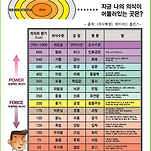



첫댓글 탐구 자료 모음