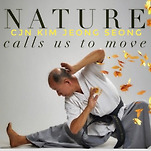
<p style="text-align: left;"></p><div class="figure-img" data-ke-type="image" data-ke-style="alignCenter" data-ke-mobilestyle="widthOrigin"><img src="https://t1.daumcdn.net/cafeattach/1XBdW/7ef5379bdd84770b5ad561ce6f3f23480671cd38" class="txc-image" data-img-src="https://t1.daumcdn.net/cafeattach/1XBdW/7ef5379bdd84770b5ad561ce6f3f23480671cd38" data-origin-width="1024" data-origin-height="1536"></div><p style="text-align: left;"><br>📘 The Three Ki-Mu States and Kimuche<br>— The Density and Stability of Practice<br><br>1. Introduction — Why Three Ki-Mu States?<br><br>As a martial arts instructor,<br>I have long spoken about the ultimate purpose of martial arts training and the most fundamental core that can guide human life toward its highest meaning.<br>That core begins with Energy Flow.<br>Recognizing that flow,<br>experiencing it through the body,<br>and cultivating it through practice until it becomes embodied —<br>this is what forms Kimuche (氣武體).<br><br>I have repeated countless times that this is where true training begins.<br>Once understood,<br>it is remarkably simple and clear.<br>Yet most people either do not know it,<br>overlook it,<br>or pass by it without realizing.<br>For this reason I often say:<br>Those who are meant to encounter it will eventually realize it.<br>In this text, I will attempt to explain Ki-Mu and Kimuche from another perspective.<br><br>2. The Three Ki-Mu — Not Stages, but Density<br><br>The Three Ki-Mu States described here are not stages for increasing technical skill.<br><br>The essence of Ki-Mu training lies in recognizing the principle of “the body moving naturally by itself.”<br>Only when one can truly perceive this principle and allow it to appear through the body does the core of Ki-Mu training become understood.<br>This is what it means to experience Muwi (Non-Doing) directly through the body.<br><br>For thousands of years many expressions have attempted to describe this idea.<br><br>But once it is recognized,<br>it becomes surprisingly simple.<br>Thus the three Ki-Mu states can be explained as:<br>The same principle becoming deeper, more refined, and more stable.<br>They are not separate trainings.<br>They are one principle appearing in three different densities.<br>When that density stabilizes<br>and accumulates continuously in the body,<br>it becomes Kimuche (Kimu- Body, 氣武體).<br><br>Yet even that is not the end.<br>It is the true beginning.<br>From that point onward,<br>through proper speech, thought, and action,<br>one can cultivate a richer and more harmonious life.<br>In other words, martial arts training becomes the foundation for living a more spacious and meaningful life.<br><br>3. First State — 氣武<br>Awakening to Energy Flow<br><br>This stage is the beginning of perceiving the invisible order.<br>Most martial arts teach movement first.<br>Ki-Mu training begins differently.<br>Before movement, it restores the sensation of perceiving the flow of energy.<br><br>The key in this stage is:<br>Before using force,<br>feel the direction of the flow.<br>Before relying on muscles,<br>recognize the center of the flow.<br>Within movement,<br>notice the order that governs it.<br>At this stage the practitioner gradually shifts away from the feeling of<br>“I am moving.”<br>Instead, as if observing from a third-person perspective,<br>one begins to sense:<br>“Something is flowing.”<br>However, this stage still remains at the level of recognizing the flow.<br><br>4. Second State — 氣舞<br>Union with Natural Flow<br><br><br>Here the practitioner goes beyond sensing the flow<br>and begins to align with it.<br>The body no longer moves through force.<br>It moves in accordance with the flow.<br>The movement becomes natural,<br>almost like a spontaneous dance.<br>For this reason it is called Ki-Mu (氣舞).<br>At this stage several changes appear:<br>Tension decreases.<br>Excessive intention fades.<br>Movements become softer and more connected.<br>A fundamental question begins to arise:<br>“Am I moving, or is the flow moving?”<br>Or even:<br>“Am I following the flow, or is the energy carrying me?”<br>As practice deepens,<br>the sense of “I am doing this” diminishes.<br>Instead, movement continues naturally<br>through the influence of energy itself.<br>These experiences gradually lead to deeper reflection and understanding.<br><br>5. Third State — 氣無<br>Non-Doing within Order<br><br><br>This state is the experiential realization of Muwi.<br>Moments of this state may appear earlier during Ki-Mu or Ki-Mu stages,<br>but they usually require time to stabilize.<br><br>In this state:<br>Actions occur,<br>yet there is no sense of “I am doing it.”<br>Even the intention to relax or remove force disappears.<br><br>Excess effort naturally falls away.<br>In this stage:<br>Unnecessary movement disappears.<br>Attachment to results diminishes.<br>From an observing perspective, one begins to recognize that all movement follows a certain order.<br><br>Within Jinyoung Ssangkum Ryu, this condition is sometimes explained using the expression‎ “Muwi Jeongbeop.”<br><br>However, this does not mean that the system was directly transmitted from Taoism or Buddhism.<br><br>It simply borrows familiar terminology to help explain the experience.<br>Muwi does not mean doing nothing.<br><br>It means:<br>Within order, nothing unnecessary is done.<br><br>6. Relationship of the Three Ki-Mu States<br><br><br>The three states are not hierarchical.<br>They represent changes in density.<br>In summary:<br>Ki-Mu (氣武) — Perceiving<br>Ki-Mu (氣舞) — Aligning<br>Ki-Mu (氣無) — Dissolving<br>These three states describe<br>a single flow becoming progressively deeper.<br><br>7. Kimuche (氣武體) — The Stabilized State<br><br><br>Kimuche means that Ki-Mu has become one’s way of life.<br>Even when formal training ends,<br>the internal standard does not disappear.<br><br>Judgment, speech, and action<br>all follow the same natural order.<br>At this point,<br>martial technique,<br>philosophy,<br>and healing<br>are no longer separate.<br>The body itself becomes the reference of order.<br><br>The practitioner transforms from<br>a person who practices Ki-Mu<br>into<br>a person through whom Ki-Mu naturally appears.<br>This is the most important state.<br><br>8. Essential Summary<br><br>Ki-Mu is recognizing the flow.<br>Ki-Mu is moving together with the flow.<br>Ki-Mu is allowing excess to dissolve within the flow.<br>When these three conditions stabilize,<br>Kimuche emerges.<br><br>9. Closing<br>The purpose of training is not simply to increase technique.<br>It is to restore the flow,<br>stabilize the natural order,<br>and live according to that order.<br>At that moment,<br>the love of nature is no longer expressed through words,<br>but transmitted through the body itself.<br><br>------<br>8 March 2026 <br>Founder & President<br>United World Haedong Kumdo Federation<br>Jinyoung Ssangkum Ryu Haedong Kumdo Jeong Seong Kim. <br><br>#Kimu #KimuTraining #EnergyFlow #MartialArtsPhilosophy #JinyoungSsangkumRyuHaedongKumdo<br><br>In Korean 국문 번역<br><br>📘 세 기무(氣武)와 기무체(氣武體)<br>— 수행의 밀도와 안정<br><br>1. 서두 — 왜, 세 기무인가<br><br>무술 지도자의 한 사람으로서<br>나는 인간 삶의 궁극적 목적에 이를 수 있는<br>무술 수련의 최종 목표와<br>그 가장 근원적인 핵심에 대해<br>오랫동안 이야기해 왔다.<br><br>그 핵심은 Energy Flow,<br>즉 보이지 않는 흐름에서 시작한다.<br>그리고 그 흐름을 알아차리고<br>몸으로 체험하며<br>수련을 통해 체화하여<br>기무체(氣武體) 를 이루는 것,<br>그것이 수련의 출발점이라고<br>수없이 반복하여 설명해 왔다.<br><br>알고 나면<br>너무 단순하고 명료하다.<br>그러나 대부분의 사람들은<br>그것을 모르거나<br>간과하거나<br>알게 모르게 지나쳐 버린다.<br><br>그래서 나는 늘 말한다.<br>결국<br>인연 있는 사람은 반드시 이루게 된다.<br><br>이 글에서는<br>기무와 기무체를<br>또 다른 방식으로 설명해 보고자 한다.<br><br>2. 세 기무 — 단계가 아니라 밀도의 변화<br><br>여기서 설명하는 세 기무는<br>술기를 늘리기 위한 단계 구분이 아니다.<br><br>기무 수련의 핵심은<br>“몸이 저절로 움직이는 원리” 를<br>알아차리는 데 있다.<br><br>그리고 그것을<br>실제로 몸으로 행할 수 있을 때<br>비로소 기무 수련의 본질을 이해하게 된다.<br><br>이것은<br>무위(無爲) 를<br>몸으로 직접 체험한다는 의미이다.<br>무위에 대한 설명은<br>수천 년 동안 수없이 전해져 왔다.<br><br>그러나<br>한 번 알아차리는 순간<br>그것은 놀랄 만큼 단순하다.<br><br>따라서<br>세 기무는<br>서로 다른 수련이 아니라<br>같은 원리가<br>깊어지고<br>정제되고<br>안정되는 과정<br>이라고 설명할 수 있다.<br><br>즉<br>세 기무는<br>서로 다른 단계가 아니라<br>하나의 원리가 세 가지 밀도로 나타나는 구조이다.<br><br>그 밀도가 안정되고<br>지속적으로 축적되어<br>몸에 체화되면<br>그때<br>기무체(氣武體) 가 된다.<br><br>그러나 그것은 끝이 아니다.<br>그때부터가<br>진짜 시작이다.<br><br>3. 첫 번째 상태 — 氣武<br>Awakening to Energy Flow<br><br>이 단계는<br>보이지 않는 질서를<br>인식하기 시작하는 단계이다.<br><br>대부분의 무술은<br>동작을 먼저 가르친다.<br>그러나 기무 수련은<br>동작 이전에<br>기운의 흐름을 느끼는 감각을<br>되살리는 것에서 시작한다.<br><br>이 단계에서의 핵심은 다음과 같다.<br><br>1.힘을 쓰기 전에<br>기운 흐름의 방향을 느낀다.<br><br>2. 근육이 아니라<br>기운 흐름의 중심을 본다.<br><br>3. 움직임 속의<br>기운흐름의 질서를 알아차린다.<br><br>이때 수련자는<br>“내가 움직인다”는 감각에서 벗어나<br>마치 제3자의 입장에서<br>자신을 바라보듯<br>“무언가 흐르고 있다”는 감각을<br>서서히 알아차리기 시작한다.<br><br>그러나 이 단계는<br>아직 흐름을 인식하는 단계에 머문다.<br><br>4. 두 번째 상태 — 氣舞<br>Union with Natural Flow<br><br>이 단계에서는<br>흐름을 느끼는 것을 넘어<br>그 흐름과 동조한다.<br><br>몸은 더 이상<br>억지로 움직이지 않는다.<br>흐름에 맞추어 움직인다.<br><br>마치<br>자연스러운 춤처럼<br>움직임이 나타난다.<br><br>그래서 이것을<br>기무(氣舞) 라고 부른다.<br><br>이 단계에서 나타나는 변화는 다음과 같다.<br>긴장이 줄어든다.<br>과도한 의도가 사라진다.<br>동작이 부드럽고 자연스럽게 연결된다.<br><br>“내가 움직이는가,<br>아니면 흐름이 움직이는가?”<br>혹은<br>“내가 흐름을 따라가는가,<br>아니면 기운이 나를 데리고 가는가?”<br><br>수련이 깊어질수록<br>“내가 한다”는 감각을 벗어나,<br>기운에 의해<br>동작의 움직임이 이어지는 경험이<br>자연스럽게 나타난다.<br><br>그 경험은<br>사유의 시작이 되고<br>깨달음으로 이어진다.<br><br>5. 세 번째 상태 — 氣無<br>Non-Doing within Order<br><br>이 단계는<br>무위를 직접 체험하는 상태이다.<br><br>그러나 이 체험은<br>기무나 기무 단계에서도<br>순간적으로 나타날 수 있다.<br><br>다만<br>안정되기까지<br>시간이 걸릴 뿐이다.<br><br>이 상태에서는<br>행하지만<br>내가 하는 것이 없고<br>힘을 빼려는 의도조차<br>필요하지 않다.<br><br>과잉이 자연스럽게<br>사라진 상태이다.<br><br>이 단계에서는<br>불필요한 움직임이 사라지고<br>결과에 대한 집착이 줄어든다.<br><br>그리고<br>모든 움직임이<br>하나의 질서를 따른다는 것을<br>제3자의 시선에서 알아차리게 된다.<br><br>이 상태를<br>진영쌍검류에서는<br>"무위정법"이라는 표현으로 설명하기도 한다.<br><br>그러나 이는<br>도교나 불교의 전통을<br>그대로 전수했다는 의미가 아니다.<br><br>단지<br>이 상태를 설명하기 위해<br>가장 가까운 언어를<br>차용했을 뿐이다.<br><br>무위란<br>아무것도 하지 않는 것이 아니다.<br>질서 안에서<br>불필요한 것을 하지 않는 상태이다.<br><br>6. 세 기무의 관계<br><br>세 기무는<br>위계가 아니다.<br>밀도의 변화이다.<br><br>정리하면<br>기무(氣武) — 알아차림<br>Perceiving<br>기무(氣舞) — 동조<br>Aligning<br>기무(氣無) — 소거<br>Dissolving<br>이 세 상태는<br>하나의 흐름이<br>점점 깊어지는 과정이다.<br><br>7. 기무체(氣武體) — 안정된 상태<br><br>기무체란<br>기무가 삶이 된 상태이다.<br><br>수련이 끝나도<br>기준은 사라지지 않는다.<br><br>판단<br>말<br>행동<br>모든 것이<br>같은 질서를 따른다.<br><br>이때<br>무예<br>철학<br>치유는<br>더 이상<br>분리되지 않는다.<br><br>몸 자체가<br>질서의 기준이 된다.<br><br>수련자는<br>기무를<br>연습하는 사람에서<br>기무가<br>자연스럽게 드러나는 사람으로<br>전환된다.<br><br>이 상태가<br>가장 중요한 상태이다.<br><br>8. 수행의 핵심 정리<br><br>기무는<br>흐름을 알아차리는 것이다.<br><br>기무는<br>흐름과 함께 움직이는 것이다.<br><br>기무는<br>흐름 속에서<br>과잉이 사라지는 것이다.<br><br>그 세 상태가 안정되면<br>기무체가 된다.<br><br>9. 마무리<br><br>수련의 목적은<br>기술을 늘리는 것이 아니다.<br><br>흐름을 복원하고<br>질서를 안정시키고<br>그 질서를 삶으로 살아내는 것이다.<br><br>그때<br>자연의 사랑은<br>말이 아니라<br>몸을 통해<br>전해진다.<br></p><div class="figure-img" data-ke-type="image" data-ke-style="alignCenter" data-ke-mobilestyle="widthOrigin"><img src="https://t1.daumcdn.net/cafeattach/1XBdW/c482f69c02b88f1cb8272d4406c1fee827a934a2" class="txc-image" data-img-src="https://t1.daumcdn.net/cafeattach/1XBdW/c482f69c02b88f1cb8272d4406c1fee827a934a2" data-origin-width="1024" data-origin-height="984"></div><div class="figure-img" data-ke-type="image" data-ke-style="alignCenter" data-ke-mobilestyle="widthOrigin"><img src="https://t1.daumcdn.net/cafeattach/1XBdW/19d2f12f6758cd3d1e29a2f661f5ae1c0a544f9a" class="txc-image" data-img-src="https://t1.daumcdn.net/cafeattach/1XBdW/19d2f12f6758cd3d1e29a2f661f5ae1c0a544f9a" data-origin-width="662" data-origin-height="662"></div><p style="text-align: left;"></p>
<!-- -->