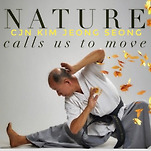
<p style="text-align: left;">In Korean 한글번역<br><a href="https://m.cafe.daum.net/enlightenment-k/dcM5/620?svc=cafeapp" target="_blank" class="ke-link">https://m.cafe.daum.net/enlightenment-k/dcM5/620?svc=cafeapp</a></p><div class="figure-open" contenteditable="false" data-ke-type="opengraph" data-ke-align="alignCenter" data-og-type="website" data-og-title="AGI 시대의 노년 건강을 위한 수련과 성찰 - Part-1" data-og-description="In English 영문번역https://m.cafe.daum.net/enlightenment-k/dcM5/622?svc=cafeappTraining and Reflection for Healthy Aging in the AGI Era - Part-1■ Table of ContentsTraining and Reflection for Hea" data-og-host="m.cafe.daum.net" data-og-source-url="https://m.cafe.daum.net/enlightenment-k/dcM5/620?svc=cafeapp" data-og-url="https://m.cafe.daum.net/enlightenment-k/dcM5/620?svc=cafeapp" data-og-image="http://scrap.kakaocdn.net/dn/cf6aIe/dJMb85WWuiL/l0u04Sji0YQqrkcKmQKbzk/kakaolink40_original.jpg?width=1024&height=1026"><a href="https://m.cafe.daum.net/enlightenment-k/dcM5/620?svc=cafeapp" target="_blank" data-source-url="https://m.cafe.daum.net/enlightenment-k/dcM5/620?svc=cafeapp"><div class="og-image"><img class="thumb_img" src="http://scrap.kakaocdn.net/dn/cf6aIe/dJMb85WWuiL/l0u04Sji0YQqrkcKmQKbzk/kakaolink40_original.jpg?width=1024&height=1026" alt="" xxxxonerror="this.src="//img1.kakaocdn.net/thumb/C200x200/?fname=https%3A%2F%2Ft1.daumcdn.net%2Fcafe_image%2Fcafe_meta_image_190529.png""></div><div class="og-text"><p class="og-title">AGI 시대의 노년 건강을 위한 수련과 성찰 - Part-1</p><p class="og-desc">In English 영문번역https://m.cafe.daum.net/enlightenment-k/dcM5/622?svc=cafeappTraining and Reflection for Healthy Aging in the AGI Era - Part-1■ Table of ContentsTraining and Reflection for Hea</p><p class="og-host">m.cafe.daum.net</p></div></a></div><p style="text-align: left;"></p><div class="figure-img" data-ke-type="image" data-ke-style="alignCenter" data-ke-mobilestyle="widthOrigin"><img src="https://t1.daumcdn.net/cafeattach/1XBdW/cae0fd21582a756b6c46b2a3f454ae2d4d8f9655" class="txc-image" data-img-src="https://t1.daumcdn.net/cafeattach/1XBdW/cae0fd21582a756b6c46b2a3f454ae2d4d8f9655" data-origin-width="764" data-origin-height="721"></div><div class="figure-img" data-ke-type="image" data-ke-style="alignCenter" data-ke-mobilestyle="widthOrigin"><img src="https://t1.daumcdn.net/cafeattach/1XBdW/2f6799a3d9a937f713a78767126509071556406c" class="txc-image" data-img-src="https://t1.daumcdn.net/cafeattach/1XBdW/2f6799a3d9a937f713a78767126509071556406c" data-origin-width="819" data-origin-height="1024"></div><p style="text-align: left;">■ Table of Contents<br>Training and Reflection for Healthy Aging in the AGI Era<br><br>Part 1<br><br>Preface<br><br>A. Mind–Body Training to Sustain Human Integrity in the AGI Era<br><br>1. Senior-Age Training<br>1-1. Definition of Senior-Age Training<br>1-2. Who This Training Is For<br>1-3. Approximate Age Range<br>1-4. Physical Condition of the Target Group<br>1-5. Transition into Senior-Age Training<br>1-6. Who Does Not Need This Training<br><br>2. Body Stiffness and Health in Aging<br><br>2-1. What “The Body Becomes Stiff” Really Means<br>2-2. Main Causes of Stiffness<br>2-3. The Process of Recovery<br>2-3★. Connection with Kimu Training<br>2-4. Health in Older Age<br><br>3. Exercise Methods to Keep the Nervous System Young<br>3-1. Core Principle: Train the Nervous System Before Muscles<br>3-2. Four Elements That Keep the Nervous System Young<br>3-3. The Real Reason the Nervous System Ages<br><br>4. Emotional Changes in Those Who Need Senior-Age Training<br>(Irritability, Impatience, Anger)<br>4-1. The Relationship Between Serotonin and Emotions<br>4-2. Why Anger Increases with Age<br>4-3. Core Insight<br>4-4. Direction for Resolution<br>4-5. Conclusion<br><br>5. Martial Arts Training<br><br>---------------------------------<br><b><span data-ke-size="size20">Training and Reflection for Healthy Aging in the AGI Era</span></b><br><br>Part 1<br><br><b><span data-ke-size="size18">Preface</span></b><br><br>This writing is not intended simply to explain methods of health management or training.<br><br>Rather, it seeks to present a direction for how human beings can sustain themselves and live in the midst of the changes of our current era.<br><br>Old age is not determined by chronological age.<br><br>It begins from the condition of the body and the way recovery unfolds.<br><br>Therefore, what is referred to here as “senior-age training” is the process of recognizing the signals sent by the body and adjusting oneself accordingly.<br><br>This writing is not limited to a specific method of training.<br>Its purpose is to help the reader understand how the same principles apply across movement, sensation, breathing, and all actions in daily life.<br>In the end, what matters is not what we add,<br>but what we no longer accumulate or carry forward.<br><br>With the hope that this writing may serve as a small reference point for understanding oneself through the body,<br>and for returning to a natural state,<br>it has been written.<br><br><b><span data-ke-size="size18">A. Mind–Body Training to Sustain Human Integrity in the AGI Era<br></span></b><br>In the AGI era, while information and technology develop at a rapid pace,<br>the human ability to directly perceive and regulate the signals of one’s own body may instead weaken.<br><br>Therefore, senior-age training is not simply a matter of health management.<br><br>It should be understood as a foundational discipline for maintaining human integrity,<br>and as a “structure of human reflection” based on a level of understanding appropriate to this era.<br><br>It is, in essence, an invitation for each individual to develop their own understanding through structural insight into:<br><br>○ understanding movement and emotion through the body<br><br>○ the interconnected structure of martial arts → philosophy → healing<br><br>Here, “martial arts” does not necessarily refer only to swordsmanship or combat.<br><br>The same principles can be applied to anything one has practiced throughout life—<br>art, physical activity, profession, or even one’s lifestyle.<br><br>This is because the fundamental principles of the world ultimately return to questions of the body and mind, flow and balance.<br><br>Likewise, when one understands the essential principle behind what is called “Kimu training,”<br>that same principle can be found within any form of movement-based activity or practice one engages in.<br><br>If it is not perceived in that way,<br>it is simply because one has not yet fully understood it.<br><br>This writing is based on personal experience and observation of those around me,<br>and is intended to share a perspective on training for healthy aging in the AGI era.<br><br><b><span data-ke-size="size18">1. Senior-Age Training<br><br>1-1. Definition of Senior-Age Training<br></span></b><br>Senior-age training is not defined by age.<br>It refers to training that recognizes and responds to the signals sent by the body.<br><br>Old age does not arrive simply because time has passed.<br><br>Rather, it begins when various abnormal signals begin to appear throughout the body,<br>when daily life becomes less comfortable,<br>when residual fatigue lingers,<br>and when recovery slows and begins to accumulate rather than fully resolve.<br><br>That point is what should be regarded as the beginning of senior-age training.<br><br><b><span data-ke-size="size18">1-2. Who This Training Is For</span></b><br><br>The term “senior age” does not refer to age itself.<br><br>In this context, it is defined not by years lived,<br>but by the condition of the body.<br><br>When recovery speed decreases,<br>when exertion leaves traces that accumulate,<br>when the time required to recover from fatigue becomes longer than before,<br>and when one begins to clearly feel those lingering effects—<br>that is the point at which one should be considered a candidate for senior-age training.<br><br><b><span data-ke-size="size18">1-3. Approximate Age Range</span></b><br><br>Based on personal experience and observation:<br><br>○ In earlier cases: early to mid-50s<br>○ Most commonly: late 50s to early 60s<br>○ In later cases: mid to late 60s<br><br>In Western individuals, the onset tends to occur somewhat earlier,<br>but it is also observed that they often possess relatively stronger musculoskeletal support compared to many East Asians.<br><br>However, even among those over the age of 70,<br>there are individuals whose recovery systems remain active.<br><br>In such cases, although they are chronologically in old age,<br>their physical and mental condition remains at a relatively intact and functional level.<br><br><br><b><span data-ke-size="size18">1-4. Physical Condition Indicators<br></span></b><br>The need for senior-age training tends to arise when three or more of the following conditions appear, either individually or in combination:<br><br>① Slower recovery<br>Fatigue that previously resolved within a day now continues for two or three days<br><br>② Residual sensation after training<br>A feeling of heaviness in the body, shallow breathing, or difficulty falling asleep<br>(This may be one of the most important signals)<br><br>③ Fluctuation in measurable conditions<br>Blood sugar, blood pressure, heart rate, sleep patterns, etc., begin to fluctuate without clear cause<br><br>④ Upward shift of center<br>The shoulders react first<br>The mind becomes hurried<br>Speech becomes faster<br>Understanding of others decreases<br>One unconsciously insists more strongly on one’s own views<br>This may also manifest as increased stubbornness, reduced emotional flexibility, and a tendency toward irritation or anger.<br><br>⑤ Easy stiffness in the body<br>Shoulders, lower back, spine, knees, pelvis, etc., become easily stiff<br>Even without excessive exertion,<br>muscles tighten unconsciously,<br>and tension or stress becomes frozen or prolonged, sometimes leading to pain.<br><br><b><span data-ke-size="size18">1-5. Transition into Senior-Age Training<br><br></span><span data-ke-size="size16">Even when training in the same way as before,<br>the body no longer improves.<br>Instead, efficiency and effectiveness begin to decrease.<br><br>In such cases,<br>this can lead to injury, disrupted sleep, unstable blood sugar or blood pressure, and increased impatience.</span><span data-ke-size="size18"><br></span></b><br><br><b><span data-ke-size="size18">1-6. Who Does Not Need This Training<br></span></b><br>If the following conditions are present:<br><br>○ Fast recovery after training<br>○ Deep and stable sleep<br>○ A light body the next day<br>○ Stable physiological indicators<br>○ No issues even when tension is not actively released<br><br>Then, even if one is older in age,<br>one is not yet considered to be in need of senior-age training.<br><br>However, even in such cases,<br>it is essential to be able to observe one’s changing physical and mental state carefully,<br>moment by moment,<br>immediately,<br>and continuously.<br><br>“One only becomes aware to the extent that one has made the effort to become aware.<br>This is why human beings must continue learning until the very end.”<br><br><b><span data-ke-size="size18">2. Body Stiffness and Health in Aging<br><br>2-1. What “The Body Becomes Stiff”</span></b> <b><span data-ke-size="size18">Really Means</span></b><br><br>Many people say that the body becomes stiff with age.<br><br>Most assume this means that the muscles themselves have become hard.<br><br>However, in reality, this is usually not a problem of the muscles themselves,<br>but rather a protective response of the nervous system.<br><br>When the body detects danger, it initiates the following process:<br><br>○ The brain sends signals of tension<br>○ Muscle tension increases<br>○ Joint movement becomes restricted<br>○ Fascial tension increases<br>○ Sensitivity to pain increases<br><br>This is not preparation for attack,<br>but an instinctive protective state designed to prevent damage.<br><br>In other words,<br>the body is not simply becoming stiff— it is protecting itself.<br><br>Therefore, what we are observing is a form of “defensive tension” created by the nervous system,<br>and the primary reason for stiffness lies in the judgment of the brain and nervous system.<br><br>Furthermore, what actually becomes “stiff” is not only the muscles,<br>but also:<br><br>○ the way the nervous system responds<br>○'the diversity of movement<br>○ the overall connectivity of the body<br><br>The body is not merely a mass of muscles.<br><br>It is a biological system organized by the nervous system through patterns of stimulus and response.<br><br><br><b><span data-ke-size="size18">2-2. Main Causes of Stiffness</span></b><br><br>① Decrease in movement<br><br>When the variety and frequency of movement decrease:<br><br>○ Range of motion is reduced<br>○ Muscle mass and fascial elasticity decline<br>○ Neural response speed decreases<br><br>In other words,<br>when movement decreases,<br>the body gradually becomes weaker, simpler,<br>and less adaptable in terms of speed, balance, and responsiveness.<br><br>② A tension-dominant nervous system<br><br>Modern life exposes people to stress, worry, and excessive information.<br><br>As a result,<br>the nervous system becomes dominated by the sympathetic state.<br><br>This leads to:<br><br>○ increased muscle tension<br>○ shallow breathing<br>○ restricted and unnatural movement<br><br>This condition is also related to what is commonly referred to as autonomic nervous system imbalance.<br><br>③ Simplification of movement<br><br>Modern lifestyles—long periods of sitting, smartphone use, and reliance on vehicles—<br>have drastically simplified movement patterns.<br><br>As a result:<br><br>the body is used in limited directions<br>overall connectivity is reduced<br><br><b><span data-ke-size="size18">2-3. The Process of Recovery</span></b><br><br>The core elements of recovery are as follows:<br><br>① Nervous system stability<br>A state in which the body perceives itself as safe<br>→ the starting point of all recovery<br><br>② Restoration of breathing<br>Breathing becomes natural and deeper<br>→ directly connected to nervous system stability<br><br>③ Fascial lubrication<br>The sliding between tissues is restored<br>→ movement becomes smoother<br><br>④ Increased blood flow<br>Oxygen and nutrients are sufficiently supplied<br>→ tissue function improves<br><br>⑤ Lymphatic circulation<br>Waste products are removed<br>→ the body feels lighter<br><br>⑥ Sensory recovery<br>The ability to feel the body returns<br>→ unnecessary tension disappears<br><br>⑦ Joint mobility restoration<br>Joints open naturally<br>→ movement is no longer restricted<br><br>⑧ Rhythm restoration<br>Breathing, heart rhythm, and subtle body movements return<br>→ the body becomes naturally integrated<br><br>⑨ Psychological stability<br>Anxiety decreases and a sense of calm emerges<br>→ tension is released<br><br>⑩ Natural alignment<br>The body structure regains balance<br>→ force flows naturally<br><br>All of these are connected in a single flow:<br><br><span style="color: #006DD7;">Recognition of safety → Nervous system stability → Breathing → Circulation → Sensation → Movement</span><br><br>In other words,<br>the body does not relax through physical force,<br>but rather releases itself when conditions of safety are established.<br><br><b><span data-ke-size="size18">2-3★. Connection with Kimu Training</span></b><br><br>Kimu training is a form of training that creates all of these conditions simultaneously.<br><br>As a result:<br><br>○ the nervous system stabilizes<br>○ sensory awareness is restored<br>○ the body begins to move naturally<br><br>Kimu training is an integrated system that simultaneously addresses:<br><br>○ nervous system stability<br>○ restoration of breathing<br>○ recovery of sensation<br>○ improvement of circulation<br>○ natural alignment<br><br>Therefore, it is not simply exercise,<br>but a method that allows the body to rediscover and return to its own conditions for recovery.<br><b><span data-ke-size="size18"><br>2-4. Health in Older Age<br></span></b><br>Health in older age is determined by the following three factors:<br><br>① Flexibility of the Nervous System<br>One of the most important elements that determines youthfulness is the responsiveness of the nervous system.<br><br>Balance, reaction speed, and coordination of the body—<br>when these are maintained, the body continues to move naturally and youthfully even with age.<br><br>② Diversity of Movement<br>For the body to remain healthy, it requires experience and mastery of various movements such as:<br><br>○ walking<br>○ rotation<br>○ balance<br>○ rhythm<br><br>③ Ability to Release Tension<br>A healthy body is not one that simply creates tension,<br>but one that can release it.<br><br>In other words, strong recovery ability<br>is what sustains and strengthens health in older age.<br><br>④ Core Principle of Health in Older Age<br>Health in aging is not determined by muscle size,<br>but by the naturalness of the body.<br><br>When the body moves naturally:<br><br>○ balance is maintained<br>○ joints are protected<br>○ the nervous system stabilizes<br><br>Therefore, the body does not become stiff simply because a person ages.<br><br>It becomes stiff because the ability to use the body naturally is lost.<br><br>Thus, the essence of health in older age is<br><span style="color: #006DD7;">training that restores the body’s natural state.</span><br><br><b>“Technology advances civilization,<br>but training completes the human being.<br>When the body reconnects with nature,<br>life itself regains balance.”<br></b><br><br><b><span data-ke-size="size18">3. Exercise Methods to Keep the Nervous System Young<br><br></span><span data-ke-size="size16">While maintenance and consistency are important for health in older age,<br>a higher-level concept is maintaining the <span style="color: #006DD7;">rhythm of life,</span><br>and developing the ability to recover:<br><br>○ in the moment<br>○ immediately<br>○ continuously<br><br>The key to keeping the nervous system young is not simply strength,<br>but how well one maintains neural connection, speed, and sensory awareness.</span><span data-ke-size="size18"><br><br>3-1. Core Principle: Train the Nervous System First</span></b><br><br>People who maintain function even as they age share the following traits:<br><br>○ maintaining connection between nerves and muscles<br><br>○ maintaining sensory awareness (eyes, ears, body)<br><br>○ maintaining quick responsiveness (adaptive ability)<br><br>In other words,<br>training that preserves <span style="color: #006DD7;">connection</span> is more important than training that builds strength.<br><br><b><span data-ke-size="size18">3-2. Four Elements That Keep the Nervous System Young<br></span></b><br>① <b>Balance Training</b><br>Standing on one leg, balancing with eyes closed, changing direction<br><br>Effects:<br>Activation of the vestibular system and proprioception<br>→ directly related to fall prevention<br><br>② <b>Coordination Training</b><br>Table tennis, double-sword training, throwing and catching a ball,<br>or any activity requiring interaction or bilateral coordination<br><br>Effects:<br>Strengthens the connection between brain and body<br>→ far more important than simple strength training<br><br>③ <b>Rhythm Training</b><br>Moving with a consistent tempo, connecting breath with movement,<br>maintaining flow in repetitive motion<br><br>Effects:<br>Activation of the cerebellum<br>→ improvement of automatic movement<br><br>④ Sensory Training<br>Walking barefoot<br>Moving slowly while feeling sensations<br>Recognizing changes in pressure through the feet<br><br>Effects:<br>Improves body awareness and spatial perception<br><br><b><span data-ke-size="size18">Key Principle<br></span></b><br>The most important condition is<br>“accurate sensation rather than speed.”<br><br>As one ages,<br>slow but precise movement<br>is more important than fast movement.<br><br>This is because the nervous system is maintained not by speed,<br>but by accuracy.<br><br><br><b><span data-ke-size="size18">3-3. The Real Reason the Nervous System Ages</span></b><br><br>Many people overlook the fact that the nervous system does not age simply because of time,<br>but because it is not used.<br><br>The real issue in aging is not “aging itself,”<br>but the fixation of neural usage patterns.<br><br>When:<br><br>○ only repetitive, simple movements are performed<br><br>○ no new movement is introduced<br><br>○ sensory awareness is not used<br><br>neural connections decrease.<br><br>The nervous system deteriorates not by time,<br>but by <span style="color: #006DD7;">habitual patterns of use.</span><br><br><span data-ke-size="size18">Three Reasons the Nervous System Ages<br></span><br><span data-ke-size="size18">① Lack of Use<br></span><br><b>Principle</b>:<br>Unused neural pathways weaken<br><br>Result:<br><br>○ reduced sensitivity<br>○ slower reaction<br>○ awkward movement<br>○ reduced speech fluency<br><br><span data-ke-size="size18">Key Point</span>:<br>It is not “aging because one does not move,”<br>but rather<br>“<span style="color: #006DD7;">aging because one does not feel.”<br></span><br><span data-ke-size="size18">Training Approach</span>:<br><br>○ slow movement<br>○ sensing the body<br>○ repeated awareness of subtle changes<br><br><span data-ke-size="size18">② Chronic Tension</span><br><br><b>Principle</b>:<br>Continuous tension leads to:<br><br>○ overload of the nervous system<br>○ reduced recovery ability<br>○ emotional hypersensitivity<br><br><b>Result</b>:<br><br>○ increased irritability<br>○ easier anger<br>○ overreaction to small stimuli<br><br><b>Core Insight:<br></b><br>The nervous system is not simply aging—<br>it is becoming exhausted.<br><br><b>Training Approach</b>:<br><br>○releasing unnecessary force<br>○even breathing<br>○calm mental state<br>○slow movement<br><br>These allow the nervous system to <span style="color: #006DD7;">rest and recover</span>.<br><br><span data-ke-size="size18">③ Repetitive Single Stimulation<br></span><br><b>Principle</b>:<br>Repeating the same stimulus reduces neural connections<br>and limits function through adaptation<br><br><b>Examples</b>:<br><br>○ repeating the same exercise<br>○ fixed lifestyle patterns<br>○ repetitive thought patterns<br><br><b>Result</b>:<br>Reduced ability to adapt to change<br><br><b>Training Approach</b>:<br><br>movement in multiple directions<br>variation in rhythm<br>left-right balance training<br><br><b>Conclusion<br></b><br>The structure of nervous system aging is created by:<br><br>○ lack of use<br>○ accumulation of tension<br>○ repetitive stimulation<br><br>The structure of recovery is created by:<br><br>○sensory use<br>○release of tension<br>○diverse stimulation<br><br><b>Summary<br></b><br>To keep the nervous system young:<br><br>□ Continue to use your senses<br>□ Maintain connection within the body<br>□ Activate automatic movement<br><br><br><b><span data-ke-size="size18">4. Emotional Changes in Senior-Age Training<br></span><span data-ke-size="size16">(Irritability, Impatience, Anger)</span><span data-ke-size="size18"><br><br>4-1. Serotonin and Emotions<br></span></b><br>Serotonin is a key neurotransmitter responsible for:<br><br>○ emotional stability<br>○ impulse control<br>○ maintaining calmness<br><br>When serotonin decreases:<br><br>○ increased sensitivity<br>○ irritability<br>○ reduced emotional control<br>○ increased anxiety and impatience<br><br>Thus,<br>it is not that anger increases,<br>but that the ability to regulate emotion decreases.<br><br><br><b><span data-ke-size="size18">4-2. Why Anger Increases with Age</span></b><br><br>Anger increases in older age due to multiple factors:<br><br>① Reduced nervous system recovery<br>→ emotions last longer after activation<br><br>② Changes in frontal lobe function<br>→ reduced impulse control<br><br>③ Dopamine–serotonin imbalance<br>→ increased gap between expectation and reality<br><br>④ Physical discomfort<br>→ pain, fatigue, sleep disturbance<br><br>⑤ Psychological changes<br>→ reduced social roles, reduced sense of control<br><br><b><span data-ke-size="size18">4-3. Core Insight</span></b><br><br>Anger in older age is not personality deterioration,<br>but the result of changes in the body and nervous system.<br><br><b><span data-ke-size="size18">4-4. Direction for Resolution</span></b><br><br>More important than medication or supplements:<br><br>① Regulation through the body<br><br>○ rhythmic movement<br>○ exposure to sunlight<br><br>② Nervous system stabilization<br><br>○ slow movement<br>○ breath-body connection<br><br>This directly connects to <span style="color: #006DD7;">Kimu training.<br></span><br><b><span data-ke-size="size18">Kimu Training Flow<br></span></b><br>Structure → Restoration of flow → Self-regulation<br><br>Results include:<br><br>○ relaxation of pelvic floor, abdomen, and breathing<br>○ reduced sympathetic overactivation<br>○ improved diaphragm movement<br>○ stabilization of breathing and sleep<br>○ indirect improvement of blood sugar, digestion, and overall rhythm<br><br><b><span data-ke-size="size18">Most Practical Way to Reduce Anger<br></span></b><br>The key is not suppression,<br>but preventing it from rising.<br><br>Suppressing anger causes accumulation,<br>and eventual explosion leads to regret.<br><br>Emotion should not be “processed,”<br>but allowed to <span style="color: #006DD7;">pass through</span>.<br><br><b><span data-ke-size="size18">Core of Kimu<br></span></b><br>○release unnecessary force<br>○move naturally<br>○follow the flow of body energy<br><br>This leads directly to:<br><br>○serotonin stability<br>○nervous system recovery<br>○emotional stability<br><br>As one ages,<br>it is not that emotions increase,<br>but that emotions become <span style="color: #006DD7;">trapped in a stiff body.<br></span><br>When the body is released,<br>those emotions naturally disappear.<br><br><b><span data-ke-size="size18">4-5. Conclusion</span></b><br><br>Serotonin deficiency may contribute to irritability,<br>but anger in older age is a combined result of:<br><br>○ nervous system<br>○ body condition<br>○ life structure<br><br>And importantly,<br>this is a <span style="color: #006DD7;">recoverable condition</span>.<br><br>The fastest way to reduce anger<br>is not to control the mind,<br>but to <span style="color: #006DD7;">restore the body.<br></span><br>“When understanding (thought) becomes faster,<br>the body no longer suffers unnecessarily.”<br><br><br><b><span data-ke-size="size18">5. Martial Arts Training</span></b><br><br>This is precisely what is referred to in Jinyoung Ssangkum Ryu martial arts as<br>Muwi (non-doing), natural movement, and the flow of Ki—all directly connected as one.<br><br>In the end, when the body becomes stiff,<br>it is not because the body has weakened,<br>but because it is signaling that it is protecting itself.<br><br>Therefore, true training is not about forcefully loosening the body,<br>but about creating the conditions in which the body can release itself naturally.<br><br>Martial arts training can be understood in two directions:<br><br>○ Conventional approach<br>Muscle → Power → Technique<br><br>○ Training based on natural principles<br>Nervous system stability → Body connection → Natural movement<br><br>Kimu training belongs to the latter.<br><br>The method of Kimu training<br>has an ideal structure for maintaining the nervous system.<br><br>Because it inherently includes:<br><br>○ balance<br>○ coordination<br>○ sensory awareness<br>○ flow<br><br>In particular,<br>the state of “moving naturally” simultaneously produces:<br><br>○ activation of the cerebellum<br>○ increased neural efficiency<br>○ maintenance of reaction speed<br><br><b><span data-ke-size="size18">Tension State<br></span></b><br>○ slow movement<br>○ fragmented power<br>○ delayed response<br><br><b><span data-ke-size="size18">Stable Nervous System</span></b><br><br>○ natural movement<br>○ connected power<br>○ fast response<br><br><b><span data-ke-size="size18">True Training<br></span></b><br>True martial arts training is not about building muscle,<br>but about releasing tension and restoring natural movement.<br><br><b><span data-ke-size="size18">Core of Kimu Training<br></span></b><br>○ no forced effort<br>○ stable nervous system<br>○ alignment with natural flow<br><br>Movement becomes:<br><br><span style="color: #006DD7;">not “I move,”<br>but “the body moves by itself.”<br></span><br>This is directly connected to:<br><br>○ Muwi (non-doing)<br>○ natural movement<br>○ flow of Ki<br><span style="color: #006DD7;"><br>“When the body opens,<br>awareness follows,<br>and energy flows naturally.”</span><br><br>----------------<br><br>Tuesday, April 28, 2026<br>Founder of Jinyoung Ssangkum Ryu Haedong Kumdo<br>Jeong Seong Kim<br><br>------------------<br>#JinyoungSsangkumRyu<br>#JinyoungSsangkumRyuHaedongKumdo<br>#HaedongKumdo<br>#KimuTraining<br>#Muwi<br>#FollowTheEnergy<br>#MartialArtsPhilosophy<br>#MindBodyTraining<br>#HealingThroughMovement<br>#HealthyAging<br>#AGIEra<br>#SeniorTraining<br>#NaturalMovement<br>#KiFlow<br>#UnitedWorldHaedongKumdoFederation</p><div class="figure-img" data-ke-type="image" data-ke-style="alignCenter" data-ke-mobilestyle="widthOrigin"><img src="https://t1.daumcdn.net/cafeattach/1XBdW/9cf01e4ab6f53facae3e1c2b1f32a0deb65622c9" class="txc-image" data-img-src="https://t1.daumcdn.net/cafeattach/1XBdW/9cf01e4ab6f53facae3e1c2b1f32a0deb65622c9" data-origin-width="1024" data-origin-height="1360"></div><div class="figure-img" data-ke-type="image" data-ke-style="alignCenter" data-ke-mobilestyle="widthOrigin"><img src="https://t1.daumcdn.net/cafeattach/1XBdW/5d1331122a6c60cef8b0ee35b8981bd6f3e21d17" class="txc-image" data-img-src="https://t1.daumcdn.net/cafeattach/1XBdW/5d1331122a6c60cef8b0ee35b8981bd6f3e21d17" data-origin-width="828" data-origin-height="823"></div><div class="figure-img" data-ke-type="image" data-ke-style="alignCenter" data-ke-mobilestyle="widthOrigin"><img src="https://t1.daumcdn.net/cafeattach/1XBdW/d94ad0d49932243a1e057c052c4a54a2b028c733" class="txc-image" data-img-src="https://t1.daumcdn.net/cafeattach/1XBdW/d94ad0d49932243a1e057c052c4a54a2b028c733" data-origin-width="757" data-origin-height="811"></div><div class="figure-img" data-ke-type="image" data-ke-style="alignCenter" data-ke-mobilestyle="widthOrigin"><img src="https://t1.daumcdn.net/cafeattach/1XBdW/d098462b41151b7ecf7cf9e5a12aeb30daf93a2a" class="txc-image" data-img-src="https://t1.daumcdn.net/cafeattach/1XBdW/d098462b41151b7ecf7cf9e5a12aeb30daf93a2a" data-origin-width="881" data-origin-height="1390"></div><div class="figure-img" data-ke-type="image" data-ke-style="alignCenter" data-ke-mobilestyle="widthOrigin"><img src="https://t1.daumcdn.net/cafeattach/1XBdW/5c0880ae34a8dbe87aefad6eef215779681b071c" class="txc-image" data-img-src="https://t1.daumcdn.net/cafeattach/1XBdW/5c0880ae34a8dbe87aefad6eef215779681b071c" data-origin-width="1024" data-origin-height="1006"></div><div class="figure-img" data-ke-type="image" data-ke-style="alignCenter" data-ke-mobilestyle="widthOrigin"><img src="https://t1.daumcdn.net/cafeattach/1XBdW/473e9a1ccc727c32823fe9dcdb1de6c40774cf5e" class="txc-image" data-img-src="https://t1.daumcdn.net/cafeattach/1XBdW/473e9a1ccc727c32823fe9dcdb1de6c40774cf5e" data-origin-width="1024" data-origin-height="1007"></div><div class="figure-img" data-ke-type="image" data-ke-style="alignCenter" data-ke-mobilestyle="widthOrigin"><img src="https://t1.daumcdn.net/cafeattach/1XBdW/0a73c52e1295be31a0827cf816ba2ab9f5e255ff" class="txc-image" data-img-src="https://t1.daumcdn.net/cafeattach/1XBdW/0a73c52e1295be31a0827cf816ba2ab9f5e255ff" data-origin-width="759" data-origin-height="751"></div>
<!-- -->