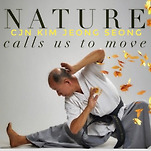
<p style="text-align: left;"><a href="https://m.cafe.daum.net/enlightenment-k/dcM5/663?svc=cafeapp" target="_blank" class="ke-link">https://m.cafe.daum.net/enlightenment-k/dcM5/663?svc=cafeapp</a></p><div class="figure-open" contenteditable="false" data-ke-type="opengraph" data-ke-align="alignCenter" data-og-type="website" data-og-title="USA Online Zoom Class(Part-1) – July 25, 2026" data-og-description="USA Online Zoom Class(Part-1) – July 25, 2026Today, we held our USA Online Zoom Class with students from across the United States.Rather than simply teaching techniques, today's lesson f" data-og-host="m.cafe.daum.net" data-og-source-url="https://m.cafe.daum.net/enlightenment-k/dcM5/663?svc=cafeapp" data-og-url="https://m.cafe.daum.net/enlightenment-k/dcM5/663?svc=cafeapp" data-og-image="http://scrap.kakaocdn.net/dn/QEvNe/dJMb8SpWoKT/HfnEVm2rslWbFo45BbijK0/kakaolink40_original.jpg?width=1024&height=730"><a href="https://m.cafe.daum.net/enlightenment-k/dcM5/663?svc=cafeapp" target="_blank" data-source-url="https://m.cafe.daum.net/enlightenment-k/dcM5/663?svc=cafeapp"><div class="og-image"><img class="thumb_img" src="http://scrap.kakaocdn.net/dn/QEvNe/dJMb8SpWoKT/HfnEVm2rslWbFo45BbijK0/kakaolink40_original.jpg?width=1024&height=730" alt="" xxxxonerror="this.src="//img1.kakaocdn.net/thumb/C200x200/?fname=https%3A%2F%2Ft1.daumcdn.net%2Fcafe_image%2Fcafe_meta_image_190529.png""></div><div class="og-text"><p class="og-title">USA Online Zoom Class(Part-1) – July 25, 2026</p><p class="og-desc">USA Online Zoom Class(Part-1) – July 25, 2026Today, we held our USA Online Zoom Class with students from across the United States.Rather than simply teaching techniques, today's lesson f</p><p class="og-host">m.cafe.daum.net</p></div></a></div><p style="text-align: left;"></p><div class="figure-img" data-ke-type="image" data-ke-style="alignCenter" data-ke-mobilestyle="widthOrigin"><img src="https://t1.daumcdn.net/cafeattach/1XBdW/067c33bc684b8725310a43495a6aa98936fc956e" class="txc-image" data-img-src="https://t1.daumcdn.net/cafeattach/1XBdW/067c33bc684b8725310a43495a6aa98936fc956e" data-origin-width="1448" data-origin-height="1086"></div><p style="text-align: left;"><span style="color: #006DD7;"><span data-ke-size="size20"><br><br>Online Class Review (Part 2): Anatomical and Biomechanical Foundations of KiMu</span></span><br><br>온라인 클래스 리뷰 (2) : 기무의 해부학적·근골격학적 기초 원리<br><br>---<br><br>Online Class Review (Part 2): Anatomy, Musculoskeletal Biomechanics, and the Principles of KiMu<br><br>In this online class, we began by reviewing the basic KiMu postures that we covered in the previous session in greater detail.<br><br>We emphasized that the foundations of two-sword training and KiMu originate from the same underlying principle, demonstrating this through practical movements and hands-on practice together.<br><br>We also explained the Three States of KiMu and the concept of the KiMu Body (KiMuche), encouraging students not only to understand these concepts intellectually but also to reflect on their meaning through practice.<br><br>Throughout the class, we highlighted that martial techniques, philosophy, and healing are not separate disciplines, but different expressions of the same fundamental principle.<br><br>In particular, we practiced several of the twelve basic KiMu postures while exploring their musculoskeletal mechanics, helping students understand the function and purpose of each movement from both an anatomical and practical perspective.<br><br>In addition to practicing the fundamental KiMu postures, we examined how the position of the elbows influences the direction and intensity of energy flow throughout the body. We also explored the anatomical structure and functional relationship of the radius and ulna, together with the biomechanical role of the forearm musculature.<br><br>Special attention was given to how the forearm muscles contribute to pronation and supination, as well as to the efficient transmission of force during movement. These rotational mechanisms of the radius and ulna are fundamental not only to swordsmanship but also to KiMu training, providing an anatomical basis for understanding how energy is generated, transmitted, expanded, and converged through coordinated movement.<br><br>Through this approach, students studied the underlying principles by which KiMu training integrates structural alignment, forearm rotational mechanics, breathing, and coordinated movement into a unified practice.<br><br>#JinyoungSsangkumRyu #HaedongKumdo #KiMu #KiMuPractice #Anatomy #Biomechanics #RadiusAndUlna #Pronation #Supination #Swordsmanship #Healing #MartialArts #EnergyFlow #UnitedWorldHaedongKumdoFederation<br><br>----<br><br><span style="color: #006DD7;"><span data-ke-size="size20">온라인 클래스 리뷰 (2) : 해부학, 근골격학, 그리고 기무의 원리</span></span><br><br>이번 온라인 클래스에서는 지난 시간에 배웠던 기본 기무(KiMu) 자세를 더욱 심도 있게 복습하며 수업을 시작하였다.<br><br>기무와 쌍검 수련의 근원이 동일한 원리에서 비롯된다는 점을 강조하였으며, 이를 실제 동작과 함께 직접 시연하고 함께 수련하면서 이해를 높였다.<br><br>또한 기무의 세 가지 상태(Three States of KiMu)와 기무체(KiMuche)의 개념을 설명하며, 단순한 이론적 이해를 넘어 실제 수련을 통해 그 의미를 스스로 체득할 수 있도록 지도하였다.<br><br>수업 전반에 걸쳐 무술의 술기, 철학, 그리고 힐링은 서로 다른 분야가 아니라 하나의 근본 원리가 다양한 형태로 표현된 것임을 강조하였다.<br><br>특히 기본 기무 12가지 자세 중 여러 동작을 직접 수련하면서 각 자세의 근골격학적 원리를 함께 분석하여, 각각의 동작이 가지는 기능과 목적을 해부학적·실용적 관점에서 이해하도록 하였다.<br><br>또한 기본 기무를 실행하는 과정에서 팔꿈치의 위치 변화에 따라 기운의 흐름과 전달 정도가 어떻게 달라지는지를 직접 체험하며 비교하였다. <br><br>아울러 요골(Radius)과 척골(Ulna)의 해부학적 구조와 기능적 관계, 그리고 전완부의 근골격학적 작용을 중심으로 분석하였다.<br><br>특히 전완근이 **회내(Pronation)**와 회외(Supination) 운동에 어떠한 역할을 하는지, 그리고 그 움직임이 힘의 전달에 어떻게 기여하는지를 중점적으로 살펴보았다. <br><br>이러한 요골과 척골의 회전 메커니즘은 검술뿐만 아니라 기무 수련에서도 매우 중요한 핵심 원리이며, 기운이 생성되고 전달되며, 발산되고 다시 수렴되는 과정을 해부학적으로 이해하는 중요한 기초가 된다.<br><br>이를 바탕으로 기무 수련이 인체의 구조적 정렬, 전완의 회전 메커니즘, 호흡, 그리고 전신의 협응된 움직임을 하나로 통합하는 원리임을 함께 탐구하였다.<br><br><br>#진영쌍검류 #해동검도 #기무 #기무수련 #해부학 #근골격학 #요골 #척골 #회내 #회외 #검술 #힐링 #기의흐름 #무술철학 #세계해동검도연합회<br><br>---<br>2026.7.25 <br>미국 온라인 수업에서<br>JS Kim </p><div class="figure-img" data-ke-type="image" data-ke-style="alignCenter" data-ke-mobilestyle="widthOrigin"><img src="https://t1.daumcdn.net/cafeattach/1XBdW/76c24185ec24c63adf185ce8bfed31b4db920da0" class="txc-image" data-img-src="https://t1.daumcdn.net/cafeattach/1XBdW/76c24185ec24c63adf185ce8bfed31b4db920da0" data-origin-width="1536" data-origin-height="710"></div><p style="text-align: left;"></p><div class="figure-img" data-ke-type="image" data-ke-style="alignCenter" data-ke-mobilestyle="widthOrigin"><img src="https://t1.daumcdn.net/cafeattach/1XBdW/ea85c8d39981de62b517d3fce904d162f159753a" class="txc-image" data-img-src="https://t1.daumcdn.net/cafeattach/1XBdW/ea85c8d39981de62b517d3fce904d162f159753a" data-origin-width="4000" data-origin-height="1848"></div><div class="figure-img" data-ke-type="image" data-ke-style="alignCenter" data-ke-mobilestyle="widthOrigin"><img src="https://t1.daumcdn.net/cafeattach/1XBdW/96fab579fe366affb99cc237c246efa07ba508e5" class="txc-image" data-img-src="https://t1.daumcdn.net/cafeattach/1XBdW/96fab579fe366affb99cc237c246efa07ba508e5" data-origin-width="4000" data-origin-height="1848"></div><div class="figure-img" data-ke-type="image" data-ke-style="alignCenter" data-ke-mobilestyle="widthOrigin"><img src="https://t1.daumcdn.net/cafeattach/1XBdW/208ede839ec12732de82bc424c6eced0527c94a8" class="txc-image" data-img-src="https://t1.daumcdn.net/cafeattach/1XBdW/208ede839ec12732de82bc424c6eced0527c94a8" data-origin-width="4000" data-origin-height="1848"></div><div class="figure-img" data-ke-type="image" data-ke-style="alignCenter" data-ke-mobilestyle="widthOrigin"><img src="https://t1.daumcdn.net/cafeattach/1XBdW/849b9a7b50422d7809b2e53145714669c41f1d27" class="txc-image" data-img-src="https://t1.daumcdn.net/cafeattach/1XBdW/849b9a7b50422d7809b2e53145714669c41f1d27" data-origin-width="1078" data-origin-height="570"></div><div class="figure-img" data-ke-type="image" data-ke-style="alignCenter" data-ke-mobilestyle="widthOrigin"><img src="https://t1.daumcdn.net/cafeattach/1XBdW/98ec3804db0dc65007d2c6ec896973b1756230a3" class="txc-image" data-img-src="https://t1.daumcdn.net/cafeattach/1XBdW/98ec3804db0dc65007d2c6ec896973b1756230a3" data-origin-width="791" data-origin-height="791"></div><p style="text-align: left;"></p><div class="figure-img" data-ke-type="image" data-ke-style="alignCenter" data-ke-mobilestyle="widthOrigin"><img src="https://t1.daumcdn.net/cafeattach/1XBdW/f9ce925234d78e4c7c174de09c352333854332d7" class="txc-image" data-img-src="https://t1.daumcdn.net/cafeattach/1XBdW/f9ce925234d78e4c7c174de09c352333854332d7" data-origin-width="1024" data-origin-height="730"></div><div class="figure-img" data-ke-type="image" data-ke-style="alignCenter" data-ke-mobilestyle="widthOrigin"><img src="https://t1.daumcdn.net/cafeattach/1XBdW/4823b36ae563012cb89d7e40db74e9c1e53d7a1b" class="txc-image" data-img-src="https://t1.daumcdn.net/cafeattach/1XBdW/4823b36ae563012cb89d7e40db74e9c1e53d7a1b" data-origin-width="1024" data-origin-height="1613"></div><p style="text-align: left;"></p>
<!-- -->