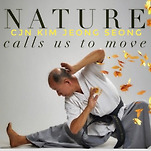
<p style="text-align: left;">한국어: 한국어·영어·스페인어로 번역됨<br>English: Translated into Korean, English, and Spanish<br>Español: Traducido al coreano, inglés y español<br><br><a href="https://m.cafe.daum.net/enlightenment-k/dcM5/699?svc=cafeapp" target="_blank" class="ke-link">https://m.cafe.daum.net/enlightenment-k/dcM5/699?svc=cafeapp</a></p><div class="figure-open" contenteditable="false" data-ke-type="opengraph" data-ke-align="alignCenter" data-og-type="website" data-og-title="A Wonderful Day in Washington, D.C. with Keith’s Family" data-og-description="한국어: 한국어·영어·스페인어로 번역됨English: Translated into Korean, English, and SpanishEspañol: Traducido al coreano, inglés y españolhttps://m.cafe.daum.net/enlightenment-k/dcM5/700?svc=cafeappThe Recor" data-og-host="m.cafe.daum.net" data-og-source-url="https://m.cafe.daum.net/enlightenment-k/dcM5/699?svc=cafeapp" data-og-url="https://m.cafe.daum.net/enlightenment-k/dcM5/699?svc=cafeapp" data-og-image="http://scrap.kakaocdn.net/dn/zf6PE/dJMb8QMx29m/JlraiuN2RBVaWiOqTvXAdk/kakaolink40_original.jpg?width=2048&height=1536"><a href="https://m.cafe.daum.net/enlightenment-k/dcM5/699?svc=cafeapp" target="_blank" data-source-url="https://m.cafe.daum.net/enlightenment-k/dcM5/699?svc=cafeapp"><div class="og-image"><img class="thumb_img" src="http://scrap.kakaocdn.net/dn/zf6PE/dJMb8QMx29m/JlraiuN2RBVaWiOqTvXAdk/kakaolink40_original.jpg?width=2048&height=1536" alt="" xxxxonerror="this.src="//img1.kakaocdn.net/thumb/C200x200/?fname=https%3A%2F%2Ft1.daumcdn.net%2Fcafe_image%2Fcafe_meta_image_190529.png""></div><div class="og-text"><p class="og-title">A Wonderful Day in Washington, D.C. with Keith’s Family</p><p class="og-desc">한국어: 한국어·영어·스페인어로 번역됨English: Translated into Korean, English, and SpanishEspañol: Traducido al coreano, inglés y españolhttps://m.cafe.daum.net/enlightenment-k/dcM5/700?svc=cafeappThe Recor</p><p class="og-host">m.cafe.daum.net</p></div></a></div><p style="text-align: left;"></p><div class="figure-img" data-ke-type="image" data-ke-style="alignCenter" data-ke-mobilestyle="widthOrigin"><img src="https://t1.daumcdn.net/cafeattach/1XBdW/509df9fe671ab4f0271ad713d88aab42b97e5a0b" class="txc-image" data-img-src="https://t1.daumcdn.net/cafeattach/1XBdW/509df9fe671ab4f0271ad713d88aab42b97e5a0b" data-origin-width="4000" data-origin-height="1848"></div><p style="text-align: left;">How Much Light at Night Is Enough?<br><br>Lift up your face, child,<br>and receive the stars.<br>When you first look,<br>they all pierce and freeze you,<br>and then the sky begins to sway<br>like a cradle they are rocking,<br>and you give yourself up wholly<br>to be carried away, away.<br><br>— Gabriela Mistral<br>Chilean poet, 1889–1957<br><br>■ The Records Left by Nature and the Principles of KiMu<br>— Entrusting Oneself to Nature<br><br>Today, I visited the Smithsonian National Museum of Natural History in Washington, D.C.<br><br>I explored exhibitions on plants and insects, rocks and minerals, light and darkness, and the long history of change among Earth’s living beings. Although these subjects may appear different, one common principle flows through them all.<br><br>Everything appears at a certain moment, continuously changes according to its environment and conditions, and eventually disappears or continues in another form.<br><br>Appearance · Change · Disappearance<br>Emergence · Transformation · Dissolution<br><br>Rocks and minerals formed over millions of years preserve the passage of nature’s time. Plants and other living beings have changed their forms and ways of survival in response to their environments. Even the excessive light created by humans has begun to alter the natural order of the night and the flow of ecosystems.<br><br>Just as everything in the world has two sides, light and darkness may appear to oppose one another, yet neither can be complete without the other. Light illuminates life and shows us the way, but when it becomes excessive, it conceals the stars and the natural order. Darkness is not merely the absence of light. It is also a part of nature that allows life to rest and makes the presence of light more clearly visible. What matters is not eliminating one side, but finding the original reference point where light and darkness exist in harmony.<br><br>Among the exhibitions, I was particularly moved by a poem about the light of the night and the stars. It invites a child to lift their face toward the stars. At first, the starlight seems to pierce and freeze the body, but soon the sky begins to sway like a cradle. Finally, one entrusts oneself completely and enters its flow.<br><br>Entrusting oneself to nature corresponds directly with the Zeroed Mind, one of the most fundamental principles of Jinyoung Ssangkum Ryu training. It means returning the mind to its original reference point without placing one’s thoughts, judgments, desires, or fears ahead of what is naturally occurring.<br><br>Forget the self.<br>Let go of the self.<br>Dissolve the self.<br><br>These words do not mean denying or literally eliminating one’s existence. They mean releasing the fixed ideas, attachments, and artificial force that obstruct the flow of nature. Only by emptying oneself can one recognize, as they are, the subtle changes and flow of energy already taking place within the body and mind.<br><br>This aspect of nature is deeply connected to the fundamental principles of KiMu Practice.<br><br>KiMu Practice is not an attempt to manufacture power or force a particular phenomenon to occur. It begins by calming the body and mind and observing the subtle changes taking place within oneself, within another person, and in the surrounding environment.<br><br>Observe · Feel · Follow · Let Go · Disappear<br><br>We do not resist the flow of nature. We recognize the direction of the movement and energy already present, and then follow it. Through this process, breath, body, and mind become connected as one. Unnecessary force and artificial intention disappear, allowing natural movement to reveal itself.<br><br>When the boundary between the observer and the observed disappears, nature reveals itself. This is the reference point of the mind in KiMu Practice and the place where awakening begins.<br><br>It is also the foundation of Vipassana-Acupuncture Practice. We do not impose our knowledge or intentions in an attempt to make something happen. Instead, we zero the mind, observe the subtle changes arising within ourselves and the other person, and follow their natural flow.<br><br>The more we empty ourselves, the more clearly we can feel. The more we let go of ourselves, the more clearly the principles of nature are revealed.<br><br>Entrusting oneself to nature does not mean passively doing nothing. It is an active practice of minimizing unnecessary intervention while fully observing and following the direction revealed by nature.<br><br>Everything displayed in the museum existed in silence, yet each object contained a story of immense time and transformation. When we observe carefully, the previously unseen principles of nature begin to reveal themselves.<br><br>Training is no different.<br><br>A teacher can show the direction, but its underlying principle must ultimately be discovered through the practitioner’s own body and mind.<br><br>Only when we forget, release, and dissolve the self can we become one with the flow of nature. It is precisely there that awakening and healing begin.<br><br>Today’s museum visit was a meaningful opportunity to reflect upon the fundamental principles of Jinyoung Ssangkum Ryu KiMu Practice and Vipassana-Acupuncture Practice through the records left behind by nature.<br><br>Follow the Energy.<br><br>――――――――――<br>Monday, September 21, 2026<br>Smithsonian National Museum of Natural History<br>Washington, D.C., USA<br>――――――――――<br><br>Grandmaster Kim Jeong Seong<br>Founder, Jinyoung Ssangkum Ryu<br>President, United World Haedong Kumdo Federation<br><br>-----<br>¿Cuánta luz es suficiente durante la noche?<br><br>Levanta el rostro, niño,<br>y recibe las estrellas.<br>Cuando las miras por primera vez,<br>todas parecen atravesarte<br>y dejarte congelado.<br><br>Después, el cielo comienza a mecerse<br>como una cuna que alguien balancea,<br>y tú te entregas por completo<br>para dejarte llevar<br>lejos, cada vez más lejos.<br><br>— Gabriela Mistral<br>Poeta chilena, 1889–1957<br><br>■ Los registros que deja la naturaleza y los principios del KiMu<br>— Confiarse a la naturaleza<br><br>Hoy visité el Museo Nacional de Historia Natural del Instituto Smithsonian, en Washington D.C.<br><br>Recorrí exposiciones sobre plantas e insectos, rocas y minerales, luz y oscuridad, y los largos procesos de transformación de los seres vivos de la Tierra. Aunque a primera vista parecen temas diferentes, un mismo principio fluye a través de todos ellos.<br><br>Todo aparece en un momento determinado, cambia continuamente según el entorno y las condiciones, y finalmente desaparece o continúa bajo otra forma.<br><br>Aparición · Cambio · Desaparición<br>Surgimiento · Transformación · Disolución<br><br>Las rocas y los minerales formados a lo largo de millones de años conservan el paso del tiempo de la naturaleza. Las plantas y los demás seres vivos han transformado sus formas y maneras de sobrevivir para adaptarse a su entorno. Incluso el exceso de luz creado por el ser humano ha comenzado a alterar el orden natural de la noche y el flujo de los ecosistemas.<br><br>Así como todas las cosas del mundo poseen dos aspectos, la luz y la oscuridad pueden parecer opuestas, pero ninguna puede estar completa sin la otra. La luz ilumina la vida y muestra el camino, pero cuando es excesiva oculta las estrellas y el orden de la naturaleza. La oscuridad no es simplemente la ausencia de luz. También es una parte de la naturaleza que permite descansar a los seres vivos y hace más evidente la presencia de la luz. Lo importante no es eliminar uno de los dos aspectos, sino encontrar el punto de referencia original en el que la luz y la oscuridad existen en armonía.<br><br>Entre las exposiciones, me conmovió especialmente un poema sobre la luz de la noche y las estrellas. En él se invita a un niño a levantar el rostro hacia las estrellas. Al principio, la luz estelar parece atravesar y congelar el cuerpo, pero pronto el cielo comienza a mecerse como una cuna. Finalmente, uno se confía por completo y entra en su flujo.<br><br>Confiarse a la naturaleza está directamente relacionado con la Mente en Cero, uno de los principios más fundamentales del entrenamiento de Jinyoung Ssangkum Ryu. Significa devolver la mente a su punto de referencia original, sin anteponer los pensamientos, los juicios, los deseos ni los temores a lo que está sucediendo naturalmente.<br><br>Olvidar el yo.<br>Soltar el yo.<br>Disolver el yo.<br><br>Estas palabras no significan negar o eliminar literalmente la propia existencia. Significan soltar las ideas fijas, los apegos y la fuerza artificial que obstaculizan el flujo de la naturaleza. Solo al vaciarnos podemos reconocer tal como son los cambios sutiles y el flujo de energía que ya están ocurriendo en el cuerpo y la mente.<br><br>Este aspecto de la naturaleza está profundamente relacionado con los principios fundamentales de la Práctica KiMu.<br><br>La Práctica KiMu no intenta fabricar fuerza ni provocar artificialmente un fenómeno determinado. Comienza calmando el cuerpo y la mente, y observando los cambios sutiles que tienen lugar dentro de uno mismo, en la otra persona y en el entorno.<br><br>Observar · Sentir · Seguir · Soltar · Desaparecer<br><br>No nos oponemos al flujo de la naturaleza. Reconocemos la dirección del movimiento y de la energía que ya están presentes, y seguimos ese flujo. Mediante este proceso, la respiración, el cuerpo y la mente se conectan como una sola unidad. La fuerza innecesaria y la intención artificial desaparecen, permitiendo que el movimiento natural se revele.<br><br>Cuando desaparece la frontera entre quien observa y aquello que es observado, la naturaleza se revela por sí misma. Este es el punto de referencia de la mente en la Práctica KiMu y el lugar donde comienza el despertar.<br><br>También constituye la base de la Práctica de Acupuntura Vipassana. No imponemos nuestros conocimientos ni nuestras intenciones para tratar de producir algo. En cambio, llevamos la mente a cero, observamos los cambios sutiles que aparecen en nosotros mismos y en la otra persona, y seguimos su flujo natural.<br><br>Cuanto más nos vaciamos, con mayor claridad podemos sentir. Cuanto más soltamos el yo, con mayor claridad se revelan los principios de la naturaleza.<br><br>Confiarse a la naturaleza no significa permanecer pasivamente sin hacer nada. Es una práctica activa que consiste en reducir al mínimo la intervención innecesaria, mientras observamos y seguimos plenamente la dirección que la naturaleza nos muestra.<br><br>Todo lo expuesto en el museo permanecía en silencio, pero cada objeto contenía una historia de un tiempo inmenso y de continuas transformaciones. Cuando observamos con atención, los principios invisibles de la naturaleza comienzan a revelarse.<br><br>El entrenamiento no es diferente.<br><br>Un maestro puede mostrar la dirección, pero el principio que la sustenta debe ser descubierto finalmente por el practicante a través de su propio cuerpo y mente.<br><br>Solo cuando olvidamos, soltamos y disolvemos el yo podemos hacernos uno con el flujo de la naturaleza. Es precisamente allí donde comienzan el despertar y la sanación.<br><br>La visita de hoy al museo fue una valiosa oportunidad para contemplar los registros dejados por la naturaleza y reflexionar nuevamente sobre los principios fundamentales de la Práctica KiMu y de la Práctica de Acupuntura Vipassana de Jinyoung Ssangkum Ryu.<br><br>Sigue la Energía.<br><br>――――――――――<br>Lunes, 21 de septiembre de 2026<br>Museo Nacional de Historia Natural del Instituto Smithsonian<br>Washington D.C., Estados Unidos<br>――――――――――<br><br>Gran Maestro Kim Jeong Seong<br>Fundador de Jinyoung Ssangkum Ryu<br>Presidente de la Federación Mundial Unida de Haedong Kumdo<br><br>-----<br>밤에는 얼마나 많은 빛이면 충분할까?<br>아이야, 얼굴을 들어<br>별들을 받아들이렴.<br>처음 바라볼 때에는<br>별들이 모두 너를 꿰뚫고<br>얼어붙게 하는 듯하지만,<br>이내 하늘은<br>누군가 흔들어 주는 요람처럼<br>천천히 일렁이기 시작한다.<br>그러면 너는 온전히 자신을 맡긴 채<br>저 멀리, 더 멀리<br>실려 가게 된다.<br><br>— 가브리엘라 미스트랄<br>칠레 시인, 1889–1957<br><br>------<br>■ 자연이 남긴 기록과 기무의 원리<br>― 자연에 자신을 맡긴다는 것<br><br>오늘 워싱턴 D.C.의 스미스소니언 국립자연사박물관을 방문하였다.<br><br>식물과 곤충, 암석과 광물, 빛과 어둠, 그리고 지구 생명체의 오랜 변화에 관한 전시를 둘러보았다. 겉으로는 서로 다른 분야처럼 보이지만, 그 안에는 하나의 공통된 원리가 흐르고 있었다.<br><br>모든 것은 어느 순간 모습을 드러내고, 주어진 환경과 조건에 따라 끊임없이 변화하며, 마침내 다른 형태로 사라지거나 이어진다.<br><br>Appearance · Change · Disappearance<br>생성 · 변화 · 소멸<br><br>수백만 년에 걸쳐 형성된 암석과 광물은 자연이 지나온 시간을 고스란히 기록하고 있었으며, 식물과 생명체는 환경에 맞추어 스스로의 형태와 살아가는 방법을 변화시켜 왔다. 인간이 만든 지나친 빛조차 밤의 질서와 생태계의 흐름을 바꾸고 있었다.<br><br>세상 만물에 양면성이 있듯이 빛과 어둠도 서로 반대되는 것처럼 보이지만, 어느 하나만으로는 온전할 수 없다. 빛은 생명을 밝히고 길을 보여주지만, 지나치면 오히려 별과 자연의 질서를 보이지 않게 한다. 어둠 또한 단순한 빛의 부재가 아니라 생명을 쉬게 하고, 빛의 존재를 더욱 분명하게 드러내는 자연의 한 부분이다. 중요한 것은 어느 한쪽을 없애는 것이 아니라, 빛과 어둠이 서로 조화를 이루는 본래의 기준점을 찾는 것이다.<br><br>그 가운데 밤의 빛과 별을 다룬 전시에서 만난 한 편의 시가 특히 마음에 와닿았다. 아이에게 고개를 들어 별을 바라보라고 말하며, 처음에는 별빛이 몸을 꿰뚫고 얼어붙게 하는 듯하지만, 이내 하늘이 요람처럼 흔들리기 시작하고 마침내 자신을 온전히 맡긴 채 그 흐름 속으로 들어가게 된다는 내용이었다.<br><br>자연에 자신을 맡긴다는 것은 진영쌍검류 수련에서 가장 기본이 되는 제로화 마음과 일맥상통한다. 이는 자신의 생각과 판단, 욕심과 두려움을 앞세우지 않고 마음을 본래의 기준점으로 되돌리는 것이다.<br><br>나를 잊는다.<br>나를 버린다.<br>나를 없앤다.<br><br>이 말은 자신의 존재를 부정하거나 실제로 없앤다는 의미가 아니다. 자연의 흐름을 가로막는 고정된 생각과 집착, 인위적인 힘을 내려놓는다는 뜻이다. 자신을 비워야 비로소 몸과 마음 안에서 이미 일어나고 있는 미세한 변화와 에너지의 흐름을 있는 그대로 알아차릴 수 있다.<br><br>이러한 자연의 모습은 진영쌍검류 기무수련의 기본 원리와도 맞닿아 있다.<br><br>기무수련은 억지로 힘을 만들거나 어떤 현상을 일으키려는 것이 아니다. 먼저 몸과 마음을 고요히 하고, 자신의 내면과 상대, 그리고 주변에서 일어나는 미세한 변화를 관찰하는 것에서 시작한다.<br><br>Observe · Feel · Follow · Let Go · Disappear<br>관찰한다 · 느낀다 · 따른다 · 내려놓는다 · 사라진다<br><br>자연의 흐름을 거스르지 않고, 이미 일어나고 있는 움직임과 에너지의 방향을 알아차려 그 흐름을 따르는 것이다. 그 과정에서 호흡과 몸과 마음이 하나로 연결되고, 불필요한 힘과 인위적인 의도는 사라지며 자연스러운 움직임이 드러난다.<br><br>관찰하는 나와 관찰되는 대상의 경계가 사라질 때, 자연은 스스로 그 모습을 드러낸다. 이것이 기무수련에서 말하는 마음의 기준점이며 깨달음이 시작되는 자리이다.<br><br>또한 이는 신침수련의 기본이기도 하다. 자신의 지식이나 의도를 앞세워 무엇인가를 억지로 만들어 내는 것이 아니라, 마음을 제로화하고 자신과 상대의 몸에서 나타나는 미세한 변화를 관찰하며 그 흐름을 따라가는 것이다.<br><br>나를 비울수록 더 분명하게 느낄 수 있고, 나를 내려놓을수록 자연의 이치는 더욱 선명하게 드러난다.<br><br>자연에 자신을 맡긴다는 것은 수동적으로 아무것도 하지 않는 것이 아니다. 자신의 불필요한 개입을 최소화한 채 자연이 보여주는 방향을 온전히 관찰하고 따르는 적극적인 수련이다.<br><br>박물관에 전시된 모든 것은 말없이 존재하고 있었지만, 그 안에는 오랜 시간과 변화의 이야기가 담겨 있었다. 그것을 세심하게 바라볼 때 보이지 않던 자연의 이치가 모습을 드러낸다.<br><br>수련도 이와 다르지 않다.<br><br>스승은 방향을 보여줄 수 있지만, 그 이치는 결국 수련자 자신의 몸과 마음을 통하여 발견되어야 한다.<br><br>나를 잊고, 버리고, 없앤 그 자리에서 비로소 자연의 흐름과 하나가 된다. 그리고 바로 그곳에서 깨달음과 치유가 시작된다.<br><br>오늘의 박물관 방문은 자연이 남긴 기록을 바라보며 진영쌍검류 기무수련과 신침수련의 기본 원리를 다시 생각해 보는 뜻깊은 시간이었다.<br><br>Follow the Energy.<br>에너지를 따르라.<br><br>――――――――――<br>Monday, September 21, 2026<br>Smithsonian National Museum of Natural History<br>Washington, D.C., USA<br>――――――――――<br><br>Grandmaster Kim Jeong Seong<br>Founder, Jinyoung Ssangkum Ryu<br>President, United World Haedong Kumdo Federation</p><div class="figure-img" data-ke-type="image" data-ke-style="alignCenter" data-ke-mobilestyle="widthOrigin"><img src="https://t1.daumcdn.net/cafeattach/1XBdW/804fd8362cba6c011cca05c0b23de08c60ee09cc" class="txc-image" data-img-src="https://t1.daumcdn.net/cafeattach/1XBdW/804fd8362cba6c011cca05c0b23de08c60ee09cc" data-origin-width="1848" data-origin-height="4000"></div><div class="figure-img" data-ke-type="image" data-ke-style="alignCenter" data-ke-mobilestyle="widthOrigin"><img src="https://t1.daumcdn.net/cafeattach/1XBdW/7a2fc1d8e6e7d4339bcd528543220e1f5ae84b12" class="txc-image" data-img-src="https://t1.daumcdn.net/cafeattach/1XBdW/7a2fc1d8e6e7d4339bcd528543220e1f5ae84b12" data-origin-width="4000" data-origin-height="1848"></div><p style="text-align: left;"></p><div class="figure-img" data-ke-type="image" data-ke-style="alignCenter" data-ke-mobilestyle="widthOrigin"><img src="https://t1.daumcdn.net/cafeattach/1XBdW/e66755b66fdefda3ba7892879d791845060caf83" class="txc-image" data-img-src="https://t1.daumcdn.net/cafeattach/1XBdW/e66755b66fdefda3ba7892879d791845060caf83" data-origin-width="1848" data-origin-height="4000"></div><div class="figure-img" data-ke-type="image" data-ke-style="alignCenter" data-ke-mobilestyle="widthOrigin"><img src="https://t1.daumcdn.net/cafeattach/1XBdW/c57b67b36fed4a8a34cb68fee3f9579d4459857d" class="txc-image" data-img-src="https://t1.daumcdn.net/cafeattach/1XBdW/c57b67b36fed4a8a34cb68fee3f9579d4459857d" data-origin-width="4000" data-origin-height="1848"></div>
<!-- -->