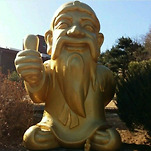
<p style="text-align: left;">공과격<br><br></p><div class="figure-img" data-ke-type="image" data-ke-style="alignCenter" data-ke-mobilestyle="widthOrigin"><img src="https://t1.daumcdn.net/cafeattach/1ZYDn/2bb84d317ec9ef10ffa36255e24ceff17ebb8617" class="txc-image" data-img-src="https://t1.daumcdn.net/cafeattach/1ZYDn/2bb84d317ec9ef10ffa36255e24ceff17ebb8617" data-origin-width="173" data-origin-height="283"></div><p style="text-align: left;"><br><br>微仙君純陽呂祖師 功過格<br><br>孝順‚ 友愛‚ 家室‚ 敎訓‚ 睦族‚ 師友 등의 격으로 나누고 하루하루의 행동에 공과 허물을 밝혀 스스로 반성하게 한 책. 필사본.<br><br><br><br>중국 팔선(八仙)의 한 사람인 여동빈(呂洞賓)이 만들었다는 실천도덕 공과격(功過格)이 명(明ㆍ1368~1644)나라 말엽 책으로 나왔습니다. <br><br><br>사람의 일상적인 행위를 선과 악, 즉 공과 과로 나누고, 그 정도의 차이를 수량화하여 구체적으로 분류한 저술입니다. 금욕주의 생활로 민중도덕의 실천을 권장하는 권선징악적 수양서(修養書)입니다. <br><br><br>매일 잠들기 전에 그날의 행적을 스스로 채점하여 격도(格圖)에 적어 놓은 다음 월말 소계와 연말 총계를 내는데, 그 결과에 따라 화복이 주어진다고 합니다. <br><br><br>공에서 과를 상쇄한 공덕이 3,000점을 넘어야 신선의 경지에 이른다고 합니다. <br><br><br>인간의 행ㆍ불행은 그 사람의 생각[意]과 말[語]과 행위[行]의 옳고 그름에 따라 정해진다는 인과응보 사상에 바탕을 두고 있습니다. <br><br><br>선과 악을 분류한 공격과 과격의 항목<br><br><br>덕을 쌓는 공격<br><br>의선(意善) 54, <br>어선(語善) 31, <br>행선(行善) 43조<br><br>로 분류하여 모두 128개 조입니다. <br><br><br>과를 쌓는 과격<br><br>의악(意惡) 53, <br>어악(語惡) 37, <br>행악(行惡) 77조<br><br>로 분류하여 모두 167개조입니다. <br><br><br><br>공격과 과격 모두 평가치를 매겨 100, 50, 30, 10, 5, 3, 1점짜리 항목으로 구분해 놓았습니다.<br><br>공격에 반대되는 과격 항목을 짚어 보면 무엇이 옳고 그른지 판단하기가 쉽습니다. <br><br><br>100점짜리 과격의 예<br><br>‘한 사람을 죽게 만드는 것’ <br>‘한 사람의 후사를 끊는 것’ <br>‘한 부녀자의 정절을 강탈하는 것’<br><br><br><br>공과격(功過格, Gong Guo Ge)은 중국 및 한국의 도교와 유교, 불교 문화권에서 행해진 ‘선행(功)과 악행(過)의 목록(格)을 기록하여 도덕적 수행을 점검하는 일종의 도덕 일지/회계 장부’를 의미합니다. <br><br><br>주요 의미와 특징은 다음과 같습니다.<br><br>한자 뜻: 功(공 공 - 선행) + 過(허물 과 - 악행) + 格(격식 격/목록) = 선악 행동 수칙 및 점검표.<br><br><br>목적: 선행은 늘리고 악행은 줄여서, 종교적/도덕적 목표(신선, 성인, 명복 등)를 달성하기 위한 자아 성찰 도구입니다.<br><br>구성: 하루 동안 한 착한 일(의선 54조, 말선 31조, 행선 43조 등)은 점수를 더하고, 나쁜 일은 점수를 빼는 식으로 계산하여 매일 또는 매월 말에 결과를 결산합니다.<br><br>유래: 명청 시대에 특히 유행했으며, 도교의 인과응보 사상에 기반을 두고 있습니다. <br><br><br>즉, 일상 행동을 수치화하여 도덕적 수행을 장려하는 ‘윤리적 자기관리 시스템’이라고 볼 수 있습니다.<br><br><br>After 功過格 (The ledge of merits and demerits), what was the promoting ways for practicing goodness, in Chinese culture?<br><br><br>Aside from the ledge of merits and demerits, there was another way of promoting goodness, i.e., morality advocation books, or 劝善书 in Chinese. Among the numerous tracts about this topic, the most well-known one is Tractate of the Most High One on Actions and Consequences, or 太上感应篇 in Chinese.<br><br>This Taoist morality book was published in Song Dynasty and had huge influence in the Chinese society since then. It believed that what people did in the temporal world would be watched over by spirits or gods, such as, the spirit in the body, the gods above the head and Kitchen God in the house. As such, people should lead a morally upright life, instead of living an astray one, which would be judged and visited by the cosmic justice.<br><br>In the second chapter of this book, How to Be Good, which gave a detailed way to strive for goodness. “Follow the right path, and retreat from the wrong one. Do not follow evil paths, nor sin in secret. Accumulate merit; show a compassionate heart in all things. Be loyal, filial, friendly, and brotherly; by correcting yourself, transform others.<br><br>Pity orphans and be compassionate to widows, respect the elderly and be kind to the young. Do not even injure insects, grasses, and trees. Be saddened by other people’s misfortunes and delight in their good fortune. Help those in need and rescue those in danger. Regard the gains of others as though they were your own.<br><br>And regard the failings of others as your own failings. Do not expose other people’s weaknesses, nor boast of your own strengths. Condemn evil and promote virtue, renounce much and accept little. Suffer humiliation without resentment, receive benefits as though startled. Extend help, but do not request compensation, help others without later regrets.”<br><br><br><br><br><br><br><br>■■■이두자검(以豆自檢)<br><br>흰콩과 검은콩으로 자신을 점검하다<br><br><br>송나라 때 조숙평(趙叔平)은 평생 고결한 행실로 세상의 기림을 받았다.<br><br><br>그의 책상에는 그릇 세 개가 놓여 있었다. 하나에는 흰콩을, 다른 하나에는 검은콩을 담았다. 가운데는 빈 그릇을 놓았다.<br><br><br>착한 생각이 일어나면 흰콩 하나를 가운데 그릇에 담고, 삿된 생각이 일면 검은콩 하나를 담았다.<br><br><br>매일 밤 가운데 그릇에 담긴 콩의 숫자를 세어 하루를 점검했다.<br><br><br>처음엔 검은콩이 더 많더니, 점점 흰콩의 숫자가 늘어나 나중에는 흰콩만 남았다.<br><br><br><br>흰콩과 검은콩으로 자신을 점검한(以豆自檢) 이야기다.<br><br><br><br>이현석(李玄錫·1647~1703)이 숙종에게 올린 상소에 이 일을 권한 대목이 나온다.<br></p>
<!-- -->