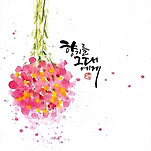
<p><span style="color: #000000;">k-sijo ( k-poem) “</span><span style="color: #000000;">아따</span><span style="color: #000000;">”</span></p><p> </p><p><span style="color: #000000;">정하선 丁河璿 jung ha sun</span></p><p> </p><p> </p><p><span style="color: #000000;">“</span><span style="color: #000000;">아따</span><span style="color: #000000;">, </span><span style="color: #000000;">이렇게 만낭께 참 좋구먼</span><span style="color: #000000;">, </span><span style="color: #000000;">잉</span><span style="color: #000000;">”</span></p><p><span style="color: #000000;">별 볼 일 없어도 오일장 나들이란</span></p><p><span style="color: #000000;">금줄이 이웃집 사립에 쳐졌더란 말이라도</span></p><p> </p><p><span style="color: #000000;">막걸리 사발 위로 스치는 비단 바람</span></p><p><span style="color: #000000;">사돈네 팔촌까지 안부가 색실이다</span></p><p><span style="color: #000000;">딱 짚어 말하지 않아도 네 마음이 내 마음</span></p><p> </p><p><span style="color: #000000;">서로가 서로를 받쳐주는 꽃받침</span></p><p><span style="color: #000000;">농부들 상사소리 치자꽃 피어난다</span></p><p><span style="color: #000000;">“</span><span style="color: #000000;">아따</span><span style="color: #000000;">”</span><span style="color: #000000;">는 무슨 말에나 머리말이 아닝가</span><span style="color: #000000;">,“</span></p><p> </p><p><span style="color: #000000;">얽어도 향기로운 유자 향 스며있는</span></p><p><span style="color: #000000;">잉어가 헤엄치듯 꼬리 치는 힘찬 </span><span style="color: #000000;">“</span><span style="color: #000000;">잉 </span><span style="color: #000000;">“</span></p><p><span style="color: #000000;">일 년이 다 봄날인 양 참꽃 피어 찰랑대고</span></p><p> </p><p><span style="color: #000000;">정하선 시조집(갈모산방) 지혜</span></p><p> </p><p><span style="color: #000000;">ai </span><span style="color: #000000;">시 해설과 펴 그리고 번역</span></p><p> </p><p><span style="color: #000000;">정하선 시인의 시조 </span><span style="color: #000000;"><</span><span style="color: #000000;">아따</span><span style="color: #000000;">></span><span style="color: #000000;">는 전라도 방언의 감칠맛 나는 정서와 공동체적 유대감을 감각적인 시어로 풀어낸 아름다운 작품입니다</span><span style="color: #000000;">.</span></p><p> </p><p><span style="color: #000000;">1. </span><span style="color: #000000;">작품 해설 및 현대어 풀어읽기</span></p><p> </p><p><span style="color: #000000;">해설</span><span style="color: #000000;">: </span><span style="color: #000000;">이 시조는 전라도 사투리인 </span><span style="color: #000000;">“</span><span style="color: #000000;">아따</span><span style="color: #000000;">”</span><span style="color: #000000;">와 </span><span style="color: #000000;">“</span><span style="color: #000000;">잉</span><span style="color: #000000;">”</span><span style="color: #000000;">이라는 감탄사와 추임새를 중심축으로 삼아</span><span style="color: #000000;">, </span><span style="color: #000000;">시골 오일장의 정겨운 풍경과 사람 사이의 온기를 노래합니다</span><span style="color: #000000;">.</span></p><p> </p><p><span style="color: #000000;">1</span><span style="color: #000000;">장</span><span style="color: #000000;">: </span><span style="color: #000000;">오일장에서 만난 이웃들이 나누는 인사를 통해 거창한 사건이 없어도 존재만으로 반가운 이웃 간의 정을 드러냅니다</span><span style="color: #000000;">. '</span><span style="color: #000000;">금줄</span><span style="color: #000000;">'</span><span style="color: #000000;">이나 </span><span style="color: #000000;">'</span><span style="color: #000000;">막걸리 사발</span><span style="color: #000000;">' </span><span style="color: #000000;">같은 향토적 시어가 고향의 친근함을 더합니다</span><span style="color: #000000;">.</span></p><p> </p><p><span style="color: #000000;">2</span><span style="color: #000000;">장</span><span style="color: #000000;">: "</span><span style="color: #000000;">네 마음이 내 마음</span><span style="color: #000000;">"</span><span style="color: #000000;">이라는 구절처럼</span><span style="color: #000000;">, </span><span style="color: #000000;">이심전심으로 통하는 따뜻한 유대감을 표현합니다</span><span style="color: #000000;">. '</span><span style="color: #000000;">꽃받침</span><span style="color: #000000;">'</span><span style="color: #000000;">과 </span><span style="color: #000000;">'</span><span style="color: #000000;">상사소리</span><span style="color: #000000;">(</span><span style="color: #000000;">모내기나 들일을 할 때 부르는 소리</span><span style="color: #000000;">)'</span><span style="color: #000000;">는 서로를 보듬고 힘을 북돋아 주는 공동체 삶을 상징합니다</span><span style="color: #000000;">.</span></p><p> </p><p><span style="color: #000000;">3</span><span style="color: #000000;">장</span><span style="color: #000000;">: "</span><span style="color: #000000;">아따</span><span style="color: #000000;">"</span><span style="color: #000000;">와 </span><span style="color: #000000;">"</span><span style="color: #000000;">잉</span><span style="color: #000000;">"</span><span style="color: #000000;">이라는 말끝에 담긴 생동감과 향토적 정서를 유자 향과 찰랑이는 참꽃</span><span style="color: #000000;">(</span><span style="color: #000000;">진달래</span><span style="color: #000000;">)</span><span style="color: #000000;">에 비유하며</span><span style="color: #000000;">, </span><span style="color: #000000;">그 정겨운 마음이 있는 한 매일이 봄날처럼 따스하다는 메시지로 마무리합니다</span><span style="color: #000000;">.</span></p><p> </p><p><span style="color: #000000;">현대어 풀어읽기</span><span style="color: #000000;">:</span></p><p> </p><p><span style="color: #000000;">“</span><span style="color: #000000;">아따</span><span style="color: #000000;">, </span><span style="color: #000000;">이렇게 만나니 참 좋구먼</span><span style="color: #000000;">, </span><span style="color: #000000;">그렇지</span><span style="color: #000000;">?”</span></p><p><span style="color: #000000;">특별한 일이 없어도 닷새마다 열리는 장터로 나들이를 가서</span><span style="color: #000000;">,</span></p><p><span style="color: #000000;">이웃집 대문에 금줄이 걸렸다는 소소한 이야기라도 나누네</span><span style="color: #000000;">.</span></p><p><span style="color: #000000;">막걸리 사발 위로 살랑이는 비단 같은 바람 속에</span></p><p><span style="color: #000000;">먼 친척의 안부까지 알록달록한 색실처럼 이어진다네</span><span style="color: #000000;">.</span></p><p><span style="color: #000000;">딱 집어서 말하지 않아도 내 마음이 곧 네 마음이지</span><span style="color: #000000;">.</span></p><p><span style="color: #000000;">서로가 서로를 받쳐주는 꽃받침처럼</span><span style="color: #000000;">,</span></p><p><span style="color: #000000;">농부들의 들소리에 치자꽃이 활짝 피어난다네</span><span style="color: #000000;">.</span></p><p><span style="color: #000000;">“</span><span style="color: #000000;">아따</span><span style="color: #000000;">”</span><span style="color: #000000;">라는 말은 어떤 말에 붙여도 시작하는 첫마디가 아니겠는가</span><span style="color: #000000;">.</span></p><p><span style="color: #000000;">곰보처럼 얼룩져도 향기로운 유자 향이 스며 있고</span><span style="color: #000000;">,</span></p><p><span style="color: #000000;">잉어가 헤엄치며 꼬리를 치듯 힘이 넘치는 </span><span style="color: #000000;">“</span><span style="color: #000000;">잉</span><span style="color: #000000;">”</span><span style="color: #000000;">이라는 추임새</span><span style="color: #000000;">.</span></p><p><span style="color: #000000;">일년 사계절이 다 봄날인 것처럼 진달래꽃 피어나 마음이 찰랑이네</span><span style="color: #000000;">.</span></p><p> </p><p><span style="color: #000000;">2. </span><span style="color: #000000;">영어 번역 </span><span style="color: #000000;">(English Translation)</span></p><p> </p><p><span style="color: #000000;">"Ah-tta“</span></p><p> </p><p><span style="color: #000000;">by Jung Ha-sun</span></p><p> </p><p><span style="color: #000000;">“Ah-tta, how wonderful it is to meet you like this, isn’t it?”</span></p><p><span style="color: #000000;">Even with nothing grand, an outing to the five-day market is lovely;</span></p><p><span style="color: #000000;">Even news of a sacred straw rope hung at a neighbor's gate is shared.</span></p><p> </p><p><span style="color: #000000;">Over a bowl of makgeolli, a silken breeze gently brushes by,</span></p><p><span style="color: #000000;">Enquiries about distant relatives intertwine like colorful threads.</span></p><p><span style="color: #000000;">Without saying it explicitly, your heart is my heart.</span></p><p> </p><p><span style="color: #000000;">Like sepals supporting one another,</span></p><p><span style="color: #000000;">From the farmers’ rhythmic work songs, gardenia flowers bloom.</span></p><p><span style="color: #000000;">Isn't “Ah-tta” the opening word for almost anything?</span></p><p> </p><p><span style="color: #000000;">Imbued with the fragrance of citron, charming even with its rough skin,</span></p><p><span style="color: #000000;">The energetic exclamation “Ing” strikes lively, like a swimming carp’s tail.</span></p><p><span style="color: #000000;">As if the entire year were spring, azaleas bloom and shimmer gently.</span></p><p> </p><p><span style="color: #000000;">3. </span><span style="color: #000000;">프랑스어 번역 </span><span style="color: #000000;">(Traduction en Français)</span></p><p> </p><p><span style="color: #000000;">« Ah-tta »</span></p><p> </p><p><span style="color: #000000;">par Jung Ha-sun</span></p><p> </p><p><span style="color: #000000;">« Ah-tta, quel bonheur de se rencontrer ainsi, n'est-ce pas ? »</span></p><p><span style="color: #000000;">Sans grand événement, une sortie au marché tous les cinq jours est douce ;</span></p><p><span style="color: #000000;">Même dire qu'une corde sacrée a été suspendue à la porte du voisin suffit.</span></p><p> </p><p><span style="color: #000000;">Au-dessus du bol de makgeolli, une brise de soie effleure,</span></p><p><span style="color: #000000;">Les nouvelles des parents éloignés s'entrelacent comme des fils colorés.</span></p><p><span style="color: #000000;">Sans avoir besoin de le nommer, ton cœur est le mien.</span></p><p> </p><p><span style="color: #000000;">Tel un calice soutenant la fleur,</span></p><p><span style="color: #000000;">Au chant de travail des agriculteurs, les gardénias s'épanouissent.</span></p><p><span style="color: #000000;">« Ah-tta » n'est-il pas le premier mot de toute parole ?</span></p><p> </p><p><span style="color: #000000;">Imprégnée du parfum du citron vert, odorant malgré sa peau rugeuse,</span></p><p><span style="color: #000000;">L'exclamation « Ing », dynamique, frétille comme la queue d'une carpe qui nage.</span></p><p><span style="color: #000000;">Comme si toute l'année était un jour de printemps, les azalées fleurissent et ondulent.</span></p><p> </p><p><span style="color: #000000;">시조 </span><span style="color: #000000;"><</span><span style="color: #000000;">아따</span><span style="color: #000000;">></span><span style="color: #000000;">의 현대어 풀어읽기 번역입니다</span><span style="color: #000000;">.</span></p><p> </p><p><span style="color: #000000;">1. English Translation (Modern Prose Rendering)</span></p><p> </p><p><span style="color: #000000;">“Ah-tta, how wonderful it is to meet you like this, isn’t it?”</span></p><p><span style="color: #000000;">Even without anything special going on, taking a stroll to the five-day market is lovely,</span></p><p><span style="color: #000000;">And we share even the small news that a sacred straw rope has been hung at a neighbor’s gate.</span></p><p><span style="color: #000000;">Over a bowl of makgeolli, in the silken breeze gently brushing by,</span></p><p> </p><p><span style="color: #000000;">News of distant relatives intertwines like colorful, vibrant threads.</span></p><p><span style="color: #000000;">Even without stating it explicitly, my heart is right there with your heart.</span></p><p><span style="color: #000000;">Just like sepals supporting one another beneath a blossom,</span></p><p><span style="color: #000000;">At the sound of the farmers' rhythmic work songs, gardenia flowers bloom in full.</span></p><p><span style="color: #000000;">Isn’t the word “Ah-tta” the very first phrase we attach to almost anything we say?</span></p><p><span style="color: #000000;">Imbued with the fragrance of citron</span><span style="color: #000000;">—</span><span style="color: #000000;">scented and charming even with its rough, uneven skin</span><span style="color: #000000;">—</span></p><p><span style="color: #000000;">The energetic exclamation “Ing” strikes lively, like a swimming carp flicking its tail.</span></p><p><span style="color: #000000;">As if all twelve months of the year were a bright spring day, azaleas bloom and shimmer warmly in our hearts.</span></p><p> </p><p><span style="color: #000000;">2. Traduction en Français (Traduction Moderne en Prose)</span></p><p> </p><p><span style="color: #000000;">« Ah-tta, quel bonheur de se rencontrer ainsi, n'est-ce pas ? »</span></p><p><span style="color: #000000;">Même sans événement particulier, faire un tour au marché traditionnel tous les cinq jours est si doux,</span></p><p><span style="color: #000000;">Et l'on partage même la simple nouvelle d'une corde sacrée en paille suspendue à la porte du voisin.</span></p><p><span style="color: #000000;">Au-dessus d'un bol de makgeolli, dans la brise de soie qui effleure doucement,</span></p><p><span style="color: #000000;">Les nouvelles des parents éloignés s'entrelacent comme des fils de couleur éclatants.</span></p><p><span style="color: #000000;">Sans avoir besoin de le dire explicitement, mon cœur est le tien.</span></p><p><span style="color: #000000;">Tout comme le calice qui soutient délicatement la fleur,</span></p><p><span style="color: #000000;">Au son des chants de travail des agriculteurs, les gardénias s'épanouissent pleinement.</span></p><p><span style="color: #000000;">Le mot « Ah-tta » n'est-il pas la toute première parole que l'on place au début de chaque phrase ?</span></p><p><span style="color: #000000;">Imprégnée du parfum du citron vert</span><span style="color: #000000;">—</span><span style="color: #000000;">si odorant et charmant malgré sa peau rugeuse et marquée</span><span style="color: #000000;">—</span></p><p><span style="color: #000000;">L'exclamation dynamique « Ing » frétille avec force, comme la queue d'une carpe qui nage.</span></p><p><span style="color: #000000;">Comme si toute l'année n'était qu'un doux jour de printemps, les azalées fleurissent et font onduler nos cœurs de chaleur.</span></p><p> </p><p><span style="color: #000000;">정하선 시인의 </span><span style="color: #000000;"><</span><span style="color: #000000;">아따</span><span style="color: #000000;">></span><span style="color: #000000;">에 대한 해설과 감상평을 영어와 프랑스어로 번역한 내용입니다</span><span style="color: #000000;">.</span></p><p> </p><p><span style="color: #000000;">1. English Translation (English Commentary & Review)</span></p><p><span style="color: #000000;">Exposition & Analysis</span></p><p><span style="color: #000000;">Jung Ha-sun's Sijo “Ah-tta” is a beautiful piece that artfully captures the savory, warm-hearted emotions of the Jeolla dialect and the deep sense of community through sensory poetic language.</span></p><p> </p><p><span style="color: #000000;">Stanza 1: Centering on the traditional Jeolla interjections "Ah-tta" and "Ing", the poem portrays a cozy scene from a local five-day market. Even without grand news, the simple joy of neighbors greeting one another conveys genuine warmth. Local motifs such as Geumjul (sacred straw rope) and bowls of makgeolli enhance the nostalgic and welcoming atmosphere of rural home.</span></p><p> </p><p><span style="color: #000000;">Stanza 2: The line "Your heart is my heart" reflects an unspoken, deep mutual understanding. Imagery like "sepals supporting one another" and sangsasori (farmers' rhythmic work songs) symbolizes a tight-knit community where people uphold and encourage each other in their daily labor.</span></p><p> </p><p><span style="color: #000000;">Stanza 3: The unique linguistic flavor and vitality of the speech particles "Ah-tta" and "Ing" are poetically compared to the fragrance of citron and azaleas (chamkkot) blooming in spring. It delivers a heartwarming message: as long as such affection exists, every day feels like a bright spring day.</span></p><p> </p><p><span style="color: #000000;">Literary Review</span></p><p> </p><p><span style="color: #000000;">“Ah-tta” turns ordinary regional dialect into exquisite poetic imagery. Rather than treating regional speech merely as humor or simple colloquialism, the poet elevates dialect into an artistic medium that conveys human dignity, solidarity, and warmth. The rhythmic flow mirrors the natural cadence of traditional folk songs, leaving the reader with a lasting, comforting resonance.</span></p><p> </p><p><span style="color: #000000;">2. Traduction en Français (Commentaire et Critique en Français)</span></p><p> </p><p><span style="color: #000000;">Explication et Analyse</span></p><p> </p><p><span style="color: #000000;">Le Sijo « Ah-tta » de Jung Ha-sun est une œuvre magnifique qui exprime avec finesse l'affection chaleureuse du dialecte de la région de Jeolla et le sentiment de solidarité communautaire à travers un langage poétique très sensoriel.</span></p><p> </p><p><span style="color: #000000;">Strophe 1 : En s'articulant autour des interjections traditionnelles de Jeolla "Ah-tta" et "Ing", le poème dépeint une scène paisible au marché traditionnel tous les cinq jours. Sans avoir besoin de grands événements, le simple plaisir de se saluer entre voisins transmet une sincère chaleur humaine. Des éléments du terroir tels que le Geumjul (corde sacrée de paille) et le bol de makgeolli renforcent cette ambiance nostalgique et accueillante.</span></p><p> </p><p><span style="color: #000000;">Strophe 2 : La phrase « Ton cœur est le mien » illustre une compréhension mutuelle tacite et profonde. Les images du « calice qui soutient la fleur » et du sangsasori (chants de travail des agriculteurs) symbolisent une communauté soudée où chacun soutient et encourage l'autre dans le labeur quotidien.</span></p><p> </p><p><span style="color: #000000;">Strophe 3 : La vivacité et la saveur linguistique des expressions "Ah-tta" et "Ing" sont comparées au parfum du citron vert (yuja) et aux azalées (chamkkot) en fleurs. Le poème se conclut sur un message réconfortant : tant qu'une telle bienveillance existe, chaque jour ressemble à un doux jour de printemps.</span></p><p><span style="color: #000000;">Critique Littéraire</span></p><p> </p><p><span style="color: #000000;">« Ah-tta » sublime le dialecte régional en une véritable poésie imagée. Loin de réduire le parler local à de la simple comédie ou à du folklore, le poète élève le dialecte au rang d'expression‎ artistique portant la dignité humaine, la solidarité et la tendresse. Le rythme fluide de l'œuvre rappelle la cadence naturelle des chants populaires, laissant au lecteur une empreinte douce et durable.</span></p><p> </p><p> </p><p> </p><p> </p><p> </p>
<!-- -->