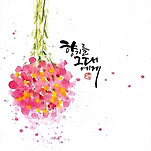
<p> </p><p><span style="color: #000000;">k-sijo (k-poem) 그러네</span></p><p> </p><p><span style="color: #000000;"> 정하선 丁河璿 jung ha sun</span></p><p> </p><p> </p><p><span style="color: #000000;">활 활활 아궁이 속 장작불 타고 있네</span></p><p><span style="color: #000000;">치마가 따뜻하네 그 속이 후끈하네</span></p><p><span style="color: #000000;">그러네 누군가 탈 때 모두 함께 따뜻해</span></p><p> </p><p><span style="color: #000000;">그래도</span><span style="color: #000000;">, </span><span style="color: #000000;">그렇지만</span><span style="color: #000000;">, </span><span style="color: #000000;">그럴 줄 짐작한 일</span></p><p><span style="color: #000000;">형제들 많다 해도 등 돌림 흔한 세상</span></p><p><span style="color: #000000;">그대만 팔짱 끼면서 함께 가자 말하네</span></p><p> </p><p><span style="color: #000000;">혼자서 두드리면 저렇게 신이 날까</span></p><p><span style="color: #000000;">살짝만 거들어도 우주가 날개 펴네</span></p><p><span style="color: #000000;">장구도 맞장구쳐야 신이 나고 흥겨워</span><span style="color: #000000;">.</span></p><p> </p><p><span style="color: #000000;">정하선 시조집(갈모산방)지혜</span></p><p> </p><p><span style="color: #000000;">ai </span><span style="color: #000000;">시 해설과 번역</span></p><p> </p><p><span style="color: #000000;">정하선 시인의 「그러네」는 현대시조의 정형적 미학 속에 타인과의 연대</span><span style="color: #000000;">, </span><span style="color: #000000;">따뜻한 공감</span><span style="color: #000000;">, </span><span style="color: #000000;">그리고 협력의 가치를 깊이 있게 담아낸 작품입니다</span><span style="color: #000000;">.</span></p><p> </p><p><span style="color: #000000;">작품 해설</span></p><p> </p><p><span style="color: #000000;">이 시조는 총 </span><span style="color: #000000;">3</span><span style="color: #000000;">장의 연시조로 구성되어 있으며</span><span style="color: #000000;">, </span><span style="color: #000000;">불꽃의 열기에서 출발해 인간 세상의 각박함과 이를 녹여내는 연대의 따뜻함</span><span style="color: #000000;">, </span><span style="color: #000000;">그리고 화합의 흥겨움으로 시상을 확장해 나갑니다</span><span style="color: #000000;">.</span></p><p> </p><p><span style="color: #000000;">초장 </span><span style="color: #000000;">(</span><span style="color: #000000;">연대와 희생의 온기</span><span style="color: #000000;">): </span><span style="color: #000000;">아궁이 속에서 함께 타오르는 장작불을 보며 따뜻함을 느낍니다</span><span style="color: #000000;">. "</span><span style="color: #000000;">누군가 탈 때 모두 함께 따뜻해</span><span style="color: #000000;">"</span><span style="color: #000000;">라는 구절은 누군가의 헌신과 희생</span><span style="color: #000000;">, </span><span style="color: #000000;">혹은 서로 마음을 태워 나누는 공감이 주변 전체를 온기로 채운다는 깨달음을 전달합니다</span><span style="color: #000000;">.</span></p><p> </p><p><span style="color: #000000;">중장 </span><span style="color: #000000;">(</span><span style="color: #000000;">냉정한 세상속의 참된 동반</span><span style="color: #000000;">): </span><span style="color: #000000;">형제끼리도 서로 외면하고 등 돌리기 쉬운 냉정한 현대 사회의 현실을 지적합니다</span><span style="color: #000000;">. </span><span style="color: #000000;">그러나 이러한 각박함 속에서도 팔짱을 끼며 </span><span style="color: #000000;">"</span><span style="color: #000000;">함께 가자</span><span style="color: #000000;">"</span><span style="color: #000000;">고 손 내밀어 주는 유일한 </span><span style="color: #000000;">'</span><span style="color: #000000;">그대</span><span style="color: #000000;">'</span><span style="color: #000000;">의 존재를 통해 진정한 동반자적 사랑과 신뢰를 강조합니다</span><span style="color: #000000;">.</span></p><p> </p><p><span style="color: #000000;">종장 </span><span style="color: #000000;">(</span><span style="color: #000000;">상생과 화합의 신명</span><span style="color: #000000;">): </span><span style="color: #000000;">혼자만의 노력보다는 함께할 때 비로소 우주적인 에너지가 발휘된다는 확장된 유희 의식을 보여줍니다</span><span style="color: #000000;">. '</span><span style="color: #000000;">장구</span><span style="color: #000000;">'</span><span style="color: #000000;">와 </span><span style="color: #000000;">'</span><span style="color: #000000;">맞장구</span><span style="color: #000000;">'</span><span style="color: #000000;">라는 민족적 소재를 활용하여</span><span style="color: #000000;">, </span><span style="color: #000000;">소통과 호응이 있을 때 인생이라는 무대가 비로소 신나고 흥겨워진다는 상생의 메시지로 마무리를 짓습니다</span><span style="color: #000000;">.</span></p><p> </p><p><span style="color: #000000;">작품 평 </span><span style="color: #000000;">(</span><span style="color: #000000;">비평</span><span style="color: #000000;">)</span></p><p> </p><p><span style="color: #000000;">「그러네」는 시조 특유의 </span><span style="color: #000000;">3</span><span style="color: #000000;">장 </span><span style="color: #000000;">6</span><span style="color: #000000;">구 틀을 완벽히 지키면서도 구어체 제목</span><span style="color: #000000;">("</span><span style="color: #000000;">그러네</span><span style="color: #000000;">")</span><span style="color: #000000;">이 주는 친근함과 수긍의 정서를 효과적으로 살려낸 수작입니다</span><span style="color: #000000;">.</span></p><p> </p><p><span style="color: #000000;">감각적 이미지와 시상의 전환</span><span style="color: #000000;">: 1</span><span style="color: #000000;">장의 시각</span><span style="color: #000000;">·</span><span style="color: #000000;">촉각적 이미지</span><span style="color: #000000;">(</span><span style="color: #000000;">장작불</span><span style="color: #000000;">, </span><span style="color: #000000;">따뜻함</span><span style="color: #000000;">, </span><span style="color: #000000;">후끈함</span><span style="color: #000000;">)</span><span style="color: #000000;">를 시작으로 </span><span style="color: #000000;">2</span><span style="color: #000000;">장에서는 사회적 관계의 씁쓸함과 온기를 대비시키고</span><span style="color: #000000;">, 3</span><span style="color: #000000;">장에서는 청각적</span><span style="color: #000000;">·</span><span style="color: #000000;">동적인 신명</span><span style="color: #000000;">(</span><span style="color: #000000;">장구</span><span style="color: #000000;">, </span><span style="color: #000000;">맞장구</span><span style="color: #000000;">)</span><span style="color: #000000;">으로 마무리를 지으며 감각의 스펙트럼을 넓힙니다</span><span style="color: #000000;">.</span></p><p> </p><p><span style="color: #000000;">민중적 연대감과 대중적 공감</span><span style="color: #000000;">: </span><span style="color: #000000;">시인이 노래하는 </span><span style="color: #000000;">'</span><span style="color: #000000;">함께함</span><span style="color: #000000;">'</span><span style="color: #000000;">은 거창한 구호가 아닙니다</span><span style="color: #000000;">. </span><span style="color: #000000;">아궁이에 불을 지피고 장구를 치는 일상적이고 민속적인 소재를 통해 누구나 직관적으로 느낄 수 있는 따뜻함과 흥을 불러일으킵니다</span><span style="color: #000000;">.</span></p><p> </p><p><span style="color: #000000;">언어 유희와 운율의 미학</span><span style="color: #000000;">: '</span><span style="color: #000000;">장구</span><span style="color: #000000;">'</span><span style="color: #000000;">와 </span><span style="color: #000000;">'</span><span style="color: #000000;">맞장구</span><span style="color: #000000;">'</span><span style="color: #000000;">라는 음운적 유사성을 활용해 종장의 완결성을 높였으며</span><span style="color: #000000;">, "</span><span style="color: #000000;">살짝만 거들어도 우주가 날개 펴네</span><span style="color: #000000;">"</span><span style="color: #000000;">와 같은 구절은 작은 호응과 도움이 가져오는 엄청난 파장</span><span style="color: #000000;">(</span><span style="color: #000000;">나비효과</span><span style="color: #000000;">)</span><span style="color: #000000;">을 감각적으로 시화</span><span style="color: #000000;">(</span><span style="color: #000000;">詩化</span><span style="color: #000000;">)</span><span style="color: #000000;">한 뛰어난 비유입니다</span><span style="color: #000000;">.</span></p><p> </p><p><span style="color: #000000;">영어 번역 </span><span style="color: #000000;">(English Translation)</span></p><p> </p><p><span style="color: #000000;">Ah, Indeed</span></p><p> </p><p><span style="color: #000000;">by Jung Ha-sun</span></p><p> </p><p><span style="color: #000000;">Blazing, brightly blazing, the firewood burns in the furnace.</span></p><p><span style="color: #000000;">The skirt grows warm, the inside feels hot and cozy.</span></p><p><span style="color: #000000;">Ah indeed, when someone burns, everyone shares the warmth.</span></p><p> </p><p><span style="color: #000000;">Even so, but still, it is something I had well expected.</span></p><p><span style="color: #000000;">In a world where even numerous siblings easily turn their backs,</span></p><p><span style="color: #000000;">Only you cross arms with me and say, "Let’s go together.“</span></p><p> </p><p><span style="color: #000000;">Could tapping alone ever bring such joyous excitement?</span></p><p><span style="color: #000000;">With just a little help, the universe unfolds its wings.</span></p><p><span style="color: #000000;">Only when mirrored with an echoing beat does the Janggu drum leap </span></p><p><span style="color: #000000;">with joy.</span></p><p> </p><p><span style="color: #000000;">프랑스어 번역 </span><span style="color: #000000;">(Traduction française)</span></p><p> </p><p><span style="color: #000000;">Ah, C'est bien vrai</span></p><p> </p><p><span style="color: #000000;">par Jung Ha-sun</span></p><p> </p><p><span style="color: #000000;">Flamboyant, brûlant vivement, le bois flambe dans le foyer.</span></p><p><span style="color: #000000;">La jupe devient chaude, l'intérieur s'emplit de chaleur.</span></p><p><span style="color: #000000;">Ah c'est vrai, quand quelqu'un brûle, tous partagent la chaleur.</span></p><p> </p><p><span style="color: #000000;">Malgré tout, pourtant, c'était une chose bien prévisible.</span></p><p><span style="color: #000000;">Dans ce monde où même de nombreux frères se tournent le dos,</span></p><p><span style="color: #000000;">Toi seul me prends le bras et me dis : « Allons-y ensemble. »</span></p><p> </p><p><span style="color: #000000;">Frapper tout seul pourrait-il susciter une telle joie ?</span></p><p><span style="color: #000000;">Qu'on lui prête un léger concours, et l'univers déploie ses ailes.</span></p><p><span style="color: #000000;">Le Janggu lui aussi a besoin d'écho pour s'animer et jubiler.</span></p><p> </p><p> </p><p><span style="color: #000000;">「그러네」의 해설과 평을 각각 영어와 프랑스어로 번역한 내용입니다</span><span style="color: #000000;">.</span></p><p><span style="color: #000000;">English Translation (</span><span style="color: #000000;">영어 번역</span><span style="color: #000000;">)</span></p><p> </p><p><span style="color: #000000;">Commentary</span></p><p> </p><p><span style="color: #000000;">Poet Jung Ha-sun's "Ah, Indeed" is a work that deeply conveys the values of solidarity, warm empathy, and cooperation within the traditional aesthetics of modern Sijo.</span></p><p> </p><p><span style="color: #000000;">Composed of three stanzas, the poem expands its theme from the warmth of a fire to the harshness of the world, the melting heat of togetherness, and the joyful spirit of harmony.</span></p><p> </p><p><span style="color: #000000;">Stanza 1 (Warmth of Solidarity and Sacrifice): Warmth is felt while watching firewood burn in a traditional furnace. The line "When someone burns, everyone shares the warmth" conveys the realization that one's dedication, sacrifice, or shared empathy fills the entire surroundings with warmth.</span></p><p> </p><p><span style="color: #000000;">Stanza 2 (True Companionship in a Cold World): It highlights the cold reality of modern society, where even siblings easily turn their backs on one another. Yet, amid this harshness, it emphasizes true companionate love and trust through the existence of a unique "you" who crosses arms and offers, "Let's go together.“</span></p><p> </p><p><span style="color: #000000;">Stanza 3 (Joy of Coexistence and Harmony): It shows an expanded sense of play, suggesting that cosmic energy is unleashed when working together rather than striving alone. Utilizing traditional cultural motifs like the Janggu (an hour-glass drum) and Matjanggu (echoing/responding beat), it concludes with a message of coexistence: life's stage becomes truly exciting and joyful when there is mutual communication and response.</span></p><p> </p><p><span style="color: #000000;">Critical Review</span></p><p> </p><p><span style="color: #000000;">"Ah, Indeed" is a fine work that strictly adheres to the traditional Sijo structure (3 stanzas, 6 lines) while effectively bringing out the friendly and relatable emotion of its colloquial title ("Ah, Indeed").</span></p><p> </p><p><span style="color: #000000;">Sensory Imagery and Thematic Transition: Starting with visual and tactile images in Stanza 1 (firewood, warmth, heat), the poem contrasts the bitterness and warmth of social relationships in Stanza</span></p><p> </p><p><span style="color: #000000;">2, and concludes in Stanza 3 with auditory and dynamic excitement (Janggu, echoing beat), broadening its sensory spectrum.</span></p><p><span style="color: #000000;">Folk Solidarity and Public Resonance: The "togetherness" sung by the poet is not a grand slogan. Through everyday and folk elements</span><span style="color: #000000;">—</span><span style="color: #000000;">lighting a fire in a furnace and beating a drum</span><span style="color: #000000;">—</span><span style="color: #000000;">it intuitively evokes warmth and joy accessible to anyone.</span></p><p> </p><p><span style="color: #000000;">Linguistic Play and Aesthetics of Rhythm: The poem enhances the completeness of the final stanza by leveraging the phonetic similarity between Janggu and Matjanggu. Lines such as "With just a little help, the universe unfolds its wings" serve as outstanding metaphors that poetically capture the immense ripple effect (butterfly effect) brought by small acts of support and encouragement.</span></p><p> </p><p><span style="color: #000000;">Traduction française (</span><span style="color: #000000;">프랑스어 번역</span><span style="color: #000000;">)</span></p><p> </p><p><span style="color: #000000;">Explication de l'œuvre</span></p><p> </p><p><span style="color: #000000;">« Ah, C'est bien vrai » du poète Jung Ha-sun est une œuvre qui exprime en profondeur les valeurs de solidarité, d'empathie chaleureuse et de coopération, tout en s'inscrivant dans l'esthétique formelle du Sijo moderne.</span></p><p> </p><p><span style="color: #000000;">Composé de trois strophes, ce poème développe son thème en partant de la chaleur des flammes pour évoquer la dureté du monde, la tiédeur de la solidarité qui la dissout, et enfin l'exaltation de l'harmonie.</span></p><p> </p><p><span style="color: #000000;">Strophe 1 (Chaleur de la solidarité et du sacrifice) : On ressent la chaleur en regardant le bois brûler dans le foyer. Le vers « Quand quelqu'un brûle, tous partagent la chaleur » nous fait prendre conscience que le dévouement, le sacrifice d'une personne ou l'empathie partagée remplissent tout l'entourage de bienveillance.</span></p><p> </p><p><span style="color: #000000;">Strophe 2 (Un véritable compagnonnage dans un monde froid) : Le poème souligne la réalité glaciale de la société moderne où même les frères se tournent facilement le dos. Cependant, au milieu de cette indifférence, l'existence d'un « toi » unique qui prend le bras et dit « Allons-y ensemble » met en valeur l'amour et la confiance d'un véritable compagnon.</span></p><p> </p><p><span style="color: #000000;">Strophe 3 (L'allégresse de la coexistence et de l'harmonie) : Elle montre une conscience du jeu élargie : ce n'est qu'en s'unissant, plutôt qu'en luttant seul, qu'une énergie cosmique se déploie. En utilisant des éléments traditionnels comme le Janggu (tambour traditionnel) et le Matjanggu (l'écho ou la réponse en rythme), l'œuvre se conclut sur un message de coexistence : la scène de la vie ne devient joyeuse et animée que lorsqu'il y a échange et résonance.</span></p><p> </p><p><span style="color: #000000;">Critique</span></p><p> </p><p><span style="color: #000000;">« Ah, C'est bien vrai » est un chef-d'œuvre qui respecte parfaitement la structure du Sijo traditionnel (3 strophes, 6 vers) tout en tirant parti du titre familier et consensuel (« Ah, C'est bien vrai »).</span></p><p> </p><p><span style="color: #000000;">Images sensorielles et transition du thème : En partant d'images visuelles et tactiles dans la première strophe (bois de chauffage, chaleur, moite), le poème met en contraste la rancœur et la chaleur des relations humaines dans la deuxième, pour finir dans la troisième par une animation dynamique et auditive (Janggu, écho), élargissant ainsi le spectre sensoriel.</span></p><p> </p><p><span style="color: #000000;">Solidarité populaire et résonance universelle : L'« ensemble » chanté par le poète n'est pas un slogan grandiose. À travers des sujets quotidiens et folkloriques </span><span style="color: #000000;">— </span><span style="color: #000000;">allumer le feu dans le foyer ou jouer du tambour </span><span style="color: #000000;">—</span><span style="color: #000000;">, le poème suscite de manière intuitive une chaleur et une joie accessibles à tous.</span></p><p> </p><p><span style="color: #000000;">Jeu sur la langue et esthétique du rythme : L'auteur renforce la perfection de la dernière strophe en exploitant la similitude phonétique entre Janggu et Matjanggu. Des vers tels que « Qu'on lui prête un léger concours, et l'univers déploie ses ailes » constituent de remarquables métaphores qui poétisent l'immense impact (l'effet papillon) généré par un simple geste de soutien.</span></p><p> </p><p> </p><p> </p>
<!-- -->