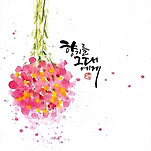
<p> </p><p><span style="color: #000000;">k-sijo (k-poem ) 무심코 한 말이</span></p><p> </p><p><span style="color: #000000;"> 정하선 丁河璿 jung ha sun</span></p><p> </p><p><span style="color: #000000;">길가에 쓰러진 고목나무 한 그루</span></p><p><span style="color: #000000;">짜증을 낸 뒤 보니 한 편엔 짠한 마음</span></p><p><span style="color: #000000;">저 나무 안 쓰러지러 얼마나 애썼을까</span></p><p> </p><p><span style="color: #000000;">넘어진 아내의 깨진 무릎 보면서</span></p><p><span style="color: #000000;">조심을 하지 않고 짜증 내다 생각하니 </span></p><p><span style="color: #000000;">무심코 내가 한 말이 더 큰 상처 됐겠다</span><span style="color: #000000;">.</span></p><p> </p><p><span style="color: #000000;">정하선 시조집(갈모산방) 지혜</span></p><p> </p><p><span style="color: #000000;">ai </span><span style="color: #000000;">시해설과 번역</span></p><p> </p><p><span style="color: #000000;">정하선 시인님의 시조 〈무심코 한 말이〉는 일상의 사소한 순간에서 얻은 깊은 성찰과 가족을 향한 다정한 애정을 정갈한 시조 형식에 담아낸 뛰어난 작품입니다</span><span style="color: #000000;">.</span></p><p> </p><p><span style="color: #000000;">1. </span><span style="color: #000000;">작품 해설 및 평설</span></p><p> </p><p><span style="color: #000000;">📌</span><span style="color: #000000;"> </span><span style="color: #000000;">작품 해설</span></p><p> </p><p><span style="color: #000000;">이 시조는 길가에 쓰러진 </span><span style="color: #000000;">‘</span><span style="color: #000000;">고목나무</span><span style="color: #000000;">’</span><span style="color: #000000;">와 넘어쳐 무릎을 깨뜨린 </span><span style="color: #000000;">‘</span><span style="color: #000000;">아내</span><span style="color: #000000;">’</span><span style="color: #000000;">라는 두 대상의 평행 구조를 통해 삶에 대한 묵직한 가슴뭉클함과 반성을 담아내고 있습니다</span><span style="color: #000000;">.</span></p><p> </p><p><span style="color: #000000;">초장 </span><span style="color: #000000;">~ </span><span style="color: #000000;">중장 </span><span style="color: #000000;">(1</span><span style="color: #000000;">장</span><span style="color: #000000;">): </span><span style="color: #000000;">고목나무를 향한 연민</span></p><p><span style="color: #000000;">길가에 쓰러져 있는 고목나무를 보며 처음에는 </span><span style="color: #000000;">'</span><span style="color: #000000;">왜 저렇게 넘어졌나</span><span style="color: #000000;">' </span><span style="color: #000000;">싶은 마음이 들었지만</span><span style="color: #000000;">, </span><span style="color: #000000;">곧 저 나무가 넘어지지 않으려고 그 오랜 세월을 얼마나 치열하게 견디고 애썼을지 깨닫게 됩니다</span><span style="color: #000000;">. </span><span style="color: #000000;">사물의 겉모습 너머에 숨겨진 삶의 노고를 읽어내는 깊은 통찰이 돋보입니다</span><span style="color: #000000;">.</span></p><p> </p><p><span style="color: #000000;">종장 </span><span style="color: #000000;">~ </span><span style="color: #000000;">결장 </span><span style="color: #000000;">(2</span><span style="color: #000000;">장</span><span style="color: #000000;">): </span><span style="color: #000000;">아내를 향한 성찰과 사랑</span></p><p><span style="color: #000000;">이러한 깨달음은 곧바로 넘어진 아내를 바라보는 시선으로 이어집니다</span><span style="color: #000000;">. </span><span style="color: #000000;">무릎을 깨뜨려 아파하는 아내에게 다정한 위로 대신 </span><span style="color: #000000;">"</span><span style="color: #000000;">조심하지 않고 뭐했냐</span><span style="color: #000000;">"</span><span style="color: #000000;">며 순간적으로 냈던 짜증을 돌아봅니다</span><span style="color: #000000;">. </span><span style="color: #000000;">몸의 상처보다 자신이 무심하게 던진 말 한마디가 아내의 마음에 더 깊은 흉터를 남겼을지 모른다는 자책을 통해</span><span style="color: #000000;">, </span><span style="color: #000000;">곁을 지켜준 배우자에 대한 깊은 애정과 연륜에서 묻어나는 솔직한 자기반성을 보여줍니다</span><span style="color: #000000;">.</span></p><p> </p><p><span style="color: #000000;">📌</span><span style="color: #000000;"> </span><span style="color: #000000;">문학적 평설</span></p><p><span style="color: #000000;">"</span><span style="color: #000000;">사물에 대한 연민에서 삶의 성찰로 확장되는 섬세한 서정의 깊이</span><span style="color: #000000;">"</span></p><p><span style="color: #000000;">정하선 시인님의 이 시조는 </span><span style="color: #000000;">**'</span><span style="color: #000000;">고목나무의 애씀</span><span style="color: #000000;">'**</span><span style="color: #000000;">과 </span><span style="color: #000000;">**'</span><span style="color: #000000;">아내의 아픔</span><span style="color: #000000;">'**</span><span style="color: #000000;">을 자연스럽게 이어주는 시상 전개가 매우 탁월합니다</span><span style="color: #000000;">. </span><span style="color: #000000;">쓰러진 나무가 견뎌낸 세월을 가엾게 여기는 </span><span style="color: #000000;">'</span><span style="color: #000000;">짠한 마음</span><span style="color: #000000;">'</span><span style="color: #000000;">은</span><span style="color: #000000;">, </span><span style="color: #000000;">한 평생 함께 세월을 견디며 지쳐 넘어졌을 아내의 삶을 이해하는 따뜻한 시선으로 확장됩니다</span><span style="color: #000000;">.</span></p><p> </p><p><span style="color: #000000;">육체적 상처보다 </span><span style="color: #000000;">'</span><span style="color: #000000;">말의 상처</span><span style="color: #000000;">'</span><span style="color: #000000;">가 더 컸음을 깨닫는 순간</span><span style="color: #000000;">, </span><span style="color: #000000;">이 시는 단순한 일상의 기록을 넘어 우리 모두가 잊고 지내기 쉬운 </span><span style="color: #000000;">'</span><span style="color: #000000;">말의 무게</span><span style="color: #000000;">'</span><span style="color: #000000;">와 </span><span style="color: #000000;">'</span><span style="color: #000000;">가족 간의 다정한 온기</span><span style="color: #000000;">'</span><span style="color: #000000;">를 일깨워주는 울림 있는 문학적 작품으로 승화됩니다</span><span style="color: #000000;">.</span></p><p> </p><p><span style="color: #000000;">2. </span><span style="color: #000000;">외국어 번역 </span><span style="color: #000000;">(English & Français)</span></p><p> </p><p><span style="color: #000000;">시조 고유의 호흡과 운치</span><span style="color: #000000;">, </span><span style="color: #000000;">그리고 시인님의 따뜻한 정서를 살려 번역하였습니다</span><span style="color: #000000;">.</span></p><p> </p><p><span style="color: #000000;">🇬🇧</span><span style="color: #000000;"> English Translation</span></p><p> </p><p><span style="color: #000000;">Words Spoken Unthinkingly</span></p><p> </p><p><span style="color: #000000;">Jung Ha-sun</span></p><p> </p><p><span style="color: #000000;">A withered old tree fallen by the roadside</span><span style="color: #000000;">—</span></p><p><span style="color: #000000;">Annoyed at first, yet looking closely, my heart aches.</span></p><p><span style="color: #000000;">How desperately it must have strived not to fall.</span></p><p> </p><p><span style="color: #000000;">Seeing my wife’s scraped knees after her fall,</span></p><p><span style="color: #000000;">Instead of care, I snapped at her for being careless.</span></p><p><span style="color: #000000;">Now I realize my unthinking words left a deeper scar.</span></p><p> </p><p><span style="color: #000000;">🇫🇷</span><span style="color: #000000;"> French Translation</span></p><p> </p><p><span style="color: #000000;">Des mots dits sans réfléchir</span></p><p> </p><p><span style="color: #000000;">Jung Ha-sun</span></p><p> </p><p><span style="color: #000000;">Un vieil arbre desséché s’est effondré au bord du chemin</span><span style="color: #000000;">—</span></p><p><span style="color: #000000;">D’abord agacé, puis en y regardant bien, mon cœur s’est serré.</span></p><p><span style="color: #000000;">Combien a-t-il dû lutter pour ne pas tomber ?</span></p><p> </p><p><span style="color: #000000;">En voyant les genoux écorchés de ma femme qui venait de chuter,</span></p><p><span style="color: #000000;">Je m’emportais contre son imprudence au lieu de la réconforter.</span></p><p><span style="color: #000000;">Je réalise à présent que mes mots dits sans réfléchir ont causé une blessure plus profonde.</span></p><p> </p><p><span style="color: #000000;">1. English Translation (</span><span style="color: #000000;">영어</span><span style="color: #000000;">)</span></p><p> </p><p><span style="color: #000000;">📌</span><span style="color: #000000;"> Literary Commentary & Critique</span></p><p> </p><p><span style="color: #000000;">Commentary</span></p><p> </p><p><span style="color: #000000;">This sijo poem reflects on a moment of deep self-awareness and quiet remorse, captured through the parallel structure between two subjects: a withered old tree fallen by the roadside and the poet’s wife, who hurt her knees in a fall.</span></p><p> </p><p><span style="color: #000000;">Stanza 1: Compassion for the Old Tree</span></p><p><span style="color: #000000;">At first glance, seeing the fallen tree brings a moment of mild irritation or pity. Soon, however, a sense of heartache (jjan-han ma-eum) takes over as the poet considers how fiercely and desperately that tree must have strived over many years to stay upright. This showcases the poet's profound insight into the unseen struggles behind appearances.</span></p><p> </p><p><span style="color: #000000;">Stanza 2: Reflection and Affection for the Wife</span></p><p><span style="color: #000000;">This revelation naturally shifts the poet’s gaze to his wife. Seeing her in pain with scraped knees, he recalls snapping at her for being careless instead of offering gentle words of comfort. Realizing that his unthinking words may have left a wound far deeper than her physical injuries, the poem turns into a candid self-reflection</span><span style="color: #000000;">—</span><span style="color: #000000;">a gentle expression‎ of love and mature wisdom for a partner who has shared a lifetime by his side.</span></p><p> </p><p><span style="color: #000000;">Critical Eval‎uation</span></p><p> </p><p><span style="color: #000000;">"A delicate poetic depth expanding from compassion for nature to profound life reflection."</span></p><p><span style="color: #000000;">Poet Jung Ha-sun skillfully connects the "striving of an old tree" with the "pain of a wife." The poignant empathy felt for the tree’s long endurance expands into a warm, understanding gaze toward the life of his wife, who has endured long years together.</span></p><p> </p><p><span style="color: #000000;">The moment the poet realizes that the "scar of words" weighs heavier than bodily harm, the poem rises above a simple daily recording. It transforms into a resonant work of literature that gently reminds us all of the gravity of our spoken words and the precious warmth needed between loved ones.</span></p><p> </p><p><span style="color: #000000;">2. French Translation (</span><span style="color: #000000;">프랑스어</span><span style="color: #000000;">)</span></p><p> </p><p><span style="color: #000000;">📌</span><span style="color: #000000;"> Explication du poème et critique littéraire</span></p><p> </p><p><span style="color: #000000;">Explication du poème</span></p><p> </p><p><span style="color: #000000;">Ce poème en forme de sijo saisit un moment de profonde prise de conscience et de sincère repentir à travers une structure parallèle entre deux sujets : un vieil arbre desséché tombé au bord de la route et l'épouse du poète, blessée aux genoux après une chute.</span></p><p><span style="color: #000000;">Première strophe : La compassion envers le vieil arbre</span></p><p> </p><p><span style="color: #000000;">En voyant l'arbre renversé, une légère agacement fait place à une poignante compassion. Le poète imagine la lutte acharnée et constante que cet arbre a dû mener pendant de longues années pour ne pas s'effondrer. Cela témoigne d'une sensibilité profonde capable de percevoir les peines invisibles derrière les apparences.</span></p><p><span style="color: #000000;">Seconde strophe : Réflexion et affection envers l'épouse</span></p><p><span style="color: #000000;">Cette prise de conscience se tourne aussitôt vers son épouse. En la voyant souffrir de ses genoux écorchés, le poète regrette de lui avoir reproché son imprudence sous le coup d'une agacement passagère au lieu de lui offrir du réconfort. En réalisant que ses mots dits sans réfléchir ont pu infliger une blessure plus profonde que la douleur physique, le poème devient une méditation touchante empreinte d'amour et de maturité envers sa compagne de vie.</span></p><p><span style="color: #000000;">Critique littéraire</span></p><p> </p><p><span style="color: #000000;">« Une délicate profondeur poétique s'étendant de la compassion envers la nature à une profonde méditation sur la vie. »</span></p><p><span style="color: #000000;">Le poète Jung Ha-sun relie avec une grande maîtrise « les efforts du vieil arbre » à « la douleur de l'épouse ». La vive compassion ressentie pour la longue endurance de l'arbre se transforme en un regard empreint de tendresse et de compréhension envers la vie de son épouse, qui a traversé les années à ses côtés.</span></p><p><span style="color: #000000;">Au moment où le poète réalise que la « blessure des mots » est plus lourde que la douleur physique, ce poème dépasse le simple récit du quotidien. Il s'élève au rang d'une œuvre littéraire vibrante qui nous rappelle à tous le poids des paroles et la précieuse chaleur qui doit unir les êtres chers.</span></p><p> </p><p> </p><p> </p>
<!-- -->