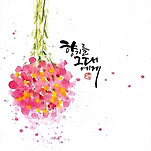
<p> </p><p><span style="color: #000000;"> k- sijo (k-poem) 군자란</span></p><p> </p><p><span style="color: #000000;"> 정하선 丁河璿 jung ha sun</span></p><p> </p><p><span style="color: #000000;">후덕한 자태에 내 마음이 이끌려</span></p><p><span style="color: #000000;">군자란 한 포기를 사다가 심었더니 </span></p><p><span style="color: #000000;">여리고 여린 속마음 무심결에 보이네</span></p><p> </p><p><span style="color: #000000;">포근한 가슴속 고요로만 푸르러</span></p><p><span style="color: #000000;">바람이 불어 일고 봄 햇살 일렁이자</span></p><p><span style="color: #000000;">감추고 감추려 해도 못 감출 일 있던가</span></p><p> </p><p><span style="color: #000000;">한겨울 올곧게 입 다물고 보내다</span></p><p><span style="color: #000000;">한순간 보이고만 추스른 여린 마음</span></p><p><span style="color: #000000;">온몸에 울음 뽑아서 터뜨린 꽃 한 송이</span><span style="color: #000000;">. </span></p><p> </p><p><span style="color: #000000;">정하선 시조집(갈모산방 ) 지혜</span></p><p> </p><p><span style="color: #000000;">ai </span><span style="color: #000000;">시해설과 번역</span></p><p> </p><p><span style="color: #000000;">정하선 시인님의 시조 </span><span style="color: #000000;"><</span><span style="color: #000000;">군자란</span><span style="color: #000000;">></span><span style="color: #000000;">은 대상</span><span style="color: #000000;">(</span><span style="color: #000000;">군자란</span><span style="color: #000000;">)</span><span style="color: #000000;">의 생태적 특성과 내면적 정서를 깊이 있게 포착하여 인격화한 뛰어난 작품입니다</span><span style="color: #000000;">. </span></p><p> </p><p><span style="color: #000000;">1. </span><span style="color: #000000;">시조 해설 및 감상평</span></p><p> </p><p><span style="color: #000000;">[</span><span style="color: #000000;">해설</span><span style="color: #000000;">]</span></p><p><span style="color: #000000;">이 시조는 겨울을 견뎌내고 비로소 꽃을 피워내는 </span><span style="color: #000000;">‘</span><span style="color: #000000;">군자란</span><span style="color: #000000;">(</span><span style="color: #000000;">君子蘭</span><span style="color: #000000;">)’</span><span style="color: #000000;">을 소재로 한 </span><span style="color: #000000;">3</span><span style="color: #000000;">장</span><span style="color: #000000;">(</span><span style="color: #000000;">초장</span><span style="color: #000000;">·</span><span style="color: #000000;">중장</span><span style="color: #000000;">·</span><span style="color: #000000;">종장</span><span style="color: #000000;">) </span><span style="color: #000000;">구조의 현대시조입니다</span><span style="color: #000000;">.</span></p><p> </p><p><span style="color: #000000;">초장</span><span style="color: #000000;">: </span><span style="color: #000000;">군자란의 덕스럽고 풍성한 모습</span><span style="color: #000000;">(</span><span style="color: #000000;">후덕한 자태</span><span style="color: #000000;">)</span><span style="color: #000000;">에 끌려 화단에 가져와 정성껏 가꾸는 과정이 담겨 있습니다</span><span style="color: #000000;">. '</span><span style="color: #000000;">여리고 여린 속마음</span><span style="color: #000000;">'</span><span style="color: #000000;">은 겉으로는 든든해 보이지만 내면은 더없이 부드럽고 섬세한 식물의 생명력을 의미합니다</span><span style="color: #000000;">.</span></p><p> </p><p><span style="color: #000000;">중장</span><span style="color: #000000;">: </span><span style="color: #000000;">바깥세상의 봄 바람과 햇살에 반응하며</span><span style="color: #000000;">, </span><span style="color: #000000;">오랫동안 품어온 내면의 푸르른 정서와 열정을 더 이상 숨기지 못하고 드러내기 시작하는 유기적인 변화를 노래합니다</span><span style="color: #000000;">.</span></p><p><span style="color: #000000;">종장</span><span style="color: #000000;">: </span><span style="color: #000000;">추운 한겨울을 </span><span style="color: #000000;">'</span><span style="color: #000000;">올곧게 입 다물고</span><span style="color: #000000;">' </span><span style="color: #000000;">견뎌낸 고난과 인내의 시간 끝에</span><span style="color: #000000;">, </span><span style="color: #000000;">마침내 온 힘을 다해 한 송이의 꽃을 피워내는 모습입니다</span><span style="color: #000000;">. </span><span style="color: #000000;">특히 </span><span style="color: #000000;">"</span><span style="color: #000000;">온몸에 울음 뽑아서 터뜨린 꽃 한 송이</span><span style="color: #000000;">"</span><span style="color: #000000;">라는 표현은 꽃을 피우는 행위를 억눌린 감정과 생명력이 폭발하는 시적 고통이자 승화로 처연하고 아름답게 표현하고 있습니다</span><span style="color: #000000;">.</span></p><p> </p><p><span style="color: #000000;">[</span><span style="color: #000000;">감상평</span><span style="color: #000000;">]</span></p><p><span style="color: #000000;">인내와 순수함이 피워낸 생명의 결정체</span></p><p><span style="color: #000000;">정하선 시인의 </span><span style="color: #000000;"><</span><span style="color: #000000;">군자란</span><span style="color: #000000;">></span><span style="color: #000000;">은 단지 화초를 관찰한 관조에 그치지 않고</span><span style="color: #000000;">, </span><span style="color: #000000;">대상과 시인의 마음이 일체화되는 경험을 선사합니다</span><span style="color: #000000;">. </span><span style="color: #000000;">군자란이 지닌 </span><span style="color: #000000;">'</span><span style="color: #000000;">절제와 인내</span><span style="color: #000000;">'</span><span style="color: #000000;">는 동양적인 선비 정신과도 닮아 있습니다</span><span style="color: #000000;">.</span></p><p><span style="color: #000000;">지독한 겨울의 침묵을 견디며 온몸으로 응축해 온 감정을 </span><span style="color: #000000;">'</span><span style="color: #000000;">울음</span><span style="color: #000000;">'</span><span style="color: #000000;">으로 비유하고</span><span style="color: #000000;">, </span><span style="color: #000000;">그것을 피어나는 </span><span style="color: #000000;">'</span><span style="color: #000000;">꽃</span><span style="color: #000000;">'</span><span style="color: #000000;">으로 번환시킨 종장의 시상 전개는 감동적입니다</span><span style="color: #000000;">. </span><span style="color: #000000;">그 울음은 슬픔의 눈물이 아닌</span><span style="color: #000000;">, </span><span style="color: #000000;">묵묵히 버텨온 생명이 세상을 향해 터뜨리는 가장 아름다운 환희이자 절정의 노래입니다</span><span style="color: #000000;">.</span></p><p> </p><p><span style="color: #000000;">2. </span><span style="color: #000000;">영어 번역 </span><span style="color: #000000;">(English Translation)</span></p><p> </p><p><span style="color: #000000;">Kaffir Lily (Gunjaran)</span></p><p> </p><p><span style="color: #000000;">by Jung Ha-sun</span></p><p> </p><p><span style="color: #000000;">Drawn by its generous and graceful stance,</span></p><p><span style="color: #000000;">I bought and planted a pot of Kaffir Lily;</span></p><p><span style="color: #000000;">Unwittingly, it reveals its soft and tender heart.</span></p><p> </p><p><span style="color: #000000;">Warm inside its heart, green with serene silence,</span></p><p><span style="color: #000000;">As breezes rise and spring sunlight shimmers,</span></p><p><span style="color: #000000;">How could it hide what can no longer be hidden?</span></p><p> </p><p><span style="color: #000000;">Enduring the deep winter with tight, upright lips,</span></p><p><span style="color: #000000;">A fleeting glimpse of the delicate heart now gathered,</span></p><p><span style="color: #000000;">A single flower bursts forth, pulling a cry from its whole body.</span></p><p> </p><p><span style="color: #000000;">3. </span><span style="color: #000000;">프랑스어 번역 </span><span style="color: #000000;">(Traduction Française)</span></p><p> </p><p><span style="color: #000000;">Le Lys du Cap (Gunjaran)</span></p><p> </p><p><span style="color: #000000;">par Jung Ha-sun</span></p><p> </p><p><span style="color: #000000;">Attiré par sa prestance généreuse et noble,</span></p><p><span style="color: #000000;">J'ai acheté et planté un pot de Lys du Cap ;</span></p><p><span style="color: #000000;">Involontairement, il me dévoile son cœur si tendre et fragile.</span></p><p> </p><p><span style="color: #000000;">Au fond de sa poitrine chaleureuse, verdoyant de sérénité,</span></p><p><span style="color: #000000;">Quand le vent s'élève et que le soleil printanier scintille,</span></p><p><span style="color: #000000;">Comment pourrait-il cacher ce qui ne peut plus l'être ?</span></p><p> </p><p><span style="color: #000000;">Ayant traversé le cœur de l'hiver, les lèvres vertueusement closes,</span></p><p><span style="color: #000000;">Son cœur fragile, un instant révélé puis rassemblé,</span></p><p><span style="color: #000000;">Une seule fleur éclate, extirpant un sanglot de tout son corps.</span></p><p> </p><p><span style="color: #000000;">1. English Translation (Commentary & Review)</span></p><p> </p><p><span style="color: #000000;">[Commentary]</span></p><p> </p><p><span style="color: #000000;">This sijo, titled "Kaffir Lily (Gunjaran)," is a modern sijo composed of three stanzas (introductory, middle, and concluding lines) that captures and personifies the ecological traits and inner emotions of the Kaffir Lily as it endures winter to bloom.</span></p><p><span style="color: #000000;">First Stanza (Chojang): It depicts the process of being drawn to the generous and graceful appearance of the plant, bringing it into the garden, and tending to it with care. The phrase "soft and tender heart" signifies the remarkably soft and delicate vitality within, despite its sturdy outer appearance.</span></p><p> </p><p><span style="color: #000000;">Middle Stanza (Joongjang): It sings of an organic transformation</span><span style="color: #000000;">—</span><span style="color: #000000;">reacting to the spring breeze and sunlight of the outer world, revealing the green emotions and passion long kept inside that can no longer be concealed.</span></p><p><span style="color: #000000;">Concluding Stanza (Jongjang): After enduring a harsh winter with "upright, closed lips"</span><span style="color: #000000;">—</span><span style="color: #000000;">a period of hardship and patience</span><span style="color: #000000;">—</span><span style="color: #000000;">the plant finally puts forth all its strength to bloom a single flower. In particular, the expression‎ "A single flower bursts forth, pulling a cry from its whole body" poignantly and beautifully portrays the act of blooming as both a poetic suffering and a sublimation where suppressed emotions and vital energy erupt.</span></p><p> </p><p><span style="color: #000000;">[Literary Review]</span></p><p><span style="color: #000000;">A Crystallization of Life Bloomed from Patience and Purity</span></p><p><span style="color: #000000;">Jung Ha-sun's Kaffir Lily goes beyond mere observation of a houseplant, offering an experience where the subject and the poet's inner self become one. The "moderation and endurance" embedded in the Kaffir Lily resonate with the noble, steadfast spirit of traditional East Asian scholarship (seonbi spirit).</span></p><p> </p><p><span style="color: #000000;">The thematic development in the concluding stanza</span><span style="color: #000000;">—</span><span style="color: #000000;">metaphorizing the condensed emotions borne through the silence of a severe winter into a "cry," and transforming that cry into a blooming "flower"</span><span style="color: #000000;">—</span><span style="color: #000000;">is deeply moving. That cry is not a tear of sorrow, but a song of supreme joy and climax erupted toward the world by a life that silently endured.</span></p><p> </p><p><span style="color: #000000;">2. Traduction Française (Commentaire & Critique)</span></p><p> </p><p><span style="color: #000000;">[Commentaire]</span></p><p><span style="color: #000000;">Ce sijo intitulé « Le Lys du Cap (Gunjaran) » est une œuvre moderne structurée en trois strophes (initiale, médiane et finale) qui saisit et personnifie avec finesse les caractéristiques écologiques et l'état d'âme du Lys du Cap, qui fleurit après avoir surmonté l'hiver.</span></p><p><span style="color: #000000;">Première strophe (Chojang) : Elle décrit l'attrait pour la prestance généreuse et noble de la plante, qu'on apporte au jardin pour la cultiver soigneusement. L'expression‎ « cœur si tendre et fragile » désigne la force de vie d'une douceur et d'une délicatesse infinies cachée sous une apparence robuste.</span></p><p><span style="color: #000000;">Strophe médiane (Joongjang) : Elle chante une transformation organique : réagissant au vent printanier et à la lumière du soleil, la plante commence à révéler ses sentiments verdoyants et sa passion longtemps couvés, qu'il est désormais impossible de dissimuler.</span></p><p> </p><p><span style="color: #000000;">Strophe finale (Jongjang) : Après avoir traversé le cœur de l'hiver « les lèvres vertueusement closes » </span><span style="color: #000000;">— </span><span style="color: #000000;">une période d'épreuves et de patience </span><span style="color: #000000;">—</span><span style="color: #000000;">, elle rassemble toutes ses forces pour faire éclore une seule fleur. En particulier, l'expression‎ « Une seule fleur éclate, extirpant un sanglot de tout son corps » traduit avec une beauté poignante l'éclosion comme une souffrance poétique et une sublimation où l'énergie vitale et les émotions contenues explosent.</span></p><p> </p><p><span style="color: #000000;">[Critique Littéraire]</span></p><p><span style="color: #000000;">Une cristallisation de la vie éclose de la patience et de la pureté</span></p><p><span style="color: #000000;">Le Lys du Cap de Jung Ha-sun dépasse la simple contemplation d'une plante d'intérieur pour offrir une expérience où le sujet et l'esprit du poète ne font qu'un. La « retenue et la patience » incarnées par le Lys du Cap rappellent l'esprit traditionnel du seonbi (le lettré vertueux).</span></p><p><span style="color: #000000;">La progression poétique de la strophe finale </span><span style="color: #000000;">— </span><span style="color: #000000;">métaphorisant en un « sanglot » les émotions condensées au fil du silence d'un hiver rigoureux, puis transformant ce sanglot en une « fleur » épanouie </span><span style="color: #000000;">— </span><span style="color: #000000;">est profondément émouvante. Ce sanglot n'est pas une larme de tristesse, mais le chant de joie le plus éclatant et le plus sublime qu'une vie, ayant silencieusement résisté, offre au monde.</span></p><p> </p><p> </p><p> </p><p> </p><p> </p><p> </p>
<!-- -->