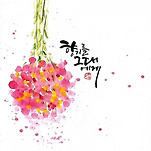
<p> </p><p><span style="color: #000000;">k-sijo (k-poem) 고풀이</span></p><p> </p><p><span style="color: #000000;"> 정하선 丁河璿  jung ha sun</span></p><p> </p><p><span style="color: #000000;">세상길 걸으며 분한 일을 당하고</span></p><p><span style="color: #000000;">실타래 꼬이듯이 꼬인 일 있었다면</span></p><p><span style="color: #000000;">가실 길 원통 함 놓여 어떤 길로 가시리</span></p><p> </p><p><span style="color: #000000;">풀어도 못 푸는 헝클어진 고 라면</span></p><p><span style="color: #000000;">풀어도 풀지 못할 원통한 일 있거든</span></p><p><span style="color: #000000;">다 풀어 잊어버리고</span><span style="color: #000000;">, </span><span style="color: #000000;">가시라고 빕니다</span></p><p> </p><p><span style="color: #000000;">이승에 맺힌 고 훌훌 풀어 던지고</span></p><p><span style="color: #000000;">흰 날개 훨훨 쳐서 극락에 가옵소서</span></p><p><span style="color: #000000;">가실 길 티 없이 닦아 치성드려 빕니다</span><span style="color: #000000;">.</span></p><p> </p><p><span style="color: #000000;"> 정하선 시조집(갈모산방)지혜</span></p><p> </p><p><span style="color: #000000;">ai </span><span style="color: #000000;">시해설과 번역</span></p><p> </p><p><span style="color: #000000;">1. </span><span style="color: #000000;">작품 해설</span></p><p> </p><p><span style="color: #000000;">「고풀이」는 한국의 전통적인 넋풀이</span><span style="color: #000000;">(</span><span style="color: #000000;">원혼을 달래는 굿</span><span style="color: #000000;">) </span><span style="color: #000000;">의식 중 하나인 </span><span style="color: #000000;">‘</span><span style="color: #000000;">고풀이</span><span style="color: #000000;">’</span><span style="color: #000000;">의 민속적 모티브를 </span><span style="color: #000000;">3</span><span style="color: #000000;">장 </span><span style="color: #000000;">6</span><span style="color: #000000;">구의 시조 양식으로 담아낸 작품입니다</span><span style="color: #000000;">. </span><span style="color: #000000;">여기서 </span><span style="color: #000000;">‘</span><span style="color: #000000;">고</span><span style="color: #000000;">’</span><span style="color: #000000;">는 헝클어진 실타래의 맺힌 마디를 뜻함과 동시에</span><span style="color: #000000;">, </span><span style="color: #000000;">인간이 살아가면서 가슴속에 쌓인 원한</span><span style="color: #000000;">, </span><span style="color: #000000;">다툼</span><span style="color: #000000;">, </span><span style="color: #000000;">아픔</span><span style="color: #000000;">, </span><span style="color: #000000;">억울함을 상징합니다</span><span style="color: #000000;">.</span></p><p> </p><p><span style="color: #000000;">초장</span><span style="color: #000000;">: </span><span style="color: #000000;">인간 세상에서 겪은 분한 일과 꼬여버린 삶의굴레를 짚어보며</span><span style="color: #000000;">, </span><span style="color: #000000;">이 원통함을 안은 채로는 저승길마저 평안히 갈 수 없음을 염려합니다</span><span style="color: #000000;">.</span></p><p> </p><p><span style="color: #000000;">중장</span><span style="color: #000000;">: </span><span style="color: #000000;">인간의 힘으로는 쉽게 풀리지 않는 깊은 한</span><span style="color: #000000;">(</span><span style="color: #000000;">恨</span><span style="color: #000000;">)</span><span style="color: #000000;">이라 할지라도</span><span style="color: #000000;">, </span><span style="color: #000000;">이제는 모든 걸 내려놓고 털어버린 채 안식의 길로 떠나기를 간절히 염원합니다</span><span style="color: #000000;">.</span></p><p> </p><p><span style="color: #000000;">종장</span><span style="color: #000000;">: </span><span style="color: #000000;">이승의 맺힌 한을 완전히 풀어 던지고 자유로운 </span><span style="color: #000000;">‘</span><span style="color: #000000;">흰 날개</span><span style="color: #000000;">’</span><span style="color: #000000;">를 얻어 극락왕생하기를 바라는 정성 어린 기도로 마무리됩니다</span><span style="color: #000000;">.</span></p><p> </p><p><span style="color: #000000;">2. </span><span style="color: #000000;">작품 평 </span><span style="color: #000000;">(</span><span style="color: #000000;">評</span><span style="color: #000000;">)</span></p><p> </p><p><span style="color: #000000;">이 시조는 전통적 한</span><span style="color: #000000;">(</span><span style="color: #000000;">恨</span><span style="color: #000000;">)</span><span style="color: #000000;">의 정서와 숭고한 정화</span><span style="color: #000000;">(</span><span style="color: #000000;">浄化</span><span style="color: #000000;">)</span><span style="color: #000000;">의 미학을 현대적 시조 가락 속에 훌륭하게 녹여낸 명작입니다</span><span style="color: #000000;">.</span></p><p> </p><p><span style="color: #000000;">상징적 이미지의 대비</span><span style="color: #000000;">: '</span><span style="color: #000000;">꼬인 실타래</span><span style="color: #000000;">/</span><span style="color: #000000;">헝클어진 고</span><span style="color: #000000;">'</span><span style="color: #000000;">라는 얽매임의 이미지와 </span><span style="color: #000000;">'</span><span style="color: #000000;">흰 날개</span><span style="color: #000000;">/</span><span style="color: #000000;">훨훨</span><span style="color: #000000;">'</span><span style="color: #000000;">이라는 해방과 승화의 이미지가 대비되어</span><span style="color: #000000;">, </span><span style="color: #000000;">죽은 이의 영혼이 차사</span><span style="color: #000000;">(</span><span style="color: #000000;">此世</span><span style="color: #000000;">)</span><span style="color: #000000;">에서 피세</span><span style="color: #000000;">(</span><span style="color: #000000;">彼世</span><span style="color: #000000;">)</span><span style="color: #000000;">로 나아가는 영적 여정을 시각적</span><span style="color: #000000;">·</span><span style="color: #000000;">감각적으로 생생하게 보여줍니다</span><span style="color: #000000;">.</span></p><p> </p><p><span style="color: #000000;">간절하고 숭고한 어조</span><span style="color: #000000;">: '</span><span style="color: #000000;">가시라고 빕니다</span><span style="color: #000000;">', '</span><span style="color: #000000;">치성드려 빕니다</span><span style="color: #000000;">'</span><span style="color: #000000;">와 같은 구절을 통해 단순한 감상에 그치지 않고</span><span style="color: #000000;">, </span><span style="color: #000000;">산 자가 죽은 자에게 바치는 깊은 위로와 극락왕생의 간절한 기원</span><span style="color: #000000;">(</span><span style="color: #000000;">祈願</span><span style="color: #000000;">)</span><span style="color: #000000;">을 담아내어 숭고미를 더합니다</span><span style="color: #000000;">.</span></p><p> </p><p><span style="color: #000000;">전통 율격과 현대적 정서의 조화</span><span style="color: #000000;">: </span><span style="color: #000000;">시조 본연의 </span><span style="color: #000000;">3·4</span><span style="color: #000000;">조 율격을 충실히 지키면서도</span><span style="color: #000000;">, </span><span style="color: #000000;">삶의 마무리에 필요한 </span><span style="color: #000000;">'</span><span style="color: #000000;">용서와 잊음</span><span style="color: #000000;">, </span><span style="color: #000000;">평화</span><span style="color: #000000;">'</span><span style="color: #000000;">라는 보편적 휴머니즘을 깊이 있게 전달하고 있습니다</span><span style="color: #000000;">.</span></p><p> </p><p><span style="color: #000000;">3. </span><span style="color: #000000;">외국어 번역 </span><span style="color: #000000;">(Translation)</span><span style="color: #000000;">시인님의 시조 </span><span style="color: #000000;"><</span><span style="color: #000000;">고풀이</span><span style="color: #000000;">></span><span style="color: #000000;">는 한국의 전통적인 </span><span style="color: #000000;">'</span><span style="color: #000000;">고풀이</span><span style="color: #000000;">(</span><span style="color: #000000;">넋풀이</span><span style="color: #000000;">) </span><span style="color: #000000;">굿</span><span style="color: #000000;">'</span><span style="color: #000000;">의 정서와 가락을 현대적인 시조 형식에 아름답게 담아낸 명작입니다</span><span style="color: #000000;">. </span><span style="color: #000000;">요청하신 해설</span><span style="color: #000000;">, </span><span style="color: #000000;">비평</span><span style="color: #000000;">(</span><span style="color: #000000;">평설</span><span style="color: #000000;">), </span><span style="color: #000000;">그리고 영어 및 프랑스어 번역을 정리하여 전달해 드립니다</span><span style="color: #000000;">.</span></p><p> </p><p><span style="color: #000000;">1. </span><span style="color: #000000;">시조 해설 </span><span style="color: #000000;">(Explanations)</span></p><p> </p><p><span style="color: #000000;">제목의 의미</span><span style="color: #000000;">: '</span><span style="color: #000000;">고</span><span style="color: #000000;">'</span><span style="color: #000000;">는 </span><span style="color: #000000;">'</span><span style="color: #000000;">실이나 끈 따위의 매듭</span><span style="color: #000000;">' </span><span style="color: #000000;">또는 마음속에 응어리진 </span><span style="color: #000000;">'</span><span style="color: #000000;">한</span><span style="color: #000000;">(</span><span style="color: #000000;">恨</span><span style="color: #000000;">)</span><span style="color: #000000;">과 원통함</span><span style="color: #000000;">'</span><span style="color: #000000;">을 뜻합니다</span><span style="color: #000000;">. '</span><span style="color: #000000;">고풀이</span><span style="color: #000000;">'</span><span style="color: #000000;">는 이승에서의 매듭과 맺힌 한을 풀어주어 넋이 편안히 저승으로 갈 수 있도록 하는 씻김의 행위입니다</span><span style="color: #000000;">.</span></p><p> </p><p><span style="color: #000000;">주제</span><span style="color: #000000;">: </span><span style="color: #000000;">이승에서의 맺힌 한과 갈등을 모두 풀고</span><span style="color: #000000;">, </span><span style="color: #000000;">부디 극락왕생하시기를 바라는 간절한 융숭한 비원</span><span style="color: #000000;">(</span><span style="color: #000000;">祈願</span><span style="color: #000000;">).</span></p><p> </p><p><span style="color: #000000;">구성 및 흐름</span><span style="color: #000000;">:</span></p><p><span style="color: #000000;">초장 </span><span style="color: #000000;">(1</span><span style="color: #000000;">장</span><span style="color: #000000;">): </span><span style="color: #000000;">망자</span><span style="color: #000000;">(</span><span style="color: #000000;">亡者</span><span style="color: #000000;">)</span><span style="color: #000000;">가 살아생전 겪었던 분한 일과 꼬였던 삶의 궤적을 어루만집니다</span><span style="color: #000000;">.</span></p><p> </p><p><span style="color: #000000;">중장 </span><span style="color: #000000;">(2</span><span style="color: #000000;">장</span><span style="color: #000000;">): </span><span style="color: #000000;">인간의 힘으로는 풀기 힘든 원통함과 응어리조차 모두 잊고 가기를 바라는 간절한 위로와 축원을 담고 있습니다</span><span style="color: #000000;">.</span></p><p> </p><p><span style="color: #000000;">종장 </span><span style="color: #000000;">(3</span><span style="color: #000000;">장</span><span style="color: #000000;">): </span><span style="color: #000000;">이승의 고를 모두 던져버리고</span><span style="color: #000000;">, '</span><span style="color: #000000;">흰 날개</span><span style="color: #000000;">'</span><span style="color: #000000;">로 상징되는 청정한 영혼이 되어 극락세계로 왕생하기를 비는 치성의 염원을 극대화합니다</span><span style="color: #000000;">.</span></p><p> </p><p><span style="color: #000000;">2. </span><span style="color: #000000;">시평 </span><span style="color: #000000;">(Critical Commentary)</span></p><p><span style="color: #000000;">"</span><span style="color: #000000;">전통적 한</span><span style="color: #000000;">(</span><span style="color: #000000;">恨</span><span style="color: #000000;">)</span><span style="color: #000000;">의 정서를 극락왕생의 숭고한 정화</span><span style="color: #000000;">(Purification)</span><span style="color: #000000;">로 승화시킨 현대시조의 수작</span><span style="color: #000000;">"</span></p><p><span style="color: #000000;">이 시조는 </span><span style="color: #000000;">3</span><span style="color: #000000;">장 </span><span style="color: #000000;">6</span><span style="color: #000000;">구의 정통 시조 율조를 완벽히 유지하면서도</span><span style="color: #000000;">, </span><span style="color: #000000;">전통 굿의 </span><span style="color: #000000;">'</span><span style="color: #000000;">고풀이</span><span style="color: #000000;">' </span><span style="color: #000000;">기원의식을 시적 언어로 매우 깊이 있게 재현해 냅니다</span><span style="color: #000000;">.</span></p><p> </p><p><span style="color: #000000;">상징적 이미지의 대비</span><span style="color: #000000;">: </span><span style="color: #000000;">삶의 고통을 </span><span style="color: #000000;">'</span><span style="color: #000000;">꼬인 실타래</span><span style="color: #000000;">', '</span><span style="color: #000000;">헝클어진 고</span><span style="color: #000000;">'</span><span style="color: #000000;">로 비유하여 구체화하고</span><span style="color: #000000;">, </span><span style="color: #000000;">영혼의 해탈을 </span><span style="color: #000000;">'</span><span style="color: #000000;">흰 날개</span><span style="color: #000000;">'</span><span style="color: #000000;">로 시각화하여 지상의 묵직한 한을 천상의 순백한 자유로 전환해 냅니다</span><span style="color: #000000;">.</span></p><p> </p><p><span style="color: #000000;">언어의 운율감과 진정성</span><span style="color: #000000;">: "...</span><span style="color: #000000;">가시리</span><span style="color: #000000;">", "...</span><span style="color: #000000;">빕니다</span><span style="color: #000000;">", "...</span><span style="color: #000000;">가옵소서</span><span style="color: #000000;">"</span><span style="color: #000000;">와 같이 정중하고 예스러운 종결 어미를 사용하여 치성을 드리는 시인의 경건하고 숭고한 태도가 드러납니다</span><span style="color: #000000;">.</span></p><p><span style="color: #000000;">위로의 서사</span><span style="color: #000000;">: </span><span style="color: #000000;">단순한 슬픔의 토로에 그치지 않고</span><span style="color: #000000;">, </span><span style="color: #000000;">망자의 아픔을 먼저 공감하고 어루만진 뒤 해탈로 인도하는 단계를 거침으로써 시적 감동을 배가시킵니다</span><span style="color: #000000;">.</span></p><p> </p><p><span style="color: #000000;">3. </span><span style="color: #000000;">외국어 번역 </span><span style="color: #000000;">(Translations)</span></p><p> </p><p><span style="color: #000000;">🇬🇧</span><span style="color: #000000;"> English Translation</span></p><p> </p><p><span style="color: #000000;">Untying the Knots of Grief (Go-puri)</span></p><p> </p><p><span style="color: #000000;">By Jung Ha-sun</span></p><p> </p><p><span style="color: #000000;">If you suffered injustice while walking the earthly paths,</span></p><p><span style="color: #000000;">And experienced life entangling like a matted thread,</span></p><p><span style="color: #000000;">With the regret on your passing way laid down, by which path will you tread?</span></p><p> </p><p><span style="color: #000000;">If it be a tangled knot that cannot be untied through effort,</span></p><p><span style="color: #000000;">If there remain bitterness and remorse impossible to unravel,</span></p><p><span style="color: #000000;">I pray you loosen it all, forget it completely, and depart in peace.</span></p><p> </p><p><span style="color: #000000;">Cast away all the knots bound to this worldly life,</span></p><p><span style="color: #000000;">Spread your white wings, and soar gracefully into Paradise.</span></p><p><span style="color: #000000;">I offer my devoted prayers, sweeping clean the path on which you travel.</span></p><p> </p><p><span style="color: #000000;">🇫🇷</span><span style="color: #000000;"> French Translation</span></p><p> </p><p><span style="color: #000000;">Dénouer les Nœuds de la Douleur (Go-puri)</span></p><p> </p><p><span style="color: #000000;">Par Jung Ha-sun</span></p><p> </p><p><span style="color: #000000;">Si vous avez subi l'injustice en arpentant les chemins de ce monde,</span></p><p><span style="color: #000000;">Et connu des jours emmêlés comme un écheveau de fil,</span></p><p><span style="color: #000000;">Débarrassé du regret sur votre voie de départ, quel chemin emprunterez-vous ?</span></p><p> </p><p><span style="color: #000000;">S'il s'agit d'un nœud emmêlé qu'on ne peut défaire,</span></p><p><span style="color: #000000;">S'il reste une rancœur impossible à dénouer,</span></p><p><span style="color: #000000;">Je prie pour que vous défassiez tout, l'oubliiez, et partiez en paix.</span></p><p> </p><p><span style="color: #000000;">Jetez au loin tous les nœuds noués à cette vie terrestre,</span></p><p><span style="color: #000000;">Déployez vos ailes blanches et envolez-vous vers le Paradis.</span></p><p><span style="color: #000000;">Je prie avec dévotion, en purifiant le chemin sur lequel vous vous en allez.</span></p><p> </p><p><span style="color: #000000;">1. </span><span style="color: #000000;">해설 </span><span style="color: #000000;">(Explanations)</span></p><p> </p><p><span style="color: #000000;">🇬🇧</span><span style="color: #000000;"> English</span></p><p> </p><p><span style="color: #000000;">「</span><span style="color: #000000;">Go-puri</span><span style="color: #000000;">」 </span><span style="color: #000000;">is a work that captures the folk motif of Gopuri</span><span style="color: #000000;">—</span><span style="color: #000000;">a traditional Korean shamanic ritual designed to comfort wandering spirits</span><span style="color: #000000;">—</span><span style="color: #000000;">within the classic three-stanza, six-line sijo poetic form. Here, the "knot" symbolizes not only tangled thread, but also the grudges, conflicts, pains, and grievances accumulated in human hearts throughout life.</span></p><p> </p><p><span style="color: #000000;">First Stanza (Chojang): Reflects on the injustices and tangled burdens of life experienced while walking the earthly path, expressing concern that one cannot pass peacefully into the afterlife while holding onto such bitter resentment.</span></p><p> </p><p><span style="color: #000000;">Second Stanza (Jungjang): Earnestly yearns for the spirit to lay everything down and depart in peace, even if the deep-seated sorrow is too heavy to untie by human effort alone.</span></p><p> </p><p><span style="color: #000000;">Final Stanza (Jongjang): Concludes with a prayer of utmost devotion, wishing that the departed completely untie and discard the knots bound to this world, gain pure "white wings," and achieve rebirth in Paradise.</span></p><p> </p><p><span style="color: #000000;">🇫🇷</span><span style="color: #000000;"> French</span></p><p> </p><p><span style="color: #000000;">« Go-puri » est une œuvre qui intègre dans la forme poétique classique du sijo (trois strophes et six vers) le motif folklorique du Gopuri, un rituel chamanique coréen traditionnel destiné à consoler les âmes errantes. Ici, le « nœud » symbolise non seulement l'écheveau emmêlé, mais aussi les rancœurs, les conflits, les douleurs et les injustices accumulés dans le cœur humain tout au long de la vie.</span></p><p><span style="color: #000000;">Première strophe (Chojang) : Évoque les injustices et les épreuves de la vie vécues sur le chemin terrestre, craignant que l'on ne puisse traverser en paix vers l'au-delà en portant un tel ressentiment.</span></p><p><span style="color: #000000;">Deuxième strophe (Jungjang) : Exprime le vœu ardent que l'âme dépose tout et parte en paix, même s'il s'agit d'une peine trop profonde pour être dénouée par le seul effort humain.</span></p><p><span style="color: #000000;">Dernière strophe (Jongjang) : Se conclut par une prière de grande dévotion, souhaitant que le défunt détache et rejette tous les nœuds de ce monde, reçoive de pures « ailes blanches » et accède à la renaissance au Paradis.</span></p><p> </p><p><span style="color: #000000;">2. </span><span style="color: #000000;">평 </span><span style="color: #000000;">(Critical Commentary)</span></p><p> </p><p><span style="color: #000000;">🇬🇧</span><span style="color: #000000;"> English</span></p><p><span style="color: #000000;">"A masterpiece of modern sijo that sublimates the traditional sentiment of han (sorrow/grudge) into the sublime purification of rebirth in Paradise."</span></p><p><span style="color: #000000;">This sijo faithfully preserves the traditional 3-4 meter rhythm of the genre while deeply and artistically recreating the ritualistic spirit of traditional shamanic grief-clearing:</span></p><p><span style="color: #000000;">Contrast of Symbolic Imagery: The suffering of life is concretized as a "tangled thread" or "matted knot," while the liberation of the soul is visualized as "white wings," successfully converting heavy earthly grief into pure heavenly freedom.</span></p><p><span style="color: #000000;">Melodious Tone and Sincerity: By utilizing polite, archaic ending suffixes such as "...gasiri" (will you go), "...bipnida" (I pray), and "...gaopsoseo" (please go), the poet conveys a reverent and sublime attitude of offering devotion.</span></p><p><span style="color: #000000;">Narrative of Consolation: Rather than merely venting sorrow, the poem deepens its emotional resonance by first empathizing with and soothing the pain of the departed before guiding them toward ultimate liberation.</span></p><p> </p><p><span style="color: #000000;">🇫🇷</span><span style="color: #000000;"> French</span></p><p><span style="color: #000000;">« Un chef-d'œuvre du sijo moderne qui sublime le sentiment traditionnel du han (douleur et rancœur) en une pure purification menant à la renaissance au Paradis. »</span></p><p><span style="color: #000000;">Ce sijo préserve fidèlement le rythme traditionnel à structure 3-4 du genre, tout en recréant avec une grande profondeur artistique l'esprit rituel du désenvoûtement chamanique traditionnel :</span></p><p><span style="color: #000000;">Contraste d'images symboliques : La souffrance de la vie est concrétisée par un « fil emmêlé » ou un « nœud en désordre », tandis que la libération de l'âme est visualisée par des « ailes blanches », transformant avec succès la lourde peine terrestre en une pure liberté céleste.</span></p><p><span style="color: #000000;">Ton mélodieux et sincérité : En utilisant des terminaisons respectueuses et archaïques telles que « ...gasiri » (irez-vous), « ...bipnida » (je prie) et « ...gaopsoseo » (veuillez aller), le poète transmet une attitude pieuse et sublime d'offrande et de prière.</span></p><p><span style="color: #000000;">Récit de consolation : Plutôt que de se limiter à une simple plainte, le poète approfondit l'émotion en sympathisant d'abord avec la douleur du défunt et en l'apaisant avant de le guider vers la libération ultime.</span></p><p> </p><p> </p>
<!-- -->