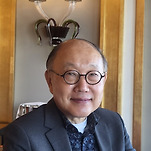
<p> </p><p><span style="color: #000000; background-color: #ffffff;" data-ke-size="size18"><b>마크 피터슨 미국 브리검영 대학교 한국학과 명예교수의 한국가족에 데힌 칼럼입니다.</b></span></p><p><span style="color: #000000; background-color: #ffffff;" data-ke-size="size18"><b>가족과 교육이라는 두 가지 가치는 과거와 현재 사이에서 변화했으며, 앞으로도 계속 변화할 가능성이 있습니다.</b></span></p><p><span style="color: #000000; background-color: #ffffff;" data-ke-size="size18"><b>모두 “아이 둘만 낳고 잘 키우자”라는 구호에 동참하여 가족규모를 줄인 결과 출산율이 0.65까지 떨어졌습니다.</b></span></p><p><span style="color: #000000; background-color: #ffffff;" data-ke-size="size18"><b>전통적 가족 제도(족보, 제사)는 약화되고 있으며, 개인 중심·평등 중심의 새로운 가족 개념이 확산되고 있습니다.</b></span></p><p> </p><p><span style="color: #000000; background-color: #ffffff;" data-ke-size="size20"><b>Paradigm shift in the family</b></span></p><p><span style="color: #000000; background-color: #ffffff;" data-ke-size="size20"><b>가족 패러다임의 변화</b></span></p><p> </p><p><span style="color: #000000; background-color: #ffffff;">By Mark Peterson</span><span style="color: #000000; background-color: #ffffff;"> </span><span style="color: #000000; background-color: #ffffff;">마크 피터슨</span></p><p><span style="color: #000000; background-color: #ffffff;">Mark Peterson (frogoutsidethewell@gmail.com) is a professor emeritus of Korean studies at Brigham Young University in Utah. The views expressed here are his own.</span></p><p><span style="color: #000000; background-color: #ffffff;">마크 피터슨(frogoutsidethewell@gmail.com)은 유타주 브리검 영 대학교 한국학 명예교수이다. 본문에 표현된 견해는 그의 개인적인 생각이다.</span></p><p> </p><p><span style="color: #000000; background-color: #ffffff;">Published May 28, 2026 3:10 pm KST</span></p><p><span style="color: #000000; background-color: #ffffff;">Korea Times</span></p><p> </p><p> </p><div class="figure-img" data-ke-type="image" data-ke-style="alignCenter" data-ke-mobilestyle="widthOrigin"><img src="https://t1.daumcdn.net/cafeattach/1YhkZ/cf6acd494b333aeaa6056a30ce90debaa2509755" class="txc-image" width="326" data-img-src="https://t1.daumcdn.net/cafeattach/1YhkZ/cf6acd494b333aeaa6056a30ce90debaa2509755" data-origin-width="1200" data-origin-height="1650"></div><p><span style="color: #000000; background-color: #ffffff;">I’ve seen a lot of changes in Korea in my 60 years here. Aside from the country's dramatic economic growth, I’m interested in looking at the family and how it has been impacted by the rapid changes in Korean society.</span></p><p><span style="color: #000000; background-color: #ffffff;">나는 한국에서 60년을 살면서 많은 변화를 목격했다. 한국의 눈부신 경제 성장 외에도, 저는 한국 사회의 급격한 변화가 가족에 어떤 영향을 미쳤는지에 관심을 가지고 있다.</span></p><p> </p><p><span style="color: #000000; background-color: #ffffff;">When I first came to Korea, I was impressed with two things: families and the educational system. Korea was one of the poorest countries in the world in 1965, after being exploited by the Japanese, divided against its will and recovering from a senseless war. Yet families were strong and there was a lot of pride in family and tradition. Part of the family tradition and one’s identity was the “jokbo” or Korean genealogical records outlining family history. I was impressed with how families did everything they could to ensure that the younger generation has access to education.</span></p><p><span style="color: #000000; background-color: #ffffff;">처음 한국에 왔을 때, 나는 두 가지에 깊은 인상을 받았다. 바로 가족과 교육 시스템이다. 1965년 당시 한국은 일제 강점기, 원치 않는 분단, 그리고 무의미한 전쟁의 상처로 세계에서 가장 가난한 나라 중 하나였다. 그럼에도 불구하고 가족의 유대감은 강했고, 가족과 전통에 대한 자부심은 매우 컸다. 가족 전통과 정체성의 일부는 가족의 역사를 기록한 한국식 족보였다. 저는 가족들이 젊은 세대가 교육을 받을 수 있도록 모든 노력을 기울이는 모습에 깊은 인상을 받았다.</span></p><p> </p><p><span style="color: #000000; background-color: #ffffff;">These two values of family and education have shifted between then and now, and are likely shifting again as we go into the future. In 1965, it was still important to have a large family, but sometime in the 70’s, the social paradigm shifted and it became important to control population growth. Everyone — and that means everyone — got behind the slogan “have only two and raise them well” to reduce family size.</span></p><p><span style="color: #000000; background-color: #ffffff;">가족과 교육이라는 두 가지 가치는 그때와 지금 사이에 변화했고, 앞으로도 계속 변화할 가능성이 크다. 1965년에는 대가족을 이루는 것이 여전히 중요했지만, 1970년대 어느 시점부터 사회적 패러다임이 바뀌면서 인구 증가를 억제하는 것이 중요해졌다. 모든 사람들, 정말 모든 사람들이 "아이 둘만 낳고 잘 키우자"라는 슬로건에 동참하여 가족 규모를 줄이려 했다.</span></p><p> </p><p><span style="color: #000000; background-color: #ffffff;">I’ve commented elsewhere that this was a kind of brainwashing. It was so effective that one rarely sees any family from the 70s through to the new millennium that did not have two children. Part of the problem became the throwaway phrase at the end of the slogan — “raise them well.” That alone is not the reason for today’s overarching materialism, but it contributes to it.</span></p><p><span style="color: #000000; background-color: #ffffff;">나는 다른 곳에서 이것이 일종의 세뇌였다고 언급한 적이 있다. 이 슬로건은 너무나 효과적이어서 1970년대부터 새천년까지 자녀가 둘이 아닌 가정을 찾아보기 힘들 정도이다. 문제의 일부는 슬로건의 마지막에 나오는 "잘 키우자"라는 말이 무심코 덧붙여진 데 있었다. 그것 하나만이 오늘날 만연한 물질주의의 원인은 아니지만, 분명히 영향을 미친다.</span></p><p> </p><p><span style="color: #000000; background-color: #ffffff;">I know a few of the families that chose not to follow the social norm. One family that I knew well had eight children. When the mother took her little brood to the store with her, people would ask if she were watching the neighborhood children. She’d respond that they were all hers only to meet with the questioner’s attitude shifting from approval to critical as if they believed she was going to ruin the country and cause everyone to starve to death. Nowadays, that family and the other families who refused to be have fewer children are considered social heroes that are saving the nation.</span></p><p><span style="color: #000000; background-color: #ffffff;">나는 사회적 규범을 따르지 않은 몇몇 가정을 알고 있다. 내가 잘 알던 한 가정은 아이가 여덟 명이나 있었다. 어머니가 아이들을 데리고 가게에 가면 사람들이 동네 아이들을 돌보고 있냐고 묻곤 했다. 어머니는 모두 자기 아이들이라고 대답했지만, 질문자의 태도는 마치 그녀가 나라를 망치고 모두를 굶어 죽게 할 거라고 믿는 듯 칭찬에서 비판으로 바뀌었다. 오늘날, 그 가족과 아이를 적게 낳지 않은 다른 가족들은 나라를 구하는 사회적 영웅으로 여겨지고 있다.</span></p><p> </p><p><span style="color: #000000; background-color: #ffffff;">But the nation has gone one step further. Now, the birth control movement has become the “don’t get married” movement, and the “get married but don’t have children” movement or the “one is enough” movement. Korea's fertility rate fell to a historic low at 0.65 in 2023, and Seoul, the paragon of all the social ideals in the country, was recorded at 0.55 the same year.</span></p><p><span style="color: #000000; background-color: #ffffff;">하지만 나라는 한 걸음 더 나아갔다. 이제 피임 운동은 "결혼하지 말라" 운동, "결혼은 하되 아이는 낳지 말라" 운동, 또는 "아이는 하나면 충분하다" 운동으로 변질되었다. 한국의 출산율은 2023년에 0.65로 사상 최저치를 기록했고, 한국의 모든 사회적 이상을 구현하는 도시인 서울의 출산율은 같은 해 0.55를 기록했다.</span></p><p> </p><p><span style="color: #000000; background-color: #ffffff;">When I first began to study Korea, its value and family systems, I discovered jokbo. I wrote one of my master’s papers on the Korean adoption system. Traditional adoption in Korea was a matter of handing over children to members of the extended family. It meant taking a son from one place in the jokbo and moving him to another. A man without a son would find a clansman who had more than one son, and the man without a son would adopt the other son as an heir who would inherit his property and perform ceremonies after his death.</span></p><p><span style="color: #000000; background-color: #ffffff;">제가 처음 한국의 가치관과 가족 제도를 연구하기 시작했을 때, 족보를 접하게 되었습니다. 나는 석사 논문 중 하나를 한국의 입양 제도에 대해 썼다. 한국의 전통적인 입양은 대가족 구성원에게 아이를 맡기는 것이었다. 족보의 한 지역에서 아들을 데려와 다른 지역으로 옮기는 것을 의미했다. 아들이 없는 남자는 아들이 여러 명 있는 친척을 찾아 그 아들을 입양하여 자신의 재산을 상속하고 사후에 장례를 치르는 것이었다.</span></p><p> </p><p><span style="color: #000000; background-color: #ffffff;">Well, that works if you’ve got extra sons. In modern Korea, that paradigm has shifted. There cannot be enough “heirs” to cover all the ancestors, so who goes without ceremonies after their death? It turns out, everyone: Koreans aren't doing ancestral rites any longer. Yes, there is some degree of carrying out the tradition — but it is dying. A young man I met has been taking pictures over the years of tables of food offered to ancestors. The offerings are getting simpler and simpler, symbolizing the declining interest in such ceremonies. There was a time when almost everyone performed ancestral ceremonies. Now, there are fewer and fewer who do.</span></p><p><span style="color: #000000; background-color: #ffffff;">물론 아들이 여러 명 있을 때만 가능한 일이었다. 하지만 현대 한국에서는 이러한 패러다임이 바뀌었다. 모든 조상의 혈통을 잇기에는 "상속인"이 부족하기 때문에, 사후에 장례를 치르지 않고 지나가는 사람이 누가 있겠나? 알고 보니, 한국인들은 더 이상 조상 제사를 지내지 않는 것 같다. 물론 전통을 완전히 지키지 않는 것은 아니지만, 그 존재감은 점점 사라지고 있다. 내가 만난 한 젊은이는 수년간 조상에게 바치는 음식 상차림 사진을 찍어 왔는데, 제물들이 점점 간소해지고 있다고 한다. 이는 조상 제사에 대한 관심이 줄어들고 있음을 상징적으로 보여준다. 한때 거의 모든 사람들이 조상 제사를 지냈지만, 이제는 그 수가 점점 줄어들고 있다.</span></p><p> </p><p><span style="color: #000000; background-color: #ffffff;">Where is the Korean family going? If the new Korean society has its way, opening the workforce and other social organizations seeking to advance women's rights, how will the family be different in the future? One thing I see on the horizon is a new view of jokbo. Jokbo will continue to exist in the future, but like so much in modern Korea, the paradigm will shift and jokbo will be like that in the West — equal for men and women. Traditional jokbo will become resources for people to look up their ancestors, both male and female.</span></p><p><span style="color: #000000; background-color: #ffffff;">한국 가족의 미래는 어떻게 될까? 여성의 권리 신장을 위해 노동 시장과 사회 조직을 개방하는 새로운 한국 사회가 나아간다면, 미래의 가족은 어떻게 달라질까? 내가 예상하는 한 가지는 족보에 대한 새로운 시각이다. 족보는 앞으로도 계속 존재하겠지만, 현대 한국의 많은 것들처럼 패러다임이 바뀌어 서구처럼 남녀평등한 족보가 될 것이다. 전통적인 족보는 남녀 조상을 찾아보는 하나의 자료로 남게 될 것이다.</span></p><p> </p><p><span style="color: #000000; background-color: #ffffff;">When people talk about their ancestors in the future, it will no longer be only those who have the same surname. This will include all with whom they share DNA and their grandmother’s lines as well. Genealogical research will expand and be more like the eight great, great grandfathers’ charts that Korea used before they were swept away by the male dominance of the last three centuries.</span></p><p><span style="color: #000000;">미래에는 사람들이 조상에 대해 이야기할 때, 단순히 같은 성씨를 가진 사람들만을 언급하지 않을 것이다. DNA를 공유하는 모든 사람, 심지어 할머니 쪽 가계까지 포함하게 될 것이다. 계보 연구는 더욱 확장되어, 지난 3세기 동안 남성 중심 사회에 밀려 사라지기 전 한국에서 사용되었던 8대조 가계도와 같은 형태를 띠게 될 것이다.</span></p><p> </p><p><span style="color: #000000;">#Paradigm shift 패러다임 변화 #Fertility rate 출산율 #Jokbo (genealogy) 족보 #Ancestral rites 제사(조상의례) #Family structure 가족구조</span></p><p> </p>
<!-- -->