<SPAN style="FONT-SIZE: 13px; COLOR: #000000; LINE-HEIGHT: 21px; FONT-FAMILY: '한양신명조'; TEXT-ALIGN: justify">After the Enlightenment</SPAN>
<P style="FONT-SIZE: 13px; MARGIN: 0px; COLOR: #000000; TEXT-INDENT: 0px; LINE-HEIGHT: 21px; FONT-FAMILY: '한양신명조'; TEXT-ALIGN: justify"><SPAN style="FONT-SIZE: 13px; COLOR: #000000; LINE-HEIGHT: 21px; FONT-FAMILY: '한양신명조'; TEXT-ALIGN: justify"></SPAN></P>
<P style="FONT-SIZE: 13px; MARGIN: 0px; COLOR: #000000; TEXT-INDENT: 0px; LINE-HEIGHT: 21px; FONT-FAMILY: '한양신명조'; TEXT-ALIGN: justify"><SPAN style="FONT-SIZE: 13px; COLOR: #000000; LINE-HEIGHT: 21px; FONT-FAMILY: '한양신명조'; TEXT-ALIGN: justify"><BR></SPAN></P>
<P style="FONT-SIZE: 13px; MARGIN: 0px; COLOR: #000000; TEXT-INDENT: 0px; LINE-HEIGHT: 21px; FONT-FAMILY: '한양신명조'; TEXT-ALIGN: justify"><SPAN style="FONT-SIZE: 13px; COLOR: #000000; LINE-HEIGHT: 21px; FONT-FAMILY: '한양신명조'; TEXT-ALIGN: justify">"Happy in this world is non-attachment". Udana</SPAN> </P>
<P style="FONT-SIZE: 13px; MARGIN: 0px; COLOR: #000000; TEXT-INDENT: 0px; LINE-HEIGHT: 21px; FONT-FAMILY: '한양신명조'; TEXT-ALIGN: justify"><SPAN style="FONT-SIZE: 13px; COLOR: #000000; LINE-HEIGHT: 21px; FONT-FAMILY: '한양신명조'; TEXT-ALIGN: justify"><BR></SPAN></P>
<P style="FONT-SIZE: 13px; MARGIN: 0px; COLOR: #000000; TEXT-INDENT: 0px; LINE-HEIGHT: 21px; FONT-FAMILY: '한양신명조'; TEXT-ALIGN: justify"><SPAN style="FONT-SIZE: 13px; COLOR: #000000; LINE-HEIGHT: 21px; FONT-FAMILY: '한양신명조'; TEXT-ALIGN: justify">In the memorable forenoon, immediately preceding the morn of His Enlightenment, as the Bodhisatta was seated under the Ajapala banyan tree in close proximity to the Bodhi tree, a generous lady, named Sujata, unexpectedly offered Him some rich milkrice, specially prepared by her with great care. This substantial meal He ate, and after His Enlightenment the Buddha fasted for seven weeks, and spent a quiet time, in deep contemplation, under the Bodhi tree and in its neighbourhood.</SPAN> </P>
<P style="FONT-SIZE: 13px; MARGIN: 0px; COLOR: #000000; TEXT-INDENT: 0px; LINE-HEIGHT: 21px; FONT-FAMILY: '한양신명조'; TEXT-ALIGN: justify"><SPAN style="FONT-SIZE: 13px; COLOR: #000000; LINE-HEIGHT: 21px; FONT-FAMILY: '한양신명조'; TEXT-ALIGN: justify"><BR></SPAN></P>
<P style="FONT-SIZE: 13px; MARGIN: 0px; COLOR: #000000; TEXT-INDENT: 0px; LINE-HEIGHT: 21px; FONT-FAMILY: '한양신명조'; TEXT-ALIGN: justify"><SPAN style="FONT-SIZE: 13px; COLOR: #000000; LINE-HEIGHT: 21px; FONT-FAMILY: '한양신명조'; TEXT-ALIGN: justify">The Seven Weeks</SPAN> </P>
<P style="FONT-SIZE: 13px; MARGIN: 0px; COLOR: #000000; TEXT-INDENT: 0px; LINE-HEIGHT: 21px; FONT-FAMILY: '한양신명조'; TEXT-ALIGN: justify"><SPAN style="FONT-SIZE: 13px; COLOR: #000000; LINE-HEIGHT: 21px; FONT-FAMILY: '한양신명조'; TEXT-ALIGN: justify">First Week</SPAN> </P>
<P style="FONT-SIZE: 13px; MARGIN: 0px; COLOR: #000000; TEXT-INDENT: 0px; LINE-HEIGHT: 21px; FONT-FAMILY: '한양신명조'; TEXT-ALIGN: justify"><SPAN style="FONT-SIZE: 13px; COLOR: #000000; LINE-HEIGHT: 21px; FONT-FAMILY: '한양신명조'; TEXT-ALIGN: justify">Throughout the first week the Buddha sat under the Bodhi tree in one posture, experiencing the Bliss of Emancipation (Vimutti Sukha).</SPAN> </P>
<P style="FONT-SIZE: 13px; MARGIN: 0px; COLOR: #000000; TEXT-INDENT: 0px; LINE-HEIGHT: 21px; FONT-FAMILY: '한양신명조'; TEXT-ALIGN: justify"><SPAN style="FONT-SIZE: 13px; COLOR: #000000; LINE-HEIGHT: 21px; FONT-FAMILY: '한양신명조'; TEXT-ALIGN: justify"><BR></SPAN></P>
<P style="FONT-SIZE: 13px; MARGIN: 0px; COLOR: #000000; TEXT-INDENT: 0px; LINE-HEIGHT: 21px; FONT-FAMILY: '한양신명조'; TEXT-ALIGN: justify"><SPAN style="FONT-SIZE: 13px; COLOR: #000000; LINE-HEIGHT: 21px; FONT-FAMILY: '한양신명조'; TEXT-ALIGN: justify">After those seven days had elapsed, the Buddha emerged from the state of concentration, and in the first watch of the night, thoroughly reflected on "The Dependent Arising" (Paoicca Samuppada) in direct order thus: "When this (cause) exists, this (effect) is; with the arising of this (cause), this effect arises."</SPAN> </P>
<P style="FONT-SIZE: 13px; MARGIN: 0px; COLOR: #000000; TEXT-INDENT: 0px; LINE-HEIGHT: 21px; FONT-FAMILY: '한양신명조'; TEXT-ALIGN: justify"><SPAN style="FONT-SIZE: 13px; COLOR: #000000; LINE-HEIGHT: 21px; FONT-FAMILY: '한양신명조'; TEXT-ALIGN: justify"><BR></SPAN></P>
<P style="FONT-SIZE: 13px; MARGIN: 0px; COLOR: #000000; TEXT-INDENT: 0px; LINE-HEIGHT: 21px; FONT-FAMILY: '한양신명조'; TEXT-ALIGN: justify"><SPAN style="FONT-SIZE: 13px; COLOR: #000000; LINE-HEIGHT: 21px; FONT-FAMILY: '한양신명조'; TEXT-ALIGN: justify">Dependent on Ignorance (avijja) arise moral and immoral Conditioning Activities (saokhara).</SPAN> </P>
<P style="FONT-SIZE: 13px; MARGIN: 0px; COLOR: #000000; TEXT-INDENT: 0px; LINE-HEIGHT: 21px; FONT-FAMILY: '한양신명조'; TEXT-ALIGN: justify"><SPAN style="FONT-SIZE: 13px; COLOR: #000000; LINE-HEIGHT: 21px; FONT-FAMILY: '한양신명조'; TEXT-ALIGN: justify"><BR></SPAN></P>
<P style="FONT-SIZE: 13px; MARGIN: 0px; COLOR: #000000; TEXT-INDENT: 0px; LINE-HEIGHT: 21px; FONT-FAMILY: '한양신명조'; TEXT-ALIGN: justify"><SPAN style="FONT-SIZE: 13px; COLOR: #000000; LINE-HEIGHT: 21px; FONT-FAMILY: '한양신명조'; TEXT-ALIGN: justify">Dependent on Conditioning Activities arises (Relinking) Consciousness (vinnaoa).</SPAN> </P>
<P style="FONT-SIZE: 13px; MARGIN: 0px; COLOR: #000000; TEXT-INDENT: 0px; LINE-HEIGHT: 21px; FONT-FAMILY: '한양신명조'; TEXT-ALIGN: justify"><SPAN style="FONT-SIZE: 13px; COLOR: #000000; LINE-HEIGHT: 21px; FONT-FAMILY: '한양신명조'; TEXT-ALIGN: justify">Dependent on (Relinking) Consciousness arise Mind and Matter (nama-rupa).</SPAN> </P>
<P style="FONT-SIZE: 13px; MARGIN: 0px; COLOR: #000000; TEXT-INDENT: 0px; LINE-HEIGHT: 21px; FONT-FAMILY: '한양신명조'; TEXT-ALIGN: justify"><SPAN style="FONT-SIZE: 13px; COLOR: #000000; LINE-HEIGHT: 21px; FONT-FAMILY: '한양신명조'; TEXT-ALIGN: justify">Dependent on Mind and Matter arise the Six Spheres of Sense (salayatana).</SPAN> </P>
<P style="FONT-SIZE: 13px; MARGIN: 0px; COLOR: #000000; TEXT-INDENT: 0px; LINE-HEIGHT: 21px; FONT-FAMILY: '한양신명조'; TEXT-ALIGN: justify"><SPAN style="FONT-SIZE: 13px; COLOR: #000000; LINE-HEIGHT: 21px; FONT-FAMILY: '한양신명조'; TEXT-ALIGN: justify">Dependent on the Six Spheres of Sense arises Contact (phassa).</SPAN> </P>
<P style="FONT-SIZE: 13px; MARGIN: 0px; COLOR: #000000; TEXT-INDENT: 0px; LINE-HEIGHT: 21px; FONT-FAMILY: '한양신명조'; TEXT-ALIGN: justify"><SPAN style="FONT-SIZE: 13px; COLOR: #000000; LINE-HEIGHT: 21px; FONT-FAMILY: '한양신명조'; TEXT-ALIGN: justify">Dependent on Contact arises Feeling (vedana).</SPAN> </P>
<P style="FONT-SIZE: 13px; MARGIN: 0px; COLOR: #000000; TEXT-INDENT: 0px; LINE-HEIGHT: 21px; FONT-FAMILY: '한양신명조'; TEXT-ALIGN: justify"><SPAN style="FONT-SIZE: 13px; COLOR: #000000; LINE-HEIGHT: 21px; FONT-FAMILY: '한양신명조'; TEXT-ALIGN: justify">Dependent on Feeling arises Craving (taoha).</SPAN> </P>
<P style="FONT-SIZE: 13px; MARGIN: 0px; COLOR: #000000; TEXT-INDENT: 0px; LINE-HEIGHT: 21px; FONT-FAMILY: '한양신명조'; TEXT-ALIGN: justify"><SPAN style="FONT-SIZE: 13px; COLOR: #000000; LINE-HEIGHT: 21px; FONT-FAMILY: '한양신명조'; TEXT-ALIGN: justify">Dependent on Craving arises Grasping (upadana).</SPAN> </P>
<P style="FONT-SIZE: 13px; MARGIN: 0px; COLOR: #000000; TEXT-INDENT: 0px; LINE-HEIGHT: 21px; FONT-FAMILY: '한양신명조'; TEXT-ALIGN: justify"><SPAN style="FONT-SIZE: 13px; COLOR: #000000; LINE-HEIGHT: 21px; FONT-FAMILY: '한양신명조'; TEXT-ALIGN: justify">Dependent on Grasping arises Becoming (bhava).</SPAN> </P>
<P style="FONT-SIZE: 13px; MARGIN: 0px; COLOR: #000000; TEXT-INDENT: 0px; LINE-HEIGHT: 21px; FONT-FAMILY: '한양신명조'; TEXT-ALIGN: justify"><SPAN style="FONT-SIZE: 13px; COLOR: #000000; LINE-HEIGHT: 21px; FONT-FAMILY: '한양신명조'; TEXT-ALIGN: justify">Dependent on Becoming arises Birth (jati).</SPAN> </P>
<P style="FONT-SIZE: 13px; MARGIN: 0px; COLOR: #000000; TEXT-INDENT: 0px; LINE-HEIGHT: 21px; FONT-FAMILY: '한양신명조'; TEXT-ALIGN: justify"><SPAN style="FONT-SIZE: 13px; COLOR: #000000; LINE-HEIGHT: 21px; FONT-FAMILY: '한양신명조'; TEXT-ALIGN: justify">Dependent on Birth arise Decay (jara), Death (maraoa), Sorrow (soka), Lamentation (parideva), Pain (dukkha) Grief (domanassa), and Despair (upayasa).</SPAN> </P>
<P style="FONT-SIZE: 13px; MARGIN: 0px; COLOR: #000000; TEXT-INDENT: 0px; LINE-HEIGHT: 21px; FONT-FAMILY: '한양신명조'; TEXT-ALIGN: justify"><SPAN style="FONT-SIZE: 13px; COLOR: #000000; LINE-HEIGHT: 21px; FONT-FAMILY: '한양신명조'; TEXT-ALIGN: justify"><BR></SPAN></P>
<P style="FONT-SIZE: 13px; MARGIN: 0px; COLOR: #000000; TEXT-INDENT: 0px; LINE-HEIGHT: 21px; FONT-FAMILY: '한양신명조'; TEXT-ALIGN: justify"><SPAN style="FONT-SIZE: 13px; COLOR: #000000; LINE-HEIGHT: 21px; FONT-FAMILY: '한양신명조'; TEXT-ALIGN: justify">Thus does this whole mass of suffering originate.</SPAN> </P>
<P style="FONT-SIZE: 13px; MARGIN: 0px; COLOR: #000000; TEXT-INDENT: 0px; LINE-HEIGHT: 21px; FONT-FAMILY: '한양신명조'; TEXT-ALIGN: justify"><SPAN style="FONT-SIZE: 13px; COLOR: #000000; LINE-HEIGHT: 21px; FONT-FAMILY: '한양신명조'; TEXT-ALIGN: justify"><BR></SPAN></P>
<P style="FONT-SIZE: 13px; MARGIN: 0px; COLOR: #000000; TEXT-INDENT: 0px; LINE-HEIGHT: 21px; FONT-FAMILY: '한양신명조'; TEXT-ALIGN: justify"><SPAN style="FONT-SIZE: 13px; COLOR: #000000; LINE-HEIGHT: 21px; FONT-FAMILY: '한양신명조'; TEXT-ALIGN: justify">Thereupon the Exalted One, knowing the meaning of this, uttered, at that time, this paean of joy:</SPAN> </P>
<P style="FONT-SIZE: 13px; MARGIN: 0px; COLOR: #000000; TEXT-INDENT: 0px; LINE-HEIGHT: 21px; FONT-FAMILY: '한양신명조'; TEXT-ALIGN: justify"><SPAN style="FONT-SIZE: 13px; COLOR: #000000; LINE-HEIGHT: 21px; FONT-FAMILY: '한양신명조'; TEXT-ALIGN: justify">"When, indeed, the Truths become manifest unto the strenuous, meditative Brahmana, then do all his doubts vanish away since he knows the truth together with its cause."</SPAN> </P>
<P style="FONT-SIZE: 13px; MARGIN: 0px; COLOR: #000000; TEXT-INDENT: 0px; LINE-HEIGHT: 21px; FONT-FAMILY: '한양신명조'; TEXT-ALIGN: justify"><SPAN style="FONT-SIZE: 13px; COLOR: #000000; LINE-HEIGHT: 21px; FONT-FAMILY: '한양신명조'; TEXT-ALIGN: justify"><BR></SPAN></P>
<P style="FONT-SIZE: 13px; MARGIN: 0px; COLOR: #000000; TEXT-INDENT: 0px; LINE-HEIGHT: 21px; FONT-FAMILY: '한양신명조'; TEXT-ALIGN: justify"><SPAN style="FONT-SIZE: 13px; COLOR: #000000; LINE-HEIGHT: 21px; FONT-FAMILY: '한양신명조'; TEXT-ALIGN: justify">In the middle watch of the night the Exalted One thoroughly reflected on "The Dependent Arising" in reverse order thus: "When this cause does not exist, this effect is not; with the cessation of this cause, this effect ceases.</SPAN> </P>
<P style="FONT-SIZE: 13px; MARGIN: 0px; COLOR: #000000; TEXT-INDENT: 0px; LINE-HEIGHT: 21px; FONT-FAMILY: '한양신명조'; TEXT-ALIGN: justify"><SPAN style="FONT-SIZE: 13px; COLOR: #000000; LINE-HEIGHT: 21px; FONT-FAMILY: '한양신명조'; TEXT-ALIGN: justify"><BR></SPAN></P>
<P style="FONT-SIZE: 13px; MARGIN: 0px; COLOR: #000000; TEXT-INDENT: 0px; LINE-HEIGHT: 21px; FONT-FAMILY: '한양신명조'; TEXT-ALIGN: justify"><SPAN style="FONT-SIZE: 13px; COLOR: #000000; LINE-HEIGHT: 21px; FONT-FAMILY: '한양신명조'; TEXT-ALIGN: justify">With the cessation of Ignorance, Conditioning Activities cease.</SPAN> </P>
<P style="FONT-SIZE: 13px; MARGIN: 0px; COLOR: #000000; TEXT-INDENT: 0px; LINE-HEIGHT: 21px; FONT-FAMILY: '한양신명조'; TEXT-ALIGN: justify"><SPAN style="FONT-SIZE: 13px; COLOR: #000000; LINE-HEIGHT: 21px; FONT-FAMILY: '한양신명조'; TEXT-ALIGN: justify">With the cessation of Conditioning Activities (Relinking) Consciousness ceases.</SPAN> </P>
<P style="FONT-SIZE: 13px; MARGIN: 0px; COLOR: #000000; TEXT-INDENT: 0px; LINE-HEIGHT: 21px; FONT-FAMILY: '한양신명조'; TEXT-ALIGN: justify"><SPAN style="FONT-SIZE: 13px; COLOR: #000000; LINE-HEIGHT: 21px; FONT-FAMILY: '한양신명조'; TEXT-ALIGN: justify">With the cessation of (Relinking) Consciousness, Mind and Matter cease.</SPAN> </P>
<P style="FONT-SIZE: 13px; MARGIN: 0px; COLOR: #000000; TEXT-INDENT: 0px; LINE-HEIGHT: 21px; FONT-FAMILY: '한양신명조'; TEXT-ALIGN: justify"><SPAN style="FONT-SIZE: 13px; COLOR: #000000; LINE-HEIGHT: 21px; FONT-FAMILY: '한양신명조'; TEXT-ALIGN: justify">With the cessation of Mind and Matter, the six Spheres of Sense cease.</SPAN> </P>
<P style="FONT-SIZE: 13px; MARGIN: 0px; COLOR: #000000; TEXT-INDENT: 0px; LINE-HEIGHT: 21px; FONT-FAMILY: '한양신명조'; TEXT-ALIGN: justify"><SPAN style="FONT-SIZE: 13px; COLOR: #000000; LINE-HEIGHT: 21px; FONT-FAMILY: '한양신명조'; TEXT-ALIGN: justify">With the cessation of the Six Spheres of Sense, Contact ceases.</SPAN> </P>
<P style="FONT-SIZE: 13px; MARGIN: 0px; COLOR: #000000; TEXT-INDENT: 0px; LINE-HEIGHT: 21px; FONT-FAMILY: '한양신명조'; TEXT-ALIGN: justify"><SPAN style="FONT-SIZE: 13px; COLOR: #000000; LINE-HEIGHT: 21px; FONT-FAMILY: '한양신명조'; TEXT-ALIGN: justify">With the cessation of Contact, Feeling ceases.</SPAN> </P>
<P style="FONT-SIZE: 13px; MARGIN: 0px; COLOR: #000000; TEXT-INDENT: 0px; LINE-HEIGHT: 21px; FONT-FAMILY: '한양신명조'; TEXT-ALIGN: justify"><SPAN style="FONT-SIZE: 13px; COLOR: #000000; LINE-HEIGHT: 21px; FONT-FAMILY: '한양신명조'; TEXT-ALIGN: justify">With the cessation of Feeling, Craving ceases.</SPAN> </P>
<P style="FONT-SIZE: 13px; MARGIN: 0px; COLOR: #000000; TEXT-INDENT: 0px; LINE-HEIGHT: 21px; FONT-FAMILY: '한양신명조'; TEXT-ALIGN: justify"><SPAN style="FONT-SIZE: 13px; COLOR: #000000; LINE-HEIGHT: 21px; FONT-FAMILY: '한양신명조'; TEXT-ALIGN: justify">With the cessation of Craving, Grasping ceases.</SPAN> </P>
<P style="FONT-SIZE: 13px; MARGIN: 0px; COLOR: #000000; TEXT-INDENT: 0px; LINE-HEIGHT: 21px; FONT-FAMILY: '한양신명조'; TEXT-ALIGN: justify"><SPAN style="FONT-SIZE: 13px; COLOR: #000000; LINE-HEIGHT: 21px; FONT-FAMILY: '한양신명조'; TEXT-ALIGN: justify">With the cessation of Grasping, Becoming ceases.</SPAN> </P>
<P style="FONT-SIZE: 13px; MARGIN: 0px; COLOR: #000000; TEXT-INDENT: 0px; LINE-HEIGHT: 21px; FONT-FAMILY: '한양신명조'; TEXT-ALIGN: justify"><SPAN style="FONT-SIZE: 13px; COLOR: #000000; LINE-HEIGHT: 21px; FONT-FAMILY: '한양신명조'; TEXT-ALIGN: justify">With the cessation of Becoming, Birth ceases.</SPAN> </P>
<P style="FONT-SIZE: 13px; MARGIN: 0px; COLOR: #000000; TEXT-INDENT: 0px; LINE-HEIGHT: 21px; FONT-FAMILY: '한양신명조'; TEXT-ALIGN: justify"><SPAN style="FONT-SIZE: 13px; COLOR: #000000; LINE-HEIGHT: 21px; FONT-FAMILY: '한양신명조'; TEXT-ALIGN: justify">With the cessation of Birth, Decay, Death, Sorrow, Lamentation, Pain, Grief, and Despair cease.</SPAN> </P>
<P style="FONT-SIZE: 13px; MARGIN: 0px; COLOR: #000000; TEXT-INDENT: 0px; LINE-HEIGHT: 21px; FONT-FAMILY: '한양신명조'; TEXT-ALIGN: justify"><SPAN style="FONT-SIZE: 13px; COLOR: #000000; LINE-HEIGHT: 21px; FONT-FAMILY: '한양신명조'; TEXT-ALIGN: justify"><BR></SPAN></P>
<P style="FONT-SIZE: 13px; MARGIN: 0px; COLOR: #000000; TEXT-INDENT: 0px; LINE-HEIGHT: 21px; FONT-FAMILY: '한양신명조'; TEXT-ALIGN: justify"><SPAN style="FONT-SIZE: 13px; COLOR: #000000; LINE-HEIGHT: 21px; FONT-FAMILY: '한양신명조'; TEXT-ALIGN: justify">Thus does this whole mass of suffering cease. Thereupon the Exalted One, knowing the meaning of this, uttered, at that time, this paean of joy:</SPAN> </P>
<P style="FONT-SIZE: 13px; MARGIN: 0px; COLOR: #000000; TEXT-INDENT: 0px; LINE-HEIGHT: 21px; FONT-FAMILY: '한양신명조'; TEXT-ALIGN: justify"><SPAN style="FONT-SIZE: 13px; COLOR: #000000; LINE-HEIGHT: 21px; FONT-FAMILY: '한양신명조'; TEXT-ALIGN: justify">"When, indeed, the Truths become manifest unto the strenuous and meditative Brahmana, then all his doubts vanish away since he has understood the destruction of the causes."</SPAN> </P>
<P style="FONT-SIZE: 13px; MARGIN: 0px; COLOR: #000000; TEXT-INDENT: 0px; LINE-HEIGHT: 21px; FONT-FAMILY: '한양신명조'; TEXT-ALIGN: justify"><SPAN style="FONT-SIZE: 13px; COLOR: #000000; LINE-HEIGHT: 21px; FONT-FAMILY: '한양신명조'; TEXT-ALIGN: justify"><BR></SPAN></P>
<P style="FONT-SIZE: 13px; MARGIN: 0px; COLOR: #000000; TEXT-INDENT: 0px; LINE-HEIGHT: 21px; FONT-FAMILY: '한양신명조'; TEXT-ALIGN: justify"><SPAN style="FONT-SIZE: 13px; COLOR: #000000; LINE-HEIGHT: 21px; FONT-FAMILY: '한양신명조'; TEXT-ALIGN: justify">In the third watch of the night, the Exalted One reflected on "The Dependent Arising" in direct and reverse order thus. "When this cause exists, this effect is; with the arising of this cause, this effect arises. When this cause does not exist, this effect is not; with the cessation of this cause, this effect ceases.</SPAN> </P>
<P style="FONT-SIZE: 13px; MARGIN: 0px; COLOR: #000000; TEXT-INDENT: 0px; LINE-HEIGHT: 21px; FONT-FAMILY: '한양신명조'; TEXT-ALIGN: justify"><SPAN style="FONT-SIZE: 13px; COLOR: #000000; LINE-HEIGHT: 21px; FONT-FAMILY: '한양신명조'; TEXT-ALIGN: justify"><BR></SPAN></P>
<P style="FONT-SIZE: 13px; MARGIN: 0px; COLOR: #000000; TEXT-INDENT: 0px; LINE-HEIGHT: 21px; FONT-FAMILY: '한양신명조'; TEXT-ALIGN: justify"><SPAN style="FONT-SIZE: 13px; COLOR: #000000; LINE-HEIGHT: 21px; FONT-FAMILY: '한양신명조'; TEXT-ALIGN: justify">Dependent on Ignorance arise Conditioning Activities and so forth.</SPAN> </P>
<P style="FONT-SIZE: 13px; MARGIN: 0px; COLOR: #000000; TEXT-INDENT: 0px; LINE-HEIGHT: 21px; FONT-FAMILY: '한양신명조'; TEXT-ALIGN: justify"><SPAN style="FONT-SIZE: 13px; COLOR: #000000; LINE-HEIGHT: 21px; FONT-FAMILY: '한양신명조'; TEXT-ALIGN: justify"><BR></SPAN></P>
<P style="FONT-SIZE: 13px; MARGIN: 0px; COLOR: #000000; TEXT-INDENT: 0px; LINE-HEIGHT: 21px; FONT-FAMILY: '한양신명조'; TEXT-ALIGN: justify"><SPAN style="FONT-SIZE: 13px; COLOR: #000000; LINE-HEIGHT: 21px; FONT-FAMILY: '한양신명조'; TEXT-ALIGN: justify">Thus does this whole mass of suffering arise.</SPAN> </P>
<P style="FONT-SIZE: 13px; MARGIN: 0px; COLOR: #000000; TEXT-INDENT: 0px; LINE-HEIGHT: 21px; FONT-FAMILY: '한양신명조'; TEXT-ALIGN: justify"><SPAN style="FONT-SIZE: 13px; COLOR: #000000; LINE-HEIGHT: 21px; FONT-FAMILY: '한양신명조'; TEXT-ALIGN: justify"><BR></SPAN></P>
<P style="FONT-SIZE: 13px; MARGIN: 0px; COLOR: #000000; TEXT-INDENT: 0px; LINE-HEIGHT: 21px; FONT-FAMILY: '한양신명조'; TEXT-ALIGN: justify"><SPAN style="FONT-SIZE: 13px; COLOR: #000000; LINE-HEIGHT: 21px; FONT-FAMILY: '한양신명조'; TEXT-ALIGN: justify">With the cessation of Ignorance, Conditioning Activities cease . . . and so forth.</SPAN> </P>
<P style="FONT-SIZE: 13px; MARGIN: 0px; COLOR: #000000; TEXT-INDENT: 0px; LINE-HEIGHT: 21px; FONT-FAMILY: '한양신명조'; TEXT-ALIGN: justify"><SPAN style="FONT-SIZE: 13px; COLOR: #000000; LINE-HEIGHT: 21px; FONT-FAMILY: '한양신명조'; TEXT-ALIGN: justify"><BR></SPAN></P>
<P style="FONT-SIZE: 13px; MARGIN: 0px; COLOR: #000000; TEXT-INDENT: 0px; LINE-HEIGHT: 21px; FONT-FAMILY: '한양신명조'; TEXT-ALIGN: justify"><SPAN style="FONT-SIZE: 13px; COLOR: #000000; LINE-HEIGHT: 21px; FONT-FAMILY: '한양신명조'; TEXT-ALIGN: justify">Thus does this whole mass of suffering cease.</SPAN> </P>
<P style="FONT-SIZE: 13px; MARGIN: 0px; COLOR: #000000; TEXT-INDENT: 0px; LINE-HEIGHT: 21px; FONT-FAMILY: '한양신명조'; TEXT-ALIGN: justify"><SPAN style="FONT-SIZE: 13px; COLOR: #000000; LINE-HEIGHT: 21px; FONT-FAMILY: '한양신명조'; TEXT-ALIGN: justify"><BR></SPAN></P>
<P style="FONT-SIZE: 13px; MARGIN: 0px; COLOR: #000000; TEXT-INDENT: 0px; LINE-HEIGHT: 21px; FONT-FAMILY: '한양신명조'; TEXT-ALIGN: justify"><SPAN style="FONT-SIZE: 13px; COLOR: #000000; LINE-HEIGHT: 21px; FONT-FAMILY: '한양신명조'; TEXT-ALIGN: justify">Thereupon the Blessed One, knowing the meaning of this, uttered, at that time, this paean of joy:</SPAN> </P>
<P style="FONT-SIZE: 13px; MARGIN: 0px; COLOR: #000000; TEXT-INDENT: 0px; LINE-HEIGHT: 21px; FONT-FAMILY: '한양신명조'; TEXT-ALIGN: justify"><SPAN style="FONT-SIZE: 13px; COLOR: #000000; LINE-HEIGHT: 21px; FONT-FAMILY: '한양신명조'; TEXT-ALIGN: justify">"When indeed the Truths become manifest unto the strenuous and meditative Brahmana, then he stands routing the hosts of the Evil One even as the sun illumines the sky."</SPAN> </P>
<P style="FONT-SIZE: 13px; MARGIN: 0px; COLOR: #000000; TEXT-INDENT: 0px; LINE-HEIGHT: 21px; FONT-FAMILY: '한양신명조'; TEXT-ALIGN: justify"><SPAN style="FONT-SIZE: 13px; COLOR: #000000; LINE-HEIGHT: 21px; FONT-FAMILY: '한양신명조'; TEXT-ALIGN: justify"><BR></SPAN></P>
<P style="FONT-SIZE: 13px; MARGIN: 0px; COLOR: #000000; TEXT-INDENT: 0px; LINE-HEIGHT: 21px; FONT-FAMILY: '한양신명조'; TEXT-ALIGN: justify"><SPAN style="FONT-SIZE: 13px; COLOR: #000000; LINE-HEIGHT: 21px; FONT-FAMILY: '한양신명조'; TEXT-ALIGN: justify">Second Week</SPAN> </P>
<P style="FONT-SIZE: 13px; MARGIN: 0px; COLOR: #000000; TEXT-INDENT: 0px; LINE-HEIGHT: 21px; FONT-FAMILY: '한양신명조'; TEXT-ALIGN: justify"><SPAN style="FONT-SIZE: 13px; COLOR: #000000; LINE-HEIGHT: 21px; FONT-FAMILY: '한양신명조'; TEXT-ALIGN: justify">The second week was uneventful, but He silently taught a great moral lesson to the world. As a mark of profound gratitude to the inanimate Bodhi tree that sheltered him during His struggle for Enlightenment, He stood at a certain distance gazing at the tree with motionless eyes for one whole week.</SPAN> </P>
<P style="FONT-SIZE: 13px; MARGIN: 0px; COLOR: #000000; TEXT-INDENT: 0px; LINE-HEIGHT: 21px; FONT-FAMILY: '한양신명조'; TEXT-ALIGN: justify"><SPAN style="FONT-SIZE: 13px; COLOR: #000000; LINE-HEIGHT: 21px; FONT-FAMILY: '한양신명조'; TEXT-ALIGN: justify"><BR></SPAN></P>
<P style="FONT-SIZE: 13px; MARGIN: 0px; COLOR: #000000; TEXT-INDENT: 0px; LINE-HEIGHT: 21px; FONT-FAMILY: '한양신명조'; TEXT-ALIGN: justify"><SPAN style="FONT-SIZE: 13px; COLOR: #000000; LINE-HEIGHT: 21px; FONT-FAMILY: '한양신명조'; TEXT-ALIGN: justify">Following His noble example, His followers, in memory of His Enlightenment, still venerate not only the original Bodhi tree but also its descendants.</SPAN> </P>
<P style="FONT-SIZE: 13px; MARGIN: 0px; COLOR: #000000; TEXT-INDENT: 0px; LINE-HEIGHT: 21px; FONT-FAMILY: '한양신명조'; TEXT-ALIGN: justify"><SPAN style="FONT-SIZE: 13px; COLOR: #000000; LINE-HEIGHT: 21px; FONT-FAMILY: '한양신명조'; TEXT-ALIGN: justify"><BR></SPAN></P>
<P style="FONT-SIZE: 13px; MARGIN: 0px; COLOR: #000000; TEXT-INDENT: 0px; LINE-HEIGHT: 21px; FONT-FAMILY: '한양신명조'; TEXT-ALIGN: justify"><SPAN style="FONT-SIZE: 13px; COLOR: #000000; LINE-HEIGHT: 21px; FONT-FAMILY: '한양신명조'; TEXT-ALIGN: justify">Third Week</SPAN> </P>
<P style="FONT-SIZE: 13px; MARGIN: 0px; COLOR: #000000; TEXT-INDENT: 0px; LINE-HEIGHT: 21px; FONT-FAMILY: '한양신명조'; TEXT-ALIGN: justify"><SPAN style="FONT-SIZE: 13px; COLOR: #000000; LINE-HEIGHT: 21px; FONT-FAMILY: '한양신명조'; TEXT-ALIGN: justify">As the Buddha had not given up His temporary residence at the Bodhi tree the Devas doubted His attainment to Buddhahood. The Buddha read their thoughts, and in order to clear their doubts He created by His psychic powers a jewelled ambulatory (ratana caokamana) and paced up and down for another week.</SPAN> </P>
<P style="FONT-SIZE: 13px; MARGIN: 0px; COLOR: #000000; TEXT-INDENT: 0px; LINE-HEIGHT: 21px; FONT-FAMILY: '한양신명조'; TEXT-ALIGN: justify"><SPAN style="FONT-SIZE: 13px; COLOR: #000000; LINE-HEIGHT: 21px; FONT-FAMILY: '한양신명조'; TEXT-ALIGN: justify"><BR></SPAN></P>
<P style="FONT-SIZE: 13px; MARGIN: 0px; COLOR: #000000; TEXT-INDENT: 0px; LINE-HEIGHT: 21px; FONT-FAMILY: '한양신명조'; TEXT-ALIGN: justify"><SPAN style="FONT-SIZE: 13px; COLOR: #000000; LINE-HEIGHT: 21px; FONT-FAMILY: '한양신명조'; TEXT-ALIGN: justify">Fourth Week</SPAN> </P>
<P style="FONT-SIZE: 13px; MARGIN: 0px; COLOR: #000000; TEXT-INDENT: 0px; LINE-HEIGHT: 21px; FONT-FAMILY: '한양신명조'; TEXT-ALIGN: justify"><SPAN style="FONT-SIZE: 13px; COLOR: #000000; LINE-HEIGHT: 21px; FONT-FAMILY: '한양신명조'; TEXT-ALIGN: justify">The fourth week He spent in a jewelled chamber (ratanaghara) contemplating the intricacies of the Abhidhamma (Higher Teaching). Books state that His mind and body were so purified when He pondered on the Book of Relations (Paoohana), the seventh treatise of the Abhidhamma, that six coloured rays emitted from His body.</SPAN> </P>
<P style="FONT-SIZE: 13px; MARGIN: 0px; COLOR: #000000; TEXT-INDENT: 0px; LINE-HEIGHT: 21px; FONT-FAMILY: '한양신명조'; TEXT-ALIGN: justify"><SPAN style="FONT-SIZE: 13px; COLOR: #000000; LINE-HEIGHT: 21px; FONT-FAMILY: '한양신명조'; TEXT-ALIGN: justify"><BR></SPAN></P>
<P style="FONT-SIZE: 13px; MARGIN: 0px; COLOR: #000000; TEXT-INDENT: 0px; LINE-HEIGHT: 21px; FONT-FAMILY: '한양신명조'; TEXT-ALIGN: justify"><SPAN style="FONT-SIZE: 13px; COLOR: #000000; LINE-HEIGHT: 21px; FONT-FAMILY: '한양신명조'; TEXT-ALIGN: justify">Fifth Week</SPAN> </P>
<P style="FONT-SIZE: 13px; MARGIN: 0px; COLOR: #000000; TEXT-INDENT: 0px; LINE-HEIGHT: 21px; FONT-FAMILY: '한양신명조'; TEXT-ALIGN: justify"><SPAN style="FONT-SIZE: 13px; COLOR: #000000; LINE-HEIGHT: 21px; FONT-FAMILY: '한양신명조'; TEXT-ALIGN: justify">During the fifth week too the Buddha enjoyed the Bliss of Emancipation (Vimutti Sukha), seated in one posture under the famous Ajapala banyan tree in the vicinity of the Bodhi tree. When He arose from that transcendental state a conceited (huhunkajatiha) brahmin approached Him and after the customary salutations and friendly, greetings, questioned Him thus: "In what respect, O Venerable Gotama, does one become a Brahmana and what are the conditions that make a Brahmaoa?"</SPAN> </P>
<P style="FONT-SIZE: 13px; MARGIN: 0px; COLOR: #000000; TEXT-INDENT: 0px; LINE-HEIGHT: 21px; FONT-FAMILY: '한양신명조'; TEXT-ALIGN: justify"><SPAN style="FONT-SIZE: 13px; COLOR: #000000; LINE-HEIGHT: 21px; FONT-FAMILY: '한양신명조'; TEXT-ALIGN: justify"><BR></SPAN></P>
<P style="FONT-SIZE: 13px; MARGIN: 0px; COLOR: #000000; TEXT-INDENT: 0px; LINE-HEIGHT: 21px; FONT-FAMILY: '한양신명조'; TEXT-ALIGN: justify"><SPAN style="FONT-SIZE: 13px; COLOR: #000000; LINE-HEIGHT: 21px; FONT-FAMILY: '한양신명조'; TEXT-ALIGN: justify">The Buddha uttered this paean of joy in reply:</SPAN> </P>
<P style="FONT-SIZE: 13px; MARGIN: 0px; COLOR: #000000; TEXT-INDENT: 0px; LINE-HEIGHT: 21px; FONT-FAMILY: '한양신명조'; TEXT-ALIGN: justify"><SPAN style="FONT-SIZE: 13px; COLOR: #000000; LINE-HEIGHT: 21px; FONT-FAMILY: '한양신명조'; TEXT-ALIGN: justify">"That brahmin who has discarded evil, without conceit (huhumka), free from Defilements, self-controlled, versed in knowledge and who has led the Holy Life rightly, would call himself a Brahmana. For him there is no elation anywhere in this world."</SPAN> </P>
<P style="FONT-SIZE: 13px; MARGIN: 0px; COLOR: #000000; TEXT-INDENT: 0px; LINE-HEIGHT: 21px; FONT-FAMILY: '한양신명조'; TEXT-ALIGN: justify"><SPAN style="FONT-SIZE: 13px; COLOR: #000000; LINE-HEIGHT: 21px; FONT-FAMILY: '한양신명조'; TEXT-ALIGN: justify"><BR></SPAN></P>
<P style="FONT-SIZE: 13px; MARGIN: 0px; COLOR: #000000; TEXT-INDENT: 0px; LINE-HEIGHT: 21px; FONT-FAMILY: '한양신명조'; TEXT-ALIGN: justify"><SPAN style="FONT-SIZE: 13px; COLOR: #000000; LINE-HEIGHT: 21px; FONT-FAMILY: '한양신명조'; TEXT-ALIGN: justify">According to the Jataka commentary it was during this week that the daughters of Mara-Taoha, Arati and Raga made a vain attempt to tempt the Buddha by their charms.</SPAN> </P>
<P style="FONT-SIZE: 13px; MARGIN: 0px; COLOR: #000000; TEXT-INDENT: 0px; LINE-HEIGHT: 21px; FONT-FAMILY: '한양신명조'; TEXT-ALIGN: justify"><SPAN style="FONT-SIZE: 13px; COLOR: #000000; LINE-HEIGHT: 21px; FONT-FAMILY: '한양신명조'; TEXT-ALIGN: justify"><BR></SPAN></P>
<P style="FONT-SIZE: 13px; MARGIN: 0px; COLOR: #000000; TEXT-INDENT: 0px; LINE-HEIGHT: 21px; FONT-FAMILY: '한양신명조'; TEXT-ALIGN: justify"><SPAN style="FONT-SIZE: 13px; COLOR: #000000; LINE-HEIGHT: 21px; FONT-FAMILY: '한양신명조'; TEXT-ALIGN: justify">Sixth week</SPAN> </P>
<P style="FONT-SIZE: 13px; MARGIN: 0px; COLOR: #000000; TEXT-INDENT: 0px; LINE-HEIGHT: 21px; FONT-FAMILY: '한양신명조'; TEXT-ALIGN: justify"><SPAN style="FONT-SIZE: 13px; COLOR: #000000; LINE-HEIGHT: 21px; FONT-FAMILY: '한양신명조'; TEXT-ALIGN: justify">From the Ajapala banyan tree the Buddha proceeded to the Mucalinda tree, where he spent the sixth week, again enjoying the Bliss of Emancipation. At that time there arose an unexpected great shower. Rain clouds and gloomy weather with cold winds prevailed for several days.</SPAN> </P>
<P style="FONT-SIZE: 13px; MARGIN: 0px; COLOR: #000000; TEXT-INDENT: 0px; LINE-HEIGHT: 21px; FONT-FAMILY: '한양신명조'; TEXT-ALIGN: justify"><SPAN style="FONT-SIZE: 13px; COLOR: #000000; LINE-HEIGHT: 21px; FONT-FAMILY: '한양신명조'; TEXT-ALIGN: justify"><BR></SPAN></P>
<P style="FONT-SIZE: 13px; MARGIN: 0px; COLOR: #000000; TEXT-INDENT: 0px; LINE-HEIGHT: 21px; FONT-FAMILY: '한양신명조'; TEXT-ALIGN: justify"><SPAN style="FONT-SIZE: 13px; COLOR: #000000; LINE-HEIGHT: 21px; FONT-FAMILY: '한양신명조'; TEXT-ALIGN: justify">Thereupon Mucalinda, the serpent-king, came out of his abode, and coiling round the body of the Buddha seven times, remained keeping his large hood over the head of the Buddha so that He may not be affected by the elements.</SPAN> </P>
<P style="FONT-SIZE: 13px; MARGIN: 0px; COLOR: #000000; TEXT-INDENT: 0px; LINE-HEIGHT: 21px; FONT-FAMILY: '한양신명조'; TEXT-ALIGN: justify"><SPAN style="FONT-SIZE: 13px; COLOR: #000000; LINE-HEIGHT: 21px; FONT-FAMILY: '한양신명조'; TEXT-ALIGN: justify"><BR></SPAN></P>
<P style="FONT-SIZE: 13px; MARGIN: 0px; COLOR: #000000; TEXT-INDENT: 0px; LINE-HEIGHT: 21px; FONT-FAMILY: '한양신명조'; TEXT-ALIGN: justify"><SPAN style="FONT-SIZE: 13px; COLOR: #000000; LINE-HEIGHT: 21px; FONT-FAMILY: '한양신명조'; TEXT-ALIGN: justify">At the close of seven days Mucalinda, seeing the clear, cloudless sky, uncoiled himself from around the body of the Buddha, and, leaving his own form, took the guise of a young man, and stood in front of the Exalted One with clasped hands.</SPAN> </P>
<P style="FONT-SIZE: 13px; MARGIN: 0px; COLOR: #000000; TEXT-INDENT: 0px; LINE-HEIGHT: 21px; FONT-FAMILY: '한양신명조'; TEXT-ALIGN: justify"><SPAN style="FONT-SIZE: 13px; COLOR: #000000; LINE-HEIGHT: 21px; FONT-FAMILY: '한양신명조'; TEXT-ALIGN: justify"><BR></SPAN></P>
<P style="FONT-SIZE: 13px; MARGIN: 0px; COLOR: #000000; TEXT-INDENT: 0px; LINE-HEIGHT: 21px; FONT-FAMILY: '한양신명조'; TEXT-ALIGN: justify"><SPAN style="FONT-SIZE: 13px; COLOR: #000000; LINE-HEIGHT: 21px; FONT-FAMILY: '한양신명조'; TEXT-ALIGN: justify">Thereupon the Buddha uttered this paean of joy:</SPAN> </P>
<P style="FONT-SIZE: 13px; MARGIN: 0px; COLOR: #000000; TEXT-INDENT: 0px; LINE-HEIGHT: 21px; FONT-FAMILY: '한양신명조'; TEXT-ALIGN: justify"><SPAN style="FONT-SIZE: 13px; COLOR: #000000; LINE-HEIGHT: 21px; FONT-FAMILY: '한양신명조'; TEXT-ALIGN: justify">"Happy is seclusion to him who is contented, to him who has heard the truth, and to him who sees. Happy is goodwill in this world, and so is restraint towards all beings. Happy in this world is non-attachment, the passing beyond of sense-desires. The suppression of the 'I am' conceit is indeed the highest happiness."</SPAN> </P>
<P style="FONT-SIZE: 13px; MARGIN: 0px; COLOR: #000000; TEXT-INDENT: 0px; LINE-HEIGHT: 21px; FONT-FAMILY: '한양신명조'; TEXT-ALIGN: justify"><SPAN style="FONT-SIZE: 13px; COLOR: #000000; LINE-HEIGHT: 21px; FONT-FAMILY: '한양신명조'; TEXT-ALIGN: justify"><BR></SPAN></P>
<P style="FONT-SIZE: 13px; MARGIN: 0px; COLOR: #000000; TEXT-INDENT: 0px; LINE-HEIGHT: 21px; FONT-FAMILY: '한양신명조'; TEXT-ALIGN: justify"><SPAN style="FONT-SIZE: 13px; COLOR: #000000; LINE-HEIGHT: 21px; FONT-FAMILY: '한양신명조'; TEXT-ALIGN: justify">Seventh week</SPAN> </P>
<P style="FONT-SIZE: 13px; MARGIN: 0px; COLOR: #000000; TEXT-INDENT: 0px; LINE-HEIGHT: 21px; FONT-FAMILY: '한양신명조'; TEXT-ALIGN: justify"><SPAN style="FONT-SIZE: 13px; COLOR: #000000; LINE-HEIGHT: 21px; FONT-FAMILY: '한양신명조'; TEXT-ALIGN: justify">The seventh week the Buddha peacefully passed at the Rajayatana tree, experiencing the Bliss of Emancipation.</SPAN> </P>
<P style="FONT-SIZE: 13px; MARGIN: 0px; COLOR: #000000; TEXT-INDENT: 0px; LINE-HEIGHT: 21px; FONT-FAMILY: '한양신명조'; TEXT-ALIGN: justify"><SPAN style="FONT-SIZE: 13px; COLOR: #000000; LINE-HEIGHT: 21px; FONT-FAMILY: '한양신명조'; TEXT-ALIGN: justify"><BR></SPAN></P>
<P style="FONT-SIZE: 13px; MARGIN: 0px; COLOR: #000000; TEXT-INDENT: 0px; LINE-HEIGHT: 21px; FONT-FAMILY: '한양신명조'; TEXT-ALIGN: justify"><SPAN style="FONT-SIZE: 13px; COLOR: #000000; LINE-HEIGHT: 21px; FONT-FAMILY: '한양신명조'; TEXT-ALIGN: justify">One of the First Utterances of the Buddha.</SPAN> </P>
<P style="FONT-SIZE: 13px; MARGIN: 0px; COLOR: #000000; TEXT-INDENT: 0px; LINE-HEIGHT: 21px; FONT-FAMILY: '한양신명조'; TEXT-ALIGN: justify"><SPAN style="FONT-SIZE: 13px; COLOR: #000000; LINE-HEIGHT: 21px; FONT-FAMILY: '한양신명조'; TEXT-ALIGN: justify">'Thro' many a birth in existence wandered I,</SPAN> </P>
<P style="FONT-SIZE: 13px; MARGIN: 0px; COLOR: #000000; TEXT-INDENT: 0px; LINE-HEIGHT: 21px; FONT-FAMILY: '한양신명조'; TEXT-ALIGN: justify"><SPAN style="FONT-SIZE: 13px; COLOR: #000000; LINE-HEIGHT: 21px; FONT-FAMILY: '한양신명조'; TEXT-ALIGN: justify">Seeking, but not finding, the builder of this house.</SPAN> </P>
<P style="FONT-SIZE: 13px; MARGIN: 0px; COLOR: #000000; TEXT-INDENT: 0px; LINE-HEIGHT: 21px; FONT-FAMILY: '한양신명조'; TEXT-ALIGN: justify"><SPAN style="FONT-SIZE: 13px; COLOR: #000000; LINE-HEIGHT: 21px; FONT-FAMILY: '한양신명조'; TEXT-ALIGN: justify">Sorrowful is repeated birth.</SPAN> </P>
<P style="FONT-SIZE: 13px; MARGIN: 0px; COLOR: #000000; TEXT-INDENT: 0px; LINE-HEIGHT: 21px; FONT-FAMILY: '한양신명조'; TEXT-ALIGN: justify"><SPAN style="FONT-SIZE: 13px; COLOR: #000000; LINE-HEIGHT: 21px; FONT-FAMILY: '한양신명조'; TEXT-ALIGN: justify">O housebuilder, thou art seen. Thou shalt build no house again.</SPAN> </P>
<P style="FONT-SIZE: 13px; MARGIN: 0px; COLOR: #000000; TEXT-INDENT: 0px; LINE-HEIGHT: 21px; FONT-FAMILY: '한양신명조'; TEXT-ALIGN: justify"><SPAN style="FONT-SIZE: 13px; COLOR: #000000; LINE-HEIGHT: 21px; FONT-FAMILY: '한양신명조'; TEXT-ALIGN: justify">All thy rafters are broken. Thy ridge-pole is shattered.</SPAN> </P>
<P style="FONT-SIZE: 13px; MARGIN: 0px; COLOR: #000000; TEXT-INDENT: 0px; LINE-HEIGHT: 21px; FONT-FAMILY: '한양신명조'; TEXT-ALIGN: justify"><SPAN style="FONT-SIZE: 13px; COLOR: #000000; LINE-HEIGHT: 21px; FONT-FAMILY: '한양신명조'; TEXT-ALIGN: justify">Mind attains the Unconditioned.</SPAN> </P>
<P style="FONT-SIZE: 13px; MARGIN: 0px; COLOR: #000000; TEXT-INDENT: 0px; LINE-HEIGHT: 21px; FONT-FAMILY: '한양신명조'; TEXT-ALIGN: justify"><SPAN style="FONT-SIZE: 13px; COLOR: #000000; LINE-HEIGHT: 21px; FONT-FAMILY: '한양신명조'; TEXT-ALIGN: justify">Achieved is the End of Craving.</SPAN> </P>
<P style="FONT-SIZE: 13px; MARGIN: 0px; COLOR: #000000; TEXT-INDENT: 0px; LINE-HEIGHT: 21px; FONT-FAMILY: '한양신명조'; TEXT-ALIGN: justify"><SPAN style="FONT-SIZE: 13px; COLOR: #000000; LINE-HEIGHT: 21px; FONT-FAMILY: '한양신명조'; TEXT-ALIGN: justify"><BR></SPAN></P>
<P style="FONT-SIZE: 13px; MARGIN: 0px; COLOR: #000000; TEXT-INDENT: 0px; LINE-HEIGHT: 21px; FONT-FAMILY: '한양신명조'; TEXT-ALIGN: justify"><SPAN style="FONT-SIZE: 13px; COLOR: #000000; LINE-HEIGHT: 21px; FONT-FAMILY: '한양신명조'; TEXT-ALIGN: justify">At dawn on the very day of His Enlightenment the Buddha uttered this paean of joy (Udana) which vividly describes His transcendental moral victory and His inner spiritual experience.</SPAN> </P>
<P style="FONT-SIZE: 13px; MARGIN: 0px; COLOR: #000000; TEXT-INDENT: 0px; LINE-HEIGHT: 21px; FONT-FAMILY: '한양신명조'; TEXT-ALIGN: justify"><SPAN style="FONT-SIZE: 13px; COLOR: #000000; LINE-HEIGHT: 21px; FONT-FAMILY: '한양신명조'; TEXT-ALIGN: justify"><BR></SPAN></P>
<P style="FONT-SIZE: 13px; MARGIN: 0px; COLOR: #000000; TEXT-INDENT: 0px; LINE-HEIGHT: 21px; FONT-FAMILY: '한양신명조'; TEXT-ALIGN: justify"><SPAN style="FONT-SIZE: 13px; COLOR: #000000; LINE-HEIGHT: 21px; FONT-FAMILY: '한양신명조'; TEXT-ALIGN: justify">The Buddha admits His past wanderings in existence which entailed suffering, a fact that evidently proves the belief in rebirth. He was compelled to wander and consequently to suffer, as He could not discover the architect that built this house, the body. In His final birth, while engaged in solitary meditation which He had highly developed in the course of His wanderings, after a relentless search He discovered by His own intuitive wisdom the elusive architect, residing no outside but within the recesses of His own heart. It was craving or attachment, a self-creation, a mental element latent in all. How and when this craving originated is incomprehensible. What is created by oneself can be destroyed by oneself. The discovery of the architect is the eradication of craving by attaining Arahantship, which in these verses is alluded to as "end of craving."</SPAN> </P>
<P style="FONT-SIZE: 13px; MARGIN: 0px; COLOR: #000000; TEXT-INDENT: 0px; LINE-HEIGHT: 21px; FONT-FAMILY: '한양신명조'; TEXT-ALIGN: justify"><SPAN style="FONT-SIZE: 13px; COLOR: #000000; LINE-HEIGHT: 21px; FONT-FAMILY: '한양신명조'; TEXT-ALIGN: justify"><BR></SPAN></P>
<P style="FONT-SIZE: 13px; MARGIN: 0px; COLOR: #000000; TEXT-INDENT: 0px; LINE-HEIGHT: 21px; FONT-FAMILY: '한양신명조'; TEXT-ALIGN: justify"><SPAN style="FONT-SIZE: 13px; COLOR: #000000; LINE-HEIGHT: 21px; FONT-FAMILY: '한양신명조'; TEXT-ALIGN: justify">The rafters of this self-created house are the passions (kilesa) such as attachment (lobha) aversion (dosa), illusion (moha), conceit (mana), false views (dioohi), doubt (vicikiccha), sloth (thina), restlessness (uddhacca), moral shamelessness (ahirika), moral fearlessness (anottappa). The ridge-pole that supports the rafters represents ignorance the root cause of all passions. The shattering of the ridge-pole of ignorance by wisdom results in the complete demolition of the house. The ridge-pole and rafters are the material with which the architect builds this undesired house. With their destruction the architect is deprived of the material to rebuild the house which is not wanted.</SPAN> </P>
<P style="FONT-SIZE: 13px; MARGIN: 0px; COLOR: #000000; TEXT-INDENT: 0px; LINE-HEIGHT: 21px; FONT-FAMILY: '한양신명조'; TEXT-ALIGN: justify"><SPAN style="FONT-SIZE: 13px; COLOR: #000000; LINE-HEIGHT: 21px; FONT-FAMILY: '한양신명조'; TEXT-ALIGN: justify"><BR></SPAN></P>
<P style="FONT-SIZE: 13px; MARGIN: 0px; COLOR: #000000; TEXT-INDENT: 0px; LINE-HEIGHT: 21px; FONT-FAMILY: '한양신명조'; TEXT-ALIGN: justify"><SPAN style="FONT-SIZE: 13px; COLOR: #000000; LINE-HEIGHT: 21px; FONT-FAMILY: '한양신명조'; TEXT-ALIGN: justify">With the demolition of the house the mind, for which there is no place in the analogy, attains the unconditioned state, which is Nibbana. Whatever that is mundane is left behind, and only the Supramundane State, Nibbana, remains.</SPAN> </P>
<P style="FONT-SIZE: 13px; MARGIN: 0px; COLOR: #000000; TEXT-INDENT: 0px; LINE-HEIGHT: 21px; FONT-FAMILY: '한양신명조'; TEXT-ALIGN: justify"><SPAN style="FONT-SIZE: 13px; COLOR: #000000; LINE-HEIGHT: 21px; FONT-FAMILY: '한양신명조'; TEXT-ALIGN: justify"></SPAN></P>
<P style="FONT-SIZE: 13px; MARGIN: 0px; COLOR: #000000; TEXT-INDENT: 0px; LINE-HEIGHT: 21px; FONT-FAMILY: '한양신명조'; TEXT-ALIGN: justify"><SPAN style="FONT-SIZE: 13px; COLOR: #000000; LINE-HEIGHT: 21px; FONT-FAMILY: '한양신명조'; TEXT-ALIGN: justify"><BR></SPAN></P>
<P style="FONT-SIZE: 13px; MARGIN: 0px; COLOR: #000000; TEXT-INDENT: 0px; LINE-HEIGHT: 21px; FONT-FAMILY: '한양신명조'; TEXT-ALIGN: justify"><SPAN style="FONT-SIZE: 13px; COLOR: #000000; LINE-HEIGHT: 21px; FONT-FAMILY: '한양신명조'; TEXT-ALIGN: justify">Attain Buddhahood</SPAN> </P>
<P style="FONT-SIZE: 13px; MARGIN: 0px; COLOR: #000000; TEXT-INDENT: 0px; LINE-HEIGHT: 21px; FONT-FAMILY: '한양신명조'; TEXT-ALIGN: justify"><SPAN style="FONT-SIZE: 13px; COLOR: #000000; LINE-HEIGHT: 21px; FONT-FAMILY: '한양신명조'; TEXT-ALIGN: justify"></SPAN></P>
<P style="FONT-SIZE: 13px; MARGIN: 0px; COLOR: #000000; TEXT-INDENT: 0px; LINE-HEIGHT: 21px; FONT-FAMILY: '한양신명조'; TEXT-ALIGN: justify"><SPAN style="FONT-SIZE: 13px; COLOR: #000000; LINE-HEIGHT: 21px; FONT-FAMILY: '한양신명조'; TEXT-ALIGN: justify"><BR></SPAN></P>
<P style="FONT-SIZE: 13px; MARGIN: 0px; COLOR: #000000; TEXT-INDENT: 0px; LINE-HEIGHT: 21px; FONT-FAMILY: '한양신명조'; TEXT-ALIGN: justify"><SPAN style="FONT-SIZE: 13px; COLOR: #000000; LINE-HEIGHT: 21px; FONT-FAMILY: '한양신명조'; TEXT-ALIGN: justify">ꡒThe Tathagatas are only teachers.ꡓ The Dhammapada </SPAN></P>
<P style="FONT-SIZE: 13px; MARGIN: 0px; COLOR: #000000; TEXT-INDENT: 0px; LINE-HEIGHT: 21px; FONT-FAMILY: '한양신명조'; TEXT-ALIGN: justify"><SPAN style="FONT-SIZE: 13px; COLOR: #000000; LINE-HEIGHT: 21px; FONT-FAMILY: '한양신명조'; TEXT-ALIGN: justify"><BR></SPAN></P>
<P style="FONT-SIZE: 13px; MARGIN: 0px; COLOR: #000000; TEXT-INDENT: 0px; LINE-HEIGHT: 21px; FONT-FAMILY: '한양신명조'; TEXT-ALIGN: justify"><SPAN style="FONT-SIZE: 13px; COLOR: #000000; LINE-HEIGHT: 21px; FONT-FAMILY: '한양신명조'; TEXT-ALIGN: justify">Characteristics of the Buddha</SPAN> </P>
<P style="FONT-SIZE: 13px; MARGIN: 0px; COLOR: #000000; TEXT-INDENT: 0px; LINE-HEIGHT: 21px; FONT-FAMILY: '한양신명조'; TEXT-ALIGN: justify"><SPAN style="FONT-SIZE: 13px; COLOR: #000000; LINE-HEIGHT: 21px; FONT-FAMILY: '한양신명조'; TEXT-ALIGN: justify">After a stupendous struggle of six strenuous years, in His 35th year the ascetic Gotama, unaided and unguided by any supernatural agency, and solely relying on His own efforts and wisdom, eradicated all defilements, ended the process of grasping, and, realizing things as they truly are by His own intuitive knowledge, became a Buddha ? an Enlightened or Awakened One.</SPAN> </P>
<P style="FONT-SIZE: 13px; MARGIN: 0px; COLOR: #000000; TEXT-INDENT: 0px; LINE-HEIGHT: 21px; FONT-FAMILY: '한양신명조'; TEXT-ALIGN: justify"><SPAN style="FONT-SIZE: 13px; COLOR: #000000; LINE-HEIGHT: 21px; FONT-FAMILY: '한양신명조'; TEXT-ALIGN: justify"><BR></SPAN></P>
<P style="FONT-SIZE: 13px; MARGIN: 0px; COLOR: #000000; TEXT-INDENT: 0px; LINE-HEIGHT: 21px; FONT-FAMILY: '한양신명조'; TEXT-ALIGN: justify"><SPAN style="FONT-SIZE: 13px; COLOR: #000000; LINE-HEIGHT: 21px; FONT-FAMILY: '한양신명조'; TEXT-ALIGN: justify">Thereafter he was known as Buddha Gotama, one of a long series of Buddhas that appeared in the past and will appear in the future.</SPAN> </P>
<P style="FONT-SIZE: 13px; MARGIN: 0px; COLOR: #000000; TEXT-INDENT: 0px; LINE-HEIGHT: 21px; FONT-FAMILY: '한양신명조'; TEXT-ALIGN: justify"><SPAN style="FONT-SIZE: 13px; COLOR: #000000; LINE-HEIGHT: 21px; FONT-FAMILY: '한양신명조'; TEXT-ALIGN: justify"><BR></SPAN></P>
<P style="FONT-SIZE: 13px; MARGIN: 0px; COLOR: #000000; TEXT-INDENT: 0px; LINE-HEIGHT: 21px; FONT-FAMILY: '한양신명조'; TEXT-ALIGN: justify"><SPAN style="FONT-SIZE: 13px; COLOR: #000000; LINE-HEIGHT: 21px; FONT-FAMILY: '한양신명조'; TEXT-ALIGN: justify">He was not born a Buddha, but became a Buddha by His own efforts.</SPAN> </P>
<P style="FONT-SIZE: 13px; MARGIN: 0px; COLOR: #000000; TEXT-INDENT: 0px; LINE-HEIGHT: 21px; FONT-FAMILY: '한양신명조'; TEXT-ALIGN: justify"><SPAN style="FONT-SIZE: 13px; COLOR: #000000; LINE-HEIGHT: 21px; FONT-FAMILY: '한양신명조'; TEXT-ALIGN: justify"><BR></SPAN></P>
<P style="FONT-SIZE: 13px; MARGIN: 0px; COLOR: #000000; TEXT-INDENT: 0px; LINE-HEIGHT: 21px; FONT-FAMILY: '한양신명조'; TEXT-ALIGN: justify"><SPAN style="FONT-SIZE: 13px; COLOR: #000000; LINE-HEIGHT: 21px; FONT-FAMILY: '한양신명조'; TEXT-ALIGN: justify">The Pali term Buddha is derived from "budh", to understand, or to be awakened. As He fully comprehended the four Noble Truths and as He arose from the slumbers of ignorance He is called a Buddha. Since He not only comprehends but also expounds the doctrine and enlightens others, He is called a Sammasambuddha ? a Fully Enlightened One ? to distinguish Him from Pacceka (Individual) Buddhas who only comprehend the doctrine but are incapable of enlightening others.</SPAN> </P>
<P style="FONT-SIZE: 13px; MARGIN: 0px; COLOR: #000000; TEXT-INDENT: 0px; LINE-HEIGHT: 21px; FONT-FAMILY: '한양신명조'; TEXT-ALIGN: justify"><SPAN style="FONT-SIZE: 13px; COLOR: #000000; LINE-HEIGHT: 21px; FONT-FAMILY: '한양신명조'; TEXT-ALIGN: justify"><BR></SPAN></P>
<P style="FONT-SIZE: 13px; MARGIN: 0px; COLOR: #000000; TEXT-INDENT: 0px; LINE-HEIGHT: 21px; FONT-FAMILY: '한양신명조'; TEXT-ALIGN: justify"><SPAN style="FONT-SIZE: 13px; COLOR: #000000; LINE-HEIGHT: 21px; FONT-FAMILY: '한양신명조'; TEXT-ALIGN: justify">Before His Enlightenment He was called Bodhisatta which means one who is aspiring to attain Buddhahood.</SPAN> </P>
<P style="FONT-SIZE: 13px; MARGIN: 0px; COLOR: #000000; TEXT-INDENT: 0px; LINE-HEIGHT: 21px; FONT-FAMILY: '한양신명조'; TEXT-ALIGN: justify"><SPAN style="FONT-SIZE: 13px; COLOR: #000000; LINE-HEIGHT: 21px; FONT-FAMILY: '한양신명조'; TEXT-ALIGN: justify"><BR></SPAN></P>
<P style="FONT-SIZE: 13px; MARGIN: 0px; COLOR: #000000; TEXT-INDENT: 0px; LINE-HEIGHT: 21px; FONT-FAMILY: '한양신명조'; TEXT-ALIGN: justify"><SPAN style="FONT-SIZE: 13px; COLOR: #000000; LINE-HEIGHT: 21px; FONT-FAMILY: '한양신명조'; TEXT-ALIGN: justify">Every aspirant to Buddhahood passes through the Bodhisatta Period ? a period of intensive exercise and development of the qualities of generosity, discipline, renunciation, wisdom, energy, endurance, truthfulness, determination, benevolence and perfect equanimity.</SPAN> </P>
<P style="FONT-SIZE: 13px; MARGIN: 0px; COLOR: #000000; TEXT-INDENT: 0px; LINE-HEIGHT: 21px; FONT-FAMILY: '한양신명조'; TEXT-ALIGN: justify"><SPAN style="FONT-SIZE: 13px; COLOR: #000000; LINE-HEIGHT: 21px; FONT-FAMILY: '한양신명조'; TEXT-ALIGN: justify"><BR></SPAN></P>
<P style="FONT-SIZE: 13px; MARGIN: 0px; COLOR: #000000; TEXT-INDENT: 0px; LINE-HEIGHT: 21px; FONT-FAMILY: '한양신명조'; TEXT-ALIGN: justify"><SPAN style="FONT-SIZE: 13px; COLOR: #000000; LINE-HEIGHT: 21px; FONT-FAMILY: '한양신명조'; TEXT-ALIGN: justify">In a particular era there arises only one Sammasambuddha. Just as certain plants and trees can bear only one flower even so one world-system (lokadhatu) can bear only one Sammasambuddha.</SPAN> </P>
<P style="FONT-SIZE: 13px; MARGIN: 0px; COLOR: #000000; TEXT-INDENT: 0px; LINE-HEIGHT: 21px; FONT-FAMILY: '한양신명조'; TEXT-ALIGN: justify"><SPAN style="FONT-SIZE: 13px; COLOR: #000000; LINE-HEIGHT: 21px; FONT-FAMILY: '한양신명조'; TEXT-ALIGN: justify"><BR></SPAN></P>
<P style="FONT-SIZE: 13px; MARGIN: 0px; COLOR: #000000; TEXT-INDENT: 0px; LINE-HEIGHT: 21px; FONT-FAMILY: '한양신명조'; TEXT-ALIGN: justify"><SPAN style="FONT-SIZE: 13px; COLOR: #000000; LINE-HEIGHT: 21px; FONT-FAMILY: '한양신명조'; TEXT-ALIGN: justify">The Buddha was a unique being. Such a being arises but rarely in this world, and is born out of compassion for the world, for the good, benefit, and happiness of gods and men. The Buddha is called "acchariya manussa" as He was a wonderful man. He is called "amatassa data" as He is the giver of Deathlessness. He is called "varado" as He is the Giver of the purest love, the profoundest wisdom, and the Highest Truth. He is also called Dhammassami as He is the Lord of the Dhamma (Doctrine).</SPAN> </P>
<P style="FONT-SIZE: 13px; MARGIN: 0px; COLOR: #000000; TEXT-INDENT: 0px; LINE-HEIGHT: 21px; FONT-FAMILY: '한양신명조'; TEXT-ALIGN: justify"><SPAN style="FONT-SIZE: 13px; COLOR: #000000; LINE-HEIGHT: 21px; FONT-FAMILY: '한양신명조'; TEXT-ALIGN: justify"><BR></SPAN></P>
<P style="FONT-SIZE: 13px; MARGIN: 0px; COLOR: #000000; TEXT-INDENT: 0px; LINE-HEIGHT: 21px; FONT-FAMILY: '한양신명조'; TEXT-ALIGN: justify"><SPAN style="FONT-SIZE: 13px; COLOR: #000000; LINE-HEIGHT: 21px; FONT-FAMILY: '한양신명조'; TEXT-ALIGN: justify">As the Buddha Himself says, "He is the Accomplished One (Tathagata), the Worthy One (Araham), the Fully Enlightened One (Sammasambuddha), the creator of the unarisen way, the producer of the unproduced way, the proclaimer of the unproclaimed way, the knower of the way, the beholder of the way, the cognizer of the way."</SPAN> </P>
<P style="FONT-SIZE: 13px; MARGIN: 0px; COLOR: #000000; TEXT-INDENT: 0px; LINE-HEIGHT: 21px; FONT-FAMILY: '한양신명조'; TEXT-ALIGN: justify"><SPAN style="FONT-SIZE: 13px; COLOR: #000000; LINE-HEIGHT: 21px; FONT-FAMILY: '한양신명조'; TEXT-ALIGN: justify"><BR></SPAN></P>
<P style="FONT-SIZE: 13px; MARGIN: 0px; COLOR: #000000; TEXT-INDENT: 0px; LINE-HEIGHT: 21px; FONT-FAMILY: '한양신명조'; TEXT-ALIGN: justify"><SPAN style="FONT-SIZE: 13px; COLOR: #000000; LINE-HEIGHT: 21px; FONT-FAMILY: '한양신명조'; TEXT-ALIGN: justify">The Buddha had no teacher for His Enlightenment. "Na me acariyo atthi" -- A teacher have I not -- are His own words. He did receive His mundane knowledge (from His lay teachers, but teachers He had none for His a supramundane knowledge which He himself realized by His own intuitive wisdom.</SPAN> </P>
<P style="FONT-SIZE: 13px; MARGIN: 0px; COLOR: #000000; TEXT-INDENT: 0px; LINE-HEIGHT: 21px; FONT-FAMILY: '한양신명조'; TEXT-ALIGN: justify"><SPAN style="FONT-SIZE: 13px; COLOR: #000000; LINE-HEIGHT: 21px; FONT-FAMILY: '한양신명조'; TEXT-ALIGN: justify"><BR></SPAN></P>
<P style="FONT-SIZE: 13px; MARGIN: 0px; COLOR: #000000; TEXT-INDENT: 0px; LINE-HEIGHT: 21px; FONT-FAMILY: '한양신명조'; TEXT-ALIGN: justify"><SPAN style="FONT-SIZE: 13px; COLOR: #000000; LINE-HEIGHT: 21px; FONT-FAMILY: '한양신명조'; TEXT-ALIGN: justify">If He had received His knowledge from another teacher or from another religious system such as Hinduism in which He was nurtured, He could not have said of Himself as being the incomparable teacher (ahaæ sattha anuttaro). In His first discourse He declared that light arose in things not heard before.</SPAN> </P>
<P style="FONT-SIZE: 13px; MARGIN: 0px; COLOR: #000000; TEXT-INDENT: 0px; LINE-HEIGHT: 21px; FONT-FAMILY: '한양신명조'; TEXT-ALIGN: justify"><SPAN style="FONT-SIZE: 13px; COLOR: #000000; LINE-HEIGHT: 21px; FONT-FAMILY: '한양신명조'; TEXT-ALIGN: justify"><BR></SPAN></P>
<P style="FONT-SIZE: 13px; MARGIN: 0px; COLOR: #000000; TEXT-INDENT: 0px; LINE-HEIGHT: 21px; FONT-FAMILY: '한양신명조'; TEXT-ALIGN: justify"><SPAN style="FONT-SIZE: 13px; COLOR: #000000; LINE-HEIGHT: 21px; FONT-FAMILY: '한양신명조'; TEXT-ALIGN: justify">During the early period of His renunciation He sought the advice of the distinguished religious teachers of the day, but He could not find what He sought in their teachings. Circumstances compelled Him to think for Himself and seek the Truth. He sought the Truth within Himself. He plunged into the deepest profundities of thought, and He realized the ultimate Truth which He had not heard or known before. Illumination came from within and shed light on things which He had never seen before.</SPAN> </P>
<P style="FONT-SIZE: 13px; MARGIN: 0px; COLOR: #000000; TEXT-INDENT: 0px; LINE-HEIGHT: 21px; FONT-FAMILY: '한양신명조'; TEXT-ALIGN: justify"><SPAN style="FONT-SIZE: 13px; COLOR: #000000; LINE-HEIGHT: 21px; FONT-FAMILY: '한양신명조'; TEXT-ALIGN: justify"><BR></SPAN></P>
<P style="FONT-SIZE: 13px; MARGIN: 0px; COLOR: #000000; TEXT-INDENT: 0px; LINE-HEIGHT: 21px; FONT-FAMILY: '한양신명조'; TEXT-ALIGN: justify"><SPAN style="FONT-SIZE: 13px; COLOR: #000000; LINE-HEIGHT: 21px; FONT-FAMILY: '한양신명조'; TEXT-ALIGN: justify">As He knew everything that ought to be known and as He obtained the key to all knowledge, He is called Sabbannu -- the Omniscient One. This supernormal knowledge He acquired by His own efforts continued through a countless series of births.</SPAN> </P>
<P style="FONT-SIZE: 13px; MARGIN: 0px; COLOR: #000000; TEXT-INDENT: 0px; LINE-HEIGHT: 21px; FONT-FAMILY: '한양신명조'; TEXT-ALIGN: justify"><SPAN style="FONT-SIZE: 13px; COLOR: #000000; LINE-HEIGHT: 21px; FONT-FAMILY: '한양신명조'; TEXT-ALIGN: justify"><BR></SPAN></P>
<P style="FONT-SIZE: 13px; MARGIN: 0px; COLOR: #000000; TEXT-INDENT: 0px; LINE-HEIGHT: 21px; FONT-FAMILY: '한양신명조'; TEXT-ALIGN: justify"><SPAN style="FONT-SIZE: 13px; COLOR: #000000; LINE-HEIGHT: 21px; FONT-FAMILY: '한양신명조'; TEXT-ALIGN: justify">Who is the Buddha?</SPAN> </P>
<P style="FONT-SIZE: 13px; MARGIN: 0px; COLOR: #000000; TEXT-INDENT: 0px; LINE-HEIGHT: 21px; FONT-FAMILY: '한양신명조'; TEXT-ALIGN: justify"><SPAN style="FONT-SIZE: 13px; COLOR: #000000; LINE-HEIGHT: 21px; FONT-FAMILY: '한양신명조'; TEXT-ALIGN: justify">Once a certain Brahmin named Dona, noticing the characteristic marks of the footprint of the Buddha, approached Him and questioned Him.</SPAN> </P>
<P style="FONT-SIZE: 13px; MARGIN: 0px; COLOR: #000000; TEXT-INDENT: 0px; LINE-HEIGHT: 21px; FONT-FAMILY: '한양신명조'; TEXT-ALIGN: justify"><SPAN style="FONT-SIZE: 13px; COLOR: #000000; LINE-HEIGHT: 21px; FONT-FAMILY: '한양신명조'; TEXT-ALIGN: justify"><BR></SPAN></P>
<P style="FONT-SIZE: 13px; MARGIN: 0px; COLOR: #000000; TEXT-INDENT: 0px; LINE-HEIGHT: 21px; FONT-FAMILY: '한양신명조'; TEXT-ALIGN: justify"><SPAN style="FONT-SIZE: 13px; COLOR: #000000; LINE-HEIGHT: 21px; FONT-FAMILY: '한양신명조'; TEXT-ALIGN: justify">"Your Reverence will be a Deva ?"</SPAN> </P>
<P style="FONT-SIZE: 13px; MARGIN: 0px; COLOR: #000000; TEXT-INDENT: 0px; LINE-HEIGHT: 21px; FONT-FAMILY: '한양신명조'; TEXT-ALIGN: justify"><SPAN style="FONT-SIZE: 13px; COLOR: #000000; LINE-HEIGHT: 21px; FONT-FAMILY: '한양신명조'; TEXT-ALIGN: justify">"No, indeed, brahmin, a Deva am I not," replied the Buddha.</SPAN> </P>
<P style="FONT-SIZE: 13px; MARGIN: 0px; COLOR: #000000; TEXT-INDENT: 0px; LINE-HEIGHT: 21px; FONT-FAMILY: '한양신명조'; TEXT-ALIGN: justify"><SPAN style="FONT-SIZE: 13px; COLOR: #000000; LINE-HEIGHT: 21px; FONT-FAMILY: '한양신명조'; TEXT-ALIGN: justify">"Then Your Reverence will be a Gandhabba?"</SPAN> </P>
<P style="FONT-SIZE: 13px; MARGIN: 0px; COLOR: #000000; TEXT-INDENT: 0px; LINE-HEIGHT: 21px; FONT-FAMILY: '한양신명조'; TEXT-ALIGN: justify"><SPAN style="FONT-SIZE: 13px; COLOR: #000000; LINE-HEIGHT: 21px; FONT-FAMILY: '한양신명조'; TEXT-ALIGN: justify">"No indeed, brahmin, a Gandhabba am I not."</SPAN> </P>
<P style="FONT-SIZE: 13px; MARGIN: 0px; COLOR: #000000; TEXT-INDENT: 0px; LINE-HEIGHT: 21px; FONT-FAMILY: '한양신명조'; TEXT-ALIGN: justify"><SPAN style="FONT-SIZE: 13px; COLOR: #000000; LINE-HEIGHT: 21px; FONT-FAMILY: '한양신명조'; TEXT-ALIGN: justify">"A Yakkha then?"</SPAN> </P>
<P style="FONT-SIZE: 13px; MARGIN: 0px; COLOR: #000000; TEXT-INDENT: 0px; LINE-HEIGHT: 21px; FONT-FAMILY: '한양신명조'; TEXT-ALIGN: justify"><SPAN style="FONT-SIZE: 13px; COLOR: #000000; LINE-HEIGHT: 21px; FONT-FAMILY: '한양신명조'; TEXT-ALIGN: justify">"No, indeed, brahmin, not a Yakkha."</SPAN> </P>
<P style="FONT-SIZE: 13px; MARGIN: 0px; COLOR: #000000; TEXT-INDENT: 0px; LINE-HEIGHT: 21px; FONT-FAMILY: '한양신명조'; TEXT-ALIGN: justify"><SPAN style="FONT-SIZE: 13px; COLOR: #000000; LINE-HEIGHT: 21px; FONT-FAMILY: '한양신명조'; TEXT-ALIGN: justify">"Then Your Reverence will be a human being?"</SPAN> </P>
<P style="FONT-SIZE: 13px; MARGIN: 0px; COLOR: #000000; TEXT-INDENT: 0px; LINE-HEIGHT: 21px; FONT-FAMILY: '한양신명조'; TEXT-ALIGN: justify"><SPAN style="FONT-SIZE: 13px; COLOR: #000000; LINE-HEIGHT: 21px; FONT-FAMILY: '한양신명조'; TEXT-ALIGN: justify">"No indeed, brahmin, a human being am I not."</SPAN> </P>
<P style="FONT-SIZE: 13px; MARGIN: 0px; COLOR: #000000; TEXT-INDENT: 0px; LINE-HEIGHT: 21px; FONT-FAMILY: '한양신명조'; TEXT-ALIGN: justify"><SPAN style="FONT-SIZE: 13px; COLOR: #000000; LINE-HEIGHT: 21px; FONT-FAMILY: '한양신명조'; TEXT-ALIGN: justify">"Who, then, pray, will Your Reverence be?"</SPAN> </P>
<P style="FONT-SIZE: 13px; MARGIN: 0px; COLOR: #000000; TEXT-INDENT: 0px; LINE-HEIGHT: 21px; FONT-FAMILY: '한양신명조'; TEXT-ALIGN: justify"><SPAN style="FONT-SIZE: 13px; COLOR: #000000; LINE-HEIGHT: 21px; FONT-FAMILY: '한양신명조'; TEXT-ALIGN: justify">The Buddha replied that He had destroyed Defilements which condition rebirth as a Deva, Gandhabba, Yakkha, or a human being and added:</SPAN> </P>
<P style="FONT-SIZE: 13px; MARGIN: 0px; COLOR: #000000; TEXT-INDENT: 0px; LINE-HEIGHT: 21px; FONT-FAMILY: '한양신명조'; TEXT-ALIGN: justify"><SPAN style="FONT-SIZE: 13px; COLOR: #000000; LINE-HEIGHT: 21px; FONT-FAMILY: '한양신명조'; TEXT-ALIGN: justify"><BR></SPAN></P>
<P style="FONT-SIZE: 13px; MARGIN: 0px; COLOR: #000000; TEXT-INDENT: 0px; LINE-HEIGHT: 21px; FONT-FAMILY: '한양신명조'; TEXT-ALIGN: justify"><SPAN style="FONT-SIZE: 13px; COLOR: #000000; LINE-HEIGHT: 21px; FONT-FAMILY: '한양신명조'; TEXT-ALIGN: justify"><BR></SPAN></P>
<P style="FONT-SIZE: 13px; MARGIN: 0px; COLOR: #000000; TEXT-INDENT: 0px; LINE-HEIGHT: 21px; FONT-FAMILY: '한양신명조'; TEXT-ALIGN: justify"><SPAN style="FONT-SIZE: 13px; COLOR: #000000; LINE-HEIGHT: 21px; FONT-FAMILY: '한양신명조'; TEXT-ALIGN: justify">"As a lotus, fair and lovely,</SPAN> </P>
<P style="FONT-SIZE: 13px; MARGIN: 0px; COLOR: #000000; TEXT-INDENT: 0px; LINE-HEIGHT: 21px; FONT-FAMILY: '한양신명조'; TEXT-ALIGN: justify"><SPAN style="FONT-SIZE: 13px; COLOR: #000000; LINE-HEIGHT: 21px; FONT-FAMILY: '한양신명조'; TEXT-ALIGN: justify">By the water is not soiled,</SPAN> </P>
<P style="FONT-SIZE: 13px; MARGIN: 0px; COLOR: #000000; TEXT-INDENT: 0px; LINE-HEIGHT: 21px; FONT-FAMILY: '한양신명조'; TEXT-ALIGN: justify"><SPAN style="FONT-SIZE: 13px; COLOR: #000000; LINE-HEIGHT: 21px; FONT-FAMILY: '한양신명조'; TEXT-ALIGN: justify">By the world am I not soiled;</SPAN> </P>
<P style="FONT-SIZE: 13px; MARGIN: 0px; COLOR: #000000; TEXT-INDENT: 0px; LINE-HEIGHT: 21px; FONT-FAMILY: '한양신명조'; TEXT-ALIGN: justify"><SPAN style="FONT-SIZE: 13px; COLOR: #000000; LINE-HEIGHT: 21px; FONT-FAMILY: '한양신명조'; TEXT-ALIGN: justify">Therefore, brahmin, am I Buddha."</SPAN> </P>
<P style="FONT-SIZE: 13px; MARGIN: 0px; COLOR: #000000; TEXT-INDENT: 0px; LINE-HEIGHT: 21px; FONT-FAMILY: '한양신명조'; TEXT-ALIGN: justify"><SPAN style="FONT-SIZE: 13px; COLOR: #000000; LINE-HEIGHT: 21px; FONT-FAMILY: '한양신명조'; TEXT-ALIGN: justify"><BR></SPAN></P>
<P style="FONT-SIZE: 13px; MARGIN: 0px; COLOR: #000000; TEXT-INDENT: 0px; LINE-HEIGHT: 21px; FONT-FAMILY: '한양신명조'; TEXT-ALIGN: justify"><SPAN style="FONT-SIZE: 13px; COLOR: #000000; LINE-HEIGHT: 21px; FONT-FAMILY: '한양신명조'; TEXT-ALIGN: justify"><BR></SPAN></P>
<P style="FONT-SIZE: 13px; MARGIN: 0px; COLOR: #000000; TEXT-INDENT: 0px; LINE-HEIGHT: 21px; FONT-FAMILY: '한양신명조'; TEXT-ALIGN: justify"><SPAN style="FONT-SIZE: 13px; COLOR: #000000; LINE-HEIGHT: 21px; FONT-FAMILY: '한양신명조'; TEXT-ALIGN: justify">The Buddha does not claim to be an incarnation (Avatara) of Hindu God Vishou, who, as the Bhagavadgita charmingly sings, is born again and again in different periods to protect the righteous, to destroy the wicked, and to establish the Dharma (right).</SPAN> </P>
<P style="FONT-SIZE: 13px; MARGIN: 0px; COLOR: #000000; TEXT-INDENT: 0px; LINE-HEIGHT: 21px; FONT-FAMILY: '한양신명조'; TEXT-ALIGN: justify"><SPAN style="FONT-SIZE: 13px; COLOR: #000000; LINE-HEIGHT: 21px; FONT-FAMILY: '한양신명조'; TEXT-ALIGN: justify"><BR></SPAN></P>
<P style="FONT-SIZE: 13px; MARGIN: 0px; COLOR: #000000; TEXT-INDENT: 0px; LINE-HEIGHT: 21px; FONT-FAMILY: '한양신명조'; TEXT-ALIGN: justify"><SPAN style="FONT-SIZE: 13px; COLOR: #000000; LINE-HEIGHT: 21px; FONT-FAMILY: '한양신명조'; TEXT-ALIGN: justify">According to the Buddha countless are the gods (Devas) who are also a class of beings subject to birth and death; but there is no one Supreme God, who controls the destinies of human beings and who possesses a divine power to appear on earth at different intervals, employing a human form as a vehicle.</SPAN> </P>
<P style="FONT-SIZE: 13px; MARGIN: 0px; COLOR: #000000; TEXT-INDENT: 0px; LINE-HEIGHT: 21px; FONT-FAMILY: '한양신명조'; TEXT-ALIGN: justify"><SPAN style="FONT-SIZE: 13px; COLOR: #000000; LINE-HEIGHT: 21px; FONT-FAMILY: '한양신명조'; TEXT-ALIGN: justify"><BR></SPAN></P>
<P style="FONT-SIZE: 13px; MARGIN: 0px; COLOR: #000000; TEXT-INDENT: 0px; LINE-HEIGHT: 21px; FONT-FAMILY: '한양신명조'; TEXT-ALIGN: justify"><SPAN style="FONT-SIZE: 13px; COLOR: #000000; LINE-HEIGHT: 21px; FONT-FAMILY: '한양신명조'; TEXT-ALIGN: justify">Nor does the Buddha call Himself a "Saviour" who freely saves others by his personal salvation. The Buddha exhorts His followers to depend on themselves for their deliverance, since both defilement and purity depend on oneself. One cannot directly purify or defile another. Clarifying His relationship with His followers and emphasizing the importance of self- reliance and individual striving, the Buddha plainly states:</SPAN> </P>
<P style="FONT-SIZE: 13px; MARGIN: 0px; COLOR: #000000; TEXT-INDENT: 0px; LINE-HEIGHT: 21px; FONT-FAMILY: '한양신명조'; TEXT-ALIGN: justify"><SPAN style="FONT-SIZE: 13px; COLOR: #000000; LINE-HEIGHT: 21px; FONT-FAMILY: '한양신명조'; TEXT-ALIGN: justify"><BR></SPAN></P>
<P style="FONT-SIZE: 13px; MARGIN: 0px; COLOR: #000000; TEXT-INDENT: 0px; LINE-HEIGHT: 21px; FONT-FAMILY: '한양신명조'; TEXT-ALIGN: justify"><SPAN style="FONT-SIZE: 13px; COLOR: #000000; LINE-HEIGHT: 21px; FONT-FAMILY: '한양신명조'; TEXT-ALIGN: justify">"You yourselves should make an exertion. The Tathagatas are only teachers."</SPAN> </P>
<P style="FONT-SIZE: 13px; MARGIN: 0px; COLOR: #000000; TEXT-INDENT: 0px; LINE-HEIGHT: 21px; FONT-FAMILY: '한양신명조'; TEXT-ALIGN: justify"><SPAN style="FONT-SIZE: 13px; COLOR: #000000; LINE-HEIGHT: 21px; FONT-FAMILY: '한양신명조'; TEXT-ALIGN: justify"><BR></SPAN></P>
<P style="FONT-SIZE: 13px; MARGIN: 0px; COLOR: #000000; TEXT-INDENT: 0px; LINE-HEIGHT: 21px; FONT-FAMILY: '한양신명조'; TEXT-ALIGN: justify"><SPAN style="FONT-SIZE: 13px; COLOR: #000000; LINE-HEIGHT: 21px; FONT-FAMILY: '한양신명조'; TEXT-ALIGN: justify">The Buddha only indicates the path and method whereby He delivered Himself from suffering and death and achieved His ultimate goal. It is left for His faithful adherents who wish their release from the ills of life to follow the path.</SPAN> </P>
<P style="FONT-SIZE: 13px; MARGIN: 0px; COLOR: #000000; TEXT-INDENT: 0px; LINE-HEIGHT: 21px; FONT-FAMILY: '한양신명조'; TEXT-ALIGN: justify"><SPAN style="FONT-SIZE: 13px; COLOR: #000000; LINE-HEIGHT: 21px; FONT-FAMILY: '한양신명조'; TEXT-ALIGN: justify"><BR></SPAN></P>
<P style="FONT-SIZE: 13px; MARGIN: 0px; COLOR: #000000; TEXT-INDENT: 0px; LINE-HEIGHT: 21px; FONT-FAMILY: '한양신명조'; TEXT-ALIGN: justify"><SPAN style="FONT-SIZE: 13px; COLOR: #000000; LINE-HEIGHT: 21px; FONT-FAMILY: '한양신명조'; TEXT-ALIGN: justify">"To depend on others for salvation is negative, but to depend on oneself is positive." Dependence on others means a surrender of one's effort."</SPAN> </P>
<P style="FONT-SIZE: 13px; MARGIN: 0px; COLOR: #000000; TEXT-INDENT: 0px; LINE-HEIGHT: 21px; FONT-FAMILY: '한양신명조'; TEXT-ALIGN: justify"><SPAN style="FONT-SIZE: 13px; COLOR: #000000; LINE-HEIGHT: 21px; FONT-FAMILY: '한양신명조'; TEXT-ALIGN: justify"><BR></SPAN></P>
<P style="FONT-SIZE: 13px; MARGIN: 0px; COLOR: #000000; TEXT-INDENT: 0px; LINE-HEIGHT: 21px; FONT-FAMILY: '한양신명조'; TEXT-ALIGN: justify"><SPAN style="FONT-SIZE: 13px; COLOR: #000000; LINE-HEIGHT: 21px; FONT-FAMILY: '한양신명조'; TEXT-ALIGN: justify">"Be ye isles unto yourselves; be ye a refuge unto yourselves; seek no refuge in others."</SPAN> </P>
<P style="FONT-SIZE: 13px; MARGIN: 0px; COLOR: #000000; TEXT-INDENT: 0px; LINE-HEIGHT: 21px; FONT-FAMILY: '한양신명조'; TEXT-ALIGN: justify"><SPAN style="FONT-SIZE: 13px; COLOR: #000000; LINE-HEIGHT: 21px; FONT-FAMILY: '한양신명조'; TEXT-ALIGN: justify"><BR></SPAN></P>
<P style="FONT-SIZE: 13px; MARGIN: 0px; COLOR: #000000; TEXT-INDENT: 0px; LINE-HEIGHT: 21px; FONT-FAMILY: '한양신명조'; TEXT-ALIGN: justify"><SPAN style="FONT-SIZE: 13px; COLOR: #000000; LINE-HEIGHT: 21px; FONT-FAMILY: '한양신명조'; TEXT-ALIGN: justify">These significant words uttered by the Buddha in His last days are very striking and inspiring. They reveal how vital is self-exertion to accomplish one's ends, and how superficial and futile it is to seek redemption through benignant saviours, and crave for illusory happiness in an afterlife through the propitiation of imaginary gods by fruitless prayers and meaningless sacrifices.</SPAN> </P>
<P style="FONT-SIZE: 13px; MARGIN: 0px; COLOR: #000000; TEXT-INDENT: 0px; LINE-HEIGHT: 21px; FONT-FAMILY: '한양신명조'; TEXT-ALIGN: justify"><SPAN style="FONT-SIZE: 13px; COLOR: #000000; LINE-HEIGHT: 21px; FONT-FAMILY: '한양신명조'; TEXT-ALIGN: justify"><BR></SPAN></P>
<P style="FONT-SIZE: 13px; MARGIN: 0px; COLOR: #000000; TEXT-INDENT: 0px; LINE-HEIGHT: 21px; FONT-FAMILY: '한양신명조'; TEXT-ALIGN: justify"><SPAN style="FONT-SIZE: 13px; COLOR: #000000; LINE-HEIGHT: 21px; FONT-FAMILY: '한양신명조'; TEXT-ALIGN: justify">The Buddha was a human being. As a man He was born, as a Buddha He lived, and as a Buddha His life came to an end. Though human, He became an extraordinary man owing to His unique characteristics. The Buddha laid stress on this important point, and left no room for any one to fall into the error of thinking that He was an immortal being. It has been said of Him that there was no religious teacher who was "ever so godless as the Buddha, yet none was so god-like." In His own time the Buddha was no doubt highly venerated by His followers, but He never arrogated to Himself any divinity.</SPAN> </P>
<P style="FONT-SIZE: 13px; MARGIN: 0px; COLOR: #000000; TEXT-INDENT: 0px; LINE-HEIGHT: 21px; FONT-FAMILY: '한양신명조'; TEXT-ALIGN: justify"><SPAN style="FONT-SIZE: 13px; COLOR: #000000; LINE-HEIGHT: 21px; FONT-FAMILY: '한양신명조'; TEXT-ALIGN: justify"><BR></SPAN></P>
<P style="FONT-SIZE: 13px; MARGIN: 0px; COLOR: #000000; TEXT-INDENT: 0px; LINE-HEIGHT: 21px; FONT-FAMILY: '한양신명조'; TEXT-ALIGN: justify"><SPAN style="FONT-SIZE: 13px; COLOR: #000000; LINE-HEIGHT: 21px; FONT-FAMILY: '한양신명조'; TEXT-ALIGN: justify">The Buddhaꡑs Greatness</SPAN> </P>
<P style="FONT-SIZE: 13px; MARGIN: 0px; COLOR: #000000; TEXT-INDENT: 0px; LINE-HEIGHT: 21px; FONT-FAMILY: '한양신명조'; TEXT-ALIGN: justify"><SPAN style="FONT-SIZE: 13px; COLOR: #000000; LINE-HEIGHT: 21px; FONT-FAMILY: '한양신명조'; TEXT-ALIGN: justify">Born a man, living as a mortal, by His own exertion He attained the supreme state of perfection called Buddhahood, and without keeping His Enlightenment to Himself, He proclaimed to the world the latent possibilities and the invincible power of the human mind. Instead of placing an unseen Almighty God over man, and giving man a subservient position in relation to such a conception of divine power, He demonstrated how man could attain the highest knowledge and Supreme Enlightenment by his own efforts. He thus raised the worth of man. He taught that man can gain his deliverance from the ills of life and realize the eternal bliss of Nibbana without depending on an external God or mediating priests. He taught the egocentric, powerseeking world the noble ideal of selfless service. He protested against the evils of caste-system that hampered the progress of mankind and advocated equal opportunities for all. He declared that the gates of deliverance were open to all, in every condition of life, high or low, saint or sinner, who would care to turn a new leaf and aspire to perfection. He raised the status of down-trodden women, and not only brought them to a realization of their importance to society but also founded the first religious order for women. For the first time in the history of the world He attempted to abolish slavery. He banned the sacrifice of unfortunate animals and brought them within His compass of loving kindness. He did not force His followers to be slaves either to His teachings or to Himself, but granted complete freedom of thought and admonished His followers to accept His words not merely out of regard for Him but after subjecting them to a thorough examination "even as the wise would test gold by burning, cutting, and rubbing it on a piece of touchstone." He comforted the bereaved mothers like Patacara and Kisagotami by His consoling words. He ministered to the deserted sick like Putigatta Tissa Thera with His own hands. He helped the poor and the neglected like Rajjumala and Sopaka and saved them from an untimely and tragic death. He ennobled the lives of criminals like Angulimala and courtesans like Ambapali. He encouraged the feeble, united the divided, enlightened the ignorant, clarified the mystic, guided the deluded, elevated the base, and dignified the noble. The rich and the poor, the saint and the criminal, loved Him alike. His noble example was a source of inspiration to all. He was the most compassionate and tolerant of teachers.</SPAN> </P>
<P style="FONT-SIZE: 13px; MARGIN: 0px; COLOR: #000000; TEXT-INDENT: 0px; LINE-HEIGHT: 21px; FONT-FAMILY: '한양신명조'; TEXT-ALIGN: justify"><SPAN style="FONT-SIZE: 13px; COLOR: #000000; LINE-HEIGHT: 21px; FONT-FAMILY: '한양신명조'; TEXT-ALIGN: justify"><BR></SPAN></P>
<P style="FONT-SIZE: 13px; MARGIN: 0px; COLOR: #000000; TEXT-INDENT: 0px; LINE-HEIGHT: 21px; FONT-FAMILY: '한양신명조'; TEXT-ALIGN: justify"><SPAN style="FONT-SIZE: 13px; COLOR: #000000; LINE-HEIGHT: 21px; FONT-FAMILY: '한양신명조'; TEXT-ALIGN: justify">His will, wisdom, compassion, service, renunciation, perfect purity, exemplary personal life, the blameless methods that were employed to propagate the Dhamma and His final success -- all these factors have compelled about one fifth of the population of the world to hail the Buddha as the greatest religious teacher that ever lived on earth.</SPAN> </P>
<P style="FONT-SIZE: 13px; MARGIN: 0px; COLOR: #000000; TEXT-INDENT: 0px; LINE-HEIGHT: 21px; FONT-FAMILY: '한양신명조'; TEXT-ALIGN: justify"><SPAN style="FONT-SIZE: 13px; COLOR: #000000; LINE-HEIGHT: 21px; FONT-FAMILY: '한양신명조'; TEXT-ALIGN: justify"><BR></SPAN></P>
<P style="FONT-SIZE: 13px; MARGIN: 0px; COLOR: #000000; TEXT-INDENT: 0px; LINE-HEIGHT: 21px; FONT-FAMILY: '한양신명조'; TEXT-ALIGN: justify"><SPAN style="FONT-SIZE: 13px; COLOR: #000000; LINE-HEIGHT: 21px; FONT-FAMILY: '한양신명조'; TEXT-ALIGN: justify">Paying a glowing tribute to the Buddha, Sri Radhakrishnan writes:</SPAN> </P>
<P style="FONT-SIZE: 13px; MARGIN: 0px; COLOR: #000000; TEXT-INDENT: 0px; LINE-HEIGHT: 21px; FONT-FAMILY: '한양신명조'; TEXT-ALIGN: justify"><SPAN style="FONT-SIZE: 13px; COLOR: #000000; LINE-HEIGHT: 21px; FONT-FAMILY: '한양신명조'; TEXT-ALIGN: justify">"In Gotama the Buddha we have a master mind from the East second to none so far as the influence on the thought and life of the human race is concerned, and sacred to all as the founder of a religious tradition whose hold is hardly less wide and deep than any other. He belongs to the history of the world's thought, to the general inheritance of all cultivated men, for, judged by intellectual integrity, moral earnestness, and spiritual insight, he is undoubtedly one of the greatest figures in history."</SPAN> </P>
<P style="FONT-SIZE: 13px; MARGIN: 0px; COLOR: #000000; TEXT-INDENT: 0px; LINE-HEIGHT: 21px; FONT-FAMILY: '한양신명조'; TEXT-ALIGN: justify"><SPAN style="FONT-SIZE: 13px; COLOR: #000000; LINE-HEIGHT: 21px; FONT-FAMILY: '한양신명조'; TEXT-ALIGN: justify"><BR></SPAN></P>
<P style="FONT-SIZE: 13px; MARGIN: 0px; COLOR: #000000; TEXT-INDENT: 0px; LINE-HEIGHT: 21px; FONT-FAMILY: '한양신명조'; TEXT-ALIGN: justify"><SPAN style="FONT-SIZE: 13px; COLOR: #000000; LINE-HEIGHT: 21px; FONT-FAMILY: '한양신명조'; TEXT-ALIGN: justify">In the Three Greatest Men in History H.G. Wells states:</SPAN> </P>
<P style="FONT-SIZE: 13px; MARGIN: 0px; COLOR: #000000; TEXT-INDENT: 0px; LINE-HEIGHT: 21px; FONT-FAMILY: '한양신명조'; TEXT-ALIGN: justify"><SPAN style="FONT-SIZE: 13px; COLOR: #000000; LINE-HEIGHT: 21px; FONT-FAMILY: '한양신명조'; TEXT-ALIGN: justify"><BR></SPAN></P>
<P style="FONT-SIZE: 13px; MARGIN: 0px; COLOR: #000000; TEXT-INDENT: 0px; LINE-HEIGHT: 21px; FONT-FAMILY: '한양신명조'; TEXT-ALIGN: justify"><SPAN style="FONT-SIZE: 13px; COLOR: #000000; LINE-HEIGHT: 21px; FONT-FAMILY: '한양신명조'; TEXT-ALIGN: justify"><BR></SPAN></P>
<P style="FONT-SIZE: 13px; MARGIN: 0px; COLOR: #000000; TEXT-INDENT: 0px; LINE-HEIGHT: 21px; FONT-FAMILY: '한양신명조'; TEXT-ALIGN: justify"><SPAN style="FONT-SIZE: 13px; COLOR: #000000; LINE-HEIGHT: 21px; FONT-FAMILY: '한양신명조'; TEXT-ALIGN: justify">"In the Buddha you see clearly a man, simple, devout, lonely, battling for light, a vivid human personality, not a myth. He too gave a message to mankind universal in character. Many of our best modern ideas are in closest harmony with it. All the miseries and discontents of life are due, he taught, to selfishness. Before a man can become serene he must cease to live for his senses or himself. Then he merges into a greater being. Buddhism in different language called men to self-forgetfulness 500 years before Christ. In some ways he was nearer to us and our needs. He was more lucid upon our individual importance in service than Christ and less ambiguous upon the question of personal immortality."</SPAN> </P>
<P style="FONT-SIZE: 13px; MARGIN: 0px; COLOR: #000000; TEXT-INDENT: 0px; LINE-HEIGHT: 21px; FONT-FAMILY: '한양신명조'; TEXT-ALIGN: justify"><SPAN style="FONT-SIZE: 13px; COLOR: #000000; LINE-HEIGHT: 21px; FONT-FAMILY: '한양신명조'; TEXT-ALIGN: justify"><BR></SPAN></P>
<P style="FONT-SIZE: 13px; MARGIN: 0px; COLOR: #000000; TEXT-INDENT: 0px; LINE-HEIGHT: 21px; FONT-FAMILY: '한양신명조'; TEXT-ALIGN: justify"><SPAN style="FONT-SIZE: 13px; COLOR: #000000; LINE-HEIGHT: 21px; FONT-FAMILY: '한양신명조'; TEXT-ALIGN: justify">The Poet Tagore calls Him the Greatest Man ever born.</SPAN> </P>
<P style="FONT-SIZE: 13px; MARGIN: 0px; COLOR: #000000; TEXT-INDENT: 0px; LINE-HEIGHT: 21px; FONT-FAMILY: '한양신명조'; TEXT-ALIGN: justify"><SPAN style="FONT-SIZE: 13px; COLOR: #000000; LINE-HEIGHT: 21px; FONT-FAMILY: '한양신명조'; TEXT-ALIGN: justify"><BR></SPAN></P>
<P style="FONT-SIZE: 13px; MARGIN: 0px; COLOR: #000000; TEXT-INDENT: 0px; LINE-HEIGHT: 21px; FONT-FAMILY: '한양신명조'; TEXT-ALIGN: justify"><SPAN style="FONT-SIZE: 13px; COLOR: #000000; LINE-HEIGHT: 21px; FONT-FAMILY: '한양신명조'; TEXT-ALIGN: justify">In admiration of the Buddha, Fausboll, a Danish scholar says -- "The more I know Him, the more I love Him."</SPAN> </P>
<P style="FONT-SIZE: 13px; MARGIN: 0px; COLOR: #000000; TEXT-INDENT: 0px; LINE-HEIGHT: 21px; FONT-FAMILY: '한양신명조'; TEXT-ALIGN: justify"><SPAN style="FONT-SIZE: 13px; COLOR: #000000; LINE-HEIGHT: 21px; FONT-FAMILY: '한양신명조'; TEXT-ALIGN: justify"><BR></SPAN></P>
<P style="FONT-SIZE: 13px; MARGIN: 0px; COLOR: #000000; TEXT-INDENT: 0px; LINE-HEIGHT: 21px; FONT-FAMILY: '한양신명조'; TEXT-ALIGN: justify"><SPAN style="FONT-SIZE: 13px; COLOR: #000000; LINE-HEIGHT: 21px; FONT-FAMILY: '한양신명조'; TEXT-ALIGN: justify">A humble follower of the Buddha would modestly say: The more I know Him, the more I love Him; the more I love Him, the more I know Him.</SPAN> </P>
<P style="FONT-SIZE: 13px; MARGIN: 0px; COLOR: #000000; TEXT-INDENT: 0px; LINE-HEIGHT: 21px; FONT-FAMILY: '한양신명조'; TEXT-ALIGN: justify"><SPAN style="FONT-SIZE: 13px; COLOR: #000000; LINE-HEIGHT: 21px; FONT-FAMILY: '한양신명조'; TEXT-ALIGN: justify">Great Virtues of the Buddha</SPAN> </P>
<P style="FONT-SIZE: 13px; MARGIN: 0px; COLOR: #000000; TEXT-INDENT: 0px; LINE-HEIGHT: 21px; FONT-FAMILY: '한양신명조'; TEXT-ALIGN: justify"><SPAN style="FONT-SIZE: 13px; COLOR: #000000; LINE-HEIGHT: 21px; FONT-FAMILY: '한양신명조'; TEXT-ALIGN: justify"></SPAN></P>
<P style="FONT-SIZE: 13px; MARGIN: 0px; COLOR: #000000; TEXT-INDENT: 0px; LINE-HEIGHT: 21px; FONT-FAMILY: '한양신명조'; TEXT-ALIGN: justify"><SPAN style="FONT-SIZE: 13px; COLOR: #000000; LINE-HEIGHT: 21px; FONT-FAMILY: '한양신명조'; TEXT-ALIGN: justify"><BR></SPAN></P>
<P style="FONT-SIZE: 13px; MARGIN: 0px; COLOR: #000000; TEXT-INDENT: 0px; LINE-HEIGHT: 21px; FONT-FAMILY: '한양신명조'; TEXT-ALIGN: justify"><SPAN style="FONT-SIZE: 13px; COLOR: #000000; LINE-HEIGHT: 21px; FONT-FAMILY: '한양신명조'; TEXT-ALIGN: justify">by Ven. K. Sri Dhammananda</SPAN> </P>
<P style="FONT-SIZE: 13px; MARGIN: 0px; COLOR: #000000; TEXT-INDENT: 0px; LINE-HEIGHT: 21px; FONT-FAMILY: '한양신명조'; TEXT-ALIGN: justify"><SPAN style="FONT-SIZE: 13px; COLOR: #000000; LINE-HEIGHT: 21px; FONT-FAMILY: '한양신명조'; TEXT-ALIGN: justify"><BR></SPAN></P>
<P style="FONT-SIZE: 13px; MARGIN: 0px; COLOR: #000000; TEXT-INDENT: 0px; LINE-HEIGHT: 21px; FONT-FAMILY: '한양신명조'; TEXT-ALIGN: justify"><SPAN style="FONT-SIZE: 13px; COLOR: #000000; LINE-HEIGHT: 21px; FONT-FAMILY: '한양신명조'; TEXT-ALIGN: justify">The Buddha was an embodiment of all great virtues. In Him was the embodiment of the highest morality (Sila), deepest concentration (Samadhi) and penetrative wisdom (Panna)-qualities unsurpassed and unparalleled in human history. These great noble qualities were mentioned in the sacred texts dealing with the discourses of the Buddha.</SPAN> </P>
<P style="FONT-SIZE: 13px; MARGIN: 0px; COLOR: #000000; TEXT-INDENT: 0px; LINE-HEIGHT: 21px; FONT-FAMILY: '한양신명조'; TEXT-ALIGN: justify"><SPAN style="FONT-SIZE: 13px; COLOR: #000000; LINE-HEIGHT: 21px; FONT-FAMILY: '한양신명조'; TEXT-ALIGN: justify"><BR></SPAN></P>
<P style="FONT-SIZE: 13px; MARGIN: 0px; COLOR: #000000; TEXT-INDENT: 0px; LINE-HEIGHT: 21px; FONT-FAMILY: '한양신명조'; TEXT-ALIGN: justify"><SPAN style="FONT-SIZE: 13px; COLOR: #000000; LINE-HEIGHT: 21px; FONT-FAMILY: '한양신명조'; TEXT-ALIGN: justify">Buddhists all over the world recite and contemplate on the nine sublime virtues as contained in the Pali formula, in their daily devotional exercises. Although the Buddha possesses various other noble qualities, here in this formula, only nine are depicted. It is not out of place to mention that in certain other schools of Buddhism, the followers have introduced diverse Buddhas by alluding to some of these great qualities of the Buddha. However whatever may be the manner used to introduce the Buddha, it is a fact that all those historical Buddhas who appeared in this world, from time to time, were imbued with the same virtues and the same enlightenment. There should, therefore, be no differentiation in paying respects to any particular Buddha, if the designated Buddha is a real Buddha. Consequently there should be no argument as to which Buddha is more powerful or superior to another Buddha.</SPAN> </P>
<P style="FONT-SIZE: 13px; MARGIN: 0px; COLOR: #000000; TEXT-INDENT: 0px; LINE-HEIGHT: 21px; FONT-FAMILY: '한양신명조'; TEXT-ALIGN: justify"><SPAN style="FONT-SIZE: 13px; COLOR: #000000; LINE-HEIGHT: 21px; FONT-FAMILY: '한양신명조'; TEXT-ALIGN: justify"><BR></SPAN></P>
<P style="FONT-SIZE: 13px; MARGIN: 0px; COLOR: #000000; TEXT-INDENT: 0px; LINE-HEIGHT: 21px; FONT-FAMILY: '한양신명조'; TEXT-ALIGN: justify"><SPAN style="FONT-SIZE: 13px; COLOR: #000000; LINE-HEIGHT: 21px; FONT-FAMILY: '한양신명조'; TEXT-ALIGN: justify">The following verses, in Pali, relate to the nine intrinsic virtues of the Buddha which Buddhist devotees recite when they pay homage to the Buddha:-</SPAN> </P>
<P style="FONT-SIZE: 13px; MARGIN: 0px; COLOR: #000000; TEXT-INDENT: 0px; LINE-HEIGHT: 21px; FONT-FAMILY: '한양신명조'; TEXT-ALIGN: justify"><SPAN style="FONT-SIZE: 13px; COLOR: #000000; LINE-HEIGHT: 21px; FONT-FAMILY: '한양신명조'; TEXT-ALIGN: justify"><BR></SPAN></P>
<P style="FONT-SIZE: 13px; MARGIN: 0px; COLOR: #000000; TEXT-INDENT: 0px; LINE-HEIGHT: 21px; FONT-FAMILY: '한양신명조'; TEXT-ALIGN: justify"><SPAN style="FONT-SIZE: 13px; COLOR: #000000; LINE-HEIGHT: 21px; FONT-FAMILY: '한양신명조'; TEXT-ALIGN: justify">ꡒItipi So Bhagava Araham Sammasambuddho Vijja-Carana-Sampanno Sugato Lokovidu Anuttaro Purisa Damma-Sarathi Sattha Deva-Manussanam Buddho Bhagavathiꡓ.</SPAN> </P>
<P style="FONT-SIZE: 13px; MARGIN: 0px; COLOR: #000000; TEXT-INDENT: 0px; LINE-HEIGHT: 21px; FONT-FAMILY: '한양신명조'; TEXT-ALIGN: justify"><SPAN style="FONT-SIZE: 13px; COLOR: #000000; LINE-HEIGHT: 21px; FONT-FAMILY: '한양신명조'; TEXT-ALIGN: justify"><BR></SPAN></P>
<P style="FONT-SIZE: 13px; MARGIN: 0px; COLOR: #000000; TEXT-INDENT: 0px; LINE-HEIGHT: 21px; FONT-FAMILY: '한양신명조'; TEXT-ALIGN: justify"><SPAN style="FONT-SIZE: 13px; COLOR: #000000; LINE-HEIGHT: 21px; FONT-FAMILY: '한양신명조'; TEXT-ALIGN: justify">The authenticity of this passage is unquestionable since it was derived from many important texts of the Tipitaka in the Buddhist canon as well as from amongst the forty methods of Samatha Bhavana ? tranquil meditation on Buddhanussati, i.e. Meditation on the virtues of the Buddha.</SPAN> </P>
<P style="FONT-SIZE: 13px; MARGIN: 0px; COLOR: #000000; TEXT-INDENT: 0px; LINE-HEIGHT: 21px; FONT-FAMILY: '한양신명조'; TEXT-ALIGN: justify"><SPAN style="FONT-SIZE: 13px; COLOR: #000000; LINE-HEIGHT: 21px; FONT-FAMILY: '한양신명조'; TEXT-ALIGN: justify"><BR></SPAN></P>
<P style="FONT-SIZE: 13px; MARGIN: 0px; COLOR: #000000; TEXT-INDENT: 0px; LINE-HEIGHT: 21px; FONT-FAMILY: '한양신명조'; TEXT-ALIGN: justify"><SPAN style="FONT-SIZE: 13px; COLOR: #000000; LINE-HEIGHT: 21px; FONT-FAMILY: '한양신명조'; TEXT-ALIGN: justify">A brief translation of the Pali passage is as follows:</SPAN> </P>
<P style="FONT-SIZE: 13px; MARGIN: 0px; COLOR: #000000; TEXT-INDENT: 0px; LINE-HEIGHT: 21px; FONT-FAMILY: '한양신명조'; TEXT-ALIGN: justify"><SPAN style="FONT-SIZE: 13px; COLOR: #000000; LINE-HEIGHT: 21px; FONT-FAMILY: '한양신명조'; TEXT-ALIGN: justify"><BR></SPAN></P>
<P style="FONT-SIZE: 13px; MARGIN: 0px; COLOR: #000000; TEXT-INDENT: 0px; LINE-HEIGHT: 21px; FONT-FAMILY: '한양신명조'; TEXT-ALIGN: justify"><SPAN style="FONT-SIZE: 13px; COLOR: #000000; LINE-HEIGHT: 21px; FONT-FAMILY: '한양신명조'; TEXT-ALIGN: justify">ꡒSuch indeed is the great Araham ? perfect and worthy of homage, Sammasambuddho ? omniscient, Vijjacaranasampanno ? endowed with clear vision and good conduct, Sugato ? well done, well spoken, Lokovidu ? wise in the knowledge of the world, Anuttaro Purisa-damma-sarathi ? peerless trainer of the untameable ones, Sattha-Deva-Manussanam ? Teacher of gods and men, Buddho ? enlightened and showing the path to Enlightenment, Bhagavathi ? Blessed.ꡓ</SPAN> </P>
<P style="FONT-SIZE: 13px; MARGIN: 0px; COLOR: #000000; TEXT-INDENT: 0px; LINE-HEIGHT: 21px; FONT-FAMILY: '한양신명조'; TEXT-ALIGN: justify"><SPAN style="FONT-SIZE: 13px; COLOR: #000000; LINE-HEIGHT: 21px; FONT-FAMILY: '한양신명조'; TEXT-ALIGN: justify"><BR></SPAN></P>
<P style="FONT-SIZE: 13px; MARGIN: 0px; COLOR: #000000; TEXT-INDENT: 0px; LINE-HEIGHT: 21px; FONT-FAMILY: '한양신명조'; TEXT-ALIGN: justify"><SPAN style="FONT-SIZE: 13px; COLOR: #000000; LINE-HEIGHT: 21px; FONT-FAMILY: '한양신명조'; TEXT-ALIGN: justify">(1) Araham</SPAN> </P>
<P style="FONT-SIZE: 13px; MARGIN: 0px; COLOR: #000000; TEXT-INDENT: 0px; LINE-HEIGHT: 21px; FONT-FAMILY: '한양신명조'; TEXT-ALIGN: justify"><SPAN style="FONT-SIZE: 13px; COLOR: #000000; LINE-HEIGHT: 21px; FONT-FAMILY: '한양신명조'; TEXT-ALIGN: justify"><BR></SPAN></P>
<P style="FONT-SIZE: 13px; MARGIN: 0px; COLOR: #000000; TEXT-INDENT: 0px; LINE-HEIGHT: 21px; FONT-FAMILY: '한양신명조'; TEXT-ALIGN: justify"><SPAN style="FONT-SIZE: 13px; COLOR: #000000; LINE-HEIGHT: 21px; FONT-FAMILY: '한양신명조'; TEXT-ALIGN: justify">The Buddha is depicted as an Arahant in five aspects, namely :</SPAN> </P>
<P style="FONT-SIZE: 13px; MARGIN: 0px; COLOR: #000000; TEXT-INDENT: 0px; LINE-HEIGHT: 21px; FONT-FAMILY: '한양신명조'; TEXT-ALIGN: justify"><SPAN style="FONT-SIZE: 13px; COLOR: #000000; LINE-HEIGHT: 21px; FONT-FAMILY: '한양신명조'; TEXT-ALIGN: justify"><BR></SPAN></P>
<P style="FONT-SIZE: 13px; MARGIN: 0px; COLOR: #000000; TEXT-INDENT: 0px; LINE-HEIGHT: 21px; FONT-FAMILY: '한양신명조'; TEXT-ALIGN: justify"><SPAN style="FONT-SIZE: 13px; COLOR: #000000; LINE-HEIGHT: 21px; FONT-FAMILY: '한양신명조'; TEXT-ALIGN: justify">(a) He has discarded all defilements;</SPAN> </P>
<P style="FONT-SIZE: 13px; MARGIN: 0px; COLOR: #000000; TEXT-INDENT: 0px; LINE-HEIGHT: 21px; FONT-FAMILY: '한양신명조'; TEXT-ALIGN: justify"><SPAN style="FONT-SIZE: 13px; COLOR: #000000; LINE-HEIGHT: 21px; FONT-FAMILY: '한양신명조'; TEXT-ALIGN: justify">(b) He has suppressed all the enemies connected with the eradication of defilements;</SPAN> </P>
<P style="FONT-SIZE: 13px; MARGIN: 0px; COLOR: #000000; TEXT-INDENT: 0px; LINE-HEIGHT: 21px; FONT-FAMILY: '한양신명조'; TEXT-ALIGN: justify"><SPAN style="FONT-SIZE: 13px; COLOR: #000000; LINE-HEIGHT: 21px; FONT-FAMILY: '한양신명조'; TEXT-ALIGN: justify">(c) He destroyed the spokes of the wheel of existence</SPAN> </P>
<P style="FONT-SIZE: 13px; MARGIN: 0px; COLOR: #000000; TEXT-INDENT: 0px; LINE-HEIGHT: 21px; FONT-FAMILY: '한양신명조'; TEXT-ALIGN: justify"><SPAN style="FONT-SIZE: 13px; COLOR: #000000; LINE-HEIGHT: 21px; FONT-FAMILY: '한양신명조'; TEXT-ALIGN: justify">(d) He is worthy of being given offerings and paid homage;</SPAN> </P>
<P style="FONT-SIZE: 13px; MARGIN: 0px; COLOR: #000000; TEXT-INDENT: 0px; LINE-HEIGHT: 21px; FONT-FAMILY: '한양신명조'; TEXT-ALIGN: justify"><SPAN style="FONT-SIZE: 13px; COLOR: #000000; LINE-HEIGHT: 21px; FONT-FAMILY: '한양신명조'; TEXT-ALIGN: justify"><BR></SPAN></P>
<P style="FONT-SIZE: 13px; MARGIN: 0px; COLOR: #000000; TEXT-INDENT: 0px; LINE-HEIGHT: 21px; FONT-FAMILY: '한양신명조'; TEXT-ALIGN: justify"><SPAN style="FONT-SIZE: 13px; COLOR: #000000; LINE-HEIGHT: 21px; FONT-FAMILY: '한양신명조'; TEXT-ALIGN: justify">He withheld no secrets in his character or in his teachings.</SPAN> </P>
<P style="FONT-SIZE: 13px; MARGIN: 0px; COLOR: #000000; TEXT-INDENT: 0px; LINE-HEIGHT: 21px; FONT-FAMILY: '한양신명조'; TEXT-ALIGN: justify"><SPAN style="FONT-SIZE: 13px; COLOR: #000000; LINE-HEIGHT: 21px; FONT-FAMILY: '한양신명조'; TEXT-ALIGN: justify"><BR></SPAN></P>
<P style="FONT-SIZE: 13px; MARGIN: 0px; COLOR: #000000; TEXT-INDENT: 0px; LINE-HEIGHT: 21px; FONT-FAMILY: '한양신명조'; TEXT-ALIGN: justify"><SPAN style="FONT-SIZE: 13px; COLOR: #000000; LINE-HEIGHT: 21px; FONT-FAMILY: '한양신명조'; TEXT-ALIGN: justify">Buddha was the greatest figure in human life perfect, infallible, blameless and spotless. </SPAN></P>
<P style="FONT-SIZE: 13px; MARGIN: 0px; COLOR: #000000; TEXT-INDENT: 0px; LINE-HEIGHT: 21px; FONT-FAMILY: '한양신명조'; TEXT-ALIGN: justify"><SPAN style="FONT-SIZE: 13px; COLOR: #000000; LINE-HEIGHT: 21px; FONT-FAMILY: '한양신명조'; TEXT-ALIGN: justify"><BR></SPAN></P>
<P style="FONT-SIZE: 13px; MARGIN: 0px; COLOR: #000000; TEXT-INDENT: 0px; LINE-HEIGHT: 21px; FONT-FAMILY: '한양신명조'; TEXT-ALIGN: justify"><SPAN style="FONT-SIZE: 13px; COLOR: #000000; LINE-HEIGHT: 21px; FONT-FAMILY: '한양신명조'; TEXT-ALIGN: justify">At the foot of the Bodhi tree, He conquered all evil and attained the highest stage of sanctity. He put an end to all sufferings with His attainment of Nibbana. He was the World Honoured One so worthy of homage in all respects. His teaching contains no mysteries or secrets and is like an open book for all to come and see.</SPAN> </P>
<P style="FONT-SIZE: 13px; MARGIN: 0px; COLOR: #000000; TEXT-INDENT: 0px; LINE-HEIGHT: 21px; FONT-FAMILY: '한양신명조'; TEXT-ALIGN: justify"><SPAN style="FONT-SIZE: 13px; COLOR: #000000; LINE-HEIGHT: 21px; FONT-FAMILY: '한양신명조'; TEXT-ALIGN: justify"><BR></SPAN></P>
<P style="FONT-SIZE: 13px; MARGIN: 0px; COLOR: #000000; TEXT-INDENT: 0px; LINE-HEIGHT: 21px; FONT-FAMILY: '한양신명조'; TEXT-ALIGN: justify"><SPAN style="FONT-SIZE: 13px; COLOR: #000000; LINE-HEIGHT: 21px; FONT-FAMILY: '한양신명조'; TEXT-ALIGN: justify">(2) Sammasambuddho</SPAN> </P>
<P style="FONT-SIZE: 13px; MARGIN: 0px; COLOR: #000000; TEXT-INDENT: 0px; LINE-HEIGHT: 21px; FONT-FAMILY: '한양신명조'; TEXT-ALIGN: justify"><SPAN style="FONT-SIZE: 13px; COLOR: #000000; LINE-HEIGHT: 21px; FONT-FAMILY: '한양신명조'; TEXT-ALIGN: justify"><BR></SPAN></P>
<P style="FONT-SIZE: 13px; MARGIN: 0px; COLOR: #000000; TEXT-INDENT: 0px; LINE-HEIGHT: 21px; FONT-FAMILY: '한양신명조'; TEXT-ALIGN: justify"><SPAN style="FONT-SIZE: 13px; COLOR: #000000; LINE-HEIGHT: 21px; FONT-FAMILY: '한양신명조'; TEXT-ALIGN: justify">The Buddha was designated as Sammasambuddha because He comprehended the existence of the world in its proper perspective and He discovered the four Noble Truths through His own comprehension. Born a Prince, He renounced the world and strove for six long years seeking enlightenment. During this period, He approached all the renowned Teachers of the day and tried all the methods His Teachers could teach Him. Having achieved the attainment even equivalent to that of His teachers, He still could not find the elusive goal of enlightenment. Finally, basing His research on rational understanding and treading a middle path, thus departing from the traditional way of legendary religious beliefs and practices, He found the final solution to the universal problems of unsatisfactoriness, conflict and disappointments (Dukkha). He discovered the Law of Dependent Origination ? the Law of Cause and Effect which He assessed as the reality of the world, thereby becoming the Supreme Enlightened One.</SPAN> </P>
<P style="FONT-SIZE: 13px; MARGIN: 0px; COLOR: #000000; TEXT-INDENT: 0px; LINE-HEIGHT: 21px; FONT-FAMILY: '한양신명조'; TEXT-ALIGN: justify"><SPAN style="FONT-SIZE: 13px; COLOR: #000000; LINE-HEIGHT: 21px; FONT-FAMILY: '한양신명조'; TEXT-ALIGN: justify"><BR></SPAN></P>
<P style="FONT-SIZE: 13px; MARGIN: 0px; COLOR: #000000; TEXT-INDENT: 0px; LINE-HEIGHT: 21px; FONT-FAMILY: '한양신명조'; TEXT-ALIGN: justify"><SPAN style="FONT-SIZE: 13px; COLOR: #000000; LINE-HEIGHT: 21px; FONT-FAMILY: '한양신명조'; TEXT-ALIGN: justify">(3) Vijja-Carana Sampanno</SPAN> </P>
<P style="FONT-SIZE: 13px; MARGIN: 0px; COLOR: #000000; TEXT-INDENT: 0px; LINE-HEIGHT: 21px; FONT-FAMILY: '한양신명조'; TEXT-ALIGN: justify"><SPAN style="FONT-SIZE: 13px; COLOR: #000000; LINE-HEIGHT: 21px; FONT-FAMILY: '한양신명조'; TEXT-ALIGN: justify"><BR></SPAN></P>
<P style="FONT-SIZE: 13px; MARGIN: 0px; COLOR: #000000; TEXT-INDENT: 0px; LINE-HEIGHT: 21px; FONT-FAMILY: '한양신명조'; TEXT-ALIGN: justify"><SPAN style="FONT-SIZE: 13px; COLOR: #000000; LINE-HEIGHT: 21px; FONT-FAMILY: '한양신명조'; TEXT-ALIGN: justify">This term ꡐVijja-Carana Sampannoꡑ, meant that the Buddha was endowed with perfect clear vision and exemplary good conduct. It has two significant aspects as indicated in the threefold knowledge and eightfold wisdom. The threefold knowledge is listed as follows:-</SPAN> </P>
<P style="FONT-SIZE: 13px; MARGIN: 0px; COLOR: #000000; TEXT-INDENT: 0px; LINE-HEIGHT: 21px; FONT-FAMILY: '한양신명조'; TEXT-ALIGN: justify"><SPAN style="FONT-SIZE: 13px; COLOR: #000000; LINE-HEIGHT: 21px; FONT-FAMILY: '한양신명조'; TEXT-ALIGN: justify"><BR></SPAN></P>
<P style="FONT-SIZE: 13px; MARGIN: 0px; COLOR: #000000; TEXT-INDENT: 0px; LINE-HEIGHT: 21px; FONT-FAMILY: '한양신명조'; TEXT-ALIGN: justify"><SPAN style="FONT-SIZE: 13px; COLOR: #000000; LINE-HEIGHT: 21px; FONT-FAMILY: '한양신명조'; TEXT-ALIGN: justify">(a) Firstly, the Buddha could recall His past births and trace back His previous existence as well as that of others.</SPAN> </P>
<P style="FONT-SIZE: 13px; MARGIN: 0px; COLOR: #000000; TEXT-INDENT: 0px; LINE-HEIGHT: 21px; FONT-FAMILY: '한양신명조'; TEXT-ALIGN: justify"><SPAN style="FONT-SIZE: 13px; COLOR: #000000; LINE-HEIGHT: 21px; FONT-FAMILY: '한양신명조'; TEXT-ALIGN: justify">(b) Secondly, apart from being able to recount the past, He had the unique foresight of being able to see into the future and visualized the whole universe at any single moment.</SPAN> </P>
<P style="FONT-SIZE: 13px; MARGIN: 0px; COLOR: #000000; TEXT-INDENT: 0px; LINE-HEIGHT: 21px; FONT-FAMILY: '한양신명조'; TEXT-ALIGN: justify"><SPAN style="FONT-SIZE: 13px; COLOR: #000000; LINE-HEIGHT: 21px; FONT-FAMILY: '한양신명조'; TEXT-ALIGN: justify">(c) Thirdly, He had that deep penetrating knowledge pertaining to Arahanthood.</SPAN> </P>
<P style="FONT-SIZE: 13px; MARGIN: 0px; COLOR: #000000; TEXT-INDENT: 0px; LINE-HEIGHT: 21px; FONT-FAMILY: '한양신명조'; TEXT-ALIGN: justify"><SPAN style="FONT-SIZE: 13px; COLOR: #000000; LINE-HEIGHT: 21px; FONT-FAMILY: '한양신명조'; TEXT-ALIGN: justify"><BR></SPAN></P>
<P style="FONT-SIZE: 13px; MARGIN: 0px; COLOR: #000000; TEXT-INDENT: 0px; LINE-HEIGHT: 21px; FONT-FAMILY: '한양신명조'; TEXT-ALIGN: justify"><SPAN style="FONT-SIZE: 13px; COLOR: #000000; LINE-HEIGHT: 21px; FONT-FAMILY: '한양신명조'; TEXT-ALIGN: justify">On the eightfold wisdom, the Buddha was listed as having the unique gift of insight, the power of performing supernormal feats, a divine ear, the power of reading other's thoughts, various physical powers, ability to recollect past births, a divine eye, and exquisite knowledge pertaining to a life of serene holiness.</SPAN> </P>
<P style="FONT-SIZE: 13px; MARGIN: 0px; COLOR: #000000; TEXT-INDENT: 0px; LINE-HEIGHT: 21px; FONT-FAMILY: '한양신명조'; TEXT-ALIGN: justify"><SPAN style="FONT-SIZE: 13px; COLOR: #000000; LINE-HEIGHT: 21px; FONT-FAMILY: '한양신명조'; TEXT-ALIGN: justify"><BR></SPAN></P>
<P style="FONT-SIZE: 13px; MARGIN: 0px; COLOR: #000000; TEXT-INDENT: 0px; LINE-HEIGHT: 21px; FONT-FAMILY: '한양신명조'; TEXT-ALIGN: justify"><SPAN style="FONT-SIZE: 13px; COLOR: #000000; LINE-HEIGHT: 21px; FONT-FAMILY: '한양신명조'; TEXT-ALIGN: justify">With regard to the word "Carana" or good conduct, this aspect is divided into fifteen different categories or types of virtues which were fully imbued in the Buddha. These additional virtues are being classified as restraint in deed and word, restraint in the absorption of sense effects, moderation in the consumption of food, avoidance of excessive sleep, maintenance of crystal clear vision in faith, realization of shame in committing evil, realization of fear in committing evil, thirst for knowledge, energy, mindfulness and understanding ? the four trends pertaining to the material sphere. Panna and Karuna are reflected as wisdom and compassion, both of which are the basic twin virtues of the Buddha. Panna endowed him with wisdom whilst Karuna bestowed him with compassion to be of service to mankind. He realized through his wisdom what is good and what is not good for all beings and through His compassion He led His followers away from evil and misery. The great virtues of the Buddha enabled Him to shower the highest degree of dispensation to brotherhood and sterling qualities to all beings.</SPAN> </P>
<P style="FONT-SIZE: 13px; MARGIN: 0px; COLOR: #000000; TEXT-INDENT: 0px; LINE-HEIGHT: 21px; FONT-FAMILY: '한양신명조'; TEXT-ALIGN: justify"><SPAN style="FONT-SIZE: 13px; COLOR: #000000; LINE-HEIGHT: 21px; FONT-FAMILY: '한양신명조'; TEXT-ALIGN: justify"><BR></SPAN></P>
<P style="FONT-SIZE: 13px; MARGIN: 0px; COLOR: #000000; TEXT-INDENT: 0px; LINE-HEIGHT: 21px; FONT-FAMILY: '한양신명조'; TEXT-ALIGN: justify"><SPAN style="FONT-SIZE: 13px; COLOR: #000000; LINE-HEIGHT: 21px; FONT-FAMILY: '한양신명조'; TEXT-ALIGN: justify">(4) Sugato</SPAN> </P>
<P style="FONT-SIZE: 13px; MARGIN: 0px; COLOR: #000000; TEXT-INDENT: 0px; LINE-HEIGHT: 21px; FONT-FAMILY: '한양신명조'; TEXT-ALIGN: justify"><SPAN style="FONT-SIZE: 13px; COLOR: #000000; LINE-HEIGHT: 21px; FONT-FAMILY: '한양신명조'; TEXT-ALIGN: justify"><BR></SPAN></P>
<P style="FONT-SIZE: 13px; MARGIN: 0px; COLOR: #000000; TEXT-INDENT: 0px; LINE-HEIGHT: 21px; FONT-FAMILY: '한양신명조'; TEXT-ALIGN: justify"><SPAN style="FONT-SIZE: 13px; COLOR: #000000; LINE-HEIGHT: 21px; FONT-FAMILY: '한양신명조'; TEXT-ALIGN: justify">The Buddha was also designated as Sugato which meant that His path is good, the destination is excellent and the words and methods used to show the path are harmless and blameless. The Buddha's path to the attainment of bliss is correct and pure, uncurving, direct and certain.</SPAN> </P>
<P style="FONT-SIZE: 13px; MARGIN: 0px; COLOR: #000000; TEXT-INDENT: 0px; LINE-HEIGHT: 21px; FONT-FAMILY: '한양신명조'; TEXT-ALIGN: justify"><SPAN style="FONT-SIZE: 13px; COLOR: #000000; LINE-HEIGHT: 21px; FONT-FAMILY: '한양신명조'; TEXT-ALIGN: justify"><BR></SPAN></P>
<P style="FONT-SIZE: 13px; MARGIN: 0px; COLOR: #000000; TEXT-INDENT: 0px; LINE-HEIGHT: 21px; FONT-FAMILY: '한양신명조'; TEXT-ALIGN: justify"><SPAN style="FONT-SIZE: 13px; COLOR: #000000; LINE-HEIGHT: 21px; FONT-FAMILY: '한양신명조'; TEXT-ALIGN: justify">His words are sublime and infallible. Many welknown historians and great scientists have commented that the only religious teaching which has remained unchallenged by science and free-thinkers is the Buddha-word.</SPAN> </P>
<P style="FONT-SIZE: 13px; MARGIN: 0px; COLOR: #000000; TEXT-INDENT: 0px; LINE-HEIGHT: 21px; FONT-FAMILY: '한양신명조'; TEXT-ALIGN: justify"><SPAN style="FONT-SIZE: 13px; COLOR: #000000; LINE-HEIGHT: 21px; FONT-FAMILY: '한양신명조'; TEXT-ALIGN: justify"><BR></SPAN></P>
<P style="FONT-SIZE: 13px; MARGIN: 0px; COLOR: #000000; TEXT-INDENT: 0px; LINE-HEIGHT: 21px; FONT-FAMILY: '한양신명조'; TEXT-ALIGN: justify"><SPAN style="FONT-SIZE: 13px; COLOR: #000000; LINE-HEIGHT: 21px; FONT-FAMILY: '한양신명조'; TEXT-ALIGN: justify">(5) Lokavidu</SPAN> </P>
<P style="FONT-SIZE: 13px; MARGIN: 0px; COLOR: #000000; TEXT-INDENT: 0px; LINE-HEIGHT: 21px; FONT-FAMILY: '한양신명조'; TEXT-ALIGN: justify"><SPAN style="FONT-SIZE: 13px; COLOR: #000000; LINE-HEIGHT: 21px; FONT-FAMILY: '한양신명조'; TEXT-ALIGN: justify"><BR></SPAN></P>
<P style="FONT-SIZE: 13px; MARGIN: 0px; COLOR: #000000; TEXT-INDENT: 0px; LINE-HEIGHT: 21px; FONT-FAMILY: '한양신명조'; TEXT-ALIGN: justify"><SPAN style="FONT-SIZE: 13px; COLOR: #000000; LINE-HEIGHT: 21px; FONT-FAMILY: '한양신명조'; TEXT-ALIGN: justify">The term Lokovidu is applied to the Buddha as the one with exquisite knowledge of the world. The Master had experienced, known and penetrated into all aspects of worldly life physical as well as spiritual. He was the first to make the observation that there were thousands of world systems in the universe. He was the first to declare that the world was nothing but conceptual. In His words, it is regarded pointless to speculate on the origin and the end of the world or universe. He was of the view that the origin of the world, its cessation and the path to the cessation thereof is to be found within the fathom long body-the human being with its perceptions and consciousness.</SPAN> </P>
<P style="FONT-SIZE: 13px; MARGIN: 0px; COLOR: #000000; TEXT-INDENT: 0px; LINE-HEIGHT: 21px; FONT-FAMILY: '한양신명조'; TEXT-ALIGN: justify"><SPAN style="FONT-SIZE: 13px; COLOR: #000000; LINE-HEIGHT: 21px; FONT-FAMILY: '한양신명조'; TEXT-ALIGN: justify"><BR></SPAN></P>
<P style="FONT-SIZE: 13px; MARGIN: 0px; COLOR: #000000; TEXT-INDENT: 0px; LINE-HEIGHT: 21px; FONT-FAMILY: '한양신명조'; TEXT-ALIGN: justify"><SPAN style="FONT-SIZE: 13px; COLOR: #000000; LINE-HEIGHT: 21px; FONT-FAMILY: '한양신명조'; TEXT-ALIGN: justify">(6) Anuttaro Purisa-Damma-Sarathi</SPAN> </P>
<P style="FONT-SIZE: 13px; MARGIN: 0px; COLOR: #000000; TEXT-INDENT: 0px; LINE-HEIGHT: 21px; FONT-FAMILY: '한양신명조'; TEXT-ALIGN: justify"><SPAN style="FONT-SIZE: 13px; COLOR: #000000; LINE-HEIGHT: 21px; FONT-FAMILY: '한양신명조'; TEXT-ALIGN: justify"><BR></SPAN></P>
<P style="FONT-SIZE: 13px; MARGIN: 0px; COLOR: #000000; TEXT-INDENT: 0px; LINE-HEIGHT: 21px; FONT-FAMILY: '한양신명조'; TEXT-ALIGN: justify"><SPAN style="FONT-SIZE: 13px; COLOR: #000000; LINE-HEIGHT: 21px; FONT-FAMILY: '한양신명조'; TEXT-ALIGN: justify">Anuttaro means matchless and unsurpassed. Purisadamma refers to individuals to whom the gift of the Dhamma is to be endowed whereas Sarathi means a leader. These three terms taken together imply an incomparable leader capable of bringing wayward men to the path of righteousness. Amongst those who were persuaded to follow the path of the Dhamma and to shun evil were notorious murderers like Angulimala, Alawaka and Nalagiri, hundreds of robbers, cannibals and recalcitrants such as Saccake. All of them were brought into the fold of the Dhamma, and some even attained sainthood within their life-time. Even Devadatta, the arch-enemy of the Buddha, was rehabilitated by the Buddha through His great compassion.</SPAN> </P>
<P style="FONT-SIZE: 13px; MARGIN: 0px; COLOR: #000000; TEXT-INDENT: 0px; LINE-HEIGHT: 21px; FONT-FAMILY: '한양신명조'; TEXT-ALIGN: justify"><SPAN style="FONT-SIZE: 13px; COLOR: #000000; LINE-HEIGHT: 21px; FONT-FAMILY: '한양신명조'; TEXT-ALIGN: justify"><BR></SPAN></P>
<P style="FONT-SIZE: 13px; MARGIN: 0px; COLOR: #000000; TEXT-INDENT: 0px; LINE-HEIGHT: 21px; FONT-FAMILY: '한양신명조'; TEXT-ALIGN: justify"><SPAN style="FONT-SIZE: 13px; COLOR: #000000; LINE-HEIGHT: 21px; FONT-FAMILY: '한양신명조'; TEXT-ALIGN: justify">(7) Sattha Deva-Manussanam</SPAN> </P>
<P style="FONT-SIZE: 13px; MARGIN: 0px; COLOR: #000000; TEXT-INDENT: 0px; LINE-HEIGHT: 21px; FONT-FAMILY: '한양신명조'; TEXT-ALIGN: justify"><SPAN style="FONT-SIZE: 13px; COLOR: #000000; LINE-HEIGHT: 21px; FONT-FAMILY: '한양신명조'; TEXT-ALIGN: justify"><BR></SPAN></P>
<P style="FONT-SIZE: 13px; MARGIN: 0px; COLOR: #000000; TEXT-INDENT: 0px; LINE-HEIGHT: 21px; FONT-FAMILY: '한양신명조'; TEXT-ALIGN: justify"><SPAN style="FONT-SIZE: 13px; COLOR: #000000; LINE-HEIGHT: 21px; FONT-FAMILY: '한양신명조'; TEXT-ALIGN: justify">The translation of this term is that the Buddha was a Teacher of devas and men. It is to be noted that 'devas' as used in this context refers to beings who, by their own good Karma, have evolved beyond the human stage which is not regarded as the final stage of biological evolution. Devas in the Buddhist context have no connection with ancient traditional theological myths. The Buddha was a remarkable Teacher who was flexible and capable of devising diverse techniques suited to the calibre and different mentalities of devas and human beings. He instructed everyone to lead a righteous way of life. The Buddha was indeed a universal Teacher.</SPAN> </P>
<P style="FONT-SIZE: 13px; MARGIN: 0px; COLOR: #000000; TEXT-INDENT: 0px; LINE-HEIGHT: 21px; FONT-FAMILY: '한양신명조'; TEXT-ALIGN: justify"><SPAN style="FONT-SIZE: 13px; COLOR: #000000; LINE-HEIGHT: 21px; FONT-FAMILY: '한양신명조'; TEXT-ALIGN: justify"><BR></SPAN></P>
<P style="FONT-SIZE: 13px; MARGIN: 0px; COLOR: #000000; TEXT-INDENT: 0px; LINE-HEIGHT: 21px; FONT-FAMILY: '한양신명조'; TEXT-ALIGN: justify"><SPAN style="FONT-SIZE: 13px; COLOR: #000000; LINE-HEIGHT: 21px; FONT-FAMILY: '한양신명조'; TEXT-ALIGN: justify">(8) Buddho</SPAN> </P>
<P style="FONT-SIZE: 13px; MARGIN: 0px; COLOR: #000000; TEXT-INDENT: 0px; LINE-HEIGHT: 21px; FONT-FAMILY: '한양신명조'; TEXT-ALIGN: justify"><SPAN style="FONT-SIZE: 13px; COLOR: #000000; LINE-HEIGHT: 21px; FONT-FAMILY: '한양신명조'; TEXT-ALIGN: justify"><BR></SPAN></P>
<P style="FONT-SIZE: 13px; MARGIN: 0px; COLOR: #000000; TEXT-INDENT: 0px; LINE-HEIGHT: 21px; FONT-FAMILY: '한양신명조'; TEXT-ALIGN: justify"><SPAN style="FONT-SIZE: 13px; COLOR: #000000; LINE-HEIGHT: 21px; FONT-FAMILY: '한양신명조'; TEXT-ALIGN: justify">This particular epithet, Buddho, would appear to be a repetition of the second in this category, although it has its own connotation. Buddho means that the Master, being omniscient, possessed extraordinary powers of being able to convince others of His great discovery through His exquisite art of teaching others His Dhamma. His techniques were unsurpassed by any other Teacher. The term Buddho has its secondary meaning translated as 'Awakened' since the ordinary state of man is perpetually in a state of stupor. The Buddha was the first to be 'awakened' and to shake off this state of stupor. Subsequently He convinced others to be awake and to steer clear from the state of lethargic samsaric sleep or stupor.</SPAN> </P>
<P style="FONT-SIZE: 13px; MARGIN: 0px; COLOR: #000000; TEXT-INDENT: 0px; LINE-HEIGHT: 21px; FONT-FAMILY: '한양신명조'; TEXT-ALIGN: justify"><SPAN style="FONT-SIZE: 13px; COLOR: #000000; LINE-HEIGHT: 21px; FONT-FAMILY: '한양신명조'; TEXT-ALIGN: justify"><BR></SPAN></P>
<P style="FONT-SIZE: 13px; MARGIN: 0px; COLOR: #000000; TEXT-INDENT: 0px; LINE-HEIGHT: 21px; FONT-FAMILY: '한양신명조'; TEXT-ALIGN: justify"><SPAN style="FONT-SIZE: 13px; COLOR: #000000; LINE-HEIGHT: 21px; FONT-FAMILY: '한양신명조'; TEXT-ALIGN: justify">(9) Bhagava</SPAN> </P>
<P style="FONT-SIZE: 13px; MARGIN: 0px; COLOR: #000000; TEXT-INDENT: 0px; LINE-HEIGHT: 21px; FONT-FAMILY: '한양신명조'; TEXT-ALIGN: justify"><SPAN style="FONT-SIZE: 13px; COLOR: #000000; LINE-HEIGHT: 21px; FONT-FAMILY: '한양신명조'; TEXT-ALIGN: justify"><BR></SPAN></P>
<P style="FONT-SIZE: 13px; MARGIN: 0px; COLOR: #000000; TEXT-INDENT: 0px; LINE-HEIGHT: 21px; FONT-FAMILY: '한양신명조'; TEXT-ALIGN: justify"><SPAN style="FONT-SIZE: 13px; COLOR: #000000; LINE-HEIGHT: 21px; FONT-FAMILY: '한양신명조'; TEXT-ALIGN: justify">Of all the terms used to describe the Buddha, the words ꡐBuddhoꡑ and ꡐBhagavaꡑ, used separately or together as ꡐBuddho Bhagavaꡑ meaning the ꡐBlessed Oneꡑ are most popular and commonly used.</SPAN> </P>
<P style="FONT-SIZE: 13px; MARGIN: 0px; COLOR: #000000; TEXT-INDENT: 0px; LINE-HEIGHT: 21px; FONT-FAMILY: '한양신명조'; TEXT-ALIGN: justify"><SPAN style="FONT-SIZE: 13px; COLOR: #000000; LINE-HEIGHT: 21px; FONT-FAMILY: '한양신명조'; TEXT-ALIGN: justify"><BR></SPAN></P>
<P style="FONT-SIZE: 13px; MARGIN: 0px; COLOR: #000000; TEXT-INDENT: 0px; LINE-HEIGHT: 21px; FONT-FAMILY: '한양신명조'; TEXT-ALIGN: justify"><SPAN style="FONT-SIZE: 13px; COLOR: #000000; LINE-HEIGHT: 21px; FONT-FAMILY: '한양신명조'; TEXT-ALIGN: justify">Deserving awe and veneration, Blessed is His name. Therefore, the word ꡐBhagavaꡑ had various meanings as suggested by some commentators. The Buddha was termed ꡐBhagavaꡑ or the ꡐBlessed Oneꡑ because He was the happiest and most fortunate amongst mankind for having managed to conquer all evils, for expounding the highest Dhamma and for being endowed with supernormal and superhuman intellectual faculties.</SPAN> </P>
<P style="FONT-SIZE: 13px; MARGIN: 0px; COLOR: #000000; TEXT-INDENT: 0px; LINE-HEIGHT: 21px; FONT-FAMILY: '한양신명조'; TEXT-ALIGN: justify"><SPAN style="FONT-SIZE: 13px; COLOR: #000000; LINE-HEIGHT: 21px; FONT-FAMILY: '한양신명조'; TEXT-ALIGN: justify"><BR></SPAN></P>
<P style="FONT-SIZE: 13px; MARGIN: 0px; COLOR: #000000; TEXT-INDENT: 0px; LINE-HEIGHT: 21px; FONT-FAMILY: '한양신명조'; TEXT-ALIGN: justify"><SPAN style="FONT-SIZE: 13px; COLOR: #000000; LINE-HEIGHT: 21px; FONT-FAMILY: '한양신명조'; TEXT-ALIGN: justify">These nine great qualities of the Buddha could serve as a subject for meditation if the various interpretations of each particular term are carefully scrutinized and their real intent and the essence grasped and absorbed. Mere utterance of the passage, without its full comprehension could not be considered effective even as a devotional tract. The best method would be to recite repeatedly and at the same time comprehend the full meaning of these utterances. Whilst so doing, one should also concentrate on these sterling qualities as true noble virtues to be emulated by all followers of the Buddha.</SPAN> </P>
<P style="FONT-SIZE: 13px; MARGIN: 0px; COLOR: #000000; TEXT-INDENT: 0px; LINE-HEIGHT: 21px; FONT-FAMILY: '한컴바탕'; TEXT-ALIGN: justify"><SPAN style="FONT-SIZE: 13px; COLOR: #000000; LINE-HEIGHT: 21px; FONT-FAMILY: '한컴바탕'; TEXT-ALIGN: justify"><BR></SPAN></P>
<P style="FONT-SIZE: 13px; MARGIN: 0px; COLOR: #000000; TEXT-INDENT: 0px; LINE-HEIGHT: 21px; FONT-FAMILY: '한컴바탕'; TEXT-ALIGN: justify"></P>
<!-- -->

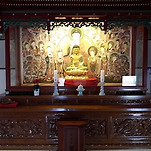


첫댓글 감사히 잘 보았습니다...스크랩이 안되는군요....퍼트리면 좋을텐데.
네, 알겠습니다.